

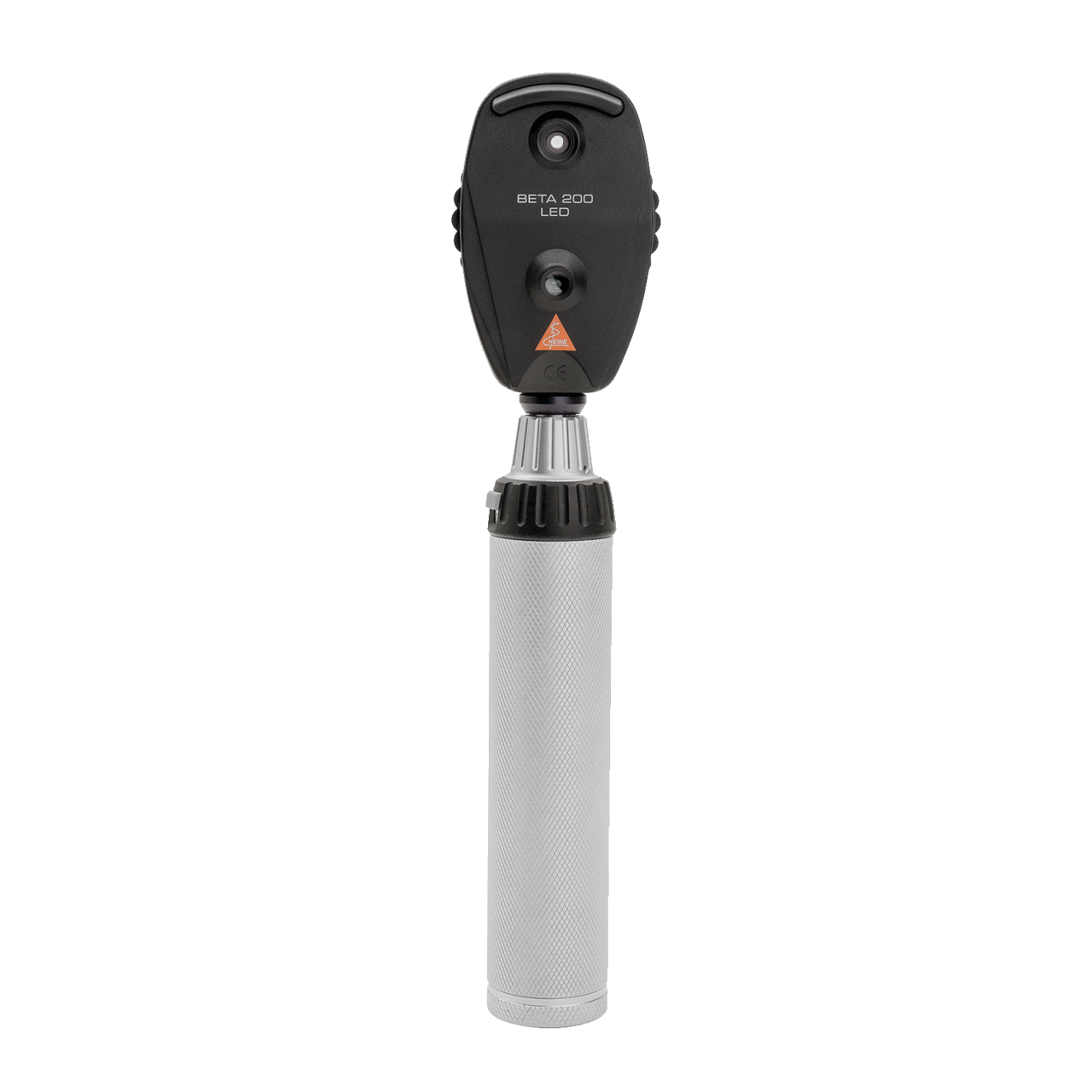
Buy Direct Ophthalmoscope in Nigeria.
Browse direct ophthalmoscope and request a quotation for your facility in Nigeria. Include the configuration, quantity and delivery location you need.
Products
5 models
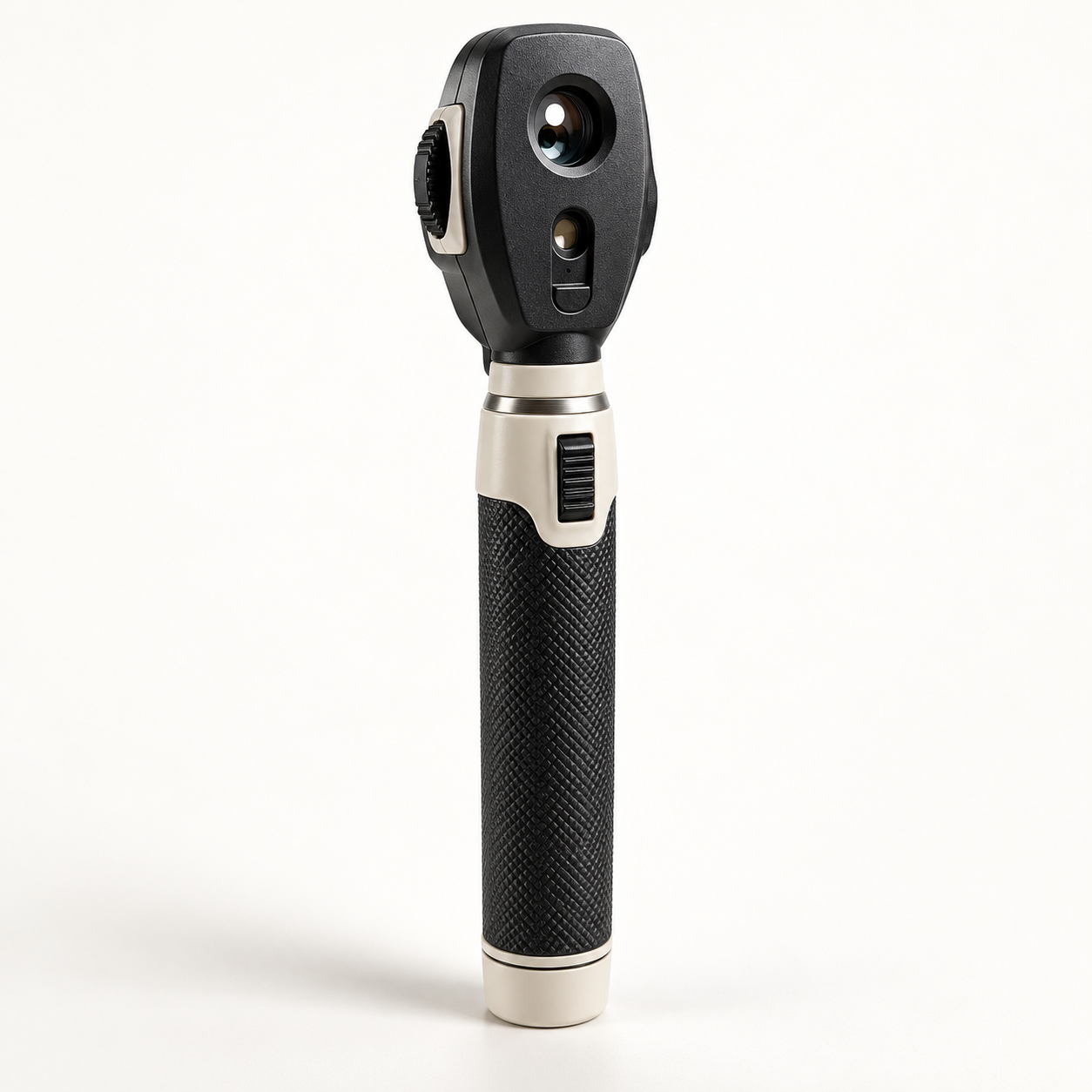
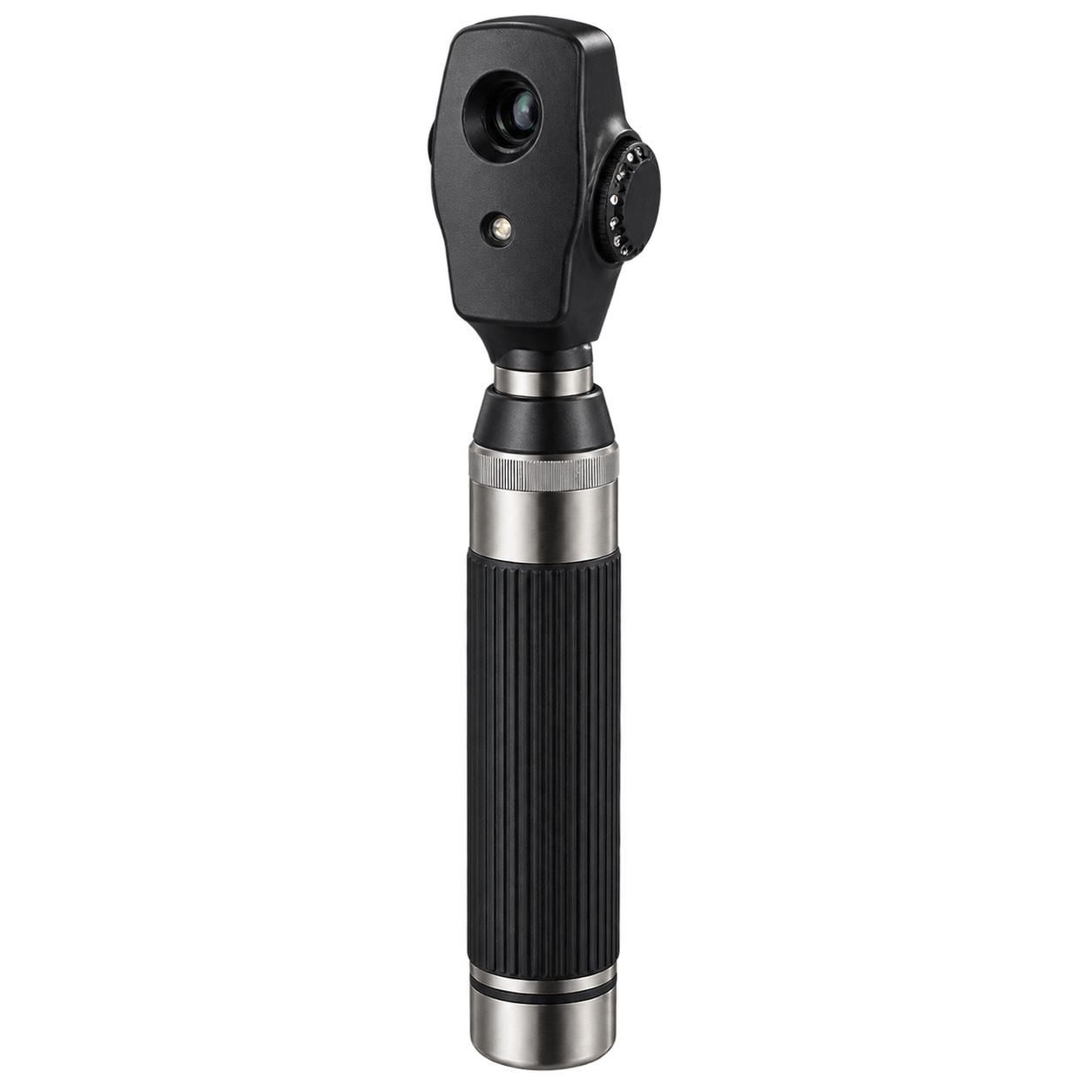
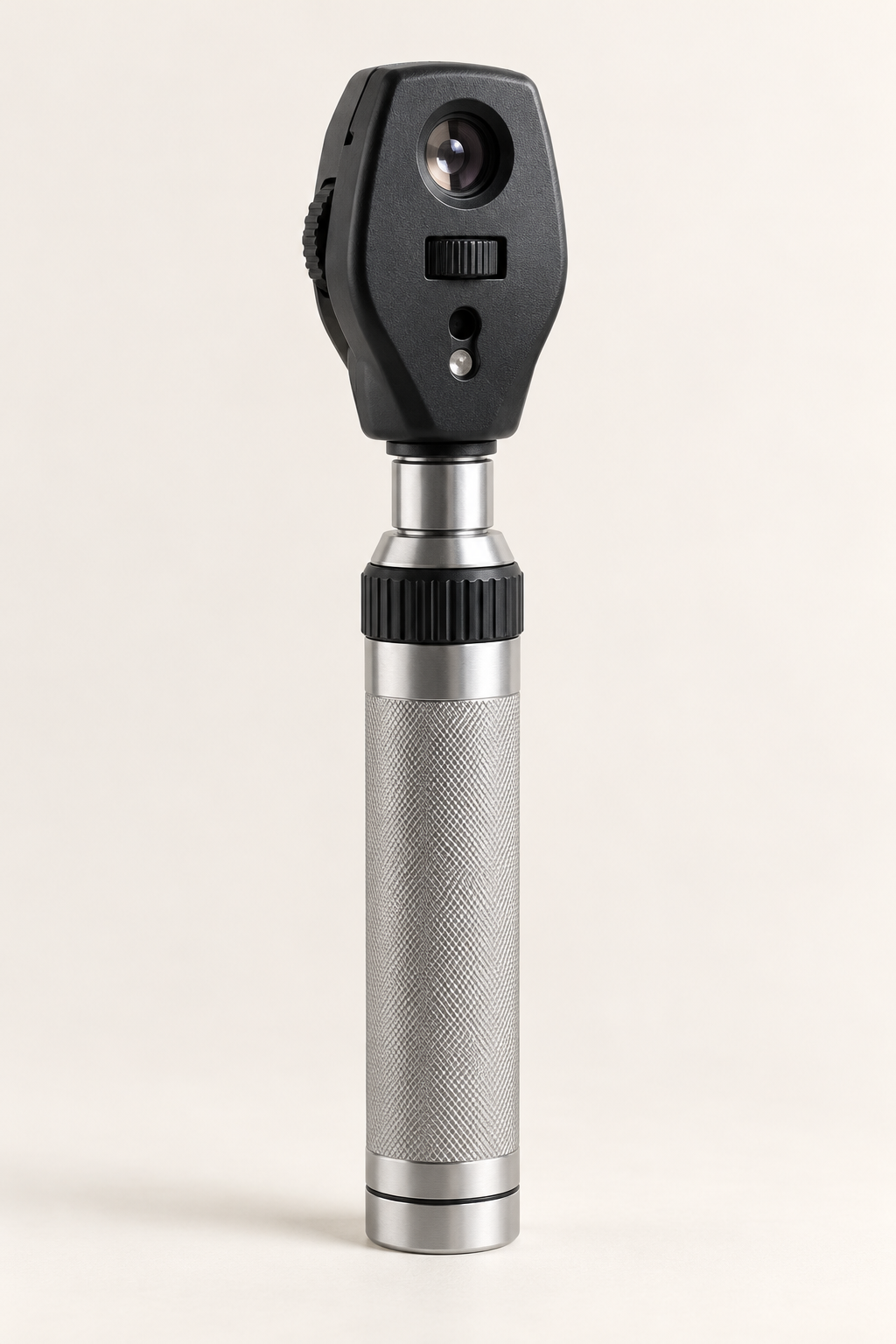
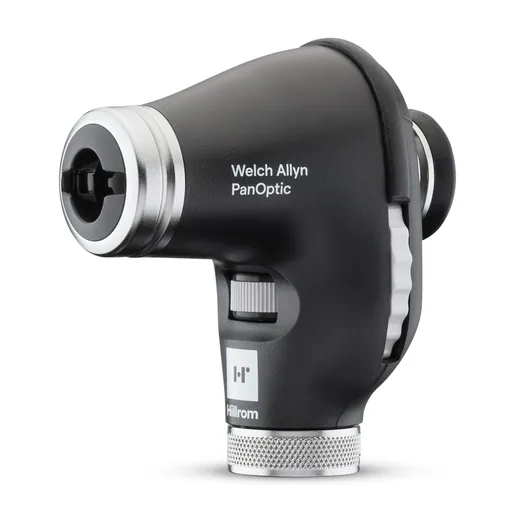
Buy direct ophthalmoscopes in Nigeria: current HEINE models
The current catalogue assigns three HEINE products to this category. Use the category page to compare the family, and open the brand-filtered records for BETA 200 LED, K180 LED and mini 3000 LED. These links identify the catalogue models; confirm the exact quotation configuration before purchase.
Read moreWhat a direct ophthalmoscope does—and what it does not replace
A direct ophthalmoscope is a handheld ophthalmic instrument for viewing the fundus. The product’s optical system, illumination, selectable aperture and refractive lens settings let the trained operator configure the instrument for the examination workflow described in its instructions for use. HEINE’s product literature explains the optical design and adjustable features of the BETA 200, K180 and mini 3000 models. The catalogue guide does not provide clinical instructions, recommend a patient-specific device or interpret examination findings; qualified clinicians define intended use and follow applicable professional protocols and manufacturer instructions.
Read moreCompare BETA 200 LED, K180 LED and mini 3000 LED
Compare the models against the clinic-approved specification rather than choosing solely by brand or appearance. The BETA 200 and K180 both have a manufacturer-listed 27-step lens range from −35 D to +40 D. HEINE lists 18 lens values from −20 D to +20 D for the mini 3000. If the department specifies a particular lens range, verify that the offered version matches it and request the current model data sheet with the quote.
Read moreBuy Direct Ophthalmoscopes in Nigeria: Compare HEINE BETA 200 LED, K180 LED and mini 3000 LED
To buy a direct ophthalmoscope in Nigeria, specify the exact instrument, lens range, aperture set, illumination and handle or charging arrangement required by the eye-care team. Franance’s current direct-ophthalmoscope category lists three HEINE LED models: the BETA 200 LED, K180 LED and mini 3000 LED. Review the direct ophthalmoscope product listing, choose the required model and package, then request a quotation from Franance. Franance follows up by phone or email; the request is a quote order, not an online checkout. The models are not interchangeable package names. HEINE describes different handle families, voltage variants, lens ranges and aperture arrangements across the three instruments. Ask the quotation to identify the precise head, handle, charger or power source, case and accessories offered for the Nigerian order. Manufacturer specifications describe product variants; they do not establish which variant Franance can quote, current stock, Nigerian registration, delivery, warranty or local service.
Buy direct ophthalmoscopes in Nigeria: current HEINE models
The current catalogue assigns three HEINE products to this category. Use the category page to compare the family, and open the brand-filtered records for BETA 200 LED, K180 LED and mini 3000 LED. These links identify the catalogue models; confirm the exact quotation configuration before purchase.
The BETA 200 LED is a handheld direct ophthalmoscope with a 27-step lens wheel spanning −35 D to +40 D and six apertures, according to HEINE. The manufacturer describes its AOS (Aspherical Optical System), separation of illumination and observation paths, dimmable LEDHQ illumination and rechargeable or transformer power options for specified versions. Current manufacturer listings show configurable packages, including a 3.5 V instrument head and BETA rechargeable handles; the exact HEINE shop configuration is not evidence of what is included in a Franance quotation.
HEINE lists the K180 LED with 2.5 V and 3.5 V variants, 27 lens steps from −35 D to +40 D and five selectable apertures. Its data sheet lists battery and rechargeable handle families and an EN 200 wall transformer among power arrangements, with compatibility depending on the version. Request the exact K180 variant and handle system rather than treating the voltage labels as merely a charger choice.
The mini 3000 LED is the pocket-format member of the group. HEINE lists 18 lens values from −20 D to +20 D, five apertures, an 11.3° field of view and compatibility with the mini 3000 handle system. Its manufacturer product data lists the mini 3000 battery handle as the power supply. The compact design may be relevant to a mobile examination workflow, but a clinic should assess the lens range, grip, service arrangements and package contents against its own approved requirements.
The Franance catalogue is a selected set, not an exhaustive HEINE catalogue. If a department needs another HEINE ophthalmoscope, head, handle or accessory, include the manufacturer reference in the enquiry; do not assume an unlisted item is available or included.
What a direct ophthalmoscope does—and what it does not replace
A direct ophthalmoscope is a handheld ophthalmic instrument for viewing the fundus. The product’s optical system, illumination, selectable aperture and refractive lens settings let the trained operator configure the instrument for the examination workflow described in its instructions for use. HEINE’s product literature explains the optical design and adjustable features of the BETA 200, K180 and mini 3000 models. The catalogue guide does not provide clinical instructions, recommend a patient-specific device or interpret examination findings; qualified clinicians define intended use and follow applicable professional protocols and manufacturer instructions.
Direct ophthalmoscopes have a different role from other ophthalmic devices. A slit lamp is a separate examination instrument with its own illumination, viewing optics and room arrangement. A tonometer is a separate device class for intraocular-pressure measurement. An auto kerato-refractometer is used for objective refractive and corneal-curvature measurements. A fundus camera is an imaging system that captures and records fundus images, while indirect ophthalmoscopy uses a different optical approach and commonly different components. A direct ophthalmoscope should not be described as a substitute for those separate tools or their approved clinical roles.
This distinction matters in procurement. If a clinical schedule says “eye examination equipment,” ask the requesting clinician to identify whether a handheld direct instrument is required or whether the schedule actually calls for slit-lamp examination, pressure measurement, objective refraction, retinal imaging or an indirect ophthalmoscopy system. A broad specialty name alone does not specify the equipment. The assigned category contains only three direct ophthalmoscope references; use separate category pages for other instruments and request a multi-category quotation when the project includes several devices.
Compare BETA 200 LED, K180 LED and mini 3000 LED
Compare the models against the clinic-approved specification rather than choosing solely by brand or appearance. The BETA 200 and K180 both have a manufacturer-listed 27-step lens range from −35 D to +40 D. HEINE lists 18 lens values from −20 D to +20 D for the mini 3000. If the department specifies a particular lens range, verify that the offered version matches it and request the current model data sheet with the quote.
The aperture sets also differ. HEINE lists six apertures for BETA 200 LED, including a slit, fixation star, cobalt blue filter, large spot, small spot and hemispot; the product literature notes use with a red-free filter. K180 has five selectable apertures described in the current data sheet, with the available combinations associated with the specified aperture-wheel variant. The mini 3000 offers five apertures, including fixation star with grey filter, large spot, small spot, hemispot and red-free filter. Ask the eye-care team which aperture capabilities are required; do not infer identical aperture selection from a similar model name.
Illumination and handling are additional comparison points. HEINE describes BETA 200 LED as having dimmable LEDHQ illumination, AOS and a one-hand operating design. K180 has HEINE LEDHQ illumination, with its own head, aperture and handle configurations. The mini 3000 is presented as a compact pocket instrument, with a mini 3000 battery handle system. These are manufacturer-reported product features, not promises about clinical performance, outcome, availability or a particular package.
For a direct model comparison, BETA 200 LED combines the −35 D to +40 D lens range and six listed apertures with AOS and dimmable LEDHQ illumination; ask which voltage head, BETA handle, charger, case and accessories are in the offered set. K180 LED has the same documented lens range and five selectable apertures, with 2.5 V and 3.5 V variants; ask which aperture-wheel and handle configuration is quoted. Mini 3000 LED is the compact option in HEINE’s range, with 18 values from −20 D to +20 D, five listed apertures and an 11.3° field of view; confirm its 2.5 V head, mini 3000 handle and whether a case is included.
These are comparisons of manufacturer-published product details, not a ranking. A larger number of lens values or apertures is not by itself evidence that one product is suitable for a particular service. Ask the clinician or procurement lead to mark mandatory requirements and desired options, then request a model-by-model response to those criteria.
Which lens range, aperture and illumination options should you specify?
Start with the specification approved by the ophthalmologist, optometrist or relevant clinical service. Record a required lens range if the team has one, the necessary apertures or filters, preferred illumination and any inspection or teaching workflow needs. Confirm each point against the current manufacturer documentation for the exact model. Do not use a product listing as a clinical protocol.
Lens-wheel range is an easily compared specification, but the three products do not have identical values. BETA 200 LED and K180 are described with 27 steps across −35 D to +40 D. Mini 3000 is described with 18 lens values from −20 D to +20 D. If a tender or equipment schedule states a range, reproduce it exactly in the enquiry and ask Franance to state the offered model’s supported range. If the requirement is not yet defined, have the clinical department and procurement team agree on it before inviting competing quotations.
For apertures, distinguish the number of selectable choices from the exact choices. BETA 200’s published list names slit, fixation star, cobalt blue filter, large spot, small spot and hemispot. K180’s data sheet distinguishes aperture wheel arrangements, so identify the required wheel or included options from the current K180 documentation. Mini 3000’s product page lists five apertures, including a fixation star with a grey filter and a red-free filter. Confirm whether the listed category product is supplied with those functions in the exact offered version, and ask for the appropriate data sheet when a capability is essential.
Illumination is not just “LED or not LED.” Ask for the exact illumination technology, brightness control, dimming method and model variant from the current product literature. HEINE describes LEDHQ across these instruments but reports the BETA 200’s continuous dimming feature explicitly. Do not transfer the BETA 200 dimming claim to another model without that model’s documentation. For light exposure and safe operation, the operator should follow the current manufacturer instructions and the facility’s procedures; this buying guide does not prescribe exposure duration or examination technique.
How should you choose handle, voltage, charging and accessories?
Treat the instrument head and the power handle as related but separately specified parts. HEINE’s BETA 200 product page offers configurable power-source options. The manufacturer describes a 3.5 V BETA 200 LED head with current BETA rechargeable handles and EN 200/EN 200-1 wall transformers; it also has 2.5 V product variants in the wider product family. BETA handles and transformers should be confirmed for the exact offered head and version. Ask the quotation to identify each reference and show whether the instrument is supplied as a head only, a complete set, or another configuration.
K180’s official data sheet lists both 2.5 V and 3.5 V variants. It lists HEINE battery handles for 2.5 V, rechargeable handles for 3.5 V, and EN 200 wall transformer power arrangements. The data sheet also names compatible handle and battery families. Specify voltage and handle type, then request written compatibility confirmation. A handle that fits a different HEINE instrument family is not automatically suitable merely because the products share the HEINE name.
HEINE describes the mini 3000 ophthalmoscope as compatible with the mini 3000 handle system; the official model listing identifies a 2.5 V head and a mini 3000 battery handle for a particular configurable package. Confirm whether the quotation includes the head, handle, batteries, hard case or soft pouch and any requested additional instrument head. “Mini 3000” does not establish that a case or every accessory shown in a product image is supplied.
For any of the models, ask for the power and charging items to be itemized. If the department uses rechargeable equipment, specify its existing handle and charging station by model and ask whether the requested instrument is compatible. For battery operation, confirm battery type, whether batteries are included, expected replacement and the institution’s approved charging or storage arrangements. If a wall transformer is required, confirm the exact transformer, installation responsibility and electrical requirements. Keep these questions in the quotation rather than assuming a regional shop configuration transfers to Nigeria.
What should a Nigerian clinic verify before ordering?
The exact technical and commercial offer should be reviewed before approval. Confirm the brand and complete model name, manufacturer reference, voltage, head, handle, charger or transformer, case, colour where relevant, accessories and quantity. Request the current instructions for use, product data sheet and any documentation required by the institution. Check that the offered lens range, aperture choices and illumination match the clinical schedule.
For a facility rollout, list every room and the responsible department. Distinguish a new device from a replacement and note whether the existing handles, chargers or storage cases are to be reused. Reuse should be considered only after the supplier confirms compatibility, condition and required inspection. A model family name alone is insufficient to plan shared parts across different voltage or handle systems.
Include the full Nigerian destination: facility, city, state, delivery contact and any access or receiving requirements. Ask the written offer to specify current availability, quoted price, delivery assumptions, payment terms, regulatory or import documentation applicable to the specific item, and warranty and service terms. These terms are not established by HEINE’s international pages or the Franance catalogue. Do not assume a manufacturer’s guarantee shown in one regional source applies to a Nigerian export purchase.
If training, setup or post-sale support is required, list it as a requested line item. Ask who performs it, where, what is included and whether travel or other charges apply. Franance can review the enquiry and clarify the quote order by phone or email. Its catalogue does not confirm a local office, authorized-dealer status, stock, delivery time, technical-service capacity or warranty eligibility. Have the final approved offer identify the responsible party and scope in writing.
What should a direct ophthalmoscope quotation from Franance include?
Send Franance the exact model—BETA 200 LED, K180 LED or mini 3000 LED—or the approved lens, aperture and illumination requirements. State quantity, intended department, facility, destination city and state, required instrument head and compatible handle or power system, case and accessory preferences. If you already own HEINE handles, chargers or transformers, provide their precise model and voltage references so compatibility can be checked rather than assumed.
For a multi-site or teaching purchase, attach the equipment schedule and separate mandatory requirements from optional requests. Identify whether the team needs a portable pocket device, an instrument configured for a particular handle system, or both. Include the service’s expected storage, charging and reprocessing workflow as procurement requirements for staff review; the manufacturer instructions remain the authority for use and reprocessing details.
Ask for a written, itemized quote that names the product reference and every included component. The response should distinguish the ophthalmoscope head from handle, batteries, charger, transformer, case and accessory options. Request the current data sheet and instructions for use, and ask the supplier to identify any proposed substitution instead of silently changing the requested model. Confirm price, availability, destination delivery, payment terms, warranty eligibility, installation or training scope and after-sales responsibilities in that same written offer.
Use the category listing or its HEINE-filtered view to select the catalogue references. You can then send Franance a direct ophthalmoscope enquiry with the schedule. A submission starts a quote discussion; the site does not charge a card or complete a retail checkout.
Frequently asked questions about direct ophthalmoscopes in Nigeria
### Which direct ophthalmoscopes does Franance list?
The current category assigns three HEINE LED references: BETA 200 LED, K180 LED and mini 3000 LED. Open the direct ophthalmoscope listing or the HEINE category-filtered listing to view the current records.
### What is the difference between a direct ophthalmoscope and a slit lamp?
They are separate ophthalmic instrument classes with different optics and room workflows. The direct ophthalmoscope category contains handheld HEINE models; slit lamps appear in the separate slit-lamp category. A clinician should specify the instrument required for the service.
### Is the mini 3000 the same as an indirect ophthalmoscope?
No. The listed mini 3000 LED is a direct ophthalmoscope. Indirect ophthalmoscopy uses a different optical approach; the category does not list an indirect ophthalmoscope system. Request the exact equipment class specified by the clinical team.
### Can Franance confirm a Nigerian price or stock from the category page?
No. The category page does not confirm live stock, price, delivery, registration, warranty or service. Send the model, configuration, quantity and delivery destination to Franance and ask for the terms in a written quotation.
### Can I buy a HEINE ophthalmoscope online through Franance?
No. Franance accepts quotation requests and follows up by phone or email. The written quote order confirms the offered product, configuration and commercial terms before the purchase proceeds.
Sources and limitations
- HEINE BETA 200 LED Ophthalmoscope — model listing, AOS, 27-step lens wheel, aperture set, dimmable LEDHQ and configurable power choices. Accessed 20 October 2026. - HEINE BETA LED ophthalmoscopes product data sheet — model-specific technical data. Accessed 20 October 2026. - HEINE K180 LED Ophthalmoscope product data sheet — 2.5 V/3.5 V variants, compatible power arrangements, optical and mechanical data. Accessed 20 October 2026. - HEINE mini 3000 LED Ophthalmoscope and official product data sheet — product configuration, lens values, apertures, field of view and power. Accessed 20 October 2026. - HEINE instructions for direct ophthalmoscopes — manufacturer use and safety instructions. Accessed 20 October 2026.
Manufacturer documents describe international models and may be revised. Confirm the current data sheet, exact head and power configuration, package contents and country-specific terms for the offered item. Nothing here establishes Nigerian stock, price, registration, import status, delivery, local authorization, warranty or service. This is purchasing information, not clinical guidance; qualified staff must define intended use and follow current manufacturer instructions and applicable institutional procedures.
Common questions
Which direct ophthalmoscopes does Franance list?
The current category assigns HEINE BETA 200 LED, HEINE K180 LED and HEINE mini 3000 LED direct ophthalmoscopes. Use the category or HEINE-filtered listing to check the exact catalogue entries.
What is the difference between a direct ophthalmoscope and a slit lamp?
They are separate ophthalmic instrument classes with different optics and room workflows. Franance lists the handheld direct ophthalmoscopes separately from slit lamps; the clinical team should specify the equipment type it requires.
Is the mini 3000 LED an indirect ophthalmoscope?
No. Franance lists the HEINE mini 3000 LED as a direct ophthalmoscope. The category does not list an indirect ophthalmoscope system.
Can Franance confirm the Nigerian price and availability online?
No. The catalogue does not confirm live stock, price, registration, delivery, warranty or service. Send the exact model and configuration for a written quotation.
Can I place an online checkout order?
No. Franance handles quote orders and follows up by phone or email. The written quotation confirms the offered model, package and commercial terms.
Request a direct ophthalmoscope quotation from Franance.
Name the HEINE model, exact voltage and handle configuration, lens and aperture requirements, accessories, quantity and destination city and state. Franance will follow up to clarify the quote order and confirm terms in writing.
Request an ophthalmoscope quoteNeed an equipment quote?
Add the models you need to a quote order, or send us your equipment list.