

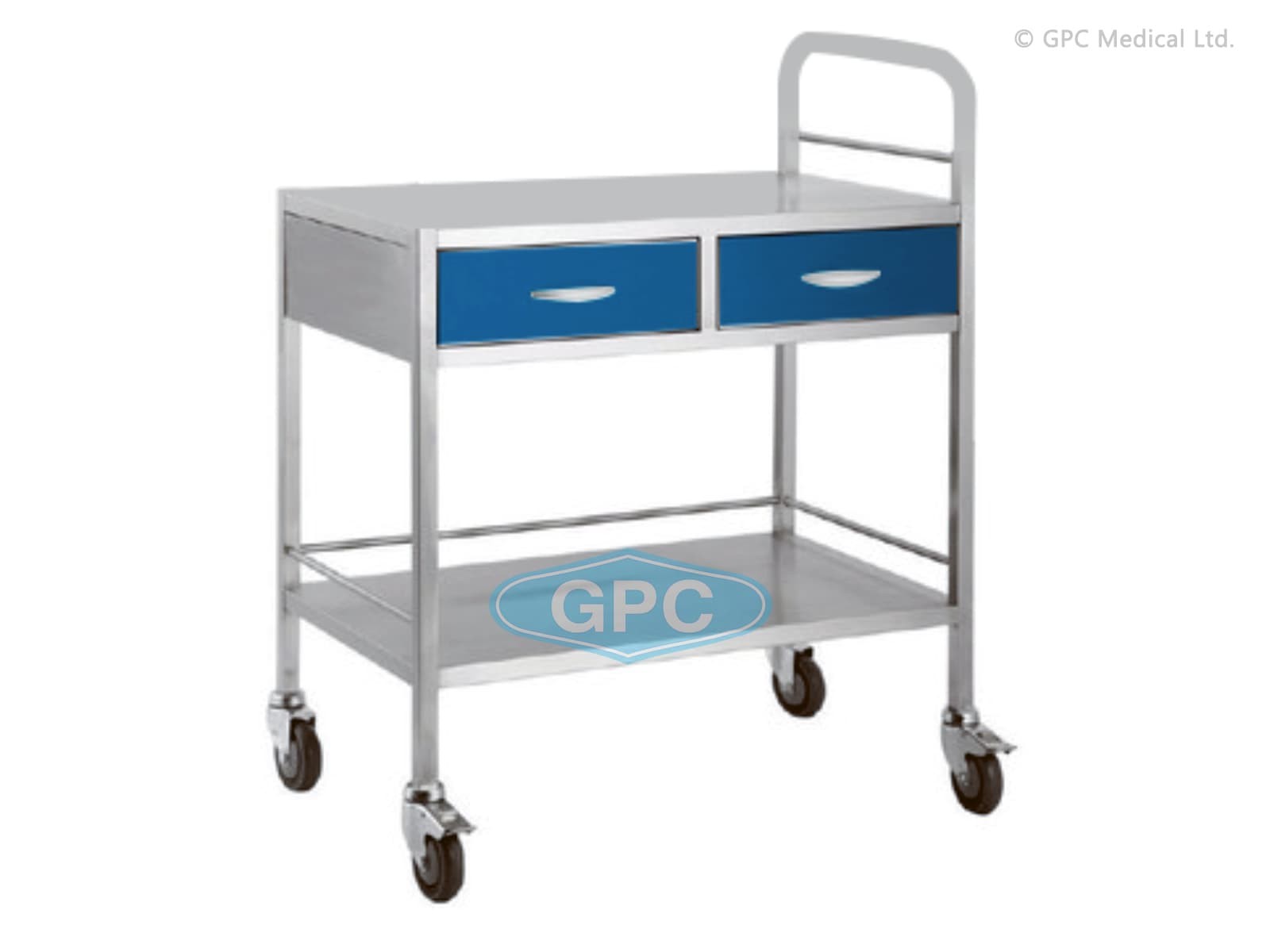
Buy Medical Utility Trolley in Nigeria.
Buy medical utility trolleys in Nigeria through Franance by matching a verified GPC Medical model and configuration to the supplies, route, room and cleaning workflow. The current category lists GHF84.01 and GHF84.02; request model-specific dimensions, load ratings, materials, shelves, castors and accessories because the reviewed catalogue does not establish those details for both.
Products
33 models
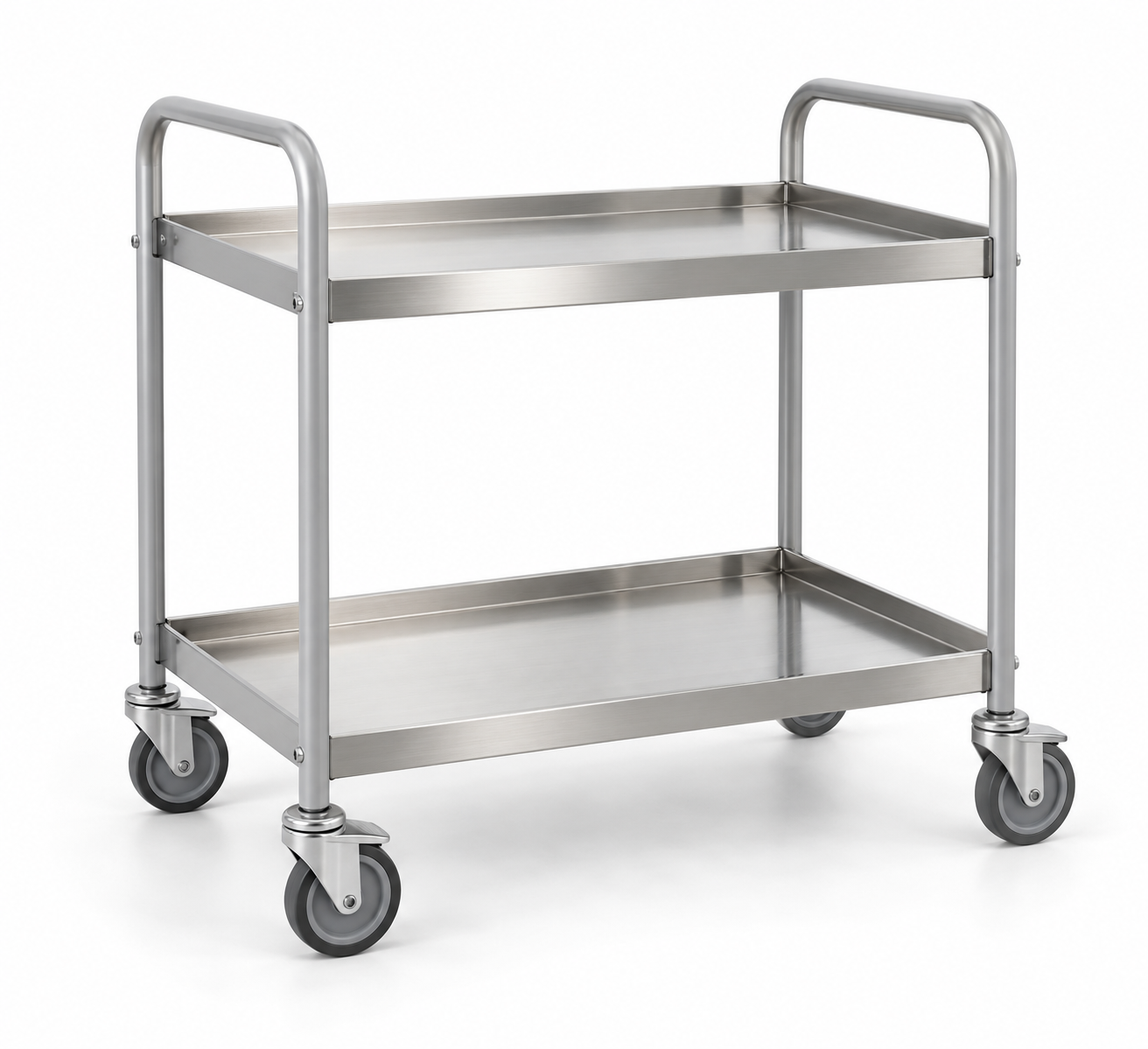
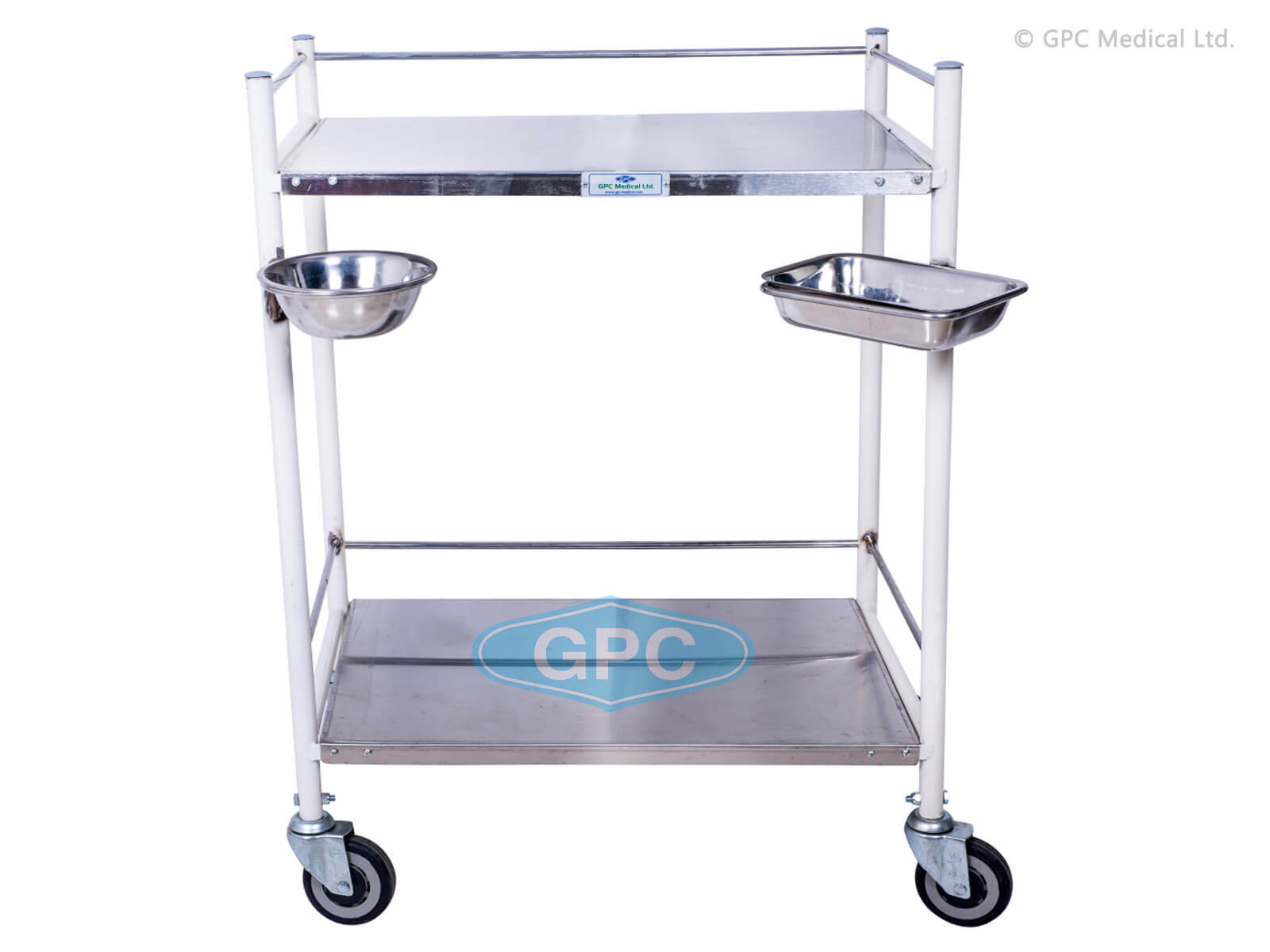
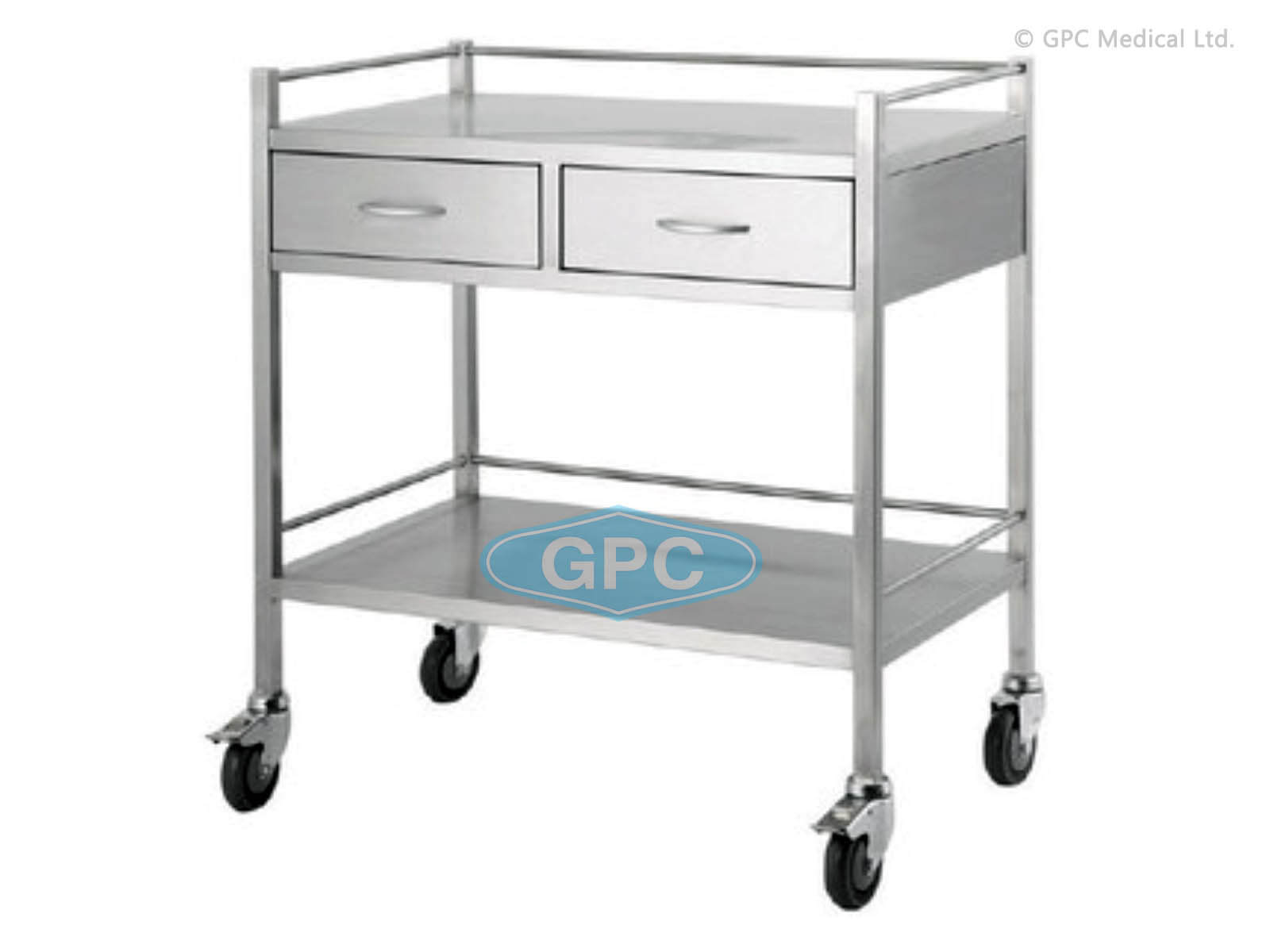
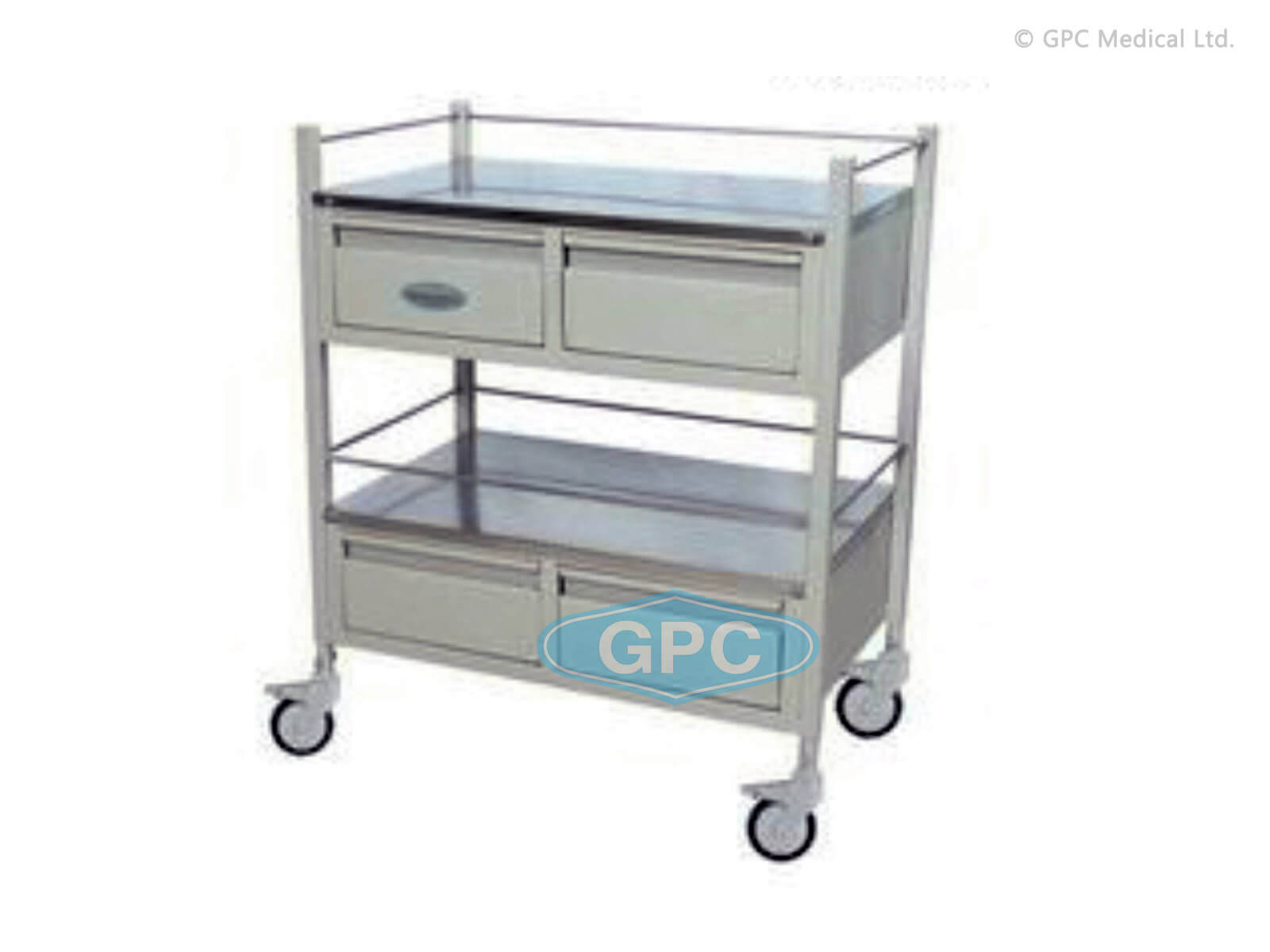
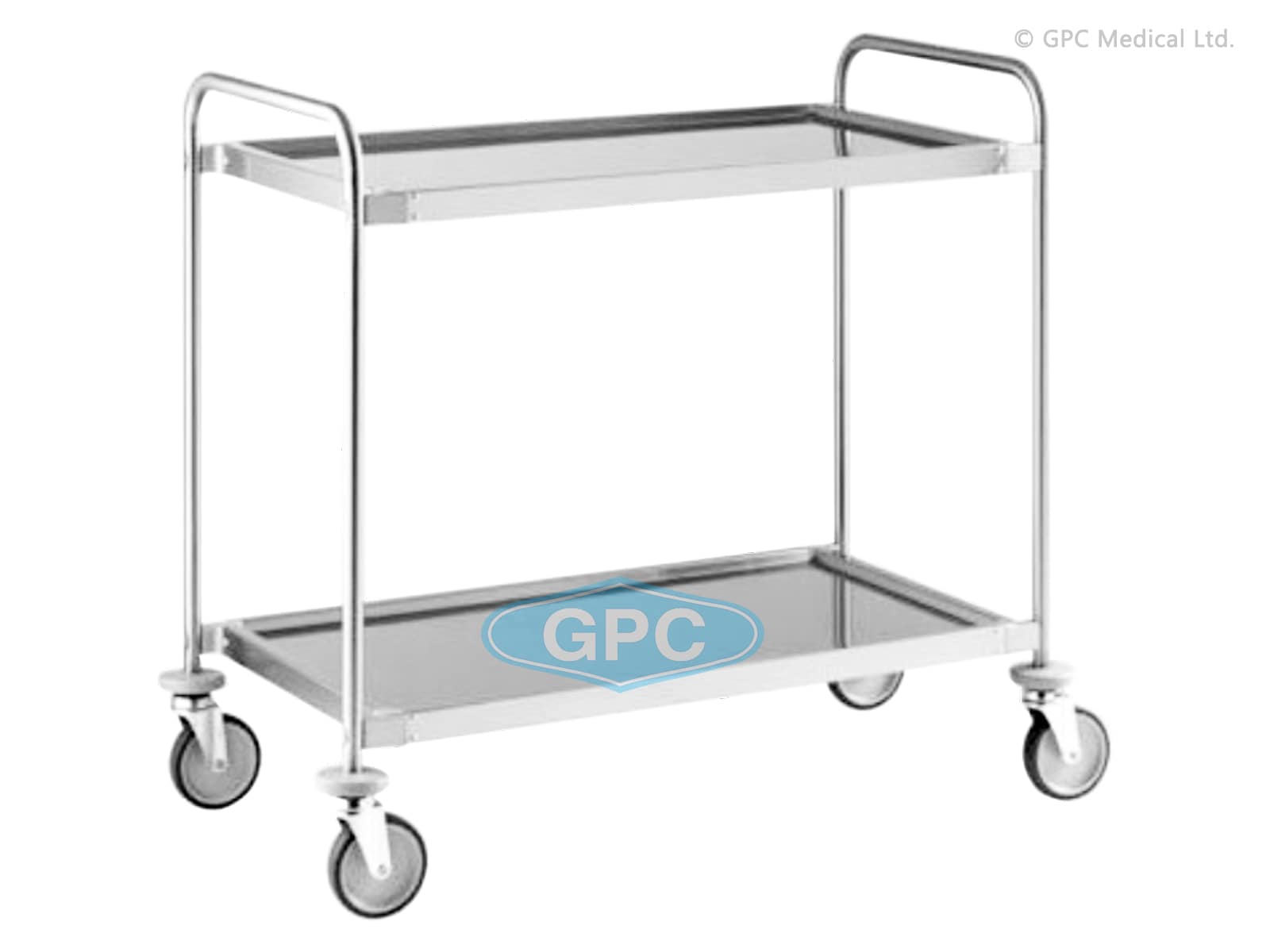
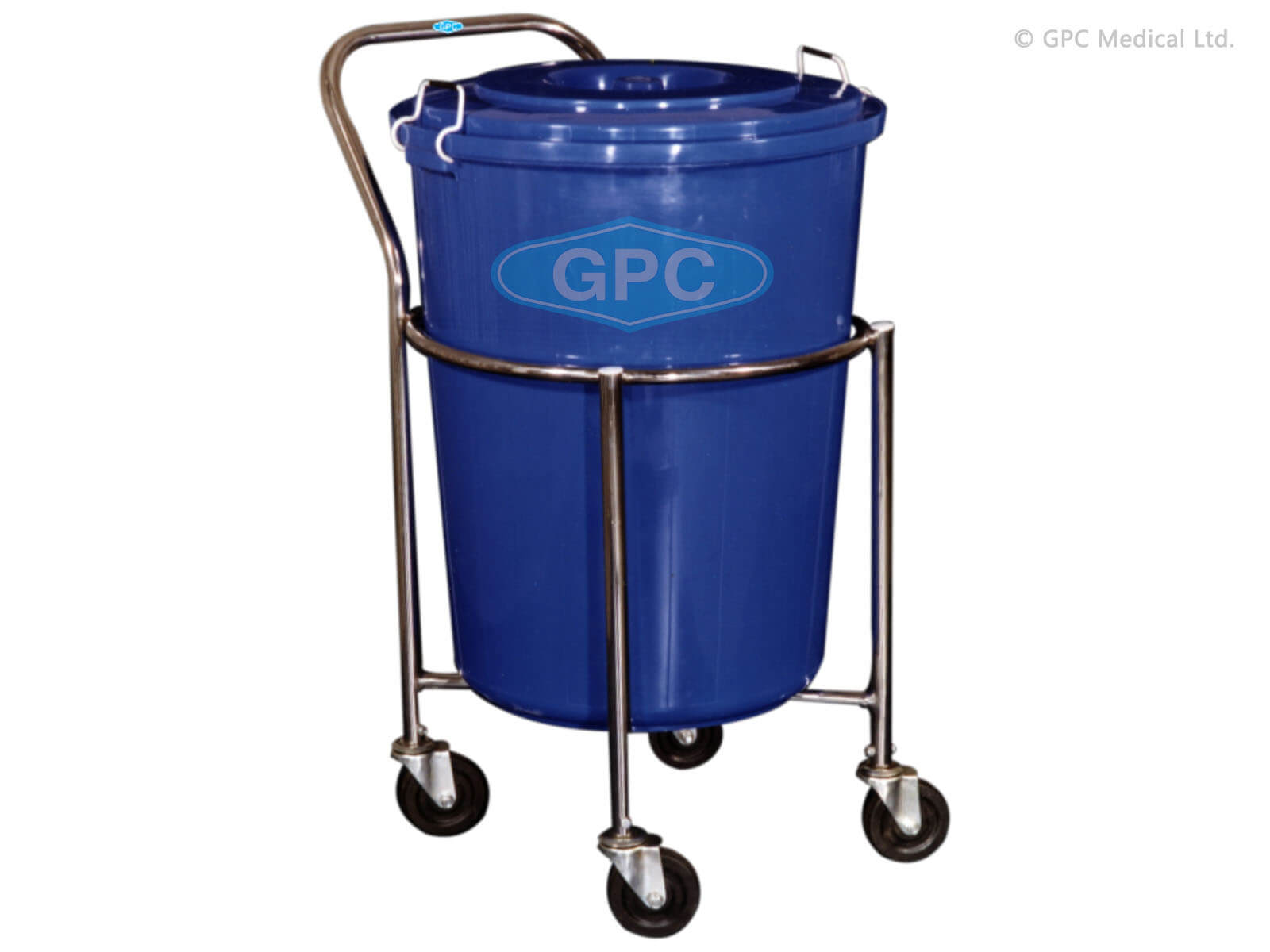
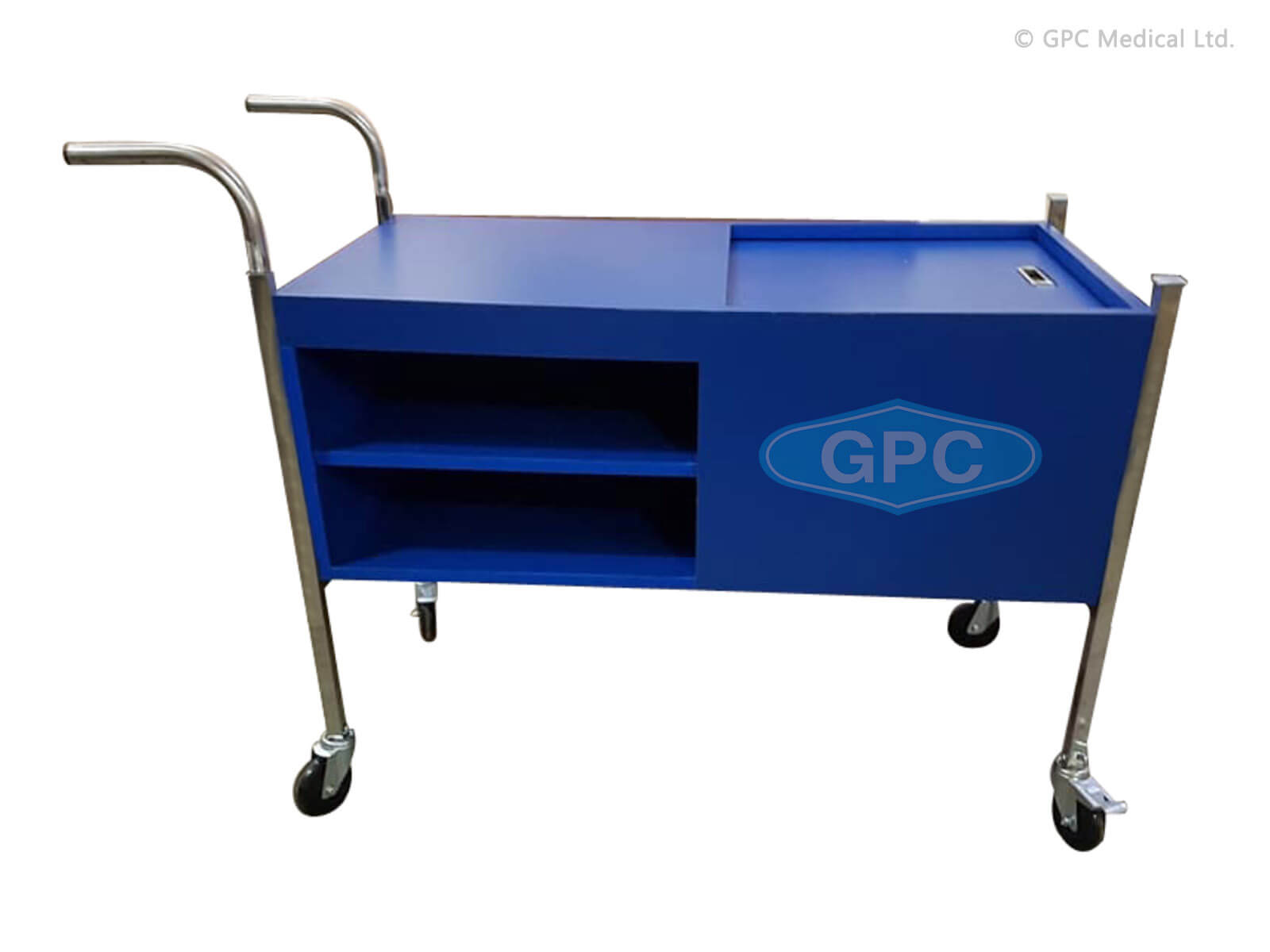
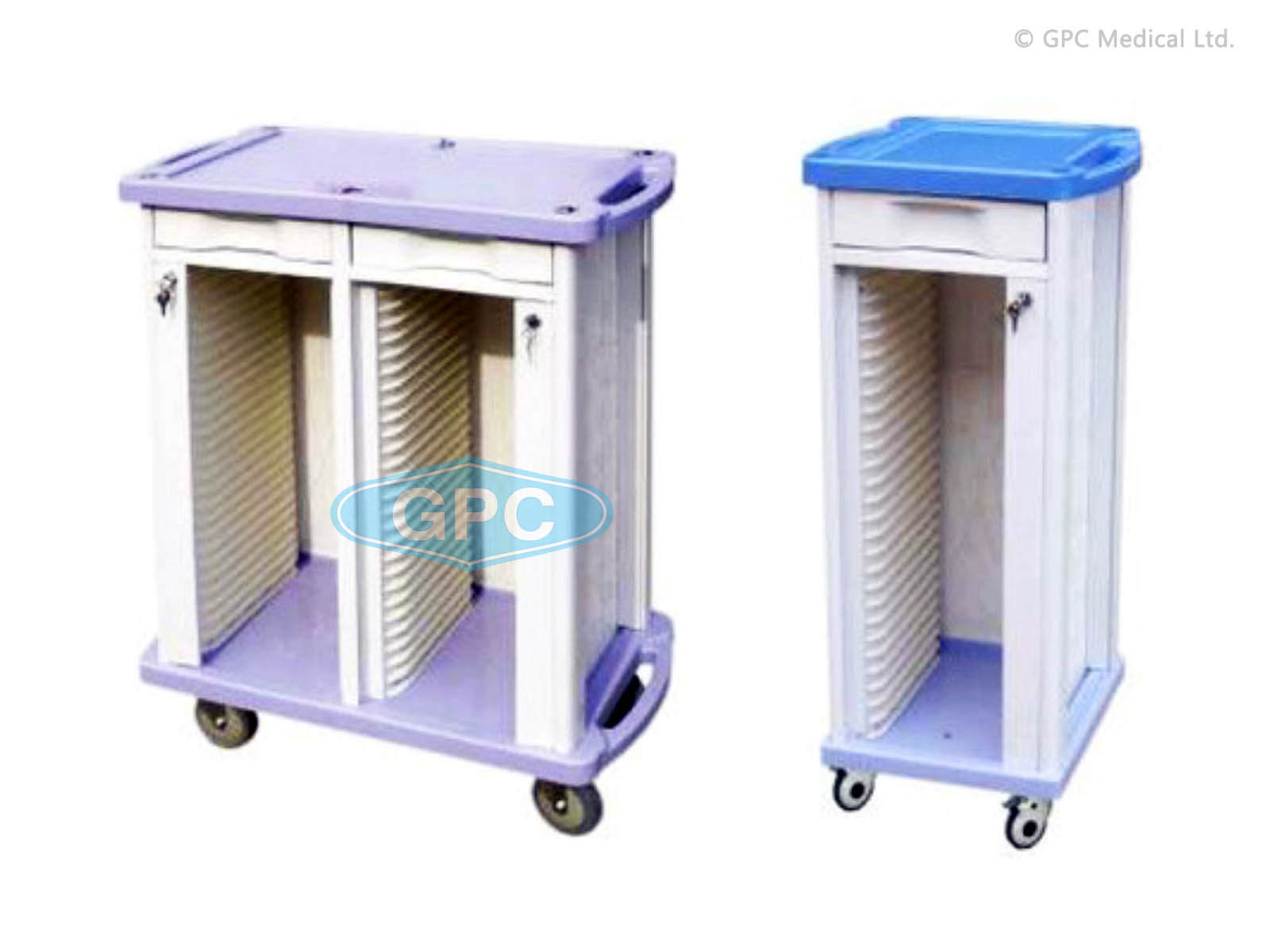
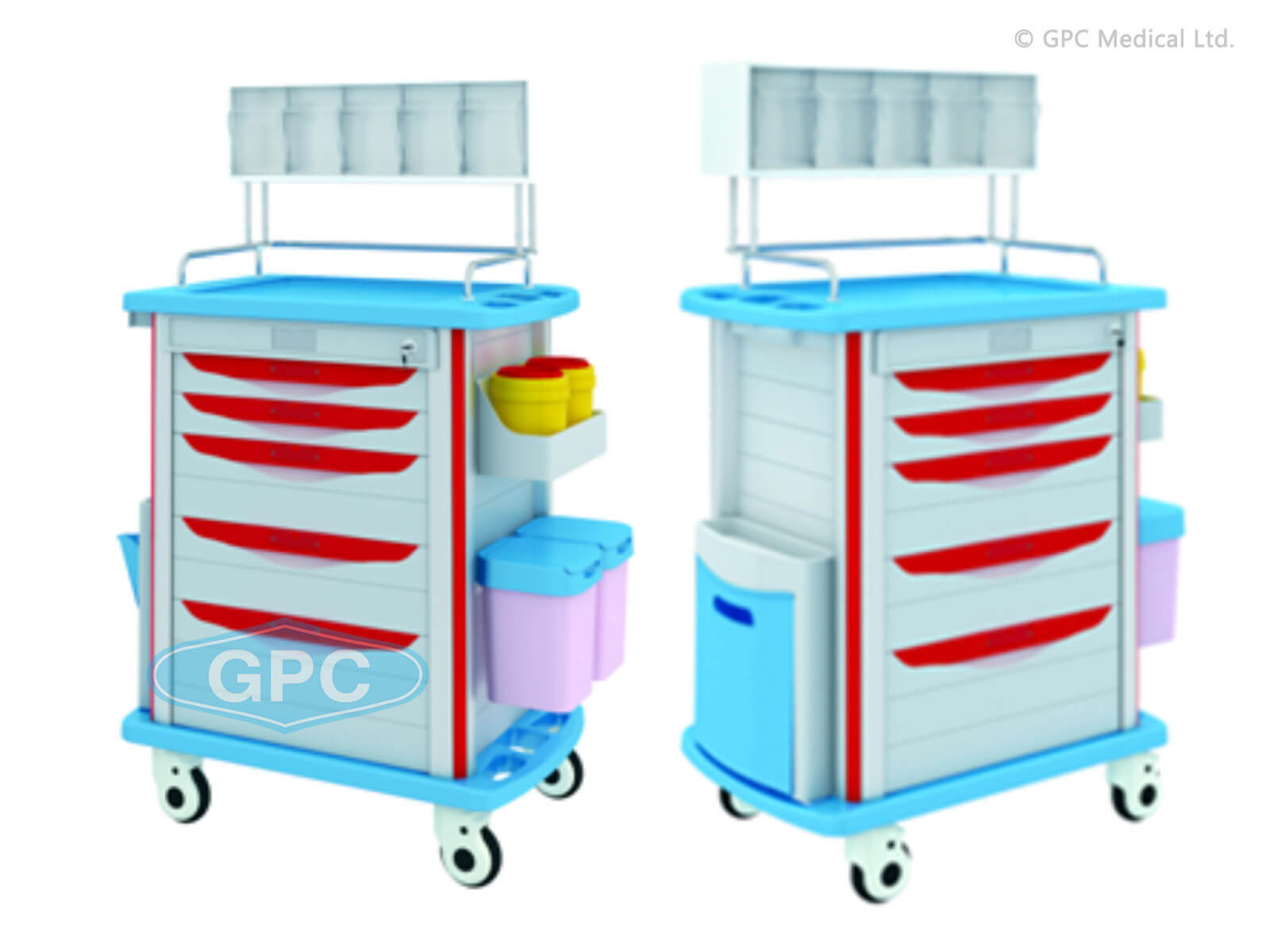
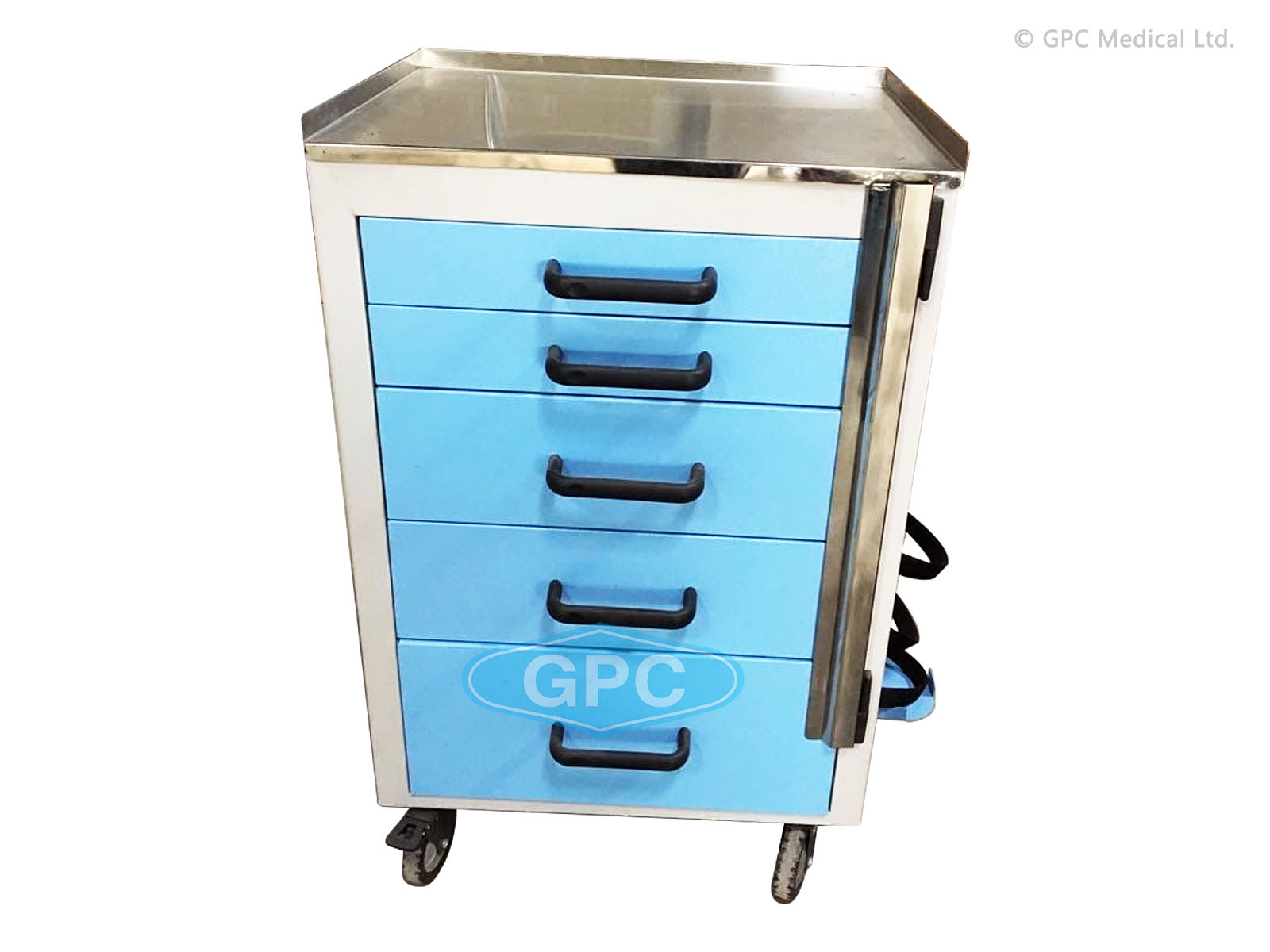
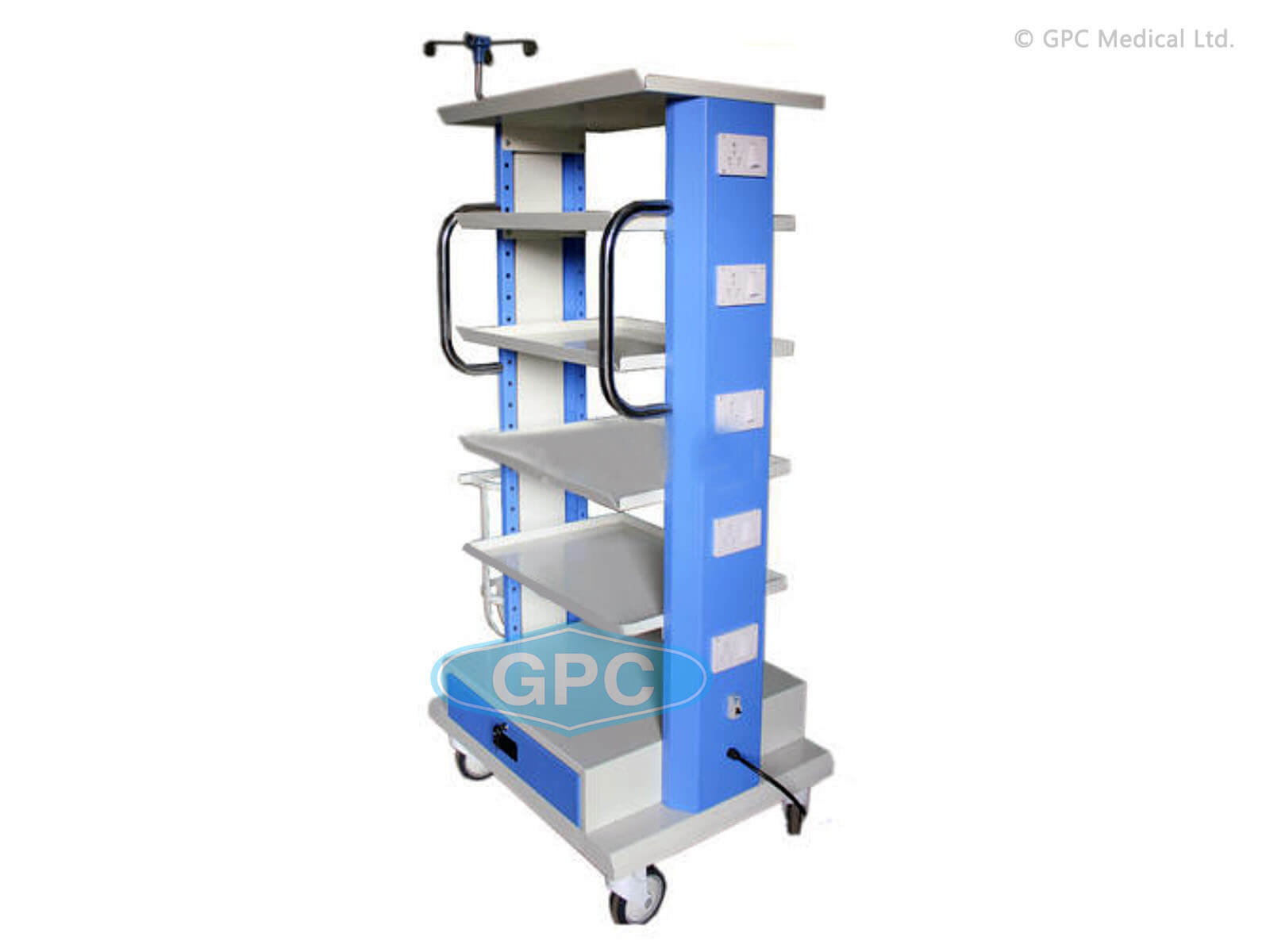
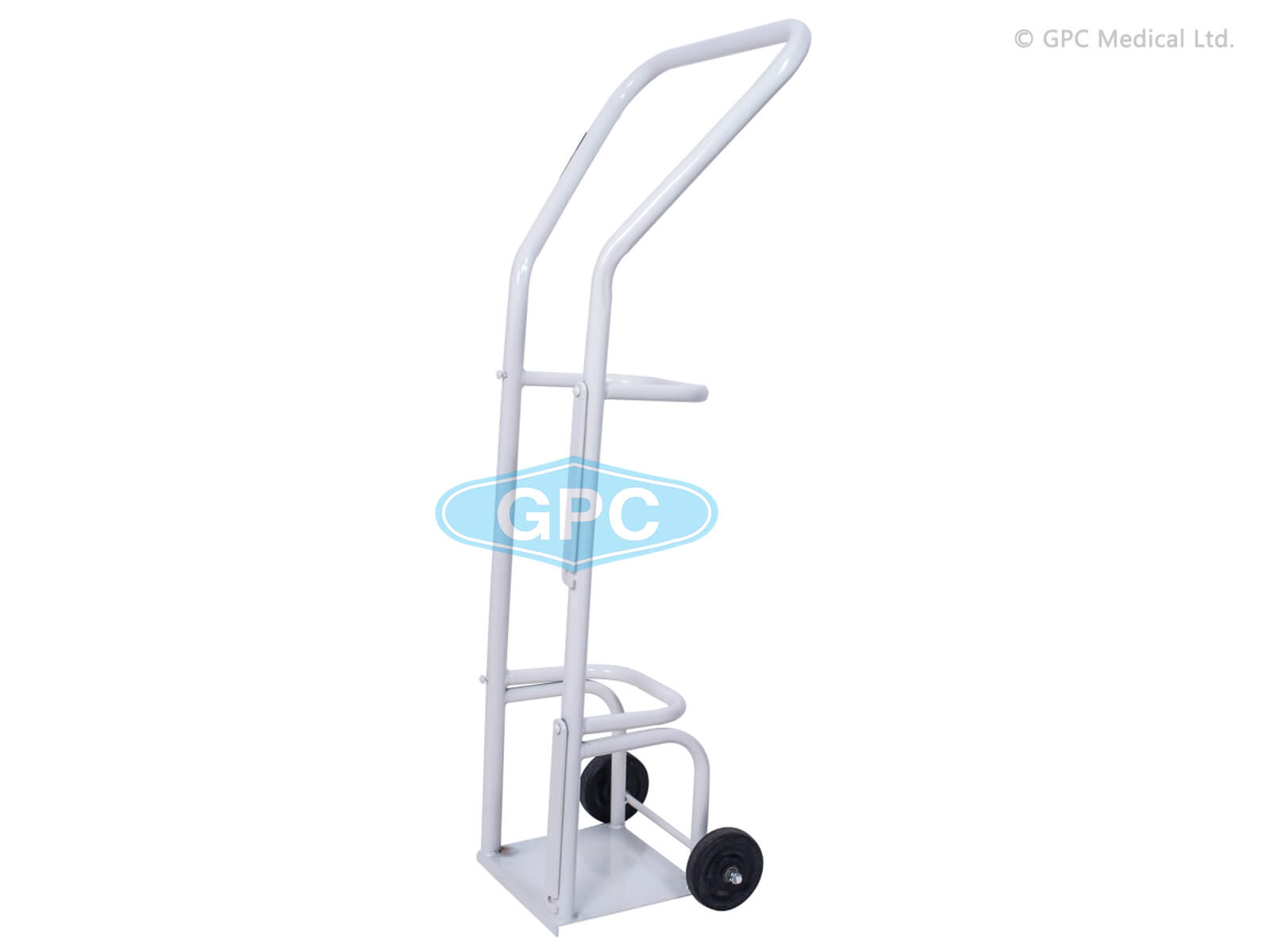
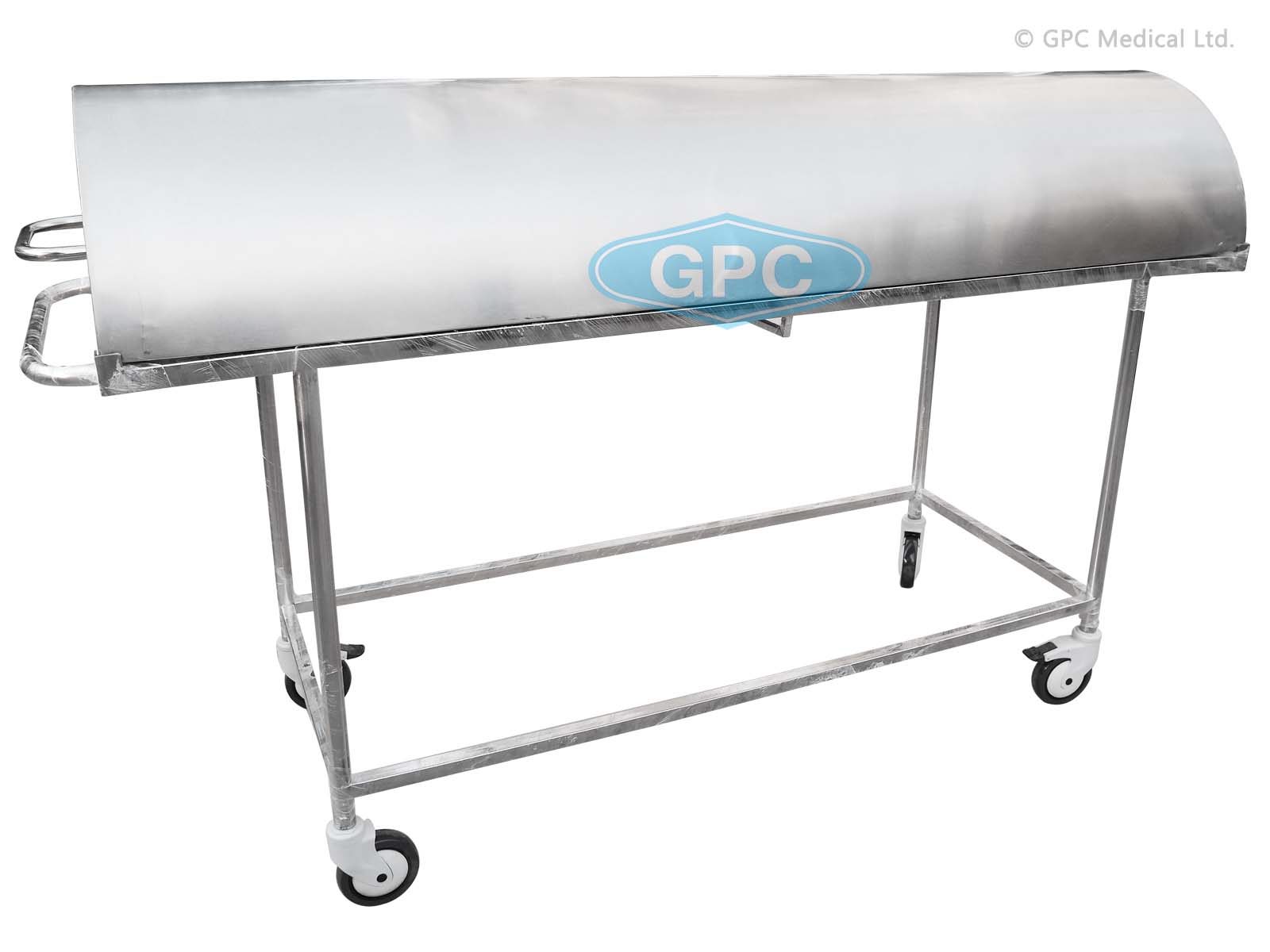
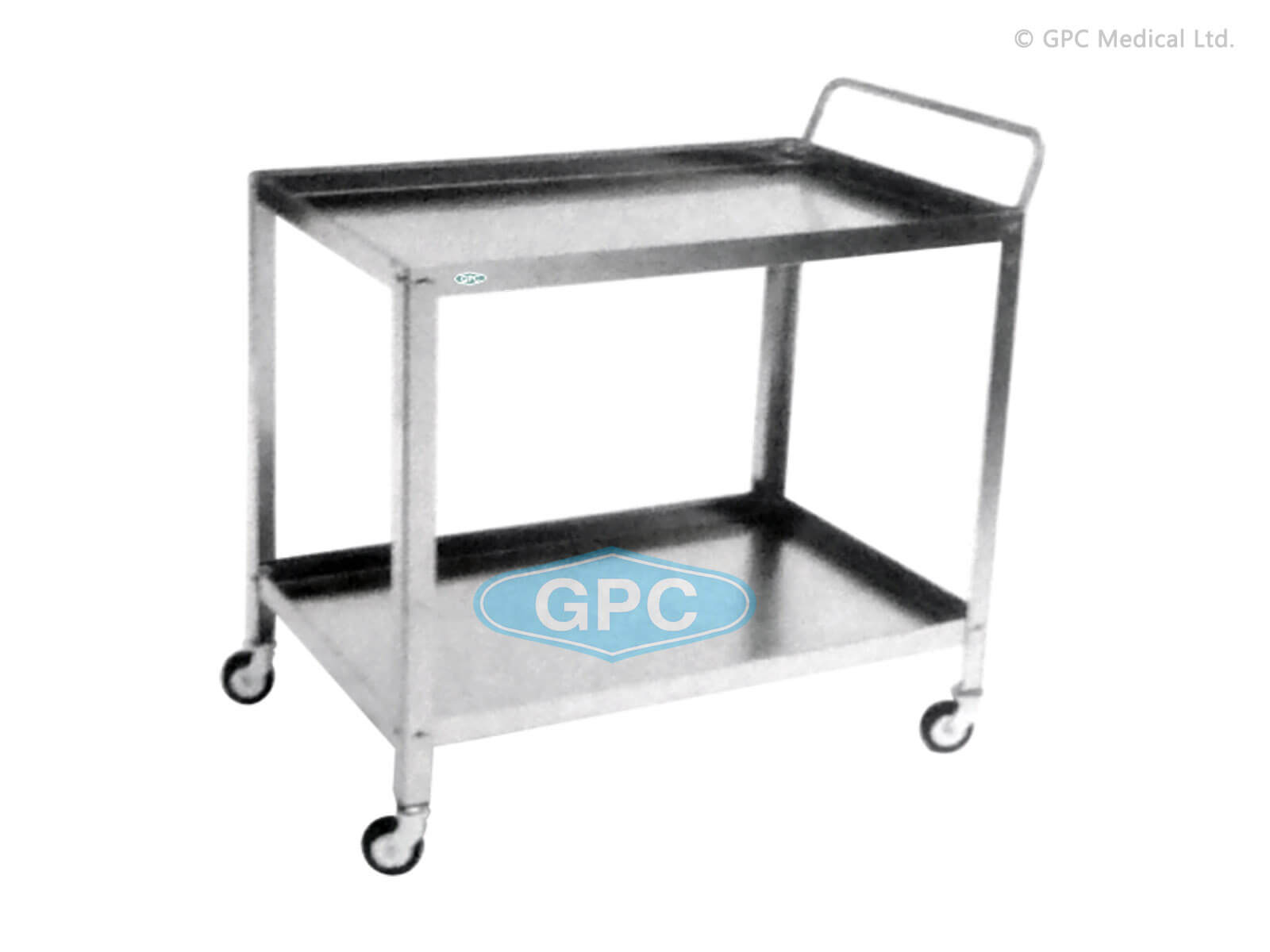
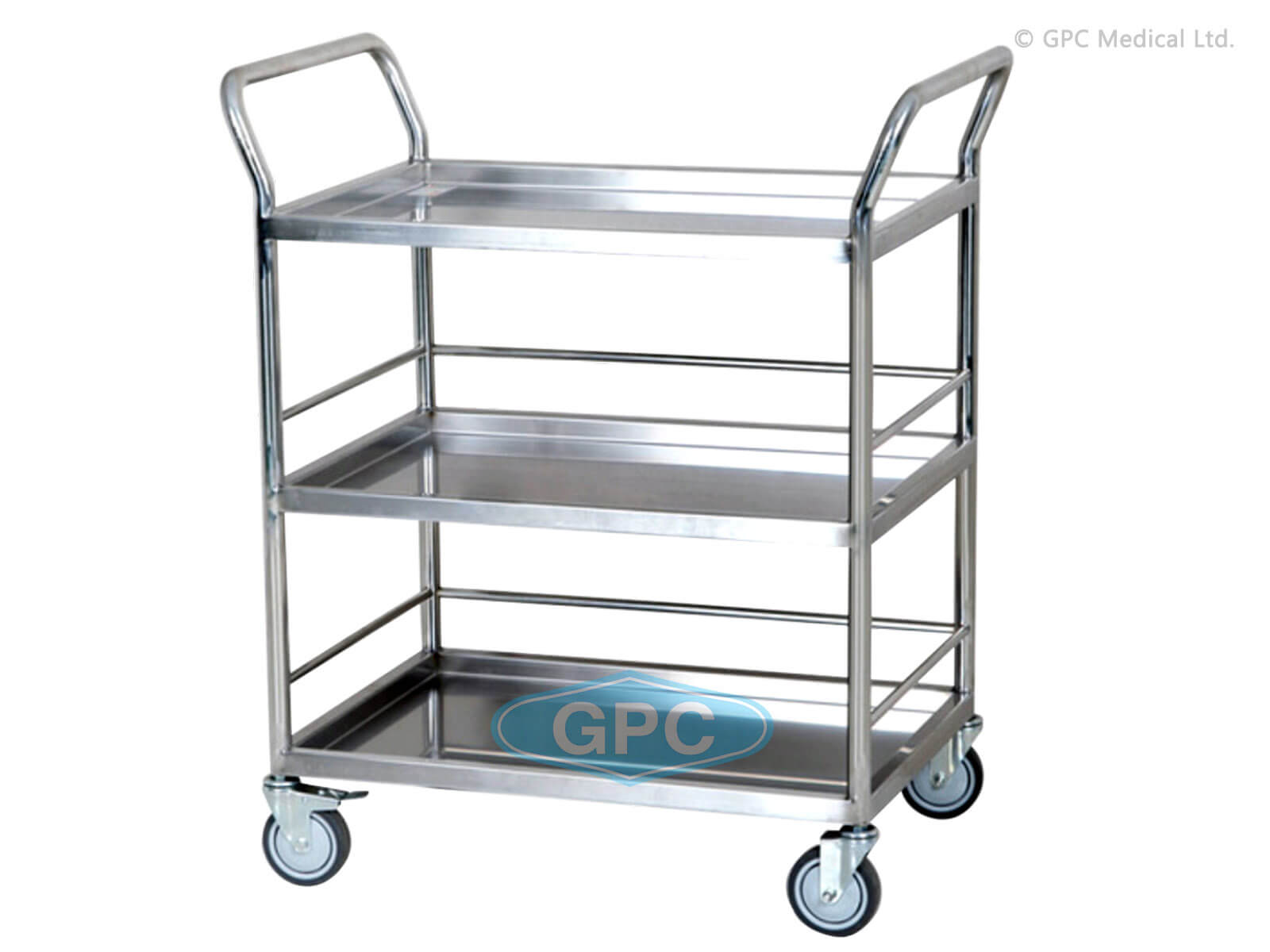
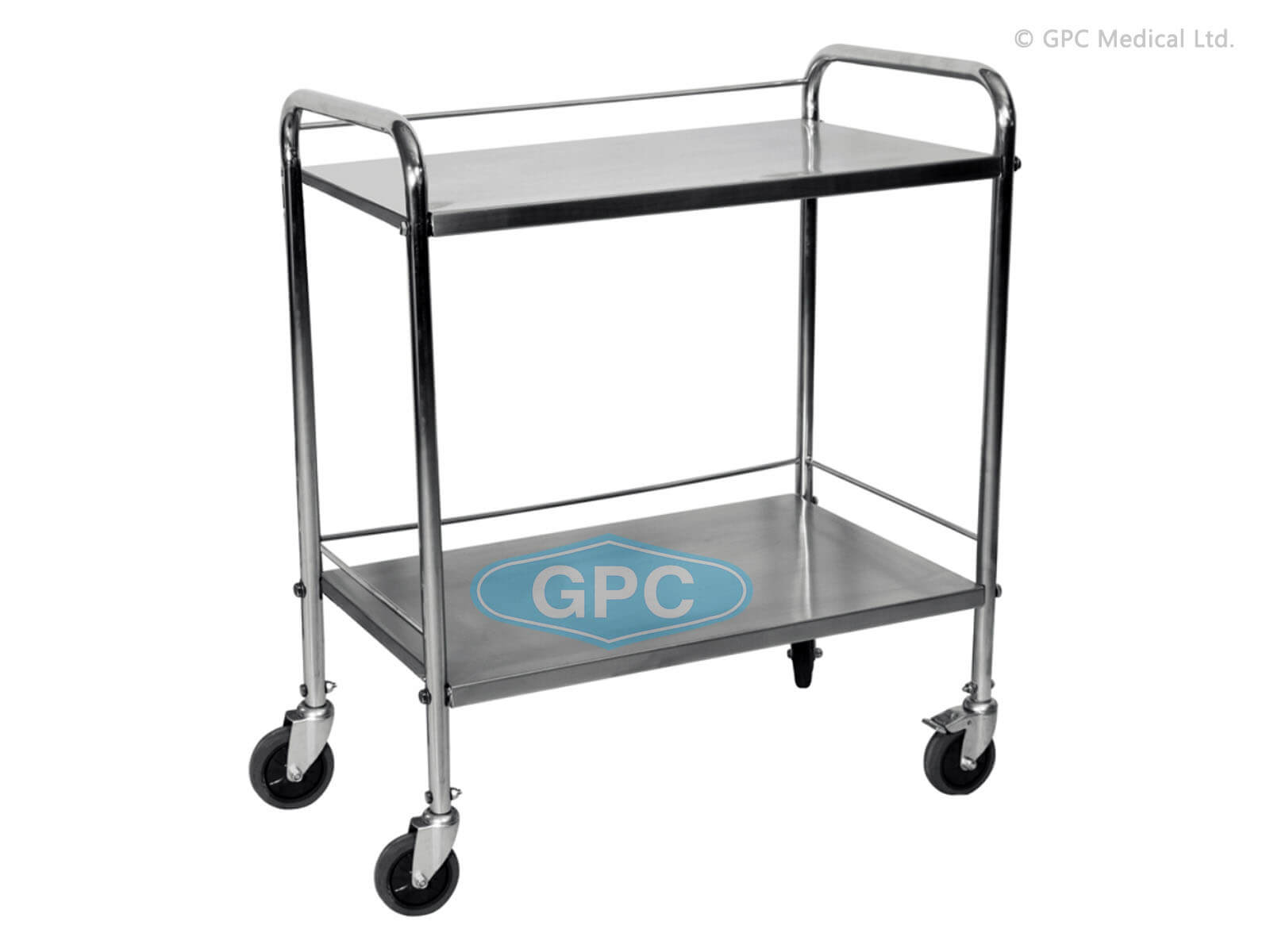
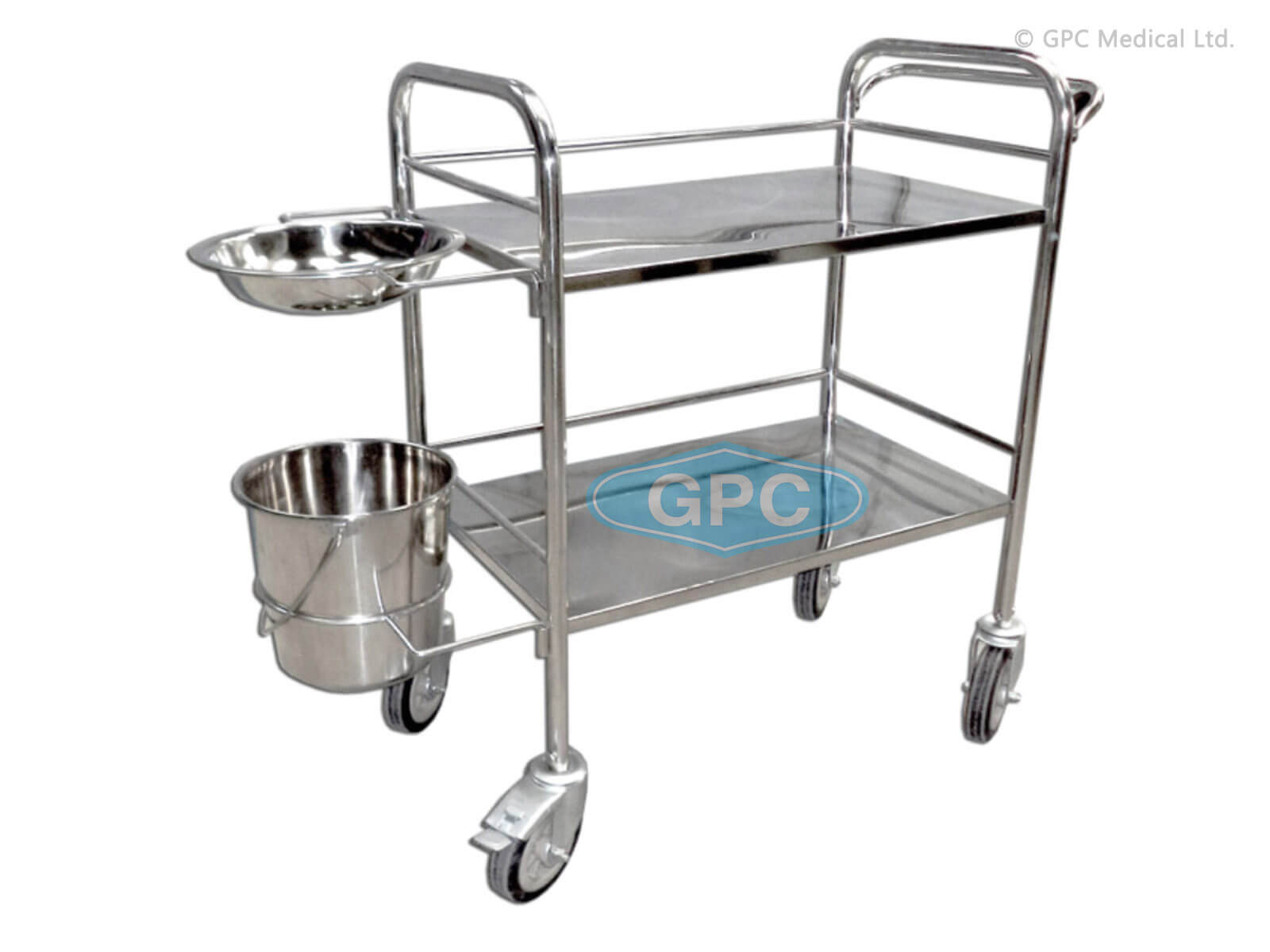
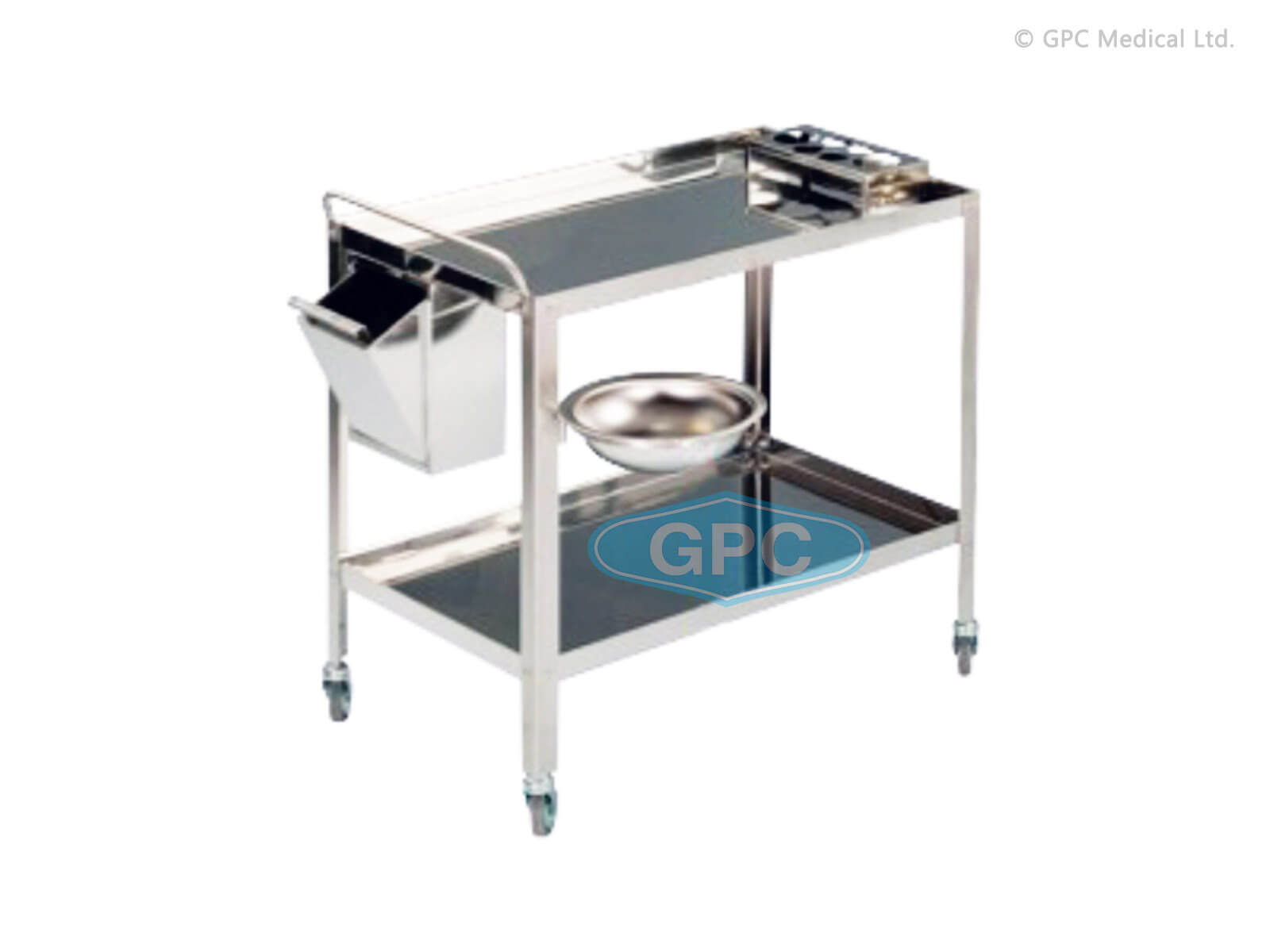
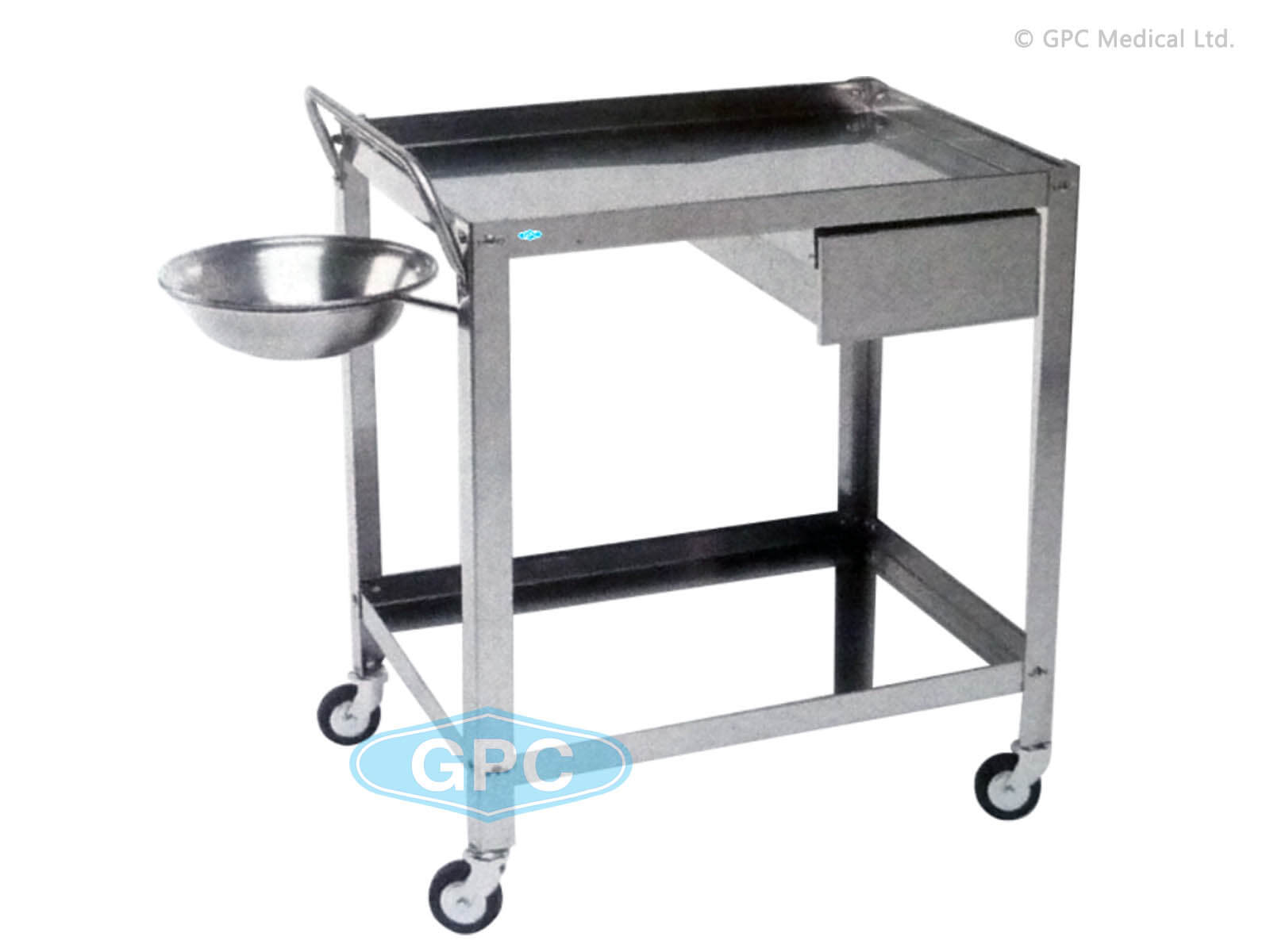
Which medical utility trolleys can I buy in Nigeria?
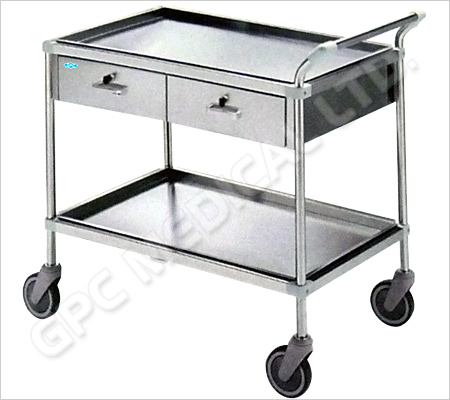
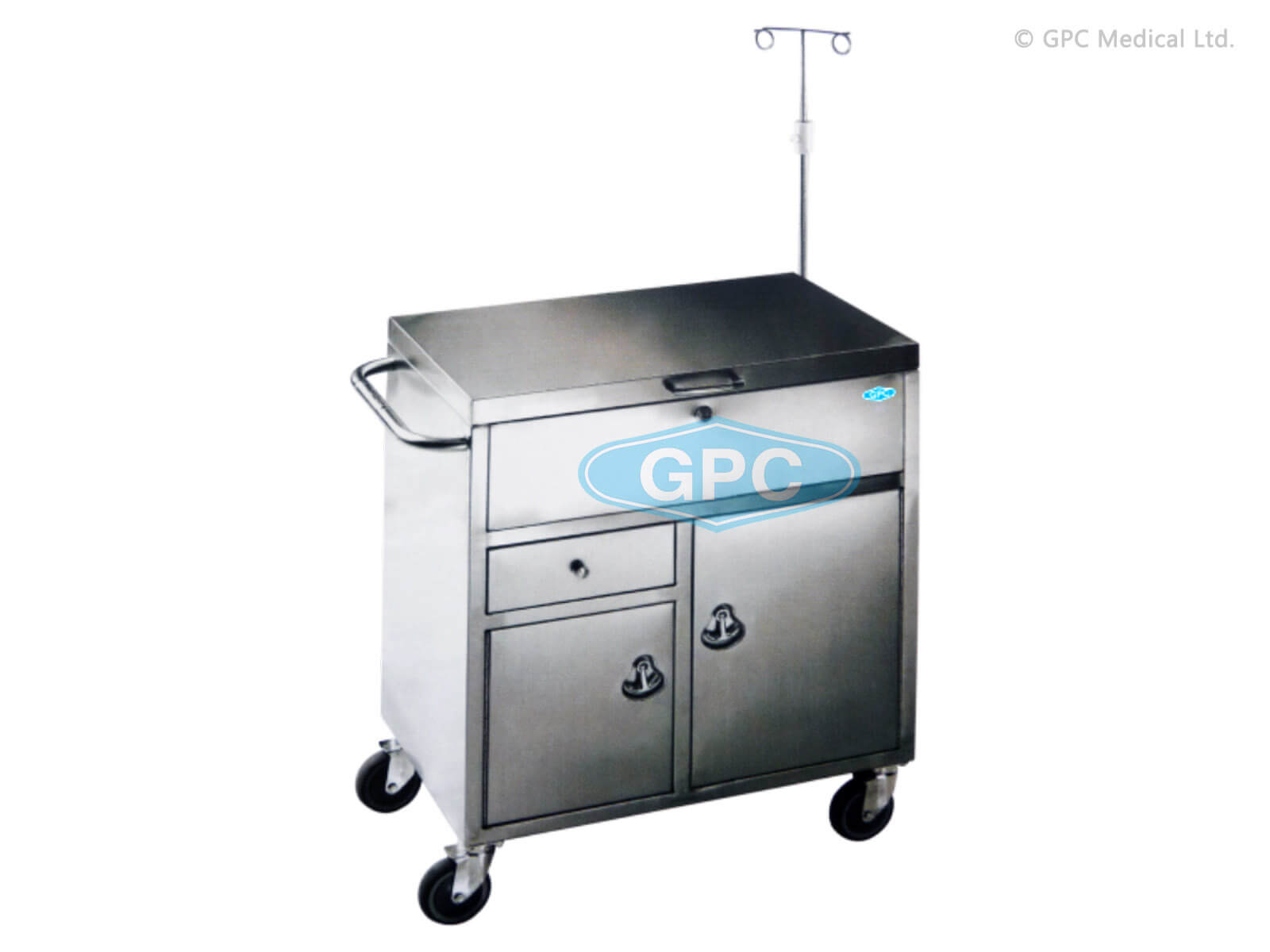
The medical utility trolley category currently lists two assigned GPC Medical products. The exact model-filtered listings are GPC Medical GHF84.01 Utility Trolley and GPC Medical GHF84.02 Utility Trolley.
Read moreWhat is a medical utility trolley used for?
A utility trolley generally supports the movement or temporary staging of supplies within a healthcare facility. GPC describes its hospital trolley range for transporting endoscopes, instruments and other clinical supplies. That broad catalogue description is not a claim that either GHF84 model is validated for a particular load, sterile workflow or infection-control process. The facility should name the actual items, route and handling task for its own selection.
Read moreHow do GHF84.01 and GHF84.02 differ?
Both assigned catalogue products are GPC Medical Utility Trolleys, and each has its own model code. GPC’s official trolley listing identifies GHF84.01 and GHF84.02 as two Utility Trolley entries. GHF84.01 also has a dedicated manufacturer product URL; the GHF84.02 reference is listed in the manufacturer’s hospital trolley catalogue and related-product listings. The public evidence reviewed here does not provide enough model-specific specifications to describe their construction, dimensions, shelf arrangement, wheel type, load capacity or accessories as a verified comparison.
Read moreBuy medical utility trolley in Nigeria
Buy a medical utility trolley in Nigeria through Franance by matching a specific trolley model and configuration to the supplies, route, room and cleaning workflow it must support. The current category lists two GPC Medical models: GHF84.01 Utility Trolley and GHF84.02 Utility Trolley. GPC identifies both as utility trolleys in its hospital trolley range. The reviewed sources do not confirm model-specific dimensions, load ratings, shelf details or accessories for both; request those in the quotation before choosing. A utility trolley is mobile furniture for moving or staging supplies. It is not a patient stretcher, an emergency crash cart, a medicine trolley or an instrument trolley simply because those products also have wheels. Choose by task and verified specification rather than by the generic word “trolley.” Franance handles quotation enquiries, not an online checkout: submit the model, quantity, requested configuration and Nigerian delivery destination, and the team will follow up by phone or email.
Which medical utility trolleys can I buy in Nigeria?
The medical utility trolley category currently lists two assigned GPC Medical products. The exact model-filtered listings are GPC Medical GHF84.01 Utility Trolley and GPC Medical GHF84.02 Utility Trolley.
GPC’s official hospital trolley catalogue labels both model numbers “Utility Trolley.” Its public product catalogue lists many different trolley types—such as instrument, dressing, medicine, linen, monitor, emergency, oxygen-cylinder and crash-cart trolleys—under distinct names and product codes. That distinction matters when writing a purchase specification: utility transport and general staging are not interchangeable with a cart designed for a defined clinical role. Ask the supplier to confirm the exact title and model in the offer, not merely “hospital trolley.”
What is a medical utility trolley used for?
A utility trolley generally supports the movement or temporary staging of supplies within a healthcare facility. GPC describes its hospital trolley range for transporting endoscopes, instruments and other clinical supplies. That broad catalogue description is not a claim that either GHF84 model is validated for a particular load, sterile workflow or infection-control process. The facility should name the actual items, route and handling task for its own selection.
Start by identifying where the trolley will be used: ward, clinic, treatment room, laboratory, store or another department. List what it must carry, how items are loaded and unloaded, where it is parked, how far it travels and what surfaces or thresholds it crosses. Decide whether the requirement is open shelf access, enclosed storage, drawers, a work surface or another function. A simple utility trolley should not be selected in place of a purpose-built medicine, dressing, instrument, monitor or emergency trolley when the workflow requires features associated with those distinct classes.
How do GHF84.01 and GHF84.02 differ?
Both assigned catalogue products are GPC Medical Utility Trolleys, and each has its own model code. GPC’s official trolley listing identifies GHF84.01 and GHF84.02 as two Utility Trolley entries. GHF84.01 also has a dedicated manufacturer product URL; the GHF84.02 reference is listed in the manufacturer’s hospital trolley catalogue and related-product listings. The public evidence reviewed here does not provide enough model-specific specifications to describe their construction, dimensions, shelf arrangement, wheel type, load capacity or accessories as a verified comparison.
Do not assume that the later model number means larger capacity, a different material or a particular shelf layout. The images in a listing are not a substitute for a signed specification. Ask Franance to confirm the manufacturer’s current datasheet or drawing for each requested code, including whether the exact model is still offered in the configuration requested. Compare the responses line by line. If a product distinction cannot be verified, treat it as an open clarification rather than an inferred advantage.
What should I check before choosing a utility trolley?
Translate the task into measurable requirements. Provide the approximate size and weight of the supplies, number of levels or storage compartments needed, desired working height, overall trolley envelope, maximum load and any load distribution assumptions. Ask the supplier to state the dimensions and rated load for the exact model and configuration; do not estimate them from a photograph or a similar trolley.
Confirm the construction and surfaces that matter to the facility: frame and shelf material, corrosion resistance information, edge or rail details, smoothness, joints and surfaces accessible for the facility’s cleaning procedure. Ask what cleaning products and methods the manufacturer permits. A trolley image or a general phrase such as “hospital grade” does not establish material grade, chemical compatibility, cleanability or infection-control suitability.
Review mobility and handling features: wheel/castor size and type, swivel behavior, brakes, handle position, clearance, turning space and any requirements for quiet movement or controlled positioning. Ask whether the assembled unit can pass through the building’s doors, lifts and corridors, including when loaded. Confirm assembly requirements, packaging dimensions, access for delivery and whether any installation is included.
If devices, gas cylinders, drawers, baskets, bins, hooks, rails or accessories are needed, list them individually and request the exact part/configuration. Do not assume compatibility with an accessory rail or a particular instrument from a generic product image. If a trolley will carry electrical equipment, confirm stable placement, cable management, power access and any device-specific requirements with the equipment manufacturers and facility team.
Is a utility trolley the same as an instrument or medicine trolley?
No. GPC lists utility trolleys separately from instrument trolleys, medicine trolleys, dressing trolleys, crash carts and other hospital trolley types. Their names indicate different intended roles, but the name alone does not establish what is included or how a particular facility must use it. Select the product class that matches the documented workflow and verify the actual features on the model-specific quotation.
For example, a facility asking for a trolley with a defined medication storage or locking workflow should describe that requirement instead of assuming a utility trolley includes drawers, compartments or a lock. A request for instrument placement should state dimensions, tray or shelf requirements and reprocessing context, rather than assuming utility storage is equivalent to a purpose-built instrument trolley. An emergency response cart has a separate role and should not be substituted by a general supply trolley based only on mobility.
Use product names carefully in internal schedules and purchase orders. Match the GHF84.01 or GHF84.02 code, manufacturer, intended task and approved configuration. If the required use falls outside general supply transport, browse the relevant ward-accessory categories or ask Franance to clarify the appropriate listing before ordering.
What should a trolley support in a Nigerian facility?
The route and operating environment should shape the brief. Note the floor surfaces, door widths, lift dimensions, ramps, thresholds, corridor turning areas, storage location and any loading or unloading points. Describe whether the trolley moves between buildings or stays on one floor. These practical conditions affect the suitable dimensions, wheel requirements, parking and handling plan, but the final criteria must come from the site and exact product data.
For a Nigerian procurement, state the destination facility and city/state, number of units, delivery access, receiving hours and any installation or assembly needs. Confirm the packaging, movement from delivery point to department, and responsibility for unpacking or setup. Ask Franance to confirm the delivery scope and timing in writing for the specific destination; this guide does not promise stock, shipping coverage, a lead time or local service.
If several departments are ordering at once, group quantities by model and configuration. Keep accessories and any optional finishes separate from the base trolley. For a replacement order, compare the physical trolley and current manufacturer specification with the old unit instead of assuming the same model code or image means an identical current configuration.
How should the trolley fit cleaning and facility procedures?
Ask the facility’s infection-prevention and environmental-services teams to define cleaning, disinfection and storage procedures for the intended use. Then request the manufacturer’s material and care instructions for the selected model. Do not claim that a trolley is sterile, sterilizable, antimicrobial or suitable for a specific disinfectant unless the exact manufacturer documentation confirms it.
Decide how clean and used supplies will be separated during movement and staging, whether the trolley needs covered or segregated storage, and where it will be cleaned between tasks. A general utility trolley listing does not establish a validated clean/dirty separation design or a contamination-control outcome. If that separation is a requirement, specify it and obtain review from the facility team before ordering.
Include maintenance and inspection needs in the purchase review. Ask which parts are replaceable, how castors and brakes are maintained, what inspection intervals apply, how to source replacement parts, and whether the supplier can provide instructions. Request these facts from the manufacturer or supplier rather than assuming any particular trolley has a maintenance-free or service-supported design.
What should a medical utility trolley quote in Nigeria include?
A clear enquiry should include the exact GPC model code, quantity, department and task, required dimensions and load rating, desired shelf or storage layout, material/finish needs, mobility and brake requirements, accessory list, cleaning constraints, site route information and delivery address. Attach a room or doorway schedule if the trolley must fit a constrained route. If the required specification is not available, ask the supplier to identify the gap before placing the order.
Request an itemized response confirming manufacturer and model, current product variant, drawing or datasheet, supplied components and accessories, dimensions, rated load, materials, wheel/castor and brake details, assembly, packaging, delivery, installation, warranty and support terms. Ask the quote to distinguish included items from options. For GHF84.02, specifically request model-specific construction and dimensions because the public catalogue listing does not provide those details. For GHF84.01, likewise confirm the current configuration and exact specification; its dedicated product page and catalogue label do not replace a quote schedule.
Franance’s order flow is a quotation request. Submit the model and requirements; the team will follow up by phone or email to clarify the request and commercial terms. The guide does not imply online payment or guaranteed availability. Review the final written offer against the intended workflow and facility requirements before approving the order.
How do I request a GPC Medical utility trolley quote from Franance?
Browse the medical utility trolley listing, choose GHF84.01 or GHF84.02 for discussion, and send the exact code, quantity, requested configuration and destination. If the trolley must fit a particular route or carry defined equipment, include those measurements and requirements. Franance can then follow up by email or phone to resolve specifications and provide quote details.
Use the individual filtered pages to keep model selections clear: GHF84.01 and GHF84.02. For other ward furnishings, browse hospital furniture in Nigeria. Contact Franance to request a medical utility trolley quotation.
Frequently asked questions about medical utility trolleys in Nigeria
### What utility trolley models are listed? The current category lists GPC Medical GHF84.01 and GHF84.02 as Utility Trolleys. Confirm the exact code, current configuration and included accessories in the quotation.
### Do GHF84.01 and GHF84.02 have the same specifications?
The reviewed public sources identify both as utility trolleys but do not establish a complete model-by-model specification comparison. Request the current manufacturer datasheet or drawing and compare dimensions, material, shelves, wheels, load rating and accessories.
### What is the maximum load?
The category and reviewed product records do not provide a verified load rating for these models. Ask the supplier for the rated capacity of the exact configuration and any restrictions on load distribution or movement.
### Are shelves, bins or rails included?
The available listing does not establish a complete included-accessory schedule. Ask the quote to identify each supplied tray, shelf, rail, bin, basket or other component and list optional accessories separately.
### Can I use a utility trolley as a crash cart or medicine trolley?
Do not assume those roles are interchangeable. GPC lists utility, medicine, emergency and crash-cart products as distinct trolley types. Specify the workflow and obtain the appropriate product features and configuration for review.
### Can the trolley be cleaned with our disinfectant?
Confirm material compatibility and care instructions for the exact model with the manufacturer or supplier and have the facility team review them. No disinfectant compatibility or sterilization claim is made in this guide.
### Does Franance sell these trolleys online?
No. Submit a quote order with model, quantity, requirements and delivery destination. Franance follows up by phone or email; the catalogue is not an online payment checkout.
Sources and technical limitations
GPC Medical sources reviewed: GHF84.01 Utility Trolley product page, the official Hospital Trolleys catalogue, which identifies both GHF84.01 and GHF84.02 as Utility Trolleys, and the official GHF82.02 Instrument Trolley page, whose related-product list also names the two utility trolley models. The dedicated GHF84.01 page timed out during direct review; no unverified dimensions or construction details from it are asserted here. The GHF84.02 catalogue entry does not provide model-specific construction details.
This guide does not establish dimensions, load rating, materials, braking performance, accessory compatibility, disinfection/sterilization capability, regulatory status, Nigerian stock, price, delivery time, warranty or local service for either model. Verify those details against a current manufacturer specification and the written Franance quotation before procurement.
Common questions
What utility trolley models are listed?
The current category lists GPC Medical GHF84.01 and GHF84.02 as Utility Trolleys. Confirm the exact code, current configuration and included accessories in the quotation.
Do GHF84.01 and GHF84.02 have the same specifications?
The reviewed public sources identify both as utility trolleys but do not establish a complete model-by-model specification comparison. Request the current manufacturer datasheet or drawing and compare dimensions, material, shelves, wheels, load rating and accessories.
What is the maximum load?
The category and reviewed product records do not provide a verified load rating for these models. Ask the supplier for the rated capacity of the exact configuration and any restrictions on load distribution or movement.
Are shelves, bins or rails included?
The available listing does not establish a complete included-accessory schedule. Ask the quote to identify each supplied tray, shelf, rail, bin, basket or other component and list optional accessories separately.
Can I use a utility trolley as a crash cart or medicine trolley?
Do not assume those roles are interchangeable. GPC lists utility, medicine, emergency and crash-cart products as distinct trolley types. Specify the workflow and obtain the appropriate product features and configuration for review.
Can the trolley be cleaned with our disinfectant?
Confirm material compatibility and care instructions for the exact model with the manufacturer or supplier and have the facility team review them. No disinfectant compatibility or sterilization claim is made in this guide.
Does Franance sell these trolleys online?
No. Submit a quote order with model, quantity, requirements and delivery destination. Franance follows up by phone or email; the catalogue is not an online payment checkout.
Request a medical utility trolley quotation from Franance.
Send the GPC model code, quantity, intended task, required dimensions/load, route constraints, accessories and destination so the current configuration can be confirmed.
Request a utility trolley quoteNeed an equipment quote?
Add the models you need to a quote order, or send us your equipment list.