
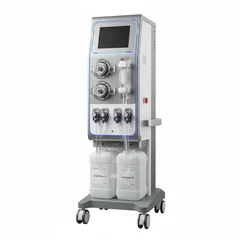
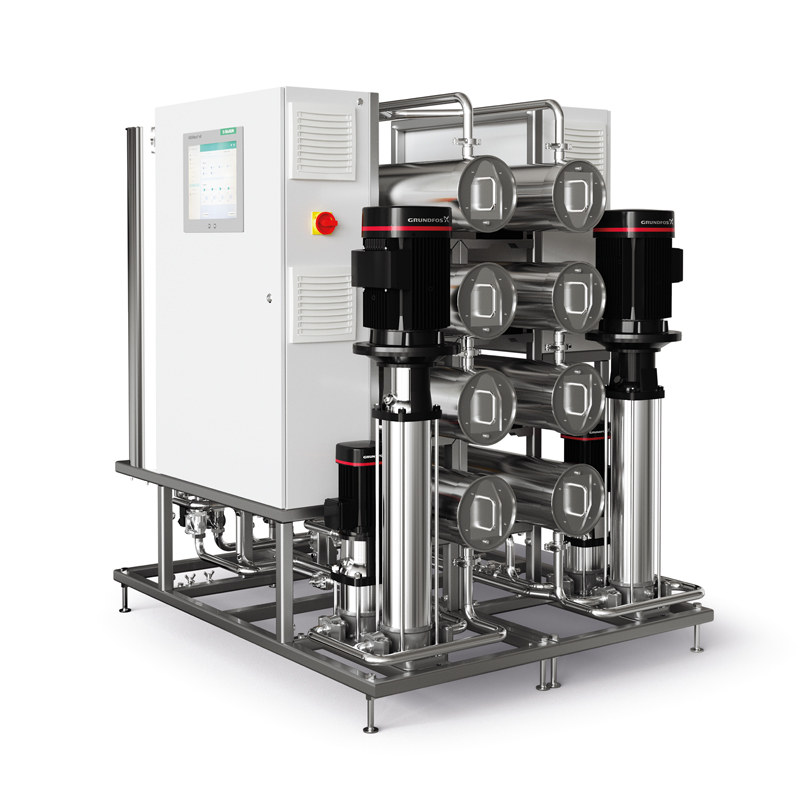
AQUAboss nX Dialysis Water Treatment System
Dialysis water reverse-osmosis treatment system
Price on request

Medical equipment and biomedical engineering.
Abuja, Nigeria.
Compare eight dialysis water-system products listed for quotation in Nigeria, from complete reverse-osmosis systems to pretreatment carts, a bypass panel and a point-of-use wall box. The products perform different roles; specify the approved system design and quote boundary before comparing models.
14 models
Dialysis water reverse-osmosis treatment system
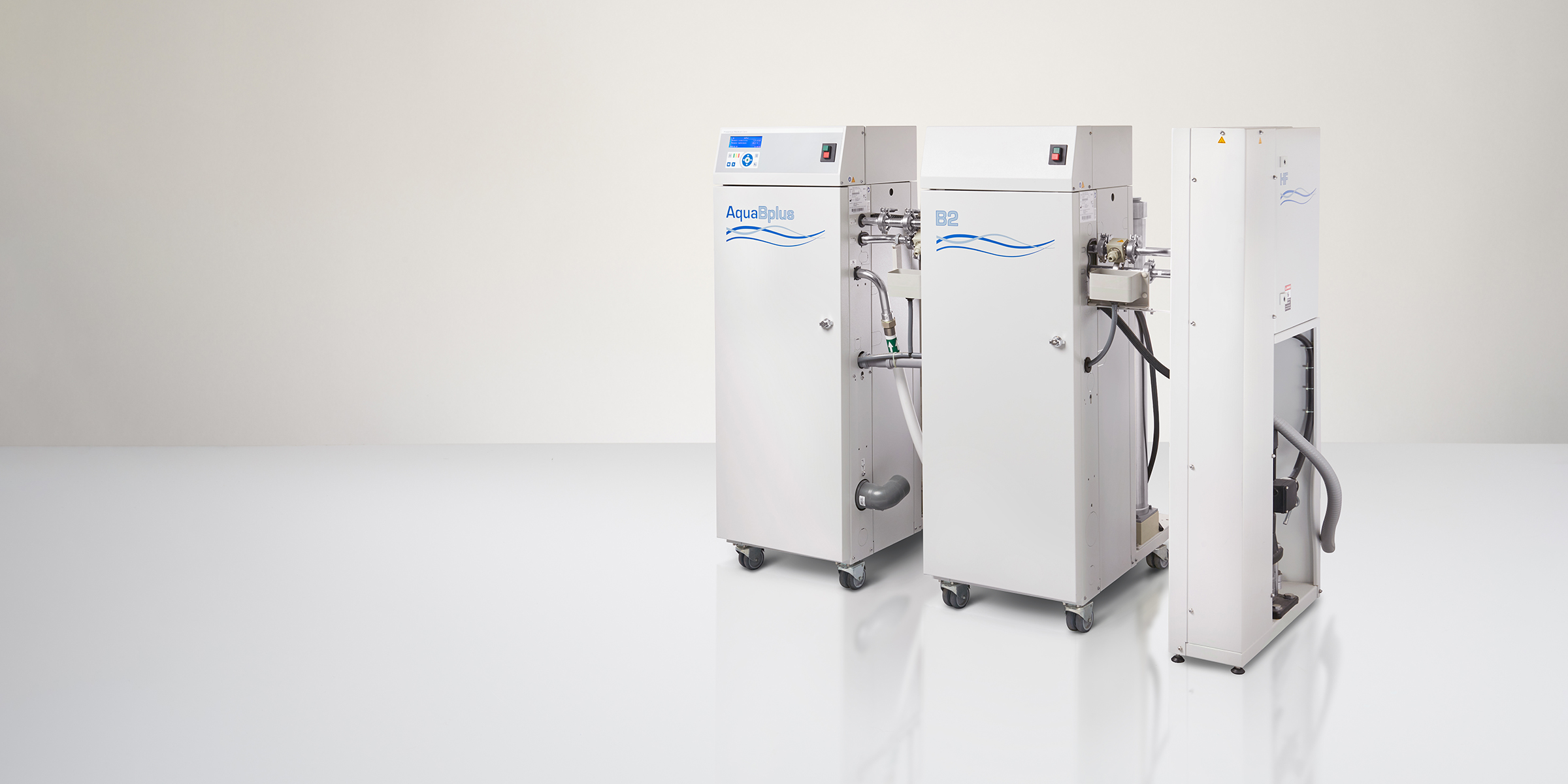
Dialysis water reverse-osmosis purification system
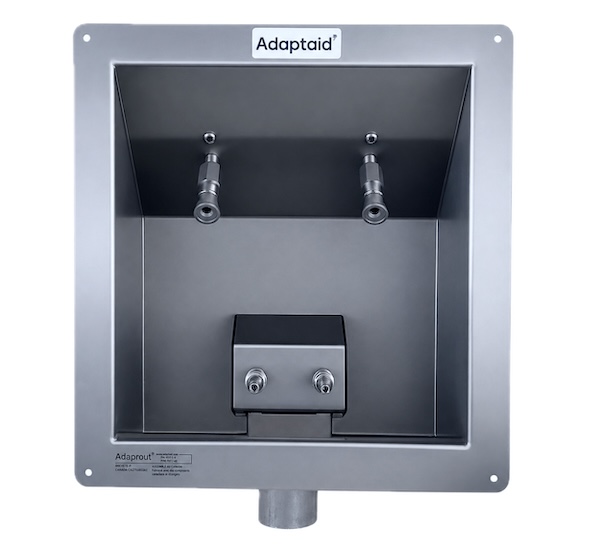
Hemodialysis purified-water supply and drainage wall station
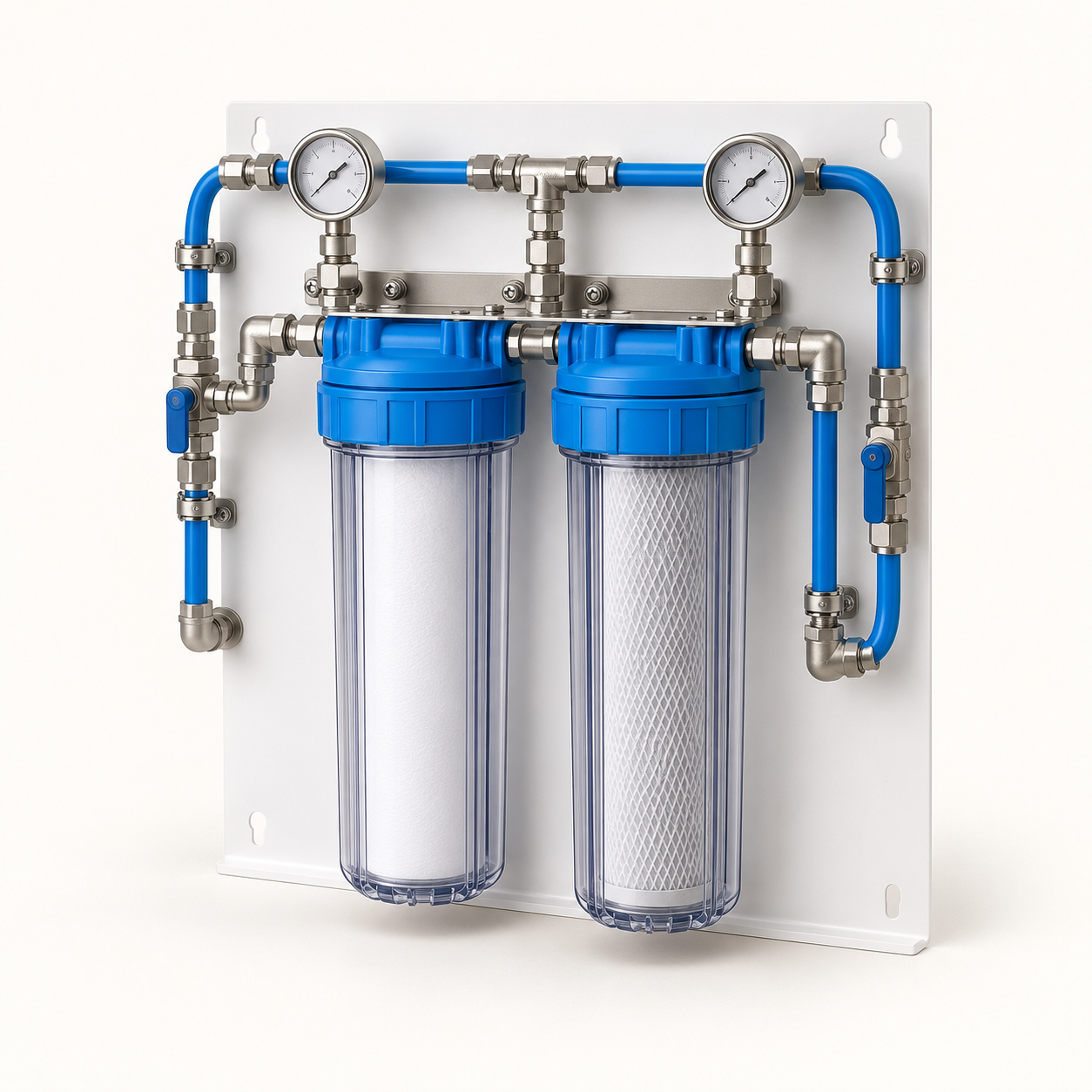
Medical water pretreatment single bypass panel
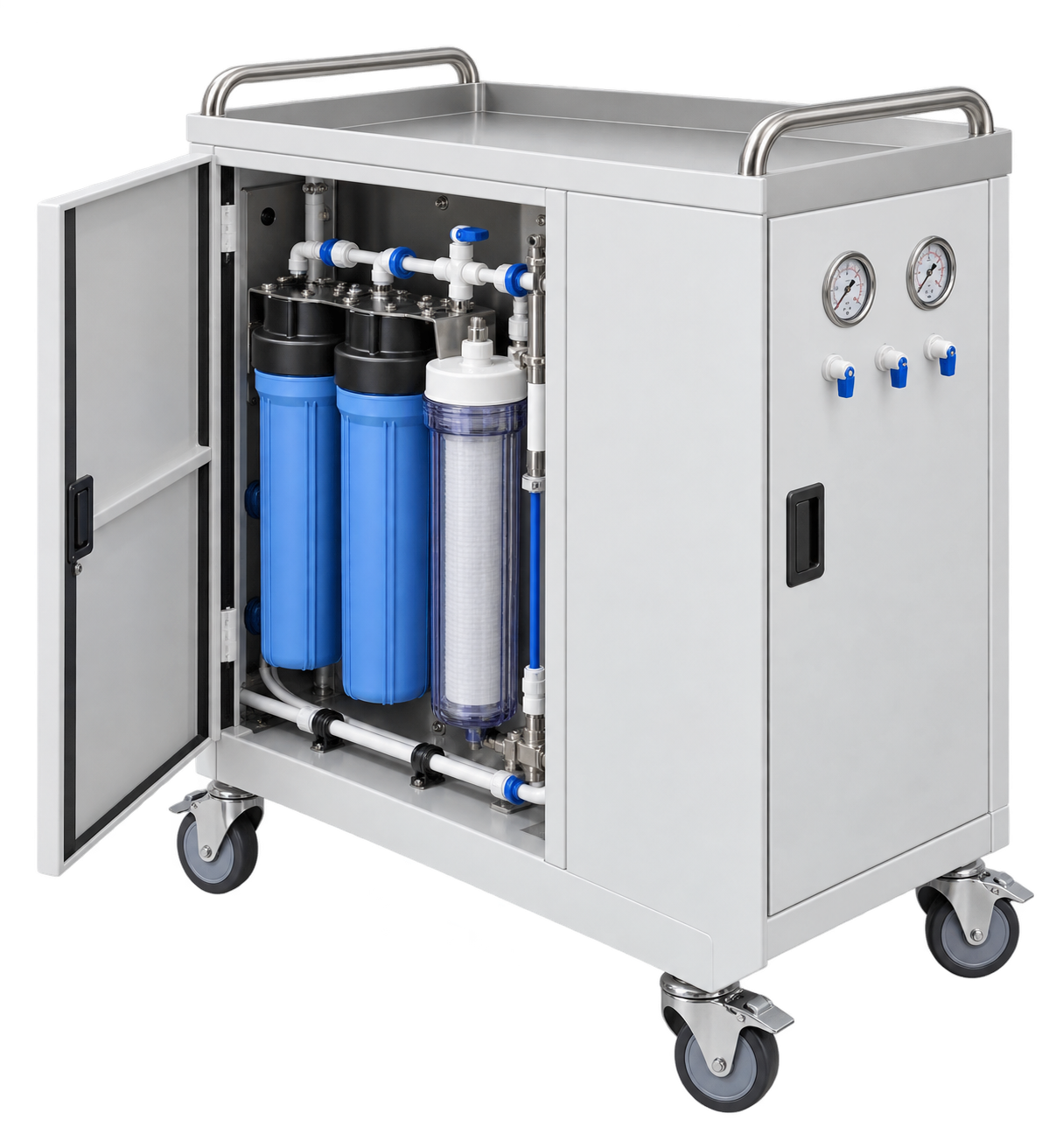
Mobile dialysis medical-water pretreatment cart with an external distribution-loop arrangement
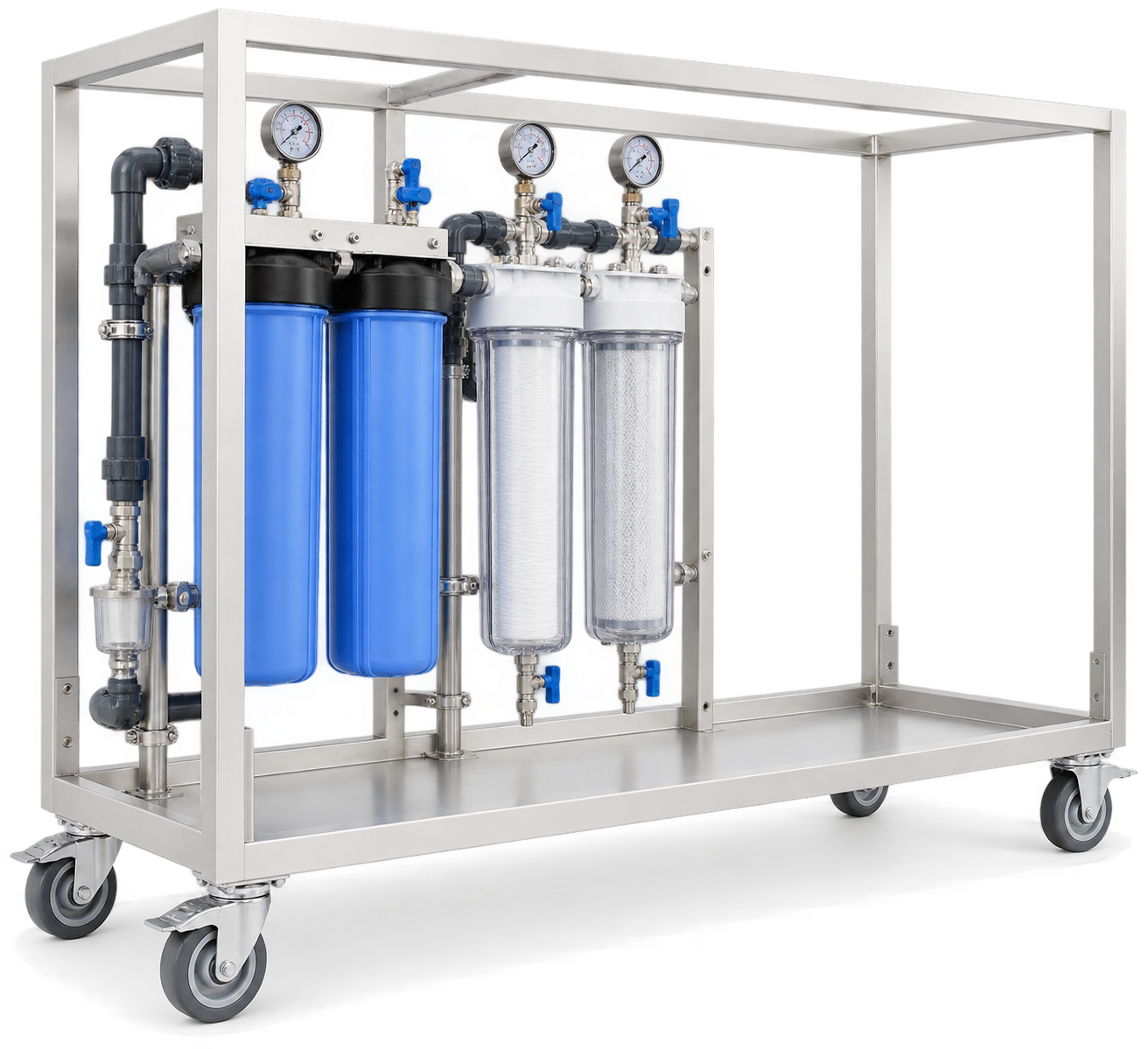
Mobile medical-water pretreatment cart for a dialysis RO system
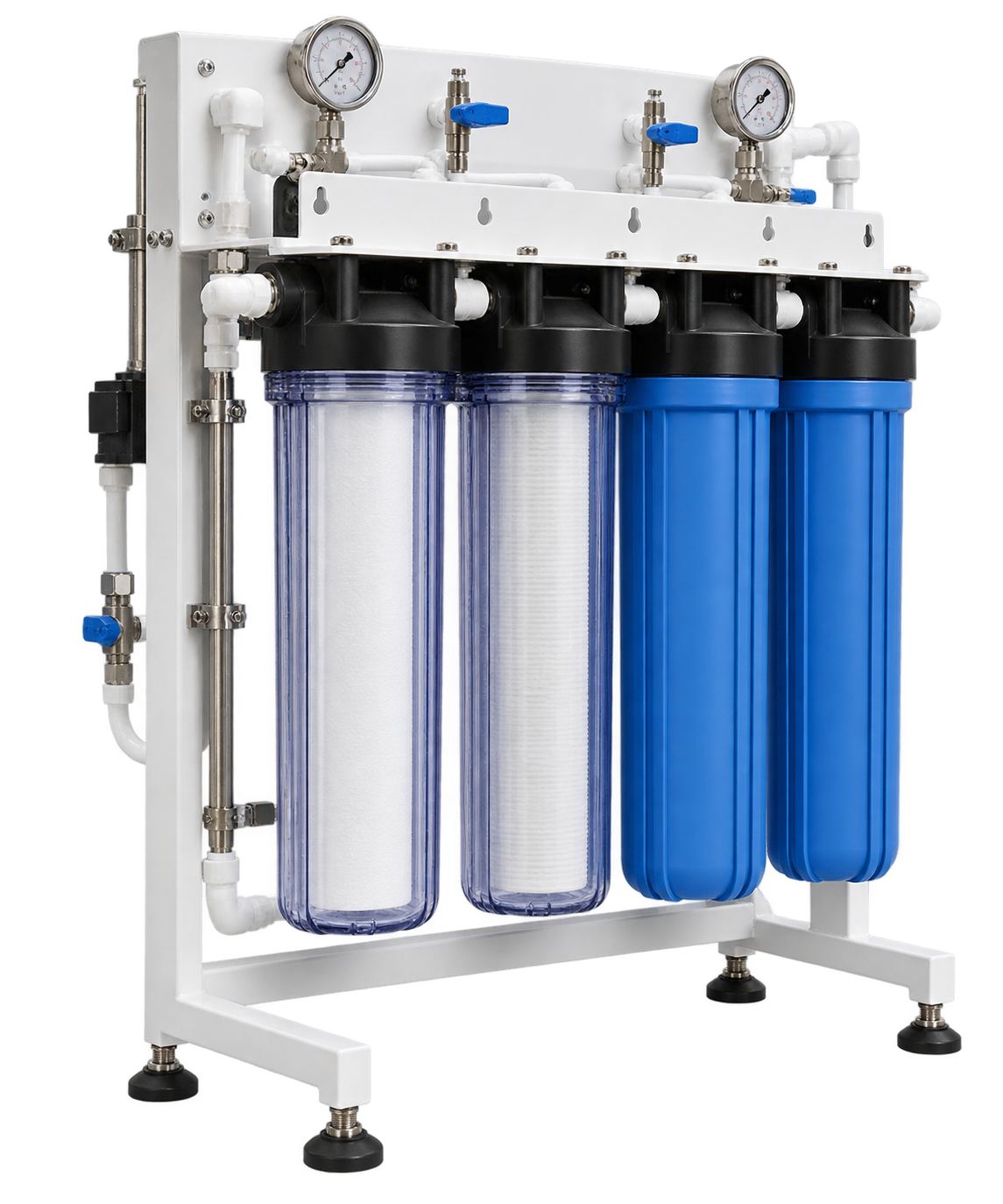
Compact dialysis feed-water pretreatment unit for a separate RO system
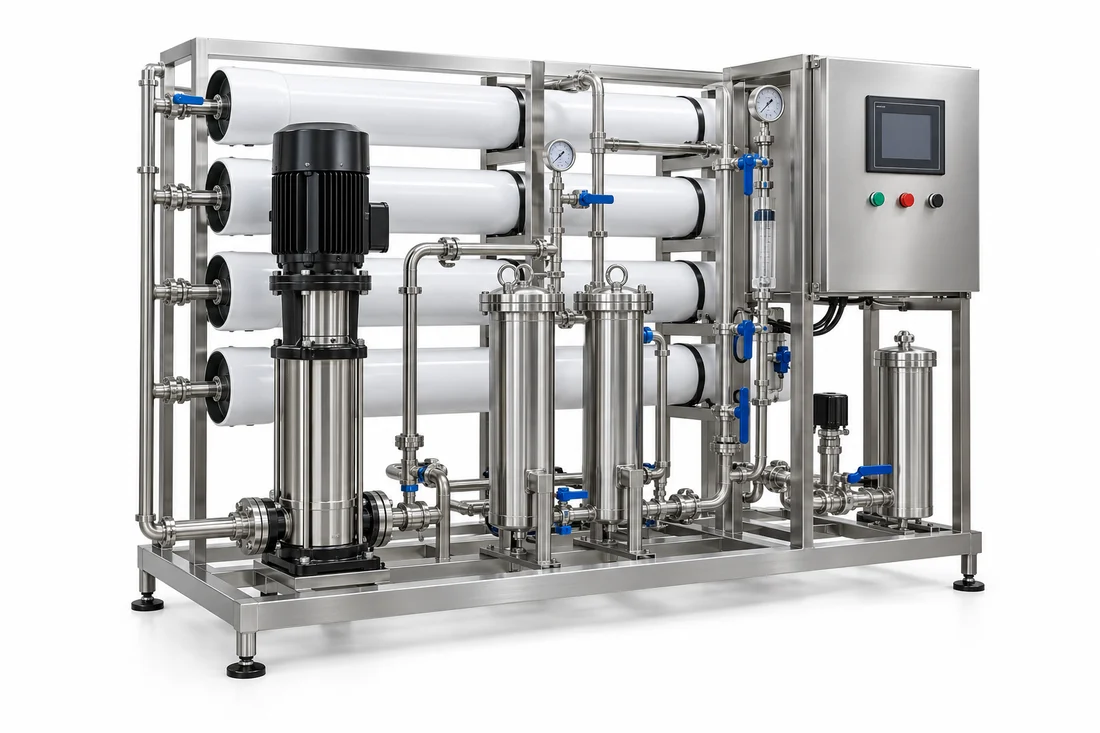
Reverse-osmosis water treatment system for haemodialysis
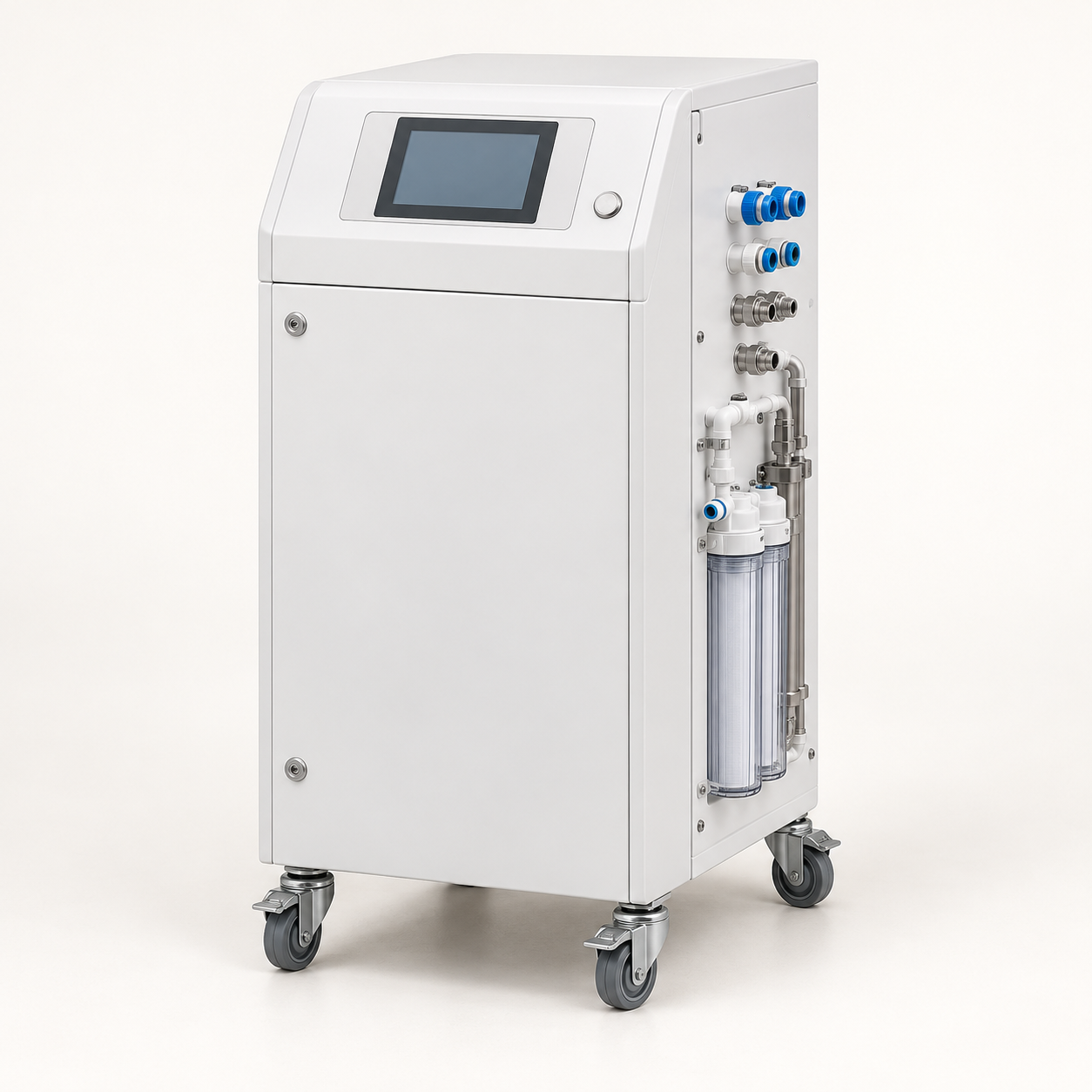
Single reverse-osmosis system with heat disinfection for dialysis water
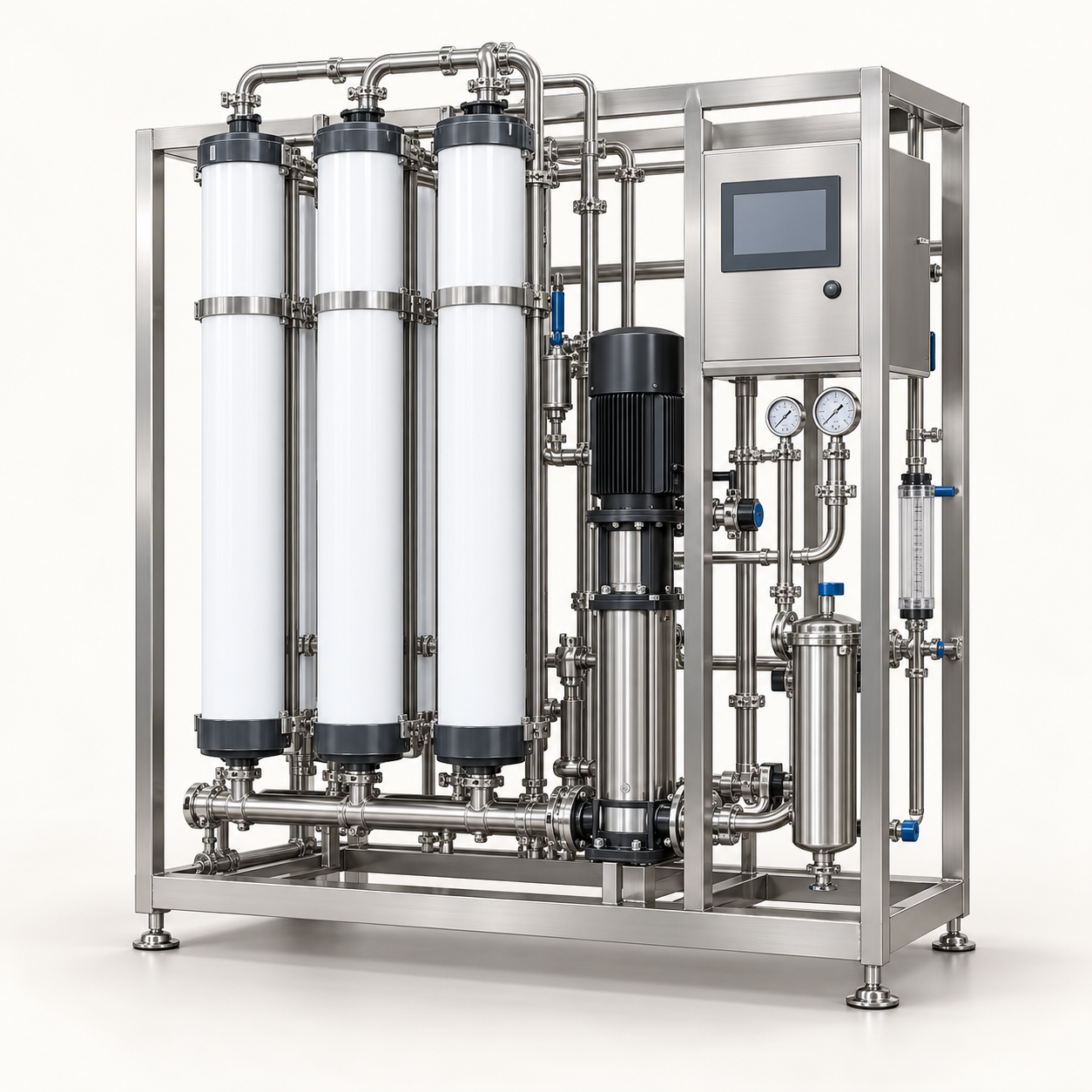
Reverse-osmosis water treatment system for dialysis permeate
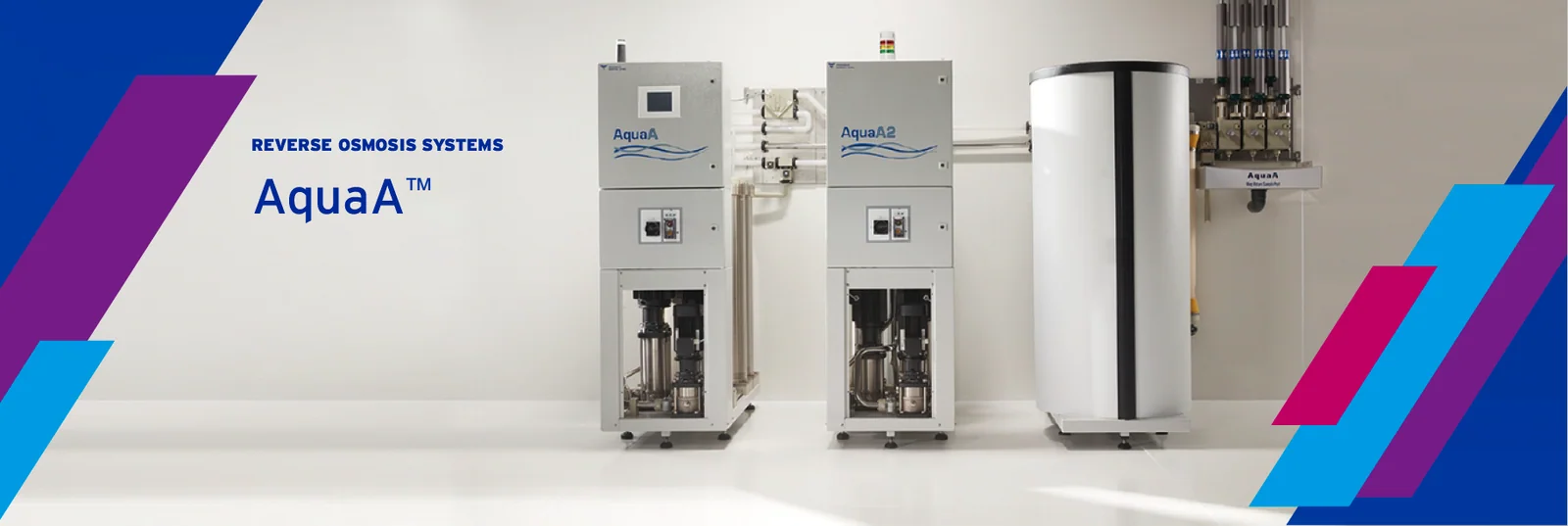
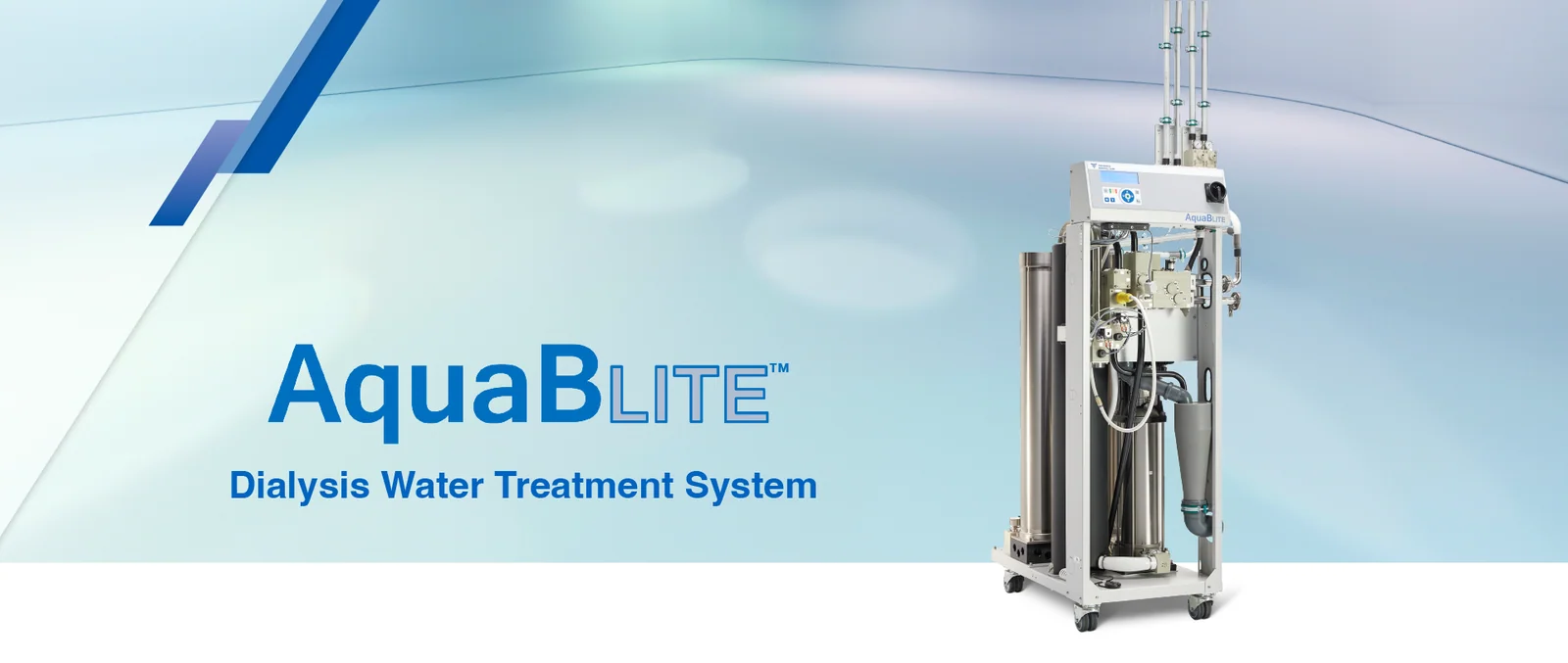
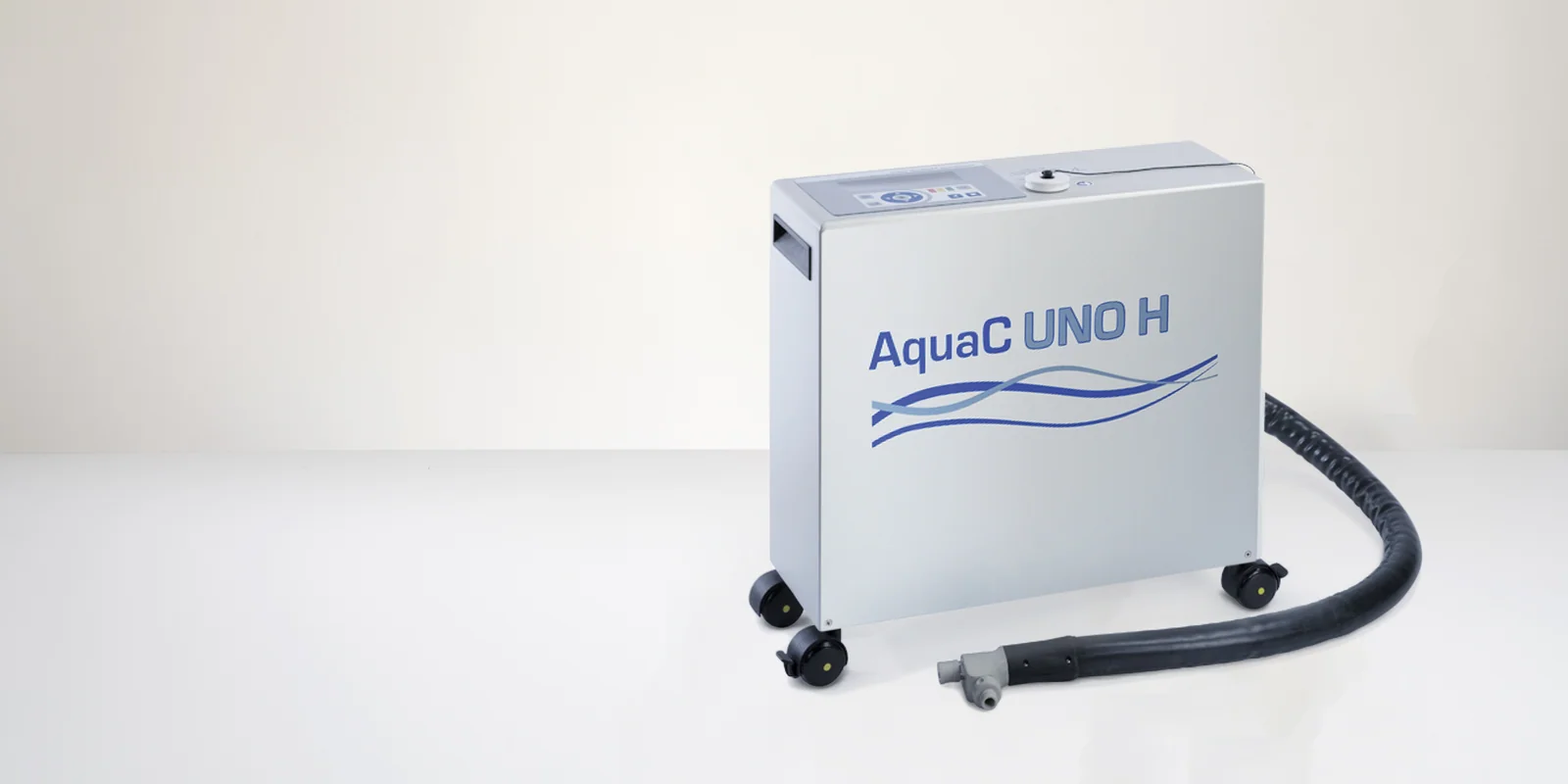
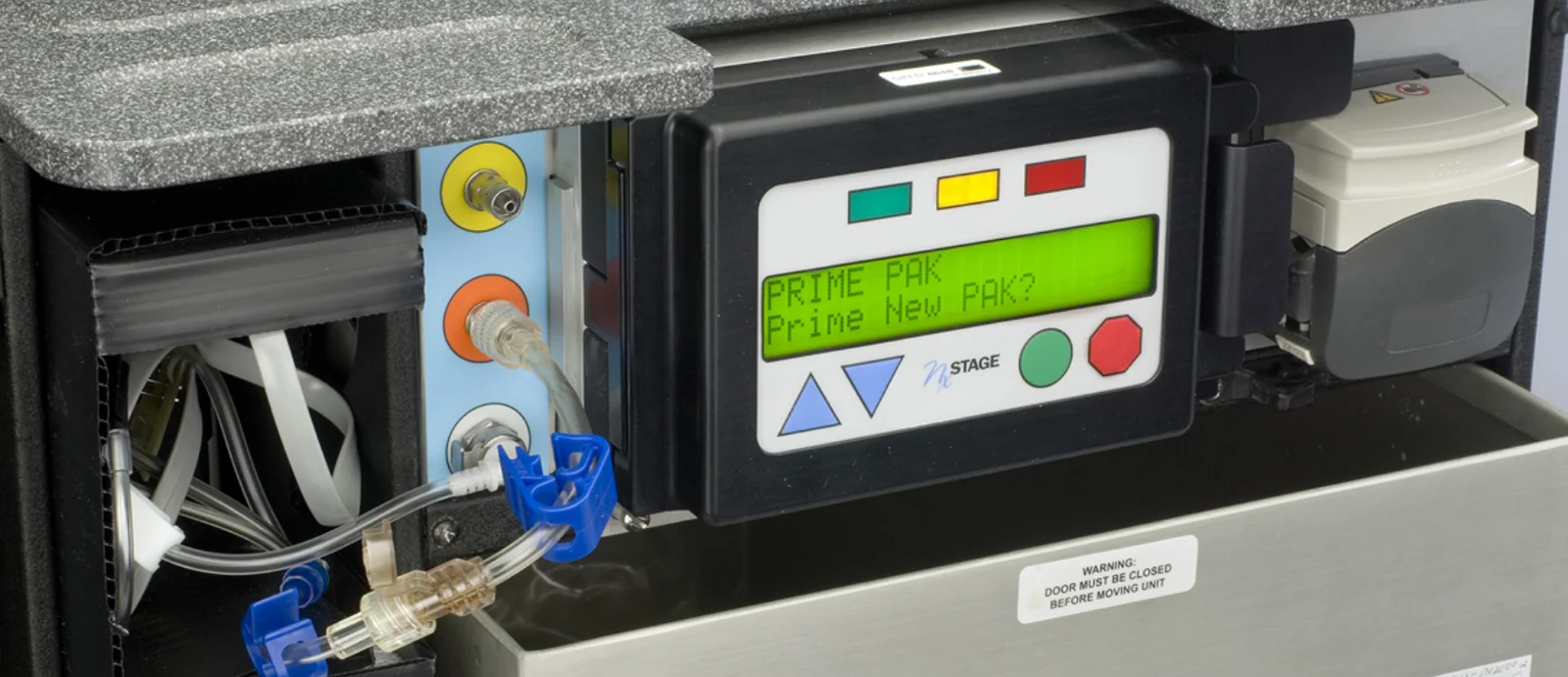
PureFlow SL Water and Dialysate Preparation System
The current catalogue has eight assigned models across two child categories. Seven are classified under Dialysis RO Water Treatment Plant: B. Braun AQUAboss nX; Fresenius Medical Care AquaBplus; Nipro Phoenix One / Phoenix One DS; Adaptaid AquaDial, AquaLite Cart and AquaLite Stand; and Adaptaid PAF008-A Single Bypass Panel. The eighth is Adaptaid WTR-042 Dialysis Wall Box Station under Dialysis Water Distribution Loop Components.
Read moreA dialysis water system is a treatment and distribution chain designed for the facility’s incoming water and its dialysis demand. Depending on the site design, it can include feed-water conditioning and pretreatment, RO treatment, any required post-treatment or storage, monitoring and a distribution loop to points of use. The exact configuration depends on source-water characteristics, the selected equipment and the clinic’s approved requirements.
Read moreThe current listings include three manufacturer RO-system families. B. Braun AQUAboss nX is listed as a dialysis water treatment system. Fresenius Medical Care AquaBplus is listed as an RO water purification system; its manufacturer notes it is one component of a complete treatment system. Nipro’s product family includes Phoenix One and Phoenix One DS, with the current catalogue record showing the Phoenix One / Phoenix One DS reference. Nipro describes Phoenix One as single-stage RO and Phoenix One DS as a double-stage arrangement; confirm which exact variant the quote offers rather than inferring it from a family name.
Read moreFranance lists eight products under Dialysis Water Systems for Nigerian quotation requests: three reverse-osmosis (RO) systems, four pretreatment or control components, and one dialysis water distribution station. The range includes B. Braun AQUAboss nX, Fresenius Medical Care AquaBplus, Nipro Phoenix One / Phoenix One DS, Adaptaid AquaDial and AquaLite pretreatment products, an Adaptaid single bypass panel, and an Adaptaid dialysis wall box. These products do different jobs. A pretreatment cart, bypass panel or wall box is not a complete water purification plant, and an RO unit is not the entire dialysis service or dialysis-fluid preparation system. For a safe, comparable quote, start with your renal unit’s approved water-system design, source-water analysis, demand, existing treatment train and distribution layout. The dialysis team and qualified water-treatment, biomedical and facilities professionals determine the design and quality-management plan. Franance can follow up on a quote order and confirm the exact equipment, site scope, availability and commercial terms in writing. There is no online payment, and a catalogue listing does not establish local stock or prove that a configuration meets any water-quality standard.
The current catalogue has eight assigned models across two child categories. Seven are classified under Dialysis RO Water Treatment Plant: B. Braun AQUAboss nX; Fresenius Medical Care AquaBplus; Nipro Phoenix One / Phoenix One DS; Adaptaid AquaDial, AquaLite Cart and AquaLite Stand; and Adaptaid PAF008-A Single Bypass Panel. The eighth is Adaptaid WTR-042 Dialysis Wall Box Station under Dialysis Water Distribution Loop Components.
That grouping includes complete RO equipment alongside partial treatment-train and point-of-use distribution components. Check each product role before comparing prices. Browse all Dialysis Water Systems, or use the exact brand, category and model-filtered links below to review individual catalogue records.
A dialysis water system is a treatment and distribution chain designed for the facility’s incoming water and its dialysis demand. Depending on the site design, it can include feed-water conditioning and pretreatment, RO treatment, any required post-treatment or storage, monitoring and a distribution loop to points of use. The exact configuration depends on source-water characteristics, the selected equipment and the clinic’s approved requirements.
An RO system is a treatment component that uses reverse osmosis. It should not be assumed to provide every upstream and downstream function needed by a centre. Fresenius Medical Care’s AquaBplus product information expressly describes its RO unit as a component in a complete water purification system and says pretreatment must precede it; post-treatment may also be needed. By contrast, Adaptaid describes AquaDial as pretreatment equipment that supplies water to an RO system. Its AquaLite carts and stand are also listed as pretreatment products. A bypass panel controls a part of the treatment arrangement; a wall box is a distribution point at the dialysis station. None should be treated as interchangeable.
Ask the designer and supplier to draw the proposed system boundary from the incoming feed-water connection through treatment and distribution to each intended point of use. Identify what the quote includes, what existing equipment is being reused, and which parts must be separately supplied or engineered. This prevents a partial component from being compared with a complete installed plant.
The current listings include three manufacturer RO-system families. B. Braun AQUAboss nX is listed as a dialysis water treatment system. Fresenius Medical Care AquaBplus is listed as an RO water purification system; its manufacturer notes it is one component of a complete treatment system. Nipro’s product family includes Phoenix One and Phoenix One DS, with the current catalogue record showing the Phoenix One / Phoenix One DS reference. Nipro describes Phoenix One as single-stage RO and Phoenix One DS as a double-stage arrangement; confirm which exact variant the quote offers rather than inferring it from a family name.
- B. Braun AQUAboss nX RO system listing
- Fresenius Medical Care AquaBplus RO system listing
- Nipro Phoenix One / Phoenix One DS RO system listing
Read the current official AQUAboss nX, AquaBplus and Phoenix One / One DS information, then request the exact model, stage design, options and installation package. Manufacturer descriptions cover model families and do not confirm a Nigerian configuration, local authorization, price or availability.
The Adaptaid group includes a mobile AquaDial cart, an AquaLite Cart, an AquaLite Stand and a PAF008-A Single Bypass Panel. Adaptaid positions AquaDial as pretreatment for medical water feeding a separate RO system, with filter configurations associated with the WT and WF model references. The catalogue identifies AquaLite Cart and AquaLite Stand as dialysis water pretreatment units, while PAF008-A is a pretreatment bypass panel. The exact supplied filter media, valves, gauges, sample points, connections and accessory package must be confirmed from current product documentation and the quote.
- Adaptaid AquaDial pretreatment cart listing
- Adaptaid AquaLite Cart pretreatment unit listing
- Adaptaid AquaLite Stand pretreatment unit listing
- Adaptaid PAF008-A single bypass panel listing
See the manufacturer’s individual references for AquaDial, AquaLite Cart, AquaLite Stand and the Single Bypass Panel. Confirm which RO unit each component supports, whether the equipment is mobile or fixed, the selected configuration and any additional treatment stages needed. Do not assume the listed pretreatment products alone create dialysis-quality water.
The catalogue lists Adaptaid WTR-042 as a dialysis wall box station for purified-water supply and drainage at a dialysis position. It belongs to the distribution-loop component category, separate from the RO plant and pretreatment products. Confirm the intended connection, flow and pressure requirements, drainage arrangement, station count, mounting details and compatibility with the proposed loop and dialysis machines with the system designer and manufacturer.
- Adaptaid WTR-042 dialysis wall box listing
See Adaptaid’s Dialysis Wall Box Station product information. For a new or altered centre, provide a plan showing the treatment plant, loop routing and all points of use. Ask the project team to confirm how the loop is supplied, sampled, monitored, disinfected and maintained. A wall box alone does not establish that upstream water treatment or loop water quality is adequate.
Use current water-quality requirements as a system-design and quality-management framework, not as a marketing claim attached to an individual product. ISO 23500-1:2024 addresses general requirements and the quality management of equipment used to treat and distribute water for haemodialysis. ISO 23500-2:2024 addresses individual treatment devices and assembled water-treatment systems, including relevant piping and distribution components. ISO 23500-3:2024 specifies chemical and microbiological quality requirements for water used to prepare dialysis fluids and describes conformity and ongoing monitoring. The full standards and your organization’s adopted requirements should be reviewed by qualified professionals.
These parts distinguish equipment design from output-water quality and routine monitoring. A listed RO unit, pretreatment cart or loop component does not independently demonstrate that the complete installed system achieves a required result. The dialysis facility remains responsible for operating the system and carrying out ongoing surveillance under its quality plan. Do not treat an ISO reference in a brochure or the presence of reverse osmosis as proof of compliance. Have the facility’s clinical governance, water-quality, biomedical and engineering leads specify acceptance criteria, sampling locations, tests, frequencies, action limits, recordkeeping and escalation before procurement.
Review the current official ISO 23500-1:2024, ISO 23500-2:2024 and ISO 23500-3:2024 pages. For operational context, the US CDC publishes water-use recommendations for dialysis settings; this is not Nigerian law or a substitute for local requirements and the facility’s approved plan.
Start with a recent, representative analysis of the actual feed water at the site and share it with the qualified system designer. State whether the source is municipal supply, borehole, tanker delivery or a combination, and explain any seasonal or operational changes the facility knows about. Do not assume a nominal drinking-water source has the chemical characteristics required by a dialysis treatment design. The designer must decide which analyses are relevant and how pretreatment should be configured from the results.
Describe the current and planned number of dialysis stations, expected simultaneous use, schedule, treatment demand, expansion plans and any existing equipment that will remain. Ask the supplier to state design assumptions, output and recovery, feed-water conditions, pre- and post-treatment stages, alarms and monitoring, storage if included, distribution demand, standby or redundancy features and exclusions. The proposed capacity should be checked against both current demand and intended future use; do not derive capacity from an unverified rule of thumb.
For a Nigerian facility, include site details that affect a real installation: room location and access, drainage and reject-water disposal, feed-water and plumbing connections, electrical service and earthing, power interruptions and the facility’s backup arrangement, ventilation or environmental conditions, floor/loading and service clearance. Obtain exact electrical and environmental requirements from the current manufacturer documents for the quoted configuration. A site survey should determine required works. A generic mention of “Nigeria” does not establish that the plant can be installed at a particular facility.
The project brief should identify the intended loop route, material and connection details for review, number and location of points of use, return path, access for maintenance, sampling points and monitoring instruments. Qualified designers should assess any storage or dead legs against the applicable standard and facility design. The CDC advises regular water-system disinfection and design practices that limit joints, dead-end pipes, unused branches and taps that can harbour bacteria. Its recommendations are useful as operational context, but the facility must follow the current locally applicable standard and its approved quality-management plan.
Specify how system conditions and water quality will be monitored, which staff own the checks, what laboratory or test method will be used, how results are recorded, and who is contacted when results or alarms are outside the facility’s acceptance criteria. Include disinfection method and responsibility, filter and membrane replacement planning, consumables, calibration or verification where applicable, maintenance access and service intervals from manufacturer instructions. Ask the supplier to list included monitoring and any separately priced instrumentation or laboratory work.
For each component, confirm interfaces with the adjacent stages. A pretreatment cart must be matched to the intended RO and feed-water conditions; an RO unit must be integrated with pre/post-treatment as designed; a bypass panel must fit the intended piping/control arrangement; and a wall box must connect to the facility’s loop and point-of-use plan. Require a written interface schedule so responsibilities between water-system vendor, dialysis-machine supplier and facility contractor are clear.
Plan acceptance and commissioning for the complete system, not only delivery of a product. Ask the quote to define design review, site survey, installation, flushing and disinfection, checks of controls and alarms, verification of water output and monitoring, sampling and laboratory testing, operator training, documentation and sign-off. The facility’s qualified team must set acceptance criteria and determine what evidence is required before clinical use. The product guide does not certify a system or replace professional validation.
Request current instructions for use, installation drawings, maintenance schedules, consumable references, alarm descriptions, disinfection instructions, system diagrams, as-built documentation, test and commissioning results, training records and warranty/service terms. Make clear who provides water analysis, laboratory testing, installation materials, electrical and plumbing works, ongoing monitoring and corrective actions. Have the dialysis team confirm the operational plan before putting the system into service.
Send Franance the facility name, city and state; whether the project is new, an expansion or a replacement; the preferred model or approved specification; quantity; current and planned dialysis station demand; feed-water source and available analysis; site layout; existing RO, pretreatment and loop information; power and drainage details; and the requested project schedule. State whether you are enquiring about a complete treatment system or a specific component such as a cart, bypass panel or wall box.
Ask the written quotation to identify exact manufacturer model and variant, treatment role and system boundary, output/capacity assumptions, included pretreatment and post-treatment, loop and point-of-use scope, monitors, alarms, accessories, consumables, installation, site works, acceptance and commissioning, testing, training, maintenance, warranty, service coverage and exclusions. Ask Franance to confirm availability, delivery, applicable commercial terms and service for your exact destination in writing. Attach sensitive water reports only through a channel approved by your organization.
Use the Dialysis Water Systems category to review the range, then submit a dialysis water system quote order. Franance will follow up by phone or email; no online purchase or payment is processed.
Provide the actual facility address, city and state and request confirmation for the specific equipment and project scope. Availability, freight, installation, training and engineering support can vary by model and destination, so ask for the confirmed arrangements and timing in writing. A national category page does not guarantee stock or service coverage in every Nigerian state.
For a new plant, send the approved design brief and feed-water analysis so the proposed RO, pretreatment and distribution scope can be reviewed as one system. For a component replacement, provide the existing equipment model, connection and interface details, and explain which parts remain in service. Franance can then follow up to clarify the requested equipment and return a written quote for your facility and location.
Browse dialysis water systems or send Franance a quote order.
The current range contains B. Braun AQUAboss nX, Fresenius Medical Care AquaBplus, Nipro Phoenix One / Phoenix One DS, four Adaptaid pretreatment/control products and the Adaptaid WTR-042 wall box. Confirm exact variants and system scope with Franance.
Not necessarily. Pretreatment, post-treatment, monitoring and distribution may be needed based on feed water, design and applicable requirements. Have the complete system boundary and supplier responsibilities confirmed in writing.
No. Compliance and water quality depend on the complete configured, installed, operated and monitored system. The facility's qualified team must define and verify applicable requirements.
No. Submit a quote order. Franance follows up by phone or email and confirms configuration and commercial terms.
Share the facility address, city and state. Franance can confirm availability, delivery, installation and support for that specific enquiry in writing.
Send the approved design, feed-water analysis, planned dialysis demand, existing treatment and loop details, facility location and requested installation, commissioning and service scope. Franance will follow up to clarify the exact configuration and confirm availability and commercial terms in writing.
Request a quotationAdd the models you need to a quote order, or send us your equipment list.