
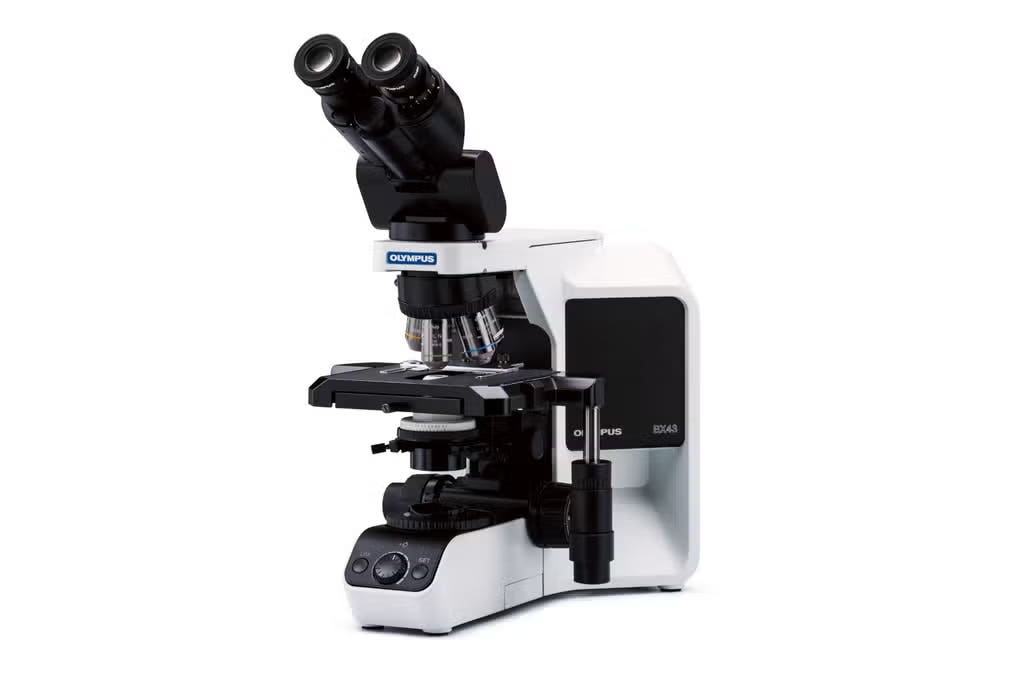
BX43 Upright Microscope
Modular upright manual microscope for routine pathology and clinical research microscopy
Price on request

Medical equipment and biomedical engineering.
Abuja, Nigeria.
Browse clinical microscopes and request a quotation for your facility in Nigeria. Include the configuration, quantity and delivery location you need.
4 models
Modular upright manual microscope for routine pathology and clinical research microscopy
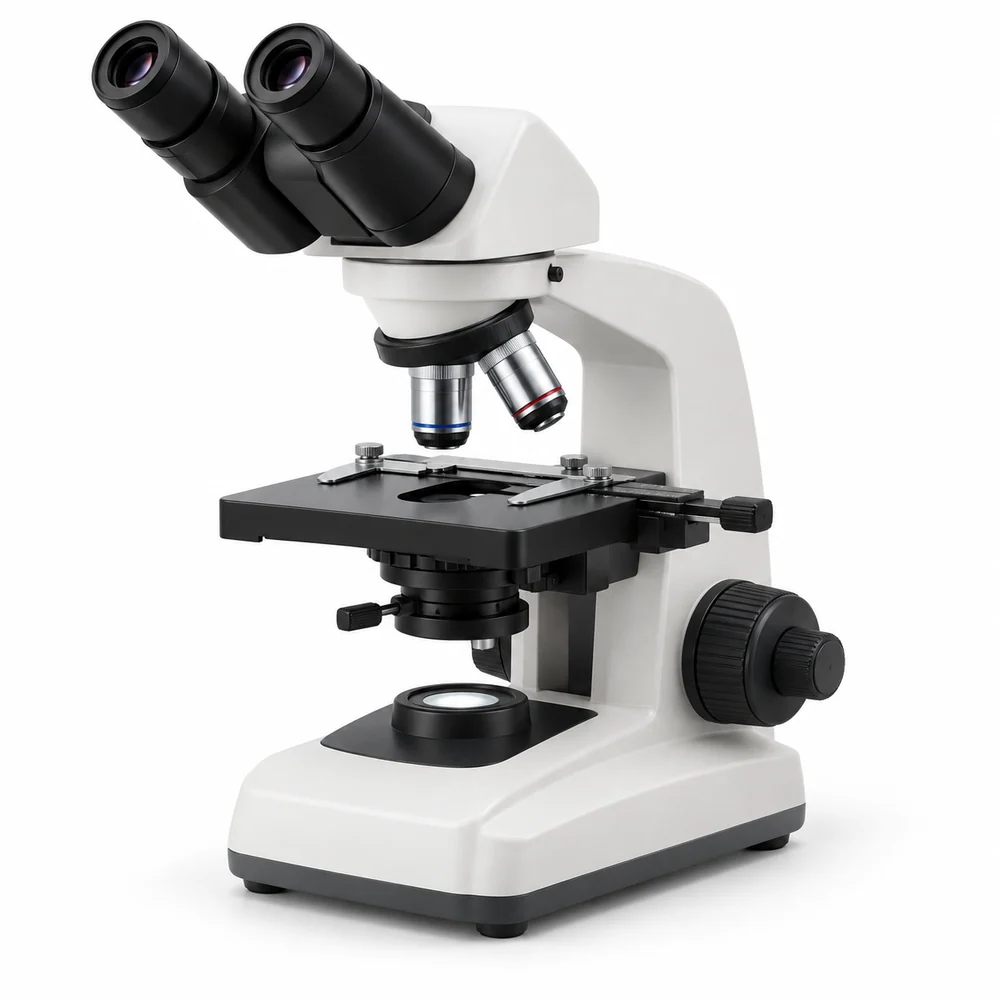
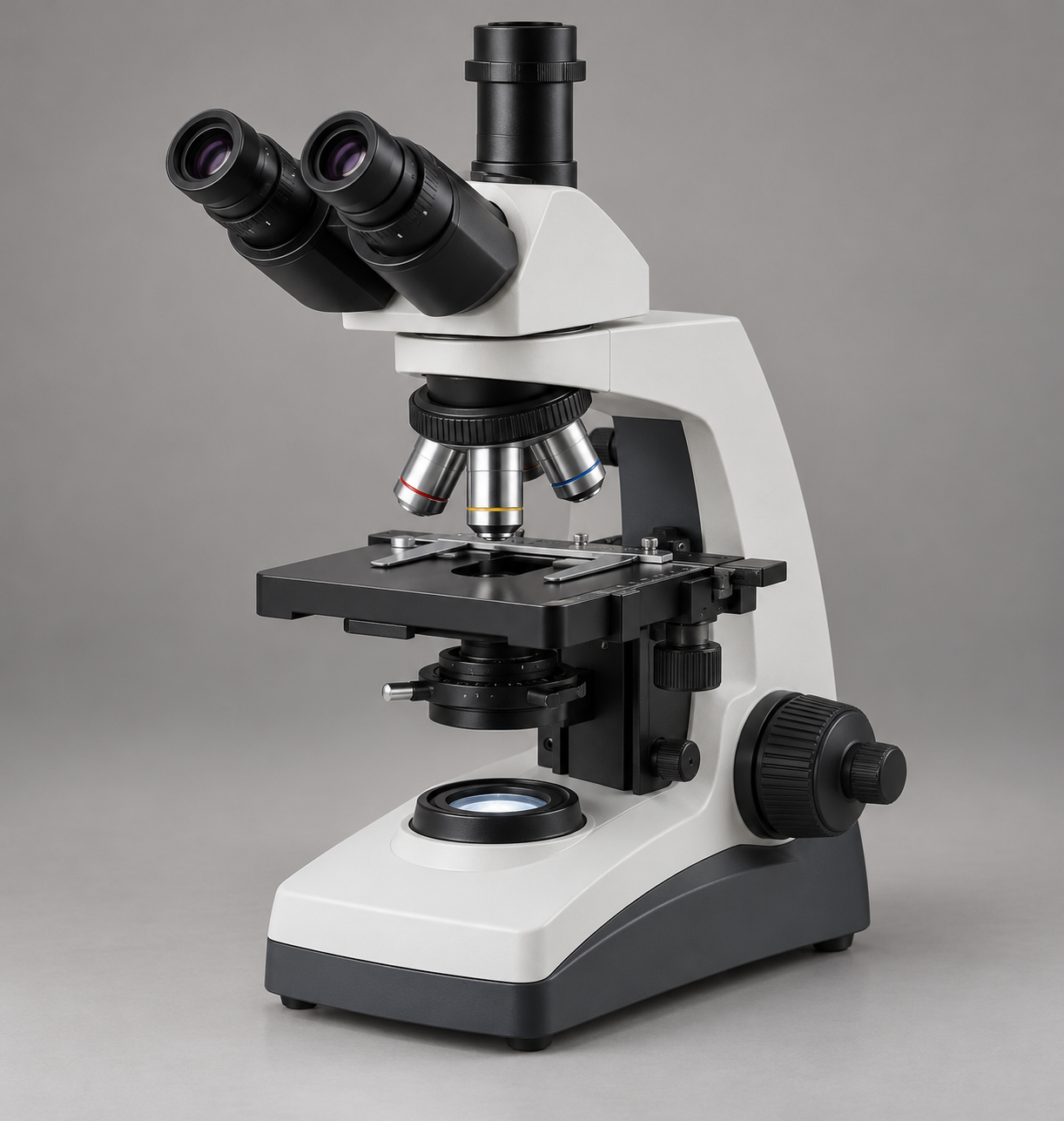
Upright trinocular biological microscope
Send Franance a quotation request with the model family, complete configuration, quantity and laboratory address. The current microscope records are enquiry listings, not online checkout or an assertion that a particular unit is in stock. If your specification allows alternatives, ask for each proposed model as a separate line and request a clear configuration schedule. Include the technical reviewer and purchasing contact so that questions about optics and commercial terms can be handled by the right people.
Read moreStart with the specimen workflow and the observation methods approved by the laboratory. Tell the supplier what the staff need to view and document, which objectives and contrast methods are required, and whether the microscope will be used at a fixed bench or shared among users. Ask the laboratory's responsible staff to define acceptance criteria. Avoid selecting a product from a general label such as “clinical” or “research” without checking the manufacturer's full configuration and the intended use for the specific task.
Read moreFour microscope references currently appear in this category. Evident CX43 and CX33 are upright families whose manufacturer page describes their observation options and selected specifications. Evident BX43 is a modular upright microscope with components selected for the application. ZEISS Primostar 3 is described for digital teaching and routine laboratory work. These descriptions help compare a request, but they do not mean that each item has the same optics or includes the same parts.
Read moreBuy clinical laboratory microscopes in Nigeria through Franance by describing the laboratory task and requesting the complete configuration, not only the microscope family name. Current listings include Evident CX43, Evident CX33, Evident BX43 and ZEISS Primostar 3. Their manufacturer pages describe different configurations and intended contexts. Franance can receive your equipment schedule and follow up with a quotation; the facility must confirm the model's suitability for its workflow and the supplier must confirm price, availability and delivery for the Nigerian destination. Before choosing, separate the optical task from the instrument package. State whether the laboratory needs brightfield, darkfield, phase contrast, fluorescence or another observation method; identify the required binocular or trinocular head, objective set, stage, condenser, illumination and any camera path. A model family page can describe many optional arrangements, while the delivered system may include only a selected configuration. This guide compares the published product families and explains what to confirm before ordering. It does not recommend a diagnostic method or establish clinical performance.
Send Franance a quotation request with the model family, complete configuration, quantity and laboratory address. The current microscope records are enquiry listings, not online checkout or an assertion that a particular unit is in stock. If your specification allows alternatives, ask for each proposed model as a separate line and request a clear configuration schedule. Include the technical reviewer and purchasing contact so that questions about optics and commercial terms can be handled by the right people.
For an existing setup, include the microscope or camera references that must be retained. For a new laboratory, state the tasks and environment the instrument needs to support. List the objectives, contrast methods, observation head, stage, illumination, camera or software requirements and any accessories individually. When a tender or institutional specification controls the purchase, attach its exact requirements and identify mandatory criteria instead of paraphrasing them as “standard microscope.”
Franance can discuss the proposed equipment and terms after receiving the request. A catalogue card does not reserve a model or confirm an approved configuration. Have the laboratory review the manufacturer documentation and proposed components, then have procurement check pricing, currency, delivery, warranty and any requested support. The final quotation should state what is actually offered and identify any substitution or excluded component.
Start with the specimen workflow and the observation methods approved by the laboratory. Tell the supplier what the staff need to view and document, which objectives and contrast methods are required, and whether the microscope will be used at a fixed bench or shared among users. Ask the laboratory's responsible staff to define acceptance criteria. Avoid selecting a product from a general label such as “clinical” or “research” without checking the manufacturer's full configuration and the intended use for the specific task.
The listed families serve different selection paths. Evident presents CX43 as a flexible upright microscope with several observation methods and tube options. CX33 is another upright system with a different defined arrangement. BX43 is modular, allowing components to be selected for the intended application. ZEISS presents Primostar 3 for digital teaching and routine laboratory work and provides different packages. That description does not establish that every Primostar 3 configuration is intended for a regulated clinical diagnostic workflow. If such use is required, ask the laboratory and manufacturer to confirm suitability from the current documentation before procurement.
List the essential configuration rather than relying on a brochure photograph. State the magnification and objective references needed, observation head, condenser, illumination, stage travel or slide-holder arrangement and camera requirements. Ask the quotation to distinguish included parts from optional components. The institution remains responsible for assessing the system's technical and regulatory fit for its own process; a product page cannot make that decision for the laboratory.
Four microscope references currently appear in this category. Evident CX43 and CX33 are upright families whose manufacturer page describes their observation options and selected specifications. Evident BX43 is a modular upright microscope with components selected for the application. ZEISS Primostar 3 is described for digital teaching and routine laboratory work. These descriptions help compare a request, but they do not mean that each item has the same optics or includes the same parts.
The CX43 manufacturer page lists brightfield, darkfield, phase contrast, simple polarised light and fluorescence options, depending on the selected system. It lists binocular and trinocular tubes. The CX33 page lists brightfield and darkfield, and shows a trinocular configuration with a four-position nosepiece and its own stage and condenser references. The BX43 page presents a broad modular set, including contrast and illumination components for different applications. For each system, check the selected package and exact part references.
ZEISS describes Primostar 3 as a compact microscope for digital teaching and routine lab work, with pre-defined packages and configurations. If the request is specifically for a regulated diagnostic service, do not infer that a routine-laboratory description is an adequate intended-use statement. Ask the laboratory to confirm the specification it will accept. The model's inclusion in the catalogue is not proof of local regulatory status, suitability for every workflow or a confirmed offer by Franance.
| Listed family | Manufacturer-published buying distinction |
|---|---|
| Evident CX43 | Upright platform with multiple observation methods and binocular or trinocular tube options; quote the chosen configuration. |
| Evident CX33 | Upright trinocular option with a defined objective, stage and condenser configuration; check the complete model and included components. |
| Evident BX43 | Modular upright system; select observation methods, tube, stage, objectives and condenser for the required application. |
| ZEISS Primostar 3 | Compact microscope for digital teaching and routine laboratory work; verify the offered package and suitability for the facility's specific workflow. |
Binocular and trinocular describe observation-head arrangements. They are not interchangeable package names and do not specify the objectives, contrast system, camera, illumination or stage. A trinocular arrangement may be relevant when a camera path is required, but the actual camera port, adapter, light-path selection and compatible imaging accessories must be confirmed from the offered configuration. Do not assume that a camera is included because the microscope page shows a trinocular head.
Evident's CX43 page lists binocular and trinocular observation options. The CX33 listing represented here is specifically a trinocular configuration, while the manufacturer manual identifies its observation tube and camera light-path selection. BX43 offers several observation tube configurations within a modular family. ZEISS packages may include different camera and digital-learning options; identify the exact package the institution wants. If routine viewing is sufficient, specify binocular viewing. If records or remote observation are needed, state the imaging workflow and ask which components enable it.
The laboratory should confirm the ergonomic and optical requirements for its users. If a microscope will be shared, include the range of users and any observation-head preferences in the request. Ask the supplier to list the included eyepieces, tube, camera adapter and related components. Compare quotations on the same basis: “trinocular” alone is not enough to determine whether both systems deliver the camera path and image workflow the facility requires.
Name the observation methods that the laboratory has approved and ask the supplier to identify the exact components that support them. The CX43 page lists brightfield, darkfield, phase contrast, simple polarised light and fluorescence options. BX43 is described as modular and can be configured for several observation styles. The CX33 is presented with a more specific set of observation options. The availability of a method in a family does not mean that every quoted configuration includes it.
Specify the objective magnifications and types required, the condenser and any associated contrast components, the field number or viewing arrangement required by the institution, and the illumination configuration. If a particular specimen holder or stage is essential, include its exact reference or the needed capacity and movement. Ask for the complete model code and component list. Do not infer numerical aperture, working distance, compatibility or performance for a package from a family page when the specific optional components have not been identified.
If the lab needs fluorescence, polarisation, phase contrast or a specific condenser arrangement, state that explicitly and ask for evidence in the offered manufacturer's specification. A broad request to “include all options” can make the quotation unclear and may include items the lab does not need. Separate required components from optional ones, and ask the laboratory reviewer to approve any change before purchase. Franance can present the proposed package; the facility decides whether it meets the defined task.
Describe what the lab needs to capture, display, store or share. State whether the requirement is occasional image capture, live display, teaching, documentation or an interface with another system. Identify any existing camera, adapter, monitor, computer, software and data destination that must be retained. The manufacturer describes digital options for certain configurations, but a microscope model name does not establish which camera, adapter or software is included in a quotation.
Ask the proposed package to show the observation tube, camera port, adapter, camera model, image software and any computing component as separate line items. Confirm whether the camera captures the intended view, what light path is available during simultaneous observation and capture, and which connections or file formats the facility needs. If staff will share images, identify how files are stored and who manages access under institutional policy. Do not assume that a camera shown in an online image is part of the basic instrument.
Where the request is for ZEISS Primostar 3, confirm the exact teaching or routine-laboratory package and its digital accessories. For Evident CX33 or CX43, compare the selected camera path and tube configuration with the current manufacturer documentation. A proposal can describe the listed components, but it cannot certify integration with the institution's local software. Have the relevant IT and laboratory staff review the proposed workflow before approval.
Before requesting a final offer, identify where the microscope will be installed and how it will be used. Provide the bench or room constraints, intended number of users, required accessories and any existing equipment that affects the setup. Check the manufacturer's documented dimensions, weight, power and operating conditions for the exact offered configuration. A product-family page can show standard values, but accessories and configuration may affect the space and installation requirements.
Ask the quotation to distinguish equipment supply from site work, installation, setup or training. If any work is needed, describe the task and facility location and ask who is responsible for it. Confirm the warranty terms, service contact and any maintenance or support arrangements in writing. Do not infer that local support is included because a brand has a page on this website or because the manufacturer has representatives in another country.
For multi-site procurement, state each destination and quantity separately. If the instrument is part of a laboratory project, include the project schedule and dependencies, but ask the supplier to confirm any proposed dates. Keep the approved configuration, supporting documents and service scope with the purchase record so receiving and support staff can refer to the same instrument specification after delivery.
This page does not publish a Nigerian microscope price. Request a current Franance quotation for the named model and complete component list. The selected objectives, observation head, contrast components, stage, camera and other accessories may change the proposed package, so compare offers only after checking that they cover the same requirements. No online payment is taken through the quote-order process.
Ask the quotation to state the offered model and configuration, quantity, currency, price validity, delivery scope, warranty and any separately priced installation, training or support. If the proposal includes a substitute component or excludes a requested item, have that change highlighted for technical review. Do not compare a basic microscope body with a configured system as though they were equivalent packages.
A global manufacturer page or overseas price does not establish a local amount or supply terms. The final price and availability must be confirmed for the Nigerian facility and requested configuration. If the purchase has a budget ceiling or approval date, give that context to Franance and request a dated quotation. Review its stated assumptions before the institution accepts it.
Give Franance the destination city, state, facility address and receiving contact so the team can confirm the proposed route and terms. This guide does not claim national stock or a fixed delivery period for any microscope. Delivery charges, timing, site access and any installation work must be confirmed for the specific configuration and address in the quotation.
If the facility requires regulatory, import, procurement or tender documents, list them in the request and ask which can be supplied for the exact model and proposed supply route. Do not infer local registration, authorized distribution or a Nigerian service arrangement from an international product page. Have procurement and technical reviewers check the documents and stated terms before accepting the offer.
For a project or several laboratory sites, separate the model and quantity required at each location. Ask that the supplier state whether equipment is delivered in one shipment or multiple deliveries and who coordinates receipt. Confirm the schedule before purchase approval, and retain Franance's written response with the institution's purchasing record.
Create one line for each model and configuration. Include manufacturer, model family, exact model code if applicable, binocular or trinocular head, objective set, observation methods, illumination, stage, condenser, camera and accessories. Identify required and optional components and attach the laboratory's approved specification. Include quantity, destination, requested documents and any delivery or site constraints.
Ask Franance to return a quotation that mirrors those line items and states the offered configuration, price basis, currency, validity, delivery, warranty and support. Have the laboratory reviewer compare optical requirements and components, then have procurement verify quantities and commercial terms. If an alternative is offered, request its own full specification and document the reason for considering it. Keep any excluded task visible rather than assuming it is part of equipment supply.
The checklist should also identify who will inspect the shipment, what packaging or documentation is required, and how the facility will record receipt. These steps do not replace local procedures; they help the institution compare the proposal with the approved request and resolve discrepancies before the instrument is accepted. Franance can follow up on the quote, while the institution retains technical approval and purchasing authority.
Send Franance the laboratory task, preferred model family, full configuration, quantity and Nigerian destination. Include objectives, contrast methods, observation head, camera or digital workflow, accessories, requested documents and any site or delivery requirements. Attach the exact tender schedule or approved equipment specification if one exists. Name the technical reviewer and purchasing contact so the follow-up can address each part of the request.
Franance can review the requirement and respond with a proposed quotation for confirmation. The laboratory should compare the exact offered configuration with its own approved requirements and current manufacturer information. Procurement should confirm price, currency, validity, availability, delivery and support terms before accepting an order. A product listing or quote request is not a final technical approval, an online purchase or a confirmed delivery promise.
Match the microscope's observation methods, tube, objectives, stage, illumination and camera options to the laboratory's approved task. Send the complete configuration and destination to Franance for a quote; the laboratory must confirm technical suitability.
These terms identify observation-head arrangements, not a complete microscope specification. Confirm the offered head, camera path and included camera adapter or imaging components; the manufacturer configuration determines what is supplied.
No. Catalogue entries are enquiry routes. Franance must confirm the exact configuration, price, supply route and delivery terms for the Nigerian facility.
Tell Franance about the laboratory task, observation methods, binocular or trinocular head, objectives, camera needs, quantities and delivery site. The team will follow up to confirm the proposed configuration and supply terms.
Request a microscope quoteAdd the models you need to a quote order, or send us your equipment list.