
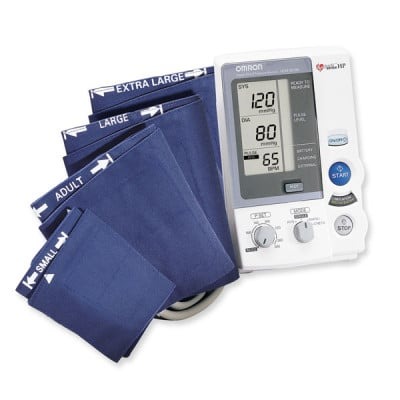
OMRON HEM-907XL Professional Blood Pressure Monitor
Clinical automatic blood pressure monitor
Price on request

Medical equipment and biomedical engineering.
Abuja, Nigeria.
Buy clinical automatic blood pressure monitors in Nigeria through Franance. Compare OMRON HBP-1320-E, OMRON HEM-907XL and Welch Allyn Connex ProBP 3400 by clinical workflow, cuff range, power, data integration and package contents, then request a written quotation.
17 models
Clinical automatic blood pressure monitor
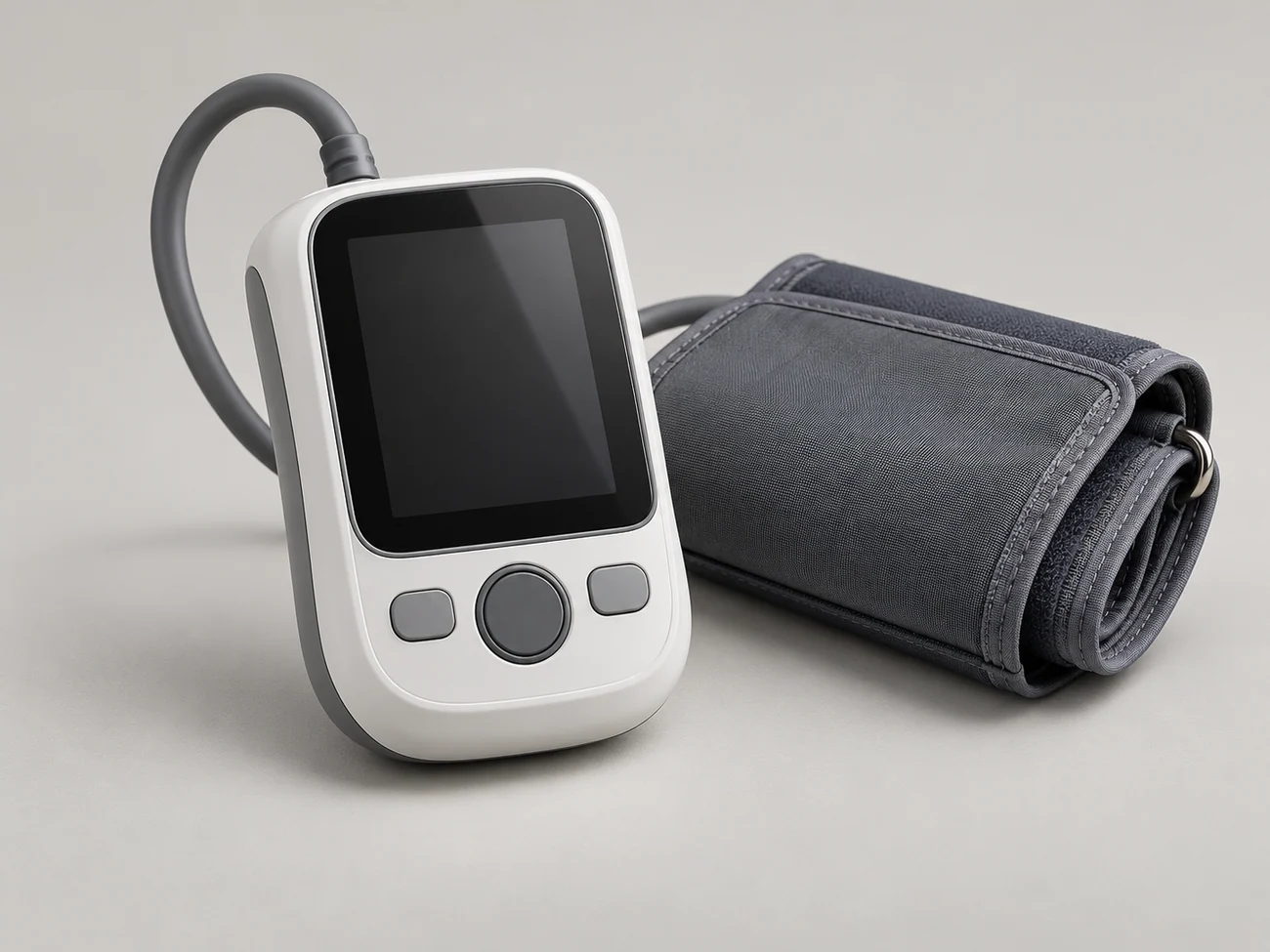
Digital blood pressure device
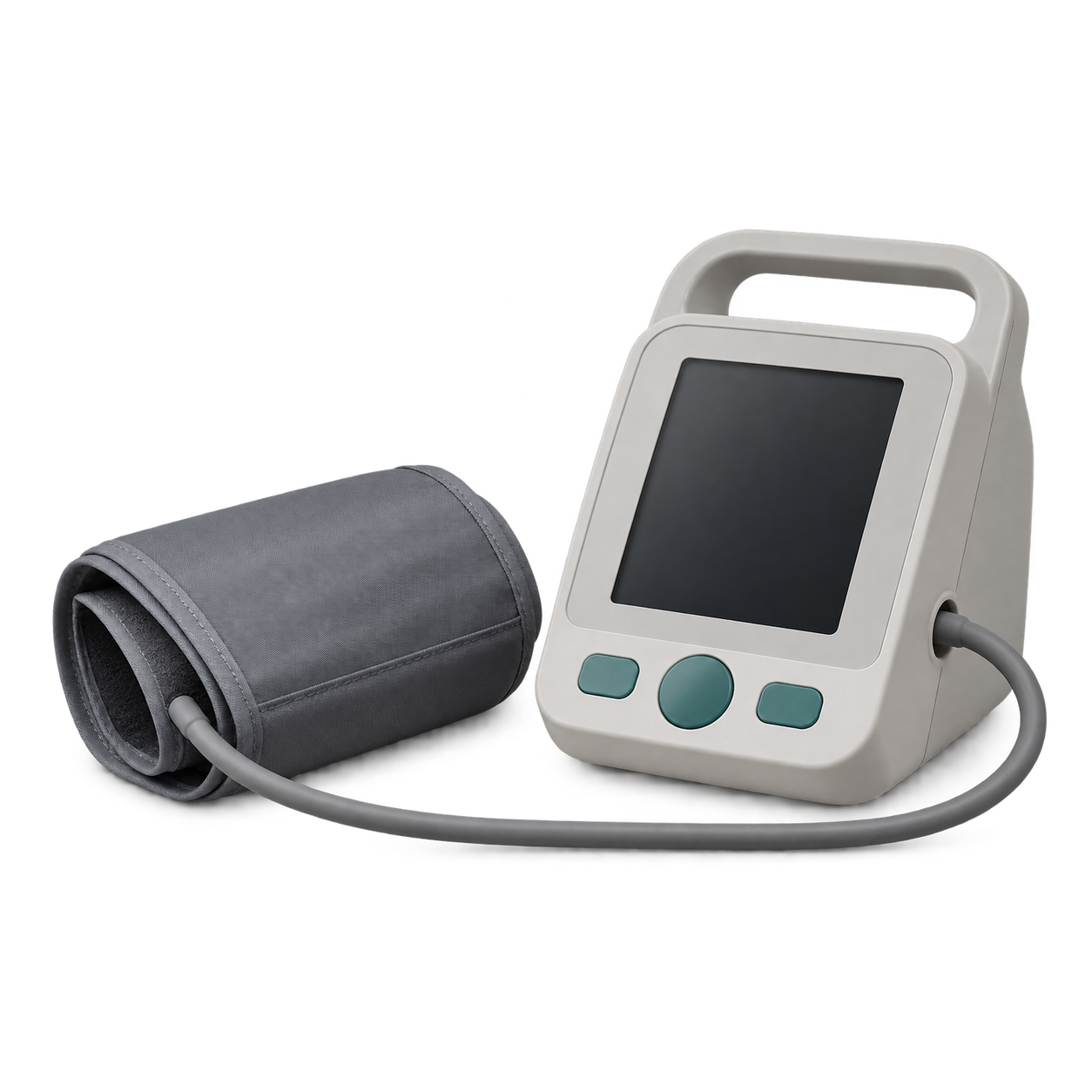
Professional upper-arm blood pressure monitor
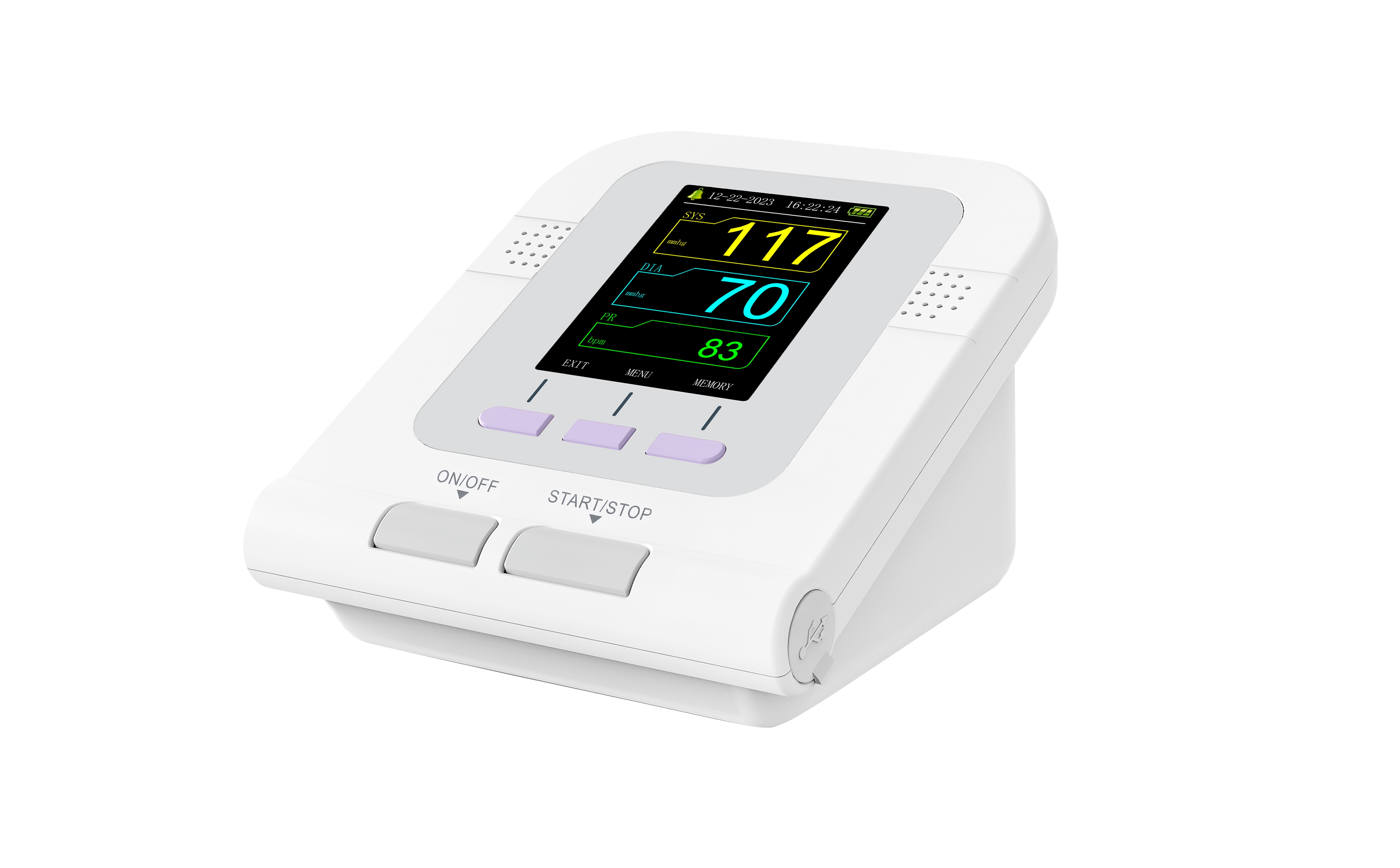
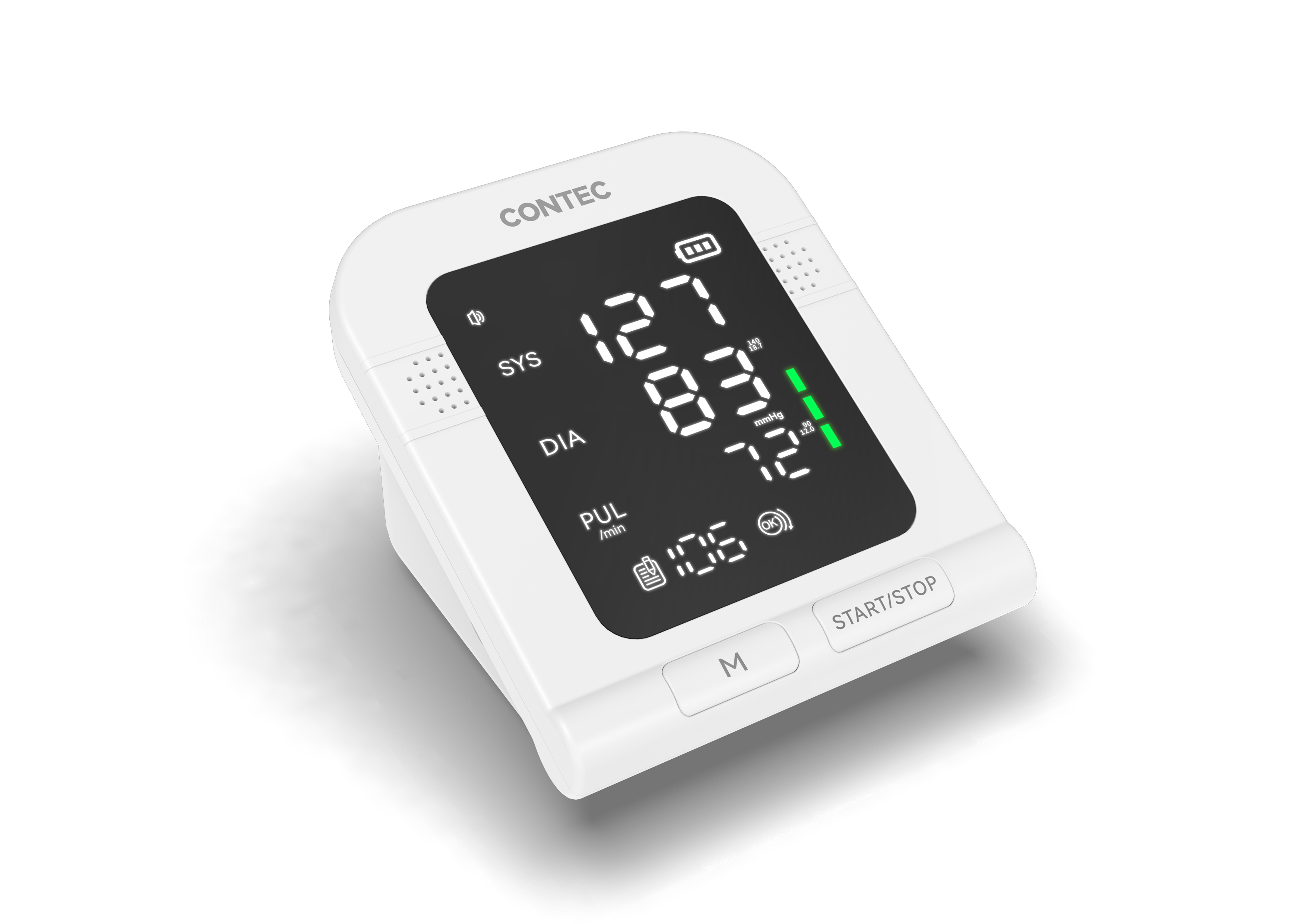
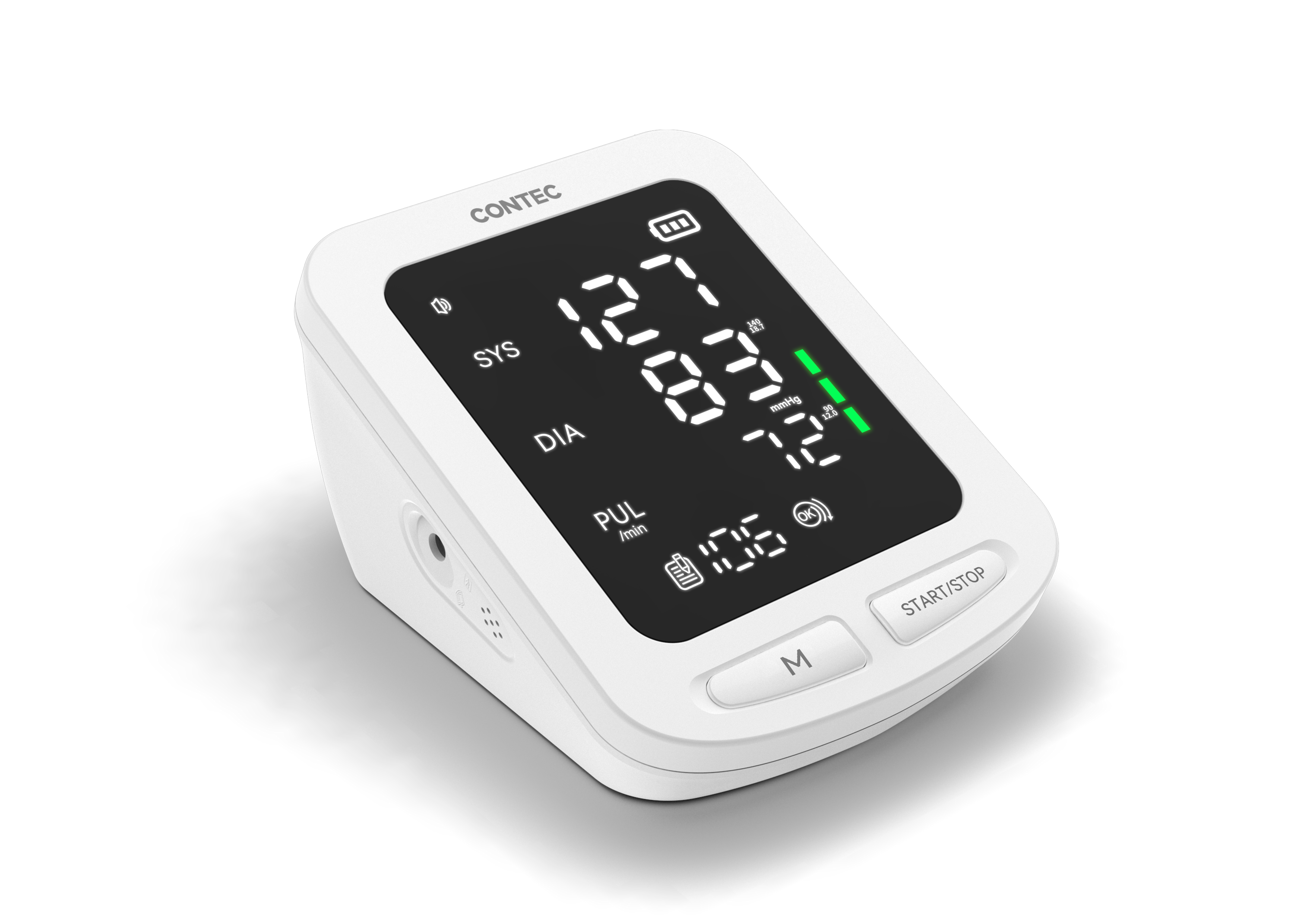
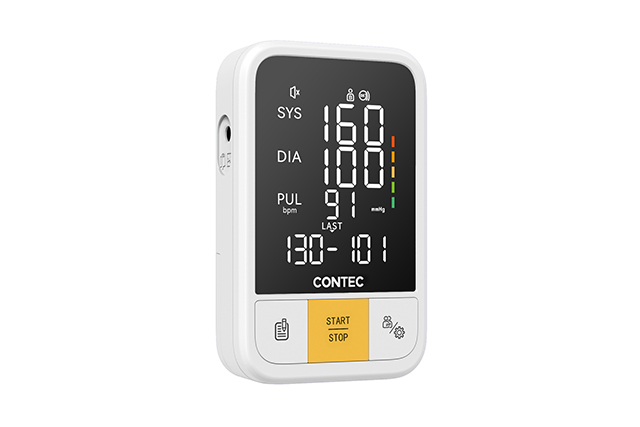
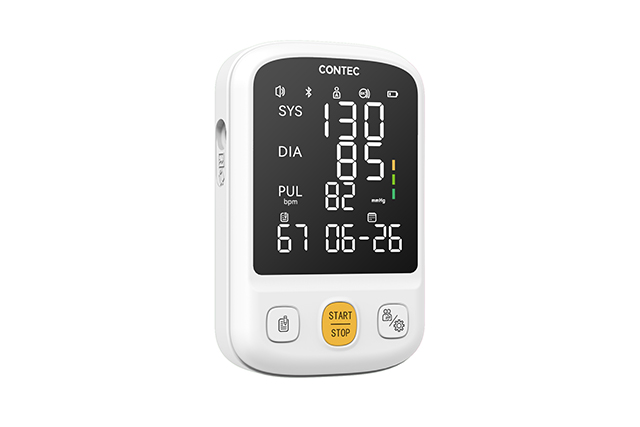
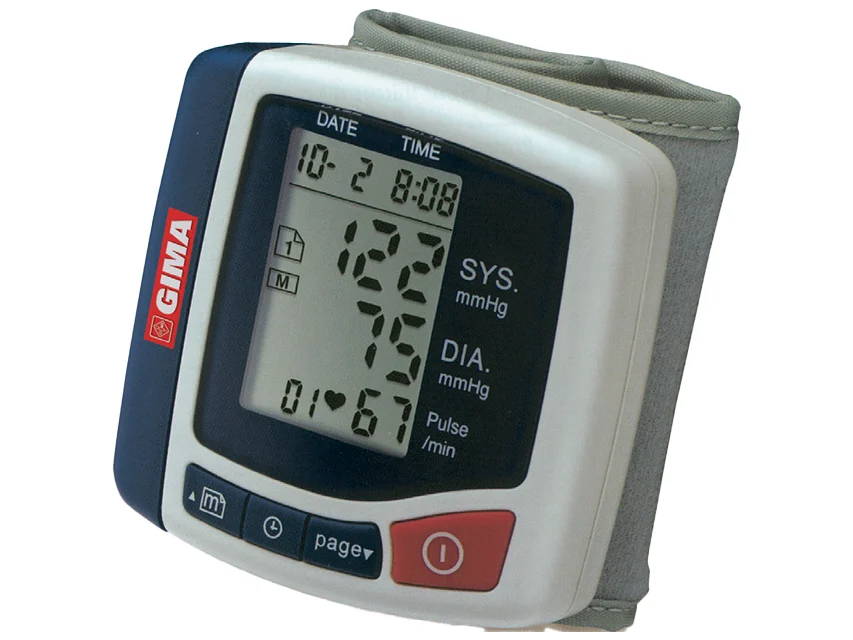
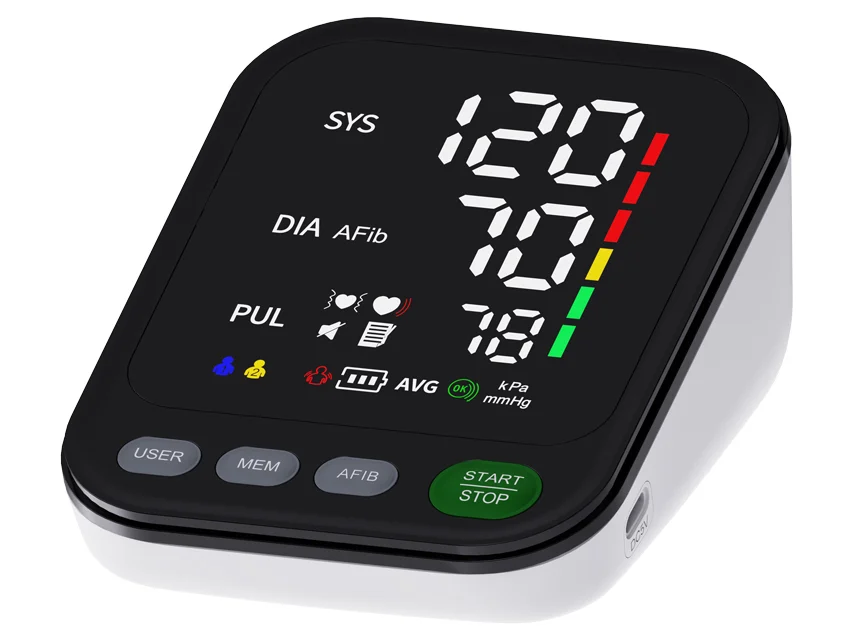
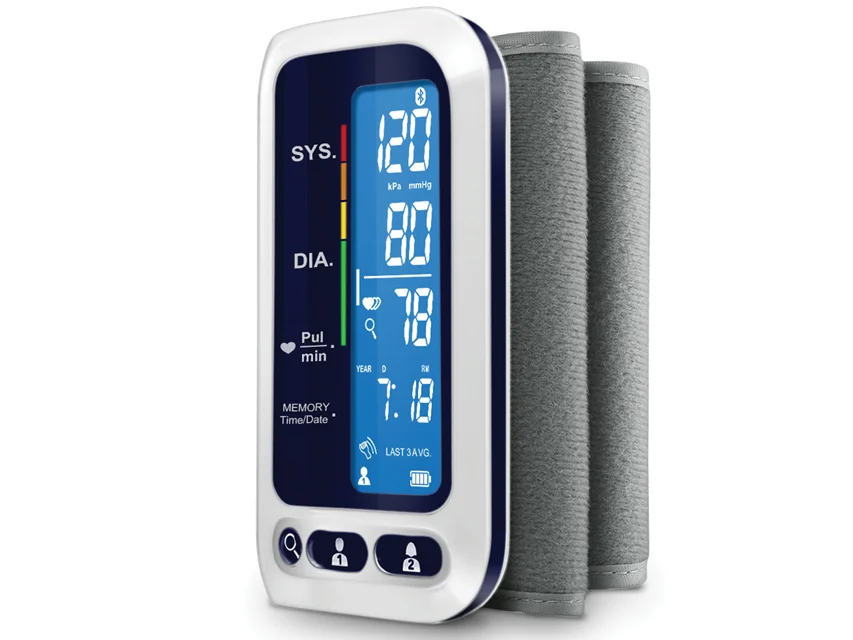
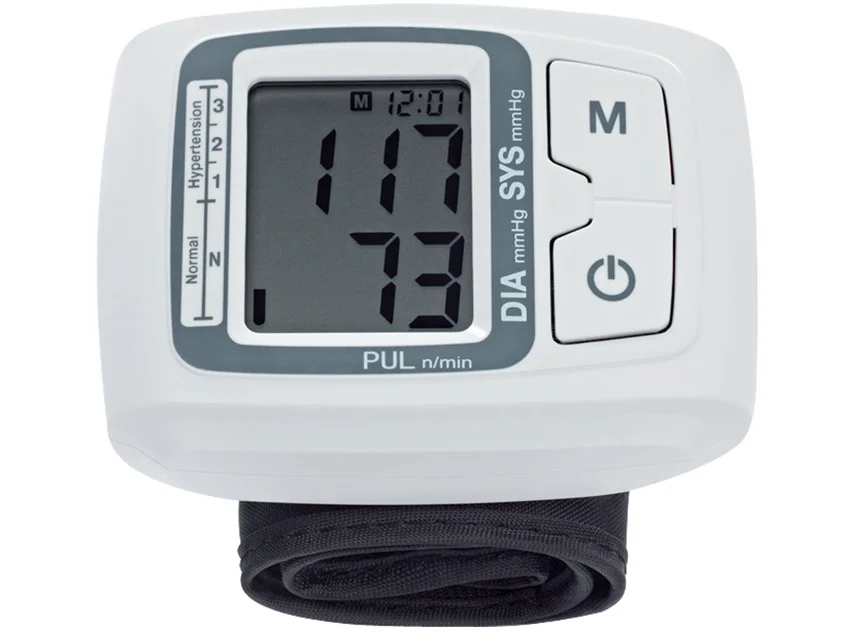
Automatic blood pressure monitor
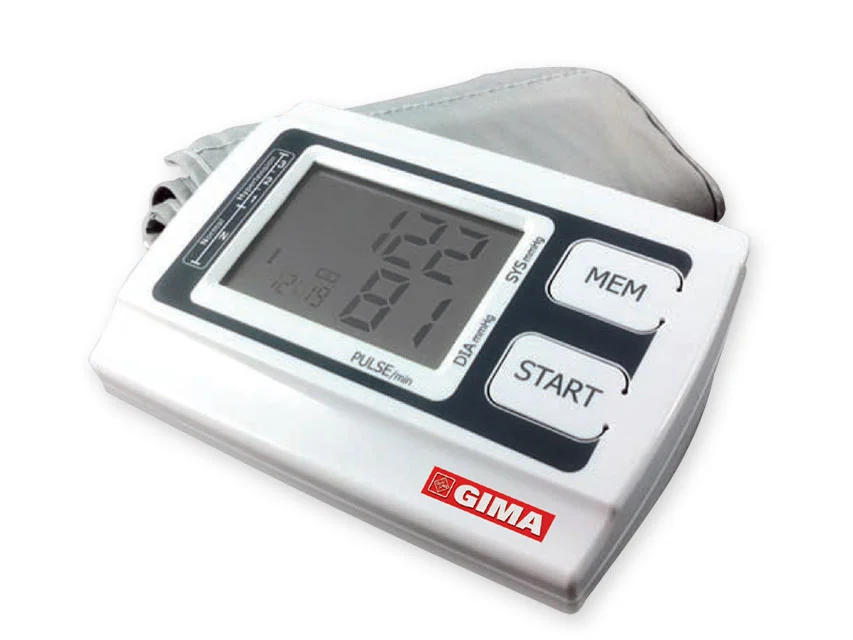
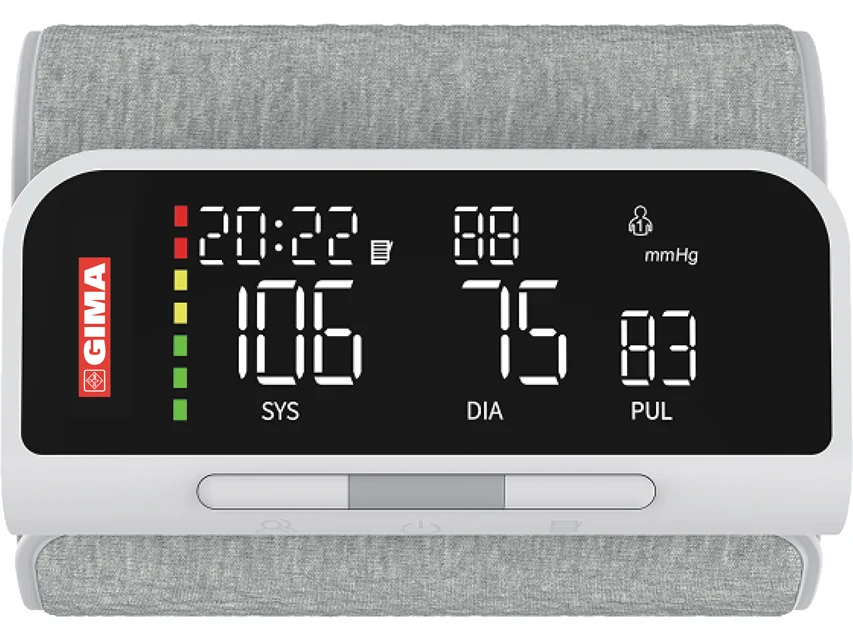
Automatic blood pressure monitor
Automatic blood pressure monitor
The current leaf contains exactly three assigned models. Use each exact listing to review the brand, category and model together:
Read moreBegin with the care setting and workflow specified by the facility’s clinical team. A portable device for rounds, triage or routine point-of-care measurement may be evaluated differently from a monitor that will remain on a stand in a consultation room. Consider expected frequency of use, staff workflow, movement between patients, patient record requirements, the availability of compatible cuffs and the power arrangement. The manufacturer’s current instructions for use and intended population should govern selection and operation.
Read moreOMRON describes HBP-1320-E as a portable upper-arm blood pressure monitor for healthcare professionals. The manufacturer lists fully automatic oscillometric measurement and a manual auscultatory mode. Published specifications include a 7-segment LCD and multiple cuffs spanning arm circumferences from 12 cm through 50 cm, depending on selected cuff and tube. The manufacturer’s product page lists an AC adapter, battery pack and two cuffs in the box for its described configuration; the contents of a Franance quotation must be checked separately.
Read moreFranance lists three clinical automatic blood pressure devices for Nigerian healthcare facilities: OMRON HBP-1320-E, OMRON HEM-907XL and Welch Allyn Connex ProBP 3400. Compare the intended clinical workflow, cuff sizes, power options, measurement modes, data transfer and included accessories before requesting a written quotation. These are standalone blood-pressure devices; a listing does not mean it includes a full vital-signs monitor, an examination trolley, a software integration or every cuff size. The current records cover two professional OMRON models and a portable Welch Allyn digital device. The HBP-1320 supports automatic oscillometric operation and a manual auscultatory mode, while HEM-907XL is a professional monitor with averaging features and multiple cuffs. The ProBP 3400 has a wired USB pathway for select EHR/EMR systems, but its use limitations and exact configuration must be checked against its current instructions. A clinical team should select and use devices under its own protocols. Franance accepts quote orders rather than online checkout and confirms configuration and commercial scope in writing.
The current leaf contains exactly three assigned models. Use each exact listing to review the brand, category and model together:
- OMRON HBP-1320-E professional upper-arm blood pressure monitor
- OMRON HEM-907XL professional blood pressure monitor
- Welch Allyn Connex ProBP 3400 digital blood pressure device
This category sits beneath Vital Signs and Patient Monitoring. The surrounding vital-signs taxonomy also contains a vital signs monitor, clinical thermometers and medical weighing equipment. A standalone blood-pressure device is a different equipment choice from an integrated multiparameter monitor that displays several vital signs. Select the category that matches the facility requirement, then confirm exact models and package contents.
The category and manufacturer pages do not establish current Nigerian stock, regulatory status, local authorization, price, warranty, delivery date or service coverage. Ask Franance for a written quotation that identifies the exact regional model, cuff sizes, power accessories, documentation and destination-specific terms.
Begin with the care setting and workflow specified by the facility’s clinical team. A portable device for rounds, triage or routine point-of-care measurement may be evaluated differently from a monitor that will remain on a stand in a consultation room. Consider expected frequency of use, staff workflow, movement between patients, patient record requirements, the availability of compatible cuffs and the power arrangement. The manufacturer’s current instructions for use and intended population should govern selection and operation.
Compare each device against a written requirement list: automatic or manual measurement workflow, displayed values and storage, cuff size range, mobility, battery or AC power, mounting options, EHR/EMR data connection and included accessories. Ask how many cuffs are needed at each facility and which sizes are included. Do not choose solely by brand, a “clinical” label, a screen feature or a claim of speed. A procurement page does not prescribe when or how a clinician should take a measurement.
Check whether a standalone monitor is sufficient or whether the facility actually needs a vital-signs monitor that combines blood pressure with other measurements. If the intended use involves a population or setting named in the device limitations, review the manufacturer’s instructions and consult the responsible clinical lead before shortlisting. Do not infer that a cuff size alone makes a device appropriate for every age group or patient.
OMRON describes HBP-1320-E as a portable upper-arm blood pressure monitor for healthcare professionals. The manufacturer lists fully automatic oscillometric measurement and a manual auscultatory mode. Published specifications include a 7-segment LCD and multiple cuffs spanning arm circumferences from 12 cm through 50 cm, depending on selected cuff and tube. The manufacturer’s product page lists an AC adapter, battery pack and two cuffs in the box for its described configuration; the contents of a Franance quotation must be checked separately.
For procurement, state whether the facility needs oscillometric operation, auscultatory mode or both; the intended arm-circumference range; cuff and tube configuration; battery and AC power requirements; quantity; and whether a carry or mounting arrangement is required. The team should identify if portable use between patients, a fixed clinic station or a combination of settings is expected. Request the regional HBP-1320 variant and current documentation, since a model family name does not confirm that every regional package is identical.
Review the OMRON HBP-1320 exact model listing and the manufacturer’s current instructions. Confirm cuff compatibility, charging arrangement, cleaning and accessory details in the written quotation. The listing is not a clinical comparison or a guarantee of accuracy for any particular patient or measurement condition.
OMRON describes HEM-907XL as a professional digital blood pressure monitor intended for clinical settings such as a physician’s office, hospital or point of care environment. The manufacturer's information lists automatic cuff inflation and deflation, an average mode that combines up to three readings, and small, medium, large and extra-large cuffs in the stated US box configuration. OMRON also lists AC power and a rechargeable battery option. Confirm the exact regional variant and quote contents before comparing it with another device.
The manufacturer lists cuff circumference ranges of approximately 17–22 cm, 22–32 cm, 32–42 cm and 42–50 cm for its size options. Ask the clinical service which ranges it needs, and verify that the cuff and tube part numbers in the offer match the selected HEM-907XL version. Clarify whether the facility wants a stand or wall mounting kit, extra cuffs, spare battery, adapters or additional tubes; these accessories are separate from the base device unless the offer expressly includes them.
Request details for the measurement workflow the clinic expects and review the official HEM-907XL instructions and limitations with the responsible clinical personnel. The fact that a model can average multiple readings is not a recommendation to use a particular protocol or interpret a result in a specific way. Clinical procedures and decisions belong to qualified staff following local policies.
Use the OMRON HEM-907XL exact model listing and ask Franance to specify the offered unit, cuffs, power supply, battery, mounting accessories, warranty and service scope.
Welch Allyn describes Connex ProBP 3400 as a portable digital blood-pressure device. Manufacturer documentation describes USB-wired communication with select EHR/EMR systems, and a range of compatible Welch Allyn FlexiPort cuff sizes and mounting configurations. Exact EHR compatibility is limited to select systems and must be verified for the facility’s software and configuration. USB connection alone does not establish that data will flow to a particular clinical record platform.
The manufacturer’s instructions state that ProBP 3400 is not intended for neonates, infants or children under three years, and that effectiveness has not been established in pregnant, including pre-eclamptic, patients. The responsible clinical team must review these limitations and the current instructions for the intended patient population before selecting or using the device. This guide makes no patient-specific recommendation and does not substitute for the official device documentation.
Before a quotation, identify the facility’s intended workflow, compatible cuff requirements, mounting preference, power and charging arrangement, and whether USB EHR/EMR communication is required. Name the exact EHR/EMR product and version and ask for written compatibility confirmation. Review the Welch Allyn ProBP 3400 exact model listing, then confirm the regional power-cord configuration, included cuff and accessories, memory or data settings, support and any integration work in the offer.
Provide the arm-circumference ranges the facility needs and ask the vendor to map them to exact compatible cuff part numbers for each quoted monitor. The manufacturers use different cuff ranges and names. OMRON HBP-1320 lists several ranges from 12 cm to 50 cm depending on size and tube; HEM-907XL information lists small through extra-large options; ProBP 3400 uses the manufacturer’s compatible cuff family. A “large cuff” label is not enough to establish exact fit or compatibility.
Ask for a line-item list of the device, each cuff and tube, power adapter, battery or charging components, stand or wall bracket, USB cable, carrying accessories, software or interface components and any disposable supplies. Identify what ships with the base device versus optional accessories. A brochure image showing a stand, cable or cuff does not prove it is included in the offer. For a hospital with multiple measurement points, ask for the quantity of each accessory and any shared or per-device requirements.
Confirm cleaning, disinfection, inspection and replacement guidance from the applicable instructions for use for the exact monitor and cuff. Cuffs and cables may have device-specific care instructions. The facility should decide its infection-prevention workflow and recurring supply plan. Include expected usage, spare cuff inventory, maintenance and replacement contact in the procurement brief, but do not assume that the same reprocessing method is suitable across all three models.
Ask which power options apply to the offered regional model and whether AC adapter, rechargeable battery, charging equipment or batteries are included. If devices will move between wards or rooms, confirm the facility’s charging and storage arrangement. If they will be mounted, specify stand, wall bracket or desk mount and request compatible part numbers. Check local power requirements and any outlet or charging provisions with the facility’s engineering team rather than extrapolating from a photograph or another market’s package.
For data integration, name the target EHR/EMR, version, workstation and network environment. Welch Allyn documents wired USB communication with select systems; this is not a universal interface. The catalogue records for the two OMRON devices do not establish an EHR interface. If automatic transfer is required, request the vendor’s supported integration configuration, cable or software requirements, testing responsibilities and any additional licence or service cost in writing. If data will be entered manually, define who verifies identity, units, timestamps and transcription in the facility’s workflow.
Have IT review access controls, data handling, device identification, software support, updates and any remote-service arrangement. Ask biomedical engineering to record device model, serial number, accessories, maintenance and calibration or verification intervals specified by the manufacturer or facility policy. Confirm what commissioning, training or handover is included. This is procurement planning, not instruction to adjust or calibrate a clinical device.
Ask for current manufacturer instructions, intended use, contraindications or limitations, compatible cuff information, cleaning guidance, maintenance schedule and model-specific validation documentation. Confirm that the documentation corresponds to the exact model suffix and regional version in the quotation. The manufacturer's published claims or a general professional-category label should not be substituted for a facility’s required procurement and compliance review.
Have the clinical service check the intended population and measurement workflow against the relevant device instructions. In particular, observe model-specific restrictions rather than assuming that all clinical blood-pressure devices can be used for neonates, children, pregnancy or every other population. ProBP 3400 has specific restrictions stated in the manufacturer’s IFU. For all devices, clinical use, measurement interpretation and any response to results must follow the facility’s professional protocols.
The facility should identify applicable Nigerian registration, importation, licensing and safety obligations with its regulatory and biomedical engineering leads. Do not infer local clearance or clinical suitability from a manufacturer listing in another market. Include the requested documents, acceptance checks, staff familiarization, warranty and service arrangement in the written scope before procurement approval.
Send a structured quote order with:
1. Exact model: OMRON HBP-1320-E, OMRON HEM-907XL or Welch Allyn Connex ProBP 3400.
2. Intended facility workflow and any clinical population limitations the service must review.
3. Required cuff sizes by arm circumference, compatible tubes and quantities for each size.
4. Power requirements, battery or charging needs, and stand, wall or desk mounting preference.
5. Required EHR/EMR or data workflow, including software name and version and whether USB connectivity is requested.
6. Facility name, procurement contact, city and state in Nigeria, destination access and requested delivery date.
7. Requested accessories, installation, configuration, training, warranty, maintenance and service scope.
8. Documentation, regional version, validation evidence or local regulatory information required for the facility’s review.
Ask Franance to list the manufacturer, exact model/version, device quantity, cuff sizes and part numbers, accessories, included power components, software or integration, exclusions, destination documentation, warranty, delivery assumptions, service and quotation validity. If configuration or compatibility is unconfirmed, make it explicit as an open item for the vendor to resolve before the clinical and procurement teams accept the proposal.
Use the HBP-1320 listing, HEM-907XL listing, ProBP 3400 listing, or contact Franance to request a clinical blood-pressure monitor quotation. Franance follows up by phone or email; submitting an enquiry is not online checkout or confirmation of supply.
Include the destination city and state, number of devices, facility type, delivery access and required date in the enquiry. A nationwide catalogue page does not confirm stock, freight timing, clearance, installation, training or service availability at a particular location. Ask Franance to confirm the offered regional model, documentation, commercial terms and any support or warranty handling for the named facility in writing.
For multiple sites, provide a location-by-location schedule with model, cuff-size mix, power accessories, mounting and any data-integration requirements. Confirm the configuration and applicable power cord for every site. Ask how warranty issues, software or interface support and accessory replacement will be handled for each destination. Do not assume that a single-site quotation, manufacturer global page or vendor service brochure guarantees the same coverage at other Nigerian locations.
No. Franance handles these clinical monitors through quote orders rather than online checkout. Choose an exact model or send the facility’s approved specification, cuff requirements, quantity and destination. Franance will follow up by phone or email to clarify configuration and provide a written quotation. Review the exact regional model, included cuffs, power, software, documents, availability, delivery, warranty and service terms before accepting the offer.
If the intended need is a multi-parameter monitor, a home-use blood-pressure monitor or another vital-signs device, identify that requirement separately. The Vital Signs category contains dedicated pages for adjacent equipment; this guide covers clinical automatic standalone blood-pressure devices only.
Franance currently lists OMRON HBP-1320-E, OMRON HEM-907XL and Welch Allyn Connex ProBP 3400. Confirm exact regional versions, cuffs and package contents in the written offer.
OMRON describes both fully automatic oscillometric measurement and a manual auscultatory mode. Confirm the exact version and current instructions for use.
No universal compatibility is established. Manufacturer material describes wired USB communication with select EHR/EMR systems. Verify the exact system and version in writing.
The manufacturer’s instructions state it is not intended for neonates, infants or children under three years, and effectiveness has not been established in pregnant patients, including those with pre-eclampsia. The clinical team should review the current IFU.
No. Submit a quote order. Franance follows up by phone or email and confirms the configuration and commercial terms in writing.
Send the exact model, required cuff ranges, power and mounting options, software or EHR/EMR needs, facility, city and state, quantity, and requested training or service scope. Franance will follow up on the quote order and confirm the package and commercial terms in writing.
Request a quotationAdd the models you need to a quote order, or send us your equipment list.