

Buy Segment Piercing Devices in Nigeria.
Browse segment piercing devices and request a quotation for your facility in Nigeria. Include the configuration, quantity and delivery location you need.
Products
2 models
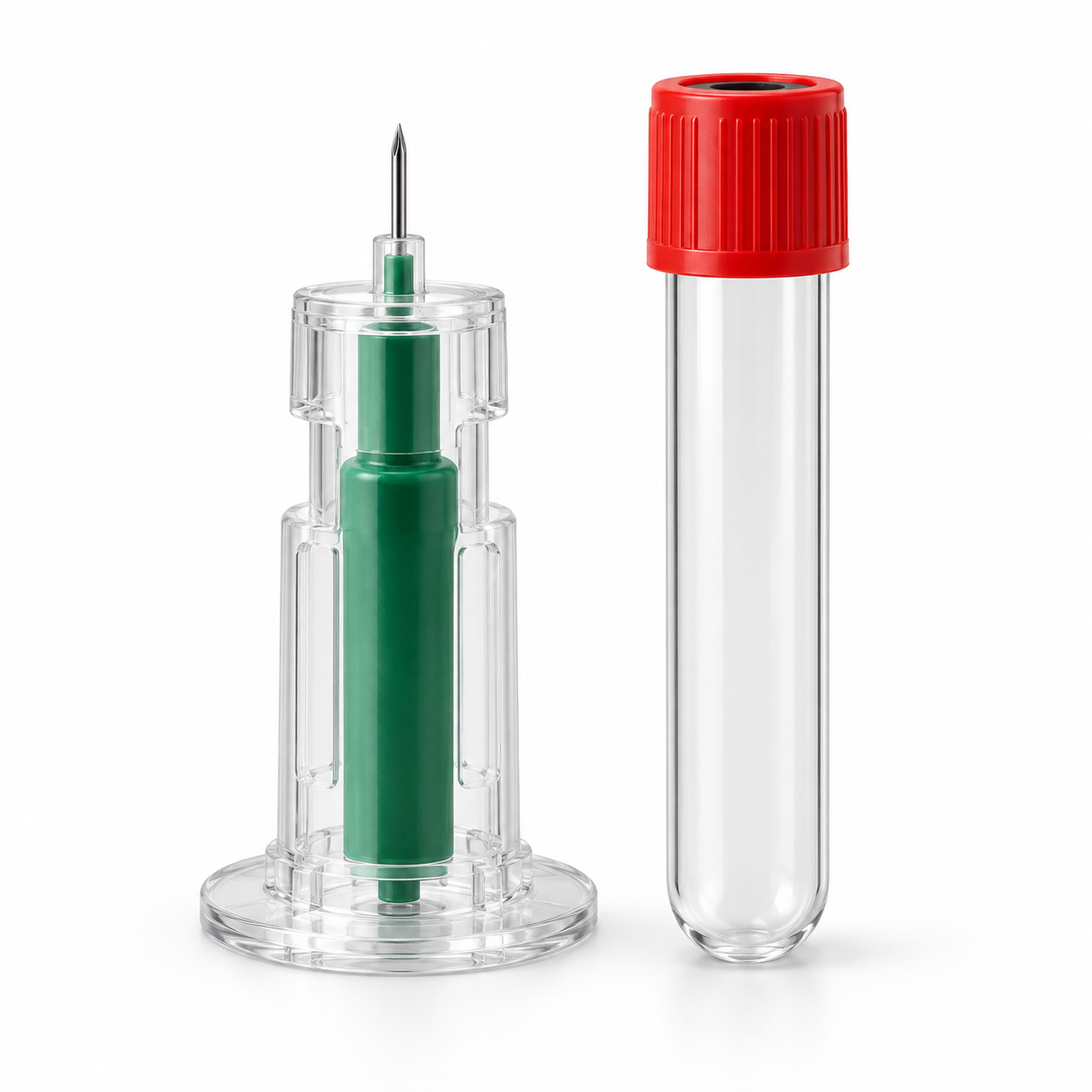
Typenex Medical Typesafe 2.0 Segment Piercing Device
Single-use blood segment piercing device
Price on request
Where can I buy blood segment piercing devices in Nigeria?
Send Franance a quotation request that names TypeSafe or TypeSafe 2.0, includes the complete product code, states how many cases are required and gives the facility delivery address in Nigeria. If you are comparing the two versions, ask that each model be quoted as its own line so the laboratory and procurement team can review the exact option. The TypeSafe product currently has a standalone listing on this site; TypeSafe 2.0 can be requested through the enquiry route. A listing is an identification aid, not a promise of stock or an already accepted order.
Read moreWhat does a segment piercing device do?
Typenex describes TypeSafe devices as single-use tools that help perform pre-transfusion testing by piercing a blood segment and directing a sample into a test tube. The manufacturer says the design avoids the need to cut the segment with scissors. Its materials describe this as a way to reduce steps and minimise risks associated with cutting, including injury, spills, breakage and exposure to blood. Those are manufacturer-stated design benefits; they are not a guarantee that risk is eliminated or that a device is appropriate for every procedure.
Read moreShould I choose TypeSafe or TypeSafe 2.0?
Start with the tube used in the laboratory and compare it with the exact manufacturer reference. Typenex describes the original TypeSafe as fitting most standard segments and tubes, with 10 x 75 mm tubes identified as ideal. The company describes TypeSafe 2.0 as fitting most standard tubes, with 12 x 75 mm tubes identified as ideal. Those are published fit statements, not a universal compatibility guarantee. Confirm the facility's exact tube and segment combination against the current product information and IFU.
Read moreBuy blood segment piercing devices in Nigeria: TypeSafe models, tube fit and quotation guide
Buy blood segment piercing devices in Nigeria through Franance by specifying the exact TypeSafe version, product code, case quantity, tube reference and delivery location. The category lists the original TypeSafe and TypeSafe 2.0 from Typenex Medical. Franance can receive the requirement and follow up about a quotation; current Nigerian availability, price, supply route and delivery terms must be confirmed for each request. These single-use devices are designed to help a trained laboratory user obtain a sample from a blood segment for pre-transfusion testing without cutting the segment with scissors. The two listed versions are not interchangeable by name alone: Typenex gives different preferred tube references and different product codes for each. Have the laboratory compare the current manufacturer product page and instructions for use (IFU) with the tube and workflow it actually uses before procurement. This guide is for equipment purchasing. It does not replace the IFU, local procedures or professional training.
Where can I buy blood segment piercing devices in Nigeria?
Send Franance a quotation request that names TypeSafe or TypeSafe 2.0, includes the complete product code, states how many cases are required and gives the facility delivery address in Nigeria. If you are comparing the two versions, ask that each model be quoted as its own line so the laboratory and procurement team can review the exact option. The TypeSafe product currently has a standalone listing on this site; TypeSafe 2.0 can be requested through the enquiry route. A listing is an identification aid, not a promise of stock or an already accepted order.
Franance handles quote orders without online payment. After receiving the request, the team can follow up to confirm whether the named reference can be proposed and to discuss price, supply terms and delivery details. Share your required date only as a planning requirement; timing must be confirmed in the response. If the model or pack you need is not displayed, use the full manufacturer name and code in the enquiry instead of substituting a similar-looking item.
The product family is narrow, which makes exact identification especially useful. A request for “blood bank sampler” may not tell the supplier whether you need the original TypeSafe, TypeSafe 2.0, a particular case quantity or another device entirely. Put these details on the same line of your equipment schedule and keep any acceptable alternative explicit. Franance can then respond to a defined purchase request rather than infer your intended tube size or pack.
What does a segment piercing device do?
Typenex describes TypeSafe devices as single-use tools that help perform pre-transfusion testing by piercing a blood segment and directing a sample into a test tube. The manufacturer says the design avoids the need to cut the segment with scissors. Its materials describe this as a way to reduce steps and minimise risks associated with cutting, including injury, spills, breakage and exposure to blood. Those are manufacturer-stated design benefits; they are not a guarantee that risk is eliminated or that a device is appropriate for every procedure.
The product belongs in the laboratory's approved sample-handling process. It is not a blood collection bag, a test tube, a transfusion set, a screening instrument or a device for diagnosing a patient. The laboratory must decide whether this tool fits its validated procedure, what training is required and how its local safety and waste rules apply. The product page and current IFU should be reviewed by the responsible laboratory staff before the item is ordered or used.
Typenex publishes a separate product page and IFU for each model. Read the document that matches the exact version supplied. Do not rely on an old quick guide, a reseller description or instructions for the other TypeSafe generation when preparing a procedure. A category page is not an instruction for use and cannot determine whether a particular local tube, rack or workflow is compatible.
Should I choose TypeSafe or TypeSafe 2.0?
Start with the tube used in the laboratory and compare it with the exact manufacturer reference. Typenex describes the original TypeSafe as fitting most standard segments and tubes, with 10 x 75 mm tubes identified as ideal. The company describes TypeSafe 2.0 as fitting most standard tubes, with 12 x 75 mm tubes identified as ideal. Those are published fit statements, not a universal compatibility guarantee. Confirm the facility's exact tube and segment combination against the current product information and IFU.
The versions also have distinct ordering codes and pack quantities. The current Typenex pages list 4R4750 and TS500 for original TypeSafe, and SP0201QD and SP0201QM for TypeSafe 2.0. The listed case amounts differ by code. In a quotation request, include the code printed on the manufacturer page or approved specification rather than writing only “TypeSafe.” This prevents a case-size requirement from being mistaken for a device-version requirement.
If the facility changes tube format or already uses a specific TypeSafe model, make that known to the reviewer. Ask the supplier to identify the version being quoted and the source document used to confirm it. Do not select 2.0 solely because the number is newer, or select the original solely because it is already listed. The laboratory's existing materials, procedure and current IFU determine the appropriate technical review. Franance can clarify the proposed item and its commercial terms, while the facility remains responsible for approving clinical and laboratory suitability.
| Device version | Manufacturer-published specification |
|---|---|
| TypeSafe | Ideal for 10 x 75 mm tubes; fits most standard segments and tubes; codes 4R4750 (1,000 per case) and TS500 (500 per case). |
| TypeSafe 2.0 | Ideal for 12 x 75 mm tubes; fits most standard tubes; codes SP0201QD (500 per case) and SP0201QM (1,000 per case). |
What product codes and case sizes are listed?
Typenex currently lists two order codes for each version. For the original TypeSafe, 4R4750 is listed in a 1,000-unit case and TS500 in a 500-unit case. For TypeSafe 2.0, SP0201QD is listed in a 500-unit case and SP0201QM in a 1,000-unit case. Recheck the current manufacturer page when ordering because the manufacturer controls its product information and pack configuration.
Do not assume that one case equals one procedure, one patient, one test or one month of use. The quantity needed depends on the facility's own policy, projected activity, purchasing unit and supply plan. Ask laboratory staff to calculate the required number of units and have procurement convert that requirement into full cases using the current product code. If the required quantity does not match a complete case, ask the supplier to confirm the available order unit rather than calculating an unverified split pack.
The product descriptions and pack quantities are useful for identifying an item. They do not establish an offered price, current availability, shipping method or expiry date. Keep the product code, units per case and requested case count separate on the quotation so the reviewer can see both the unit basis and the total units represented. If the supplier proposes another pack, request a written explanation before accepting the change.
How should I confirm tube compatibility?
Record the tube size and manufacturer or catalogue reference used by the facility, along with the segment type if the laboratory tracks it. Compare those details with the TypeSafe version's current manufacturer description and IFU. The word “standard” is not enough to verify an individual tube. If the format differs from the manufacturer's stated ideal reference, ask the laboratory's technical reviewer to decide what compatibility evidence is required before procurement.
Review the entire handling setup that the procedure depends on, including the tube, rack and position of the device, using the exact instructions supplied for the selected version. The original TypeSafe and TypeSafe 2.0 have separate instructions. Do not infer dimensions, sample capacity, puncture force or compatibility from a photograph. If the product page does not answer a technical question, send it to Typenex or the supplier for clarification and retain the written response with the procurement record.
Where an institution evaluates a new device before routine use, its own laboratory governance should define the review and acceptance process. Keep that technical evaluation separate from the commercial quotation. A quote can identify the proposed item and terms, but it cannot certify compatibility with a facility's materials or approve a procedure. Franance should be given the exact tube reference and any required documentation so the response can address the request clearly.
What instructions and safe-handling details should I review?
Use the current Typenex IFU that matches the product version. The manufacturer's resource page lists separate instructions for original TypeSafe and TypeSafe 2.0. Make sure the laboratory receives the right document with the supplied item and that the users follow its stated steps, warnings, restrictions and disposal direction. Staff training and the institution's approved handling and waste procedures remain necessary.
Typenex describes these products as single-use. Do not plan to clean, reprocess or reuse a device unless the current manufacturer instructions expressly support that action; the published description identifies the item as single-use. The guide cannot add instructions beyond the IFU or determine how a specimen should be handled. Use the institution's infection-prevention and hazardous-waste procedures for the specific item after use.
Before approving a purchase, have the responsible user confirm that the IFU is accessible, the model matches the requested version and the supplied packaging can be checked on receipt. If the shipment arrives with a different code, damaged packaging or missing product information, follow the facility's receiving and escalation procedure before releasing it for use. Raise a discrepancy with the supplier and retain the lot, code and delivery records requested by the institution.
What should I include in a hospital or laboratory purchase request?
Give procurement a line-item schedule that includes the manufacturer, TypeSafe version, product code, description, units per case, requested case count and delivery site. State the tube reference the laboratory uses and identify who has approved that reference. If the request is for a tender, attach the exact specification and list required documents in the same wording used by the procurement process. Mark any acceptable alternative as an alternative, not as an equivalent already approved.
Keep technical review and commercial review visible. The laboratory reviewer can confirm the proposed model, tube fit, IFU and local workflow; procurement can confirm the case quantity, quotation total, delivery and purchase terms. If a project requires several departments or sites, provide a separate destination and quantity for each. This helps the supplier distinguish a single central delivery from multiple site deliveries and prevents an aggregate quantity from obscuring where each pack is needed.
Ask the quotation to state the offered product code, package unit, number of cases, total units, price basis, currency, validity period, delivery scope and any requested documentation. Ask the supplier to identify substitutions or exclusions explicitly. The institution should reconcile the returned quotation against its approved requirement before accepting it. An item name without code or quantity makes it harder to compare offers and can leave the proposed pack unclear.
How much do segment piercing devices cost in Nigeria?
There is no public Nigerian price stated on this category page. Request a current quotation from Franance for the exact TypeSafe model, code, case count and delivery destination. The final amount may depend on the offered package and supply terms, which must be confirmed in writing. The website's quote order does not charge online or guarantee a fixed price.
Compare like with like. A 500-unit case and a 1,000-unit case are different quantities, even if the device version is otherwise the same. Check whether each proposal uses the same code and units per case before comparing unit or case totals. If freight, taxes, documentation or other commercial items are included or excluded, ask the supplier to state that clearly. Do not infer a local market price from an overseas product page, an old invoice or a distributor listing in another country.
The quotation should make validity, currency, payment requirements, delivery scope and any stated timing clear. Confirm the terms with Franance before approving a purchase. A displayed catalogue item or enquiry confirmation is not an invoice, stock reservation or accepted supply commitment. For a budget estimate, say when funding is required and request a dated quotation with its assumptions so the institution can evaluate it through its normal purchasing process.
Is TypeSafe available in Nigeria, and what delivery should I expect?
Typenex's current international distributor page lists selected partner locations but does not list Nigeria in its current entries. That directory should not be read as a guarantee that a product can or cannot be supplied to Nigeria, and a listing in another country does not establish Nigerian authorization or distribution. Franance can receive a Nigeria-based enquiry and confirm whether a proposed supply route, product and terms can be offered for the requested destination.
Include the city, state and facility address, receiving contact and any site access constraints. Ask the quotation to confirm the delivery scope and timing for that address. Do not assume the same delivery arrangement applies across all states or that an international listing means local stock. If regulatory or institutional documentation is required, identify it in advance and ask which documents can be provided for the exact product and proposed supply route. Franance should confirm the response rather than promise an approval or delivery time before review.
When the quotation arrives, check the named model and code, total cases, destination, currency, delivery terms and validity period. Ask for corrections before purchase approval if any item differs from the requirement. Keep the supplier's written confirmation with the procurement file so receiving staff know which code and quantity to expect. Delivery, price and availability remain subject to the actual quotation and confirmation.
What should I check when the order arrives?
Use the institution's receiving procedure to compare the delivery with the approved purchase order and quotation. Confirm the manufacturer name, TypeSafe version, product code, case count and any packaging or documentation checks specified by the facility. Record discrepancies before items are placed into routine use. If the box or documents identify a different code from the approved one, pause acceptance under local procedures and contact the supplier for clarification.
Storage requirements and any expiry or lot checks should come from the current product label, packaging and manufacturer documentation. This guide does not assign a temperature range or shelf life because those details must be verified for the supplied item. Have the responsible staff review the product information received with the shipment and follow institutional inventory controls. Keep the packaging and traceability information required by the facility until its normal retention rule allows disposal.
If the received item is damaged, short, incorrectly packed or accompanied by the wrong IFU, document the condition and contact Franance promptly with the quotation or order reference, item code and delivery details. Do not quietly substitute a different model or pack size. A clear record helps the laboratory and procurement team resolve a mismatch before the device enters the approved workflow.
How do I request a TypeSafe quotation from Franance?
Send Franance the exact TypeSafe version, the relevant code, desired case count, tube size or reference and Nigerian facility address. Attach the approved schedule or tender specification when applicable. Include the name and contact for the laboratory reviewer as well as the purchasing contact, and list required documents, delivery constraints and timing needs. If you want both product versions considered, ask for separate line items and identify the technical evidence the laboratory needs to compare them.
Franance can follow up to confirm the proposed supply and terms. Review the returned quotation against the IFU and facility requirements before approving a purchase. The product selection and suitability decision belongs to the responsible laboratory and institution; a quotation does not replace that review. To begin, use the segment-piercing device quote request and include your model and code rather than sending only a general product category.
Common questions
What is the difference between TypeSafe and TypeSafe 2.0?
Typenex describes TypeSafe as ideal for 10 x 75 mm tubes and TypeSafe 2.0 as ideal for 12 x 75 mm tubes. Confirm the exact tube, device version and current IFU with the laboratory before selecting a pack.
How many devices are in each listed case?
The manufacturer lists TypeSafe codes 4R4750 and TS500 in 1,000- and 500-unit cases, and TypeSafe 2.0 codes SP0201QD and SP0201QM in 500- and 1,000-unit cases. Put the complete code and case quantity on the quotation request.
Can I order TypeSafe in Nigeria from Franance?
Send Franance the model, product code, case quantity and delivery address for a quotation. Nigerian availability, supply route, regulatory requirements, price and timing must be confirmed for the specific request.
Request a segment-piercing device quotation.
Tell Franance which TypeSafe model and product code you need, the number of cases, the tube reference and your Nigerian delivery location. We will follow up to confirm the proposed supply and terms.
Request a segment piercing device quoteNeed an equipment quote?
Add the models you need to a quote order, or send us your equipment list.