

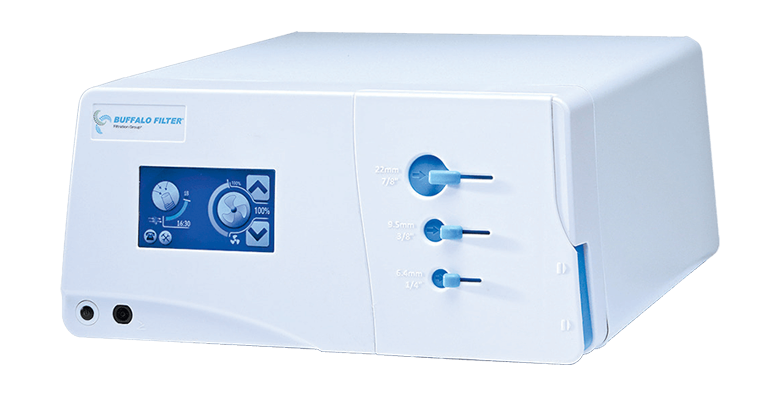
Buy Smoke Evacuator (Electrosurgery) in Nigeria.
Buy surgical smoke evacuators in Nigeria through Franance by matching a smoke-capture system, activation method and compatible consumables to the operating-room workflow approved by your facility. The current category lists three models: CONMED VisiClear, CONMED PlumeSafe X5 PX5-220 and Stryker SafeAir Compact. These are smoke-management devices, separate from the electrosurgical generator that creates the plume. Compare the exact unit, voltage, filter and accessories, then submit a quote order; Franance follows up by phone or email and does not take online payment.
Products
3 models
Where can I buy a surgical smoke evacuator in Nigeria?
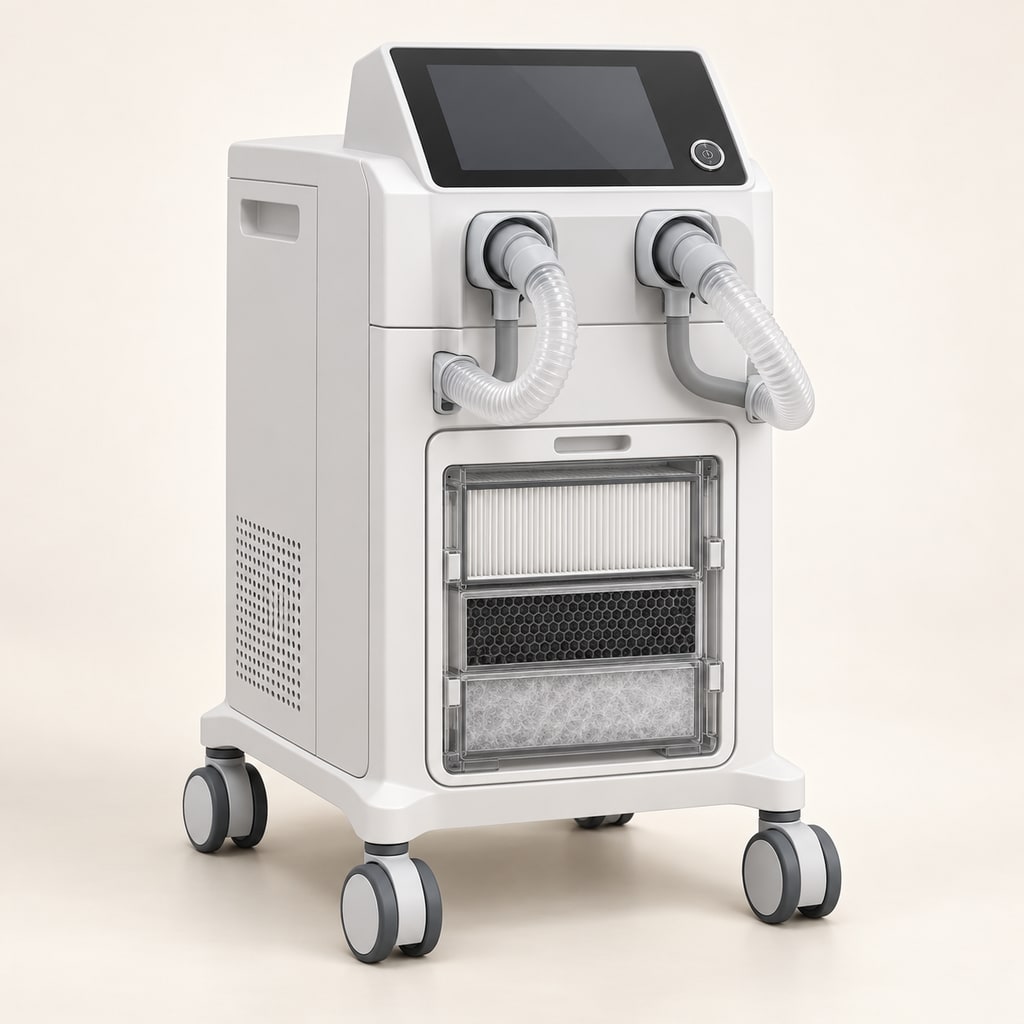
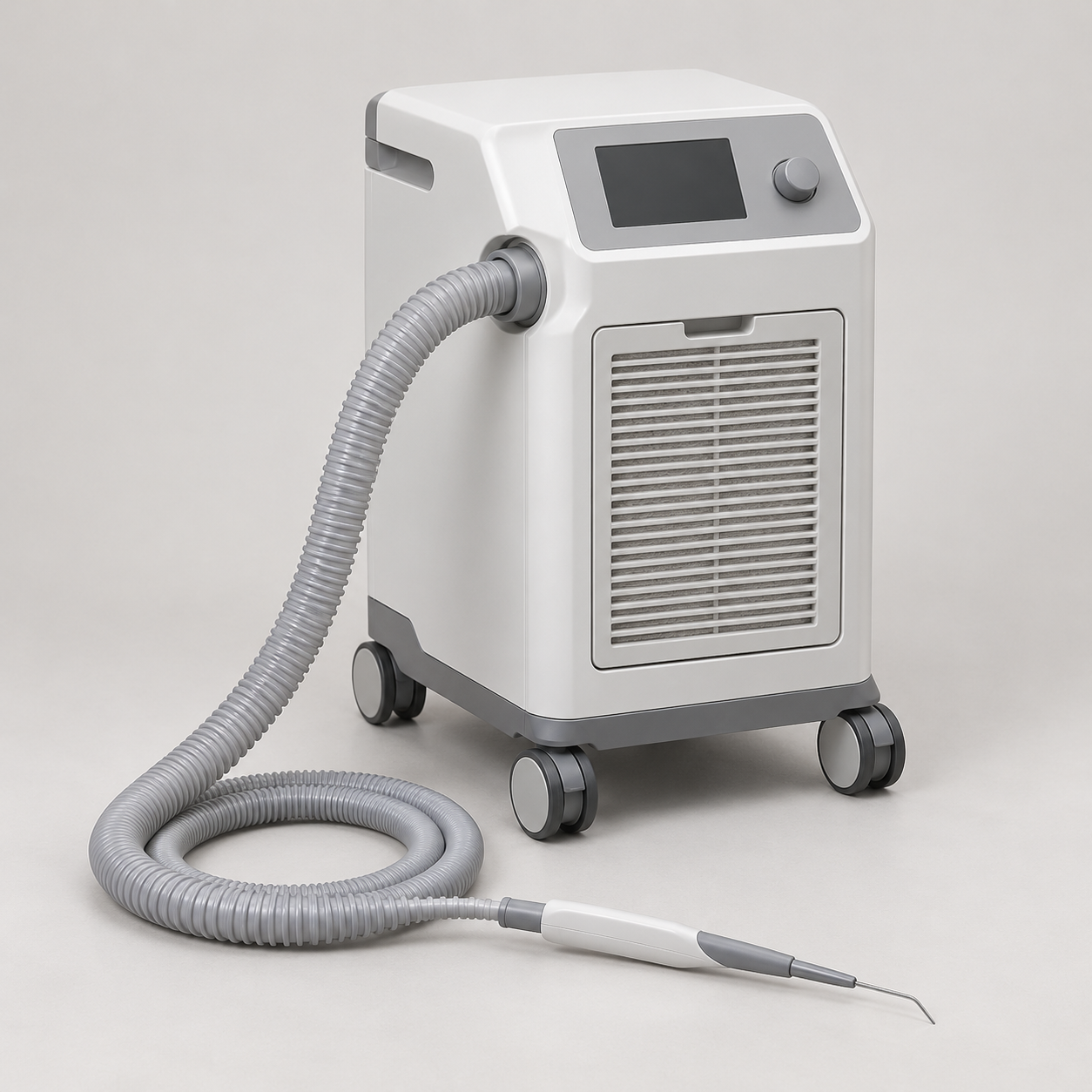
Franance lists three smoke-evacuation systems in its Nigeria smoke evacuator category. You can review the CONMED VisiClear, CONMED PlumeSafe X5 PX5-220 and Stryker SafeAir Compact listings. For a brand-scoped view, use the CONMED smoke-management range or the Stryker SafeAir listing.
Read moreWhich smoke evacuators are listed by Franance?
The category contains three direct product records. The CONMED VisiClear Surgical Smoke Evacuator is listed with the manufacturer's VC120 and VC220 voltage variants; the exact regional configuration and package must be confirmed. The CONMED PlumeSafe X5 PX5-220 is the catalogue's 220 V configuration reference. The Stryker SafeAir Compact is a compact portable product described by Stryker for operating rooms and procedure rooms.
Read moreWhat does a surgical smoke evacuator do?
A smoke evacuator is a form of local exhaust: it draws plume through an inlet and tubing toward a filter or other treatment components. NIOSH describes surgical smoke as a by-product of tissue destruction during procedures using lasers or electrosurgical units. Its guidance identifies portable smoke evacuators and appropriately configured room-suction systems as local-exhaust approaches, and recommends using the equipment in accordance with its manufacturer's instructions. It notes that distance between the inlet and source affects capture and that filters require monitoring and replacement. These are U.S. occupational guidance points, not Nigerian regulations or a complete facility policy.
Read moreBuy Surgical Smoke Evacuators in Nigeria
Buy a surgical smoke evacuator in Nigeria by matching the system to the plume-producing procedures, capture accessories, activation method, filters, electrical supply and operating-room workflow your facility has approved. Franance currently lists three products in this category: CONMED VisiClear, CONMED PlumeSafe X5 PX5-220 and Stryker SafeAir Compact. These are local-exhaust smoke-management devices; they are separate from the electrosurgical generator that produces plume. Review the smoke evacuator listings, then send Franance a quote order for the exact model and configuration. Franance follows up by phone or email. There is no online payment, and the listing does not establish current Nigerian stock, price or delivery timing. For an actionable quote, specify where the unit will be used, the plume-producing procedure, generator and handpiece, compatible tubing and filters, activation preference, facility power, quantity and delivery destination. Ask the clinical team, biomedical engineering, infection-prevention and occupational-safety leads to approve the workflow. A product page cannot determine the right capture setup for an individual theatre or replace current manufacturer instructions and facility policy.
Where can I buy a surgical smoke evacuator in Nigeria?
Franance lists three smoke-evacuation systems in its Nigeria smoke evacuator category. You can review the CONMED VisiClear, CONMED PlumeSafe X5 PX5-220 and Stryker SafeAir Compact listings. For a brand-scoped view, use the CONMED smoke-management range or the Stryker SafeAir listing.
To start the enquiry, request a quotation from Franance. Include the hospital or clinic, department, city and state, delivery address, the exact product or intended use, number of rooms and units, power requirements, compatible procedure accessories and expected consumables. If your facility already has a smoke-management policy or equipment specification, attach it so the proposed configuration can be checked against the actual requirement.
Franance uses a quote-order process. Submitting an enquiry is not a completed online purchase and does not reserve equipment. Franance follows up by phone or email to clarify the request. Confirm exact product identity, configuration, price, availability, delivery terms, warranty and separately included services in the written quotation before your organisation approves an order.
Which smoke evacuators are listed by Franance?
The category contains three direct product records. The CONMED VisiClear Surgical Smoke Evacuator is listed with the manufacturer's VC120 and VC220 voltage variants; the exact regional configuration and package must be confirmed. The CONMED PlumeSafe X5 PX5-220 is the catalogue's 220 V configuration reference. The Stryker SafeAir Compact is a compact portable product described by Stryker for operating rooms and procedure rooms.
These records help identify models for procurement. They do not prove that each configuration is currently orderable for Nigeria, that filters or accessories are included, or that the products form a complete smoke-management package. Confirm each detail against the model's current instructions and the written offer.
What does a surgical smoke evacuator do?
A smoke evacuator is a form of local exhaust: it draws plume through an inlet and tubing toward a filter or other treatment components. NIOSH describes surgical smoke as a by-product of tissue destruction during procedures using lasers or electrosurgical units. Its guidance identifies portable smoke evacuators and appropriately configured room-suction systems as local-exhaust approaches, and recommends using the equipment in accordance with its manufacturer's instructions. It notes that distance between the inlet and source affects capture and that filters require monitoring and replacement. These are U.S. occupational guidance points, not Nigerian regulations or a complete facility policy.
In procurement terms, the complete working chain matters: the device, the intended handpiece or nozzle, tubing, activation control, filter, electrical supply and the team's approved method of positioning and use. A cabinet by itself does not specify how a room will capture plume. Ordinary room ventilation and local capture also have different functions; a room ventilation specification alone does not show that plume is captured at its source.
An evacuator is not an electrosurgical generator, a general suction pump for fluids, or a substitute for the facility's broader engineering and occupational controls. The operating team and the facility's responsible professionals determine how it is integrated with existing equipment and procedures.
How should a hospital choose a smoke evacuator?
Start with the actual procurement need rather than the headline filtration claim. List the procedure types, rooms, plume sources, generator models, handpieces and current capture accessories. Ask the responsible perioperative and biomedical teams to specify whether they need automatic activation, a footswitch, continuous operation or another supported control, and what tubing, filters and replacement references must be supplied. Verify those selections against the current product instructions; a brand relationship or connector that looks similar does not prove compatibility.
Next, check the practical constraints. Record the room's electrical supply and socket type, available floor space, intended position of the equipment, cable and hose routing, storage location for filters, cleaning responsibility and waste pathway. Ask how operators will recognize a filter-life warning and how spare consumables will be requested. If the equipment is intended for several rooms, plan quantity by workflow rather than assuming one portable device can serve simultaneous procedures.
Finally, determine who approves the specification. Biomedical engineering can review electrical and equipment compatibility; the operating team can describe the procedural workflow; infection-prevention and occupational-safety personnel can review local policies, handling and disposal. NIOSH recommends keeping a smoke-evacuation inlet close to the source for its described work practices, but staff should follow the current manufacturer instructions and facility-approved protocol for the exact device and procedure.
What is the CONMED VisiClear smoke evacuator?
CONMED describes VisiClear as a surgical smoke evacuator with three modes. Its manufacturer portfolio presents it as a system for capturing and filtering surgical smoke and lists separate VisiClear filter references. CONMED's ordering catalogue identifies VC120 and VC220 capital-unit variants, including different configurations for whether a filter is included. Check the exact ordering code before requesting or approving a quote; the family name alone does not tell you the voltage, filter or package contents.
Review the CONMED VisiClear listing and manufacturer product information. In the request, state whether your schedule calls for the 120 V or 220 V family, the compatible filter reference, tubing and activation method, required quantity and destination. Ask Franance to confirm which variant is actually proposed for the facility's supply and whether a filter and footswitch are included in that order code. Do not infer the offered bundle from a product photograph or the name “VisiClear.”
What is the CONMED PlumeSafe X5 PX5-220?
CONMED describes PlumeSafe X5 as a smoke-management system and says its design uses five filter stages. The Franance catalogue record is for the PX5-220 configuration. CONMED's catalogue identifies PX5-220 for 220/240 V systems and specifies one filter for that item; the footswitch is sold separately in the cited schedule. Confirm the current order schedule, local electrical fit and all package contents with the written quotation.
The X5 product family has operating modes described for open tubing, pencil and laparoscopic use. The presence of a mode in manufacturer materials does not mean that a particular handpiece, tubing set or filter is included with PX5-220. Describe the procedures and accessories needed, then ask which exact parts are proposed and whether they are compatible. Review the PX5-220 listing, CONMED product information and the current manufacturer instructions. Do not compare filter-stage count alone as proof of overall performance or suitability for a facility.
What is the Stryker SafeAir Compact smoke evacuator?
Stryker describes SafeAir Compact as a portable smoke evacuator for operating rooms and procedure rooms. Its regional product information describes multiple activation modes, a filter-life indicator and a customizable evacuation delay. The associated brochure describes a ULPA filter with active carbon. Those details are manufacturer claims tied to the product and brochure revision; ask for the current instructions and verify the exact unit, regional configuration and compatible accessories before purchase.
The Franance record includes the ordering reference SFR-compact-L from manufacturer documentation and notes that market availability varies. It is therefore especially important to have the supplier confirm current orderability for the requested destination rather than treating the catalogue entry as proof of Nigerian stock. Review the SafeAir Compact listing, Stryker product page and manufacturer brochure. Ask which pencil, tubing, filter, power configuration and controls are part of the proposed package.
How should I compare filters, tubing and accessories?
Treat consumables and connection components as model-specific parts of the requirement. Identify the exact evacuator and catalogue reference, the matching filter code, connection size, tubing or hose, handpiece, footswitch or sensor, and the number of items needed initially. If the request includes recurring filters, ask for their individual codes and the supplier's current ordering details. Do not assume a CONMED filter fits a Stryker system or that one filter series serves every model from the same manufacturer.
Ask whether the proposed capital unit includes a filter, whether a footswitch or other activation component is separate, and which accessories are included versus quoted as separate lines. For a replacement request, provide a clear photo or transcription of the equipment label and existing filter package code. Ask Franance to state the exact compatible references in the quotation rather than choosing a replacement by appearance.
Plan how the facility will track filter life or replacement, store clean supplies and handle used components under its own infection-prevention and waste-management policies. NIOSH advises monitoring filters and replacing them according to the equipment's requirements; it does not establish a universal replacement interval for every device. Use current instructions and the facility's approved process.
How should smoke evacuation fit into an operating-room workflow?
Before selecting a unit, have the perioperative team map how plume is generated, who positions the inlet, how the device starts and stops, and what happens after a procedure. If automatic activation is requested, verify the relevant sensor or connection with the exact generator and handpiece. If the facility prefers a footswitch or another mode, confirm that it is supported by the proposed model and included or separately listed. Agree on who checks indicators, replaces filters, cleans the equipment and records maintenance.
The procurement decision should not rely on an abstract claim that the machine “removes smoke.” Source capture depends on where the inlet is placed and whether the setup, activation and consumables match the procedure. NIOSH says the inlet should be maintained close to the source in its recommendations for laser/electric procedures. The team should reconcile that advice with current manufacturer instructions and its own approved clinical workflow. This page does not prescribe a technique or guarantee a particular exposure reduction.
Keep smoke evacuation within a wider approach to occupational safety. The facility determines its ventilation, room-suction, PPE, infection-prevention, training and waste procedures through qualified staff and applicable local requirements. A portable smoke evacuator does not replace general room ventilation, nor does its listing certify that a theatre meets any regulatory requirement.
What electrical and site details should I check?
Compare the nameplate and current documentation for the exact regional product with the facility's available voltage, frequency, plug and electrical protection. The catalogue identifies the PlumeSafe X5 PX5-220 for the 220/240 V system family. VisiClear has multiple voltage variants, and the SafeAir documents are regional; do not transfer one model's rating to another. Franance should confirm the exact supplied configuration in the offer.
Measure the intended location and check whether the unit can be positioned near the procedure without obstructing staff, access routes or other equipment. Consider where tubing and power cables will run, where the unit will be parked when not in use, and how filters and accessories will be stored. If a cart, mounting component or extra cable is needed, identify it explicitly. A specification should also name the intended room count, unit count, power outlets and any site survey or installation requirement. Availability of these services is not assumed; request confirmation.
What maintenance and consumables should the facility plan?
Ask for the current instructions for use and maintenance schedule for the exact model, plus the filter ordering code, replacement instructions, indicator meaning and any service documentation the manufacturer provides. Establish who will inspect tubing and connections, monitor the filter-life display if present, replace consumables and record issues. Ask whether filter or tubing supply is separately quoted and how the facility should order replacements.
Do not apply an interval from a different evacuator or infer that an indicator removes the need for inspection. NIOSH calls for regular inspection and maintenance to prevent leaks and for filter monitoring and replacement; the device instructions and facility procedure determine what to do for the specific unit. The hospital should define handling and disposal of used filters and tubing according to its infection-prevention and waste procedures. This guide does not assign a waste classification or claim that a particular accessory is single-use unless its instructions say so.
For a multi-unit purchase, include an initial consumables schedule as well as expected replacements. Have the quote distinguish the capital unit from filters, tubing, pencils, activation controls, maintenance items and any separately scoped service. That makes later replenishment easier to compare and reduces ambiguity over what was included in the original equipment package.
What should I include in a Nigerian smoke-evacuator quote request?
Send Franance a procurement schedule with one row per required unit. Include brand and exact model or code—VisiClear and its requested voltage variant, PX5-220, or SafeAir Compact—along with the room, procedure type, quantity and facility power. List the electrosurgical generator, pencil or handpiece, tubing, filters, activation method and accessories required. Identify whether the request is a new installation, replacement or multi-room project; attach equipment-label or consumable-code details for replacements.
Add the legal facility name, contact person, city and state, complete delivery address, requested project window and procurement documentation needs. If the team already has a smoke-management specification, send it. Ask the offer to state the current order code, model, voltage/frequency, filter and package contents, separate consumable lines, compatibility assumptions, unit and total price, price validity, availability, delivery terms, warranty and any included or excluded installation, training and service.
Use the Franance quotation form to submit the enquiry. Franance will follow up by phone or email to clarify it. The submitted quote order is not an online purchase; review the written offer against your facility's approved requirements before authorising an order.
What affects smoke-evacuator price and availability in Nigeria?
The guide and category listing do not state a fixed price or stock position. A quotation can depend on the exact model and voltage, included filter, accessories, initial consumables, quantity, destination and separately requested services. Regional ordering status can differ; Stryker notes that SafeAir availability varies by market, while manufacturer documents show more than one CONMED voltage and filter configuration. Those facts make exact part numbers essential for a like-for-like comparison.
Ask for a written quotation with the unit, all included items, consumables, delivery and other commercial conditions itemized. Franance will confirm the proposed Nigerian supply and terms in the follow-up; nothing in this category page guarantees current availability, price, import status, local authorisation, delivery date, installation, warranty or after-sales service. If comparing vendors, use the same specification and ask each supplier to identify any exclusions or substitutions clearly.
Request a surgical smoke-evacuator quotation from Franance
Franance can review a quote order for CONMED VisiClear, CONMED PlumeSafe X5 PX5-220 or Stryker SafeAir Compact against your facility's requested setup. Send the exact model, electrical supply, intended rooms and procedures, compatible accessories, filter and tubing requirements, quantity, delivery location and procurement timeline. Ask for the current manufacturer documents and a written breakdown of configuration and commercial terms. Franance follows up by phone or email; no online payment is taken.
Common questions
Which surgical smoke evacuators can I request from Franance in Nigeria?
The current category lists CONMED VisiClear, CONMED PlumeSafe X5 PX5-220 and Stryker SafeAir Compact. Ask Franance to confirm the exact model, market configuration, included filter and accessories in a written quotation.
Can an ordinary room suction outlet replace a smoke evacuator?
Do not assume so. NIOSH distinguishes portable smoke evacuators from room suction and says that room suction intended for smoke capture requires appropriate filtration and setup. Have the facility's clinical and engineering teams review the specific system and current instructions.
Are smoke evacuators the same as electrosurgical generators?
No. An electrosurgical unit generates energy used in a procedure; a smoke evacuator is a separate local-exhaust device used in a smoke-management workflow. Confirm compatibility among the generator, pencil or handpiece, tubing and evacuator.
Can I pay online for a smoke evacuator through Franance?
No. Franance accepts quote orders and follows up by phone or email. The written quotation confirms the proposed configuration, price and commercial terms.
Request a surgical smoke-evacuator quotation from Franance.
Send the facility and delivery location, exact model or ordering code, room and procedure schedule, power requirements, compatible handpiece or tubing, activation method, filter and replacement consumables, quantity and site constraints. Ask Franance to state the current offered configuration, package contents, price, availability, delivery terms, warranty and any installation, training or service scope in writing. Franance will follow up by phone or email; no online payment is taken.
Request a smoke-evacuator quoteNeed an equipment quote?
Add the models you need to a quote order, or send us your equipment list.