

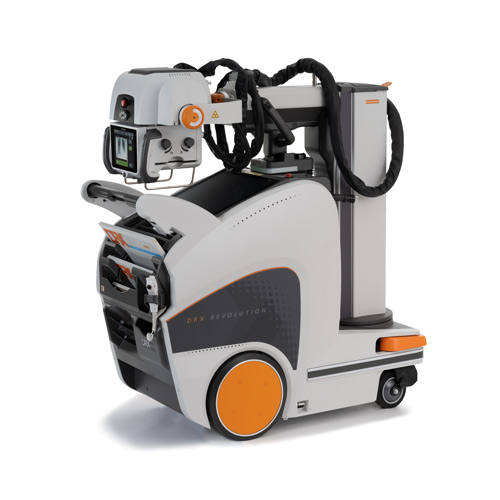
Buy Carestream DRX-Revolution in Nigeria: mobile digital X-ray procurement guide
Buy Carestream DRX-Revolution in Nigeria through Franance with a quotation for the mobile X-ray system, detector package and software your facility requires. Send the quantity, intended departments, delivery location and requested technical services. Ask for the offered configuration to be recorded clearly so your radiography, engineering, IT and purchasing teams can assess the complete package. DRX-Revolution is a mobile digital radiography system. Its purchase should be planned around the equipment and workflow needed where examinations take place, together with charging, storage, connectivity and support. This guide helps prepare the procurement enquiry. It does not select patient examinations, prescribe exposure settings or replace the facility's professional radiation protection and equipment acceptance processes.
Where can I buy Carestream DRX-Revolution in Nigeria?
Request a DRX-Revolution quotation from Franance with the full model identity and your approved mobile radiography requirements. Describe whether the equipment is for a new service, additional capacity or replacement of an existing unit.
Identify the departments that will share the system and the people coordinating their requirements. A single hospital may have different expectations for detector availability, system access and image transfer across several wards. Give those requirements to the reviewers preparing the equipment schedule rather than assuming that one general mobile X-ray description captures the whole purchase.
Franance can discuss the proposal and the equipment and services you want quoted. The listing does not confirm immediate stock or a completed supply arrangement. Compare the actual configuration, equipment condition and written commercial terms before approving an order. Where an alternative model or package is proposed, have it identified separately so it receives the appropriate review.
What identifies the DRX-Revolution configuration offered in Nigeria?
Use the complete DRX-Revolution model name and ask for the offered version and current component schedule. Separate the main mobile unit from detectors, accessories, workstation elements and software options so each part of the package can be checked.
The manufacturer's reviewed reference describes a mobile system with a collapsible column and powered movement. Those features help identify the equipment class, but they are not a complete specification of every offered unit. Ask for current documents applicable to the proposed supply rather than transferring details from an older installation or an unrelated Carestream system.
If procurement is evaluating equipment with previous use, request the unit identity and a clear account of its proposed condition and preparation. Have the relevant reviewers consider the system, detector and software together. An unchanged model name does not establish identical hardware, installed applications, service history or support entitlement across every proposal.
Which DRX-Revolution detector package should I request in Nigeria?
Specify the detector references, quantities and approved formats with the mobile system enquiry. Ask Franance to identify the proposed compatible combination and any batteries, charging equipment, storage or handling accessories included with it.
Have the imaging team explain the actual detector needs across the intended departments. If several units will share equipment, ask for that arrangement to receive technical review before it is included in the purchasing plan. A manufacturer's general detector portfolio does not establish that every detector can be shared with every installed configuration.
Identify separately any existing detector the institution proposes to retain. Provide its model and system details, then ask for the intended compatibility and software requirements to be addressed in writing. Keep any replacement detector proposal distinct from the approved reference so purchasing staff can see whether they are comparing the same format, quantity and complete supporting package.
| Mobile package | Confirm before approval |
|---|---|
| Main unit | Offered version, equipment condition and applicable documentation |
| Detector allocation | References, quantity, batteries and charging equipment |
| Digital workflow | Software, licences, institutional integration and acceptance |
Which DRX-Revolution software options need review in Nigeria?
Request a software and licence schedule matched to the offered hardware. Carestream identifies optional processing and positioning features on its product page; their appearance in manufacturer material does not mean that every supply includes them.
Ask the department to state the applications it needs and have the proposal distinguish the base configuration from additions. If an option requires a particular software version, detector or other component, ask for that dependency to be explained. Compare the written response with the approved requirement rather than assuming that an application name guarantees all related functions.
Agree any demonstration or acceptance requirement before purchase. Keep the assessment tied to the institution's actual needs and the proposed configuration. Do not treat image-processing marketing claims as a promise of a particular outcome or exposure reduction in every examination. Imaging professionals remain responsible for evaluating and using the equipment within the applicable clinical and technical arrangements.
How should a Nigerian hospital review the mobile system's movement and storage?
Have the responsible facility team assess the routes, working areas and storage arrangements intended for the mobile unit. Send relevant access information with the quotation request and ask for the actual equipment dimensions and handling requirements.
Describe the route between storage, charging and the departments using the equipment. Identify lifts, thresholds, restricted spaces or other constraints requiring review. The manufacturer's description of manoeuvrability does not establish that a particular hospital route is suitable without checking the proposed configuration and site conditions.
Plan where the unit and its accessories will be kept between uses and who will coordinate access. Ask the department and engineering team to review charging provision and equipment security. These are institutional workflow questions rather than a general promise that a mobile system can be used anywhere in the building. Record any necessary building or infrastructure work separately from the equipment quotation.
What should I ask about charging and system availability in Nigeria?
Request the charging requirements and battery information for the actual main unit and detector package. Have engineering staff compare the manufacturer requirements with the proposed storage and charging arrangements before agreeing the equipment schedule.
Describe how the institution expects the unit to be shared and when it can return to its storage location. Ask which charging equipment is included and whether additional accessories have been requested. An optional charging feature should remain an explicit quotation line rather than an assumed part of every package.
Do not plan staffing or service capacity around an unsupported battery-runtime claim. Ask for the applicable current information and have the relevant staff review it against their workflow. Where the institution needs spare detector batteries or other supporting equipment, include the quantities and responsibilities in the request. Keep any maintenance and replacement arrangements visible in the commercial proposal.
How should I specify DRX-Revolution connectivity for my facility in Nigeria?
Describe the institution's existing image storage, reporting and worklist environment and request an integration scope for review. Ask your IT and imaging teams to identify required interfaces, licences, connectivity arrangements and acceptance criteria.
The equipment needs to be considered within the hospital's actual workflow, including how users identify studies, transfer images and access the relevant systems. Have the proposed connection and configuration responsibilities documented. Avoid assuming that wireless capability alone establishes compatibility, adequate coverage or acceptance by the institution's existing systems.
Ask for the offered software and operating environment to be identified with its current support arrangements. Manufacturer material may describe a particular release without establishing the update and security position of the actual proposed unit. The institutional IT reviewer should assess access, supported integration and maintenance responsibilities before the purchase is accepted, with any unresolved points recorded for the supplier's response.
What affects the Carestream DRX-Revolution price in Nigeria?
Request an itemised price from Franance for the complete equipment schedule. The quotation depends on the main system, detector allocation, applications, accessories, quantity, destination and requested service work, together with the proposed equipment condition.
Compare like-for-like packages instead of a main-unit amount with a complete department quotation. Ask which detector, charging items and software licences are included and which require additional purchase. Identify installation, integration, orientation and delivery costs separately enough for the institution to see the responsibilities attached to each amount.
Confirm the currency, quotation validity, applicable charges and payment terms in writing. A displayed model reference does not establish a final price or guarantee availability. If the proposal changes after technical review, have the equipment and commercial schedules revised together. That prevents purchasing approval from referring to a different detector or option package from the one ultimately proposed for delivery.
Can Franance quote DRX-Revolution handover and support in Nigeria?
Include commissioning, configuration, user familiarisation and support requirements in the enquiry. Ask the proposal to identify the work, responsible provider, institutional prerequisites and acceptance documents for the actual supplied system.
Have the receiving department and engineering team agree what they need to check at handover. The schedule can identify equipment and accessory references, configuration records and applicable manuals, along with any agreed integration or orientation tasks. Staff familiarisation should have a defined audience and scope rather than an unspecified training promise.
Review warranty and maintenance terms for the main system, detectors and software. Ask who handles fault reports, how equipment identity is recorded and which costs or exclusions apply. If ongoing visits or additional support are requested, ask for the proposed arrangement in writing. Do not assume that a regional manufacturer support description establishes local attendance, response times or cover for the institution's purchase.
Can DRX-Revolution delivery be requested across Nigeria?
Give Franance the complete facility address, city and state so delivery and requested technical work can be discussed for that destination. Include access and receiving details whether the equipment is needed in Lagos, Abuja, Kano or another Nigerian location.
Identify the receiving contact, unloading arrangements and the route to the equipment's intended storage or handover area. If several mobile units are for different hospitals, allocate the quantities, detector packages and accessories to each destination. That helps the proposal show the appropriate responsibilities without assuming every site has identical infrastructure or readiness.
Ask for the proposed delivery timing, charges and dependencies to be stated with the quotation. Coordinate any setup or familiarisation visit with the institution's readiness and staff availability. A catalogue page does not provide a confirmed lead time; use the agreed proposal and subsequent project updates when planning service changes or equipment replacement.
How do I complete a DRX-Revolution quotation request in Nigeria?
Send the full model name, required quantity, detector and software schedule, department requirements and delivery details to Franance. Include requested integration, handover and ongoing support work, and nominate a contact who can coordinate the institution's response.
If the purchase follows a tender or approved technical schedule, provide that document and identify mandatory criteria and acceptable alternatives. Explain any existing equipment proposed for reuse. Ask the proposal to show deviations, unresolved compatibility questions and optional additions clearly before the final equipment package is agreed.
Have imaging, engineering, IT and procurement reviewers assess the resulting quotation as appropriate. Check the exact configuration, equipment condition, included accessories, price, delivery and support terms. No online payment is taken through this catalogue. The enquiry starts the quotation discussion; the accepted written proposal defines the intended supply and gives receiving staff a clear basis for checking the equipment when it arrives.
Common questions
Does a DRX-Revolution listing include every detector option?
No. Specify the required detector references and quantities, then ask for the proposed compatible package in the quotation.
Does mobile mean the system is ready for every hospital route?
No. Have the facility review the actual dimensions, handling requirements, routes, storage and charging arrangements.
Can the quotation cover integration and orientation?
Include those requirements with your system and site schedule so Franance can discuss the work and identify the proposed responsibilities.
Request your DRX-Revolution quotation from Franance.
Send Franance your DRX-Revolution model, detector and option schedule, quantity, facility requirements and delivery address for a quotation in Nigeria.
Choose quantity