
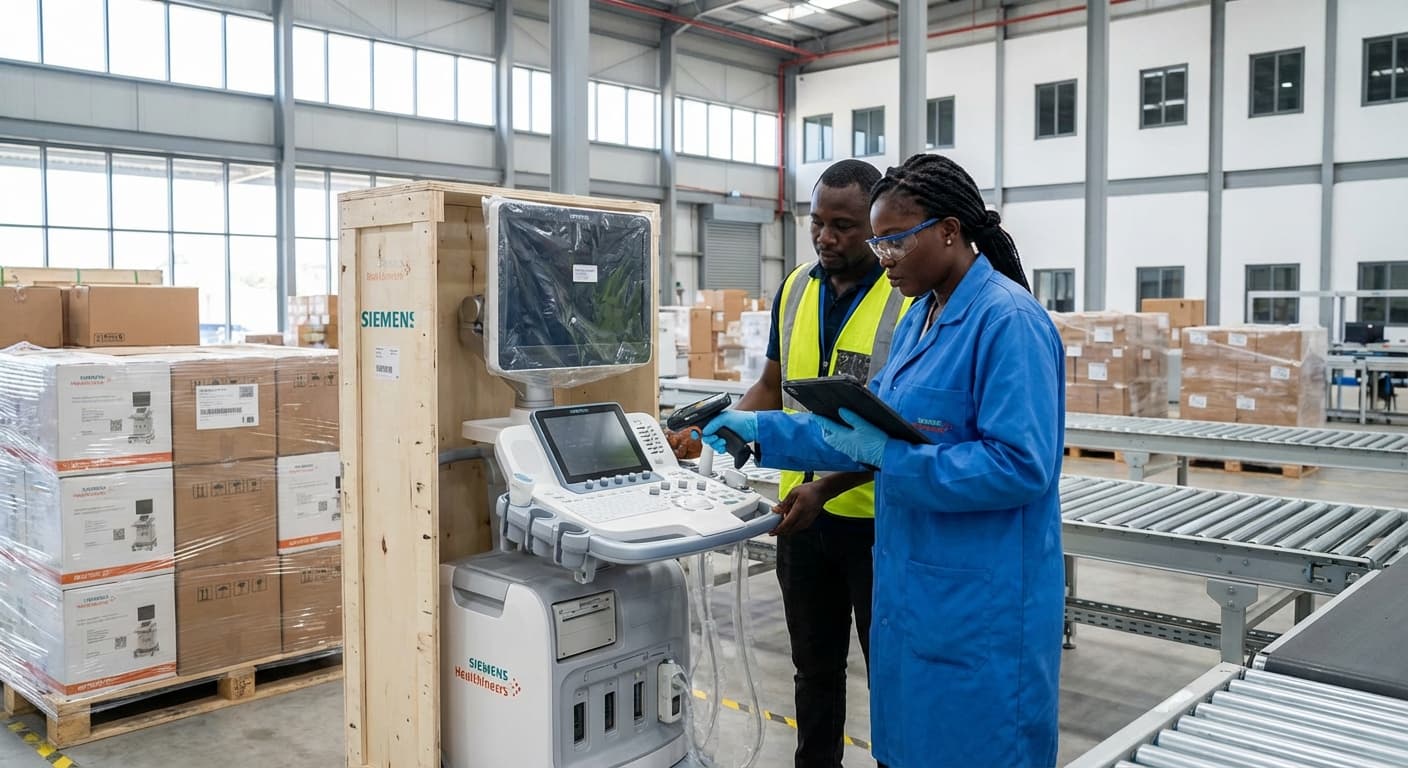
Warehouse Receiving Inspection Service (Medical Equipment) in Zimbabwe
Engineering Excellence & Technical Support
Warehouse Receiving Inspection Service (Medical Equipment) High-standard technical execution following OEM protocols and local regulatory frameworks.
Specialized Medical Equipment Handling
Our trained inspectors possess in-depth knowledge of handling sensitive medical equipment, ensuring proper temperature control, shock absorption, and static discharge protocols during receiving to maintain product integrity and compliance.
Regulatory Compliance Verification (Zimbabwean Standards)
We conduct rigorous inspections against relevant Zimbabwean medical device regulations (e.g., MCAZ guidelines), verifying manufacturing batch numbers, expiry dates, sterilization indicators, and ensuring all necessary documentation for import and local distribution is present and accurate.
Advanced Damage and Defect Detection
Utilizing specialized tools and visual inspection techniques, our team meticulously identifies any signs of transit damage, manufacturing defects, or discrepancies against purchase orders, providing detailed reports and photographic evidence for swift resolution with suppliers.
What Is Warehouse Receiving Inspection Service (Medical Equipment) In Zimbabwe?
Warehouse Receiving Inspection Service (Medical Equipment) in Zimbabwe refers to a specialized quality control process conducted upon the arrival of medical equipment at a designated warehouse or storage facility within Zimbabwe. This service is crucial for ensuring that received medical equipment conforms to specified standards, regulatory requirements, and contractual obligations before being accepted into inventory and subsequently distributed or deployed. It involves a systematic examination and verification of the equipment's condition, completeness, documentation, and compliance with established protocols.
| Who Needs This Service? | Typical Use Cases | |||||
|---|---|---|---|---|---|---|
| Government Health Ministries and Agencies: Responsible for procuring and distributing medical equipment nationwide. | Hospitals and Clinics (Public and Private): Receiving new equipment for patient care and operational needs. | Non-Governmental Organizations (NGOs) and International Aid Organizations: Importing and distributing medical supplies and equipment to various health facilities. | Medical Equipment Suppliers and Distributors: Ensuring the quality and integrity of the equipment they stock and deliver to end-users. | Procurement Departments of Large Healthcare Institutions: Managing the influx of new medical technology and ensuring it meets stringent requirements. | Regulatory Bodies: May mandate or oversee such inspection processes to ensure public safety and compliance with medical device regulations. | Third-Party Logistics (3PL) Providers: Managing warehouse operations and offering specialized inspection services for their clients in the medical sector. |
| Procurement of New Hospital Equipment: Inspection upon arrival to confirm it matches specifications and is undamaged. | Delivery of Donated Medical Supplies: Verifying the condition and completeness of equipment received through aid programs. | Importation of Specialized Medical Devices: Ensuring compliance with import regulations and technical standards before clearance. | Stock Replenishment in Central Medical Stores: Quality assurance for bulk deliveries of essential medical equipment. | Installation of Large-Scale Medical Infrastructure: Inspecting major equipment like MRI machines, CT scanners, or surgical robots upon arrival at the installation site. | Receiving Government-funded Medical Equipment: Ensuring accountability and quality for public health investments. | Post-Repair or Maintenance Deliveries: Verifying that equipment returned after servicing or repair is in optimal working condition. |
Key Components of Warehouse Receiving Inspection for Medical Equipment:
- Identity Verification: Confirming the equipment matches the purchase order, invoice, and other accompanying documentation in terms of make, model, serial number, manufacturer, and quantity.
- Condition Assessment: Thoroughly inspecting the physical condition of the equipment for any signs of damage, defects, corrosion, or tampering that may have occurred during transit or prior to shipping. This includes checking packaging integrity.
- Completeness Verification: Ensuring all components, accessories, spare parts, user manuals, warranty information, and any other specified items are present as per the order and manufacturer specifications.
- Documentation Review: Scrutinizing all relevant documentation, including Certificates of Origin, Certificates of Conformity, calibration certificates, test reports, import permits, and any other regulatory or quality assurance documents required by Zimbabwean authorities or the procuring entity.
- Functional Testing (if applicable): Conducting preliminary functional checks to verify basic operational capabilities of the equipment, especially if specified in the inspection protocol or if the equipment is sensitive and requires immediate operational validation.
- Labeling and Identification: Verifying that all equipment and packaging are correctly labeled with serial numbers, model numbers, hazard symbols, and other necessary identification marks according to international and national standards.
- Traceability: Establishing and verifying traceability of the equipment, which is particularly critical for medical devices to track their origin and lifecycle.
- Compliance Check: Ensuring the equipment meets all relevant Zimbabwean regulations, standards (e.g., from the Standards Association of Zimbabwe - SAZ), and the specific technical specifications outlined in the procurement contract.
Who Needs Warehouse Receiving Inspection Service (Medical Equipment) In Zimbabwe?
Warehouse receiving inspection services for medical equipment in Zimbabwe are crucial for ensuring the quality, safety, and compliance of imported and locally sourced medical devices before they enter the supply chain. These services act as a vital gatekeeper, mitigating risks associated with substandard or faulty equipment, protecting patient health, and upholding regulatory standards.
| Target Customer/Entity | Key Departments Involved | Primary Need for Inspection |
|---|---|---|
| Hospitals and Healthcare Facilities | Procurement Department, Biomedical Engineering Department, Quality Assurance Department, Clinical Departments (e.g., Surgery, ICU) | Ensuring functionality, safety, compliance with specifications, preventing patient harm, minimizing operational disruptions. |
| Medical Equipment Distributors and Suppliers | Procurement Department, Quality Control Department, Warehouse Management, Sales and Technical Support | Verifying product integrity, meeting contractual obligations with manufacturers and clients, maintaining brand reputation, avoiding costly returns or recalls. |
| Government Procurement Agencies | Procurement Unit, Technical Evaluation Committee, Quality Assurance Unit | Confirming adherence to tender specifications, ensuring value for money, meeting national health objectives, complying with public finance management regulations. |
| NGOs and International Aid Organizations | Procurement and Logistics Department, Program Management, Monitoring and Evaluation | Guaranteeing effectiveness of donated or procured equipment for specific health interventions, ensuring donor compliance, maximizing impact of aid. |
| Medical Equipment Manufacturers | Quality Assurance Department, Logistics/Supply Chain Department, Compliance Department | Validating incoming materials or finished goods, ensuring compliance with local import regulations, building trust with local partners. |
| Logistics and Warehousing Companies | Warehouse Operations, Quality Control, Client Services | Maintaining the integrity of client inventory, mitigating liability, offering specialized storage and handling services, ensuring compliance with industry standards. |
Target Customers and Departments for Medical Equipment Warehouse Receiving Inspection Services in Zimbabwe
- {"title":"Hospitals and Healthcare Facilities","description":"These are primary users of medical equipment, requiring assurance of its quality and functionality. Inspections prevent the introduction of defective devices that could compromise patient care and lead to adverse events. This includes both public and private hospitals, clinics, and specialized medical centers."}
- {"title":"Medical Equipment Distributors and Suppliers","description":"Companies that import, stock, and distribute medical equipment to healthcare providers need to ensure the products they offer meet stringent quality and safety standards. Inspections help them maintain their reputation, avoid product recalls, and comply with regulatory requirements."}
- {"title":"Government Procurement Agencies","description":"Entities responsible for procuring medical equipment for public health programs and facilities rely on independent inspection services to verify that purchased items meet tender specifications, quality benchmarks, and international standards. This is particularly important for large-scale tenders."}
- {"title":"Non-Governmental Organizations (NGOs) and International Aid Organizations","description":"Organizations involved in providing healthcare support and equipment in Zimbabwe often procure and distribute medical devices. They need assurance of the quality and integrity of these items, especially when working with limited resources and for critical humanitarian efforts."}
- {"title":"Medical Equipment Manufacturers (Local and International with Local Operations)","description":"While manufacturers have their own quality control, third-party receiving inspections can provide an independent verification step, especially for locally assembled or imported components, ensuring compliance with Zimbabwean regulations and international standards."}
- {"title":"Regulatory Bodies and Standards Organizations","description":"Although not direct customers for the service, these bodies (e.g., Medicines and Poisons Board) benefit from the existence of such inspection services as they contribute to the overall safety and quality of medical equipment available in the country. Inspections help enforce their regulations."}
- {"title":"Logistics and Warehousing Companies","description":"Companies that store and manage medical equipment on behalf of others can offer or require inspection services as part of their value-added offering, ensuring the integrity of the goods in their custody."}
Warehouse Receiving Inspection Service (Medical Equipment) Process In Zimbabwe
The Warehouse Receiving Inspection Service for Medical Equipment in Zimbabwe is a critical process ensuring that all incoming medical devices meet stringent quality, safety, and regulatory standards before being accepted into a warehouse or distribution center. This service is typically provided by a specialized inspection company or a dedicated internal department. The workflow is designed to be thorough, documented, and efficient, covering every step from the initial client inquiry to the final execution of the inspection and reporting. The primary goal is to mitigate risks associated with substandard, damaged, or non-compliant medical equipment entering the supply chain, safeguarding patient safety and adhering to the Zimbabwe Medicines and Medical Devices Regulatory Authority (MMDRA) guidelines.
| Stage | Description | Key Activities | Involved Parties | Deliverables | Considerations |
|---|---|---|---|---|---|
| The process begins with a client (e.g., a hospital, distributor, or manufacturer) contacting the inspection service provider to request their services for incoming medical equipment. | Initial consultation, scope definition, quotation, contract negotiation, service agreement finalization. | Client, Inspection Service Provider (Sales/Business Development). | Service Agreement, Scope of Work, Quotation. | Clarity on services offered, pricing, turnaround times, and regulatory compliance requirements. |
| Before the physical inspection, thorough planning is conducted to ensure all necessary information and resources are available. | Review of client's purchase orders, supplier details, product specifications, manufacturer's instructions for use (IFUs), existing certifications (e.g., CE, FDA), and relevant MMDRA regulations. Development of inspection checklist tailored to the specific equipment and regulatory requirements. | Inspection Service Provider (Planning Team, Inspectors), Client (for information provision). | Detailed Inspection Plan, Customized Inspection Checklist, Pre-requisite Documentation List. | Ensuring all regulatory and client-specific requirements are understood and incorporated into the plan. |
| The physical inspection takes place at the receiving warehouse or designated inspection point. | Visual inspection of packaging (integrity, labeling, damage), verification of equipment against documentation (model, serial number, quantity), assessment of handling and storage conditions, checking for signs of tampering or damage during transit. | Inspection Service Provider (Inspectors), Warehouse Personnel, Client Representatives (optional). | Completed Inspection Checklist, Preliminary Findings Notes, Photographic evidence of any issues. | Safety protocols at the warehouse, access to equipment and documentation, secure environment for inspection. |
| Functional and performance testing is conducted to confirm the equipment operates as intended. | Performing operational checks, calibration verification (if applicable), functional tests as per manufacturer's specifications and international standards, electrical safety tests (e.g., grounding, leakage current). | Inspection Service Provider (Qualified Technicians/Inspectors). | Test Results Records, Calibration Certificates (if provided by manufacturer), Equipment Performance Data. | Availability of necessary testing equipment, power supply, and trained personnel. Ensuring tests are representative of intended use. |
| Any discrepancies, damage, or non-compliance identified during the inspection are meticulously documented. | Categorization of defects (major, minor), detailed description of each defect, photographic/video evidence, assessment of impact on safety and performance. | Inspection Service Provider (Inspectors, Quality Assurance). | Defect Register, Detailed Inspection Notes, Non-Conformance Reports (NCRs). | Objectivity and impartiality in defect identification, clear and concise reporting. |
| Based on the inspection findings, a decision is made regarding the acceptance or rejection of the equipment. | Review of findings with the client, discussion of corrective actions (e.g., repair, replacement, return to supplier), formal communication of decision to the supplier and client. | Client, Inspection Service Provider, Supplier (involved in resolution). | Decision Notice, Agreement on Corrective Actions. | Clear communication channels, prompt resolution of issues to avoid supply chain delays. |
| A comprehensive report summarizing the entire inspection process and its outcomes is generated and retained. | Compilation of all inspection data, test results, defect reports, and corrective actions taken. Issuance of the final inspection report. Archiving of all relevant documentation for future reference and audits. | Inspection Service Provider (Reporting Team, Administration). | Final Warehouse Receiving Inspection Report, Archived Inspection Records. | Data integrity, confidentiality of client and supplier information, compliance with record retention policies. |
Warehouse Receiving Inspection Service (Medical Equipment) Workflow in Zimbabwe
- Inquiry and Service Agreement
- Pre-Inspection Planning and Documentation Review
- On-site Inspection Execution
- Testing and Verification
- Defect Identification and Reporting
- Decision and Resolution
- Final Report and Archiving
Warehouse Receiving Inspection Service (Medical Equipment) Cost In Zimbabwe
The cost of warehouse receiving inspection services for medical equipment in Zimbabwe is influenced by a variety of factors that determine the final pricing. These services are crucial for ensuring that imported medical devices meet quality standards, regulatory requirements, and are free from damage. Understanding these pricing dynamics is essential for medical device importers and distributors in Zimbabwe to budget effectively. The pricing is typically quoted in local currency (Zimbabwean Dollar - ZWL) and can vary significantly between service providers.
| Service Type/Complexity | Estimated Price Range (ZWL) | Notes |
|---|---|---|
| Basic Visual Inspection (per unit/pallet) | ZWL 500 - ZWL 2,000 | Covers superficial damage check, packaging integrity, and basic documentation review. |
| Standard Inspection (per unit/pallet) | ZWL 1,500 - ZWL 5,000 | Includes visual check, basic functional verification (if applicable), and documentation confirmation. |
| Comprehensive Inspection (per unit) | ZWL 5,000 - ZWL 20,000+ | For complex medical devices, involving detailed functional testing, calibration checks, compliance verification, and extensive reporting. |
| Per Hour Rate (for specialized tasks/consultation) | ZWL 1,000 - ZWL 3,000 | Applicable for specific troubleshooting, detailed analysis, or on-demand consultations. |
| Bulk Discount (for large shipments) | Negotiable (up to 15-25% reduction) | Typically applied for shipments exceeding a certain volume (e.g., 50+ units or multiple containers). |
| Urgent/Expedited Service Surcharge | 20% - 50% of base cost | For inspections requiring immediate attention, often within 24-48 hours. |
Key Pricing Factors for Warehouse Receiving Inspection Services (Medical Equipment) in Zimbabwe:
- Complexity and Type of Medical Equipment: More complex devices (e.g., imaging machines, surgical robots) require specialized knowledge and more extensive inspection procedures than simpler equipment (e.g., stethoscopes, thermometers). This includes verifying calibration, functional testing, and ensuring all accessories are present and correct.
- Volume of Equipment: The total quantity of equipment being inspected plays a significant role. Larger shipments may benefit from bulk discounts. Conversely, very small, infrequent shipments might incur higher per-unit costs.
- Scope of Inspection: The level of detail required in the inspection is a major cost driver. This can range from a basic visual check for damage and documentation verification to comprehensive functional testing, calibration checks, and even source verification.
- Frequency of Service: Importers requiring regular or ongoing inspection services might negotiate more favorable rates compared to one-off inspections.
- Location of Warehouse: Accessibility of the warehouse can impact costs. Inspections at remote or difficult-to-reach locations might incur additional travel and logistical charges.
- Urgency of Inspection: Expedited inspection services, often required to clear goods quickly, will typically come with a premium fee.
- Accreditation and Certification of Inspector: Inspectors holding recognized accreditations or certifications (e.g., from regulatory bodies, international standards organizations) may command higher fees due to their expertise and the credibility they bring.
- Documentation and Reporting Requirements: The level of detail and formality of the inspection report can influence costs. Detailed reports with photographic evidence and extensive findings will be more time-consuming and thus more expensive.
- Service Provider's Overhead and Expertise: Larger, established inspection companies with extensive infrastructure, specialized equipment, and highly skilled personnel will generally have higher pricing structures than smaller, less resourced providers.
- Regulatory Compliance Verification: If the inspection includes verifying compliance with specific Zimbabwean (e.g., Medicines Control Authority of Zimbabwe - MCAZ) or international regulations, this adds to the complexity and cost.
Affordable Warehouse Receiving Inspection Service (Medical Equipment) Options
Securing an affordable and reliable warehouse receiving inspection service for medical equipment is crucial for ensuring product integrity, compliance, and operational efficiency. This document outlines various options, emphasizing value bundles and cost-saving strategies to help businesses optimize their logistics and quality control processes.
| Service Offering | Description | Value Bundle Components | Cost-Saving Strategies |
|---|---|---|---|
| Basic Inspection Service | Visual inspection of incoming goods for obvious damage, quantity verification against packing slips, and basic document check (e.g., Certificate of Conformance). | Per-shipment inspection fee, standard reporting. | Opt for per-unit pricing instead of fixed monthly fees if volume is inconsistent. Standardized inspection checklists to reduce inspection time. Focus on high-risk items for in-depth inspection. |
| Standard Inspection Service | Includes basic inspection plus verification of product serial numbers, lot numbers, expiry dates, and basic adherence to order specifications. | Per-shipment inspection fee, detailed inspection report, digital image capture of findings. | Bundle with other warehousing services like temporary storage or kitting. Negotiate volume discounts for regular, predictable shipments. Automate data entry and reporting where possible. |
| Comprehensive Inspection Service | Encompasses standard inspection, plus in-depth checks of product packaging integrity, functional testing (if applicable and within scope), and verification against detailed product specifications and regulatory requirements. | Tiered pricing based on product complexity, dedicated inspector time, advanced reporting with root cause analysis, risk assessment. | Long-term contracts with price lock-ins. Partner with a provider offering integrated supply chain solutions. Utilize the inspection data for supplier performance management, reducing future issues. |
| Value-Added Inspection Bundles | Customizable packages combining receiving inspection with other services like labeling, re-packaging, minor repairs, or quality control checks at different stages of the supply chain. | All components of chosen inspection level, plus agreed-upon value-added services, consolidated reporting, dedicated account management. | Integrate inspection with returns processing. Leverage the service provider's expertise for quality improvement initiatives. Shared resources across multiple service offerings. |
| On-Site vs. Off-Site Inspection | On-Site: Inspection conducted at your warehouse. Off-Site: Inspection conducted at the service provider's dedicated facility (often integrated with a 3PL). | On-Site: Convenience, immediate access to your operations. Off-Site: Access to specialized equipment, controlled environment, potentially faster turnaround. | On-Site: Optimize inspection routes and scheduling. Off-Site: Compare total cost of ownership, including transportation and potential efficiency gains. Off-site providers may have economies of scale for certain checks. |
Key Considerations for Medical Equipment Receiving Inspections
- Regulatory Compliance: Adherence to FDA, ISO, and other relevant medical device regulations.
- Accuracy and Detail: Thorough inspection of physical condition, documentation, quantity, and specifications.
- Timeliness: Prompt inspections to avoid storage delays and maintain supply chain fluidity.
- Traceability: Maintaining detailed records for audit purposes and product recall management.
- Scalability: Ability to handle varying volumes of incoming shipments.
- Specialized Equipment Handling: Expertise in handling sensitive, high-value, or temperature-controlled medical devices.
Verified Providers In Zimbabwe
In the rapidly evolving healthcare landscape of Zimbabwe, identifying genuinely verified and reliable healthcare providers is paramount. Franance Health stands out as a leading organization dedicated to ensuring that patients have access to high-quality, trustworthy medical services. Their stringent credentialing process and commitment to patient well-being make them the optimal choice for individuals seeking dependable healthcare solutions.
| Credential Category | Franance Health Verification Standard | Benefit to Patients |
|---|---|---|
| Medical Licenses & Certifications | Verified against official issuing bodies and maintained with ongoing renewal checks. | Ensures providers are legally qualified and up-to-date with regulatory requirements. |
| Professional Experience | Thorough review of past work history, including surgical logs and case management experience. | Guarantees access to practitioners with proven track records in their respective fields. |
| Specialized Training & Fellowships | Confirmation of completion of accredited postgraduate training and fellowships. | Connects patients with sub-specialists possessing advanced expertise for complex conditions. |
| Peer Review & Reputation | Consideration of peer endorsements and a history of positive professional feedback. | Indicates a provider's standing within the medical community and their commitment to excellence. |
| Continuing Medical Education (CME) | Mandatory participation in accredited CME programs to stay abreast of medical advancements. | Assures patients are receiving care based on the latest medical knowledge and techniques. |
| Disciplinary Records | Scrutiny for any past professional misconduct or disciplinary actions. | Prioritizes patient safety by excluding individuals with compromised ethical or professional standing. |
Franance Health Credentials and Why They Are the Best Choice:
- Rigorous Verification Process: Franance Health employs a multi-faceted verification system that goes beyond basic licensing. They meticulously examine the qualifications, experience, and ongoing professional development of every healthcare provider within their network. This ensures that all listed professionals meet the highest standards of competence and expertise.
- Commitment to Quality Assurance: Beyond initial verification, Franance Health actively monitors the performance and patient feedback of their providers. This continuous quality assurance process helps maintain a consistently high level of care across their network.
- Focus on Patient Safety: Patient safety is a cornerstone of Franance Health's mission. They prioritize providers who demonstrate a strong commitment to ethical practices, patient privacy, and the implementation of evidence-based medical protocols.
- Comprehensive Network of Specialists: Franance Health has cultivated an extensive network encompassing a wide range of medical specialties. Whether you require a general practitioner, a specialist surgeon, a pediatrician, or any other medical professional, Franance Health can connect you with verified experts.
- Accessibility and Convenience: By streamlining the process of finding and accessing verified healthcare professionals, Franance Health significantly enhances convenience for patients. Their platform aims to reduce the time and stress associated with healthcare provider selection.
- Transparency and Trust: Franance Health fosters transparency by providing clear and accessible information about their verified providers. This builds trust and empowers patients to make informed decisions about their healthcare.
Scope Of Work For Warehouse Receiving Inspection Service (Medical Equipment)
This Scope of Work (SOW) outlines the requirements for a Warehouse Receiving Inspection Service for medical equipment. The objective is to ensure that all incoming medical equipment meets defined quality, safety, and contractual specifications before being accepted into the warehouse. This service is crucial for maintaining inventory integrity, preventing the introduction of faulty or non-compliant products, and ensuring patient safety.
| Inspection Area | Standard Specification | Inspection Procedure | Acceptance Criteria |
|---|---|---|---|
| Documentation Review | All required documents (e.g., packing list, invoice, certificate of analysis, manufacturer's instructions for use) are present, accurate, and legible. | Verify the presence and completeness of all shipping and product documentation against purchase orders and regulatory requirements. | All required documents are present, match the shipment contents, and are free from apparent errors or omissions. |
| Packaging Integrity | Packaging is intact, secure, and provides adequate protection against damage during transit and handling. No signs of tampering, water damage, or crushing. | Visually inspect outer and inner packaging for any tears, punctures, dents, stains, or signs of compromise. Check seals and closures. | Packaging is intact and provides sufficient protection. No visible damage that could compromise product integrity or sterility. |
| Product Identification | Product labeling matches the accompanying documentation and clearly identifies the manufacturer, product name, model number, serial number, and lot/batch number. | Compare product labels against packing lists, invoices, and product specifications. Verify clarity and accuracy of all printed information. | Product labels are accurate, legible, and match all associated documentation and purchase orders. |
| Quantity Verification | The quantity of received items matches the quantity indicated on the packing list and purchase order. | Count all items received and compare the total against the packing list and purchase order quantities. | Received quantity precisely matches the documented quantity. |
| Visual Inspection (Product) | Product is free from visible defects such as scratches, dents, cracks, discoloration, or foreign material. If sterile, packaging is intact and shows no signs of breach. | Conduct a thorough visual inspection of each medical device. Pay close attention to critical components and surfaces. For sterile products, inspect sterile barrier integrity. | Product is free from any visible defects. Sterile packaging is uncompromised. |
| Functional Check (Basic) | Basic functionality is confirmed where applicable and feasible without compromising product integrity or sterility (e.g., power on, simple mechanical checks). | Perform pre-defined basic functional tests as per manufacturer's guidelines or agreed-upon SOPs. Document results. | Basic functionality is confirmed as per specified tests. Any deviations are documented and trigger further investigation. |
| Expiration Date/Shelf Life | Product has a remaining shelf life or expiration date that meets pre-defined minimum requirements (e.g., > 75% of shelf life remaining). | Verify expiration dates or manufacturing/re-test dates against product specifications and warehouse acceptance criteria. Calculate remaining shelf life. | Expiration dates or remaining shelf life meet or exceed the minimum acceptable threshold. |
| Accessories and Components | All expected accessories, components, and literature (e.g., power cords, user manuals, software) are present and correct. | Verify the presence and correctness of all included accessories, components, and documentation against the product's Bill of Materials (BOM) or packing list. | All specified accessories, components, and literature are present and correct. |
| Environmental Conditions (if applicable) | Product was received and stored under appropriate environmental conditions (temperature, humidity) as per manufacturer's recommendations. | Review any temperature or humidity logs from transit if provided. Note any deviations reported. | Environmental conditions during transit and receipt are within acceptable ranges. |
Technical Deliverables and Standard Specifications
- Detailed inspection reports for each received shipment.
- Non-conformance reports (NCRs) for any identified deviations.
- Certification of inspection completion.
- Adherence to ISO 9001 quality management standards.
- Compliance with relevant medical device regulations (e.g., FDA, MDR).
- Use of calibrated inspection tools and equipment.
- Maintenance of a comprehensive inspection database.
Service Level Agreement For Warehouse Receiving Inspection Service (Medical Equipment)
This Service Level Agreement (SLA) outlines the performance standards and guarantees for the Warehouse Receiving Inspection Service specifically for medical equipment. It defines response times for inspection requests and uptime guarantees for the inspection system and personnel.
| Service Component | Service Level Objective (SLO) | Measurement Method | Remedy for Failure |
|---|---|---|---|
| Inspection Request Response Time | 8 Business Hours from notification of inbound delivery arrival. | System logs tracking timestamp of delivery notification and commencement of inspection. | A credit of 0.5% of the monthly inspection service fee for each instance of failure to meet the response time, capped at 5% of the monthly fee. |
| Initial Inspection Completion | 24 Business Hours for standard shipments (up to 50 items). 48 Business Hours for complex or large shipments (over 50 items or requiring specialized checks). | System logs tracking timestamp of inspection commencement and completion. | A credit of 1% of the monthly inspection service fee for each instance of failure to meet the completion time, capped at 10% of the monthly fee. |
| Reporting Availability | 99.5% Uptime of the inspection reporting system during operational hours (defined as Monday-Friday, 8:00 AM - 6:00 PM local time). | System monitoring tools and manual audits. | For every cumulative hour of downtime exceeding the 0.5% allowance, a credit of 1% of the monthly inspection service fee will be applied, capped at 5% of the monthly fee. |
| Inspection Personnel Availability | 99% Availability of trained inspection personnel during operational hours. | Attendance records and scheduling adherence. | If the unavailability of personnel leads to a delay in inspection beyond the stipulated response or completion times, the remedies for those specific service components will apply. |
Key Service Components
- Inspection Scope: Verification of received medical equipment against purchase orders, including quantity, model numbers, serial numbers, and initial visual damage assessment.
- Documentation Review: Cross-referencing received goods with accompanying shipping manifests and purchase order details.
- Reporting: Generation of clear and concise inspection reports, including any discrepancies or damage noted.
- System Availability: Ensuring the operational readiness of the warehouse management system (WMS) or inspection tracking software used for recording and managing inspection data.
- Personnel Availability: Guaranteeing trained inspection personnel are available during designated operational hours.
Frequently Asked Questions

Ready when you are
Let's scope your Warehouse Receiving Inspection Service (Medical Equipment) in Zimbabwe project in Zimbabwe.

Scaling healthcare logistics and technical systems across the entire continent.