
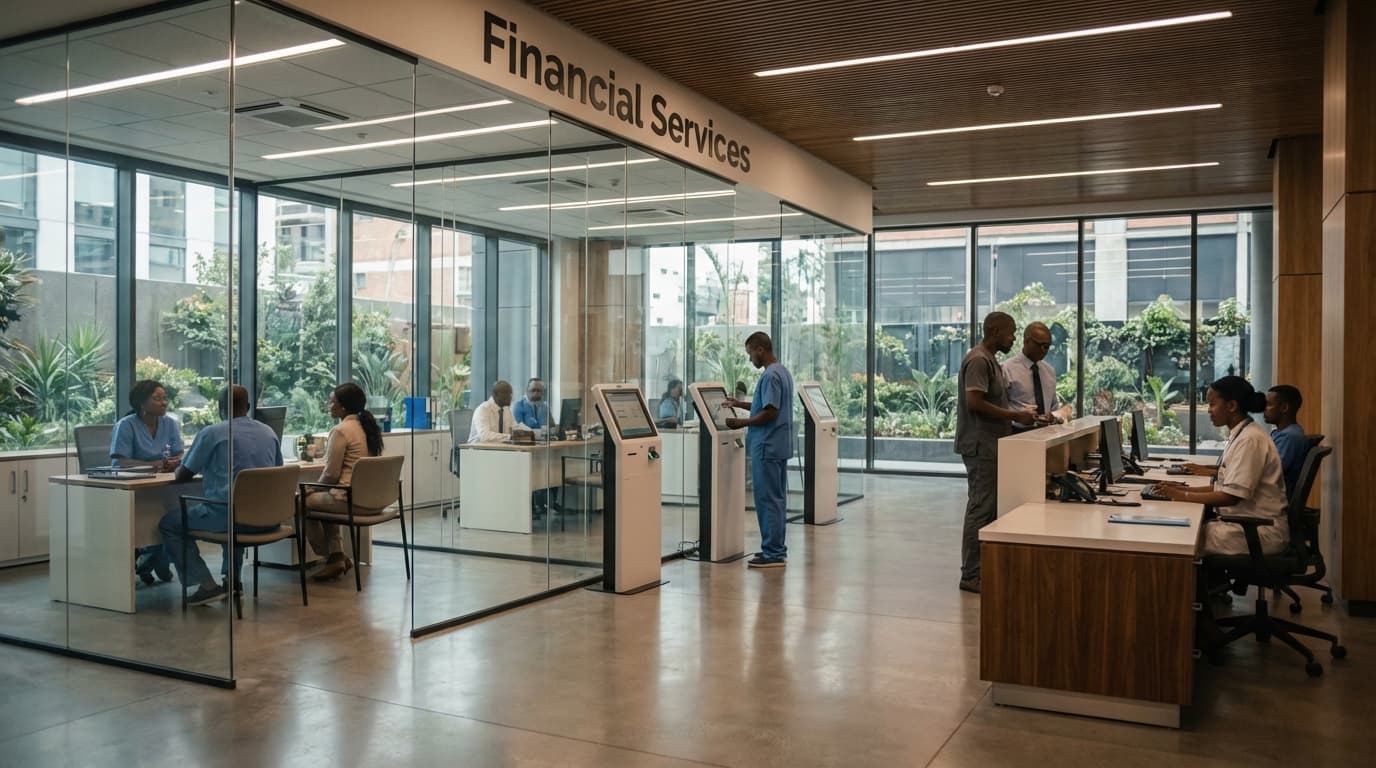
Medical Equipment Financing in Zimbabwe
Engineering Excellence & Technical Support
Leasing and financing solutions for medical equipment High-standard technical execution following OEM protocols and local regulatory frameworks.
Tailored Financing Solutions
Access flexible repayment structures and competitive interest rates designed specifically for medical equipment acquisition in Zimbabwe. We understand the unique financial demands of healthcare providers.
Accelerated Equipment Procurement
Streamline your purchase process with our efficient financing approvals, enabling you to acquire vital medical technology faster and improve patient care delivery without delay.
Asset-Backed Funding Options
Leverage the value of your existing medical assets to secure new equipment, offering a robust financing pathway that minimizes upfront capital expenditure and supports your growth.
What Is Medical Equipment Financing In Zimbabwe?
Medical Equipment Financing in Zimbabwe refers to a specialized financial service that facilitates the acquisition of medical equipment by healthcare providers through various funding mechanisms. This service is crucial for enabling healthcare institutions and professionals to access advanced technologies, diagnostic tools, treatment apparatus, and other essential medical devices that are often capital-intensive. The financing structure typically involves loan agreements, leasing options, or hire-purchase arrangements, where the lender or lessor provides the funds or the equipment itself, and the borrower or lessee repays the cost over an agreed period with interest or rental fees. This financial instrument addresses the significant upfront capital expenditure associated with procuring modern medical technology, thereby enhancing diagnostic capabilities, treatment efficacy, and overall patient care within the Zimbabwean healthcare sector.
| Who Needs Medical Equipment Financing? | Typical Use Cases for Financed Medical Equipment |
|---|---|
| Hospitals (Public and Private): To upgrade existing facilities, expand service offerings, and replace outdated equipment. | Diagnostic Imaging Equipment: MRI scanners, CT scanners, X-ray machines, ultrasound devices for early and accurate diagnosis. |
| Specialized Clinics (e.g., Cardiology, Oncology, Ophthalmology): To acquire advanced treatment and diagnostic equipment specific to their medical focus. | Surgical and Operating Room Equipment: Anesthesia machines, surgical lights, operating tables, laparoscopic instruments for performing complex procedures. |
| Medical Laboratories: To purchase sophisticated laboratory analyzers, centrifuges, microscopes, and other diagnostic testing instruments. | Patient Monitoring Systems: ICU monitors, vital signs monitors, ventilators for critical care and intensive care units. |
| Individual Medical Practitioners and Small Healthcare Practices: To acquire essential medical devices and instruments for their practice. | Therapeutic Equipment: Dialysis machines, physiotherapy equipment, radiotherapy units for long-term patient management. |
| Government Health Ministries and Public Health Institutions: To equip public hospitals and clinics, particularly in underserved areas. | Dental Equipment: Dental chairs, X-ray units, handpieces, and sterilization equipment for dental practices. |
| Research Institutions and Universities: To support medical research and the training of healthcare professionals. | Laboratory and Diagnostic Reagents/Consumables: While primarily equipment financing, some schemes may extend to the initial purchase of essential supplies. |
| Non-Governmental Organizations (NGOs) and Charitable Organizations: To provide medical services in resource-limited settings. | Ambulance and Emergency Medical Services Equipment: Defibrillators, portable oxygen systems, and other life-support equipment for emergency transport. |
Key Components of Medical Equipment Financing
- Loan-based Financing: Direct loans provided by financial institutions to healthcare providers for the purchase of equipment. Repayment occurs over a set term with interest.
- Leasing Arrangements: Healthcare providers lease equipment for a specified period, paying regular rental fees without owning the asset outright. This can include operating leases (off-balance sheet) and finance leases (on-balance sheet).
- Hire Purchase Agreements: A form of financing where the purchaser pays in installments, and ownership of the equipment is transferred only upon the final payment.
- Vendor Financing: Equipment manufacturers or distributors offer in-house financing solutions to facilitate sales.
- Asset-backed Loans: Loans secured against existing medical equipment or other assets owned by the healthcare provider.
- Repayment Schedules: Structured repayment plans tailored to the cash flow and revenue generation capacity of the healthcare facility.
- Interest Rates and Fees: Competitive interest rates and transparent fee structures determined by market conditions, creditworthiness, and loan tenure.
- Collateral Requirements: Depending on the financing structure and amount, collateral may be required, which could include the financed equipment itself or other assets.
- Insurance Coverage: Mandated insurance policies to protect the financed equipment against damage, loss, or theft.
- Maintenance and Service Contracts: Often integrated into financing packages to ensure the equipment remains operational.
Who Needs Medical Equipment Financing In Zimbabwe?
Medical equipment financing in Zimbabwe is crucial for a wide range of healthcare providers and institutions looking to acquire, upgrade, or maintain essential medical technology. This financing addresses the significant capital expenditure associated with purchasing modern medical devices, ensuring that healthcare facilities can offer advanced diagnostic, treatment, and patient care services. It empowers them to keep pace with technological advancements and meet the growing healthcare demands of the population.
| Target Customer | Typical Departments Requiring Financing |
|---|---|
| Hospitals (Public & Private) | Radiology (X-ray, CT, MRI), Oncology, Cardiology, Intensive Care Units (ICU), Operating Theatres, Emergency Departments, Maternity Wards, General Wards, Pathology Labs, Rehabilitation Centers |
| Clinics and Health Centers | General Practice Consultation Rooms, Minor Procedure Rooms, Diagnostic Imaging (basic X-ray, Ultrasound), Physiotherapy/Rehabilitation Areas, Sterilization Units |
| Diagnostic Laboratories | Pathology, Biochemistry, Hematology, Microbiology, Molecular Diagnostics, Imaging Services |
| Specialty Medical Practices (e.g., Dental, Ophthalmology, Dermatology) | Dental Chairs and Equipment, Ophthalmic Diagnostic and Surgical Tools, Laser Treatments, Dermatoscopes, Specialized Examination Equipment |
| Medical Training Institutions | Simulation Labs, Anatomy Dissection Rooms, Basic Science Labs, Clinical Skills Training Centers, Research Facilities |
| Non-Governmental Organizations (NGOs) | Mobile Clinics, Community Health Centers, Specialized Treatment Programs (e.g., HIV/AIDS, maternal health), Equipment for Remote Areas |
Who Needs Medical Equipment Financing in Zimbabwe?
- Hospitals (Public and Private)
- Clinics and Health Centers
- Diagnostic Laboratories
- Specialty Medical Practices
- Medical Training Institutions
- Non-Governmental Organizations (NGOs) in the Health Sector
Medical Equipment Financing Process In Zimbabwe
The medical equipment financing process in Zimbabwe, for both public and private healthcare providers, involves a structured workflow designed to assess eligibility, secure funding, and ensure the responsible acquisition of vital medical assets. This process typically begins with an inquiry from a healthcare institution and culminates in the successful execution of financing agreements and the delivery of equipment.
| Stage | Description | Key Participants |
|---|---|---|
| Inquiry | Healthcare institution expresses interest in financing. | Healthcare Institution, Financial Institution/Supplier |
| Needs Assessment | Defining specific equipment requirements. | Healthcare Institution (Medical Staff, Management) |
| Application | Submission of formal request and supporting documents. | Healthcare Institution |
| Due Diligence | Financial and operational assessment of the applicant. | Financial Institution |
| Appraisal | Valuation of proposed equipment. | Financial Institution (potentially external appraisers) |
| Negotiation & Approval | Finalizing terms and obtaining internal sanction. | Healthcare Institution, Financial Institution |
| Legal Documentation | Drafting and signing financing agreements. | Healthcare Institution, Financial Institution, Legal Counsel |
| Disbursement | Transfer of funds. | Financial Institution |
| Procurement & Installation | Acquisition and setup of equipment. | Healthcare Institution, Equipment Supplier |
| Repayment & Monitoring | Regular payments and oversight of the financed asset. | Healthcare Institution, Financial Institution |
Key Stages in Medical Equipment Financing Process in Zimbabwe
- {"title":"Inquiry and Initial Consultation","description":"This is the starting point where a healthcare institution (hospital, clinic, diagnostic center, government ministry) expresses interest in financing medical equipment. They will typically contact a financial institution (bank, specialized financing company, or development partner) or a medical equipment supplier who offers financing options."}
- {"title":"Needs Assessment and Equipment Specification","description":"The healthcare institution clearly defines its equipment needs, including the type of equipment, specifications, quantity, and intended use. This involves consultations with medical professionals and often requires detailed technical specifications."}
- {"title":"Financial Institution/Supplier Pre-qualification","description":"The financial institution or supplier will conduct an initial assessment of the healthcare institution's financial standing and operational capacity. This may involve reviewing their financial statements, business plan, and track record."}
- {"title":"Formal Application and Documentation","description":"The healthcare institution submits a formal financing application. This is usually accompanied by a comprehensive set of documents, including financial statements, audited accounts, business plans, equipment quotes/proformas, ownership details, and any relevant regulatory approvals."}
- {"title":"Due Diligence and Credit Assessment","description":"The financial institution undertakes a rigorous due diligence process. This involves a thorough credit assessment to evaluate the institution's ability to repay the loan. This includes analyzing cash flow, profitability, debt-to-equity ratios, and the marketability of their services. Risk assessment is a critical component."}
- {"title":"Equipment Appraisal and Verification","description":"The value and condition of the proposed medical equipment are appraised. This might involve independent valuations to ensure the equipment is reasonably priced and meets the specified standards. Verification of the supplier's credibility is also conducted."}
- {"title":"Proposal and Negotiation","description":"Based on the due diligence and appraisal, the financial institution (or supplier) will formulate a financing proposal. This outlines the loan amount, interest rate, repayment schedule, collateral requirements, and any associated fees. Negotiations may occur on these terms."}
- {"title":"Approval and Sanction","description":"Once an agreement is reached on the financing terms, the application is formally approved by the financial institution's credit committee or relevant authority. A sanction letter is issued, detailing the approved terms and conditions."}
- {"title":"Legal Documentation and Agreement","description":"Legal agreements are drafted and executed. This includes loan agreements, security agreements (if collateral is involved), and any other relevant contracts between the healthcare institution, the financial institution, and potentially the equipment supplier."}
- {"title":"Disbursement of Funds","description":"Upon fulfillment of all legal and pre-disbursement conditions (e.g., provision of collateral, insurance, initial down payment), the funds are disbursed. This can be direct to the supplier, or to the healthcare institution depending on the agreement."}
- {"title":"Equipment Procurement and Installation","description":"The healthcare institution, with the financed funds, procures the medical equipment from the approved supplier. Installation, testing, and commissioning of the equipment are then carried out."}
- {"title":"Post-Disbursement Monitoring and Repayment","description":"The financial institution monitors the repayment schedule and the performance of the financed equipment. The healthcare institution makes regular repayments as per the loan agreement. This stage also involves ensuring the equipment is maintained and insured."}
Medical Equipment Financing Cost In Zimbabwe
Financing medical equipment in Zimbabwe presents a unique set of challenges and considerations, primarily influenced by the country's economic landscape, currency volatility, and specific market dynamics. The cost of financing is not a static figure but rather a fluctuating outcome of several interlinked pricing factors. These factors collectively determine the interest rates, fees, and overall expense associated with securing loans for medical technology. Understanding these elements is crucial for healthcare providers seeking to invest in vital equipment. The local currency (Zimbabwean Dollar - ZWL) is particularly susceptible to inflationary pressures and exchange rate fluctuations, which significantly impact the perceived and actual cost of borrowing. Lenders often factor in a premium to mitigate the risks associated with this volatility. The tenor of the loan, the specific type and value of the medical equipment being financed, and the borrower's creditworthiness also play pivotal roles in shaping the final financing cost. Furthermore, regulatory changes and the overall liquidity within the Zimbabwean financial system can influence the availability and pricing of credit.
| Financing Cost Component | Typical Range (ZWL per annum) | Notes |
|---|---|---|
| Interest Rates | 30% - 60% | Highly variable due to inflation and currency instability. Can be higher for riskier borrowers or longer tenors. |
| Loan Arrangement/Processing Fees | 1% - 5% of loan value | One-time fees charged at the commencement of the loan. |
| Valuation Fees (for collateral) | ZWL 50,000 - ZWL 500,000+ | Depends on the value and complexity of the asset being valued. |
| Legal Fees | ZWL 100,000 - ZWL 1,000,000+ | Varies based on loan complexity and legal counsel. |
| Monthly Service Fees | Negligible to 0.5% of outstanding balance | Some lenders may charge minor recurring fees. |
Key Pricing Factors for Medical Equipment Financing in Zimbabwe
- Interest Rates: The primary driver of financing cost, influenced by monetary policy, inflation, and lender risk appetite.
- Loan Tenor (Repayment Period): Longer tenors generally translate to higher total interest paid, though monthly repayments might be lower.
- Equipment Value and Type: Higher value or specialized equipment may carry different financing terms and risk assessments.
- Borrower's Creditworthiness: Strong financial history, collateral, and repayment capacity lead to more favorable rates.
- Upfront Fees and Charges: Include arrangement fees, processing fees, valuation fees, and legal costs, which add to the initial expense.
- Currency Risk Premium: Lenders often add a premium to ZWL-denominated loans to account for potential devaluation against major currencies.
- Collateral Requirements: The type and value of collateral offered can impact the interest rate and loan approval.
- Market Liquidity and Competition: The availability of funds and the number of competing lenders can influence pricing.
- Regulatory Environment: Central bank policies and banking regulations can affect lending practices and costs.
Affordable Medical Equipment Financing Options
Securing affordable medical equipment is crucial for healthcare providers to offer quality patient care and maintain operational efficiency. Fortunately, several financing options exist that can ease the financial burden. Beyond traditional loans, understanding value bundles and implementing cost-saving strategies can significantly reduce the overall expenditure. Value bundles often package equipment with related services, training, or maintenance agreements, offering a more comprehensive and potentially cost-effective solution than purchasing items à la carte. Cost-saving strategies involve careful planning, exploring different vendor options, negotiating terms, and considering the long-term total cost of ownership.
| Value Bundle Component | Potential Cost Savings | Considerations |
|---|---|---|
| Equipment Purchase | Bulk discounts, bundled pricing compared to individual item costs. | Ensure the included equipment meets current and future needs. |
| Installation & Training | Reduced separate service fees, faster staff proficiency, fewer errors. | Verify the quality and duration of training provided. |
| Maintenance & Service Agreements | Predictable operating costs, reduced downtime, extended equipment lifespan. | Understand the scope of coverage and response times. |
| Consumables & Supplies | Discounted pricing on essential consumables tied to the equipment. | Assess the quality and availability of bundled supplies. |
| Software & Support | Integrated software solutions, ongoing technical support, potential for updates. | Confirm compatibility with existing IT infrastructure. |
Affordable Medical Equipment Financing Options
- Leasing: Provides access to equipment without the upfront capital investment. Various lease structures (operating, finance) offer flexibility.
- Loans: Traditional term loans from banks or specialized medical equipment lenders. Interest rates and repayment terms vary.
- Rentals: Ideal for short-term needs or for trying out new technology before committing to purchase.
- Refurbished Equipment: Purchasing high-quality, certified pre-owned equipment can offer substantial savings.
- Grants and Subsidies: Explore government programs, non-profit organizations, or industry-specific grants that may fund equipment purchases, especially for underserved communities or specific medical advancements.
- Crowdfunding/Donations: For specific community-focused initiatives or non-profit organizations, these can be viable sources of funding.
- Sale-Leaseback: Selling existing owned equipment to a financing company and then leasing it back can free up capital for new acquisitions.
Verified Providers In Zimbabwe
Finding trustworthy and qualified healthcare providers in Zimbabwe is paramount for ensuring quality care. Verified providers offer a level of assurance that is crucial for patients seeking reliable medical services. Franance Health stands out as a leading platform dedicated to connecting individuals with such trusted professionals. Their rigorous credentialing process ensures that all listed healthcare providers meet stringent standards for expertise, licensing, and ethical practice, making them the best choice for your health needs in Zimbabwe.
| Provider Type | Franance Health Verification Criteria | Benefits for Patients |
|---|---|---|
| General Practitioners | Valid medical license (MD/MBChB), current registration with the Medical and Dental Practitioners Council of Zimbabwe (MDPCZ), proof of continuing professional development. | Reliable initial diagnosis, accessible primary care, referrals to specialists. |
| Specialist Doctors (e.g., Cardiologists, Dermatologists, Pediatricians) | Specialty board certification, relevant postgraduate qualifications, at least [X] years of practice experience in their specialty, clear disciplinary record. | Expert diagnosis and treatment for complex conditions, advanced medical knowledge in specific fields. |
| Dentists | Valid dental license, registration with the Dental Association of Zimbabwe (DAZ), evidence of specialized training if applicable. | Comprehensive oral healthcare, preventative and restorative treatments. |
| Nurses (Registered General Nurses, Midwives, etc.) | Current registration with the Zimbabwe Nurses Association (ZINA) or relevant nursing council, proof of specialized training and certifications. | Skilled patient care, support during treatment, specialized nursing services. |
| Pharmacists | Valid pharmacy license, registration with the Pharmacists Association of Zimbabwe (PAZ), adherence to ethical dispensing practices. | Accurate dispensing of medications, drug interaction counseling, health advice. |
Why Franance Health Providers are the Best Choice:
- Rigorous Vetting Process: Franance Health employs a comprehensive verification system for all their listed providers, ensuring they hold valid licenses and certifications.
- Specialized Expertise: Access a wide range of specialists across various medical fields, all thoroughly vetted for their specific skills and experience.
- Patient-Centric Approach: Verified providers on Franance Health are committed to patient well-being and ethical medical practices.
- Convenient Access: Easily find and connect with qualified healthcare professionals in your area through a user-friendly platform.
- Transparency and Trust: Franance Health prioritizes transparency, providing you with the confidence that you are choosing a reputable and competent provider.
Scope Of Work For Medical Equipment Financing
This Scope of Work (SOW) outlines the technical deliverables and standard specifications required for the financing of medical equipment. It aims to ensure that the financed equipment meets all necessary technical, regulatory, and operational standards to support patient care and institutional objectives. The SOW covers the entire lifecycle of the equipment from acquisition to potential decommissioning, focusing on the technical aspects relevant to a financing agreement.
| Category | Specification/Deliverable | Standard/Requirement | Description | Compliance Evidence |
|---|---|---|---|---|
| Equipment Performance | Technical Specifications Sheet | Manufacturer's current model specifications | Detailed outline of all technical parameters, including but not limited to, resolution, accuracy, speed, power consumption, and environmental operating conditions. | Manufacturer's datasheet, product brochure, technical manuals. |
| Regulatory Compliance | Certifications and Approvals | FDA (US), CE Marking (EU), ISO 13485, local regulatory bodies | Proof of compliance with relevant national and international medical device regulations and quality management systems. | Copies of valid certifications, registration numbers, compliance statements. |
| Safety Standards | Electrical Safety Testing | IEC 60601-1 (or equivalent regional standards) | Demonstration of adherence to electrical safety standards to prevent hazards to patients and operators. | Test reports from accredited laboratories, manufacturer's declarations. |
| Interoperability | Data Interface Standards | DICOM, HL7, FHIR, IEEE 11073 (as applicable) | Ensuring seamless integration with existing hospital information systems (HIS), Picture Archiving and Communication Systems (PACS), and Electronic Health Records (EHR). | Interface specifications, protocol compliance statements, integration test results. |
| Installation & Commissioning | Installation Qualification (IQ) Report | Manufacturer's approved procedures | Verification that the equipment has been installed correctly according to manufacturer specifications and site requirements. | Signed IQ report by certified technician and hospital representative. |
| Installation & Commissioning | Operational Qualification (OQ) Report | Manufacturer's approved procedures | Verification that the equipment operates as intended within its specified limits and meets performance criteria. | Signed OQ report by certified technician and hospital representative, including test results. |
| Installation & Commissioning | Performance Qualification (PQ) Report | Hospital's defined clinical protocols | Verification that the equipment performs consistently and reliably under typical clinical use conditions. | Signed PQ report by clinical staff and certified technician, including relevant clinical outcome data. |
| Maintenance & Support | Preventive Maintenance Schedule | Manufacturer's recommendations and hospital policy | Outline of scheduled maintenance activities to ensure optimal performance and longevity. | Maintenance plan document, service contracts. |
| Maintenance & Support | Serviceability & Spare Parts Availability | Manufacturer's warranty and service agreements | Ensuring access to qualified service personnel and availability of critical spare parts for the expected lifespan of the equipment. | Service contract details, parts availability statement from manufacturer. |
| Software & Firmware | Version Control and Update Policy | Manufacturer's established procedures | Management of software versions, security patches, and necessary updates to maintain functionality and security. | Software update log, patch management policy. |
| Data Security | Data Encryption and Access Controls | HIPAA (US), GDPR (EU), institutional policies | Measures to protect patient data processed or stored by the equipment from unauthorized access or breaches. | Security features documentation, audit logs (if applicable). |
| Environmental Impact | Energy Efficiency Ratings | ENERGY STAR (if applicable), manufacturer's data | Specifications related to power consumption and other environmental considerations. | Energy efficiency certifications, power consumption data. |
Key Technical Deliverables
- Equipment Specifications and Compliance Documentation
- Installation and Commissioning Reports
- User Manuals and Technical Documentation
- Maintenance and Service Records
- Calibration Certificates
- Software Updates and Patch Management Plan
- End-of-Life (EOL) and Decommissioning Plan
Service Level Agreement For Medical Equipment Financing
This Service Level Agreement (SLA) outlines the response times and uptime guarantees for medical equipment financing services provided by [Your Company Name] to [Client Name]. This SLA is an addendum to the Master Service Agreement (MSA) dated [MSA Date].
| Service Component | Support Tier | Response Time (Business Hours) | Response Time (After Hours) | Target Resolution Time (Business Hours) | Uptime Guarantee (Monthly) |
|---|---|---|---|---|---|
| Financing-Related Support (Critical Equipment) | Tier 1 | 1 hour | 2 hours | 8 business hours | 99.9% |
| Financing-Related Support (Major Equipment) | Tier 2 | 2 business hours | 4 business hours | 24 business hours | 99.5% |
| Financing-Related Support (Minor Equipment) | Tier 3 | 4 business hours | 8 business hours | 48 business hours | 99.0% |
| Billing Inquiries | All Tiers | 4 business hours | N/A | 2 business days | N/A |
| Documentation Requests | All Tiers | 8 business hours | N/A | 3 business days | N/A |
Key Definitions
- Critical Equipment: Medical equipment vital for patient care and requiring immediate operational status. Downtime of critical equipment may result in significant patient safety risks or financial losses.
- Major Equipment: Significant medical equipment whose downtime may cause operational disruptions but does not pose an immediate threat to patient safety.
- Minor Equipment: Ancillary or non-essential medical equipment.
- Downtime: The period during which the financed medical equipment is non-operational due to a financing-related issue (e.g., billing dispute, equipment repossessed due to non-payment, financing documentation errors). Downtime does not include equipment failure due to manufacturer defects, damage, or normal wear and tear, unless such failure is exacerbated by a financing issue.
- Response Time: The maximum time from the initiation of a support request to acknowledgement and initial assessment by [Your Company Name].
- Resolution Time: The maximum time from the initiation of a support request to the complete resolution of the issue, restoring the equipment's operational status, or providing a clear and actionable plan for resolution.
- Uptime Guarantee: The percentage of time the financed medical equipment is expected to be operational, contingent on adherence to the terms of the financing agreement by the client.
- Business Hours: [Specify Business Hours, e.g., Monday to Friday, 9:00 AM to 5:00 PM, excluding public holidays in [Specify Region]].
- After Hours: Any time outside of Business Hours.
Frequently Asked Questions

Ready when you are
Let's scope your Medical Equipment Financing in Zimbabwe project in Zimbabwe.

Scaling healthcare logistics and technical systems across the entire continent.