
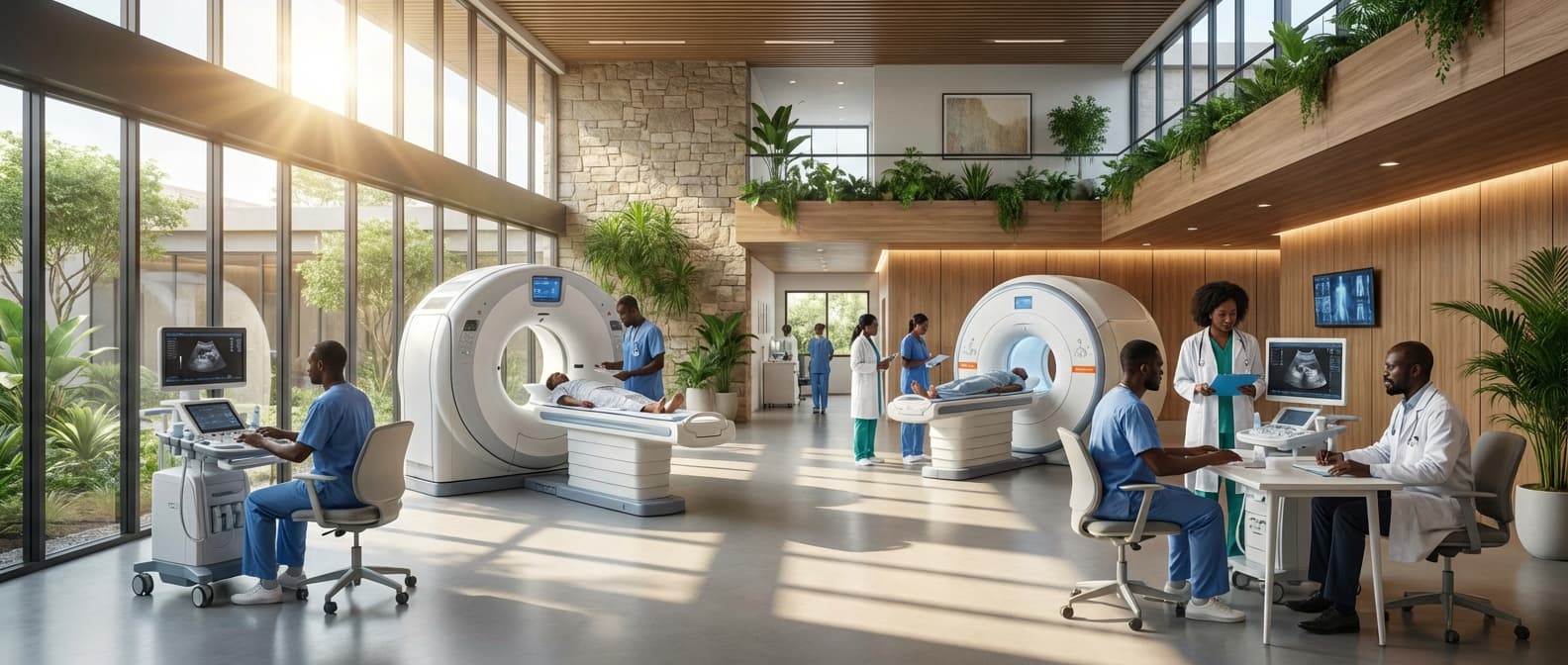
Endoscopy Solutions in Zimbabwe
Engineering Excellence & Technical Support
Advanced endoscopic equipment delivering superior visualization and diagnostic precision for minimally invasive procedures. High-standard technical execution following OEM protocols and local regulatory frameworks.
Advanced Imaging Capabilities
Our state-of-the-art endoscopy systems offer superior high-definition imaging and advanced visualization technologies, enabling precise diagnosis and enhanced therapeutic interventions for a wide range of gastrointestinal and pulmonary conditions in Zimbabwe.
Minimally Invasive Treatment Options
We provide a comprehensive portfolio of flexible and rigid endoscopes, along with specialized accessories, facilitating minimally invasive procedures that reduce patient discomfort, shorten recovery times, and improve clinical outcomes for healthcare providers across Zimbabwe.
Dedicated Training & Support
Beyond cutting-edge technology, we offer robust training programs and ongoing technical support to ensure Zimbabwean clinicians are proficient in utilizing our endoscopy solutions, fostering a culture of excellence in endoscopic care.
What Is Endoscopy Solutions In Zimbabwe?
Endoscopy solutions in Zimbabwe refer to the availability and application of endoscopic procedures and related technologies for diagnostic and therapeutic purposes within the Zimbabwean healthcare system. This encompasses a range of minimally invasive techniques utilizing endoscopes – flexible or rigid tubes equipped with a light source and camera – to visualize internal organs and cavities. These procedures are critical for accurate diagnosis, targeted treatment, and ongoing patient management across various medical specialties.
| Who Needs Endoscopy? | Typical Use Cases | ||||
|---|---|---|---|---|---|
| Patients presenting with gastrointestinal symptoms such as persistent heartburn, difficulty swallowing, abdominal pain, unexplained weight loss, chronic diarrhea or constipation, rectal bleeding, or suspected gastrointestinal malignancy. | Upper Endoscopy (Esophagogastroduodenoscopy - EGD): Investigation of dyspepsia, gastroesophageal reflux disease (GERD), peptic ulcers, esophageal varices, screening for Barrett's esophagus, and diagnosis of Helicobacter pylori infection. Colonoscopy: Screening for colorectal cancer, diagnosis of inflammatory bowel disease (IBD) such as Crohn's disease and ulcerative colitis, investigation of rectal bleeding, and removal of colonic polyps. Bronchoscopy: Evaluation of chronic cough, hemoptysis (coughing up blood), suspected lung cancer, airway obstruction, and diagnosis of infections like tuberculosis or pneumonia. | Patients with respiratory symptoms including chronic cough, shortness of breath, unexplained lung lesions on imaging, or suspected airway infections. Individuals undergoing screening for certain cancers or requiring interventions within the respiratory tract. | Cystoscopy/Ureteroscopy: Diagnosis and management of hematuria (blood in urine), urinary tract stones, bladder tumors, recurrent urinary tract infections, and strictures of the urethra or ureters. | Patients experiencing urinary symptoms such as difficulty urinating, frequent urination, blood in urine, or suspected urinary tract abnormalities. This includes individuals with a history of kidney stones or bladder cancer. | Endoscopic Retrograde Cholangiopancreatography (ERCP): Diagnosis and treatment of bile duct and pancreatic duct abnormalities, including gallstones, strictures, and tumors of the pancreas or bile ducts. Endoscopic Ultrasound (EUS): Detailed imaging of the gastrointestinal wall and adjacent organs, staging of cancers, and guided fine-needle aspiration (FNA) biopsies. |
| Patients with suspected abnormalities in the biliary or pancreatic system, including jaundice, abdominal pain suggestive of gallstones, or a history of pancreatitis. | |||||
| Individuals requiring detailed imaging of the gastrointestinal tract and surrounding structures, particularly for cancer staging or when conventional imaging is insufficient. |
Key Aspects of Endoscopy Solutions in Zimbabwe:
- Diagnostic Imaging: Endoscopy provides direct visualization of the gastrointestinal tract (esophagus, stomach, duodenum, colon, rectum), respiratory system (lungs and airways), urinary tract (bladder, ureters), and other internal cavities, allowing for real-time assessment of tissue morphology, presence of abnormalities (e.g., inflammation, ulcers, polyps, tumors), and collection of biopsy samples.
- Therapeutic Interventions: Beyond diagnosis, endoscopy enables a spectrum of therapeutic interventions, including polyp removal (polypectomy), hemostasis (stoppage of bleeding), stent placement, foreign body retrieval, dilation of strictures, and minimally invasive surgical procedures (endosurgery).
- Specialized Equipment: The availability of advanced endoscopic equipment, such as high-definition scopes, narrow-band imaging (NBI) for enhanced lesion detection, and specialized therapeutic accessories, is integral to comprehensive endoscopy solutions.
- Trained Personnel: The efficacy of endoscopy solutions relies heavily on the availability of skilled gastroenterologists, pulmonologists, urologists, surgeons, and endoscopic technicians proficient in performing procedures and interpreting findings.
- Accessibility and Affordability: Challenges related to the accessibility and affordability of endoscopic services and equipment can influence their widespread adoption and impact in Zimbabwe.
- Training and Education: Ongoing training programs and continuing medical education for healthcare professionals are crucial for maintaining and advancing the quality of endoscopy services.
Who Needs Endoscopy Solutions In Zimbabwe?
Endoscopy solutions are critical for accurate diagnosis and minimally invasive treatment across a range of medical conditions in Zimbabwe. These advanced diagnostic and therapeutic tools empower healthcare professionals to visualize internal organs, identify abnormalities, and perform procedures without the need for extensive surgery. The demand for these solutions is driven by the increasing prevalence of gastrointestinal diseases, the need for early cancer detection, and the desire for improved patient outcomes and reduced recovery times.
| Customer Type | Primary Need | Key Departments Involved | Example Use Cases |
|---|---|---|---|
| Public Hospitals | Accessible diagnostic and therapeutic capabilities for a wide patient base. | Gastroenterology, General Surgery, Oncology, Pulmonology. | Diagnosis of peptic ulcers, colon cancer screening, management of GI bleeds, removal of foreign bodies, biopsy for cancer diagnosis. |
| Private Hospitals and Clinics | High-quality, state-of-the-art equipment for specialized procedures and improved patient experience. | Gastroenterology, General Surgery, Oncology, Pulmonology, Urology. | Advanced therapeutic endoscopy (e.g., EMR, ESD), bariatric endoscopy, complex polyp removal, upper and lower GI diagnostics. |
| Specialty Clinics | Dedicated equipment for specific diagnostic and therapeutic procedures within their specialty. | Gastroenterology (e.g., IBD diagnosis/management), Oncology (e.g., endoscopic staging), Pulmonology (e.g., broncho-alveolar lavage). | Endoscopic ultrasound (EUS) for pancreatic cancer staging, diagnostic bronchoscopy for lung nodule assessment, capsule endoscopy for obscure GI bleeding. |
| Research & Academic Institutions | Cutting-edge technology for training future specialists and conducting clinical research. | All relevant medical departments. | Training new endoscopists, developing new endoscopic techniques, research into novel treatment modalities. |
| NGOs & Government Health Agencies | Cost-effective and reliable solutions to improve public health outcomes and expand access to care. | Gastroenterology, General Surgery, Public Health Programs. | Establishing basic endoscopy units in underserved areas, national cancer screening programs, provision of essential diagnostic tools. |
Target Customers and Departments in Zimbabwe for Endoscopy Solutions
- {"items":["Public Hospitals (Central, Provincial, and District)","Private Hospitals and Clinics","Specialty Clinics (e.g., Gastroenterology, Oncology, Pulmonology)","Research and Academic Medical Institutions","Non-Governmental Organizations (NGOs) involved in healthcare provision","Government Health Ministries and Procurement Agencies"],"title":"Target Customers"}
- {"items":["Gastroenterology","General Surgery","Oncology","Pulmonology","Otolaryngology (ENT)","Urology","Gynecology","Emergency Medicine (for specific diagnostic needs)"],"title":"Key Departments Requiring Endoscopy Solutions"}
Endoscopy Solutions Process In Zimbabwe
The process for accessing Endoscopy Solutions in Zimbabwe, from initial inquiry to successful execution of the procedure, involves a structured workflow designed to ensure patient safety, efficient resource allocation, and effective communication. This workflow typically begins with a patient or referring physician identifying the need for an endoscopic procedure and culminates in the patient's recovery and follow-up care.
| Stage | Description | Key Activities | Responsible Parties | Documentation/Outcomes |
|---|---|---|---|---|
| Initial contact to understand the patient's condition and determine the suitability of an endoscopic procedure. | Patient/Doctor inquiry, symptom discussion, preliminary diagnosis, explanation of procedure benefits and risks, answering patient questions. | Patient, Referring Physician, Endoscopist (or designated clinical staff) | Initial patient record, understanding of patient needs, decision on proceeding with referral. |
| Formal referral and booking of the endoscopic procedure. | Issuance of referral letter, communication with endoscopy unit/hospital, scheduling of appointment based on urgency and availability, pre-authorization if required by medical aid. | Referring Physician, Patient, Endoscopy Unit/Hospital Administrator, Medical Aid Provider | Referral letter, scheduled appointment confirmation, pre-authorization approval. |
| Comprehensive evaluation of the patient's health status and preparation for the procedure. | Medical history review, physical examination, blood tests, other diagnostic tests as needed, medication review and adjustments, dietary instructions, bowel preparation instructions (if applicable), consent form signing, patient education on what to expect. | Endoscopist/Specialist Nurse, Patient, Anesthesiologist (if sedation is used) | Completed medical assessment forms, pre-operative checklist, signed informed consent, patient preparation compliance. |
| The endoscopic procedure itself, performed by trained medical professionals. | Patient identification, pre-procedure checks, administration of sedation/anesthesia (if applicable), insertion of endoscope, visualization and examination of the gastrointestinal tract, therapeutic interventions (biopsy, polypectomy, etc.), removal of endoscope. | Endoscopist, Anesthesiologist/Anesthetic Nurse, Endoscopy Nurse/Technician | Procedure note/report detailing findings, interventions performed, and any specimens collected. Images/videos of the findings. |
| Monitoring the patient's immediate recovery and addressing any post-procedure effects. | Monitoring vital signs, managing pain/discomfort, recovery from sedation, initial hydration and feeding, patient education on post-procedure precautions and potential symptoms to watch for. | Endoscopy Nurse/Recovery Staff, Patient, Family/Caregiver | Recovery record, discharge instructions, patient understanding of care plan. |
| Review of findings, discussion of results, and planning of further management. | Pathology report review (if biopsy was taken), discussion of procedure findings with patient, scheduling of follow-up appointments, referral to other specialists if necessary, communication of results to referring physician. | Endoscopist, Patient, Referring Physician, Pathologist | Final procedure report, pathology report, updated patient medical record, discharge summary, referral letters (if applicable). |
Endoscopy Solutions Workflow in Zimbabwe
- Inquiry and Consultation
- Referral and Scheduling
- Pre-Procedure Assessment and Preparation
- Procedure Execution
- Post-Procedure Care and Recovery
- Follow-up and Reporting
Endoscopy Solutions Cost In Zimbabwe
The cost of endoscopic procedures in Zimbabwe can vary significantly due to a multitude of factors. These include the type of endoscopy being performed (e.g., gastroscopy, colonoscopy, sigmoidoscopy, bronchoscopy), the specific hospital or clinic where the procedure is conducted, the experience and specialization of the gastroenterologist or surgeon, and the inclusion of any associated diagnostic tests or treatments. Private hospitals generally have higher costs compared to public institutions. Furthermore, the brand and type of equipment used, the length of hospital stay (if any), and the complexity of the case will all influence the final price. Patients should also consider the cost of pre-procedure consultations and post-procedure follow-ups, as these are often separate charges. It is crucial to obtain a detailed quotation from the healthcare provider outlining all anticipated expenses.
| Procedure Type | Estimated Cost Range (ZWL) | Notes |
|---|---|---|
| Gastroscopy (Upper Endoscopy) | 8,000 - 25,000+ | May include sedation and basic biopsy. |
| Colonoscopy (Lower Endoscopy) | 10,000 - 35,000+ | May include sedation and polypectomy if polyps are found. |
| Sigmoidoscopy | 6,000 - 18,000+ | Often a shorter procedure than colonoscopy. |
| Bronchoscopy | 12,000 - 40,000+ | Can involve biopsy or other interventions. |
| ERCP (Endoscopic Retrograde Cholangiopancreatography) | 20,000 - 60,000+ | More complex, often involves treatment for bile duct issues. |
| Capsule Endoscopy | 15,000 - 40,000+ | Covers imaging of the small intestine. |
Factors Influencing Endoscopy Costs in Zimbabwe
- Type of Endoscopy (e.g., Gastroscopy, Colonoscopy, Sigmoidoscopy, Bronchoscopy)
- Healthcare Facility (Private vs. Public Hospitals/Clinics)
- Specialist Fees (Gastroenterologist/Surgeon's Expertise)
- Diagnostic Tests (Biopsies, Pathology, etc.)
- Treatment Procedures (Polypectomy, Stenting, etc.)
- Anesthesia/Sedation Costs
- Length of Hospital Stay (if applicable)
- Medications (Pre and Post-Procedure)
- Consultation Fees (Pre and Post-Procedure)
- Equipment and Consumables Used
Affordable Endoscopy Solutions Options
Affordable endoscopy solutions are crucial for widespread access to essential diagnostic and therapeutic procedures. Understanding value bundles and employing cost-saving strategies can significantly reduce the financial burden for both patients and healthcare providers. Value bundles often package multiple services together at a reduced price, promoting efficiency and predictability. Cost-saving strategies focus on optimizing resource utilization, negotiating better pricing, and exploring innovative delivery models.
| Cost-Saving Strategy | Description | Impact on Affordability |
|---|---|---|
| Value Bundles | Packaging multiple services (e.g., procedure, anesthesia, pathology, follow-up) into a single price. | Reduces surprise costs, encourages efficient care coordination, and allows for easier comparison shopping. |
| Bulk Purchasing | Healthcare facilities or networks purchasing endoscopes, accessories, and supplies in large quantities. | Leverages economies of scale to negotiate lower per-unit costs from manufacturers and suppliers. |
| Equipment Refurbishment/Leasing | Utilizing certified refurbished endoscopes or opting for leasing models instead of outright purchase. | Significantly lowers initial capital investment and can offer predictable maintenance costs. |
| Standardization of Supplies | Selecting a limited range of high-quality, cost-effective disposable supplies for common procedures. | Simplifies inventory management and allows for better volume-based pricing negotiations. |
| Optimized Workflow | Streamlining the endoscopy suite workflow to maximize patient throughput and minimize staff idle time. | Increases operational efficiency, reducing labor costs per procedure. |
| Telehealth Integration | Using telehealth for pre-procedure consultations, post-procedure follow-ups, and patient education. | Reduces travel time and costs for patients, and frees up clinical staff for more complex tasks. |
| Negotiated Payer Contracts | Engaging in proactive negotiations with insurance providers for favorable reimbursement rates for endoscopic procedures. | Ensures better financial viability for providers, which can translate to more affordable care for insured patients. |
Key Affordable Endoscopy Solutions Options
- Value-based purchasing and bundled payments for endoscopic procedures.
- Negotiated pricing agreements with endoscope manufacturers and suppliers.
- Reprocessing and refurbishment of reusable endoscopic equipment.
- Development and adoption of lower-cost, high-quality disposable endoscopic devices.
- Telehealth and remote monitoring integration to reduce in-person visit frequency.
- Outpatient surgical center and ambulatory care facility utilization.
- Increased patient education and preventative care to reduce the need for advanced procedures.
- Community-based screening programs and mobile endoscopy units.
- Government and non-profit initiatives supporting access to affordable healthcare.
Verified Providers In Zimbabwe
In Zimbabwe's evolving healthcare landscape, identifying trusted and verified healthcare providers is paramount for ensuring quality patient care and peace of mind. Franance Health stands out as a leading name, committed to upholding the highest standards of medical practice and patient well-being. Their rigorous credentialing process and dedication to excellence make them a top choice for individuals seeking reliable healthcare services.
| Franance Health Credentialing Criteria | Benefits for Patients |
|---|---|
| Valid Medical License and Registration | Ensures providers are legally authorized to practice and meet regulatory standards. |
| Verified Educational Qualifications and Certifications | Confirms providers possess the necessary academic and specialized training. |
| Professional Background Checks | Assesses a history of ethical conduct and professional integrity. |
| Peer Review and Performance Monitoring (where applicable) | Indicates a commitment to ongoing quality assurance and best practices. |
| Adherence to Franance Health's Service Standards | Guarantees a consistent level of quality, professionalism, and patient care. |
Why Franance Health is the Best Choice:
- Rigorous Credentialing and Verification: Franance Health employs a comprehensive vetting process for all its affiliated providers. This includes verifying medical licenses, professional certifications, educational backgrounds, and a history of ethical practice. Patients can be confident that any provider associated with Franance Health has met stringent quality and safety benchmarks.
- Commitment to Quality Care: Beyond mere verification, Franance Health actively promotes a culture of continuous improvement and evidence-based medicine among its network. They partner with healthcare professionals who demonstrate a strong commitment to patient outcomes and advanced treatment methodologies.
- Patient-Centric Approach: The focus at Franance Health is always on the patient. They strive to connect individuals with providers who are not only medically competent but also possess excellent communication skills and a compassionate bedside manner. This ensures a positive and supportive healthcare experience.
- Access to Specialized Expertise: Franance Health's network encompasses a wide range of medical specialties. This allows patients to easily find verified experts for specific health needs, from general practitioners to specialized surgeons and consultants.
- Transparency and Trust: Franance Health prioritizes transparency in its operations. They provide clear information about their providers and services, fostering trust and empowering patients to make informed decisions about their healthcare journey.
Scope Of Work For Endoscopy Solutions
This Scope of Work (SOW) outlines the technical deliverables and standard specifications for the procurement and implementation of advanced endoscopy solutions. The objective is to acquire state-of-the-art endoscopic equipment that enhances diagnostic accuracy, procedural efficiency, and patient safety across various medical disciplines. This document details the technical requirements, performance criteria, and quality standards expected from the selected vendor.
| Specification Category | Requirement | Standard/Unit | Notes/Performance Criteria |
|---|---|---|---|
| Image Resolution | Minimum Full HD (1920x1080 pixels) or 4K (3840x2160 pixels) | Pixels | High clarity, detail, and color reproduction essential for accurate diagnosis. |
| Magnification | Optical zoom: Minimum 10x; Digital zoom: Minimum 20x | X | Ability to visualize fine anatomical structures and lesions. |
| Field of View (FOV) | Minimum 120 degrees for flexible endoscopes | Degrees | Adequate visualization of the target area. |
| Working Channel Diameter | Varies by endoscope type (e.g., 2.8mm to 4.2mm for GI) | mm | Sufficient for passage of standard endoscopic accessories (biopsy forceps, snares, etc.). |
| Illumination | High-intensity LED or Xenon lamp | Lumens | Consistent, bright, and flicker-free illumination across the FOV. |
| Data Storage | Internal memory and/or network storage capabilities | GB/TB | Capacity for extensive image and video archiving. |
| Connectivity | USB, HDMI, DVI, Ethernet, DICOM compliance | Ports/Protocol | Ensures seamless integration with PACS/EMR and other medical devices. |
| Ergonomics | Lightweight design, comfortable grip, intuitive controls | N/A | Minimizes user fatigue and enhances procedural dexterity. |
| Sterilization Compatibility | Autoclavable or compatible with approved high-level disinfection methods | N/A | Adherence to infection control protocols. |
| Durability | Robust construction, resistant to kinking and bending | N/A | Ensures long operational life and reliability. |
Key Technical Deliverables
- High-definition (HD) or 4K endoscopic imaging systems with advanced image processing capabilities (e.g., digital zoom, image enhancement filters, spectral imaging).
- A range of flexible and rigid endoscopes designed for specific anatomical regions (e.g., gastrointestinal, pulmonary, urological, laparoscopic) with varying diameters and working channel sizes.
- Integrated light sources (LED or Xenon) providing optimal illumination with adjustable intensity and color temperature.
- Video processors and control units capable of capturing, storing, and retrieving high-resolution images and video data.
- Ergonomic and intuitive user interfaces for simplified operation and quick adaptation by medical staff.
- Compatibility with existing hospital Picture Archiving and Communication Systems (PACS) and Electronic Medical Records (EMR) systems for seamless data integration.
- Comprehensive training programs for physicians, nurses, and technicians on the operation, maintenance, and troubleshooting of the endoscopy systems.
- Detailed technical documentation, including user manuals, service manuals, and maintenance schedules.
- Post-installation support and maintenance services, including regular servicing, software updates, and on-call technical assistance.
- Warranty coverage for all supplied equipment for a minimum of [Specify Duration, e.g., two (2) years].
Service Level Agreement For Endoscopy Solutions
This Service Level Agreement (SLA) outlines the agreed-upon response times for critical incidents and the guaranteed uptime for Endoscopy Solutions' services. It ensures timely support and reliable performance for our clients.
| Incident Priority | Response Time Target | Uptime Guarantee |
|---|---|---|
| Critical | 30 minutes | 99.9% |
| High | 1 hour | 99.8% |
| Normal | 4 business hours | 99.5% |
Key Definitions
- Critical Incident: An event that renders the Endoscopy Solutions service completely unavailable or significantly impairs its core functionality, preventing the user from performing essential procedures.
- High-Priority Incident: An event that severely degrades service performance or functionality, impacting a significant portion of users or requiring immediate attention to prevent further issues.
- Normal-Priority Incident: An event that causes minor functional impairment or inconvenience, but does not prevent essential operations.
- Uptime: The percentage of time that the Endoscopy Solutions service is operational and accessible to users, excluding scheduled maintenance windows.
- Response Time: The maximum time allowed for Endoscopy Solutions to acknowledge and begin working on an reported incident after it has been properly submitted through the designated support channels.
Frequently Asked Questions

Ready when you are
Let's scope your Endoscopy Solutions in Zimbabwe project in Zimbabwe.

Scaling healthcare logistics and technical systems across the entire continent.