
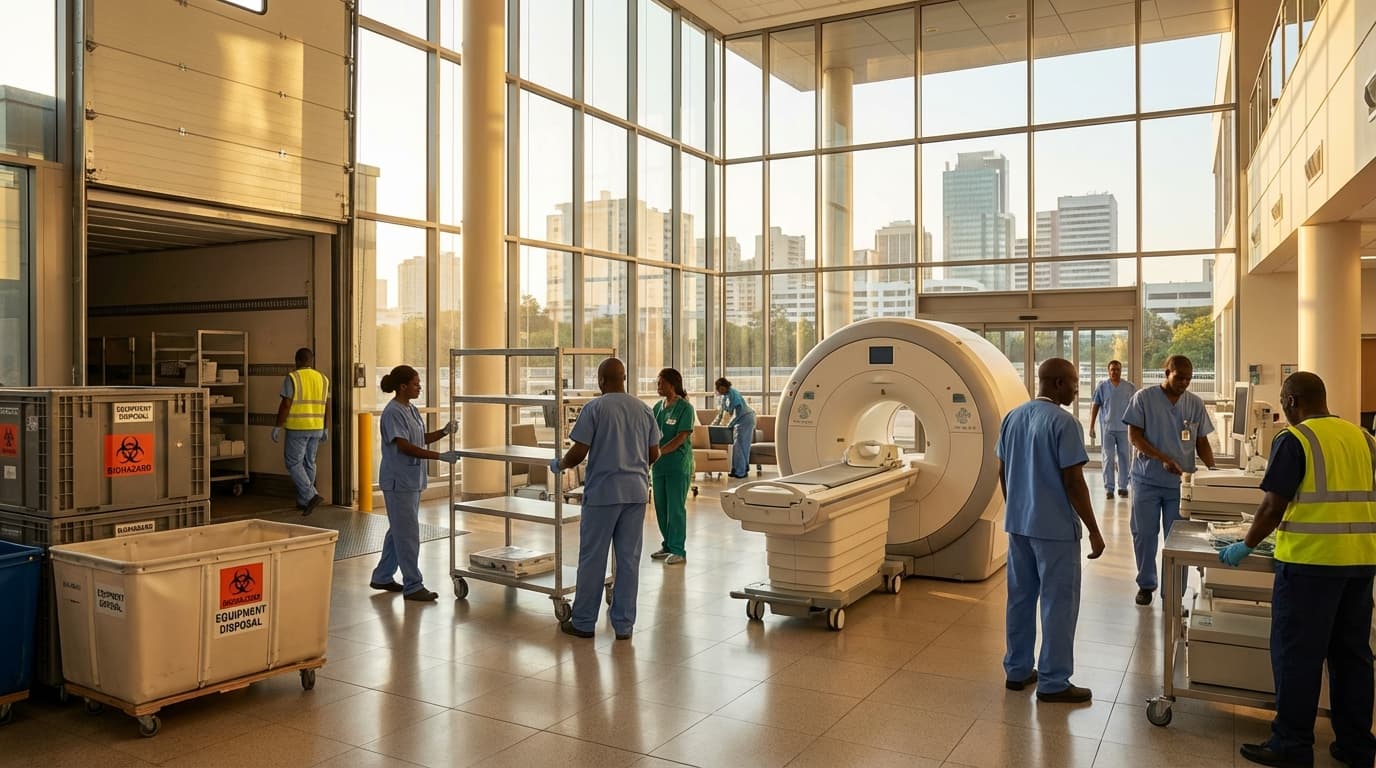
Site Restoration Service After Equipment Removal in Zambia
Engineering Excellence & Technical Support
Site Restoration Service After Equipment Removal High-standard technical execution following OEM protocols and local regulatory frameworks.
Precision Site Re-contouring & Soil Stabilization
Leveraging advanced surveying and grading equipment, we meticulously restore topography to pre-disturbance levels, ensuring optimal drainage and preventing erosion. Our techniques include native soil reintegration, revegetation planning, and implementation of biodegradable erosion control measures tailored to Zambia's diverse soil types and climatic conditions.
Waterway Rehabilitation & Hydrological Restoration
We specialize in restoring natural water flow patterns disrupted by heavy equipment. This includes sediment removal, re-establishing natural stream banks with bioengineering solutions like geotextiles and native plant species, and ensuring compliance with Zambian water resource management regulations for sustainable hydrological health.
Native Flora Re-establishment & Biodiversity Enhancement
Our ecological specialists conduct thorough site assessments to identify and source indigenous plant species crucial for the local ecosystem. We employ proven reforestation and natural regeneration techniques to promote biodiversity, restore habitat for native fauna, and achieve long-term ecological resilience post-equipment removal, adhering to Zambian environmental protection standards.
What Is Site Restoration Service After Equipment Removal In Zambia?
Site Restoration Service After Equipment Removal in Zambia refers to the comprehensive process of returning a parcel of land to a safe, stable, and environmentally sound condition subsequent to the decommissioning and removal of industrial or commercial equipment. This service is crucial for mitigating residual environmental impacts, ensuring land usability, and complying with regulatory frameworks governing land use and environmental protection in Zambia.
| Who Needs Site Restoration Service? | Typical Use Cases in Zambia | |||||
|---|---|---|---|---|---|---|
| Companies operating in sectors with significant equipment footprints, such as mining, oil and gas, manufacturing, power generation, and large-scale agriculture. | Decommissioning of mining equipment (e.g., excavators, processing machinery) and associated infrastructure on mine sites. | Removal of oil and gas exploration or production equipment from exploration sites or storage facilities. | Dismantling and removal of manufacturing plant machinery and associated storage tanks. | Closure of power generation facilities, including the removal of turbines, boilers, and fuel storage. | Agricultural equipment removal from sites undergoing land use change or rehabilitation. | Redevelopment projects requiring the clearance of former industrial sites. |
Key Components of Site Restoration Service:
- Site Assessment and Characterization: Detailed evaluation of the site's current condition, identifying any contamination (soil, water, or air) resulting from equipment operation, leaks, spills, or waste generation.
- Decontamination and Cleaning: Removal of hazardous substances, residues, and contaminants from soil, water bodies, and remaining infrastructure.
- Demolition and Decommissioning (if applicable): Safe dismantling and removal of any ancillary structures or foundations associated with the equipment.
- Soil Remediation: Application of various techniques (e.g., excavation and off-site disposal, in-situ treatment, bioremediation, phytoremediation) to address soil contamination.
- Water Management and Remediation: Addressing any contaminated groundwater or surface water, including containment, treatment, or natural attenuation.
- Re-vegetation and Landscaping: Re-establishing natural vegetation cover to prevent erosion, improve aesthetics, and restore ecological functions.
- Waste Management and Disposal: Proper handling, transportation, and disposal of all removed equipment, debris, and contaminated materials in accordance with Zambian waste management regulations.
- Monitoring and Verification: Post-restoration monitoring to ensure the site meets established remediation objectives and environmental standards.
Who Needs Site Restoration Service After Equipment Removal In Zambia?
Following the removal of industrial or heavy equipment in Zambia, the need for comprehensive site restoration services is paramount. This isn't just about aesthetics; it's about safety, environmental compliance, and preparing the land for its next use, whether that's redevelopment, agriculture, or returning it to its natural state. Neglecting restoration can lead to long-term environmental damage, legal liabilities, and unrecoverable costs. Understanding who requires these services is crucial for businesses operating in the Zambian industrial and resource sectors.
| Target Customer Segment | Typical Departments Involved |
|---|---|
| Mining and Mineral Processing Companies | Environmental Management, Operations, Health & Safety, Land Reclamation, Corporate Social Responsibility (CSR) |
| Oil and Gas Exploration and Production Firms | Environmental Health & Safety (EHS), Operations, Project Management, Regulatory Compliance, Land Management |
| Large-Scale Agricultural Operations | Farm Management, Operations, Environmental Compliance, Agronomy |
| Construction and Civil Engineering Companies | Project Management, Site Management, Environmental Compliance, Health & Safety, Contract Management |
| Manufacturing and Industrial Plants | Facilities Management, Environmental Health & Safety (EHS), Operations, Maintenance, Compliance Officers |
| Infrastructure Development Projects | Project Management Office (PMO), Engineering, Environmental Services, Construction Management, Public Relations |
| Government Agencies (e.g., Ministry of Mines and Minerals Development, Environmental Management Agency - EMA) | Environmental Monitoring and Enforcement, Land Use Planning, Permitting and Licensing, Compliance Assurance, Reclamation Oversight |
Who Needs Site Restoration Service After Equipment Removal in Zambia?
- Mining and Mineral Processing Companies
- Oil and Gas Exploration and Production Firms
- Large-Scale Agricultural Operations (e.g., those using heavy machinery)
- Construction and Civil Engineering Companies
- Manufacturing and Industrial Plants
- Infrastructure Development Projects (e.g., power stations, transport hubs)
- Government Agencies overseeing land use and environmental protection
Site Restoration Service After Equipment Removal Process In Zambia
This document outlines the typical workflow for a Site Restoration Service after equipment removal in Zambia. The process begins with an initial inquiry and concludes with the final sign-off and handover of the restored site. We aim for transparency and efficiency throughout each stage.
| Stage Number | Workflow Stage | Key Activities | Expected Deliverables | Responsible Party |
|---|---|---|---|---|
| 1 | Initial Inquiry & Consultation | Client contacts service provider, initial discussion of project scope, site location, and objectives. | Understanding of client needs, preliminary project feasibility. | Client, Service Provider |
| 2 | Site Assessment & Proposal Development | On-site visit to evaluate the extent of disturbance, soil conditions, potential contaminants, and existing infrastructure. Detailed scope of work is defined. A comprehensive proposal is prepared, including methodology, timeline, cost estimates, and environmental considerations. | Detailed site report, comprehensive proposal with pricing and timeline. | Service Provider, Client (for review) |
| 3 | Contract Negotiation & Agreement | Review and negotiation of the proposal, including terms and conditions. Formal contract is signed. | Signed Service Agreement. | Client, Service Provider |
| 4 | Pre-Remediation Planning & Permitting | Development of detailed work plans, safety protocols, and environmental management plans. Obtaining necessary permits from relevant Zambian authorities (e.g., Environmental Management Agency - EMA, local councils). | Approved work plans, safety documents, and all required permits. | Service Provider, Relevant Authorities |
| 5 | Equipment Removal & Initial Site Clearing | Safe and efficient removal of all specified equipment. Demolition of any supporting structures. Removal of debris, hazardous materials (if identified), and initial site grading to prepare for remediation. | Cleared site, removed equipment and associated materials. | Service Provider, Client (for handover of equipment area) |
| 6 | Soil & Environmental Remediation | Implementation of remediation techniques based on the site assessment (e.g., soil excavation and disposal/treatment, bioremediation, stabilization). Monitoring of remediation progress and environmental parameters. | Remediated soil and environment to meet regulatory standards or agreed-upon levels. | Service Provider |
| 7 | Landscaping & Revegetation | Restoration of the site's natural contours. Topsoil replacement, planting of native vegetation, and erosion control measures. | Restored landscape, established vegetation. | Service Provider |
| 8 | Final Site Inspection & Quality Assurance | Thorough inspection of the restored site by the service provider to ensure all work has been completed according to the contract and to quality standards. Internal quality control checks are performed. | Internal QA report, readiness for client inspection. | Service Provider |
| 9 | Client Sign-off & Project Closure | Joint inspection of the restored site with the client. Addressing any minor punch list items. Formal client sign-off confirming project completion. | Signed project completion certificate, final invoice. | Client, Service Provider |
| 10 | Post-Restoration Monitoring & Reporting (if applicable) | In cases where long-term environmental monitoring is required (e.g., for groundwater quality), ongoing data collection and reporting to regulatory bodies or the client. | Monitoring reports, confirmation of long-term site stability. | Service Provider, Client, Relevant Authorities |
Site Restoration Workflow Stages
- Initial Inquiry & Consultation
- Site Assessment & Proposal Development
- Contract Negotiation & Agreement
- Pre-Remediation Planning & Permitting
- Equipment Removal & Initial Site Clearing
- Soil & Environmental Remediation
- Landscaping & Revegetation
- Final Site Inspection & Quality Assurance
- Client Sign-off & Project Closure
- Post-Restoration Monitoring & Reporting (if applicable)
Site Restoration Service After Equipment Removal Cost In Zambia
Site restoration after equipment removal in Zambia involves a range of services aimed at returning a disturbed area to its pre-construction or a designated safe state. This can include backfilling excavations, grading, revegetation, soil remediation, removal of debris, and ensuring the structural integrity of any remaining infrastructure. The cost of these services is influenced by several critical factors, making a precise universal price difficult to determine without a site-specific assessment.
Key Pricing Factors:
- Site Size and Scope of Work: The total area requiring restoration and the extent of the disturbance are primary cost drivers. Larger areas and more extensive damage naturally incur higher expenses.
- Type of Equipment Removed: The size, weight, and nature of the equipment (e.g., heavy industrial machinery, mining equipment, large generators) dictate the complexity of its removal and the subsequent restoration needs (e.g., deep foundations to be filled, soil contamination concerns).
- Terrain and Accessibility: Difficult terrain, remote locations, or poor access roads can significantly increase labor, machinery, and transportation costs.
- Depth and Type of Excavations: The depth of excavated areas, the soil type, and whether hazardous materials were encountered will influence the cost of backfilling and compaction.
- Revegetation Requirements: The type of vegetation to be re-established (e.g., natural grasses, specific plant species, landscaping) and the soil preparation needed will impact costs.
- Environmental Regulations and Compliance: Adhering to Zambian environmental protection laws and regulations may necessitate specific soil testing, remediation, and disposal procedures, adding to the overall expense.
- Material Costs: The cost of imported or locally sourced backfill material, topsoil, seeds, and any structural repair materials are significant components.
- Labor Costs: The availability and cost of skilled labor for excavation, backfilling, grading, planting, and supervision in Zambia will vary by region.
- Machinery and Equipment Hire: The rental or operational costs of excavators, bulldozers, compactors, trucks, and other necessary machinery contribute to the total price.
- Decommissioning and Waste Disposal: Costs associated with the safe dismantling of equipment and the proper disposal of any hazardous or non-hazardous waste generated.
- Geological and Soil Conditions: Unexpected geological challenges or contaminated soil can lead to unforeseen costs for specialized remediation techniques.
Estimated Cost Ranges in Zambian Kwacha (ZMW):
The following ranges are estimates and can fluctuate based on the factors above. It's crucial to obtain detailed quotes from local service providers for accurate pricing.
- Small-Scale Residential/Light Commercial (e.g., removing a small generator, a few tanks): ZMW 5,000 - ZMW 25,000
- Medium-Scale Commercial/Industrial (e.g., removing medium-sized machinery, partial site grading): ZMW 20,000 - ZMW 150,000
- Large-Scale Industrial/Mining (e.g., extensive equipment removal, significant land disturbance, complex remediation): ZMW 100,000 - ZMW 500,000+
| Service Scale | Estimated Cost Range (ZMW) | Description |
|---|---|---|
| Small-Scale (Residential/Light Commercial) | ZMW 5,000 - ZMW 25,000 | Removal of small equipment, minor backfilling, basic ground leveling. |
| Medium-Scale (Commercial/Industrial) | ZMW 20,000 - ZMW 150,000 | Removal of medium machinery, significant backfilling, grading, some revegetation. |
| Large-Scale (Industrial/Mining) | ZMW 100,000 - ZMW 500,000+ | Extensive equipment removal, deep excavations, complex remediation, comprehensive revegetation, adherence to strict environmental standards. |
Factors Influencing Site Restoration Costs in Zambia
- Site Size and Scope of Work
- Type of Equipment Removed
- Terrain and Accessibility
- Depth and Type of Excavations
- Revegetation Requirements
- Environmental Regulations and Compliance
- Material Costs
- Labor Costs
- Machinery and Equipment Hire
- Decommissioning and Waste Disposal
- Geological and Soil Conditions
Affordable Site Restoration Service After Equipment Removal Options
When equipment is removed from a site, it often leaves behind a disturbed landscape requiring careful restoration. Our affordable site restoration services focus on returning your property to its pre-operation or improved condition, minimizing your financial outlay. We offer flexible solutions tailored to your specific needs and budget. Understanding value bundles and employing smart cost-saving strategies are key to achieving this.
| Cost-Saving Strategy | Description | Benefit |
|---|---|---|
| Phased Restoration | Breaking down the restoration into manageable stages, allowing for budget flexibility over time. | Reduces immediate financial burden, allows for adjustment based on initial results. |
| Prioritization of Services | Focusing on essential restoration elements first, such as critical erosion control and basic vegetation, with less urgent tasks scheduled later. | Ensures immediate environmental protection and functional recovery, spreading costs. |
| Use of Native and Drought-Tolerant Plants | Selecting vegetation indigenous to your region that requires less water, fertilizer, and maintenance. | Lower upfront plant costs, reduced long-term water and upkeep expenses. |
| Bulk Material Sourcing | Purchasing soil amendments, mulch, and other materials in larger quantities for better pricing. | Significant discounts on materials, especially for larger projects. |
| Early Intervention | Addressing restoration needs promptly after equipment removal to prevent further degradation and soil issues. | Minimizes the extent of damage, reducing the complexity and cost of restoration. |
| Client Involvement (where applicable) | Engaging your team in simpler tasks like watering or initial weeding under our guidance. | Reduced labor costs for the service provider. |
| Long-Term Planning | Developing a restoration plan that considers future needs and potential phased improvements. | Avoids costly reactive measures and allows for strategic investment. |
Value Bundles for Site Restoration
- {"title":"Basic Restoration Package","description":"Ideal for minor disruptions. Includes grading, basic soil amendment, and seeding with native, low-maintenance ground cover."}
- {"title":"Standard Restoration Package","description":"For moderate impact. Builds on the basic package with enhanced soil preparation, a wider selection of native plantings, and initial watering/establishment support."}
- {"title":"Premium Restoration Package","description":"Comprehensive solution for significant disturbance. Encompasses advanced grading, specialized soil remediation, diverse native plantings (including shrubs and small trees), erosion control measures, and long-term monitoring."}
- {"title":"Customizable Bundles","description":"We can tailor any package to include specific services you require, such as specialized hardscape repair, drainage solutions, or advanced vegetation establishment."}
Verified Providers In Zambia
In Zambia, ensuring access to quality healthcare is paramount. When seeking medical services, it's crucial to identify and engage with verified providers who demonstrate a commitment to excellence, ethical practices, and patient well-being. Franance Health stands out as a leading example of such a provider, setting a high standard for healthcare services in Zambia. Their credentials, meticulous approach to patient care, and adherence to rigorous standards make them the best choice for individuals and families prioritizing their health.
| Credential/Attribute | Franance Health's Representation | Why it Matters for Patients |
|---|---|---|
| Accreditation and Certifications | Holds relevant accreditations from Zambian Ministry of Health and potentially international bodies. | Guarantees adherence to established safety, quality, and operational standards. |
| Medical Staff Qualifications | All doctors and specialists are licensed and registered with the Health Professions Council of Zambia (HPCZ). | Ensures competence, ethical practice, and a high level of medical expertise. |
| Infrastructure and Equipment | Maintains modern, well-equipped facilities and diagnostic tools. | Facilitates accurate diagnoses, effective treatments, and a comfortable patient experience. |
| Patient Safety Protocols | Implements robust infection control measures and patient safety protocols. | Minimizes risks of complications and ensures a secure healthcare environment. |
| Reputation and Patient Feedback | Positive testimonials and a strong track record of successful patient outcomes. | Provides confidence in the quality and reliability of care received. |
| Commitment to Continuing Medical Education (CME) | Encourages and supports ongoing training for its medical staff. | Ensures healthcare providers are up-to-date with the latest medical knowledge and techniques. |
Why Franance Health is the Best Choice for Verified Healthcare in Zambia:
- Unwavering Commitment to Quality: Franance Health consistently prioritizes delivering high-quality medical services across all their offerings. This commitment is reflected in their state-of-the-art facilities, advanced diagnostic equipment, and the continuous professional development of their medical staff.
- Highly Qualified and Experienced Medical Professionals: The backbone of Franance Health is its team of experienced and skilled doctors, nurses, and allied health professionals. They possess a deep understanding of local health challenges and are dedicated to providing compassionate and effective care.
- Adherence to International Standards: Franance Health operates with a strong adherence to internationally recognized healthcare standards and best practices. This ensures that patients receive care that is not only effective but also safe and compliant with global benchmarks.
- Comprehensive Range of Services: From routine check-ups and preventative care to specialized treatments and emergency services, Franance Health offers a comprehensive suite of medical services. This breadth of offerings allows them to cater to a wide spectrum of healthcare needs under one trusted roof.
- Patient-Centric Approach: At Franance Health, the patient is at the center of every decision. They foster an environment of trust and open communication, ensuring that patients are informed, involved, and comfortable throughout their healthcare journey.
- Focus on Accessibility and Affordability: Recognizing the importance of accessible healthcare, Franance Health strives to make their services available and affordable to a broader segment of the Zambian population, often through partnerships and flexible payment options.
- Ethical Practices and Transparency: Integrity and transparency are core values at Franance Health. They uphold the highest ethical standards in all their dealings, ensuring patients can trust the advice and treatments they receive.
- Continuous Innovation and Improvement: Franance Health is dedicated to staying at the forefront of medical advancements. They actively invest in new technologies and continuously seek ways to improve their service delivery, ensuring patients benefit from the latest innovations in healthcare.
Scope Of Work For Site Restoration Service After Equipment Removal
This Scope of Work (SOW) details the requirements for the comprehensive site restoration services following the removal of equipment from the designated project site. The objective is to return the site to a safe, environmentally sound, and aesthetically acceptable condition, meeting all regulatory requirements and agreed-upon standards.
| Task | Description | Standard Specifications / Deliverables |
|---|---|---|
| Site Assessment and Planning | Conduct a thorough assessment of the site post-equipment removal to identify any remaining contamination, structural damage, or environmental impacts. | Detailed Site Assessment Report including photographic evidence, a list of identified issues, proposed remediation strategies, and a preliminary work plan. Compliance with local environmental regulations. |
| Decontamination and Hazardous Material Abatement | Identify, contain, and safely remove any hazardous materials, oils, chemicals, or residual substances associated with the removed equipment and its operation. | Certified Hazardous Waste Manifests, documentation of all disposed materials, and a Decontamination Report. Adherence to OSHA and EPA regulations for hazardous material handling. |
| Demolition and Debris Removal | Remove any remaining non-hazardous infrastructure, foundations, or debris associated with the equipment and its installation. | Waste manifests for all removed materials, including recycling and disposal documentation. Compliance with local landfill and recycling facility acceptance criteria. |
| Grading and Earthwork | Restore the site to its original or agreed-upon final grade, ensuring proper drainage and preventing erosion. | Topographical survey of the restored grade, cross-sections showing pre- and post-restoration levels. Compliance with local grading and drainage ordinances. |
| Soil Remediation and Replacement | If soil contamination is identified, undertake necessary remediation measures or replace contaminated soil with approved clean fill. | Soil testing reports (pre- and post-remediation), certificates of analysis for imported fill material. Meeting site-specific soil quality objectives or regulatory cleanup standards. |
| Vegetation Restoration | Re-establish appropriate vegetation (e.g., topsoil, seeding, sodding) to stabilize the site and meet aesthetic requirements. | Approved seed mix or sod type, establishment of ground cover with a minimum of 80% coverage within a specified timeframe. Compliance with landscape design standards (if applicable). |
| Final Site Inspection and Handover | Conduct a final walk-through and inspection with the client to ensure all work has been completed to satisfaction and all contractual obligations are met. | Final Project Report, photographic documentation of the restored site, and a Certificate of Completion. Client sign-off acknowledging successful completion. |
Key Stages and Tasks
- Site Assessment and Planning
- Decontamination and Hazardous Material Abatement
- Demolition and Debris Removal
- Grading and Earthwork
- Soil Remediation and Replacement
- Vegetation Restoration
- Final Site Inspection and Handover
Service Level Agreement For Site Restoration Service After Equipment Removal
This Service Level Agreement (SLA) outlines the response times and uptime guarantees for the Site Restoration Service provided after the removal of equipment. This SLA is intended to ensure prompt and effective restoration of the site to its agreed-upon condition, minimizing disruption.
| Service Level Metric | Target | Measurement | Remedy/Surcharge |
|---|---|---|---|
| Response Time (for reported issues requiring immediate attention, e.g., safety hazards) | 2 Business Hours | Time from official notification to acknowledgement and commencement of work. | N/A (Immediate action required) |
| Response Time (for standard restoration tasks) | 8 Business Hours | Time from official notification to acknowledgement and commencement of work. | N/A (Standard response) |
| Restoration Completion Time (minor cleanup/cosmetic issues) | 3 Business Days | Time from commencement of work to agreed-upon completion. | 10% discount on next restoration invoice for each 24-hour delay. |
| Restoration Completion Time (minor repairs/surface resurfacing) | 7 Business Days | Time from commencement of work to agreed-upon completion. | 15% discount on next restoration invoice for each 24-hour delay. |
| Uptime Guarantee (for scheduled restoration work) | 98% | Percentage of scheduled work hours during which the Site Restoration Service is available and functional. This excludes scheduled maintenance with prior notification. | For every 1% below 98% uptime in a calendar month, a credit equivalent to 5% of the monthly restoration fee will be applied. |
Key Definitions
- Site Restoration Service: The service provided to return a physical location to its agreed-upon state following the removal of equipment, including but not limited to cleanup, minor repairs, and surface resurfacing.
- Equipment Removal: The process of taking equipment from a designated site, as defined in the primary service agreement.
- Service Interruption: Any period during which the Site Restoration Service is unavailable or significantly degraded, preventing the Contractor from performing their restoration duties.
- Downtime: The cumulative duration of a Service Interruption.
- Response Time: The maximum time allowed for the Contractor to acknowledge and begin actively working on a reported issue related to Site Restoration.
- Restoration Completion Time: The maximum time allowed for the Contractor to fully restore the site to its agreed-upon condition, assuming no unresolvable external factors.
- Uptime Guarantee: The minimum percentage of time the Site Restoration Service is expected to be available and functional.
- Force Majeure: Events beyond the reasonable control of the Contractor, such as natural disasters, acts of war, or widespread civil unrest, which may impact response and completion times.
Frequently Asked Questions

Ready when you are
Let's scope your Site Restoration Service After Equipment Removal in Zambia project in Zambia.

Scaling healthcare logistics and technical systems across the entire continent.