
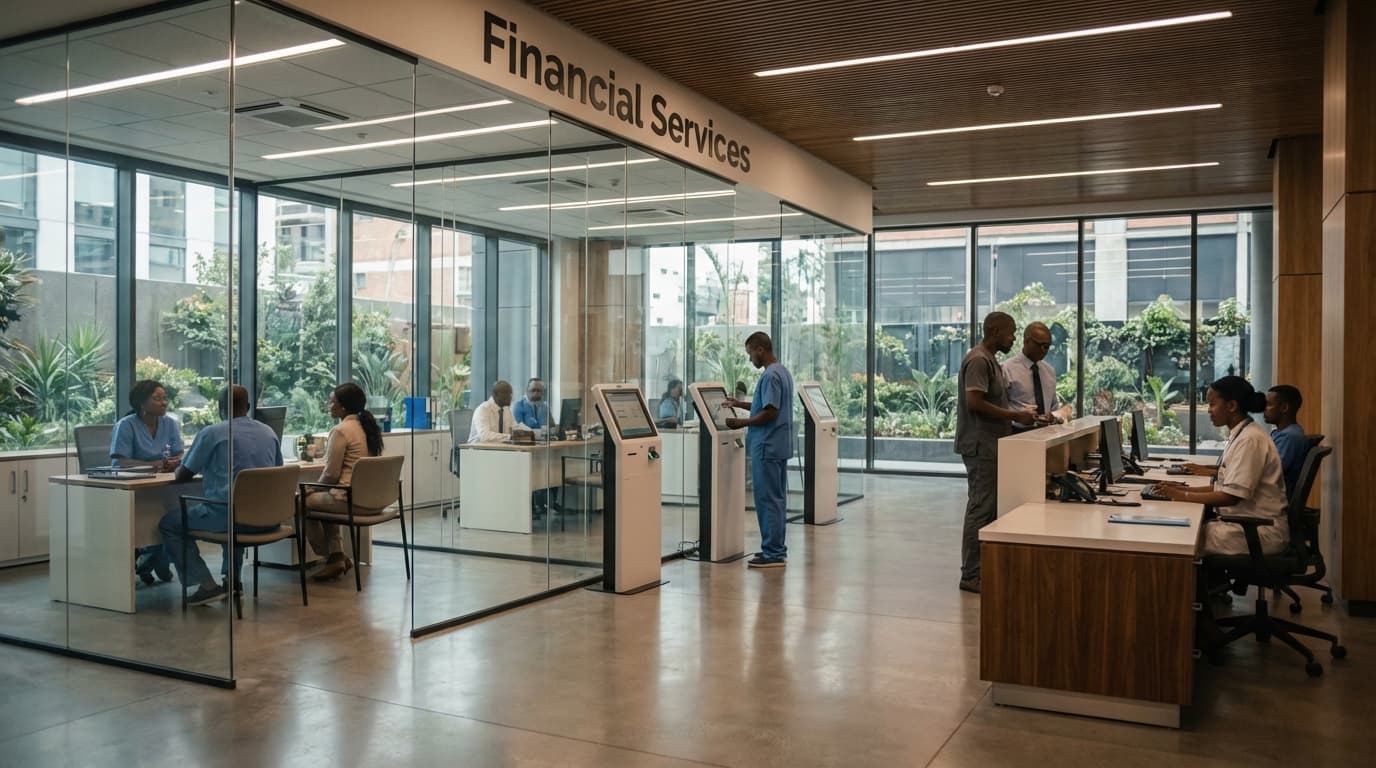
Medical Equipment Financing in Zambia
Engineering Excellence & Technical Support
Leasing and financing solutions for medical equipment High-standard technical execution following OEM protocols and local regulatory frameworks.
Streamlined Application Process
Our user-friendly online portal simplifies medical equipment financing applications in Zambia, reducing paperwork and accelerating approvals for healthcare providers.
Flexible Repayment Options
We offer tailored repayment schedules designed to match the revenue cycles of Zambian healthcare facilities, ensuring manageable financial commitments for essential equipment.
Competitive Interest Rates
Access advanced medical technology with our competitive interest rates, specifically structured for the Zambian market, maximizing affordability and return on investment for clinics and hospitals.
What Is Medical Equipment Financing In Zambia?
Medical equipment financing in Zambia refers to the provision of capital by financial institutions to healthcare providers for the acquisition of medical devices, machinery, and technology. This service is structured to alleviate the significant upfront capital expenditure typically associated with purchasing advanced medical equipment, thereby enhancing healthcare service delivery capacity and quality within the Zambian context. It encompasses a range of financial instruments, including loans, leases, and sometimes grants, tailored to the specific needs and financial capacity of the healthcare entity. The primary objective is to facilitate access to essential and advanced medical technologies that might otherwise be beyond the immediate financial reach of hospitals, clinics, diagnostic centers, and individual medical practitioners.
| Typical Use Cases for Medical Equipment Financing | Description |
|---|---|
| Diagnostic Imaging Equipment | Acquisition of MRI scanners, CT scanners, X-ray machines, ultrasound devices, and other imaging technologies for enhanced diagnostic capabilities. |
| Surgical Equipment | Procurement of advanced surgical instruments, operating room equipment (e.g., surgical lights, tables), anesthesia machines, and minimally invasive surgical systems. |
| Laboratory and Pathology Equipment | Financing for automated analyzers, microscopes, centrifuges, incubators, and other laboratory instrumentation for accurate testing and diagnostics. |
| Patient Monitoring Systems | Investment in vital signs monitors, electrocardiographs (ECGs), ventilators, and other critical care monitoring devices to improve patient safety and management. |
| Dental Equipment | Funding for dental chairs, X-ray units, sterilization equipment, and handpieces for dental practices. |
| Rehabilitation and Physical Therapy Equipment | Acquisition of exercise machines, therapeutic devices, and assistive technologies for rehabilitation centers and physical therapy units. |
| Hospital Furniture and Fixtures | While not strictly 'equipment', financing can sometimes extend to essential hospital infrastructure that supports the use of medical equipment, such as specialized beds or examination tables. |
| Information Technology (IT) Infrastructure for Healthcare | While often separate, financing may cover IT systems directly supporting medical equipment operation, such as PACS (Picture Archiving and Communication System) or EMR (Electronic Medical Record) systems linked to specific devices. |
Key Stakeholders and Needs for Medical Equipment Financing in Zambia
- {"title":"Public Healthcare Facilities","description":"Government-owned hospitals and clinics at national, provincial, and district levels require financing to upgrade aging infrastructure and procure new equipment to meet the growing demand for healthcare services and to comply with modern medical standards. This is crucial for expanding access to specialized treatments and improving patient outcomes, particularly in underserved areas."}
- {"title":"Private Hospitals and Clinics","description":"Privately operated healthcare institutions, ranging from small polyclinics to large tertiary care hospitals, utilize financing to differentiate their services, attract a wider patient base, and maintain a competitive edge. Investment in cutting-edge diagnostic and therapeutic equipment is a key strategy for enhancing service portfolios and revenue generation."}
- {"title":"Diagnostic and Imaging Centers","description":"Specialized centers focused on medical imaging (e.g., MRI, CT scans, X-ray) and laboratory diagnostics are heavily reliant on sophisticated and expensive equipment. Financing enables them to acquire the latest technologies for accurate and timely diagnosis, thereby supporting other healthcare providers and serving patients directly."}
- {"title":"Individual Medical Practitioners and Small Practices","description":"Doctors, dentists, and other specialists operating in private practice may require financing for essential equipment specific to their discipline, such as dental chairs, specialized surgical tools, or diagnostic devices, to establish or expand their practice."}
- {"title":"Non-Governmental Organizations (NGOs) and Faith-Based Organizations (FBOs)","description":"Organizations providing healthcare services, often in remote or low-income communities, can leverage financing to acquire necessary medical equipment and improve the sustainability and scope of their humanitarian or charitable healthcare initiatives."}
Who Needs Medical Equipment Financing In Zambia?
Medical equipment financing in Zambia is crucial for a range of healthcare providers and institutions looking to acquire, upgrade, or maintain essential medical machinery. This financing allows them to overcome the significant upfront costs associated with purchasing state-of-the-art equipment, ensuring they can deliver quality patient care. The target customers are diverse, encompassing both public and private sector entities, as well as individual practitioners.
| Department/Area | Typical Equipment Needs Requiring Financing |
|---|---|
| Radiology/Imaging | MRI machines, CT scanners, X-ray machines, Ultrasound devices, Mammography units |
| Surgery | Surgical theaters (operating tables, lights, anesthesia machines), laparoscopic equipment, surgical instruments, electrocautery units |
| Intensive Care Unit (ICU) | Ventilators, patient monitors, infusion pumps, defibrillators, specialized beds |
| Emergency Room (ER) | Cardiac monitors, portable X-ray units, ventilators, trauma equipment, resuscitation carts |
| Cardiology | ECG machines, echocardiography machines, stress test equipment, cardiac catheterization labs |
| Oncology | Linear accelerators, brachytherapy equipment, chemotherapy infusion pumps |
| Laboratory Services | Hematology analyzers, biochemistry analyzers, microscopes, centrifuges, DNA sequencers |
| General Practice/Outpatient | Diagnostic equipment (e.g., otoscopes, ophthalmoscopes), minor surgical equipment, examination beds |
| Dental | Dental chairs, X-ray units, sterilization equipment, handpieces |
| Rehabilitation | Physiotherapy equipment (e.g., treadmills, exercise machines), occupational therapy tools, electrotherapy devices |
Who Needs Medical Equipment Financing in Zambia? Target Customers and Departments
- {"title":"Public Hospitals and Clinics","description":"Government-owned healthcare facilities, from district hospitals to national referral centers, often face budget constraints. Financing helps them procure vital equipment for diagnostics, treatment, and emergency care, improving accessibility and quality of services for the broader population."}
- {"title":"Private Hospitals and Specialist Clinics","description":"These facilities, aiming to offer advanced medical services and attract a wider patient base, require modern and specialized equipment. Financing enables them to invest in cutting-edge technology for areas like cardiology, oncology, orthopedics, and diagnostic imaging."}
- {"title":"Non-Governmental Organizations (NGOs) and Faith-Based Organizations (FBOs)","description":"Many NGOs and FBOs operate healthcare programs in underserved areas. Equipment financing allows them to establish or enhance their facilities, providing essential medical services to vulnerable communities."}
- {"title":"Diagnostic Laboratories and Imaging Centers","description":"These specialized centers rely heavily on sophisticated equipment for accurate diagnosis. Financing is essential for acquiring and upgrading technologies like MRI machines, CT scanners, X-ray machines, and advanced laboratory analyzers."}
- {"title":"Individual Medical Practitioners and Small Practices","description":"Doctors, dentists, and other healthcare professionals establishing or expanding their private practices can utilize financing to purchase necessary equipment, such as examination tables, dental chairs, ultrasound machines, and specialized surgical tools."}
- {"title":"Medical Training Institutions","description":"Universities, colleges, and vocational schools that train healthcare professionals require functional and up-to-date medical equipment for practical training. Financing helps them equip their simulation labs and teaching hospitals."}
Medical Equipment Financing Process In Zambia
Financing medical equipment in Zambia typically involves a structured process designed to assess the borrower's financial health, the viability of the equipment, and the overall risk for the lender. This workflow ensures that both parties are protected and that the financing agreement is sound. The process usually begins with an initial inquiry and culminates in the successful execution and disbursement of the loan.
| Stage | Description | Key Participants | Typical Documentation/Requirements |
|---|---|---|---|
| Inquiry and Initial Consultation | Prospective borrowers (hospitals, clinics, medical practitioners) express interest in financing medical equipment. Lenders provide an overview of their financing products, terms, and eligibility criteria. | Borrower (Healthcare Facility/Professional), Lender (Bank, Financial Institution) | Company profile, basic financial overview, intended equipment |
| Application Submission and Documentation | The borrower formally applies for financing and submits a comprehensive set of documents for review. | Borrower, Lender | Completed loan application form, detailed business plan, historical financial statements (3-5 years), projected financial statements, KYC documents (ID, proof of address), company registration documents, tax identification number, pro forma invoice for equipment |
| Credit Assessment and Underwriting | Lenders analyze the borrower's creditworthiness, financial stability, and repayment capacity. This involves reviewing financial statements, credit history, and other relevant information. | Lender (Credit Analysts, Underwriters) | Financial statement analysis, credit reports, industry analysis, cash flow projections, debt-to-equity ratio assessment |
| Equipment Appraisal and Due Diligence | The medical equipment itself is evaluated to determine its market value, condition, and suitability for financing. This may involve independent appraisals. | Lender, Independent Appraisers, Equipment Suppliers | Equipment specifications, supplier's quotation/pro forma invoice, independent appraisal report |
| Loan Offer and Term Sheet Generation | If the borrower meets the lender's criteria, a formal loan offer or term sheet is issued, outlining the proposed loan amount, interest rate, repayment period, fees, and other key terms and conditions. | Lender, Borrower | Term Sheet/Loan Offer Letter |
| Legal Documentation and Agreement | Once the borrower accepts the offer, legal agreements are drafted and finalized. This includes the loan agreement, security agreements, and any other necessary legal instruments. | Lender's Legal Counsel, Borrower's Legal Counsel | Loan Agreement, Promissory Note, Security Agreements (e.g., Charge on Assets), Guarantees (if applicable) |
| Collateral Perfection and Insurance | The lender takes steps to perfect their security interest in the financed equipment (e.g., registration of charges). The equipment is also required to be insured against damage or loss. | Lender, Borrower, Registrar of Companies, Insurance Providers | Proof of insurance, registration documents for collateral |
| Loan Disbursement | Upon fulfillment of all conditions, the loan amount is disbursed, typically directly to the equipment supplier or to the borrower's designated account. | Lender, Borrower, Equipment Supplier | Disbursement instruction, confirmation of receipt of funds |
| Equipment Installation and Commissioning | The borrower installs and commissions the medical equipment. The lender may require confirmation of successful installation and operational readiness. | Borrower, Equipment Supplier, Lender (optional inspection) | Installation reports, commissioning certificates |
| Repayment and Servicing | The borrower begins making regular loan repayments as per the agreed schedule. The lender monitors the account for timely payments and addresses any issues that may arise. | Borrower, Lender | Regular loan repayments, statements of account |
Medical Equipment Financing Process in Zambia: Key Stages
- Inquiry and Initial Consultation
- Application Submission and Documentation
- Credit Assessment and Underwriting
- Equipment Appraisal and Due Diligence
- Loan Offer and Term Sheet Generation
- Legal Documentation and Agreement
- Collateral Perfection and Insurance
- Loan Disbursement
- Equipment Installation and Commissioning
- Repayment and Servicing
Medical Equipment Financing Cost In Zambia
Securing medical equipment financing in Zambia involves navigating a landscape influenced by several key pricing factors. These factors collectively determine the overall cost of borrowing, ultimately impacting the affordability of essential healthcare infrastructure for clinics, hospitals, and private practitioners. Understanding these elements is crucial for making informed financial decisions.
The primary pricing factors for medical equipment financing in Zambia include:
- Interest Rates: This is the most significant cost component, representing the percentage charged by lenders for the use of their capital. Interest rates are influenced by the prevailing monetary policy of the Bank of Zambia, inflation rates, and the lender's risk assessment. Higher inflation and a more restrictive monetary policy generally lead to higher interest rates.
- Loan Tenure (Repayment Period): Longer loan terms can sometimes translate to lower periodic payments, but they often result in a higher total interest paid over the life of the loan. Shorter terms mean higher monthly repayments but less overall interest.
- Equipment Value and Type: The total value of the medical equipment being financed is a direct determinant of the loan amount. Certain types of equipment, particularly high-risk or specialized machinery, might carry higher financing costs due to perceived depreciation or maintenance risks.
- Down Payment/Deposit: A larger down payment reduces the principal loan amount, thereby lowering the overall interest paid and potentially securing more favorable interest rates from lenders. Lenders often view a substantial deposit as a sign of the borrower's financial commitment and stability.
- Lender Fees: This encompasses various charges levied by financial institutions, including origination fees, processing fees, administrative charges, and potentially legal fees. These fees are typically a one-time charge at the beginning of the loan but can add to the total cost.
- Collateral: While not always a direct pricing factor for the interest rate itself, the availability or lack of suitable collateral can influence the lender's risk appetite. If collateral is required, its value and liquidity can impact the terms offered. Sometimes, the equipment itself serves as collateral.
- Borrower's Creditworthiness: A strong credit history, proven financial stability, and a solid business plan significantly improve a borrower's standing. Lenders are more likely to offer lower interest rates and better terms to borrowers with a lower perceived risk.
- Insurance Costs: Financing agreements often require comprehensive insurance for the medical equipment. The cost of this insurance, borne by the borrower, is an additional expense associated with the financing.
- Economic Stability and Currency Fluctuations: Zambia's economic performance, including inflation and the stability of the Zambian Kwacha (ZMW), plays a vital role. Significant currency depreciation can increase the cost of imported medical equipment and, consequently, the financing required. Lenders may factor in currency risk, especially for loans denominated in foreign currency.
Pricing Ranges in Local Currency (ZMW):
It's important to note that providing precise pricing ranges is challenging due to the dynamic nature of the financial market and the specific circumstances of each loan. However, general estimates can be provided. Figures are illustrative and subject to change based on the factors mentioned above.
Interest Rates: In Zambia, interest rates for business loans, including medical equipment financing, can vary significantly. Currently (as of late 2023/early 2024), these rates can range from 18% per annum to 30% per annum or higher, depending on the lender, the borrower's risk profile, and prevailing economic conditions. For specialized or higher-risk financing, rates might even exceed this range.
Loan Tenures: Medical equipment financing can be structured for periods ranging from 1 to 7 years, with longer tenures potentially available for very high-value and durable equipment. Shorter tenures (1-3 years) are common for less expensive or rapidly depreciating items.
Fees: Origination and processing fees can typically range from 1% to 5% of the loan principal. Other administrative fees might be charged on a per-transaction basis or as a small percentage of the loan amount.
Illustrative Example (Hypothetical):
Consider financing medical equipment valued at ZMW 500,000 over 5 years with an annual interest rate of 22% and a 2% origination fee.
- Loan Principal: ZMW 500,000
- Origination Fee (2%): ZMW 10,000
- Total Amount Financed (excluding interest): ZMW 500,000
- Estimated Monthly Repayment (Principal & Interest): Approximately ZMW 13,160 (this is a simplified calculation and excludes potential insurance or other fees).
- Total Interest Paid over 5 years: Approximately ZMW 289,600
- Total Cost of Financing (Principal + Interest + Fees): ZMW 500,000 + ZMW 289,600 + ZMW 10,000 = ZMW 799,600
This example highlights how interest rates significantly contribute to the overall cost. It is always advisable for potential borrowers to obtain multiple quotes from different financial institutions and carefully review all terms and conditions before committing to a financing agreement. Engagement with financial advisors or brokers specializing in medical equipment financing can also provide valuable guidance.
| Pricing Component | Typical Range (ZMW) | Notes |
|---|---|---|
| Annual Interest Rate | 18% - 30%+ p.a. | Highly variable based on market conditions, lender, and borrower risk. |
| Loan Tenure | 1 - 7 years | Dependent on equipment value, type, and borrower's capacity. |
| Origination/Processing Fees | 1% - 5% of loan principal | One-time charges at the beginning of the loan. |
| Administrative Fees | Varies | May be per-transaction or a small percentage of loan amount. |
Key Pricing Factors for Medical Equipment Financing in Zambia
- Interest Rates
- Loan Tenure (Repayment Period)
- Equipment Value and Type
- Down Payment/Deposit
- Lender Fees
- Collateral
- Borrower's Creditworthiness
- Insurance Costs
- Economic Stability and Currency Fluctuations
Affordable Medical Equipment Financing Options
Acquiring necessary medical equipment can be a significant investment for healthcare providers, from small clinics to large hospitals. Fortunately, a range of affordable financing options exists to ease this burden. Understanding these options, including the benefits of value bundles and effective cost-saving strategies, is crucial for optimizing budget allocation and ensuring access to essential medical technology. This guide explores how to make informed decisions about medical equipment financing.
| Strategy/Concept | Description | Benefits | Considerations |
|---|---|---|---|
| Value Bundles | Purchasing equipment along with associated services, training, maintenance, and consumables as a package deal from a single vendor. | Simplified procurement, potentially lower overall cost through volume discounts, integrated support, predictable operational expenses. | Ensure the bundle meets all specific needs; avoid paying for unneeded components; compare bundled prices against separate purchases. |
| Negotiating Bulk Discounts | Leveraging the purchase of multiple pieces of equipment or higher quantities to secure reduced prices from manufacturers or suppliers. | Significant cost savings per unit, stronger vendor relationships, potential for future volume-based benefits. | Requires accurate forecasting of needs; ensure storage and integration capabilities for larger acquisitions. |
| Refurbished or Pre-owned Equipment | Acquiring equipment that has been previously used, professionally restored, and certified to meet functional standards. | Substantially lower upfront cost compared to new equipment, often comes with a warranty. | Thorough inspection and reputable seller are essential; understand the remaining lifespan and serviceability. |
| Lease Buyback Programs | When a lease term ends, some vendors offer buyback options for older equipment, which can offset the cost of newer models. | Reduces disposal costs, provides credit towards new purchases, ensures proper disposal of old equipment. | Understand the buyback value and terms in advance; compare with market resale value. |
| Long-Term Service Contracts | Negotiating extended warranties or service agreements that cover maintenance and repairs for a longer period, often at a fixed rate. | Predictable maintenance costs, reduced risk of unexpected repair expenses, ensures equipment uptime. | Review contract details carefully for exclusions and response times; compare with the cost of out-of-warranty repairs. |
| Vendor Financing Programs | Many equipment manufacturers offer in-house financing or partnerships with lenders, often with competitive rates for their products. | Streamlined application process, potentially flexible terms tailored to the equipment, can be easier to secure. | Compare vendor rates with independent lenders; ensure terms are transparent and manageable. |
Key Medical Equipment Financing Options
- Leasing: A flexible option where you rent equipment for a fixed period. At the end of the lease, you can return it, upgrade, or purchase it at its residual value.
- Loans: Traditional financing where you borrow a lump sum to purchase equipment, repaying it with interest over time. Secured loans often offer better terms.
- Rent-to-Own Programs: Similar to leasing, but with a higher portion of payments credited towards the purchase price, making ownership more attainable.
- Medical Equipment Financing Companies: Specialized lenders that focus on providing capital for healthcare providers, often with more tailored solutions than traditional banks.
- Government Grants and Subsidies: For specific types of equipment or underserved communities, grants can offer non-repayable funding.
- Partnerships and Shared Ownership: Collaborating with other practices or facilities to share the cost and usage of high-value equipment.
Verified Providers In Zambia
In Zambia, ensuring access to reliable and high-quality healthcare is paramount. Franance Health has emerged as a leading force, distinguished by its commitment to rigorous verification and an unwavering dedication to patient well-being. This document outlines why Franance Health stands out as the premier choice for healthcare services in Zambia, detailing their credentialing processes and the benefits they offer.
| Credential Type | Franance Health Verification Process | Significance for Patients |
|---|---|---|
| Academic Qualifications | Verification of degrees, diplomas, and certifications from recognized institutions. | Ensures providers possess foundational medical knowledge and training. |
| Professional Licenses | Confirmation of current and valid licenses to practice medicine in Zambia. | Guarantees providers are legally permitted to offer medical services. |
| Board Certifications | Validation of specialization certifications from relevant medical boards. | Confirms expertise in specific medical fields and advanced knowledge. |
| Professional Experience | Review of work history, practice duration, and relevant case experience. | Indicates practical application of knowledge and skill. |
| Ethical Conduct & Malpractice History | Background checks, including review of professional conduct records and absence of malpractice claims. | Protects patients from potential harm and ensures ethical treatment. |
| Continuing Medical Education (CME) | Confirmation of active participation in ongoing training and educational programs. | Ensures providers are up-to-date with the latest medical advancements. |
Franance Health Credentials and Why They Represent the Best Choice
- Rigorous Provider Verification: Franance Health employs a multi-stage verification process for all healthcare providers. This includes scrutinizing academic qualifications, professional licenses, and board certifications to ensure that only competent and legitimately practicing individuals are part of their network.
- Comprehensive Background Checks: Beyond professional credentials, Franance Health conducts thorough background checks, including criminal record verification and malpractice history reviews. This ensures patient safety and trust in the providers they recommend.
- Specialization and Expertise Validation: Franance Health actively validates the specialization and expertise of its providers. This involves confirming their experience in specific medical fields, their participation in advanced training, and often peer endorsements, guaranteeing access to the right specialist for any health need.
- Commitment to Ethical Practice: A core tenet of Franance Health's credentialing is the adherence to stringent ethical guidelines and professional conduct. They ensure providers uphold the highest standards of patient care, confidentiality, and integrity.
- Continuous Professional Development: Franance Health partners with providers who demonstrate a commitment to ongoing learning and professional development. This ensures that their network stays abreast of the latest medical advancements, technologies, and best practices.
- Patient-Centric Approach: The verification process at Franance Health is designed with the patient's best interests at its core. By ensuring provider quality and trustworthiness, they aim to provide peace of mind and facilitate access to effective healthcare solutions.
- Benefits of Choosing Verified Providers:
- Enhanced Patient Safety: The rigorous vetting process significantly reduces the risk of encountering unqualified or unethical practitioners, thereby enhancing patient safety.
- Improved Healthcare Outcomes: Access to highly qualified and experienced specialists directly contributes to more accurate diagnoses, effective treatments, and better overall health outcomes.
- Increased Trust and Confidence: Knowing that providers have undergone thorough verification builds trust and confidence for patients seeking medical care.
- Efficient Healthcare Navigation: Franance Health simplifies the process of finding reliable healthcare providers, saving patients time and reducing the stress associated with searching for quality medical services.
- Access to Specialized Care: Their network ensures that patients can readily access specialized medical expertise, which might otherwise be difficult to find.
Scope Of Work For Medical Equipment Financing
This Scope of Work (SOW) outlines the technical deliverables and standard specifications for the financing of medical equipment. The objective is to secure financing that meets the operational needs of [Healthcare Facility Name] for specific medical equipment, ensuring compliance with industry standards and regulatory requirements.
| Category | Item | Standard Specification / Requirement | Documentation Required |
|---|---|---|---|
| General Equipment | Age of Equipment | New or refurbished within the last [X] years (specific to equipment type). | Manufacturer's certificate of origin, bill of sale, refurbishment certificate. |
| General Equipment | Functionality | Must be fully functional and meet advertised performance specifications. | Technical datasheets, performance reports, site acceptance test (SAT) reports. |
| General Equipment | Safety Standards | Must comply with relevant international and national safety standards (e.g., IEC 60601 series). | Safety certification documents (e.g., CE mark, UL listing). |
| Imaging Equipment | Image Quality | Resolution, contrast ratio, signal-to-noise ratio meeting [specific clinical application] requirements. | Technical specifications, sample images with anonymized patient data, QA reports. |
| Imaging Equipment | Radiation Safety | Compliance with radiation protection regulations and dose optimization features. | Radiation safety certificates, operational dose reports. |
| Diagnostic Equipment | Accuracy and Precision | Sensitivity, specificity, and reproducibility meeting established clinical benchmarks. | Validation reports, performance validation certificates, internal QA data. |
| Diagnostic Equipment | Connectivity | Compatibility with existing Hospital Information System (HIS) and Picture Archiving and Communication System (PACS) using standard protocols (e.g., HL7, DICOM). | Connectivity diagrams, interface specifications, DICOM conformance statements. |
| Surgical Equipment | Sterilization Compatibility | Must be compatible with standard hospital sterilization methods (e.g., autoclave, EtO). | Manufacturer's sterilization guidelines, validation reports. |
| Surgical Equipment | Ergonomics | Design considerations for ease of use, patient safety, and clinician comfort. | User manuals, ergonomic design documentation. |
| Laboratory Equipment | Throughput | Meeting the required sample processing capacity per hour/day. | Technical specifications, performance logs. |
| Laboratory Equipment | Reagent Compatibility | Compatibility with approved and readily available reagents. | Reagent lists, compatibility matrices. |
| IT & Software | Software Version | Latest stable and supported version, with clear upgrade path. | Software license agreements, version release notes, support contracts. |
| IT & Software | Cybersecurity | Robust cybersecurity features to protect patient data (HIPAA compliant). | Security feature documentation, penetration test reports (if applicable). |
Key Technical Deliverables
- Detailed equipment specifications (including model numbers, manufacturers, key technical features, performance metrics, and power requirements).
- Proof of ownership or lease agreement for the financed equipment.
- Maintenance and service agreements for the equipment.
- Installation and commissioning reports.
- User manuals and training documentation.
- Warranty certificates.
- Compliance certifications (e.g., FDA, CE, ISO standards).
- Asset tagging and inventory management details.
- End-of-life disposal or refurbishment plans (if applicable).
Service Level Agreement For Medical Equipment Financing
This Service Level Agreement (SLA) outlines the response times and uptime guarantees for medical equipment financing services provided by [Your Company Name] to [Client Name]. This SLA is an integral part of the overarching financing agreement between the parties.
| Service Component | Criticality Level | Response Time Target | Uptime Guarantee | Remedy for Failure |
|---|---|---|---|---|
| Equipment Operational Status Inquiry (e.g., funding status, ownership verification) | Low | 4 business hours | N/A (Service-based) | Service Credit: 5% of monthly service fee for each incident of exceeding response time target by more than 2 hours. |
| Financing Document Retrieval (e.g., loan agreements, payment schedules) | Medium | 2 business hours | N/A (Service-based) | Service Credit: 10% of monthly service fee for each incident of exceeding response time target by more than 1 hour. |
| Technical Support Referral (for issues impacting equipment operation directly related to financing) | High | 1 business hour | N/A (Service-based, referral only) | Service Credit: 15% of monthly service fee for each incident of exceeding response time target by more than 30 minutes. |
| Equipment Lease Termination/Transfer Support (timely processing) | High | 48 business hours | N/A (Service-based) | Service Credit: 20% of monthly service fee for each incident of exceeding response time target by more than 12 hours. |
| Overall Equipment Uptime (as it pertains to financing status, e.g., preventing repossession due to financing delinquency) | Critical | N/A | 99.9% | Service Credit: 5% of the monthly financing payment for every full 0.1% the uptime guarantee is not met. If uptime falls below 99%, the Client may have the right to renegotiate terms or terminate the agreement without penalty. |
Key Performance Indicators (KPIs) and Guarantees
- Response Time: The maximum time allowed for [Your Company Name] to acknowledge and begin addressing a reported issue.
- Uptime Guarantee: The minimum percentage of time that the financed medical equipment is expected to be operational, assuming proper maintenance and operation by the client.
Frequently Asked Questions

Ready when you are
Let's scope your Medical Equipment Financing in Zambia project in Zambia.

Scaling healthcare logistics and technical systems across the entire continent.