
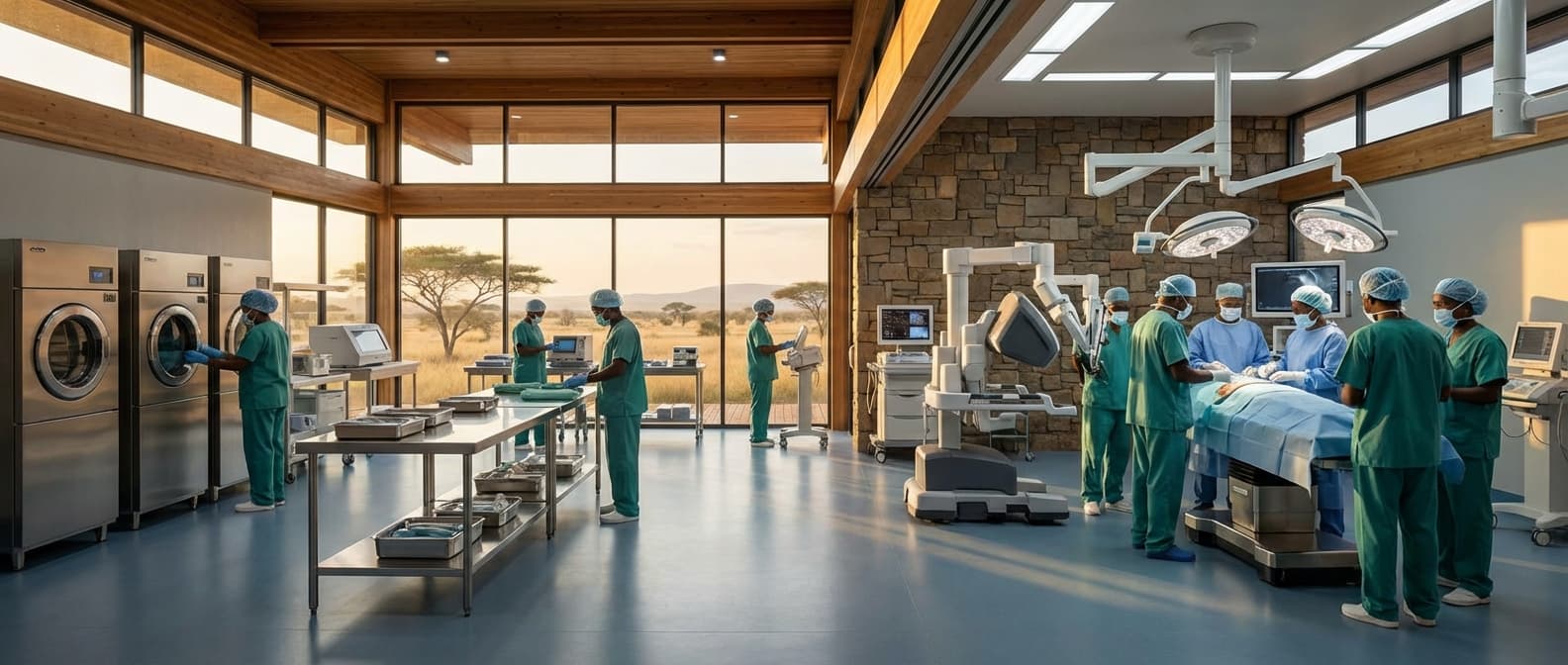
Medical Gas System Design & Installation in Zambia
Engineering Excellence & Technical Support
Medical gas pipeline systems: O2, N2O, air, vacuum High-standard technical execution following OEM protocols and local regulatory frameworks.
Zambian Medical Gas Standards Compliance
Ensuring all medical gas systems in Zambia strictly adhere to the latest Zambian Bureau of Standards (ZBS) and international healthcare facility guidelines (e.g., HTM, NFPA) for safety, efficacy, and patient well-being. This includes rigorous compliance checks for pipeline materials, alarm systems, and terminal units.
Robust Medical Gas Pipeline Installation
Expert installation of medical gas pipelines across Zambia, utilizing high-purity copper tubing and brazing techniques to guarantee leak-free systems for critical gases such as oxygen, medical air, vacuum, and nitrous oxide. Focus on minimizing pressure drops and ensuring consistent gas supply to patient care areas.
Advanced Medical Gas Alarm & Monitoring Solutions
Implementation of sophisticated medical gas alarm and monitoring systems tailored for Zambian healthcare environments. These systems provide real-time alerts for pressure deviations, low gas supply, and other critical parameters, ensuring immediate response from medical staff and maintaining operational continuity for life-saving medical gases.
What Is Medical Gas System Design & Installation In Zambia?
Medical gas system design and installation in Zambia refers to the specialized engineering and construction process of planning, specifying, and implementing a network of piped medical gases within healthcare facilities. This encompasses the generation, storage, distribution, and point-of-use delivery of gases essential for patient care and medical procedures. The design phase involves detailed architectural integration, adherence to national and international standards (such as ISO 7396 and local Zambian regulations), and selection of appropriate materials and equipment. Installation requires certified technicians to ensure leak-proof connections, proper pressure regulation, and fail-safe operation. The system typically includes medical air, oxygen, nitrous oxide, medical vacuum, and potentially other specialty gases like nitrogen for surgical tools. The objective is to provide a reliable, safe, and continuous supply of medical gases to patient rooms, operating theaters, recovery areas, and other clinical settings.
| Who Needs Medical Gas System Design & Installation? | Typical Use Cases | ||||||||||
|---|---|---|---|---|---|---|---|---|---|---|---|
| Hospitals (Public and Private): All sizes, from district hospitals to specialized tertiary care centers. | Operating Theaters: Anesthesia (oxygen, nitrous oxide), ventilation, and surgical power (medical air, nitrogen). | Intensive Care Units (ICUs) & High Dependency Units (HDUs): Mechanical ventilation (oxygen, medical air), oxygen therapy. | Emergency Departments & Accident & Emergency (A&E) Units: Resuscitation, oxygen therapy, nebulization. | General Wards & Patient Rooms: Oxygen therapy, continuous positive airway pressure (CPAP) / bilevel positive airway pressure (BiPAP). | Neonatal Intensive Care Units (NICUs): Specific gas mixtures and controlled oxygen delivery. | Dialysis Centers: Medical vacuum for waste fluid removal. | Dental Clinics (with surgical suites): Nitrous oxide for sedation, medical air. | Rehabilitation Centers (with specific therapy areas): Medical air for respiratory therapy. | Specialized Clinics (e.g., Pulmonary, Cardiology): Diagnostic and therapeutic gas applications. | New Healthcare Facility Construction: Integral part of the building design from inception. | Renovation or Expansion of Existing Facilities: Upgrading or extending existing gas infrastructure. |
Key Components and Considerations in Medical Gas System Design & Installation
- Gas Source: Centralized bulk storage (liquid oxygen, liquid nitrous oxide), medical air compressors, or cylinder banks.
- Piping Network: Specialized medical-grade copper or stainless steel tubing, brazed or welded connections, pressure testing, and purging.
- Alarm Systems: Continuous monitoring of pressure, flow, and purity with audible and visual alarms for deviations.
- Pressure Regulators and Control Valves: Ensuring correct pressure reduction and isolation for different areas.
- Outlet Stations: Standardized connectors for various gas types at patient bedsides and procedure areas.
- Shut-off Valves: Strategically placed to allow for maintenance and emergency isolation.
- Emergency Standby Systems: Redundant supply options (e.g., cylinder banks) for critical gases.
- Ventilation and Exhaust: Proper management of waste gases (e.g., anesthetic scavenging).
- Material Compliance: Use of materials certified for medical gas service, free from contaminants.
- Regulatory Adherence: Compliance with Zambian Ministry of Health guidelines and relevant international standards.
Who Needs Medical Gas System Design & Installation In Zambia?
Medical gas systems are critical infrastructure for any healthcare facility, ensuring the safe and reliable supply of essential gases like oxygen, medical air, and vacuum. In Zambia, as the healthcare sector continues to grow and modernize, the demand for expert medical gas system design and installation is on the rise. This service is vital for a wide range of institutions and departments that rely on these systems for patient care, diagnostic procedures, and surgical interventions.
| Department/Area | Critical Medical Gas Needs | Examples of Use |
|---|---|---|
| Operating Rooms (ORs) | Oxygen, Medical Air, Nitrous Oxide (anesthetic) | Anesthesia delivery, patient ventilation during surgery, resuscitation. |
| Intensive Care Units (ICUs) / High Dependency Units (HDUs) | Oxygen, Medical Air, Vacuum | Mechanical ventilation, oxygen therapy, airway management, wound drainage. |
| Emergency Departments (EDs) | Oxygen, Medical Air, Vacuum | Resuscitation, oxygen therapy, CPAP/BiPAP therapy, airway suctioning. |
| Maternity Wards / Neonatal Intensive Care Units (NICUs) | Oxygen, Medical Air | Oxygen therapy for newborns with respiratory distress, assisted ventilation. |
| Pulmonary/Respiratory Departments | Oxygen, Medical Air | Nebulizer treatments, long-term oxygen therapy, pulmonary function testing. |
| Anesthesia Departments | Oxygen, Medical Air, Nitrous Oxide | Delivery of anesthetic gases for procedures, patient monitoring. |
| General Wards / Patient Rooms | Oxygen, Vacuum | Supplemental oxygen therapy, suction for secretions. |
| Laboratories (Diagnostic & Research) | Medical Air, Nitrogen, Carbon Dioxide (depending on application) | Equipment calibration, cell culture, specific diagnostic tests. |
| Endoscopy Suites | Oxygen, Medical Air, Vacuum | Patient support during procedures, sedation, airway management. |
| Dialysis Centers | Medical Air | Used in some dialysis machines for disinfection or specific processes. |
Target Customers and Departments in Zambia Requiring Medical Gas System Design & Installation:
- Hospitals (Public & Private): From large tertiary referral centers to smaller community hospitals, all require robust and compliant medical gas systems.
- Specialized Clinics & Treatment Centers: Facilities focusing on specific areas like intensive care, respiratory therapy, oncology, and surgery have a direct and immediate need.
- Emergency Medical Services (EMS) / Ambulances: Ensuring reliable gas supply for transport is crucial for patient stabilization en route.
- Rehabilitation Centers: Providing medical gases for patients with respiratory conditions during their recovery.
- Research & Development Facilities within Healthcare: Laboratories often utilize medical gases for specific experiments and analyses.
- Veterinary Hospitals (for critical care): While not human-focused, advanced veterinary facilities often employ similar life-support gas systems for animal patients.
Medical Gas System Design & Installation Process In Zambia
The design and installation of medical gas systems in Zambia is a complex process governed by specific regulations and best practices. It involves a series of well-defined stages, starting from the initial client inquiry and culminating in the successful commissioning and handover of the system. This workflow ensures that the medical gas systems are safe, reliable, and compliant with national and international standards, crucial for patient care.
| Stage | Description | Key Activities | Responsible Parties | Deliverables/Outcomes |
|---|---|---|---|---|
| 1. Inquiry & Initial Assessment | The process begins with a potential client (hospital, clinic, etc.) expressing interest in a new medical gas system or an upgrade/modification to an existing one. | Initial consultation, understanding client needs and scope, site survey to assess existing infrastructure, preliminary budget discussion, defining project requirements (types of gases, outlets, pressures, flow rates). | Client (Hospital/Clinic Management), Design/Engineering Firm, Project Manager. | Scope of Work document, Preliminary Project Proposal, Site Assessment Report. |
| 2. Design & Planning | Detailed engineering design of the medical gas system based on the initial assessment and relevant standards. | Developing detailed schematics (piping layouts, plant room design, medical gas pipeline installation drawings), selecting appropriate materials (copper piping, valves, regulators, alarms), creating Bill of Materials (BOM), obtaining necessary permits and approvals from Zambian authorities (e.g., Ministry of Health, Engineering Institution of Zambia), developing project schedule and budget. | Design/Engineering Firm, Specialist Medical Gas Engineers, Project Manager, Client (for review and approval), Regulatory Bodies. | Detailed Engineering Drawings and Specifications, Bill of Materials (BOM), Project Schedule, Approved Permits and Licenses. |
| 3. Procurement & Fabrication | Sourcing and acquiring all necessary components and equipment for the system, and fabricating any custom parts. | Ordering materials and equipment from approved suppliers, ensuring compliance with specifications, quality control checks on delivered materials, fabrication of specialized components if required. | Procurement Department (of contractor/firm), Suppliers, Quality Control Inspectors, Fabrication Workshop (if applicable). | Procured Materials and Equipment, Fabrication Documentation. |
| 4. Installation | The physical construction and installation of the medical gas system within the facility. | Site preparation, installation of main supply lines (including bulk storage tanks/cylinders, manifolds, compressors, vacuum pumps), running of in-wall piping, installation of medical gas outlets, pressure reducing stations, alarm systems, and ventilation systems. Adherence to strict installation procedures and safety protocols. | Installation Technicians, Certified Medical Gas Installers, Site Supervisor, Project Manager, Health & Safety Officer. | Installed Medical Gas Piping Network, Connected Equipment, Initial System Integrity Checks. |
| 5. Testing, Commissioning & Handover | Rigorous testing and validation of the installed system to ensure it meets all performance and safety requirements before it is put into operation. | Pressure testing of piping, purge of lines to remove contaminants, gas purity analysis, functional testing of all components (outlets, alarms, pressure regulators), flow rate and pressure verification, final inspection by regulatory authorities, training of facility staff on system operation and maintenance, formal handover of the system and documentation. | Commissioning Engineers, Testing Technicians, Project Manager, Client Representatives, Regulatory Inspectors, Facility Staff. | Test Reports, Commissioning Certificates, As-Built Drawings, Operation & Maintenance Manuals, Training Records, Formal Handover Certificate. |
| 6. Post-Installation & Maintenance | Ongoing support and maintenance to ensure the continued safe and reliable operation of the medical gas system. | Scheduled preventative maintenance, reactive maintenance for any issues, routine testing and certification, supply of medical gases, and emergency support. | Maintenance Team, Service Engineers, Medical Gas Suppliers, Client Facilities Department. | Scheduled Maintenance Records, Service Reports, Ongoing System Reliability and Safety. |
Medical Gas System Design & Installation Workflow in Zambia
- Phase 1: Inquiry & Initial Assessment
- Phase 2: Design & Planning
- Phase 3: Procurement & Fabrication
- Phase 4: Installation
- Phase 5: Testing, Commissioning & Handover
- Phase 6: Post-Installation & Maintenance
Medical Gas System Design & Installation Cost In Zambia
Designing and installing a medical gas system in Zambia involves a variety of factors that influence the overall cost. These systems are critical for healthcare facilities, providing essential gases like oxygen, medical air, vacuum, and sometimes nitrous oxide or specialty gases. The complexity of the system, the size of the facility, the quality of components chosen, and the labor involved are all significant cost drivers. When considering pricing, it's important to understand that quotes can vary considerably between different suppliers and installers. Local economic conditions, the availability of specialized expertise, and the specific regulatory requirements in Zambia also play a role in shaping the final price.
| System Component/Service | Estimated Cost Range (ZMW - Zambian Kwacha) | Notes |
|---|---|---|
| Basic Design and Consultation | 5,000 - 15,000 | For smaller facilities or basic systems |
| Medical Gas Pipeline (per meter, installed) | 500 - 1,500 | Includes copper piping, insulation, and labor. Varies with complexity. |
| Oxygen Outlets (complete unit) | 1,000 - 3,000 | Price per outlet, depending on type and brand |
| Medical Air Compressor (small to medium capacity) | 50,000 - 150,000 | Includes compressor, dryer, and filtration |
| Vacuum Pump System (small to medium capacity) | 40,000 - 120,000 | Includes pump, receiver, and control |
| Bulk Oxygen Storage (e.g., liquid oxygen tank, modular) | 100,000 - 500,000+ | Significant upfront cost, depends on capacity and supplier |
| Alarm & Monitoring System (basic) | 10,000 - 30,000 | For essential pressure monitoring |
| System Testing, Commissioning & Certification | 20,000 - 70,000 | Crucial for compliance and safety |
| Installation Labor (fully skilled team, per day) | 1,500 - 3,000 | Can vary based on location and availability |
| Total Estimated Cost (Small Clinic/Ward) | 200,000 - 600,000 | For a limited number of outlets and basic gases |
| Total Estimated Cost (Medium Hospital Unit) | 750,000 - 2,500,000+ | For multiple wards, more gases, and higher capacity equipment |
Key Pricing Factors for Medical Gas Systems in Zambia
- System Complexity and Scope: The number of medical gas outlets, the types of gases required, and the overall footprint of the facility significantly impact the cost. More outlets and a larger area naturally lead to higher material and installation expenses.
- Type and Quality of Medical Gases: While oxygen is standard, the inclusion of other gases like medical air, vacuum, nitrous oxide, or carbon dioxide will increase the price. The grade and purity of these gases, as well as their sourcing and storage solutions, also affect costs.
- Pipeline Infrastructure: The length and material of the medical gas pipelines are crucial. Copper is the standard material for medical gases due to its anti-microbial properties and durability, but the quantity needed and the complexity of routing (e.g., through walls, ceilings, or underground) will determine this cost component.
- Central Gas Supply Equipment: This includes bulk oxygen tanks, medical air compressors, vacuum pumps, and their associated control panels and alarms. The capacity and brand of this equipment are major cost drivers. Higher capacity and premium brands will be more expensive.
- Gas Outlets and Services: The number and type of medical gas outlets (e.g., DISS, quick connect), as well as other services like electrical outlets and nurse call systems integrated into the terminal units, will influence the cost.
- Alarm and Monitoring Systems: Robust alarm systems are essential for medical gas safety. The complexity of the monitoring system, including pressure and flow monitoring, and its integration with facility-wide alarm systems, will add to the cost.
- Installation Labor and Expertise: The availability of qualified and experienced medical gas installers in Zambia is a critical factor. Specialized training and certification for these technicians command higher labor rates. The geographic location within Zambia can also affect labor costs.
- Regulatory Compliance and Certification: Ensuring the system meets Zambian and international standards (e.g., HTM 02-01, NFPA 99) involves costs associated with design reviews, testing, commissioning, and obtaining necessary certifications.
- Project Management and Design Fees: Professional design and project management services are vital for ensuring a compliant and efficient system. These fees are part of the overall project cost.
- Contingency and unforeseen costs: It is always advisable to include a contingency of 10-15% in the budget to cover any unforeseen issues that may arise during installation.
Affordable Medical Gas System Design & Installation Options
Designing and installing a medical gas system involves significant investment. However, by exploring affordable options, value bundles, and implementing strategic cost-saving measures, healthcare facilities can achieve their operational needs without exceeding their budget. This guide outlines key considerations and practical approaches to ensure cost-effectiveness in medical gas system projects.
| Cost-Saving Strategy | Description | Potential Benefits |
|---|---|---|
| Value Bundles | Providers often offer integrated packages that combine design, installation, equipment, and sometimes even initial maintenance. These bundles can provide a fixed price and streamline the procurement process. | Predictable costs, reduced administrative overhead, potential for bulk discounts, faster project completion. |
| Phased Installation | For new constructions or major renovations, consider installing essential systems first and phasing in additional outlets or gases as budget allows and clinical needs evolve. | Lower upfront capital expenditure, allows for gradual budget allocation, flexibility in project timeline. |
| Standardized Equipment Selection | Opting for standard, widely available equipment and components can lead to better pricing and easier maintenance compared to highly specialized or custom-made items. | Lower equipment purchase costs, readily available spare parts, reduced repair times, potentially lower technician training requirements. |
| Energy-Efficient Solutions | When applicable (e.g., for air compressors or vacuum systems), selecting energy-efficient models can lead to significant savings on electricity bills over the system's lifespan. | Reduced operational expenses, lower environmental impact, potential for utility rebates. |
| Pre-Fabricated Components | Utilizing pre-fabricated pipe assemblies or modular panels can reduce on-site labor time and improve installation quality, thereby lowering installation costs. | Faster installation, reduced labor costs, improved consistency and quality control. |
| Negotiation and Competitive Bidding | Thoroughly research providers and engage in competitive bidding to secure the best pricing for design, equipment, and installation services. | Lower overall project cost, ensures market-competitive pricing. |
| Long-Term Maintenance Contracts | While an upfront cost, a well-structured maintenance contract can prevent costly emergency repairs and ensure system longevity, often at a more predictable rate than ad-hoc service. | Reduced risk of unexpected major repairs, extended equipment lifespan, predictable operational expenses. |
| Refurbished or Remanufactured Equipment | For non-critical components or in less demanding environments, exploring certified refurbished or remanufactured equipment can offer significant savings compared to new purchases. | Lower capital investment for equipment. |
Key Considerations for Affordable Medical Gas Systems
- Understanding project scope and requirements early on.
- Researching and comparing different system types (e.g., piped gas, cylinder banks).
- Prioritizing essential medical gases and outlets based on clinical needs.
- Evaluating the long-term operational and maintenance costs.
- Considering modular or scalable system designs for future expansion.
- Leveraging technology for remote monitoring and diagnostics to reduce on-site visits.
- Exploring partnerships with experienced and reputable medical gas system providers.
Verified Providers In Zambia
In Zambia's rapidly evolving healthcare landscape, identifying trusted and verified providers is paramount for ensuring quality care. Franance Health stands out as a beacon of reliability and excellence. This document outlines Franance Health's credentials and explains why they represent the best choice for your healthcare needs in Zambia.
| Feature | Benefit to Patients | Franance Health's Commitment |
|---|---|---|
| Ministry of Health Accreditation | Assurance of quality, safety, and compliance with national health standards. | Franance Health consistently meets and exceeds the rigorous standards set by the Ministry of Health. |
| Licensed and Certified Professionals | Expert medical care from qualified and experienced doctors, nurses, and specialists. | We employ only rigorously vetted and fully licensed healthcare professionals. |
| Range of Medical Services | Convenient access to a broad spectrum of healthcare services under one roof. | Our integrated approach ensures comprehensive care for all your health concerns. |
| Modern Diagnostic & Treatment Tools | Accurate diagnoses and effective, up-to-date treatment options. | Investment in cutting-edge medical technology is a priority for us. |
| Focus on Patient Experience | Comfortable and supportive healthcare environment with clear communication. | We are dedicated to providing empathetic and personalized patient care. |
| Commitment to Public Health | Contribution to a healthier Zambian population through proactive health programs. | Franance Health is deeply invested in the well-being of the communities we serve. |
Franance Health's Key Credentials and Offerings
- Ministry of Health Accreditation: Franance Health operates under the strict guidelines and accreditation of the Zambian Ministry of Health, ensuring adherence to national healthcare standards and regulations.
- Licensed Medical Professionals: All healthcare practitioners associated with Franance Health are fully licensed and registered with their respective professional bodies in Zambia, guaranteeing qualified and ethical service delivery.
- Comprehensive Service Portfolio: Franance Health offers a wide spectrum of medical services, encompassing primary care, specialist consultations, diagnostic services, and preventative health programs, catering to diverse patient needs.
- Advanced Medical Technology: The organization invests in and utilizes modern medical equipment and technology, facilitating accurate diagnoses and effective treatment protocols.
- Patient-Centric Approach: Franance Health prioritizes patient well-being and satisfaction, offering compassionate care, clear communication, and personalized treatment plans.
- Community Health Initiatives: Beyond individual patient care, Franance Health actively engages in community health programs, promoting public health awareness and disease prevention across Zambia.
- Strong Ethical Framework: Adherence to the highest ethical standards in medical practice, including patient confidentiality and informed consent, is a cornerstone of Franance Health's operations.
Scope Of Work For Medical Gas System Design & Installation
This Scope of Work (SOW) outlines the requirements for the design and installation of a comprehensive medical gas system. It covers all aspects from initial design and engineering to final testing and commissioning, ensuring compliance with all relevant codes and standards. The project aims to provide a safe, reliable, and efficient medical gas supply throughout the facility.
| Phase/Activity | Description | Key Deliverables | Applicable Standards/Codes | |||||
|---|---|---|---|---|---|---|---|---|
| Design and Engineering | Development of detailed design drawings, specifications, and calculations for the medical gas system, including piping layout, equipment selection, pressure regulation, alarm systems, and outlet placement. | 2D/3D Design Drawings (P&ID, Isometrics, Layouts) | NFPA 99, NFPA 55, ASSE 6000 Series, Local Building Codes | Engineering Calculations (Pressure Drop, Flow Rate) | Equipment Submittals | Construction Specifications | ||
| System Installation | Installation of all medical gas piping, valves, regulators, manifolds, alarms, outlets, and associated equipment in accordance with approved design documents and manufacturer instructions. | Installed Medical Gas Piping Network | NFPA 99, NFPA 55, ASSE 6000 Series, Manufacturer Installation Manuals | Installed Alarm Systems | Installed Gas Outlets and Valves | Installed Manifold Systems | Installed Pressure Regulators | |
| Testing, Inspection, and Commissioning | Comprehensive testing of the entire medical gas system to verify performance, safety, and compliance. This includes leak testing, pressure testing, purity testing, and functional testing of all components and alarms. | Pressure Decay Test Reports | NFPA 99, ASSE 6030 | Leak Testing Reports | Purity Analysis Reports (Oxygen, Medical Air) | Functional Test Reports for Alarms and Regulators | System Performance Verification Reports | Third-Party Inspection Reports (if applicable) |
| Documentation and Training | Provision of all necessary documentation, including as-built drawings, operation and maintenance manuals, and training for facility personnel on the operation and maintenance of the medical gas system. | As-Built Drawings | Operation and Maintenance Manuals | Training Materials | Certified Training Sessions | Warranties and Guarantees |
Key Project Phases and Activities
- Project Initiation and Planning
- Design and Engineering
- Procurement and Material Management
- System Installation
- Testing, Inspection, and Commissioning
- Documentation and Training
- Project Closeout
Service Level Agreement For Medical Gas System Design & Installation
This Service Level Agreement (SLA) outlines the guaranteed response times and uptime for the design and installation services of medical gas systems provided by [Your Company Name] to [Client Company Name]. This SLA is an integral part of the Master Service Agreement (MSA) between the parties.
| Service Phase | Issue Type | Response Time Guarantee (Business Hours) | Resolution Time Guarantee (Business Hours) | Uptime Guarantee (Post-Installation) | |
|---|---|---|---|---|---|
| Design Phase | Clarification Request/Minor Design Change | 4 Business Hours | 8 Business Hours (for initial clarification response) | N/A | |
| Design Phase | Major Design Revision Request | 8 Business Hours (acknowledgment) | Dependent on scope, to be mutually agreed upon in writing. | N/A | |
| Installation Phase | Critical System Failure (during installation testing) | 1 Business Hour | 4 Business Hours (initial diagnosis and plan) | N/A | |
| Installation Phase | Major System Malfunction (during installation testing) | 2 Business Hours | 8 Business Hours (initial diagnosis and plan) | N/A | |
| Installation Phase | Minor System Issue (during installation) | 4 Business Hours | 16 Business Hours (scheduled for repair) | N/A | |
| Post-Installation (Warranty Period) | Critical System Failure | 1 Business Hour | 4 Business Hours (repair initiated) | 99.9% (excluding scheduled maintenance) | 99.9% (excluding scheduled maintenance) |
| Post-Installation (Warranty Period) | Major System Malfunction | 2 Business Hours | 8 Business Hours (repair initiated) | 99.8% (excluding scheduled maintenance) | |
| Post-Installation (Warranty Period) | Minor System Issue | 4 Business Hours | 24 Business Hours (scheduled for repair) | 99.5% (excluding scheduled maintenance) |
Key Service Definitions
- Design Phase: Encompasses the creation of detailed engineering plans, schematics, and specifications for the medical gas system.
- Installation Phase: Refers to the physical assembly, connection, and testing of the medical gas system components according to approved designs.
- Critical System Failure: A complete or partial loss of medical gas supply, or a failure in the system's monitoring and alarm capabilities that poses an immediate risk to patient safety or operational continuity.
- Major System Malfunction: A significant impairment of medical gas system performance that does not immediately endanger patient safety but requires urgent attention to prevent escalation.
- Minor System Issue: A non-critical problem or defect that does not affect the immediate availability or safety of the medical gas supply but requires remediation.
- Response Time: The maximum allowed time from the client's notification of an issue until a qualified [Your Company Name] technician acknowledges the issue and begins troubleshooting.
- Resolution Time: The maximum allowed time from the client's notification of an issue until the issue is resolved to the agreed-upon operational standards.
- Uptime Guarantee: The percentage of time the medical gas system is expected to be fully operational and available for use.
Frequently Asked Questions

Ready when you are
Let's scope your Medical Gas System Design & Installation in Zambia project in Zambia.

Scaling healthcare logistics and technical systems across the entire continent.