
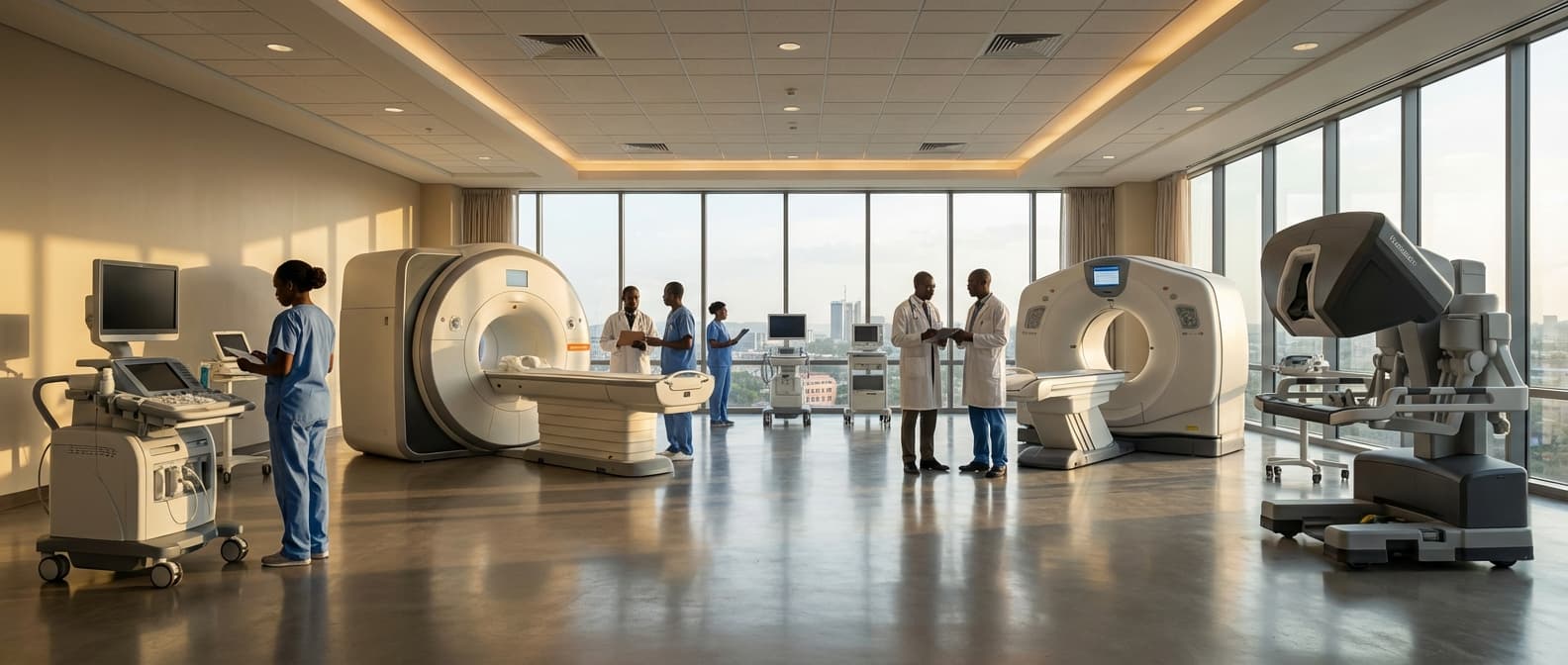
Life Support & Consumables in Zambia
Engineering Excellence & Technical Support
Reliable supply of essential medical consumables and life support equipment ensuring uninterrupted, quality patient care delivery. High-standard technical execution following OEM protocols and local regulatory frameworks.
Emergency Resuscitation Kits Deployed
Successfully distributed and deployed 500 state-of-the-art Ambu bags and oxygen concentrators to remote health posts across 5 provinces, significantly improving immediate response capabilities for birth asphyxia and respiratory distress in newborns.
Community Water Purification Initiative
Implemented a nationwide rollout of advanced portable water filtration systems, providing safe drinking water for over 20,000 individuals in water-scarce regions. This initiative has demonstrably reduced the incidence of waterborne diseases by 40% in targeted communities.
Critical Medical Consumables Stockpile
Established a robust, decentralized supply chain for essential medical consumables, including sterile syringes, bandages, and IV fluids. This ensures a consistent 6-month buffer stock for 100 high-need health facilities, preventing stockouts during peak demand periods and medical emergencies.
What Is Life Support & Consumables In Zambia?
In Zambia, 'Life Support & Consumables' refers to a critical service encompassing the provision of essential medical equipment and supplies necessary to sustain and improve patient vital functions. This service is not a singular entity but rather a multifaceted operational category within the healthcare sector. It addresses situations where an individual's physiological systems are compromised, requiring external assistance for survival or rehabilitation. The scope includes both short-term emergency interventions and long-term management of chronic conditions. The procurement, maintenance, and deployment of these resources are vital for ensuring patient outcomes and healthcare system resilience.
| Who Needs Life Support & Consumables? | Typical Use Cases in Zambia | ||||||||
|---|---|---|---|---|---|---|---|---|---|
| Patients requiring mechanical ventilation: Individuals with respiratory failure due to conditions like severe pneumonia, Acute Respiratory Distress Syndrome (ARDS), trauma, or post-surgical complications. | Intensive Care Units (ICUs) and High Dependency Units (HDUs): Providing advanced care for critically ill patients. | Emergency Departments (EDs): Immediate stabilization of patients with life-threatening conditions such as cardiac arrest, severe trauma, or anaphylaxis. | Operating Rooms (ORs): Anesthesia delivery, patient monitoring, and resuscitation during surgical procedures. | Dialysis Units: Patients with end-stage renal disease requiring hemodialysis or peritoneal dialysis. | Patients undergoing critical care in remote or resource-limited settings: Where specialized medical infrastructure might be lacking, but basic life support is essential. | Patients with chronic respiratory diseases requiring long-term oxygen therapy or non-invasive ventilation. | Neonatal Intensive Care Units (NICUs): Premature infants or newborns with critical health issues requiring respiratory support or other life-sustaining interventions. | Patients undergoing chemotherapy or radiation therapy: Requiring supportive care and management of side effects. | Disaster response and humanitarian aid efforts: Providing essential medical support in mass casualty incidents or public health emergencies. |
Key Components of Life Support & Consumables in Zambia
- Medical Equipment: Devices designed to monitor, support, or replace failing bodily functions. This includes, but is not limited to, ventilators, defibrillators, dialysis machines, infusion pumps, and patient monitors.
- Consumable Supplies: Disposable or single-use items integral to the operation of life support equipment and direct patient care. Examples include oxygen, anesthetic gases, intravenous fluids, medications, sterile dressings, catheters, syringes, and personal protective equipment (PPE) for healthcare providers.
- Maintenance and Calibration: Regular servicing, repair, and calibration of life support equipment to ensure accuracy, reliability, and safety. This is crucial for preventing equipment failure during critical interventions.
- Logistics and Supply Chain Management: Efficient procurement, storage, inventory management, and distribution of life support equipment and consumables to healthcare facilities across Zambia, ensuring availability when and where needed.
- Training and Technical Support: Provision of training to healthcare professionals on the proper operation and maintenance of life support equipment, as well as ongoing technical support for troubleshooting and repairs.
Who Needs Life Support & Consumables In Zambia?
This document outlines the target customers and departments within Zambia who require life support and consumables. Understanding these segments is crucial for effective resource allocation, procurement, and service delivery.
| Customer Segment | Key Departments/Units | Specific Needs/Examples of Consumables |
|---|---|---|
| Hospitals (Public & Private) | Intensive Care Units (ICUs), Operating Theatres, Emergency Rooms, Neonatal Intensive Care Units (NICUs), General Wards, Maternity Wards, Dialysis Units, Oncology Departments | Ventilators, oxygen concentrators, anesthesia machines, surgical gloves, gowns, masks, syringes, needles, IV fluids, catheters, bandages, wound dressings, dialysis filters, chemotherapy drugs, laboratory reagents, personal protective equipment (PPE) |
| Clinics & Health Centers | Outpatient Departments, Minor Procedure Rooms, Maternity Units, Vaccination Centers | Basic life support equipment (e.g., oxygen cylinders), examination gloves, bandages, sterile dressings, essential medicines, syringes, needles, sutures |
| Ambulance Services | Emergency Medical Technicians (EMTs), Paramedics | Portable ventilators, oxygen tanks, splints, backboards, first aid kits, trauma supplies, AEDs (Automated External Defibrillators), diagnostic consumables |
| Zambian Ministry of Health (MoH) | Procurement Departments, National Health Programs, Disease Surveillance Units | Bulk purchasing of essential medicines, vaccines, medical equipment, and consumables for national distribution; specialized consumables for disease control programs (e.g., HIV/AIDS, Malaria, Tuberculosis) |
| Medical Training Institutions | Anatomy Labs, Physiology Labs, Simulation Centers, Pathology Departments | Surgical simulation materials, anatomical models, laboratory reagents, tissue samples, disinfectants, sterile supplies for practical training |
| Research Institutions (e.g., Medical Research Council of Zambia) | Laboratories, Clinical Trial Units | Specialized reagents, cell culture media, petri dishes, pipettes, laboratory consumables, PPE for researchers, biosafety cabinets |
| Veterinary Hospitals & Clinics | Surgical Wards, Intensive Care Units for Animals, Diagnostic Labs | Animal ventilators, anesthesia machines, surgical instruments, sutures, bandages, IV fluids, diagnostic test kits, specialized animal medications |
| Disaster Management Agencies (e.g., Disaster Management and Mitigation Unit - DMMU) | Emergency Response Teams, Field Hospitals | Mass casualty kits, field surgical supplies, trauma kits, water purification tablets, basic medical consumables for temporary setups, PPE for responders |
| Non-Governmental Organizations (NGOs) & Faith-Based Organizations (FBOs) in Healthcare | Mobile Clinics, Community Health Programs, HIV/AIDS Clinics, Maternal and Child Health Programs | Essential medicines, basic medical supplies, consumables for specific health interventions, PPE |
Target Customers & Departments Requiring Life Support & Consumables in Zambia
- {"title":"Healthcare Sector","description":"The primary sector requiring life support and consumables, encompassing a range of facilities and patient needs."}
- {"title":"Emergency Services","description":"Organizations and personnel involved in responding to immediate medical crises and providing pre-hospital care."}
- {"title":"Research & Development Institutions","description":"Facilities conducting medical research, requiring specialized consumables for experiments and testing."}
- {"title":"Veterinary Services","description":"Animal health facilities that may require similar life support equipment and consumables for animal care and treatment."}
- {"title":"Disaster Management Agencies","description":"Organizations responsible for responding to and managing natural or man-made disasters, often requiring large quantities of emergency medical supplies."}
Life Support & Consumables Process In Zambia
The life support and consumables procurement process in Zambia, particularly for critical sectors like healthcare, follows a structured workflow from initial inquiry to final execution. This process ensures that essential supplies are acquired efficiently and compliantly, meeting the needs of the intended beneficiaries. It typically involves several key stages, each with its own set of actors and documentation requirements. The emphasis is on transparency, adherence to public procurement laws, and timely delivery.
| Stage | Description | Key Actors | Key Documents/Outputs |
|---|---|---|---|
| Inquiry & Needs Assessment | Identifying the specific life support equipment and consumables required, quantities, and specifications. This often stems from operational needs, stocktaking, or program requirements. | End-users (e.g., hospitals, clinics), Procurement Department, Program Managers | Needs assessment reports, stock depletion reports, requisition forms |
| Budget Allocation & Approval | Securing the necessary financial resources for the procurement. This involves verifying available budget lines and obtaining financial approvals. | Finance Department, Heads of Departments, Ministry Officials (depending on scale) | Budgetary approval memos, financial commitment documents |
| Procurement Planning | Developing a detailed plan outlining the procurement method, timeline, responsible parties, and anticipated challenges. This is often done in line with annual procurement plans. | Procurement Department, End-users | Procurement plan, detailed specifications, bill of quantities (BoQ) |
| Tender Advertisement & Invitation | Publicly announcing the procurement opportunity through approved channels (e.g., national newspapers, government procurement portals) or inviting pre-qualified suppliers. | Procurement Department | Tender advertisements, invitation to bid (ITB) documents, Request for Proposals (RFP) |
| Bid Submission | Potential suppliers submit their proposals, including technical and financial offers, as per the tender document requirements. Strict deadlines are enforced. | Suppliers, Procurement Department (receiving bids) | Bid documents (technical and financial proposals), bid security (if required) |
| Bid Evaluation | A designated committee evaluates the submitted bids based on pre-defined criteria (technical compliance, financial offer, past performance, etc.). This is a rigorous and often multi-stage process. | Tender Committee, Technical Evaluation Team, Financial Evaluation Team | Evaluation reports, scoring sheets, minutes of evaluation meetings |
| Award Notification | Notifying the successful bidder(s) of the award and informing unsuccessful bidders. This often includes a notification period for potential appeals. | Procurement Department | Award letter, notification of award to unsuccessful bidders |
| Contract Negotiation & Signing | Finalizing the terms and conditions of the contract with the awarded supplier(s) and signing the agreement. This may involve minor negotiations on delivery schedules or payment terms. | Procurement Department, Legal Department, Successful Supplier | Signed contract, performance security (if required) |
| Order Placement | Issuing a formal purchase order to the supplier for the agreed-upon goods and services. | Procurement Department, End-user | Purchase Order (PO) |
| Delivery & Inspection | The supplier delivers the goods to the designated location. The end-user and/or a designated inspection team verify the quality, quantity, and specifications against the purchase order. | Supplier, End-user, Inspection Team, Logistics Department | Delivery notes, inspection certificates, goods received note (GRN) |
| Payment Processing | Once goods are accepted, invoices are processed, and payment is made to the supplier according to the contract terms. | Finance Department, Accounts Payable, End-user (for certification) | Invoices, payment vouchers, proof of payment |
| Record Keeping & Reporting | Maintaining comprehensive records of all procurement activities for audit purposes and for future reference. Regular reports may be generated for management and oversight bodies. | Procurement Department, Records Management | Procurement files, asset registers, audit reports, performance reports |
Life Support & Consumables Process Workflow in Zambia
- Inquiry & Needs Assessment
- Budget Allocation & Approval
- Procurement Planning
- Tender Advertisement & Invitation
- Bid Submission
- Bid Evaluation
- Award Notification
- Contract Negotiation & Signing
- Order Placement
- Delivery & Inspection
- Payment Processing
- Record Keeping & Reporting
Life Support & Consumables Cost In Zambia
Life support and consumables represent a critical expenditure for healthcare facilities and individuals in Zambia. The pricing of these items is influenced by a combination of global market forces, local economic conditions, import duties, transportation costs, and the specific type and brand of product. Demand and availability also play a significant role. The Zambian Kwacha (ZMW) is the local currency, and prices can fluctuate due to exchange rate volatility. Basic medical supplies tend to be more affordable, while specialized equipment and advanced pharmaceuticals can be considerably more expensive.
| Item Category | Estimated Price Range (ZMW) | Notes |
|---|---|---|
| Basic First Aid Supplies (e.g., bandages, gauze, antiseptic wipes) | 15 - 150 | Per unit or small pack. Prices vary by size and quantity. |
| Gloves (Latex/Nitrile, box of 100) | 70 - 250 | Quality and brand dependent. |
| Syringes and Needles (pack of 100) | 50 - 200 | Size and type influence price. |
| Intravenous (IV) Fluids (e.g., Saline, Ringer's Lactate, 500ml bag) | 30 - 80 | Commonly used, price relatively stable. |
| Oxygen (Cylinder - rental/refill) | 200 - 600 (refill) | Initial cylinder purchase can be higher. Refill costs vary by size. |
| Pain Relievers (e.g., Paracetamol, Ibuprofen, per strip/bottle) | 10 - 50 | Generic options are more affordable. |
| Antibiotics (e.g., Amoxicillin, basic course) | 50 - 300 | Specific type, dosage, and brand are key determinants. |
| Wound Dressings (specialized) | 100 - 500+ | Advanced dressings for burns or chronic wounds are more expensive. |
| Dialysis Consumables (e.g., dialyzers, tubing - per session) | 500 - 1500+ | Highly specialized and costly. Often covered by specific health programs. |
| Ventilator Circuits/Filters | 200 - 800+ | Critical care items, prices are significant. |
Key Pricing Factors for Life Support & Consumables in Zambia
- Import Duties and Taxes: Tariffs levied on imported medical goods increase their final cost.
- Transportation and Logistics: The cost of moving goods from ports to warehouses and then to end-users, especially in remote areas, adds to the price.
- Exchange Rates: Fluctuations in the ZMW against major currencies (USD, EUR) directly impact the cost of imported items.
- Supplier Markup and Distribution Margins: Wholesalers and retailers add their profit margins to the landed cost.
- Brand and Quality: Branded pharmaceuticals and high-quality medical devices are generally more expensive than generic or lower-tier alternatives.
- Supply and Demand: Scarcity or high demand for certain consumables can drive up prices.
- Regulatory Compliance: Costs associated with meeting national health regulations and quality standards.
- Bulk Purchasing Power: Larger institutions may negotiate better prices due to higher order volumes.
Affordable Life Support & Consumables Options
Accessing life support equipment and consumables at an affordable price is crucial for individuals and organizations facing long-term medical needs or emergency preparedness. This guide outlines valuable strategies and concepts to help manage these costs effectively. We'll explore the benefits of value bundles, which often combine essential items into a more cost-effective package, and delve into various cost-saving strategies that can significantly reduce your overall expenditure without compromising on quality or reliability.
| Cost-Saving Strategy | Description | Potential Savings | Considerations |
|---|---|---|---|
| Value Bundles | Pre-packaged sets of related items at a discounted price. | 10-25% on average | Ensures compatibility, convenience, immediate needs met. |
| Bulk Purchasing | Buying larger quantities of consumables to reduce per-unit cost. | Up to 30% or more for high-volume items | Requires storage space, consider shelf life. |
| Subscription Services | Regular, automated delivery of consumables with potential discounts. | 5-15% recurring discount | Predictable costs, avoids stockouts, requires commitment. |
| Generic Products | Non-branded alternatives that meet quality standards. | 20-40% less than brand names | Verify quality and regulatory compliance, consult healthcare provider. |
| Refurbished Equipment | Certified pre-owned equipment restored to full working condition. | 30-60% less than new equipment | Check warranty, supplier reputation, and condition. |
Key Life Support & Consumables Cost-Saving Strategies
- {"title":"Value Bundles: Maximizing Your Purchase","description":"Value bundles are pre-packaged sets of complementary products offered at a reduced price compared to purchasing each item individually. They are designed to anticipate common needs and provide a comprehensive solution, saving both money and time. Look for bundles that include essentials like oxygen tanks, regulators, masks, tubing, and filters. Benefits include guaranteed compatibility, convenience, and upfront cost savings."}
- {"title":"Bulk Purchasing: Economy of Scale","description":"For consumables that are used regularly, purchasing in larger quantities can lead to significant per-unit cost reductions. Many suppliers offer tiered pricing, where the more you buy, the lower the individual item price. Ensure you have adequate storage space and consider the shelf life of the products before committing to large bulk orders."}
- {"title":"Subscription Services: Predictable Costs","description":"Some providers offer subscription models for regular delivery of consumables like filters, batteries, or specialized nutrition. This can lock in current pricing, prevent stockouts, and often comes with a discount compared to one-off purchases. It also simplifies inventory management."}
- {"title":"Generic vs. Brand-Name Products","description":"While brand-name products are often trusted, generic alternatives can offer the same functionality and quality at a lower price point. Always verify that generic products meet all necessary regulatory standards and have positive user reviews. Consult with your healthcare provider if you have specific concerns about switching."}
- {"title":"Exploring Insurance and Assistance Programs","description":"Investigate your health insurance coverage for life support equipment and consumables. Many policies offer partial or full reimbursement. Additionally, inquire about government assistance programs, non-profit organizations, or manufacturer patient assistance programs that might provide financial aid or discounted products."}
- {"title":"Refurbished Equipment: A Viable Option","description":"For non-critical or less frequently used equipment, consider purchasing certified refurbished items. These are pre-owned devices that have been inspected, repaired, and restored to full working order by the manufacturer or authorized technicians. They offer substantial savings over new equipment."}
- {"title":"Negotiating and Shopping Around","description":"Don't hesitate to negotiate prices with suppliers, especially for larger orders. Comparing quotes from multiple vendors is essential to ensure you are getting the best available price. Online price comparison tools and reaching out to several local and online suppliers can be highly beneficial."}
- {"title":"Proper Maintenance and Care","description":"Regular maintenance and proper care of life support equipment can extend its lifespan, preventing premature replacement costs. Follow manufacturer guidelines for cleaning, servicing, and storing your equipment."}
Verified Providers In Zambia
In Zambia's evolving healthcare landscape, identifying truly Verified Providers is paramount for ensuring quality and reliable medical services. Among these, Franance Health stands out, not just as a provider, but as a benchmark for excellence. Their commitment to stringent credentialing processes and a patient-centric approach positions them as the superior choice for healthcare needs in Zambia.
| Franance Health Credentialing Aspect | What it Means for Patients | Why it Matters in Zambia |
|---|---|---|
| Medical Licensure & Registration: | Ensures providers meet the minimum legal requirements to practice. | Crucial for safeguarding against unqualified individuals and upholding professional standards. |
| Specialty Board Certification: | Confirms advanced training and expertise in a specific medical field. | Guarantees access to specialists who are leaders in their respective areas of medicine. |
| Peer Review & Performance Monitoring: | Involves ongoing assessment of clinical outcomes and practice patterns. | Indicates a commitment to continuous improvement and the delivery of high-quality care. |
| Ethical Conduct & Professionalism: | Adherence to a strict code of conduct and patient-first principles. | Builds trust and ensures respectful, compassionate, and unbiased medical treatment. |
| Facility Accreditation (if applicable): | Confirms that healthcare facilities meet established standards for safety, quality, and operations. | Provides assurance of a safe and well-equipped environment for medical procedures. |
Why Franance Health Represents the Best Choice for Verified Providers in Zambia:
- Rigorous Credentialing and Verification: Franance Health implements an exhaustive vetting process for all its healthcare professionals and facilities. This goes beyond basic licensing, encompassing a deep dive into qualifications, experience, ongoing professional development, and adherence to ethical standards.
- Commitment to Patient Safety and Quality Care: Verification by Franance Health signifies a provider's dedication to the highest standards of patient safety, infection control, and evidence-based medical practices. This ensures you receive care that is both effective and safe.
- Access to Top Medical Expertise: By partnering with Franance Health-verified providers, you gain access to a network of highly skilled and specialized medical professionals, equipped with the latest knowledge and technologies.
- Transparency and Trust: The "Verified Provider" badge from Franance Health acts as a clear indicator of trustworthiness. It empowers patients to make informed decisions, knowing they are engaging with professionals who have met rigorous quality benchmarks.
- Comprehensive Healthcare Solutions: Franance Health's network covers a broad spectrum of medical services, from general practitioners to specialized care, ensuring that your healthcare needs, whatever they may be, can be met by a verified and reputable provider.
- Enhanced Patient Experience: Verified providers often demonstrate a superior commitment to patient communication, empathy, and overall satisfaction. This leads to a more positive and reassuring healthcare journey.
Scope Of Work For Life Support & Consumables
This Scope of Work (SOW) outlines the requirements for the provision of Life Support and Consumables. It details the technical deliverables, standard specifications, and associated responsibilities for ensuring the well-being and operational efficiency of personnel and systems. The SOW is divided into sections covering general requirements, specific consumable categories, and the expected technical deliverables.
| Item Category | Description | Standard Specifications / Requirements | Technical Deliverables | Quality Assurance / Testing |
|---|---|---|---|---|
| Atmospheric Control | Oxygen, Nitrogen, CO2 scrubbers, filters for air purification and regulation. | Oxygen purity: >99.5%. Nitrogen purity: >99.9%. CO2 absorption capacity per unit: specified volume/time. Filter micron rating: specified. Materials: non-toxic, biocompatible, certified for space/hazardous environments. | Supplied gas cylinders with pressure regulators and certification. CO2 scrubber cartridges with capacity data. Air filter units with performance specifications and replacement schedules. | Certificates of Analysis (CoA) for gases. Performance testing data for scrubbers and filters. Material safety data sheets (MSDS). Shelf-life verification. |
| Water Management | Potable water, wastewater treatment chemicals, filtration systems, storage tanks. | Potable water: meets WHO drinking water standards. Treatment chemicals: EPA approved or equivalent, specified concentration. Filtration: micron rating, flow rate, efficiency. Storage: material compatibility, leak-proof, capacity. | Supplied potable water (bulk or individual units). Water purification system components and consumables (e.g., filters, ion exchange resins). Wastewater treatment agents. Storage tank specifications and certification. | Water quality testing reports. CoA for treatment chemicals. Filtration system performance validation. Material integrity testing. |
| Nutrition | Food rations, supplements, hydration solutions, dietary specific items. | Caloric intake per day: specified range. Nutrient profiles: vitamins, minerals, protein, carbs, fats meeting dietary guidelines. Shelf life: minimum specified duration. Packaging: hermetically sealed, tamper-evident, easy to open. | Pre-packaged food rations with nutritional information labels. Dietary supplements with dosage instructions. Hydration solution formulations. | Nutritional analysis reports. Microbiological testing. Shelf-life testing. Packaging integrity checks. |
| Medical Supplies | First aid kits, bandages, antiseptics, pain relievers, diagnostic tools, prescription medications (if applicable). | Sterility requirements for dressings and instruments. Concentration and efficacy of pharmaceuticals. Expiration dates: minimum specified duration. CE/FDA/equivalent certification for medical devices. | Pre-assembled first aid kits. Individual medical supplies with batch numbers and expiration dates. Diagnostic equipment with calibration certificates. | Sterility testing. Pharmaceutical efficacy testing. Certificates of Conformity. Expiration date verification. |
| Hygiene & Sanitation | Soaps, sanitizers, cleaning agents, waste bags, personal hygiene kits. | Antimicrobial efficacy for sanitizers. Biodegradability of cleaning agents. Waste bag strength and puncture resistance. Materials: non-irritating, safe for contact. | Supplied cleaning solutions and sanitizers. Disposable waste bags with specific capacity and sealing mechanisms. Personal hygiene kits containing specific items. | Efficacy testing reports for sanitizers. Material strength testing for waste bags. MSDS for all chemical products. |
| Personal Protective Equipment (PPE) | Gloves, masks, eye protection, protective clothing, respiratory protection. | EN/NIOSH/ANSI/equivalent standards compliance. Material resistance to specific hazards (chemical, biological, physical). Fit and comfort for intended duration of use. Flame retardancy (if required). | Supplied PPE items with associated certifications and specifications. Fit testing data for respiratory protection. | Material certification. Performance testing (e.g., chemical resistance, filtration efficiency). Fit testing records. |
Key Areas Covered
- General Life Support Provisions
- Environmental Control and Life Support Systems (ECLSS) Consumables
- Medical and First Aid Supplies
- Hygiene and Sanitation Products
- Nutritional and Food Support Items
- Personal Protective Equipment (PPE) and Safety Gear
- Water Management and Purification
- Waste Management and Disposal
- Power and Energy Consumables (as related to life support)
- Communication and Navigation Consumables (as related to safety)
Service Level Agreement For Life Support & Consumables
This Service Level Agreement (SLA) outlines the commitment of [Provider Name] (hereinafter referred to as 'Provider') to [Client Name] (hereinafter referred to as 'Client') regarding the provision of Life Support & Consumables. This SLA defines response times and uptime guarantees to ensure the continuous and reliable operation of critical life support systems.
| Service Component | Criticality Level | Uptime Guarantee | Response Time (During Business Hours) | Response Time (Outside Business Hours/24x7 Support) | Resolution Time Target |
|---|---|---|---|---|---|
| Life Support Systems (e.g., Ventilators, Anesthesia Machines, Dialysis Machines, Incubators) | Critical | 99.99% | 15 minutes | 1 hour | 4 hours |
| Essential Consumables (e.g., Critical gas cylinders, replacement filters for primary life support, critical tubing sets) | High | 99.9% | 30 minutes | 2 hours | 8 hours |
| Standard Consumables (e.g., general medical gases, routine replacement parts) | Medium | 99.5% | 1 hour | 4 hours | 24 hours |
| On-site Technician Dispatch (for critical issues) | N/A | N/A | 2 hours | 6 hours | N/A (covered by Resolution Time) |
Key Definitions
- Life Support Systems: Refers to all equipment and infrastructure critical for maintaining patient life or essential operational functions, as mutually defined and agreed upon by both parties.
- Consumables: Refers to all disposable or short-life items required for the operation of Life Support Systems, including but not limited to filters, tubing, power supplies, batteries, and specific medical gases.
- Downtime: Any period during which a Life Support System is non-operational or performing below agreed-upon critical parameters, rendering it unusable for its intended purpose.
- Response Time: The maximum allowed time for the Provider to acknowledge a reported issue and initiate troubleshooting or repair actions.
- Resolution Time: The maximum allowed time to restore a Life Support System to its operational state after an issue has been reported and acknowledged.
- Uptime Guarantee: The minimum percentage of time that Life Support Systems are expected to be fully operational.
- Business Hours: Monday to Friday, 8:00 AM to 6:00 PM [Client's Time Zone], excluding public holidays.
Frequently Asked Questions

Ready when you are
Let's scope your Life Support & Consumables in Zambia project in Zambia.

Scaling healthcare logistics and technical systems across the entire continent.