
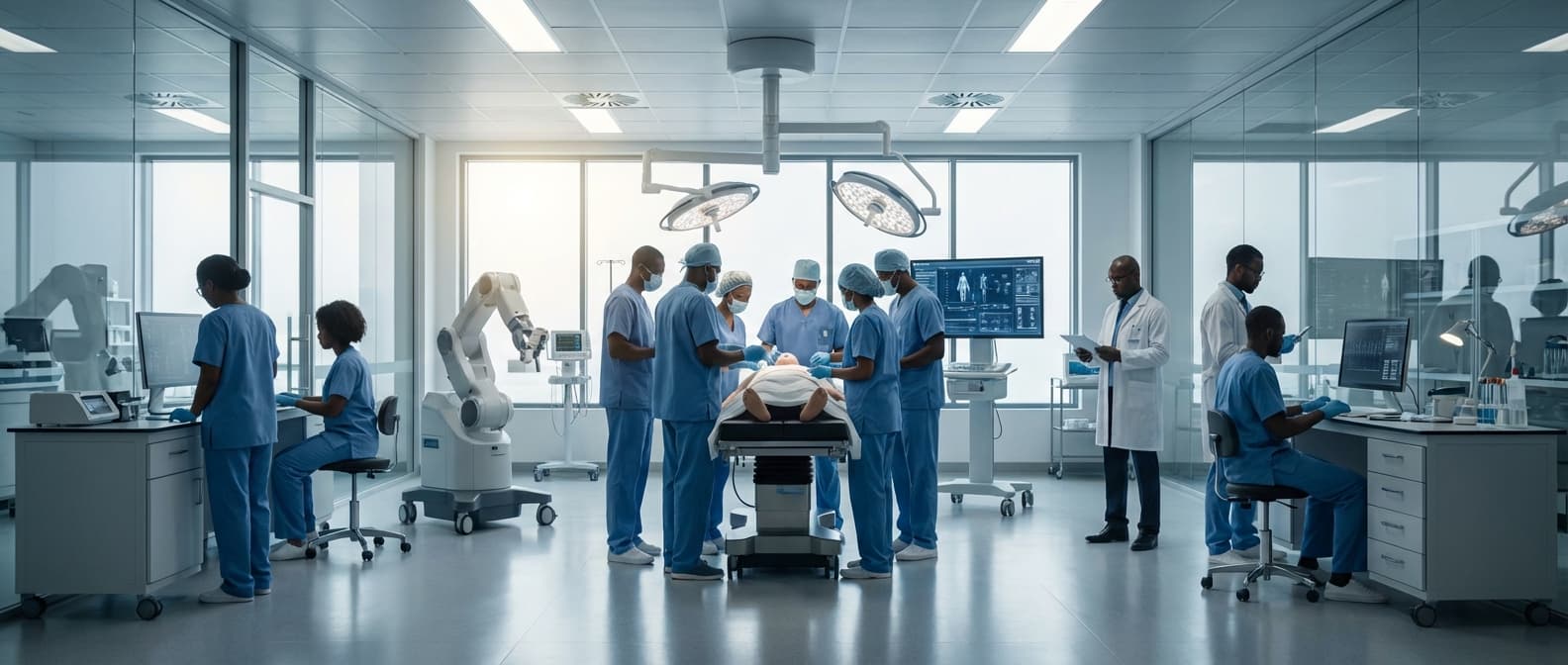
Managed Equipment Service (MES) in Zambia
Engineering Excellence & Technical Support
Long‑term equipment provision with uptime SLAs and lifecycle management. High-standard technical execution following OEM protocols and local regulatory frameworks.
Proactive Remote Monitoring & Predictive Maintenance
Leveraging advanced IoT sensors and real-time data analytics, our MES in Zambia provides 24/7 remote monitoring of critical equipment. This enables us to predict potential failures and schedule proactive maintenance, minimizing downtime and ensuring optimal operational efficiency for your assets across the nation.
Optimized Spare Parts & Inventory Management
Our MES solution in Zambia integrates intelligent inventory management systems with robust supply chain logistics. We ensure the right spare parts are available at the right time and place, reducing holding costs, eliminating stockouts, and accelerating repair times for your critical machinery, even in remote locations.
On-Demand, Expert Field Service Technicians
We maintain a network of highly skilled and certified field service technicians strategically located across Zambia. Our MES platform enables rapid dispatch and efficient management of these teams, ensuring swift response times and expert on-site repairs, diagnostics, and preventative maintenance to keep your operations running smoothly.
What Is Managed Equipment Service (Mes) In Zambia?
Managed Equipment Service (MES) in Zambia refers to a comprehensive outsourcing model where a specialized third-party provider takes responsibility for the acquisition, deployment, maintenance, and lifecycle management of critical equipment for an organization. This service is designed to optimize equipment utilization, reduce operational overhead, and ensure continuous availability of essential assets. MES providers typically offer a service level agreement (SLA) that guarantees performance, uptime, and cost predictability. The core of MES lies in transferring the burden of equipment ownership and management from the client to the expert provider, allowing the client to focus on their core competencies.
| Who Needs MES? | Typical Use Cases | ||||||||
|---|---|---|---|---|---|---|---|---|---|
| Healthcare Institutions (Hospitals, Clinics): Requiring reliable and technologically advanced medical equipment (e.g., imaging systems, surgical tools, laboratory analyzers) with guaranteed uptime for patient care. | Healthcare: Imaging equipment (MRI, CT scanners), diagnostic laboratory analyzers, surgical robotics, patient monitoring systems. | Telecommunications Companies: Needing robust and up-to-date network infrastructure and base stations to ensure service continuity and expand coverage. | Telecommunications: Base stations, network switches, routers, transmission equipment, power supply units. | Manufacturing and Industrial Firms: Requiring specialized machinery, automation systems, and production lines with minimal downtime to meet production targets. | Manufacturing: CNC machines, industrial robots, assembly lines, material handling equipment, quality control systems. | Mining Operations: Needing heavy-duty equipment for extraction, processing, and transportation in remote and challenging environments. | Mining: Drills, excavators, haul trucks, conveyor systems, crushing and grinding machinery. | Public Sector and Government Agencies: Seeking cost-effective solutions for essential infrastructure and service delivery equipment (e.g., IT infrastructure, transportation fleets). | Public Sector: IT servers and networking equipment, public transportation vehicles, energy infrastructure components. |
Key Components of Managed Equipment Service (MES) in Zambia:
- Equipment Procurement and Financing: Sourcing, selecting, and financing the acquisition of necessary equipment.
- Installation and Deployment: Expert installation and integration of equipment into existing infrastructure.
- Routine Maintenance and Repairs: Proactive and reactive maintenance to ensure optimal performance and minimize downtime.
- Technical Support and Troubleshooting: Provision of expert technical assistance and rapid issue resolution.
- Consumables Management: Supply and management of necessary consumables for equipment operation.
- Lifecycle Management: Planning for equipment upgrades, replacements, and end-of-life disposal.
- Performance Monitoring and Reporting: Continuous tracking of equipment performance against agreed-upon SLAs and provision of regular reports.
- Risk Mitigation: Transfer of operational and financial risks associated with equipment ownership to the provider.
Who Needs Managed Equipment Service (Mes) In Zambia?
Managed Equipment Service (MES) offers a comprehensive solution for healthcare facilities in Zambia seeking to optimize their medical equipment lifecycle, from procurement and installation to maintenance, repair, and eventual replacement. This service model alleviates the burden of capital expenditure and the complexities of managing a diverse fleet of medical devices, allowing healthcare providers to focus on delivering quality patient care. The adoption of MES is particularly beneficial for organizations facing challenges with outdated equipment, limited technical expertise, and fluctuating budgets. By outsourcing equipment management, Zambian healthcare entities can ensure access to modern, well-maintained technology, thereby improving diagnostic accuracy, treatment efficacy, and overall patient outcomes.
| Customer Type | Key Departments Benefiting from MES |
|---|---|
| Public Hospitals | Radiology/Imaging, Laboratory, Intensive Care Unit (ICU), Operating Theatre, Cardiology, Emergency Department, General Wards, Central Sterile Supply Department (CSSD) |
| Private Hospitals & Clinics | Diagnostic Imaging, Pathology, Surgical Suites, Maternity, Oncology, Nephrology, Outpatient Departments |
| District Health Offices | Referral Hospitals within the district, Primary Health Centers (for essential equipment), Public Health Programs |
| NGO Healthcare Providers | Mobile Clinics, Community Health Centers, Specialized Treatment Facilities (e.g., HIV/AIDS, TB, Malaria centers) |
| Academic Medical Centers | All clinical departments requiring specialized equipment for teaching and research, Biomedical Engineering Department |
| Research Institutions | Laboratories, Imaging Facilities for research studies, Specialized equipment for clinical trials |
Target Customers & Departments for MES in Zambia
- Hospitals (Public & Private)
- District Health Offices
- Specialty Clinics (e.g., Diagnostics, Imaging, Cardiology)
- Non-Governmental Organizations (NGOs) with healthcare programs
- Academic Medical Centers
- Research Institutions
Managed Equipment Service (Mes) Process In Zambia
The Managed Equipment Service (MES) process in Zambia is a comprehensive framework designed to provide healthcare facilities with access to state-of-the-art medical equipment. This service typically involves a private partner who finances, installs, maintains, and eventually replaces the equipment over a defined contract period. The Ministry of Health (MoH) in Zambia plays a crucial oversight and coordination role. The workflow begins with identifying the need for equipment and culminates in the successful implementation and ongoing management of these services, ensuring operational readiness and sustainability.
| Stage | Key Activities | Responsible Parties | Output/Outcome |
|---|---|---|---|
| Needs Assessment | Identify equipment gaps, analyze disease burden, assess existing infrastructure. | Healthcare Facilities, Ministry of Health (MoH) | Identified equipment needs and priorities. |
| Project Initiation | Define scope, conduct feasibility studies, explore funding. | Ministry of Health (MoH), Stakeholders | Project proposal and initial planning. |
| Procurement (Tender) | Issue RFP, receive and evaluate proposals, select provider. | Ministry of Health (MoH), Tender Evaluation Committee | Award of MES contract. |
| Contract Negotiation | Finalize terms, SLAs, pricing, and operational details. | Ministry of Health (MoH), Selected MES Provider | Signed MES contract. |
| Equipment Procurement | Source and purchase agreed-upon equipment. | MES Provider | Delivered medical equipment. |
| Installation & Commissioning | Install, test, and calibrate equipment. | MES Provider's Technical Team | Operational and commissioned equipment. |
| Training | Train healthcare staff on equipment use and maintenance. | MES Provider, Healthcare Staff | Competent healthcare professionals. |
| Service & Maintenance | Provide preventive and corrective maintenance, supply parts. | MES Provider | High equipment uptime and functionality. |
| Monitoring & Evaluation | Track performance, utilization, and impact. | MES Provider, Ministry of Health (MoH), Healthcare Facilities | Performance reports and identified areas for improvement. |
| Upgrades & Replacement | Replace equipment at end of lifecycle or for upgrades. | MES Provider | Modern and functional equipment. |
| Contract Review | Assess contract performance, plan for renewal or exit. | Ministry of Health (MoH), MES Provider | Decision on contract continuation or new procurement. |
Managed Equipment Service (MES) Workflow in Zambia
- 1. Needs Assessment & Identification:
- Healthcare facilities (hospitals, clinics) identify critical equipment gaps or the need for upgrades.
- Data on disease burden, patient load, and existing equipment status is collected and analyzed.
- The Ministry of Health (MoH) may initiate needs assessments at a national or regional level.
- 2. Project Initiation & Planning:
- MoH, in collaboration with healthcare facilities, defines the scope of the MES project, including the types and quantity of equipment required.
- Feasibility studies and market sounding are conducted to gauge potential private partner interest and capabilities.
- Initial budget allocation and funding mechanisms are explored.
- 3. Procurement Process (Tender):
- The MoH initiates a transparent and competitive tender process to select a private MES provider.
- A detailed Request for Proposal (RFP) is issued, outlining technical specifications, service level agreements (SLAs), contract duration, financial requirements, and performance indicators.
- Potential private partners submit their proposals, demonstrating their technical expertise, financial capacity, and proposed solutions.
- The MoH forms a Tender Evaluation Committee to assess proposals against predefined criteria.
- 4. Contract Negotiation & Award:
- The preferred bidder(s) enter into negotiations with the MoH to finalize contract terms and conditions.
- Key aspects negotiated include pricing, payment schedules, equipment specifications, maintenance schedules, training plans, performance monitoring frameworks, and exit strategies.
- A formal MES contract is awarded to the selected private partner.
- 5. Equipment Procurement & Delivery:
- The MES provider procures the agreed-upon medical equipment from reputable manufacturers.
- Quality assurance checks are conducted during manufacturing and prior to shipment.
- Equipment is transported to Zambia and cleared through customs.
- 6. Installation & Commissioning:
- The MES provider's technical teams install the equipment at designated healthcare facilities.
- Thorough testing and calibration are performed to ensure the equipment functions optimally and meets safety standards.
- Commissioning reports are generated and approved by the MoH and facility management.
- 7. Training & Capacity Building:
- Comprehensive training is provided to healthcare professionals (doctors, nurses, technicians) on the operation, maintenance, and troubleshooting of the new equipment.
- Training programs are designed to ensure proper utilization and maximize the lifespan of the equipment.
- Ongoing training and refresher courses may be part of the contract.
- 8. Service Delivery & Maintenance:
- The MES provider is responsible for routine preventive maintenance, corrective maintenance (repairs), and the supply of consumables and spare parts.
- Service Level Agreements (SLAs) define response times for breakdowns and uptime guarantees for critical equipment.
- Performance is monitored against agreed-upon indicators.
- 9. Monitoring & Evaluation:
- Regular monitoring of equipment utilization, performance, and uptime is conducted by both the MES provider and the MoH.
- Periodic evaluations assess the overall impact of the MES on healthcare delivery, patient outcomes, and cost-effectiveness.
- Feedback mechanisms are in place for healthcare facilities to report on service quality.
- 10. Equipment Upgrades & Replacement:
- As per the contract, the MES provider is responsible for the planned replacement of equipment at the end of its lifecycle.
- Technology advancements may also trigger early upgrades or replacements based on mutually agreed terms.
- Decommissioning and disposal of old equipment are handled by the MES provider in an environmentally responsible manner.
- 11. Contract Review & Renewal/Exit:
- Towards the end of the contract period, a comprehensive review is conducted.
- This review assesses the success of the MES, identifies lessons learned, and informs decisions on contract renewal, renegotiation, or the initiation of a new procurement process for subsequent MES phases.
- If the contract is not renewed, a smooth handover of services and responsibility is managed.
Managed Equipment Service (Mes) Cost In Zambia
Managed Equipment Service (MES) in Zambia, particularly for healthcare facilities, offers a comprehensive solution for acquiring, maintaining, and upgrading medical equipment. This model allows hospitals and clinics to access advanced technology without the significant upfront capital investment typically required for outright purchase. The cost of MES in Zambia is influenced by a variety of factors, leading to a broad range of pricing. These factors can generally be categorized into equipment-specific, service-specific, and contract-specific elements. Understanding these drivers is crucial for accurate budgeting and effective negotiation.
| Equipment Category | Typical MES Pricing Range (ZMW per month/unit - estimate) | Key Influencing Factors |
|---|---|---|
| Basic Patient Monitoring (e.g., ECG, NIBP monitors) | 1,500 - 4,000 | Number of units, SLA response time, basic service inclusion. |
| Diagnostic Imaging (e.g., X-ray, Ultrasound - basic) | 10,000 - 30,000 | Technology age, number of scans, SLA, spare parts availability. |
| Advanced Diagnostic Imaging (e.g., CT Scanner, MRI) | 50,000 - 150,000+ | Model complexity, usage volume, advanced maintenance, software updates, remote diagnostics. |
| Surgical Equipment (e.g., basic operating theatre lights, tables) | 3,000 - 8,000 | Number of units, mechanism complexity, SLA for minor repairs. |
| Laboratory Equipment (e.g., hematology analyzers, chemistry analyzers - mid-range) | 5,000 - 20,000 | Throughput, reagent management, calibration frequency, training. |
| Sterilization Equipment (e.g., autoclaves) | 2,000 - 7,000 | Capacity, cycle complexity, preventive maintenance schedule. |
| Ventilators (basic to advanced) | 4,000 - 15,000 | Type of ventilation modes, alarm features, training, SLA. |
Key Pricing Factors for MES in Zambia
- Type and Complexity of Equipment: High-end diagnostic imaging (MRI, CT scanners), surgical robots, and advanced laboratory equipment are inherently more expensive to procure, maintain, and calibrate than simpler devices like basic patient monitors or examination tables.
- Number of Equipment Units: The sheer volume of equipment included in the MES contract directly impacts the overall cost. Larger facilities with extensive equipment needs will naturally have higher MES fees.
- Service Level Agreement (SLA): The scope and responsiveness of the maintenance and support services are critical. This includes response times for breakdowns, availability of spare parts, preventive maintenance schedules, and the provision of qualified technicians. More comprehensive SLAs with guaranteed uptime and rapid repair will command higher prices.
- Technology Refresh/Upgrade Cycles: MES contracts often include provisions for regular technology upgrades. The frequency and cost of these upgrades (e.g., replacing older models with newer ones every 5-7 years) are factored into the pricing.
- Training and Skill Development: The MES provider may include training for hospital staff on the operation and basic maintenance of the equipment. The extent and duration of this training will influence costs.
- Consumables and Spare Parts: While some MES contracts may cover all consumables, others might exclude them or have specific clauses. The cost and availability of specialized spare parts can also be a significant factor.
- Geographic Location and Accessibility: For facilities located in remote areas, the logistical costs associated with equipment delivery, installation, maintenance, and technician travel can increase the overall MES price.
- Contract Duration: Longer-term MES contracts (e.g., 7-10 years) may offer more favorable per-unit pricing due to the provider's ability to amortize their investment over a longer period. Shorter contracts might have higher initial costs.
- Provider's Reputation and Expertise: Established MES providers with a proven track record, a robust service network, and a strong reputation for reliability may command higher fees, reflecting the value and assurance they provide.
- Included Software and IT Integration: Costs can increase if the MES package includes complex software, data management solutions, or integration with existing hospital IT infrastructure.
- Risk Sharing and Guarantees: Contracts that include performance guarantees or significant risk-sharing for the provider (e.g., penalties for downtime) will likely be priced higher to account for that risk.
- Inflation and Currency Fluctuations: For contracts with fixed pricing over extended periods, providers may incorporate an inflation adjustment factor. Currency fluctuations can also impact the cost of imported equipment and spare parts.
Affordable Managed Equipment Service (Mes) Options
Managed Equipment Service (MES) can significantly streamline operations, enhance equipment uptime, and reduce overall costs for businesses. However, budget constraints often necessitate exploring affordable MES options. This involves understanding how service providers structure their offerings and implementing smart cost-saving strategies. Value bundles are a key element in achieving affordability, as they group multiple services and support functions into a more cost-effective package than purchasing each component individually. Cost-saving strategies go beyond just selecting the right bundle; they involve proactive maintenance, strategic equipment lifecycle management, and negotiating favorable contract terms.
| MES Component | Typical Inclusions | Cost-Saving Benefit | Value Bundle Example |
|---|---|---|---|
| Preventive Maintenance | Scheduled inspections, lubrication, filter changes, calibrations | Reduces unexpected breakdowns and costly emergency repairs | Included in 'Basic Uptime' bundle |
| Corrective Maintenance (On-Demand) | Breakdown repairs, troubleshooting, parts replacement | Minimizes downtime with prompt technician response | Tiered support levels within 'Comprehensive Care' bundle |
| Remote Monitoring & Diagnostics | Real-time equipment performance tracking, anomaly detection | Identifies potential issues before they cause failures, enabling proactive fixes | Often bundled with preventive maintenance in 'Smart Operations' package |
| Parts Management & Inventory | Stocking critical spare parts, managing inventory levels | Ensures availability of necessary parts, reducing lead times and express shipping costs | Integrated into 'Full Service' agreements |
| Technical Support & Training | Help desk access, remote assistance, operator training | Empowers staff to handle minor issues, reduces need for on-site calls | Included in all bundles, with advanced support in premium options |
| Reporting & Analytics | Equipment performance data, usage trends, maintenance history | Provides insights for optimizing usage, identifying underperforming assets, and planning upgrades | Standard in 'Performance Optimization' bundle |
Key Components of Affordable MES
- Understanding MES Pricing Models
- Benefits of Value Bundles
- Proactive Maintenance Strategies
- Strategic Equipment Lifecycle Management
- Negotiation and Contract Optimization
Verified Providers In Zambia
In Zambia's evolving healthcare landscape, identifying reliable and accredited medical service providers is paramount for ensuring quality care and patient safety. Franance Health has emerged as a leading force, distinguishing itself through a rigorous credentialing process that underscores its commitment to excellence. This accreditation signifies adherence to stringent standards in medical expertise, facility infrastructure, ethical practices, and patient outcomes. Choosing a Franance Health-verified provider means opting for a healthcare partner that prioritizes your well-being through demonstrably high standards of care.
| Franance Health Verification Criteria | Significance for Patients |
|---|---|
| Medical Professional Qualifications | Confirms doctors, nurses, and specialists are fully licensed and have verifiable experience. |
| Facility and Equipment Standards | Ensures that clinics and hospitals are equipped with appropriate technology and maintained to high safety standards. |
| Clinical Protocols and Practices | Verifies that providers follow evidence-based treatment guidelines and best practices. |
| Patient Care and Safety Measures | Confirms robust procedures for infection control, patient consent, and emergency preparedness. |
| Ethical Conduct and Compliance | Ensures providers operate with integrity, respecting patient confidentiality and avoiding malpractices. |
Why Franance Health Verification Matters
- Ensures adherence to national and international medical standards.
- Guarantees that healthcare professionals possess valid and up-to-date qualifications.
- Confirms that medical facilities meet safety and hygiene requirements.
- Promotes ethical medical practices and patient rights.
- Provides patients with confidence in the quality and reliability of healthcare services.
Scope Of Work For Managed Equipment Service (Mes)
This Scope of Work (SOW) outlines the requirements for a Managed Equipment Service (MES) for [Client Name]'s [Department/Facility Name]. The MES provider will be responsible for the provision, installation, maintenance, and eventual replacement of specified medical equipment, ensuring optimal performance, availability, and cost-effectiveness. This document details the technical deliverables and standard specifications required to achieve these objectives.
| Category | Technical Deliverables | Standard Specifications/Requirements |
|---|---|---|
| Equipment Provision & Installation | Supply of new, refurbished, or leased equipment as per the equipment schedule. | All equipment must meet current clinical standards and manufacturer specifications. Installation by certified technicians. Calibration and testing to be performed prior to clinical handover. Comprehensive documentation including user manuals, service manuals, and installation reports. |
| Maintenance & Repair | Proactive and reactive maintenance services. | Preventive maintenance (PM) performed according to manufacturer recommendations and regulatory requirements. Corrective maintenance (CM) with guaranteed response and resolution times. Use of OEM or equivalent spare parts. Adherence to manufacturer's service protocols. Comprehensive record-keeping of all maintenance activities. |
| Performance Monitoring & Reporting | Regular monitoring of equipment performance and utilization. | Establishment of a real-time equipment monitoring system. Monthly/quarterly reports detailing uptime, downtime, maintenance activities, spare parts usage, and cost analysis. Performance against Service Level Agreements (SLAs). |
| Equipment Lifecycle Management | Planning and execution of equipment upgrades, replacements, and disposal. | Proactive identification of equipment nearing end-of-life. Provision of recommendations for upgrades or replacements. Secure and environmentally compliant disposal of obsolete equipment. Financial forecasting for future equipment needs. |
| Training & Support | Training for clinical and technical staff on equipment operation and basic troubleshooting. | On-site and/or remote training sessions. Development of training materials. Ongoing technical support for end-users. Escalation procedures for complex issues. |
| Asset Management | Comprehensive inventory and tracking of all managed equipment. | Unique asset tagging for all equipment. Centralized database for asset information, including purchase date, warranty status, maintenance history, and location. Regular asset audits. |
| Regulatory Compliance & Safety | Ensuring all equipment meets current safety and regulatory standards. | Compliance with local, national, and international medical device regulations (e.g., FDA, CE, local health authorities). Equipment must have all necessary certifications. Regular safety inspections and testing (e.g., electrical safety). |
| Service Level Agreements (SLAs) | Defined performance metrics and response times. | Uptime guarantees (e.g., 98%). Response times for critical, urgent, and routine service requests. Resolution times for common issues. Penalties for non-compliance. |
| IT Integration | Integration of equipment with existing hospital IT infrastructure (e.g., HIS, PACS, EMR). | Compliance with hospital IT security policies and standards. Secure data transmission. Interoperability with specified hospital systems. Remote access for monitoring and diagnostics (with appropriate security protocols). |
| Consumables Management | Management and supply of approved consumables for specific equipment. | Identification of required consumables. Inventory management and timely replenishment. Quality assurance for all supplied consumables. |
Key Objectives of the Managed Equipment Service (MES):
- Ensure high equipment availability and uptime to support clinical operations.
- Optimize equipment utilization and lifecycle management.
- Control and reduce total cost of ownership for medical equipment.
- Provide access to advanced and appropriate technology.
- Ensure compliance with all relevant regulatory and safety standards.
- Minimize operational risks associated with equipment failure.
- Streamline procurement, maintenance, and disposal processes.
Service Level Agreement For Managed Equipment Service (Mes)
This Service Level Agreement (SLA) outlines the performance expectations and guarantees for the Managed Equipment Service (MES) provided by [Your Company Name] to [Client Company Name]. It defines response times for incidents and uptime guarantees for critical equipment.
| Service Component | Response Time | Resolution Target | Uptime Guarantee |
|---|---|---|---|
| Critical Equipment Failure (e.g., Production Down) | 1 hour (initiation of support) | 4 hours (restoration of basic functionality) | 99.9% |
| Major Equipment Malfunction (e.g., Significant Performance Degradation) | 2 hours (initiation of support) | 8 hours (restoration of full functionality) | 99.5% |
| Minor Equipment Issue (e.g., Peripheral Malfunction, Performance Alert) | 4 business hours (initiation of support) | 24 business hours (resolution or workaround) | N/A (individual component uptime not guaranteed, but overall system performance is monitored) |
| Preventative Maintenance | Scheduled as per agreed maintenance plan | N/A | N/A (scheduled downtime will be communicated in advance) |
Scope of Service
- This SLA applies to all equipment designated as part of the Managed Equipment Service, as detailed in the accompanying Service Schedule.
- The scope includes proactive monitoring, preventative maintenance, break-fix support, and guaranteed uptime.
- Exclusions: This SLA does not cover damage caused by misuse, natural disasters, or unauthorized modifications. Specific exclusions are detailed in the Master Service Agreement (MSA).
Frequently Asked Questions

Ready when you are
Let's scope your Managed Equipment Service (MES) in Zambia project in Zambia.

Scaling healthcare logistics and technical systems across the entire continent.