
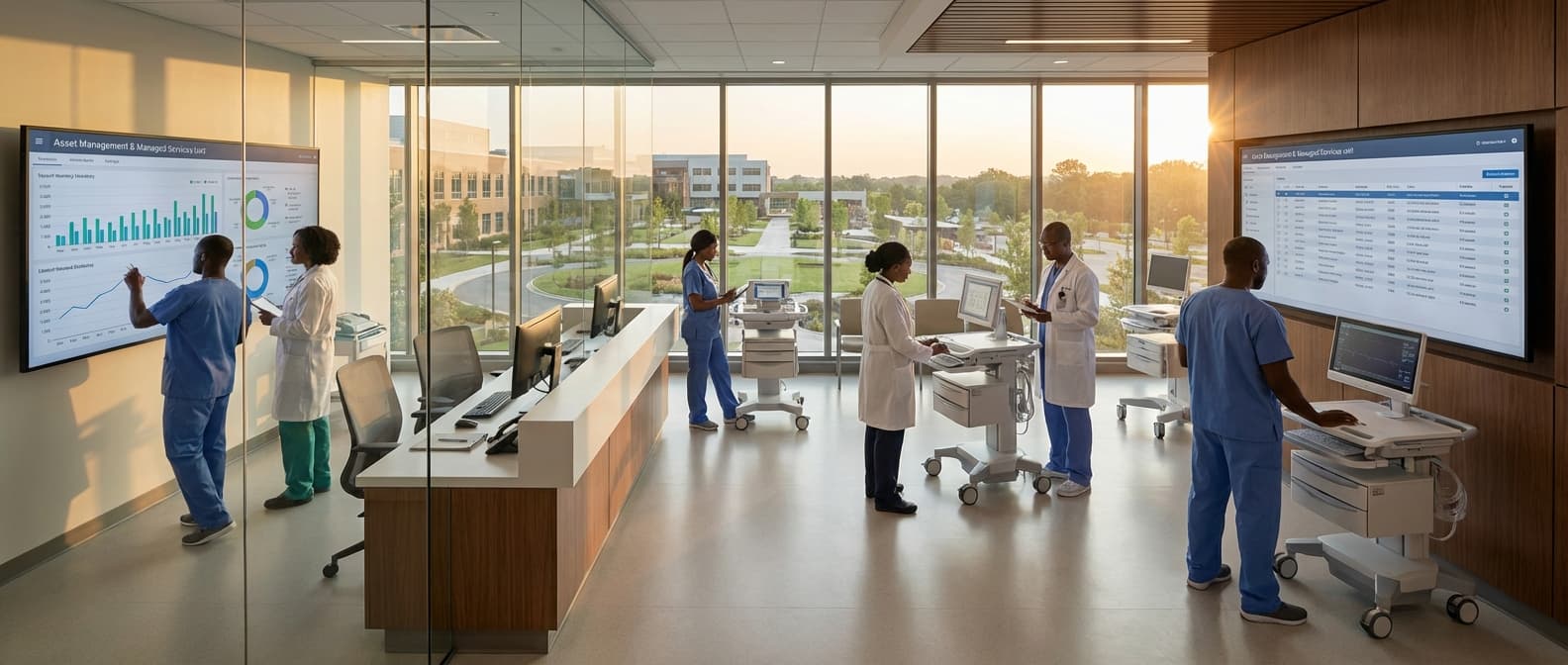
Equipment Fleet Standardization Consulting Service in Zambia
Engineering Excellence & Technical Support
Equipment Fleet Standardization Consulting Service High-standard technical execution following OEM protocols and local regulatory frameworks.
Optimized Fleet Utilization
Leverage our expertise in Zambia's unique operational landscape to standardize your equipment fleet, reducing downtime and maximizing asset utilization through strategic procurement and maintenance planning. Achieve higher ROI and operational efficiency.
Cost Reduction & Procurement Synergy
Unlock significant cost savings by consolidating procurement of standardized equipment and parts across your Zambian operations. Benefit from bulk discounts, reduced inventory management complexity, and predictable maintenance expenses.
Enhanced Maintenance & Skill Harmonization
Standardized equipment in Zambia simplifies maintenance protocols, reduces the need for specialized tools, and streamlines technician training. This leads to faster repairs, increased equipment lifespan, and a more adaptable and efficient maintenance workforce.
What Is Equipment Fleet Standardization Consulting Service In Zambia?
Equipment fleet standardization consulting services in Zambia refer to the provision of expert advisory and implementation support aimed at optimizing the selection, acquisition, deployment, and lifecycle management of a company's operational equipment assets. This service focuses on developing and implementing strategies to ensure that the fleet comprises a uniform or highly compatible set of equipment, thereby enhancing operational efficiency, reducing costs, and improving asset utilization. The core objective is to move away from a disparate, unmanaged collection of assets towards a cohesive and strategically aligned fleet. The service typically involves a detailed assessment of the current fleet, analysis of operational requirements, identification of suitable standardized equipment models or manufacturers, development of procurement policies, and the establishment of maintenance and training protocols. The ultimate goal is to achieve economies of scale in procurement, simplify maintenance and repair operations, facilitate operator training and cross-skilling, and enable better data collection for informed decision-making.
| Who Needs Equipment Fleet Standardization Consulting Services? | Typical Use Cases in Zambia | ||||||||||
|---|---|---|---|---|---|---|---|---|---|---|---|
| Large-scale agricultural enterprises operating with diverse machinery (tractors, harvesters, planters). | Optimizing agricultural operations by standardizing on a few tractor models to simplify field operations and reduce downtime. | Mining and quarrying companies with a wide array of heavy machinery (excavators, haul trucks, loaders). | Reducing spare parts inventory and maintenance costs by standardizing on specific excavator and haul truck brands for easier repairs and parts interchangeability. | Construction companies managing fleets of earthmoving equipment, cranes, and transport vehicles. | Streamlining site operations in major infrastructure projects by standardizing on a particular make of excavators and dump trucks for consistent performance and easier operator allocation. | Logistics and transportation firms with mixed fleets of trucks and trailers. | Improving fleet uptime and reducing fuel consumption through standardization on fuel-efficient truck models and standardized trailer specifications. | Public sector organizations (e.g., local government, parastatals) managing municipal vehicles, utility equipment, and specialized machinery. | Ensuring consistent service delivery and cost-effective maintenance for waste management trucks and road maintenance equipment. | Companies undergoing significant fleet expansion or modernization. | Facilitating a smooth transition to a new, unified fleet of vehicles or machinery to support business growth. |
Key Components of Equipment Fleet Standardization Consulting Service in Zambia
- Fleet Assessment and Audit: Comprehensive evaluation of existing equipment inventory, condition, utilization patterns, and associated costs.
- Needs Analysis and Requirement Definition: Identifying current and future operational demands, service level agreements, and performance benchmarks.
- Standardization Strategy Development: Defining criteria for selecting standardized equipment types, brands, or technologies based on performance, reliability, cost of ownership, and operational synergy.
- Procurement Policy and Process Optimization: Developing strategies for bulk purchasing, negotiation with suppliers, and optimizing acquisition channels.
- Maintenance and Repair Strategy Integration: Designing standardized maintenance schedules, spare parts management, and repair protocols to align with the chosen equipment.
- Operator Training and Skill Development: Creating training programs for operators and maintenance personnel to ensure proficiency with standardized equipment.
- Technology Integration and Data Management: Implementing systems for tracking, monitoring, and managing the standardized fleet for performance analysis and predictive maintenance.
- Change Management and Implementation Support: Guiding the organization through the transition process, addressing resistance, and ensuring successful adoption of the standardized fleet.
Who Needs Equipment Fleet Standardization Consulting Service In Zambia?
In Zambia, businesses operating with a diverse and often unmanaged fleet of vehicles and machinery face significant challenges. These challenges can range from increased operational costs and reduced efficiency to difficulties in maintenance, training, and technology integration. Equipment fleet standardization consulting services are crucial for organizations that wish to streamline their operations, optimize resource allocation, and achieve long-term cost savings. Such services help in establishing consistent makes, models, and specifications for various types of equipment, leading to simplified maintenance, improved parts management, and more effective driver/operator training. This standardization also facilitates better data collection for performance analysis and informed future purchasing decisions.
| Target Customer Type | Key Departments Involved | Primary Needs/Benefits of Standardization |
|---|---|---|
| Mining Companies | Fleet Management, Operations, Maintenance, Procurement, Finance | Reduced downtime, lower spare parts inventory, improved safety, enhanced fuel efficiency, easier operator training for specialized heavy equipment. |
| Agricultural Enterprises | Operations, Farm Management, Maintenance, Procurement, Logistics | Streamlined maintenance for tractors, harvesters, and other farm machinery, reduced inventory of specialized parts, improved agricultural output through reliable equipment, cost savings on fuel and repairs. |
| Logistics and Transportation Companies | Fleet Management, Operations, Maintenance, Procurement, IT/Telematics | Simplified maintenance schedules and parts, improved driver training consistency, enhanced route optimization through standardized vehicle performance, better utilization of telematics data. |
| Construction Firms | Fleet Management, Site Operations, Maintenance, Procurement, Project Management | Reduced equipment downtime on project sites, easier sharing and deployment of machinery, lower training costs for operators across various equipment types, predictable maintenance expenses. |
| Government Agencies | Fleet Management, Public Works, Procurement, Finance, Operations | Cost-effective procurement, simplified maintenance and repair contracts, improved response times for public services, better asset management and lifecycle costing. |
| Energy and Utilities Sector | Fleet Management, Operations, Maintenance, Procurement, Safety | Reliable vehicle and equipment availability for service and repair, specialized training for utility-specific equipment, reduced risk of operational failure due to equipment malfunction, safety compliance. |
Target Customers for Equipment Fleet Standardization Consulting Services in Zambia
- Mining Companies
- Agricultural Enterprises
- Logistics and Transportation Companies
- Construction Firms
- Government Agencies (e.g., public works, disaster management)
- Energy and Utilities Sector
- Large-scale Farming Cooperatives
- Manufacturing Plants with extensive internal logistics
- Non-Governmental Organizations (NGOs) with field operations
Equipment Fleet Standardization Consulting Service Process In Zambia
This document outlines the comprehensive workflow for our Equipment Fleet Standardization Consulting Service in Zambia, guiding clients from their initial inquiry through the successful execution of the project. Our process is designed to be transparent, collaborative, and results-oriented, ensuring that your fleet optimization goals are met efficiently and effectively.
| Step | Activity | Deliverable(s) | Key Stakeholders | Typical Duration (Zambian Context) |
|---|---|---|---|---|
| 1.1 | Initial Contact & Inquiry Received | Acknowledgement of Inquiry | Prospective Client, Consulting Firm Business Development | 1-2 Business Days |
| 1.2 | Preliminary Discussion/Call | Understanding of basic needs, scope identification | Prospective Client (Management/Fleet Manager), Consulting Firm Lead Consultant | 1-3 Business Days |
| 2.1 | On-site/Remote Needs Assessment Workshop | Current fleet inventory, operational profiles, pain points identified | Prospective Client (Fleet Managers, Operations, Finance, IT), Consulting Firm Team | 2-5 Business Days |
| 2.2 | Data Request & Collection Plan | List of required data (e.g., asset registers, maintenance logs, fuel consumption, acquisition costs) | Prospective Client (Data Owners), Consulting Firm Team | 1-2 Business Days |
| 3.1 | Proposal Development | Tailored Consulting Proposal (scope, methodology, timeline, fees) | Consulting Firm Team | 3-7 Business Days |
| 3.2 | Proposal Presentation & Negotiation | Signed Consulting Agreement | Prospective Client (Management), Consulting Firm Lead Consultant | 2-5 Business Days |
| 4.1 | Project Kick-off Meeting | Project charter, communication plan, team roles defined | Client Project Team, Consulting Firm Project Team | 1 Business Day |
| 4.2 | Data Gathering & Validation (Field Visits, Interviews) | Verified fleet data, operational insights | Client Personnel, Consulting Firm Team | 5-15 Business Days (depending on fleet size and location) |
| 5.1 | Fleet Performance Analysis | Benchmarking reports, cost analysis, utilization metrics | Consulting Firm Analysts | 5-10 Business Days |
| 5.2 | Risk Assessment & SWOT Analysis | Identified risks and opportunities related to fleet | Consulting Firm Analysts | 2-3 Business Days |
| 6.1 | Standardization Strategy Design | Recommended equipment types, procurement policies, maintenance schedules | Consulting Firm Strategy Team | 5-10 Business Days |
| 6.2 | Technology Integration Plan (if applicable) | Recommendations for telematics, fleet management software | Consulting Firm Technology Specialists | 3-5 Business Days |
| 7.1 | Implementation Roadmap Development | Phased implementation plan, budget allocation, change management strategy | Consulting Firm Project Manager | 3-7 Business Days |
| 7.2 | Change Management & Training Plan | Training modules, communication materials | Consulting Firm Change Management Specialist | 2-4 Business Days |
| 8.1 | Procurement Support / Vendor Management | Assistance with RFP development, vendor selection (if required) | Client Procurement Team, Consulting Firm Procurement Specialist | Variable (depending on procurement process) |
| 8.2 | Roll-out of New Standards / Processes | Implementation of new equipment, policies, and procedures | Client Operations Team, Consulting Firm Implementation Team | 10-40 Business Days (depending on complexity and scale) |
| 8.3 | Training Delivery | Trained personnel on new equipment and procedures | Client Personnel, Consulting Firm Trainers | Integrated with roll-out |
| 9.1 | Performance Monitoring & KPI Tracking | Regular performance reports, KPI dashboards | Client Fleet Management, Consulting Firm Monitoring Team | Ongoing (initial 1-3 months post-implementation) |
| 9.2 | Post-Implementation Review & Audit | Evaluation of project success against objectives, lessons learned report | Client Management, Consulting Firm Project Team | 3-5 Business Days |
| 9.3 | Knowledge Transfer & Project Handover | Final project report, operational manuals, ongoing support recommendations | Client Project Team, Consulting Firm Project Team | 1-2 Business Days |
Equipment Fleet Standardization Consulting Service Process in Zambia
- {"title":"Phase 1: Inquiry & Initial Consultation","description":"The process begins with your organization reaching out to us with an interest in fleet standardization. This phase focuses on understanding your needs and determining if our services are a good fit."}
- {"title":"Phase 2: Needs Assessment & Scoping","description":"Once a preliminary agreement is reached, we delve deeper into understanding the specifics of your current fleet, operational challenges, and strategic objectives."}
- {"title":"Phase 3: Proposal Development & Agreement","description":"Based on the comprehensive needs assessment, we develop a tailored proposal outlining our recommended approach, deliverables, timeline, and investment."}
- {"title":"Phase 4: Project Kick-off & Data Collection","description":"Upon acceptance of the proposal and signing of the agreement, the project officially commences. This phase involves mobilizing the project team and initiating data gathering."}
- {"title":"Phase 5: Analysis & Strategy Development","description":"Our expert consultants analyze the collected data to identify inefficiencies, redundancy, and opportunities for standardization."}
- {"title":"Phase 6: Solution Design & Recommendation","description":"We translate the analysis into concrete, actionable strategies for fleet standardization."}
- {"title":"Phase 7: Implementation Planning","description":"This phase focuses on creating a detailed roadmap for putting the recommended standardization strategies into practice."}
- {"title":"Phase 8: Execution & Support","description":"This is the active phase where the agreed-upon standardization strategies are implemented across your fleet operations."}
- {"title":"Phase 9: Monitoring, Evaluation & Handover","description":"Post-implementation, we ensure the sustained success of the standardization initiative and formally conclude the engagement."}
Equipment Fleet Standardization Consulting Service Cost In Zambia
The cost of Equipment Fleet Standardization Consulting Services in Zambia can vary significantly due to several factors. These factors influence the overall project scope, the expertise of the consultants, and the duration of the engagement. Understanding these elements is crucial for businesses seeking to optimize their fleet operations through standardization. Zambian businesses often look for cost-effective solutions while ensuring the highest quality of service. The pricing is typically presented in Zambian Kwacha (ZMW).
| Service Level/Scope | Typical Cost Range (ZMW) | Description |
|---|---|---|
| Initial Fleet Assessment & Recommendations | 15,000 - 40,000 ZMW | High-level review of existing fleet, identification of standardization opportunities, and preliminary recommendations. Suitable for smaller or less complex fleets. |
| Comprehensive Standardization Strategy Development | 40,000 - 100,000 ZMW | Detailed analysis of fleet data, development of a tailored standardization strategy, including equipment selection criteria, maintenance plans, and procurement policies. Suitable for medium to large fleets. |
| Full Implementation Support & Training | 80,000 - 250,000+ ZMW | Includes strategy development, vendor selection assistance, change management support, implementation of new procedures, and training for staff. Complex and long-term engagements for large, diverse fleets. |
| Specialized Consulting (e.g., Telematics Integration, Sustainability Focus) | 20,000 - 70,000 ZMW (per module/area) | Consulting focused on specific aspects of fleet standardization, such as introducing and optimizing telematics systems or developing sustainability initiatives within the fleet. |
Key Pricing Factors for Equipment Fleet Standardization Consulting in Zambia:
- Scope and Complexity of the Fleet: The sheer size of the fleet, the diversity of equipment types (e.g., mining, agricultural, construction, logistics), and the number of operational locations all impact the consulting hours required.
- Consultant's Experience and Reputation: Highly experienced consultants or firms with a proven track record in fleet management and standardization, especially within the Zambian context, will command higher fees.
- Duration of the Engagement: Longer-term projects requiring in-depth analysis, implementation support, and post-implementation reviews will naturally cost more than short-term assessment projects.
- Level of Detail Required: The extent of analysis and recommendations expected, from high-level strategic advice to detailed operational procedures and software integration, will influence costs.
- Specific Industry Focus: Specialized knowledge for particular industries (e.g., mining regulations, agricultural equipment maintenance) may lead to higher costs due to the need for niche expertise.
- Deliverables Expected: The type and number of reports, training materials, software recommendations, and implementation plans required will affect the overall project cost.
- Travel and Accommodation Expenses: If consultants need to travel extensively within Zambia to various operational sites, these expenses will be factored into the total cost.
- Technology Integration Requirements: If the standardization project involves recommending and integrating new fleet management software or telematics systems, the associated consulting effort will increase.
Affordable Equipment Fleet Standardization Consulting Service Options
Our Affordable Equipment Fleet Standardization Consulting Service helps businesses optimize their equipment usage, reduce operational costs, and improve efficiency through strategic standardization. We offer flexible value bundles and implement proven cost-saving strategies tailored to your specific needs.
| Cost-Saving Strategy | Description | Impact |
|---|---|---|
| Bulk Purchasing & Preferred Vendors | Consolidating purchases through a limited set of preferred vendors leads to volume discounts and reduced administrative overhead. | Reduced acquisition costs, improved service contracts. |
| Reduced Maintenance & Repair Costs | Standardizing on fewer equipment models simplifies maintenance, reduces spare parts inventory, and allows for specialized technician training. | Lower labor costs, fewer specialized technicians needed, reduced inventory holding costs. |
| Improved Operational Efficiency | Operators and technicians become more proficient with fewer equipment types, leading to faster task completion and reduced training time. | Increased productivity, reduced training expenses, fewer operational errors. |
| Optimized Fleet Utilization | Analyzing usage patterns helps eliminate underutilized or redundant assets, freeing up capital and reducing operating expenses. | Lower depreciation costs, reduced insurance premiums, optimized resource allocation. |
| Extended Equipment Lifespan | Proper maintenance and standardized usage practices can extend the operational life of equipment, delaying replacement costs. | Deferred capital expenditure, maximized return on investment. |
| Streamlined Parts Inventory | A standardized fleet requires fewer unique spare parts, reducing storage space and minimizing the risk of obsolete inventory. | Reduced warehousing costs, minimized obsolescence losses, simplified procurement. |
Value Bundles
- {"title":"Core Standardization Package","features":["Fleet assessment and analysis","Redundancy identification","Preferred vendor sourcing","Basic standardization roadmap"],"description":"This foundational package focuses on identifying redundant equipment, establishing preferred vendor relationships, and developing a basic standardization roadmap. Ideal for businesses with a moderate fleet size looking for initial cost savings."}
- {"title":"Comprehensive Optimization Bundle","features":["All features of the Core Package","Advanced fleet utilization analysis","Negotiation support for volume discounts","Implementation strategy and training","Maintenance and repair optimization recommendations"],"description":"Expands on the core package with advanced analytics, negotiation support for bulk purchasing, and implementation guidance for new standardized equipment. Suitable for businesses with larger fleets seeking significant operational improvements."}
- {"title":"Full-Spectrum Fleet Transformation","features":["All features of the Comprehensive Optimization Bundle","Fleet management software integration","Lifecycle cost analysis and replacement planning","Ongoing performance monitoring and reporting","Sustainability and environmental impact assessment"],"description":"Our premium offering provides end-to-end support, including technology integration for fleet management, lifecycle cost analysis, and ongoing performance monitoring. Designed for organizations aiming for complete fleet modernization and long-term strategic advantage."}
Verified Providers In Zambia
When seeking healthcare in Zambia, identifying verified providers is paramount for ensuring quality, safety, and effective treatment. Franance Health stands out as a premier choice, offering a network of rigorously vetted medical professionals and facilities. Their commitment to upholding the highest standards of healthcare delivery makes them a trusted partner for individuals and families in Zambia. This section details what makes Franance Health a superior option, highlighting their credentialing process and the benefits it brings to patients.
| Credentialing Aspect | Franance Health's Approach | Benefit to Patients |
|---|---|---|
| Medical Licensing and Certification | Verifies that all providers hold current and valid licenses/certifications from recognized Zambian medical boards and international bodies where applicable. | Ensures providers are legally qualified and meet baseline competency standards. |
| Professional Experience and Education | Reviews educational background, postgraduate training, and documented years of clinical experience in relevant specializations. | Guarantees access to experienced professionals with proven track records. |
| Peer Review and Performance Monitoring | Implements ongoing performance evaluations and may incorporate peer review mechanisms to assess quality of care and patient outcomes. | Promotes continuous improvement and identifies providers who consistently deliver excellent care. |
| Background Checks and Ethical Standards | Conducts thorough background checks and assesses adherence to ethical codes of conduct within the medical profession. | Ensures patient trust and safety by partnering with reputable and ethical practitioners. |
| Facility Accreditation and Standards | For affiliated facilities, verifies accreditation by relevant health authorities and adherence to stringent operational and safety standards. | Provides assurance of a safe and well-equipped environment for medical procedures and treatments. |
Why Franance Health is the Best Choice:
- Rigorous Vetting and Credentialing Process
- Commitment to Quality and Patient Safety
- Access to a Comprehensive Network of Specialists
- Transparent and Reliable Healthcare Services
- Enhanced Patient Experience and Peace of Mind
Scope Of Work For Equipment Fleet Standardization Consulting Service
This Scope of Work (SOW) outlines the consulting services to be provided for the standardization of the client's equipment fleet. The objective is to identify, evaluate, and recommend standardized equipment models and configurations to improve operational efficiency, reduce maintenance costs, enhance safety, and simplify procurement and parts management. This SOW details the project objectives, deliverables, timeline, and responsibilities.
| Phase | Key Activities | Deliverables | Timeline (Weeks) |
|---|---|---|---|
| Phase 1: Discovery & Assessment | Data Collection (current fleet inventory, usage, maintenance history, operational requirements) | Current Fleet Assessment Report | 2-4 |
| Phase 2: Needs Analysis & Requirements Definition | Stakeholder Interviews (operations, maintenance, procurement, safety) | Standardized Equipment Requirements Document | 3-5 |
| Phase 3: Market Research & Vendor Evaluation | Identification of potential standardized equipment models and manufacturers | Market Research Summary | 4-6 |
| Phase 4: Standardization Recommendation | Evaluation of candidate equipment against defined requirements and TCO models | Standardized Equipment Recommendation Report (including specifications) | 5-7 |
| Phase 5: Implementation Planning & Rollout Strategy | Development of phased implementation plan and procurement strategy | Implementation Plan & Rollout Strategy | 3-4 |
| Phase 6: Final Report & Knowledge Transfer | Compilation of all findings and recommendations into a final report | Final Project Report | 1-2 |
Project Objectives
- To establish a standardized equipment fleet by identifying common needs and recommending specific models and configurations.
- To reduce total cost of ownership (TCO) through optimized procurement, maintenance, and operational efficiency.
- To enhance fleet reliability and uptime by ensuring parts availability and simplifying maintenance procedures.
- To improve safety and operator training through consistent equipment operation and features.
- To develop clear and actionable recommendations for procurement, maintenance, and lifecycle management of standardized equipment.
Service Level Agreement For Equipment Fleet Standardization Consulting Service
This Service Level Agreement (SLA) outlines the commitment of [Consulting Firm Name] (hereinafter referred to as 'Consultant') to [Client Name] (hereinafter referred to as 'Client') for the provision of Equipment Fleet Standardization Consulting Services. This SLA specifically details the response times for support requests and the uptime guarantees associated with the deliverables and ongoing support provided by the Consultant.
| Service Component/Issue Type | Response Time Target | Resolution Target (Best Effort) | Uptime Guarantee |
|---|---|---|---|
| Initial Response to Critical Issue | 1 Business Hour | 4 Business Hours (for initial assessment and action plan) | N/A |
| Initial Response to Major Issue | 2 Business Hours | 8 Business Hours (for initial assessment and action plan) | N/A |
| Initial Response to Minor Issue | 4 Business Hours | 2 Business Days (for initial assessment and action plan) | N/A |
| Ongoing Support for Standardization Plan Implementation (e.g., questions, clarifications) | 8 Business Hours | 2 Business Days (for response and guidance) | N/A |
| Access to Consultant-Provided Online Resources/Tools (if applicable) | N/A | N/A | 99.5% Availability (excluding Scheduled Maintenance) |
| Scheduled Maintenance Notification | N/A | N/A | Minimum 48 hours advance notice |
Key Definitions
- Standardization Plan: The comprehensive document outlining recommended changes, processes, and timelines for standardizing the Client's equipment fleet.
- Support Request: Any communication from the Client to the Consultant requesting assistance, clarification, or resolution of issues related to the Standardization Plan or its implementation.
- Critical Issue: An issue that significantly impedes the Client's ability to proceed with critical aspects of fleet standardization as defined in the Standardization Plan, or poses a substantial risk to project timelines.
- Major Issue: An issue that causes significant disruption to the standardization process but does not entirely halt progress.
- Minor Issue: An issue that causes minimal disruption to the standardization process and can be worked around.
- Uptime Guarantee: The assurance that the Consultant's provided tools, platforms, or access to information necessary for the Client's implementation of the Standardization Plan will be available and functional for a specified percentage of time.
- Scheduled Maintenance: Planned periods where Consultant services or platforms may be unavailable for updates or improvements, communicated in advance to the Client.
Frequently Asked Questions

Ready when you are
Let's scope your Equipment Fleet Standardization Consulting Service in Zambia project in Zambia.

Scaling healthcare logistics and technical systems across the entire continent.