
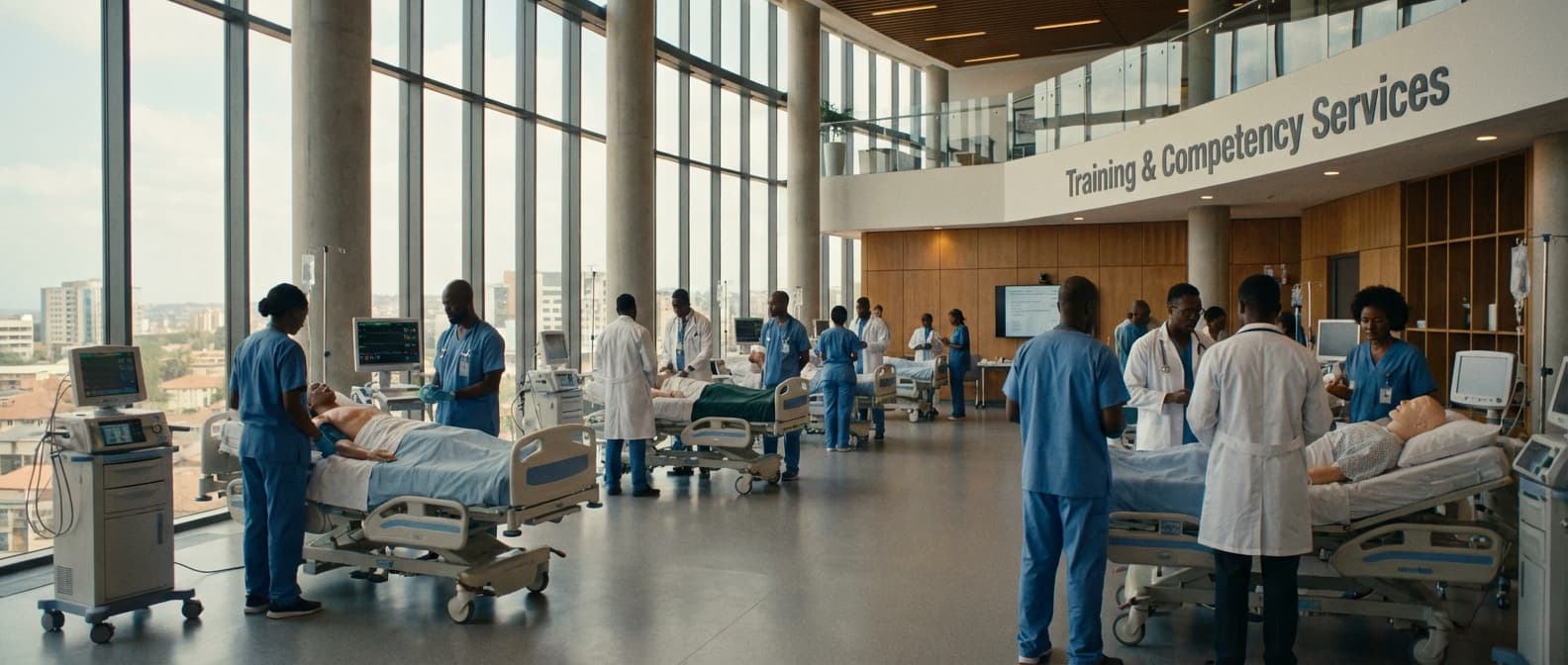
MRI Operator Training Service (Radiographers) in Uganda
Engineering Excellence & Technical Support
MRI Operator Training Service (Radiographers) High-standard technical execution following OEM protocols and local regulatory frameworks.
Advanced MRI Physics & Protocol Mastery
Deep dive into MRI physics principles, pulse sequences, and parameter optimization for superior image quality, tailored to common Ugandan pathologies. Understand artifact reduction techniques and contrast agent administration best practices.
Patient Care & Safety in MRI
Comprehensive training on patient screening, contraindication identification (including implants and metallic objects), and effective communication strategies for anxious patients. Emphasis on emergency preparedness and infection control within the MRI suite.
Equipment Operation & Quality Assurance
Hands-on training with modern MRI scanners, including routine maintenance, troubleshooting common equipment issues, and implementing rigorous quality assurance protocols to ensure diagnostic accuracy and operational efficiency.
What Is Mri Operator Training Service (Radiographers) In Uganda?
MRI Operator Training Service (Radiographers) in Uganda refers to specialized educational programs designed to equip qualified radiographers with the necessary theoretical knowledge and practical skills to safely and effectively operate Magnetic Resonance Imaging (MRI) scanners. This training is critical for diagnostic imaging professionals in Uganda to meet the growing demand for advanced imaging modalities and ensure the competent utilization of expensive and complex MRI equipment. The service encompasses comprehensive instruction on MRI physics, patient preparation and safety, scanner operation, image acquisition protocols, post-processing techniques, and quality assurance measures. It aims to develop radiographers who can produce high-quality diagnostic images while adhering to strict safety standards and ethical considerations within the Ugandan healthcare context.
| Who Needs MRI Operator Training? | Typical Use Cases for Trained Radiographers | |||||
|---|---|---|---|---|---|---|
| Newly Qualified Radiographers: Individuals seeking to specialize in advanced imaging modalities. | Experienced Radiographers: Professionals in diagnostic imaging departments who are transitioning to MRI operation or require updated skills. | Radiographers in Public and Private Hospitals: Personnel working in healthcare facilities that have acquired or plan to acquire MRI scanners. | Radiographers in Specialized Imaging Centers: Individuals working in centers focusing on neurological, orthopedic, oncological, or cardiovascular imaging. | Radiographers in Research Institutions: Personnel involved in medical research requiring MRI data acquisition. | ||
| Neurological Imaging: Diagnosis of brain tumors, strokes, multiple sclerosis, epilepsy, and other neurological disorders. | Musculoskeletal Imaging: Evaluation of joint injuries, bone tumors, ligament tears, and degenerative conditions. | Abdominal and Pelvic Imaging: Assessment of organs like the liver, kidneys, pancreas, spleen, uterus, and ovaries for various pathologies. | Cardiovascular Imaging: Diagnosis of heart conditions, vascular abnormalities, and assessment of blood flow. | Oncological Imaging: Staging and monitoring of cancer, as well as assessment of treatment response. | Breast Imaging: Screening and diagnostic imaging of breast abnormalities. | Research and Clinical Trials: Acquisition of specialized MRI data for medical research studies. |
Key Components of MRI Operator Training:
- MRI Physics and Principles: Understanding the fundamental concepts of nuclear magnetic resonance, radiofrequency pulses, gradient coils, and signal detection.
- Patient Safety and Contraindications: Comprehensive training on identifying contraindications for MRI (e.g., metallic implants, pacemakers), screening patients, and managing potential risks.
- Scanner Operation and Protocol Management: Hands-on experience with various MRI scanner functionalities, including selecting appropriate pulse sequences, optimizing parameters, and implementing standardized protocols for different anatomical regions.
- Image Acquisition and Optimization: Techniques for acquiring optimal image quality, minimizing artifacts, and understanding the impact of parameter choices on diagnostic value.
- Contrast Agent Administration (if applicable): Training on the safe and effective administration of MRI contrast agents, including dosage, injection techniques, and management of adverse reactions.
- Image Post-processing and Analysis: Familiarization with post-processing software for image manipulation, viewing, and basic analysis.
- Quality Assurance and Quality Control (QA/QC): Understanding and implementing procedures to ensure consistent scanner performance and image quality.
- Radiation Safety (though MRI is non-ionizing): While MRI does not use ionizing radiation, understanding the safety considerations related to strong magnetic fields and radiofrequency energy is crucial.
- Ethical and Legal Considerations: Awareness of patient confidentiality, informed consent, and professional responsibilities in the context of MRI procedures.
Who Needs Mri Operator Training Service (Radiographers) In Uganda?
MRI Operator Training Services are crucial for ensuring the safe, efficient, and accurate utilization of Magnetic Resonance Imaging (MRI) technology in Uganda. This advanced diagnostic imaging technique requires specialized skills and knowledge beyond general radiography. The demand for such training stems from the need to equip radiographers with the competencies to operate MRI scanners, interpret images, manage patient safety protocols, and troubleshoot common issues. As MRI technology becomes more prevalent in Ugandan healthcare facilities, the need for skilled operators escalates, directly impacting the quality of diagnostic services and patient outcomes.
| Target Customer/Department | Specific Needs Addressed by MRI Operator Training | Impact of Training |
|---|---|---|
| Radiography Departments in Hospitals | Operating MRI scanners, protocol optimization, patient preparation and management, image acquisition techniques, radiation safety (though MRI is non-ionizing, RF and magnetic field safety is critical), understanding of MRI physics, contrast agent administration. | Improved diagnostic accuracy, reduced scan times, enhanced patient comfort and safety, increased throughput, provision of specialized MRI services. |
| Radiology Technologists/Radiographers | Acquiring foundational and advanced skills in MRI operation, troubleshooting common artifacts, understanding MRI sequences and their clinical applications, patient screening for contraindications (metal implants, pacemakers). | Increased employability and career advancement, ability to work with modern imaging equipment, professional development. |
| Diagnostic Imaging Centers | Ensuring consistent quality of MRI scans, efficient workflow management, staff competency for a wide range of patient conditions, competitive service offering. | Enhanced reputation, ability to attract and retain skilled staff, expansion of service offerings, improved patient satisfaction. |
| University Teaching Hospitals | Training of future radiographers and radiologists in MRI, research applications of MRI, development of advanced MRI techniques, integration of MRI into medical curricula. | Producing highly skilled medical professionals, fostering innovation in medical imaging, contributing to advancements in healthcare research. |
| Government Health Facilities (Ministry of Health, Regional Hospitals) | Standardizing MRI services across the public sector, addressing shortages of trained MRI operators, ensuring equitable access to advanced diagnostics, cost-effective use of expensive MRI equipment. | Improved public healthcare outcomes, reduced patient referrals for MRI abroad, enhanced capacity of the public health system. |
| Private Healthcare Providers | Maintaining high standards of care, offering competitive and specialized MRI services, attracting patients seeking advanced diagnostics, ensuring return on investment for MRI equipment. | Strengthened market position, improved patient loyalty, enhanced profitability through specialized services. |
Target Customers and Departments for MRI Operator Training Services in Uganda
- Hospitals (Public and Private)
- Diagnostic Imaging Centers
- Referral Hospitals
- University Teaching Hospitals
- Regional Medical Centers
- Specialized Clinics (e.g., Neurosciences, Orthopedics)
Mri Operator Training Service (Radiographers) Process In Uganda
The MRI Operator Training Service for Radiographers in Uganda is a structured process designed to equip radiographers with the necessary skills and knowledge to operate MRI machines effectively and safely. This workflow encompasses stages from initial inquiry to the successful completion and certification of the training.
| Stage | Description | Key Activities | Responsible Parties | Deliverables/Outcomes |
|---|---|---|---|---|
| The initial point of contact where potential clients (hospitals, clinics, individuals) express interest in MRI operator training. | Client submits inquiry (email, phone, website form). Provider schedules a meeting or call. Discusses specific training needs, desired outcomes, number of participants, and existing infrastructure. Identifies skill gaps and required competencies. | Prospective Client (Hospital/Clinic Management, Radiographer), Training Provider (Sales/Business Development Team) | Understanding of client's requirements. Initial needs assessment report. |
| Based on the needs assessment, the training provider develops a tailored proposal and provides a cost estimate. | Develops a detailed training proposal (curriculum, duration, methodology, trainers). Prepares a comprehensive quotation (fees, materials, logistics). Submits proposal and quotation to the client for review. | Training Provider (Curriculum Developers, Business Development Team) | Formal training proposal. Itemized quotation. |
| Once the proposal is accepted, formal agreements are made, and logistical arrangements commence. | Client reviews and accepts the proposal/quotation. Negotiation of terms and conditions (if any). Signing of a training agreement/contract. Scheduling of training dates and venue confirmation. Coordination of participant enrollment and pre-requisite verification. Procurement of training materials and equipment (if applicable). | Client (Management, HR), Training Provider (Project Manager, Administration) | Signed training agreement. Confirmed training schedule and venue. List of enrolled participants. Logistics plan. |
| The core phase where the actual training is conducted, combining theoretical knowledge with hands-on experience. | Theoretical sessions: Anatomy, physiology, MRI physics, safety protocols, image acquisition principles, contrast agents, common pathologies. Practical sessions: Machine operation, patient positioning, protocol selection, image optimization, troubleshooting, artifact recognition, quality control. Case study analysis and discussions. Simulated scenarios and real-time practice on MRI machines (if available at client site or a dedicated facility). | Certified MRI Trainers/Radiologists, Participants (Radiographers) | Delivered theoretical knowledge. Developed practical skills. Competency demonstration by participants. |
| To gauge the participants' understanding and proficiency, a comprehensive assessment is conducted. | Written examinations (theory). Practical assessments (demonstration of skills on the MRI machine). Oral examinations/viva voce. Trainer feedback and observation reports. Participant feedback on the training program. | Trainers, Participants | Assessment scores. Evaluation reports. Identification of areas for improvement. |
| Upon successful completion of the training and assessments, participants receive certification and ongoing support. | Issuance of certificates of completion to successful participants. Providing feedback and recommendations to participants and their employers. Offering post-training support (e.g., refresher courses, technical assistance, access to online resources). Follow-up to assess the impact of training on job performance. | Training Provider (Certification Board, Administration), Client | Certificates of completion. Post-training support plan. Feedback report on training effectiveness. |
MRI Operator Training Service (Radiographers) Process in Uganda Workflow
- Inquiry and Needs Assessment
- Proposal and Quotation
- Agreement and Pre-Training Preparations
- Training Delivery (Theory and Practical)
- Assessment and Evaluation
- Certification and Post-Training Support
Mri Operator Training Service (Radiographers) Cost In Uganda
Training radiographers to operate MRI machines in Uganda is a specialized service that demands skilled instructors, access to functional MRI equipment for hands-on practice, and often involves theoretical coursework covering physics, anatomy, pathology, safety protocols, and image interpretation. The cost of such training is influenced by several key factors. These include the duration and intensity of the program, the reputation and accreditation of the training provider, the level of expertise of the instructors, the location of the training (on-site at a facility versus a dedicated training center), and the inclusion of supplementary materials or examinations. Furthermore, the availability and cost of renting MRI scanner time for practical sessions can significantly impact the overall price. Due to these variables, pricing can exhibit a considerable range. The training typically targets existing radiographers seeking to upskill or specialize. Costs are generally quoted in Ugandan Shillings (UGX).
| Training Scope/Level | Estimated Cost Range (UGX) |
|---|---|
| Basic MRI Operator Certification (e.g., 2-4 weeks, introductory level) | 3,000,000 - 7,000,000 |
| Intermediate MRI Operator Training (e.g., 4-8 weeks, more in-depth theory and practicals) | 6,000,000 - 12,000,000 |
| Advanced MRI Operator Specialization (e.g., 3-6 months, specific applications like neuro, cardiac, musculoskeletal) | 10,000,000 - 25,000,000+ |
| On-site Training at a Facility (per participant, variable based on customization) | Negotiable, often a package deal |
| Short Workshops/Seminars (1-3 days, focused topics) | 500,000 - 2,000,000 |
Key Pricing Factors for MRI Operator Training in Uganda:
- Duration and Intensity of the Course (e.g., weeks, months, full-time vs. part-time)
- Reputation and Accreditation of the Training Institution/Provider
- Experience and Qualifications of the Instructors (e.g., senior radiologists, experienced MRI technologists)
- Location of Training (e.g., at a hospital with an MRI, a dedicated training facility, remote learning components)
- Inclusion of Hands-on Practical Sessions (access to functional MRI scanners)
- Quality and Quantity of Training Materials (manuals, online resources, simulators)
- Assessment and Certification Fees
- Administrative and Logistical Costs
- Optional Modules (e.g., specific MRI sequences, advanced applications)
- Travel and Accommodation for Trainees (if applicable)
Affordable Mri Operator Training Service (Radiographers) Options
This document outlines affordable MRI operator training service options specifically for radiographers. We understand the importance of skilled MRI personnel and the need for cost-effective training solutions. Our services are designed to meet these demands by offering flexible learning formats and strategic cost-saving measures. We'll explore value bundles that combine essential training components and discuss practical strategies to minimize your investment while maximizing the quality of your radiographers' expertise.
| Bundle Name | Description | Included Components | Estimated Cost Range (per trainee) |
|---|---|---|---|
| Basic Radiographer MRI Certificate | Essential knowledge for safe and effective MRI operation. | Foundational MRI Physics & Safety, Image Acquisition Protocols (general), Patient Care & Ergonomics, Basic QA | $1,500 - $3,000 |
| Advanced MRI Specialist Bundle | Comprehensive training for advanced applications and protocols. | Basic Bundle + Advanced MRI Techniques, Quality Assurance & Troubleshooting, Regulatory Compliance & Ethics | $3,000 - $5,500 |
| On-Site Team Training Package | Tailored training delivered at your facility for a group of radiographers. | Customizable curriculum based on your needs, hands-on components, immediate feedback | Custom Quote (Volume discounts apply) |
| Remote Learning Essentials | Flexible online modules for foundational knowledge and self-paced learning. | Foundational MRI Physics & Safety, Patient Care & Ergonomics, Basic QA (online modules) | $800 - $1,800 |
| Blended Learning Advantage | Combines the flexibility of online learning with focused on-site practical sessions. | Remote Learning Essentials + select on-site practical training sessions | $2,200 - $4,000 |
Key Training Components & Value Bundles
- Foundational MRI Physics & Safety
- Image Acquisition Protocols (various body parts)
- Advanced MRI Techniques (e.g., contrast administration, specific sequences)
- Patient Care & Ergonomics in MRI
- Quality Assurance & Troubleshooting
- Regulatory Compliance & Ethics
- Practical Hands-on Experience (simulated or supervised)
- On-site Training
- Remote/Online Learning Modules
- Blended Learning Packages (combination of on-site and remote)
- Customizable Training Curricula
Verified Providers In Uganda
In Uganda's growing healthcare landscape, identifying truly verified and competent healthcare providers is paramount for ensuring quality patient care. Franance Health stands out as a leader in this regard, offering a robust platform that rigorously vets its network of healthcare professionals and facilities. This commitment to verification and a focus on patient well-being makes Franance Health the best choice for individuals seeking reliable medical services.
| Franance Health Verification Aspect | Benefit to Patients | Example of Rigor |
|---|---|---|
| Academic & Professional Qualification Checks | Ensures providers have the foundational knowledge and expertise required for their specialization. | Verification of degrees, diplomas, and board certifications from recognized institutions. |
| Licensure and Regulatory Compliance | Confirms providers are legally authorized to practice and adhere to national health regulations. | Cross-referencing with Uganda's National Medical Council (NMC) and relevant professional bodies. |
| Experience & Specialization Validation | Identifies providers with proven experience in specific medical fields, leading to better diagnoses and treatments. | Review of work history, case logs, and documented professional achievements. |
| Ethical Conduct and Disciplinary Record Review | Safeguards patients by ensuring providers maintain high ethical standards and have no history of malpractice. | Checks for any reported disciplinary actions or formal complaints through relevant professional bodies. |
| Patient Feedback and Performance Monitoring | Provides insights into patient satisfaction and ongoing quality of care. | Regular surveys and review mechanisms for patient experiences and outcomes. |
Why Franance Health Represents the Best Choice for Verified Providers in Uganda:
- Rigorous Credentialing Process: Franance Health employs a multi-layered verification system that goes beyond basic licensing. This includes in-depth checks of educational qualifications, professional experience, certifications, and adherence to ethical standards. They ensure that all listed providers meet stringent criteria for competence and patient safety.
- Commitment to Quality and Patient Outcomes: The platform prioritizes providers who demonstrate a consistent track record of excellent patient care and positive health outcomes. This involves gathering feedback and performance data to maintain a high standard across their network.
- Transparency and Accessibility: Franance Health offers a transparent platform where users can easily access verified provider profiles, including their specializations, experience, and patient reviews. This empowers individuals to make informed decisions about their healthcare.
- Focus on Diverse Healthcare Needs: The network encompasses a wide range of medical specializations and healthcare facilities, catering to diverse health needs across Uganda. Whether it's primary care, specialized treatments, or emergency services, Franance Health connects users with trusted professionals.
- Continuous Monitoring and Improvement: Franance Health doesn't just verify once; they maintain ongoing monitoring of their providers to ensure continued adherence to quality standards and ethical practices. This commitment to continuous improvement guarantees a reliable and trustworthy healthcare experience.
- Patient-Centric Approach: Ultimately, Franance Health's mission is to put patients first. By meticulously verifying providers, they aim to reduce the risks associated with seeking healthcare and ensure that every Ugandan has access to safe, effective, and high-quality medical services.
Scope Of Work For Mri Operator Training Service (Radiographers)
This Scope of Work (SOW) outlines the requirements for a comprehensive MRI Operator Training Service for radiographers. The service aims to equip participants with the necessary theoretical knowledge and practical skills to safely and effectively operate MRI scanners, ensuring high-quality diagnostic imaging and patient care. The training will cover fundamental MRI physics, patient safety protocols, imaging protocols, artifact reduction, and post-processing techniques. Emphasis will be placed on hands-on experience and case study analysis.
| Deliverable | Description | Standard Specification | Acceptance Criteria |
|---|---|---|---|
| Training Curriculum Document | A detailed document outlining all training modules, learning objectives, duration, and assessment methods. | Must be comprehensive, aligned with current MRI best practices, and cover all listed modules. | Curriculum approved by the client before training commencement. |
| Training Materials (Manuals, Presentations) | High-quality, up-to-date training manuals, slide presentations, and supplementary reading materials. | Materials should be clear, concise, technically accurate, and visually engaging. Available in digital and/or print format. | Materials reviewed and accepted by the client for accuracy and completeness. |
| Qualified Instructors | Experienced and certified MRI technologists or radiographers with proven teaching abilities. | Instructors must possess a minimum of 5 years of practical MRI experience and relevant teaching certifications or demonstrable training experience. | Resumes and certifications of instructors submitted and approved by the client. |
| Practical Training Sessions | Hands-on training sessions conducted on functional MRI scanners under the supervision of instructors. | Sessions must provide sufficient practical experience for each participant to operate the scanner, perform scans, and troubleshoot basic issues. Ratio of participants to scanner should be optimized for effective learning. | Documented evidence of successful completion of practical exercises by each participant, signed by instructor and participant. |
| Assessment and Evaluation Tools | Quizzes, practical examinations, and feedback forms to assess participant learning and training effectiveness. | Assessments should measure knowledge retention and practical skill application. Feedback forms should capture participant satisfaction and areas for improvement. | Completion of assessments by participants. Aggregated feedback report provided to the client. |
| Training Completion Certificates | Formal certificates issued to participants upon successful completion of the training program. | Certificates should clearly state the name of the participant, the training program title, duration, and the issuing organization. | Certificates issued for all participants meeting the passing criteria. |
| Post-Training Support (Optional) | Limited post-training support for addressing participant queries or providing clarification. | Support can be provided via email or scheduled virtual sessions for a defined period (e.g., 30 days) post-training. | Defined support mechanism and response times agreed upon by client and provider. |
Key Training Modules and Objectives
- MRI Physics Fundamentals: Understanding of magnetic fields, radiofrequency pulses, signal generation, and image reconstruction.
- Patient Safety and Compliance: Comprehensive training on MRI safety zones, screening procedures, contraindications, contrast agent administration, and emergency protocols.
- MRI Hardware and Software Operation: Familiarization with MRI scanner components, console operation, user interface, and basic troubleshooting.
- Imaging Protocols and Techniques: Development of skills in selecting and optimizing appropriate pulse sequences and imaging parameters for various anatomical regions and clinical indications.
- Image Quality Assurance and Artifact Management: Identification and mitigation of common artifacts, leading to improved diagnostic image quality.
- Contrast Agent Administration and Monitoring: Understanding of different contrast agents, administration protocols, potential adverse reactions, and monitoring techniques.
- Post-Processing and PACS Integration: Basic image manipulation, windowing, leveling, and integration with Picture Archiving and Communication Systems (PACS).
- Hands-on Practical Sessions: Supervised practical training on actual MRI scanners, applying learned concepts to real-world scenarios.
- Case Study Analysis and Discussion: Review of anonymized patient cases to enhance diagnostic interpretation and protocol selection skills.
Service Level Agreement For Mri Operator Training Service (Radiographers)
This Service Level Agreement (SLA) defines the response times and uptime guarantees for the MRI Operator Training Service (Radiographers) provided by [Training Provider Name] to [Client Name]. This SLA is an addendum to the Master Services Agreement (MSA) between the parties.
| Service Component | Response Time (Business Hours) | Response Time (Non-Business Hours) | Resolution Target (P1/Critical Incidents) | Resolution Target (P2/Major Incidents) | Uptime Guarantee |
|---|---|---|---|---|---|
| MRI Operator Training Platform Access | 1 hour | 4 business hours | 4 hours | 8 business hours | 99.5% |
| Access to Training Materials (Modules, Videos) | 2 hours | 6 business hours | 6 hours | 12 business hours | 99.5% |
| Scheduled Virtual Training Session Connectivity | 15 minutes before scheduled start | N/A (Contact Emergency Support) | Immediate (for the duration of the session) | N/A | N/A |
| Technical Support (General Inquiries/Minor Issues) | 4 business hours | N/A (Submit Ticket) | N/A | 1 business day | N/A |
Definitions
- {"item":"Active Incident","description":"An incident where a client is unable to access or utilize the MRI Operator Training Service due to a failure or degradation of the service, as determined by the Training Provider."}
- {"item":"Business Hours","description":"9:00 AM to 5:00 PM [Time Zone] on weekdays, excluding public holidays."}
- {"item":"Downtime","description":"The period during which the MRI Operator Training Service is unavailable to the client, preventing access to training materials or scheduled sessions. Routine maintenance windows are excluded from Downtime."}
- {"item":"Emergency Support","description":"Support required for Active Incidents that significantly impact the ability to conduct or complete essential training modules."}
- {"item":"Non-Emergency Support","description":"Support required for issues that do not prevent the immediate use of the service but require attention, such as minor functional issues or general inquiries."}
- {"item":"Resolution","description":"The time it takes for the Training Provider to resolve an Active Incident, restoring the MRI Operator Training Service to its expected operational state."}
- {"item":"Service Credit","description":"A monetary credit applied to the client's account as compensation for failing to meet the uptime guarantees defined in this SLA."}
- {"item":"Uptime","description":"The percentage of time the MRI Operator Training Service is available to the client, excluding scheduled maintenance periods."}
Frequently Asked Questions

Ready when you are
Let's scope your MRI Operator Training Service (Radiographers) in Uganda project in Uganda.

Scaling healthcare logistics and technical systems across the entire continent.