
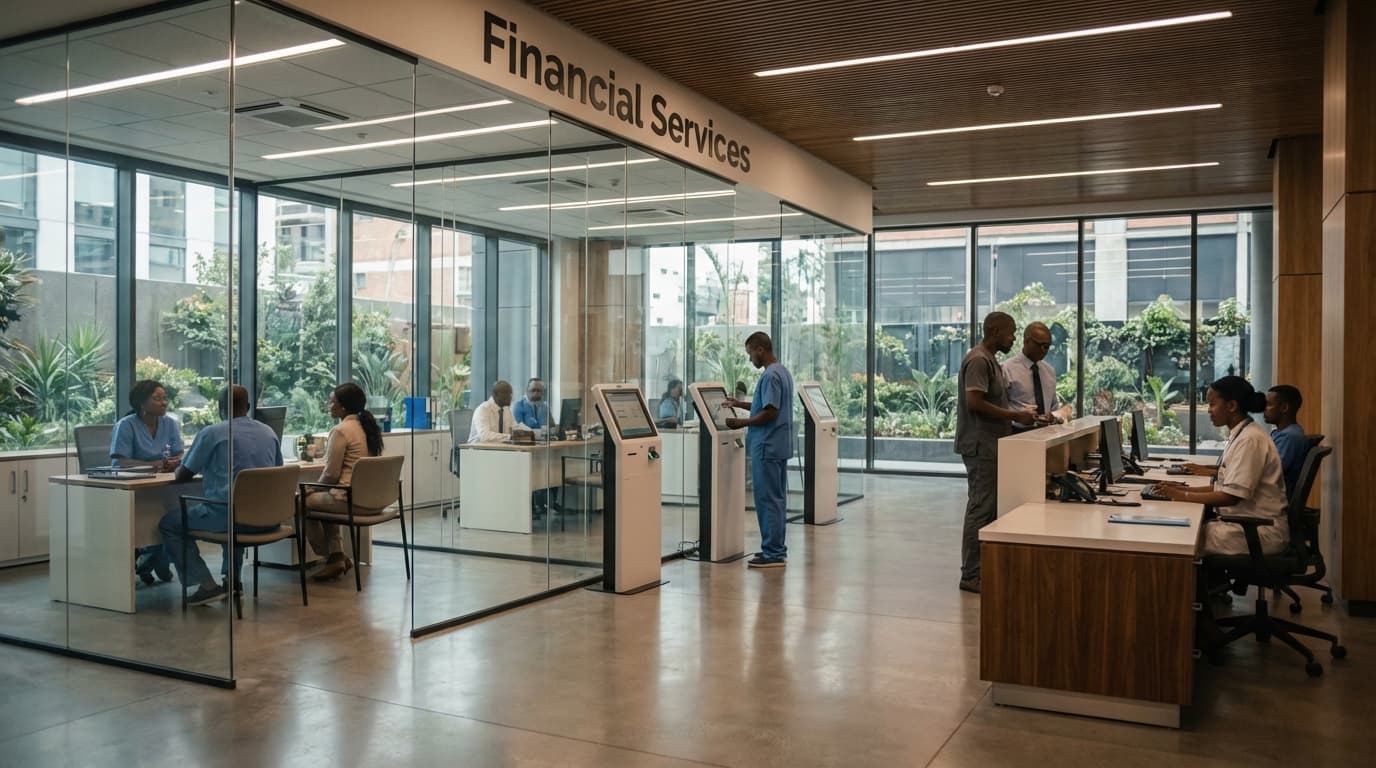
Medical Equipment Rental in Uganda
Engineering Excellence & Technical Support
Short-term and long-term equipment rental solutions High-standard technical execution following OEM protocols and local regulatory frameworks.
Wide Range of Medical Equipment
Access to a comprehensive inventory of advanced medical equipment, from life support systems and diagnostic tools to specialized surgical instruments, ensuring all your healthcare needs are met.
Rapid & Reliable Delivery
Expedited delivery services across Uganda, guaranteeing timely arrival of essential medical equipment to your facility, minimizing downtime and maximizing patient care continuity.
Expert Technical Support
On-demand technical assistance and maintenance from certified professionals, ensuring seamless operation and optimal performance of all rented medical devices.
What Is Medical Equipment Rental In Uganda?
Medical Equipment Rental in Uganda refers to the provision of medical devices and apparatus on a temporary basis to healthcare facilities, practitioners, and individuals. This service circumvents the substantial capital expenditure associated with outright equipment purchase, offering a flexible and cost-effective solution for acquiring necessary medical technology. The service encompasses the sourcing, delivery, installation, maintenance, and retrieval of a wide spectrum of medical equipment, ranging from basic diagnostic tools to complex life-support systems.
| Equipment Category | Typical Use Cases | Rationale for Rental |
|---|---|---|
| Diagnostic Imaging (e.g., portable X-ray, ultrasound) | Temporary diagnostic capacity, outreach programs, mobile clinics | High capital cost, infrequent or variable demand |
| Life Support Systems (e.g., ventilators, CPAP machines) | ICU surge capacity, disaster response, post-operative care | Critical need during emergencies, specialized training requirements |
| Surgical Equipment (e.g., electrosurgical units, surgical lights) | Specific surgical procedures, temporary ward setup | High cost of specialized instruments, limited surgical throughput |
| Patient Monitoring Systems (e.g., ECG monitors, pulse oximeters) | Patient wards, transport of critical patients, home care | Cost-effectiveness for multiple units, rapid deployment needs |
| Laboratory Equipment (e.g., centrifuges, microscopes) | Temporary laboratory setup, specific research projects | Variable need, technological obsolescence |
| Rehabilitation Equipment (e.g., physiotherapy equipment) | Rehabilitation centers, home-based therapy | Equipment often underutilized, specialized focus |
Key Stakeholders Requiring Medical Equipment Rental
- Hospitals (Public and Private): For short-term demand surges, specialized procedures, or to bridge gaps while awaiting new acquisitions.
- Clinics and Health Centers: To access equipment for specific diagnostic or therapeutic interventions without significant upfront investment.
- Surgical Centers: For temporary or specialized surgical instrumentation.
- Emergency Medical Services (EMS): To equip ambulances or mobile medical units for immediate deployment.
- Research Institutions: For trials and studies requiring specialized equipment for limited durations.
- Event Organizers (e.g., sports events, conferences): To provide on-site medical support and emergency response capabilities.
- Individuals and Home Healthcare Providers: For patient care at home, such as oxygen concentrators, mobility aids, or monitoring devices.
- Non-Governmental Organizations (NGOs) and Humanitarian Organizations: For deployment in remote areas or during health crises.
Who Needs Medical Equipment Rental In Uganda?
Access to reliable and advanced medical equipment is crucial for effective healthcare delivery in Uganda. However, the high cost of purchasing and maintaining specialized medical devices can be a significant barrier for many healthcare providers. This is where medical equipment rental services become invaluable, offering a flexible and cost-effective solution. These services cater to a diverse range of clients, enabling them to access the necessary technology without substantial upfront investment, thereby improving patient care and operational efficiency.
| Target Customer Group | Specific Departments/Needs |
|---|---|
| Hospitals (Public & Private) | • Emergency Departments: For critical care equipment like ventilators, cardiac monitors, defibrillators. • Intensive Care Units (ICUs): For advanced life support systems, specialized ventilators, infusion pumps. • Operating Theatres: For surgical tools, anesthesia machines, surgical lights, patient monitoring systems. • Diagnostic Imaging Departments: For temporary needs of X-ray machines, ultrasound machines, CT scanners (especially for peak demand or equipment downtime). • Maternity Wards: For incubators, fetal monitors, phototherapy units. • Rehabilitation Centers: For physiotherapy equipment, mobility aids. • Outpatient Departments: For diagnostic tools and short-term specialized equipment. |
| Clinics and Health Centers | • General Practice Clinics: For basic diagnostic equipment like ECG machines, spirometers, nebulizers. • Specialty Clinics (e.g., Cardiology, Dermatology): For specific diagnostic and treatment devices not regularly in use. • Rural Health Centers: To bridge gaps in equipment availability and offer a wider range of services without capital investment. |
| Specialty Medical Centers | • Oncology Centers: For specific chemotherapy delivery systems or radiation therapy support equipment (for specific courses or temporary needs). • Cardiology Centers: For stress test equipment, Holter monitors, echocardiography machines (for increased patient volume or specific procedures). • Nephrology Centers: For dialysis machines (especially for temporary surges in demand or to pilot new services). |
| Research Institutions | • Clinical Trials: For specialized monitoring or diagnostic equipment required for specific research protocols. • Medical Education: For training purposes, providing students and trainees with hands-on experience with advanced equipment. |
| NGOs and Humanitarian Organizations | • Field Hospitals & Mobile Clinics: To rapidly deploy medical facilities in underserved areas or during emergencies. • Disease Outbreak Response: For essential equipment needed to manage specific health crises (e.g., ventilators for respiratory illnesses, diagnostic kits). |
| Event Organizers | • Concerts, Sports Events, Conferences: For temporary medical tents and first-aid stations requiring basic monitoring equipment and emergency response tools. |
| Individual Practitioners | • Specialists: For specific procedures or consultations requiring highly specialized and infrequently used equipment. |
Who Needs Medical Equipment Rental in Uganda? Target Customers and Departments
- Hospitals (both public and private)
- Clinics and Health Centers
- Specialty Medical Centers
- Research Institutions
- Non-Governmental Organizations (NGOs) involved in healthcare
- Event organizers requiring temporary medical facilities
- Individual practitioners requiring specialized equipment for short-term use
Medical Equipment Rental Process In Uganda
The medical equipment rental process in Uganda typically involves a structured workflow to ensure efficient and reliable service delivery. This process is crucial for healthcare facilities, research institutions, and individual practitioners who require temporary access to specialized medical devices. The workflow begins with an initial inquiry and culminates in the successful execution of the rental agreement, including delivery, usage, and return of the equipment.
| Stage | Description | Key Activities | Responsible Parties | Output/Outcome |
|---|---|---|---|---|
| Inquiry and Needs Assessment | The process begins when a client expresses interest in renting medical equipment. | Client contacts rental company. Discusses equipment needs (type, duration, specifications). Rental company assesses availability and suitability. | Client (Healthcare Facility, Researcher, etc.), Rental Company Representative | Clear understanding of client's requirements. Identification of available equipment. |
| Quotation and Agreement | Based on the identified needs, the rental company provides a detailed quote and proposes rental terms. | Rental company prepares a formal quotation including rental fees, delivery costs, insurance, and deposit (if applicable). Client reviews and negotiates terms. A formal rental agreement is drafted and signed by both parties. | Rental Company, Client | Agreed-upon rental terms. Signed rental contract outlining responsibilities. |
| Preparation and Delivery | Once the agreement is finalized, the equipment is prepared and transported to the client's location. | Rental company inspects and services the equipment. Equipment is sterilized/cleaned as per protocols. Safe transportation arrangements are made. Delivery to the client's specified location. | Rental Company (Technicians, Logistics Team), Client (for receiving) | Equipment delivered in good working condition. Confirmation of delivery by the client. |
| Usage and Support | The client uses the rented equipment for the agreed period, with provision for technical assistance. | Client uses equipment according to manufacturer guidelines. Rental company provides technical support or troubleshooting if needed. Regular maintenance checks might be performed by the rental company. | Client, Rental Company (Technical Support) | Successful utilization of the equipment. Minimization of downtime. |
| Return and Inspection | At the end of the rental period, the equipment is returned and thoroughly inspected. | Client prepares equipment for return. Rental company collects equipment or client returns it. Comprehensive inspection of equipment for damage or wear and tear. Cleaning and sterilization of returned equipment. | Client, Rental Company (Technicians, Logistics Team) | Equipment returned. Condition assessed. Any damages documented. |
| Invoicing and Payment | The final invoice is generated based on the rental agreement and any additional charges, followed by payment. | Rental company generates final invoice. Client reviews invoice. Payment is made according to agreed terms. Deposit (if held) is reconciled or refunded. | Rental Company, Client | All financial obligations settled. Completion of the rental transaction. |
Key Stages in the Medical Equipment Rental Process:
- Inquiry and Needs Assessment
- Quotation and Agreement
- Preparation and Delivery
- Usage and Support
- Return and Inspection
- Invoicing and Payment
Medical Equipment Rental Cost In Uganda
Renting medical equipment in Uganda can be a cost-effective solution for healthcare providers, especially for specialized or infrequently used devices. The pricing is influenced by several factors, including the type and sophistication of the equipment, the duration of the rental, the provider's service package, and the condition of the equipment. For common items like wheelchairs or crutches, prices are generally lower and more accessible, while advanced diagnostic machines or life-support systems command significantly higher rental fees. The rental duration also plays a crucial role; longer-term rentals often come with discounted daily or weekly rates compared to short-term hires. Many rental companies offer additional services such as delivery, installation, maintenance, and training, which are typically factored into the overall cost. The condition of the equipment, whether it's brand new or refurbished, will also affect the rental price. It's advisable for potential renters to obtain detailed quotes from multiple suppliers to compare options and ensure they are getting the best value for their specific needs.
| Equipment Category | Estimated Rental Range (UGX per day/week) | Notes |
|---|---|---|
| Basic Mobility Aids (e.g., Wheelchair, Crutches, Walker) | 15,000 - 50,000 UGX (per day) | Factors: brand, features (e.g., power assist for wheelchair), condition. |
| Hospital Beds (Manual & Electric) | 30,000 - 100,000 UGX (per day) | Electric beds with more features are pricier. Weekly rates are often discounted. |
| Oxygen Concentrators & Cylinders | 25,000 - 80,000 UGX (per day) | Includes consumables for concentrators. Cylinder rentals may vary based on gas volume. |
| Patient Monitors (Basic) | 50,000 - 150,000 UGX (per day) | Monitors with more parameters (e.g., ECG, SpO2, NIBP) are higher. |
| Infusion Pumps & Syringe Pumps | 40,000 - 120,000 UGX (per day) | Programmable and specialized pumps will be at the higher end. |
| Ventilators (Basic & ICU) | 150,000 - 500,000+ UGX (per day) | ICU ventilators are significantly more expensive due to complexity and required support. |
| Defibrillators (AED & Manual) | 100,000 - 300,000 UGX (per day/event) | Often rented for events or short-term needs. Includes training and consumables. |
| Diagnostic Equipment (e.g., Portable Ultrasound, ECG Machines) | 100,000 - 400,000+ UGX (per day/week) | Depends on the sophistication and intended use. May require skilled operators. |
Key Pricing Factors for Medical Equipment Rental in Uganda
- Type and Complexity of Equipment: Basic mobility aids are cheaper than advanced diagnostic or surgical equipment.
- Rental Duration: Longer rental periods usually offer lower per-day/week rates.
- Service Package: Inclusion of delivery, installation, maintenance, and training impacts cost.
- Equipment Condition: New vs. refurbished equipment will have different pricing.
- Provider Reputation and Overhead: Established providers with comprehensive support may charge more.
Affordable Medical Equipment Rental Options
Accessing necessary medical equipment can be a significant financial concern for individuals and healthcare providers. Fortunately, affordable medical equipment rental options exist, offering a flexible and cost-effective alternative to purchasing. These solutions are particularly beneficial for short-term needs, rehabilitation, or when managing fluctuating equipment demands. Understanding value bundles and implementing smart cost-saving strategies can further enhance the affordability of renting medical equipment.
| Value Bundle Example | Included Items/Services | Potential Cost Savings |
|---|---|---|
| Home Hospital Bed Package | Hospital bed, standard mattress, side rails, patient lift, bedside commode | Often 10-20% less than renting items individually. Streamlined delivery and setup. |
| Post-Surgery Mobility Kit | Wheelchair, walker, crutches, elevated toilet seat, shower chair | Bundled price provides convenience and can offer a discount compared to separate rentals. Reduced administrative effort. |
| Respiratory Care Bundle | Oxygen concentrator, nebulizer, pulse oximeter, humidifier | Ensures all necessary respiratory equipment is readily available, potentially with a bundled discount. Minimizes need for separate arrangements. |
| Pediatric Care Package | Specialized crib, feeding pump, apnea monitor, infant scale | Designed for specific needs, often with better pricing and integrated support. Reduces risk of incompatibility between devices. |
Key Cost-Saving Strategies for Medical Equipment Rental
- Compare Rental Providers: Don't settle for the first option. Research multiple rental companies to compare pricing, included services, and equipment availability. Small local providers may offer more competitive rates than large national chains.
- Negotiate Rental Terms: For longer rental periods, inquire about potential discounts. Bundle multiple equipment rentals or discuss package deals to reduce overall costs.
- Understand Inclusions: Carefully review what is included in the rental price. Does it cover delivery, setup, maintenance, and pick-up? Unexpected charges for these services can significantly inflate the cost.
- Consider Refurbished Equipment: Many rental companies offer well-maintained, refurbished equipment at a lower price point. This can be a great option for less critical needs or when budget is a primary concern.
- Leverage Insurance and Benefits: Investigate if your health insurance, Medicare, Medicaid, or private disability insurance covers any portion of medical equipment rental costs. Consult with your provider or insurance company.
- Plan for Rental Duration: Accurately estimate the duration you will need the equipment. Overestimating can lead to unnecessary rental fees. Maintain open communication with healthcare professionals for timely returns.
- Explore Non-Profit Organizations and Charities: Some organizations provide subsidized or free medical equipment rentals to eligible individuals. Research local charities and community programs.
- Bundle Services and Equipment: As mentioned in value bundles, look for packages that include essential accessories or services with the equipment. This can often be more economical than renting items individually.
Verified Providers In Uganda
Finding healthcare providers in Uganda you can trust is paramount for your well-being. This guide focuses on verified providers, highlighting Franance Health's credentials and explaining why they stand out as an exceptional choice for quality healthcare services. Verified providers undergo rigorous vetting processes, ensuring they meet established standards for professionalism, expertise, and patient care. Franance Health has consistently demonstrated its commitment to these standards, making them a reliable partner in your health journey.
| Credential/Attribute | Franance Health's Achievement | Significance for Patients |
|---|---|---|
| National Health Regulatory Authority (NHRA) Compliance | Fully compliant with all NHRA regulations and guidelines. | Ensures legal and ethical practice, safeguarding patient rights. |
| International Healthcare Standards Recognition | Adherence to recognized international quality benchmarks (e.g., ISO standards where applicable). | Indicates a commitment to global best practices in healthcare management and patient safety. |
| Specialist Certifications | All specialist physicians hold recognized board certifications in their respective fields. | Guarantees that you are being treated by experts with specialized knowledge and skills. |
| Continuous Professional Development (CPD) | Mandatory and regular CPD programs for all medical staff. | Ensures that healthcare professionals are up-to-date with the latest medical advancements and techniques. |
| Advanced Diagnostic Equipment | Equipped with modern imaging (MRI, CT scan) and laboratory facilities. | Facilitates accurate and timely diagnosis, leading to more effective treatment plans. |
Why Franance Health is a Top Choice for Verified Healthcare in Uganda
- Comprehensive Accreditation and Certifications: Franance Health has secured key accreditations and certifications from reputable national and international health organizations. These endorsements signify adherence to stringent quality management systems and best practices in healthcare delivery.
- Highly Qualified Medical Professionals: The team at Franance Health comprises experienced doctors, nurses, and specialists who are not only licensed but also possess advanced training and a commitment to continuous professional development. Their expertise spans a wide range of medical disciplines.
- State-of-the-Art Facilities and Technology: Franance Health invests in modern medical equipment and maintains up-to-date facilities. This technological advantage allows for accurate diagnostics, effective treatments, and a comfortable patient experience.
- Patient-Centric Approach: A core tenet of Franance Health is their dedication to patient well-being. They prioritize clear communication, empathy, and personalized care plans, ensuring that each patient receives the attention and respect they deserve.
- Strong Ethical Standards and Transparency: Franance Health operates with the highest ethical principles, ensuring transparency in all their dealings, from treatment costs to medical procedures. This builds trust and empowers patients to make informed decisions about their health.
- Positive Patient Testimonials and Outcomes: The consistent positive feedback and successful treatment outcomes from their patients underscore Franance Health's effectiveness and reliability as a healthcare provider.
Scope Of Work For Medical Equipment Rental
This Scope of Work (SOW) outlines the requirements for the rental of medical equipment. It details the technical deliverables, standard specifications, and operational expectations to ensure the provision of high-quality, functional, and safe medical devices for [Client Name]'s [Project/Department] located at [Location]. The rental period will commence on [Start Date] and conclude on [End Date]. This SOW is intended to guide the selected vendor in fulfilling the contractual obligations for medical equipment rental services.
| Equipment Category | Specific Equipment Item | Quantity | Key Technical Specifications/Features | Standard Compliance | Required Accessories/Consumables | Deliverable Requirements | Testing & Calibration |
|---|---|---|---|---|---|---|---|
| Diagnostic Imaging | Portable Ultrasound Machine | 2 Units | High-resolution display, multiple transducer ports, Doppler capabilities (color, power, spectral), battery backup (minimum 4 hours). | FDA Approved, CE Marked, IEC 60601 compliant. | Transducers (e.g., curvilinear, linear), gel, power cord, user manual, carrying case. | Fully functional unit delivered to site, with all specified accessories. On-site demonstration and user training. | Annual calibration certificate required. On-site testing for functionality and image quality prior to deployment. |
| Patient Monitoring | Multi-parameter Patient Monitor | 5 Units | ECG (3/5-lead), NIBP, SpO2, respiration, temperature monitoring. Color display, adjustable alarm limits, data trending (minimum 24 hours). | FDA Approved, CE Marked, IEC 60601 compliant. | Patient cables (ECG, SpO2, NIBP cuffs - adult, pediatric), temperature probe, power cord, user manual. | Unit delivered with all necessary patient leads. On-site setup and verification of parameters. | Regular scheduled preventative maintenance and calibration. Calibration verification upon delivery. |
| Therapeutic Devices | Infusion Pump | 10 Units | Programmable flow rate and volume, multiple infusion modes (e.g., rate, drip, time), anti-free flow protection, audible and visual alarms. | FDA Approved, CE Marked, IEC 60601 compliant. | Power cord, IV tubing compatibility (specified brands), user manual. | Unit delivered in clean and hygienic condition. Demonstration of basic operation. | Annual calibration. Functional testing and alarm verification on delivery. |
| Respiratory Support | High-Flow Nasal Cannula System | 3 Units | Adjustable oxygen concentration, flow rates up to 60 L/min, integrated humidifier, heated wire circuit. | FDA Approved, CE Marked. | Heated wire circuits (single-use), nasal cannulas (various sizes), humidifier chamber, power cord, user manual. | System delivered with initial set of consumables. On-site setup and user guidance. | Regular maintenance and cleaning. Humidifier chamber and circuit replaced as per manufacturer's recommendations/client schedule. |
Key Objectives of Medical Equipment Rental
- To provide access to advanced medical technologies without significant capital investment.
- To ensure equipment availability meets the fluctuating demands of patient care.
- To maintain a high standard of equipment functionality and safety through regular servicing and calibration.
- To offer flexible rental terms that align with project timelines and budget constraints.
- To facilitate seamless integration of rented equipment with existing hospital infrastructure.
Service Level Agreement For Medical Equipment Rental
This Service Level Agreement (SLA) outlines the response times and uptime guarantees for the rental of medical equipment provided by [Your Company Name] to [Client Name]. This agreement is effective from [Start Date] to [End Date].
| Equipment Category | Uptime Guarantee | Response Time (during business hours) | Response Time (after business hours/weekends/holidays) | Resolution Time Target |
|---|---|---|---|---|
| Critical Equipment (e.g., Ventilators, Defibrillators) | 99.5% | 1 hour | 2 hours | 4 business hours |
| Standard Equipment (e.g., Patient Monitors, Infusion Pumps) | 98.0% | 2 hours | 4 hours | 8 business hours |
Key Definitions
- Critical Equipment: Medical devices essential for immediate patient care or life support.
- Standard Equipment: Medical devices that support patient care but are not immediately life-critical.
- Downtime: The period during which a rented medical equipment is non-operational and unable to perform its intended function, excluding scheduled maintenance or pre-approved client-initiated modifications.
- Response Time: The maximum time allowed for [Your Company Name]'s technical support to acknowledge a reported issue and initiate troubleshooting.
- Resolution Time: The maximum time allowed for [Your Company Name] to repair or replace faulty equipment to restore full functionality.
- Uptime Guarantee: The minimum percentage of time the equipment is expected to be operational over a defined period.
Frequently Asked Questions

Ready when you are
Let's scope your Medical Equipment Rental in Uganda project in Uganda.

Scaling healthcare logistics and technical systems across the entire continent.