
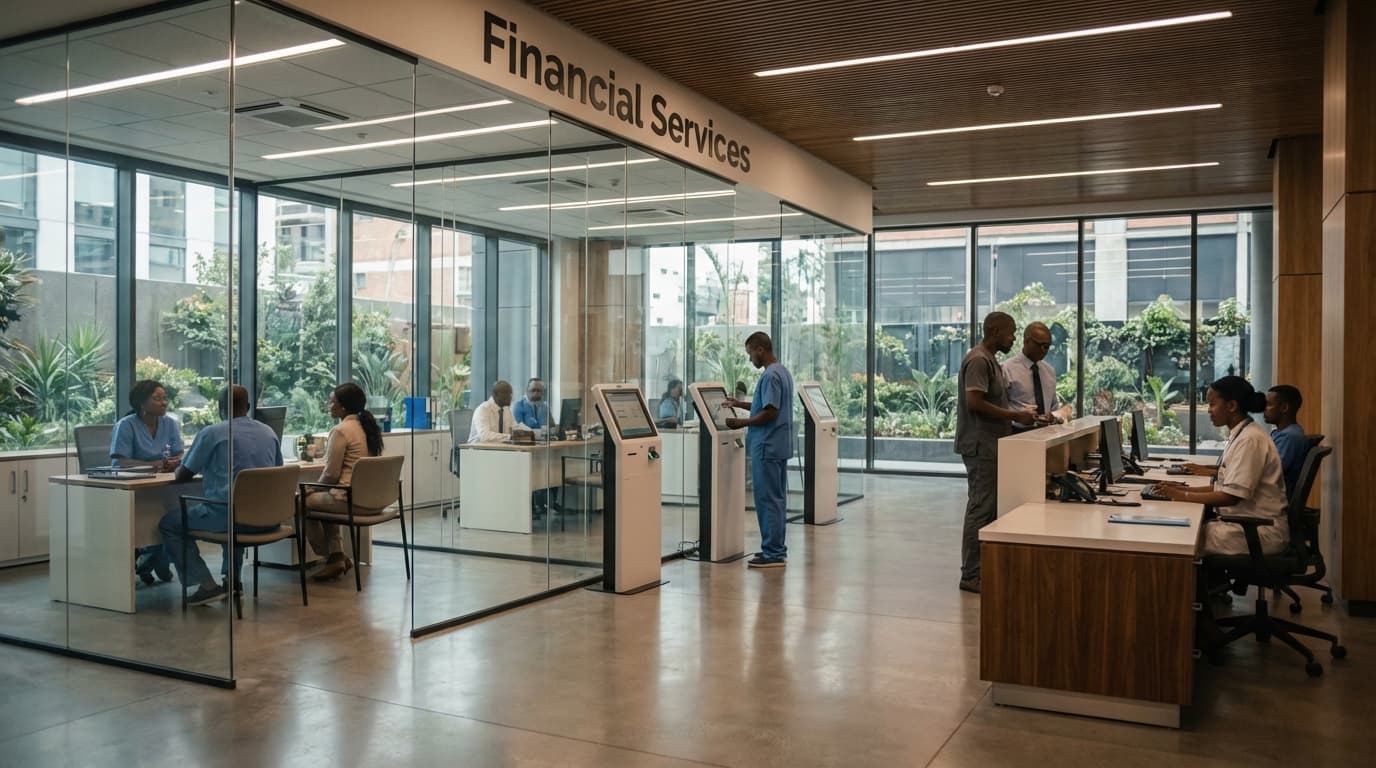
Medical Equipment Financing in Uganda
Engineering Excellence & Technical Support
Leasing and financing solutions for medical equipment High-standard technical execution following OEM protocols and local regulatory frameworks.
Tailored Financing Solutions
Access flexible loan products designed specifically for medical equipment acquisition, catering to the diverse needs of Ugandan healthcare providers, from small clinics to large hospitals.
Accelerated Deployment & ROI
Benefit from quick approval processes and competitive interest rates that enable faster procurement and deployment of critical medical technology, maximizing your return on investment and enhancing patient care.
Partnerships for Growth
Leverage our established network of leading medical equipment suppliers and our deep understanding of the Ugandan healthcare landscape to secure reliable financing and access innovative technologies for your practice's expansion.
What Is Medical Equipment Financing In Uganda?
Medical Equipment Financing in Uganda refers to financial instruments and strategies designed to facilitate the acquisition, upgrade, or maintenance of medical equipment for healthcare providers and institutions within the Ugandan context. This service is crucial for overcoming the significant capital expenditure associated with procuring advanced medical technologies. It typically involves loans, leases, or other forms of credit extended by financial institutions to healthcare entities. The underlying principle is to provide access to essential medical technology without requiring immediate, full upfront payment, thereby improving healthcare delivery capacity and patient outcomes. The financing arrangements are tailored to the specific needs of the equipment and the financial standing of the borrower, often incorporating features like deferred payments, interest-only periods, or residual value buyouts for leases. The availability and terms of such financing are influenced by the Ugandan regulatory environment for healthcare and finance, as well as the risk profile of the healthcare provider.
| Stakeholder Group | Need for Financing | Typical Use Cases |
|---|---|---|
| Public Hospitals & Health Centers | Limited government budgetary allocations for capital expenditure, need to replace aging or obsolete equipment, expansion of service offerings to meet growing population needs. | Acquisition of diagnostic imaging equipment (X-ray, ultrasound, CT scanners), surgical instruments, patient monitoring systems, laboratory analyzers, specialized treatment machines (e.g., dialysis units, radiotherapy equipment). |
| Private Hospitals & Clinics | Competitive pressure to offer advanced medical services, desire to attract and retain specialist medical professionals, need for cutting-edge diagnostic and therapeutic capabilities, expansion to cater to a growing middle class. | Procurement of state-of-the-art surgical suites, advanced cardiology equipment, comprehensive diagnostic laboratories, specialized rehabilitation equipment, and the latest generation of imaging modalities. |
| Diagnostic Centers & Laboratories | Demand for accurate and rapid diagnostic testing, need to adopt new technologies for improved sensitivity and specificity, compliance with international laboratory standards. | Investment in automated immunoassay analyzers, PCR machines, advanced microscopy equipment, automated hematology analyzers, and specialized molecular diagnostic platforms. |
| Specialty Medical Practices (e.g., Dental, Ophthalmology, Physiotherapy) | Technological advancements in specialized fields requiring updated equipment for optimal patient care, enhancing patient experience and treatment efficacy. | Acquisition of digital dental X-ray units, ophthalmic diagnostic lasers, advanced physiotherapy equipment (e.g., electrotherapy units, treadmills), specialized surgical microscopes. |
| Medical Training Institutions | Need for modern training equipment to equip future healthcare professionals with relevant skills, simulating real-world clinical scenarios. | Purchase of simulation mannequins, virtual reality training systems, functional medical equipment for practical training sessions in various medical disciplines. |
Key Components of Medical Equipment Financing in Uganda
- Loan Facilities: Direct lending where healthcare providers borrow funds to purchase equipment outright. Repayment is structured over an agreed term with interest.
- Leasing Agreements: Operational or finance leases where the provider gains the use of equipment for a specified period in exchange for periodic payments. Ownership may or may not transfer at the end of the lease term.
- Asset-Based Lending: Financing secured by the medical equipment itself, reducing the lender's risk and potentially offering more favorable terms.
- Vendor Financing: Specialized financing offered directly by the medical equipment manufacturers or their authorized distributors.
- Working Capital Loans: While not directly financing equipment purchase, these can be used to cover immediate operational costs that free up capital for equipment acquisition or maintenance.
- Government & NGO Support: Programs or grants from governmental or non-governmental organizations aimed at improving healthcare infrastructure, which may include subsidies or preferential financing for medical equipment.
Who Needs Medical Equipment Financing In Uganda?
In Uganda, securing adequate medical equipment is a significant hurdle for many healthcare providers. High upfront costs often prevent even well-intentioned institutions from acquiring essential machinery, leading to compromised patient care. Medical equipment financing offers a vital solution, enabling healthcare providers to access cutting-edge technology and maintain operational efficiency without crippling their cash flow. This financing is crucial for upgrading outdated systems, expanding service offerings, and ensuring that the population of Uganda benefits from modern medical advancements.
| Target Customer/Department | Specific Needs & Equipment Examples | Why Financing is Crucial |
|---|---|---|
| Hospitals (Public & Private) | General Wards: Hospital beds, patient monitors, infusion pumps. Operating Theaters: Anesthesia machines, surgical lights, electrosurgical units, sterilization equipment. Intensive Care Units (ICUs): Ventilators, dialysis machines, advanced cardiac monitors. Radiology/Imaging: X-ray machines, CT scanners, MRI machines, ultrasound machines. | Essential for comprehensive patient care, surgical procedures, and accurate diagnostics. Enables upgrades to meet international standards and handle complex cases. |
| Clinics and Health Centers | Basic diagnostic tools (thermometers, stethoscopes, blood pressure monitors), examination tables, basic laboratory equipment (microscopes, centrifuges), ECG machines. | Allows for the provision of essential primary healthcare services, early detection of diseases, and referrals for more advanced care. |
| Diagnostic Laboratories | Hematology analyzers, biochemistry analyzers, immunoassay analyzers, PCR machines, microscopes, incubators. | Crucial for accurate and timely diagnosis of diseases, enabling effective treatment plans and public health monitoring. |
| Specialty Medical Centers | Eye Clinics: Ophthalmoscopes, slit lamps, surgical microscopes, lasers. Dental Clinics: Dental chairs, X-ray units, sterilization equipment, handpieces. | Facilitates specialized treatment and advanced procedures, improving outcomes for specific health conditions and building expertise. |
| Medical Training Institutions | Simulation mannequins, anatomical models, basic laboratory equipment for practical training, diagnostic equipment for student learning. | Ensures students and trainees have hands-on experience with modern medical technology, producing a skilled healthcare workforce. |
| NGOs in the Health Sector | Portable diagnostic equipment for outreach programs, essential medical supplies, equipment for mobile clinics, maternal and child health equipment. | Enables the expansion of healthcare services to underserved and remote populations, addressing specific health challenges with targeted interventions. |
| New Healthcare Start-ups | A mix of basic and specialized equipment depending on the service offering, from examination rooms to diagnostic imaging. | Provides the foundational capital to acquire necessary equipment for a new venture, allowing them to compete and provide quality services from the outset. |
Who Needs Medical Equipment Financing in Uganda?
- Hospitals (Public and Private)
- Clinics and Health Centers
- Diagnostic Laboratories
- Specialty Medical Centers (e.g., Eye Clinics, Dental Clinics)
- Medical Training Institutions
- Non-Governmental Organizations (NGOs) in the Health Sector
- New Healthcare Start-ups
Medical Equipment Financing Process In Uganda
Financing medical equipment in Uganda involves a structured workflow designed to assess risk, ensure compliance, and facilitate the acquisition of essential healthcare technology. This process typically begins with an inquiry from a healthcare provider and culminates in the successful delivery and financing of the equipment.
| Stage | Description | Key Actors | Key Outputs/Documents |
|---|---|---|---|
| Healthcare provider expresses interest in financing medical equipment. A preliminary discussion to understand their needs, the type of equipment, financing requirements, and eligibility. | Healthcare Provider, Finance Institution Representative (e.g., Bank, Leasing Company) | Needs assessment summary, preliminary financing options discussed. |
| The provider formally applies for financing. This involves completing an application form and providing necessary supporting documentation. | Healthcare Provider, Finance Institution | Completed financing application form, Financial statements, Business plan, Equipment specifications, Proforma invoices/quotations (if available). |
| The finance institution rigorously evaluates the provider's financial health, creditworthiness, operational capacity, and the viability of the project. This includes background checks and site visits. | Finance Institution (Credit Analysts, Risk Officers) | Credit report, Financial analysis, Risk assessment report, Site visit report. |
| If not already provided, the finance institution may assist or require the provider to obtain detailed quotations from reputable suppliers. This ensures competitive pricing and specification accuracy. | Healthcare Provider, Equipment Suppliers, Finance Institution (Verification) | Detailed equipment quotations/proforma invoices, Supplier verification report. |
| The finance institution's credit committee reviews the application, due diligence findings, and proposed financing structure. They make a decision on approval, rejection, or require further conditions. | Finance Institution (Credit Committee) | Credit committee minutes, Approval/rejection letter, Term sheet. |
| Upon approval, a formal offer letter is issued, outlining the terms and conditions of the financing. Once accepted, a comprehensive financing agreement is drafted. | Finance Institution, Healthcare Provider | Offer letter, Financing agreement (loan agreement, lease agreement, etc.). |
| Legal experts draft and review all necessary legal documents, ensuring compliance with Ugandan laws and regulations. This may include security agreements, collateral registration, and any necessary regulatory approvals. | Finance Institution's Legal Counsel, Healthcare Provider's Legal Counsel (optional), Government Agencies (e.g., URSB) | Security documents, Collateral registration certificates, Regulatory permits/licenses (if applicable). |
| Once all legalities are cleared and conditions precedent are met, the finance institution facilitates the procurement and delivery of the medical equipment to the healthcare facility. | Finance Institution, Healthcare Provider, Equipment Supplier | Purchase order, Delivery confirmation note, Installation report (if applicable). |
| Funds are disbursed to the supplier or the provider, and ownership of the equipment is transferred according to the financing agreement. This may involve the finance institution taking title as security. | Finance Institution, Healthcare Provider, Equipment Supplier | Disbursement confirmation, Title deed/registration documents (if applicable). |
| The finance institution monitors the performance of the loan/lease and ensures timely repayments. Regular communication and, if necessary, site visits occur. | Finance Institution (Account Managers, Collections) | Repayment schedule adherence, Account statements, Performance reports. |
Medical Equipment Financing Workflow in Uganda
- Inquiry and Initial Consultation
- Application Submission
- Due Diligence and Credit Assessment
- Equipment Sourcing and Quotation
- Credit Committee Review and Approval
- Offer Letter and Agreement
- Legal Documentation and Compliance
- Equipment Procurement and Delivery
- Disbursement and Title Transfer
- Post-Disbursement Monitoring and Repayment
Medical Equipment Financing Cost In Uganda
Financing medical equipment in Uganda involves several pricing factors that influence the overall cost. These factors can broadly be categorized into equipment-specific characteristics, borrower-related aspects, and market dynamics. The cost is typically expressed as an interest rate on the borrowed principal, loan tenure, and associated fees. Interest rates are usually quoted on an annual basis and then applied to the outstanding loan balance. The total repayment amount will include the principal, accrued interest, and any applicable fees. Understanding these elements is crucial for healthcare providers seeking to acquire necessary medical technology.
| Financing Component | Typical Range in UGX (Illustrative) | Notes |
|---|---|---|
| Annual Interest Rate (%) | 15% - 25%+ | Varies significantly based on lender, borrower risk, and loan type. |
| Loan Processing/Arrangement Fees (%) | 1% - 5% of Loan Amount | One-time fee, negotiable. |
| Administrative Fees (Annual/Periodic) | UGX 50,000 - UGX 500,000+ | Covers loan management and servicing. |
| Legal Fees | UGX 200,000 - UGX 1,000,000+ | Dependent on loan complexity and lender requirements. |
| Appraisal Fees (if applicable) | UGX 100,000 - UGX 500,000+ | For valuing collateral. |
Key Pricing Factors for Medical Equipment Financing in Uganda
- Equipment Value and Type: The purchase price of the medical equipment is the primary driver. High-value, specialized, or technologically advanced equipment will naturally require larger loans and thus incur higher financing costs.
- Loan Tenure: The repayment period for the loan significantly impacts the total interest paid. Longer tenures spread the repayment over time, leading to lower monthly installments but potentially higher overall interest.
- Interest Rates: These are influenced by the prevailing monetary policy in Uganda, the lender's risk assessment, and the borrower's creditworthiness. They are typically quoted as a percentage per annum.
- Borrower's Creditworthiness: Lenders assess the financial health and repayment history of the healthcare provider. A strong credit profile generally leads to more favorable interest rates.
- Collateral: The type and value of collateral offered can influence the loan terms and interest rates. Equipment itself can sometimes serve as collateral, or other assets may be required.
- Down Payment/Equity Contribution: A larger down payment reduces the loan amount required, thereby decreasing the overall financing cost.
- Lender Fees: Various fees may be charged, including processing fees, administrative charges, legal fees, and appraisal fees. These are usually one-time or periodic charges.
- Insurance Costs: Insurance premiums for the financed equipment are often factored into the loan repayment or are a separate requirement.
- Market Conditions and Competition: The availability of financing options and competition among lenders can influence pricing. A more competitive market might offer better rates.
- Currency Exchange Rates: For imported equipment, fluctuations in the Uganda Shilling (UGX) against foreign currencies can affect the principal loan amount and repayment schedules, especially if the loan is denominated in foreign currency.
Affordable Medical Equipment Financing Options
Accessing the necessary medical equipment is crucial for providing quality patient care and running a successful healthcare practice. However, the upfront cost can be a significant barrier. Fortunately, numerous affordable medical equipment financing options exist, offering flexible solutions to meet diverse budgetary needs. Understanding these options, particularly value bundles and implementing cost-saving strategies, can significantly reduce the financial burden and maximize your investment.
| Strategy | Description | Benefits | Considerations |
|---|---|---|---|
| Value Bundles | Financing packages that combine equipment purchase with related services such as installation, maintenance, training, and software upgrades. Often offered by manufacturers or large distributors. | Streamlined acquisition process, predictable costs, potential for bundled discounts, integrated support, enhanced equipment lifecycle management. | Ensure the included services align with your actual needs. Compare bundled pricing against purchasing items separately. Understand the terms and duration of service agreements. |
| Negotiate Bulk Discounts | Purchasing multiple pieces of equipment from a single supplier or at the same time. High volume can lead to reduced per-unit costs. | Lower overall expenditure, simplified procurement, potential for better negotiation leverage. | Requires careful planning and accurate forecasting of equipment needs. Ensure you truly need all items in the bulk purchase. |
| Phased Implementation | Acquiring equipment in stages based on immediate needs and financial capacity, rather than buying everything at once. | Manages cash flow, allows for learning from initial purchases, reduces risk of over-investment. | May lead to higher per-unit costs if not strategically planned. Requires ongoing assessment of future needs. |
| Lease-to-Own Options | Combines the benefits of leasing (lower upfront cost) with the option to purchase the equipment at a reduced price at the end of the lease term. | Lower initial outlay, flexibility to upgrade, eventual ownership without the full upfront cost. | Total cost of ownership might be higher than direct purchase. Ensure the residual purchase price is reasonable. |
| Explore Used and Refurbished Equipment | Purchasing equipment that has been previously used, reconditioned, and certified by the manufacturer or a reputable third party. | Significant cost savings compared to new equipment, often comes with a warranty, environmentally friendly. | Thoroughly vet the supplier and the condition of the equipment. Understand the warranty terms and lifespan. |
Affordable Medical Equipment Financing Options
- Leasing: A popular option where you rent equipment for a fixed period, with potential for purchase at the end. This offers lower upfront costs and allows for regular equipment upgrades.
- Loans: Traditional financing where you borrow a sum to purchase equipment outright. This provides ownership but requires a larger initial investment and ongoing repayment.
- Revenue Share Agreements: Financiers receive a percentage of the revenue generated by the equipment in exchange for financing its purchase. Suitable for high-revenue-generating equipment.
- Grants and Subsidies: Look for government or private organization grants specifically aimed at healthcare providers to help fund equipment acquisition.
- Refurbished Equipment: Purchasing certified pre-owned or refurbished equipment can offer substantial savings compared to new models, often with warranties.
- Crowdfunding: For smaller practices or innovative technologies, crowdfunding platforms can be a viable way to raise capital.
- Trade-in Programs: Many manufacturers and suppliers offer trade-in options for your old equipment, reducing the cost of new purchases.
Verified Providers In Uganda
In the evolving landscape of healthcare in Uganda, ensuring access to verified and credentialed providers is paramount for patient safety and quality of care. Franance Health stands out as a leader in this regard, meticulously vetting its network of healthcare professionals to guarantee a high standard of medical expertise and ethical practice. This commitment to verification is not merely a procedural step; it's a core tenet that positions Franance Health as the premier choice for individuals seeking reliable and trustworthy medical services in Uganda.
| Provider Aspect | Franance Health's Verification Standard | Benefit to Patients |
|---|---|---|
| Medical Licensing | Mandatory verification of current and valid medical licenses issued by the Uganda Medical and Dental Practitioners Council (UMDPC). | Ensures providers are legally authorized to practice and meet basic professional requirements. |
| Educational Qualifications | Thorough checking of degrees, diplomas, and specialized training from accredited institutions. | Guarantees that providers possess the foundational knowledge and specialized expertise required for their practice. |
| Professional Certifications & Specializations | Verification of any relevant board certifications or specialized accreditations. | Confirms advanced proficiency and expertise in specific medical fields. |
| Work Experience & References | Review of past employment history and, where applicable, professional references. | Provides insight into practical experience and peer recognition of competence. |
| Criminal Background Checks (where applicable) | May include checks for any history that could impact patient safety or trust. | Adds an extra layer of assurance regarding the provider's integrity and suitability. |
| Continuous Professional Development (CPD) | Encourages and may verify participation in ongoing training and education. | Ensures providers remain up-to-date with the latest medical advancements and best practices. |
Why Franance Health is the Best Choice for Verified Providers in Uganda
- Rigorous Credentialing Process: Franance Health employs a multi-layered verification system for all its affiliated healthcare providers. This includes scrutinizing medical licenses, educational qualifications, professional certifications, and past performance records.
- Commitment to Patient Safety: By ensuring all providers are fully credentialed and in good standing, Franance Health prioritizes the safety and well-being of its patients, minimizing risks associated with unqualified practitioners.
- Access to Top Medical Talent: The stringent vetting process allows Franance Health to curate a network of highly skilled and experienced medical professionals across various specialties, offering patients access to the best possible care.
- Transparency and Trust: Franance Health's commitment to verification fosters transparency, building trust between patients and healthcare providers. This allows individuals to make informed decisions about their medical care with confidence.
- Upholding Ethical Standards: Beyond academic and professional qualifications, Franance Health also assesses the ethical conduct of its providers, ensuring they adhere to the highest professional and moral standards.
- Continuous Monitoring: The verification process doesn't end with initial onboarding. Franance Health engages in ongoing monitoring of its providers to ensure continued adherence to standards and to address any emerging concerns.
- Streamlined Healthcare Access: By partnering with verified providers, Franance Health simplifies the process of finding and accessing quality healthcare, reducing the burden on individuals seeking medical attention.
Scope Of Work For Medical Equipment Financing
This Scope of Work (SOW) outlines the requirements for the financing of new and/or refurbished medical equipment. It details the technical specifications and deliverables expected from the equipment provider and the financing institution. The primary objective is to secure appropriate financing to acquire essential medical devices, ensuring they meet current clinical standards, regulatory requirements, and the operational needs of the healthcare facility.
| Equipment Category | Technical Deliverables | Standard Specifications | Quantity | Estimated Cost Per Unit |
|---|---|---|---|---|
| Diagnostic Imaging (e.g., MRI, CT Scanner) | Full system installation, calibration, and initial user training. | Minimum spatial resolution, signal-to-noise ratio (SNR), scan times, dose reduction features (for CT), magnetic field strength (for MRI), adherence to DICOM standards, cybersecurity features. | 1 | $1,500,000 |
| Surgical Equipment (e.g., Electrosurgical Unit, Surgical Lights) | Integration with existing OR infrastructure, demonstration of all functionalities, maintenance plan. | Power output capabilities, safety features (e.g., smoke evacuation), ergonomic design, adjustable intensity and color temperature (for lights), biocompatibility of materials. | 5 | $25,000 |
| Patient Monitoring Systems (e.g., ECG, SpO2, NIBP) | Network connectivity, data integration with EMR/HIS, user training for nursing staff. | Accuracy of measurements, display resolution, battery life, connectivity options (wired/wireless), alarm management features, compliance with medical device regulations (e.g., FDA, CE). | 20 | $5,000 |
| Laboratory Analyzers (e.g., Hematology, Chemistry) | On-site installation, calibration with certified reagents, quality control setup, operator training. | Throughput capacity, precision and accuracy of results, menu of tests, sample volume requirements, internal quality assurance features, data management capabilities. | 3 | $150,000 |
| Therapeutic Equipment (e.g., Ventilators, Infusion Pumps) | Demonstration of all modes of operation, user manual, service and maintenance contract. | Accuracy of dosage/flow rates, safety interlocks, battery backup, user interface intuitiveness, alarm settings, compatibility with standard consumables. | 10 | $10,000 |
Key Stakeholders and Their Responsibilities
- Healthcare Facility: Defines equipment needs, provides technical specifications, approves final selections, and manages equipment utilization.
- Financing Institution: Evaluates financial proposals, provides financing solutions, and ensures compliance with loan/lease agreements.
- Equipment Provider/Vendor: Supplies equipment meeting specified technical standards, offers warranties, and provides installation/training as per agreement.
Service Level Agreement For Medical Equipment Financing
This Service Level Agreement (SLA) outlines the response times and uptime guarantees for the provision and maintenance of medical equipment financed through [Financing Company Name] for [Healthcare Provider Name]. This agreement aims to ensure minimal disruption to patient care and operational efficiency.
| Equipment Category | Severity Level | Response Time Target (Business Hours) | Resolution Time Target (Business Hours) | Uptime Guarantee |
|---|---|---|---|---|
| Critical Care Equipment (e.g., Ventilators, Defibrillators) | Critical (Patient Life-Threatening) | 1 Hour | 4 Hours | 99.8% |
| Critical Care Equipment (e.g., Ventilators, Defibrillators) | High (Significant Patient Impact) | 2 Hours | 8 Hours | 99.8% |
| Diagnostic Imaging Equipment (e.g., MRI, CT Scanners) | Critical (No Alternative Diagnostics) | 2 Hours | 12 Hours | 99.5% |
| Diagnostic Imaging Equipment (e.g., MRI, CT Scanners) | High (Delayed Diagnosis) | 4 Hours | 24 Hours | 99.5% |
| General Patient Care Equipment (e.g., Infusion Pumps, Patient Monitors) | Critical (Direct Patient Care Impact) | 4 Hours | 8 Hours | 99.0% |
| General Patient Care Equipment (e.g., Infusion Pumps, Patient Monitors) | Medium (Routine Operations Impact) | 8 Business Hours | 48 Hours | 99.0% |
| Laboratory Equipment (e.g., Analyzers) | Critical (Lab Stoppage) | 4 Hours | 12 Hours | 99.5% |
| Laboratory Equipment (e.g., Analyzers) | High (Lab Backlog) | 8 Business Hours | 24 Hours | 99.5% |
Key Service Metrics
- Response Time: The time it takes for a technician to acknowledge and begin addressing a reported equipment issue.
- Resolution Time: The time it takes to fully resolve an equipment issue, restoring it to operational status.
- Uptime Guarantee: The percentage of time the financed medical equipment is expected to be operational and available for use.
Frequently Asked Questions

Ready when you are
Let's scope your Medical Equipment Financing in Uganda project in Uganda.

Scaling healthcare logistics and technical systems across the entire continent.