
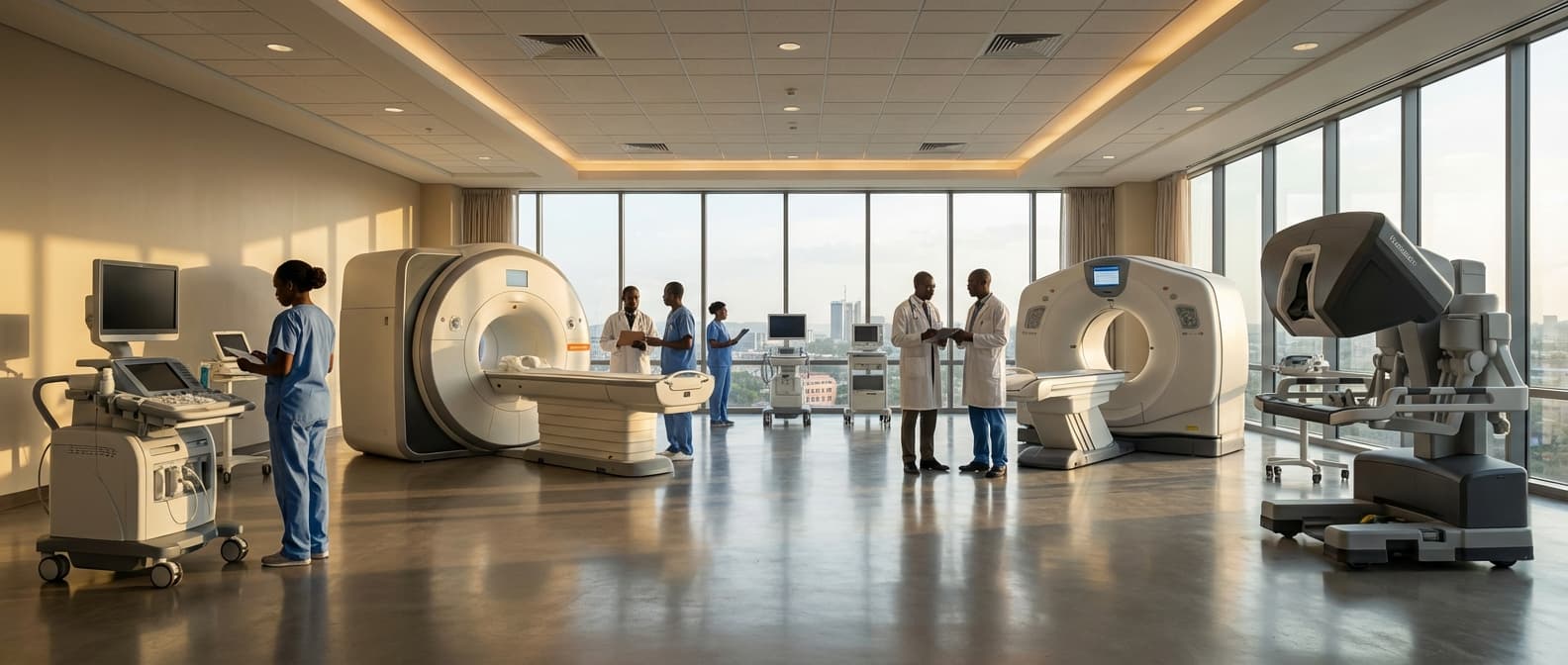
Life Support & Consumables in Uganda
Engineering Excellence & Technical Support
Reliable supply of essential medical consumables and life support equipment ensuring uninterrupted, quality patient care delivery. High-standard technical execution following OEM protocols and local regulatory frameworks.
Clean Water Access Initiatives
Deploying and maintaining robust water purification systems and boreholes across rural Ugandan communities, significantly reducing waterborne diseases and improving overall health outcomes.
Essential Medicine Distribution Network
Establishing a resilient supply chain for critical medications, ensuring timely and equitable access to life-saving drugs for remote health facilities and vulnerable populations in Uganda.
Oxygen Supply Chain Strengthening
Implementing advanced oxygen generation plants and distribution networks in Ugandan hospitals, guaranteeing a continuous and reliable supply of medical oxygen for critical care patients.
What Is Life Support & Consumables In Uganda?
Life Support & Consumables in Uganda refers to the provision of essential medical equipment and materials required to sustain a patient's vital functions and facilitate recovery. This encompasses a broad spectrum of services and products, ranging from mechanical ventilation and fluid management to specialized nutritional formulas and wound care dressings. The demand for these services is driven by the prevalence of critical illnesses, chronic diseases, and trauma requiring advanced medical intervention.
Definition: Life Support & Consumables involves the application of medical technologies and the supply of specific materials to artificially maintain or augment physiological functions that are compromised due to illness, injury, or age. This can include respiratory support, cardiovascular support, nutritional support, and infection control measures.
Who Needs It:
- Critically Ill Patients: Individuals in intensive care units (ICUs) or critical care settings suffering from severe infections (sepsis), respiratory failure (Acute Respiratory Distress Syndrome - ARDS), cardiac arrest, or multi-organ dysfunction syndrome.
- Patients with Chronic Respiratory Conditions: Individuals with advanced Chronic Obstructive Pulmonary Disease (COPD), cystic fibrosis, or neuromuscular disorders requiring continuous or intermittent mechanical ventilation (e.g., BiPAP, CPAP).
- Post-Surgical Patients: Patients recovering from major surgeries, especially thoracic, abdominal, or neurological procedures, who may require temporary respiratory support or specialized wound management.
- Patients with Severe Trauma: Individuals with significant injuries, such as head injuries, spinal cord injuries, or extensive burns, necessitating immediate and sustained physiological support.
- Patients with Malnutrition or Inability to Eat: Individuals with conditions affecting their ability to ingest or absorb nutrients, requiring enteral or parenteral nutrition.
- Neonatal and Pediatric Intensive Care Patients: Vulnerable infants and children with congenital anomalies, prematurity, or severe illnesses requiring specialized life support.
Typical Use Cases:
- Mechanical Ventilation: Providing artificial breathing for patients with respiratory failure using ventilators and associated consumables like endotracheal tubes, circuits, filters, and oxygen.
- Cardiovascular Support: Employing devices such as intra-aortic balloon pumps (IABPs) or ventricular assist devices (VADs) and managing related consumables like infusion pumps and specialized lines for patients with severe heart failure or post-cardiac arrest.
- Renal Replacement Therapy: Utilizing hemodialysis or peritoneal dialysis machines and associated consumables (dialyzers, tubing, solutions) for patients with acute or chronic kidney failure.
- Nutritional Support: Administering enteral feeding formulas via nasogastric or gastrostomy tubes, or parenteral nutrition intravenously, requiring specialized formulas, infusion sets, and access devices.
- Wound Management: Employing advanced wound care dressings, negative pressure wound therapy (NPWT) systems, and associated supplies for complex or non-healing wounds.
- Sepsis Management: Providing fluid resuscitation, vasopressors, and organ support in patients with severe systemic infections.
- Airway Management: Securing and maintaining a patent airway using endotracheal tubes, tracheostomy tubes, and suctioning equipment.
- Monitoring and Diagnostics: Utilizing continuous monitoring systems for vital signs, invasive pressure monitoring, and blood gas analysis, all requiring specific consumables.
- Emergency Medical Services (EMS): Field application of portable ventilators, oxygen delivery systems, and basic life support consumables by ambulance crews and first responders.
| Category | Description | Typical End Users in Uganda |
|---|---|---|
| Respiratory Support | Maintenance of oxygenation and ventilation. | ICU patients, patients with severe pneumonia, COPD, post-operative respiratory compromise. |
| Nutritional Support | Provision of essential nutrients to patients unable to consume orally. | Malnourished patients, patients with gastrointestinal disorders, critically ill patients. |
| Wound Care | Management and healing of complex or chronic wounds. | Burn victims, patients with diabetic foot ulcers, post-surgical wound complications. |
| Cardiovascular Support | Assistance to failing circulatory systems (less prevalent for advanced devices). | Patients in cardiogenic shock, post-cardiac arrest (primarily pharmacological support). |
| Renal Support | Artificial removal of waste products from the blood. | Patients with acute kidney injury (AKI) or end-stage renal disease (ESRD). |
Key Components of Life Support & Consumables in Uganda
- Respiratory Support Equipment (Ventilators, CPAP/BiPAP machines)
- Oxygen Delivery Systems (Concentrators, cylinders, regulators)
- Artificial Airway Devices (Endotracheal tubes, tracheostomy tubes)
- Ventilator Circuits and Filters
- Suctioning Equipment and Catheters
- Cardiovascular Support Devices (IABPs, VADs - less common but emerging)
- Infusion Pumps and Administration Sets
- Vasopressors and Inotropes (Pharmaceuticals)
- Renal Replacement Therapy Equipment (Dialysis machines)
- Dialysis Consumables (Dialyzers, tubing, solutions)
- Enteral Feeding Equipment (Feeding tubes, pumps, bags)
- Enteral Feeding Formulas
- Parenteral Nutrition (TPN) Solutions and Access Devices
- Advanced Wound Care Dressings
- Negative Pressure Wound Therapy (NPWT) Systems
- Monitoring Equipment (Pulse oximeters, ECG machines, invasive monitors)
- Diagnostic Consumables (Blood gas syringes, test strips)
Who Needs Life Support & Consumables In Uganda?
This document outlines the target customers and departments within Uganda that require life support and consumables. Identifying these key stakeholders is crucial for effective resource allocation, procurement strategies, and ensuring the availability of essential supplies.
| Department/Sector | Specific Needs | Examples of Consumables/Life Support |
|---|---|---|
| Intensive Care Units (ICUs) | Critical patient care, organ support | Ventilators, oxygen concentrators, dialysis machines, infusion pumps, ECG monitors, respiratory support supplies (tubing, masks), catheters, sterile dressings, sedatives, vasopressors |
| Operating Theatres (OTs) | Surgical procedures, anesthesia | Anesthesia machines, surgical instruments, sterile drapes, gowns, gloves, masks, surgical sutures, sponges, patient monitoring equipment, disinfectants, IV fluids |
| Emergency Departments (ERs) | Acute illness and injury management | Defibrillators, oxygen tanks, resuscitation equipment, splints, bandages, trauma kits, pain management medications, IV fluids, wound care supplies |
| Maternity Wards & Neonatal Units | Childbirth, newborn care, premature infant support | Incubators, phototherapy units, oxygen delivery systems, suction devices, fetal monitors, delivery kits, cord clamps, sterile gloves, diapers, formula (if applicable), neonatal resuscitation equipment |
| In-Patient Wards (General) | General patient care and recovery | IV stands, IV fluids, catheters, wound care supplies, bandages, thermometers, blood pressure monitors, patient linens, basic medical consumables |
| Laboratories & Diagnostic Centers | Testing and analysis of samples | Reagents, test kits, sample collection tubes, sterile swabs, slides, petri dishes, centrifuges, microscopes, personal protective equipment (PPE) |
| Public Health & Outreach Programs | Community health initiatives, disease prevention, mobile clinics | Vaccines, syringes, gloves, masks, basic first-aid kits, educational materials, portable diagnostic tools, water purification tablets |
| Ambulance Services | Pre-hospital emergency care | Oxygen cylinders, portable ventilators, AEDs, splints, bandages, trauma kits, medications for emergencies, IV fluids, stretchers |
| HIV/AIDS Treatment Centers | Antiretroviral therapy (ART) management | Medications (ARVs), diagnostic test kits (e.g., CD4 count), syringes, gloves, patient education materials |
| Tuberculosis (TB) Treatment Centers | Tuberculosis diagnosis and treatment | Sputum collection kits, TB medications, diagnostic test kits, gloves, masks |
Target Customers for Life Support & Consumables in Uganda
- Hospitals (Government and Private)
- Health Centers (Primary Healthcare Facilities)
- Maternity Homes & Clinics
- Emergency Medical Services (Ambulance Services)
- Non-Governmental Organizations (NGOs) with Healthcare Programs
- Disaster Relief Agencies
- Research Institutions & Laboratories
- Rehabilitation Centers
- Wartime/Conflict Zones (if applicable)
- Rural & Remote Communities with limited access
Life Support & Consumables Process In Uganda
This document outlines the typical workflow for life support and consumables procurement and delivery within a project or organization operating in Uganda. It details the process from an initial inquiry or need identification to the final execution and receipt of essential supplies.
| Stage | Description | Key Actors/Departments | Output/Deliverable | Potential Challenges |
|---|---|---|---|---|
| Inquiry/Need Identification | Recognizing the requirement for specific life support items (e.g., food, water, medical supplies) or consumables (e.g., fuel, stationery, spare parts). | Field Staff, Project Management, Department Heads | Identified need, initial list of requirements | Lack of clear requirements, underestimation of needs, emergency situations |
| Request Generation | Formalizing the identified need into a detailed request, including quantities, specifications, and desired delivery timelines. This often involves filling out a requisition form. | Requesting Department/User | Approved Requisition Form | Incomplete or inaccurate information, delays in submission |
| Budgetary Approval | Ensuring that funds are available within the allocated budget for the requested items. This involves review and approval by finance and project management. | Finance Department, Project Manager, Budget Holders | Budget Clearance/Approval | Budget constraints, insufficient funds, delays in approval |
| Sourcing & Vendor Selection | Identifying potential suppliers, obtaining quotations, and evaluating them based on price, quality, reliability, and delivery capabilities. This may involve tender processes for larger orders. | Procurement Department, Logistics Team, Technical Experts | List of approved vendors, comparative quotations | Limited local suppliers, unreliable vendors, protracted negotiation |
| Purchase Order (PO) Creation | Issuing a formal Purchase Order to the selected vendor, outlining the agreed-upon terms, specifications, quantities, pricing, and delivery schedule. | Procurement Department | Issued Purchase Order (PO) | Errors in PO, miscommunication with vendor, delays in PO issuance |
| Payment Processing | Initiating and processing payments to the vendor based on agreed terms (e.g., advance payment, payment upon delivery, post-delivery payment). | Finance Department, Accounts Payable | Proof of Payment, Remittance Advice | Complex payment procedures, currency fluctuations, banking delays |
| Logistics & Transportation | Arranging for the secure and timely transportation of goods from the supplier's location to the intended destination in Uganda. This includes selecting appropriate transport modes (road, air, sea). | Logistics Department, Transportation Providers | Shipping documents, Bill of Lading/Air Waybill, tracking information | Poor road infrastructure, security risks, transportation cost fluctuations, limited transport options |
| Customs Clearance (if applicable) | Navigating customs procedures for imported goods, including documentation, duty payments, and inspections by Ugandan authorities. | Clearing Agents, Logistics Team, Procurement | Customs Declaration Forms, Duty Payment Receipts, Import Permits | Complex customs regulations, delays at borders, unexpected duties/taxes, corruption |
| Delivery & Warehousing | Receiving the goods at the designated location (e.g., project site, central warehouse) and ensuring proper storage to maintain quality and prevent loss or damage. | Logistics Team, Warehouse Staff, Site Management | Delivery Notes, Goods Received Notes (GRNs) | Inadequate warehousing facilities, pilferage, damage during transit, improper handling |
| Verification & Acceptance | Inspecting the delivered items to confirm they match the PO specifications, quantity, and quality. Any discrepancies or damages are documented. | Warehouse Staff, Requesting Department, Quality Control | Signed GRN, discrepancy reports | Damaged goods, incorrect items, short deliveries, quality issues |
| Record Keeping & Reporting | Maintaining accurate records of all transactions, expenses, and inventory levels. Generating reports for financial reconciliation, audits, and future planning. | Finance Department, Procurement Department, Logistics Team, Project Management | Financial reports, inventory records, audit trails | Poor record-keeping practices, data inconsistencies, lack of standardized reporting |
Life Support & Consumables Process in Uganda: Workflow
- Inquiry/Need Identification
- Request Generation
- Budgetary Approval
- Sourcing & Vendor Selection
- Purchase Order (PO) Creation
- Payment Processing
- Logistics & Transportation
- Customs Clearance (if applicable)
- Delivery & Warehousing
- Verification & Acceptance
- Record Keeping & Reporting
Life Support & Consumables Cost In Uganda
The cost of life support and consumables in Uganda is influenced by a variety of factors, including supply chain dynamics, import duties, currency fluctuations, geographic location, and the specific type and brand of product. These costs are generally higher in remote or underserved areas due to increased transportation and logistical challenges. The Ugandan Shilling (UGX) is the local currency, and prices can vary significantly between different healthcare facilities (public vs. private hospitals, clinics, pharmacies) and even within different retail outlets. Imported goods often carry a premium due to taxes, tariffs, and foreign exchange rates. Furthermore, the demand for specific life support equipment and consumables can also impact pricing, with shortages leading to inflated costs.
| Category | Example Items | Estimated Price Range (UGX) | Notes |
|---|---|---|---|
| Basic Consumables (Sterile) | Sterile Gloves (box of 100) | 15,000 - 30,000 | Varies by brand and material (latex, nitrile) |
| Basic Consumables (Sterile) | Syringes (pack of 100) | 10,000 - 25,000 | Depends on size (e.g., 5ml, 10ml) and needle gauge |
| Basic Consumables (Sterile) | Gauze Swabs (pack of 10) | 5,000 - 15,000 | Sterility and size impact price |
| Basic Consumables (Sterile) | IV Cannulas (each) | 2,000 - 7,000 | Gauge and brand are key determinants |
| Life Support Fluids | Saline (0.9% NaCl) - 500ml bag | 5,000 - 15,000 | Imported vs. locally produced, hospital markups |
| Life Support Fluids | Ringer's Lactate - 500ml bag | 5,000 - 15,000 | Similar factors to saline |
| Oxygen Therapy | Oxygen Cylinder (rental/refill) | 50,000 - 150,000 (refill) | Deposit may be required for cylinder, refill cost varies by size |
| Oxygen Therapy | Oxygen Concentrator (purchase) | 2,000,000 - 8,000,000+ | Significant price range for different capacities and brands |
| Respiratory Support | Ventilator (purchase - basic ICU) | 30,000,000 - 100,000,000+ | Highly dependent on features, brand, and sophistication |
| Respiratory Support | Nebulizer Machine (purchase) | 100,000 - 500,000 | Home-use vs. hospital-grade |
| Wound Care | Antiseptic Solution (e.g., Savlon, Dettol - 500ml) | 10,000 - 30,000 | Brand and concentration |
| Wound Care | Sterile Dressings (various types) | 5,000 - 50,000+ | Depends on size, material, and specialty (e.g., hydrocolloid) |
| Medications (Supportive) | Basic Analgesics (e.g., Paracetamol - strip of 10) | 1,000 - 5,000 | Generic vs. branded, pharmacy markup |
| Medications (Supportive) | IV Antibiotics (per dose, typical) | 20,000 - 200,000+ | Extremely variable based on antibiotic type and resistance patterns |
Key Pricing Factors for Life Support & Consumables in Uganda
- Import Duties and Taxes
- Currency Exchange Rates (UGX vs. USD/EUR)
- Transportation and Logistics Costs
- Geographic Location (Urban vs. Rural)
- Type and Brand of Product (e.g., generic vs. branded)
- Supplier Markup and Profit Margins
- Regulatory Compliance and Certification Costs
- Market Demand and Supply Availability
- Storage and Handling Requirements (e.g., cold chain)
- Volume of Purchase
Affordable Life Support & Consumables Options
Securing essential life support equipment and necessary consumables can be a significant financial consideration. This guide outlines how to find affordable options and implement cost-saving strategies to ensure you have what you need without breaking the bank. We'll explore the benefits of value bundles, explore various cost-saving tactics, and present practical information in an accessible format.
| Value Bundle Type | Description | Potential Cost Savings | Considerations |
|---|---|---|---|
| Starter Kits | Bundles typically include essential basic life support items for a specific need (e.g., first aid kit, emergency preparedness kit). | Often provide a discount compared to purchasing items individually. Convenient for initial setup. | May not include specialized items you might later require. Check the contents carefully. |
| Equipment & Consumable Packages | Combines a piece of primary life support equipment (e.g., oxygen concentrator, CPAP machine) with a set of associated consumables (e.g., filters, tubing, masks). | Can offer significant savings on the initial purchase and ongoing supplies. Simplifies reordering. | Ensure the bundled consumables are compatible with your specific equipment. Evaluate the long-term cost of replacement consumables. |
| Bulk Consumable Packs | Larger quantities of frequently used disposable items like bandages, syringes, sterile wipes, or medications. | Lower per-unit cost due to economies of scale. Reduces the frequency of ordering. | Requires adequate storage space. Check expiration dates to avoid waste. Ensure you have a consistent need for the volume purchased. |
| Subscription Boxes (for specific needs) | Regular delivery of essential consumables based on a set schedule (e.g., monthly delivery of CPAP supplies, wound care dressings). | Predictable budgeting. Convenience of automatic replenishment. Sometimes includes exclusive discounts. | Commitment to a recurring payment. Ensure the subscription meets your actual usage needs to avoid overstocking or running short. |
Key Cost-Saving Strategies for Life Support & Consumables
- Prioritize Needs vs. Wants: Clearly distinguish between essential, life-saving equipment and optional or comfort-oriented items. Focus your budget on critical needs first.
- Research and Compare: Don't settle for the first option. Thoroughly research different brands, models, and suppliers. Compare prices, features, and warranty information.
- Look for Refurbished or Gently Used Equipment: For non-critical items or backup systems, consider purchasing refurbished or gently used equipment from reputable sources. Ensure it's been tested and certified.
- Bulk Purchasing for Consumables: If you use certain consumables regularly (e.g., bandages, sterile wipes, batteries), buying in larger quantities often leads to a lower per-unit cost.
- Explore Subscription Services: Some suppliers offer subscription models for recurring consumables. These can provide predictable costs and occasional discounts.
- Check for Insurance Coverage or Grants: Investigate if any part of your life support needs can be covered by health insurance, government programs, or charitable grants.
- Consider DIY or Home-Based Alternatives (with caution): For certain less critical needs (e.g., some cleaning solutions, basic first-aid supplies), explore if safe and effective DIY alternatives exist. Always prioritize safety and consult with professionals.
- Maintain Equipment Properly: Regular maintenance can prevent costly breakdowns and extend the lifespan of your life support equipment, reducing the need for premature replacement.
- Join Online Communities and Forums: Connect with others who have similar needs. They can share valuable insights on affordable sources, discounts, and cost-saving tips.
- Negotiate Prices: Don't be afraid to negotiate, especially when purchasing larger quantities or higher-value items. You might be surprised at what you can achieve.
Verified Providers In Uganda
In Uganda's healthcare landscape, identifying verified providers is paramount for ensuring quality care and peace of mind. Franance Health stands out as a leading organization that not only verifies healthcare professionals but also rigorously vets their credentials. This commitment to a stringent verification process makes them the best choice for individuals and families seeking reliable and trustworthy medical services. Their multi-faceted approach to credentialing goes beyond simple paperwork, encompassing a comprehensive review of qualifications, experience, and ethical standing. This ensures that every provider associated with Franance Health meets the highest standards of medical excellence and patient care. Choosing a Franance Health verified provider means opting for transparency, accountability, and ultimately, superior health outcomes.
| Verification Component | Franance Health's Approach | Benefits for Patients |
|---|---|---|
| Educational Qualifications | Verification of degrees, diplomas, and specialized training from accredited institutions. | Ensures providers have foundational medical knowledge and expertise. |
| Professional Licenses and Registrations | Confirmation of valid and current licenses to practice from relevant regulatory bodies in Uganda. | Guarantees providers are legally authorized to offer medical services. |
| Work Experience and Specialization | Detailed review of past employment, areas of specialization, and surgical logs where applicable. | Confirms practical application of knowledge and relevant experience in specific medical fields. |
| Continuing Professional Development (CPD) | Assessment of participation in ongoing training, workshops, and conferences to stay updated with medical advancements. | Assures patients are receiving care based on current best practices and innovations. |
| Reputation and References | Gathering feedback from previous employers, colleagues, and potentially patients (with consent and privacy protections). | Provides insight into a provider's professional conduct, patient interaction, and overall reliability. |
| Criminal Background Checks (where applicable and legally permissible) | Ensuring no history of malpractice or ethical violations that could compromise patient safety. | Adds an extra layer of security and trust for patients. |
Why Franance Health Represents the Best Choice for Verified Providers in Uganda:
- Rigorous Credentialing Process: Franance Health employs a multi-layered verification system that scrutinizes educational qualifications, professional licenses, and practical experience of all healthcare providers.
- Commitment to Ethical Standards: Beyond qualifications, Franance Health assesses the ethical conduct and professional reputation of providers, ensuring they adhere to the highest moral and professional principles.
- Continuous Monitoring and Re-verification: Franance Health's commitment doesn't end with initial verification. They engage in ongoing monitoring and periodic re-verification to ensure providers consistently maintain their high standards.
- Patient-Centric Approach: The verification process is designed with the patient's safety and well-being as the top priority, providing a trusted network of healthcare professionals.
- Transparency and Trust: Franance Health's clear and robust verification methodology fosters trust and empowers patients to make informed decisions about their healthcare.
Scope Of Work For Life Support & Consumables
This Scope of Work (SOW) defines the requirements for the provision of Life Support and Consumables for [Project Name/Location] during the period [Start Date] to [End Date]. The contractor shall be responsible for the procurement, delivery, and management of all specified life support equipment and consumables, ensuring operational readiness and compliance with all applicable standards and regulations.
| Item Category | Specific Item | Quantity | Unit of Measure | Technical Specification Reference | Delivery Schedule | Standard Specification |
|---|---|---|---|---|---|---|
| Medical Supplies | First Aid Kits (Trauma) | 50 | Kit | ISO 13485 / FDA Class II | Within 7 days of SOW commencement | Medical grade, sterile components, durable casing |
| Medical Supplies | Basic First Aid Kits | 100 | Kit | ANSI/ISEA Z308.1-2015 | Within 7 days of SOW commencement | Comprehensive, OSHA compliant, clearly labeled |
| Medical Supplies | Pain Relievers (Ibuprofen 200mg) | 10,000 | Tablets | USP/BP/EP Grade | Monthly replenishment | Pharmaceutical grade, sealed packaging |
| Medical Supplies | Antiseptic Wipes (Alcohol-based) | 5,000 | Wipes | FDA Approved | Bi-weekly replenishment | Individually wrapped, 70% isopropyl alcohol |
| Water & Hydration | Portable Water Purification Tablets | 2,000 | Tablets | NSF/ANSI Standard 42 | Upon request, within 48 hours | Effective against bacteria and viruses, minimum 5-year shelf life |
| Water & Hydration | Emergency Water Pouches (100ml) | 5,000 | Pouch | US Coast Guard Approved | Upon request, within 48 hours | Sterile, long shelf life (minimum 5 years), easy to open |
| Food Rations | Emergency Food Rations (MRE style - vegetarian option available) | 1,000 | Meal Kit | US Military Specification (MIL-PRF-32024) | Upon request, within 72 hours | Calorie dense (2500-3000 kcal/day), non-perishable, 5-year shelf life |
| Shelter & Warmth | Emergency Thermal Blankets (Mylar) | 200 | Blanket | ISO 13485 | Upon request, within 24 hours | Waterproof, windproof, retains 90% body heat |
| Sanitation | Personal Hygiene Kits (including soap, toothbrush, toothpaste, etc.) | 500 | Kit | Industry Standard | Monthly replenishment | Biodegradable soap, travel-sized toiletries, durable pouch |
| Safety Equipment | High-Luminosity Safety Vests | 100 | Vest | ANSI/ISEA 107-2015 Class 2 | Within 7 days of SOW commencement | Fluorescent yellow/orange, reflective strips, adjustable fit |
Key Areas of Responsibility
- Procurement and supply of all listed life support equipment and consumables.
- Ensuring timely delivery of all items to the designated locations.
- Maintaining adequate stock levels for all consumables.
- Providing technical support and training for life support equipment.
- Adherence to all safety and environmental regulations.
- Reporting on stock levels, usage, and any incidents.
Service Level Agreement For Life Support & Consumables
This Service Level Agreement (SLA) outlines the commitment for the provision of Life Support and Consumables services, focusing on response times for critical incidents and uptime guarantees for essential systems. This SLA applies to all active contracts for Life Support & Consumables.
| Service Category | Uptime Guarantee | Critical Incident Response Time (Tier 1) | Critical Incident Response Time (Tier 2) | Support Channels |
|---|---|---|---|---|
| Life Support Systems (e.g., Ventilators, Dialysis Machines, Cardiac Monitors) | 99.9% (excluding scheduled maintenance) | 15 minutes (on-site or remote diagnostic initiation) | 60 minutes (on-site repair dispatch/commencement) | 24/7 Phone Hotline, Dedicated Email Support, Web Portal |
| Essential Consumables (e.g., High-Demand Medications, Sterile Supplies, Critical Replacement Parts) | 99.5% (for supply chain availability) | 30 minutes (acknowledgement and replenishment plan initiated) | 2 hours (delivery or alternative solution confirmed) | 24/7 Phone Hotline, Dedicated Email Support |
Key Definitions
- Critical Incident: An event that directly impacts the functionality or availability of life support systems, or the immediate depletion of essential consumables, rendering them unusable or unavailable for immediate use.
- Response Time: The maximum allowable time from the initiation of a support request (via designated channels) to the point where a qualified technician or support representative begins active work to diagnose or resolve the incident.
- Uptime Guarantee: The percentage of time that a specified life support system or consumable supply chain is available and functioning as intended, excluding scheduled maintenance.
- Scheduled Maintenance: Pre-planned periods for system updates, upgrades, or preventative maintenance, communicated in advance to the client.
- Downtime: The cumulative period during which a life support system or consumable supply chain is unavailable or non-functional due to unscheduled events or failures.
Frequently Asked Questions

Ready when you are
Let's scope your Life Support & Consumables in Uganda project in Uganda.

Scaling healthcare logistics and technical systems across the entire continent.