
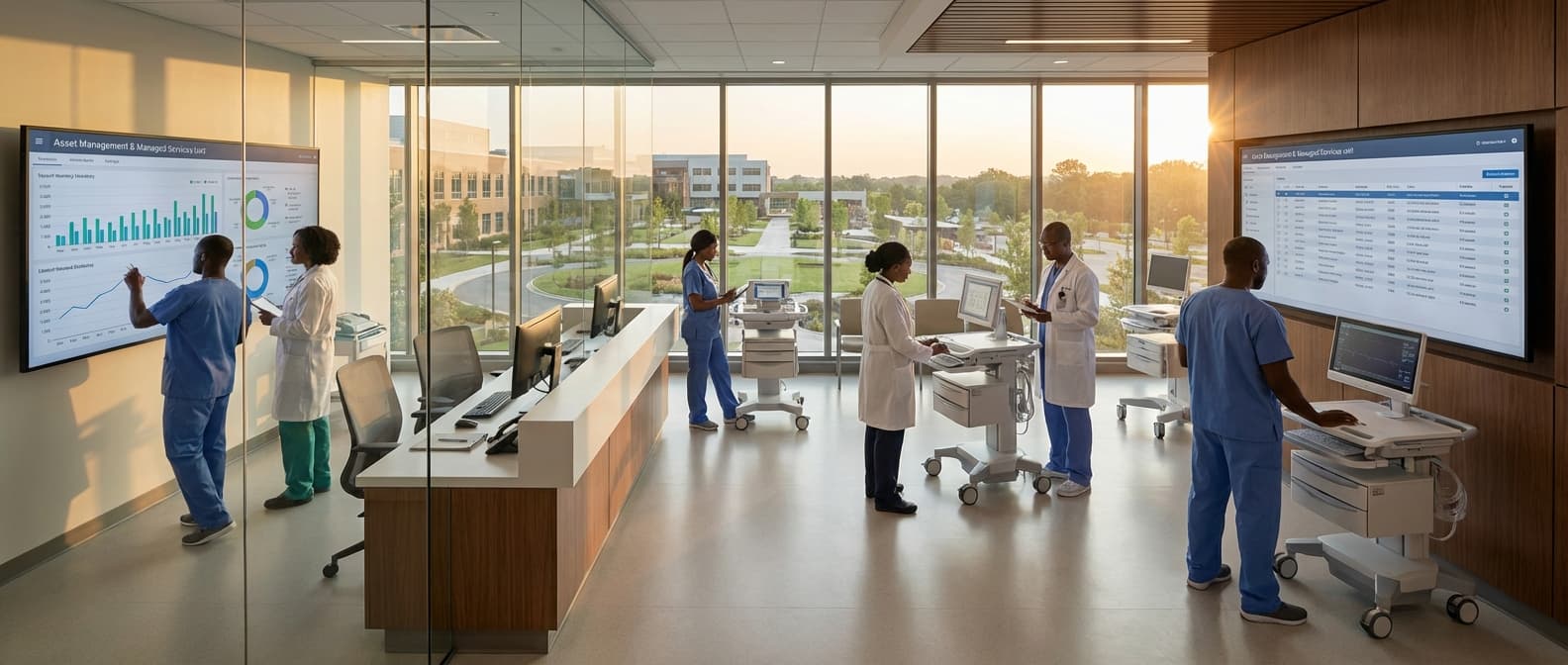
Equipment Fleet Standardization Consulting Service in Uganda
Engineering Excellence & Technical Support
Equipment Fleet Standardization Consulting Service High-standard technical execution following OEM protocols and local regulatory frameworks.
Optimized Equipment Lifecycle Management
Leverage data analytics to standardize equipment selection, deployment, maintenance, and eventual disposal. Our consulting service in Uganda focuses on reducing total cost of ownership (TCO) through proactive lifecycle planning, minimizing downtime, and maximizing asset utilization.
Enhanced Operational Efficiency & Productivity
Streamline fleet operations by standardizing equipment types and functionalities. We help Ugandan businesses achieve consistent performance, simplified training, reduced spare parts inventory, and improved maintenance scheduling, directly translating to higher operational efficiency and increased project productivity.
Integrated Fleet Management Systems
Implement and integrate robust fleet management systems tailored for Uganda's unique operating environment. Our expertise ensures seamless data flow, real-time tracking, predictive maintenance insights, and improved compliance, creating a standardized and interconnected fleet that drives informed decision-making.
What Is Equipment Fleet Standardization Consulting Service In Uganda?
Equipment Fleet Standardization Consulting Service in Uganda refers to the professional advisory and implementation support provided to organizations operating with a fleet of equipment (e.g., vehicles, machinery, construction equipment, agricultural machinery) within Uganda. The core objective is to establish and maintain a consistent, uniform, and optimized configuration of equipment across the fleet. This involves defining, selecting, procuring, and managing equipment based on predefined standards and specifications that align with the organization's operational requirements, strategic goals, and economic considerations. The service aims to improve operational efficiency, reduce total cost of ownership (TCO), enhance maintainability, simplify training, and ensure compliance with local regulations and industry best practices.
| Who Needs It | Typical Use Cases | ||||||
|---|---|---|---|---|---|---|---|
| Organizations with large or diverse equipment fleets: Businesses operating significant numbers of similar or related equipment types. | Businesses seeking to reduce operational costs: Identifying opportunities for bulk purchasing discounts, standardized maintenance, and reduced inventory of spare parts. | Companies aiming to improve equipment reliability and uptime: Minimizing downtime through simplified maintenance, readily available parts, and skilled personnel. | Organizations with complex maintenance operations: Streamlining workshop processes, training requirements, and service provider management. | Entities focused on enhanced safety and regulatory compliance: Ensuring all equipment meets specific safety and environmental standards. | Businesses undergoing fleet modernization or expansion: Integrating new equipment seamlessly into the existing infrastructure and operational framework. | Companies looking to leverage technology for fleet management: Implementing telematics for tracking, diagnostics, and performance analysis across a uniform fleet. | Government agencies and parastatals: Managing public assets, ensuring efficient resource allocation, and maintaining public infrastructure. |
| Transportation and Logistics Companies: Standardizing truck fleets for route optimization, fuel efficiency, and simplified maintenance schedules. | Construction Companies: Standardizing heavy machinery (excavators, loaders, dozers) for interoperability on project sites, streamlined repairs, and training. | Agricultural Enterprises: Standardizing tractors, harvesters, and other farm equipment for predictable yields, efficient land utilization, and reduced mechanical failures. | Mining Operations: Standardizing haul trucks, drilling rigs, and support vehicles for high-availability requirements and specialized maintenance. | Utilities and Energy Companies: Standardizing service vehicles, specialized equipment for infrastructure maintenance (e.g., power line repair), and emergency response fleets. | Manufacturing and Industrial Plants: Standardizing forklifts, material handling equipment, and specialized production machinery. | Rental Companies: Standardizing equipment offered for rent to simplify operations, maintenance, and customer support. | NGOs and Humanitarian Organizations: Managing fleets in remote or challenging environments where standardization simplifies logistics, training, and spare parts management. |
Key Components of the Service
- Fleet Assessment and Analysis: Comprehensive evaluation of the existing fleet's composition, performance, maintenance history, operational costs, and suitability for current and future needs.
- Standard Definition and Development: Establishing clear, documented standards for equipment types, makes, models, specifications, performance metrics, and procurement criteria.
- Technology and Innovation Integration: Identifying and recommending appropriate technologies (e.g., telematics, predictive maintenance software) to support standardization and optimize fleet management.
- Procurement Strategy and Sourcing: Developing strategies for acquiring standardized equipment, including vendor selection, negotiation, and contract management, with a focus on leveraging economies of scale.
- Maintenance and Repair Optimization: Designing standardized maintenance procedures, establishing approved spare parts inventories, and selecting qualified service providers to ensure consistent and cost-effective upkeep.
- Training and Skill Development: Creating standardized training programs for operators, technicians, and fleet managers to ensure proficiency with the standardized equipment and management systems.
- Risk Management and Compliance: Ensuring the standardized fleet adheres to Ugandan regulatory requirements (e.g., roadworthiness, emissions, safety standards) and mitigating operational risks.
- Performance Monitoring and Reporting: Implementing systems for tracking key performance indicators (KPIs) related to fleet utilization, costs, uptime, and safety, providing actionable insights for continuous improvement.
- Change Management and Implementation Support: Guiding the organization through the transition to a standardized fleet, addressing resistance, and ensuring successful adoption of new processes and equipment.
Who Needs Equipment Fleet Standardization Consulting Service In Uganda?
In Uganda's dynamic economic landscape, several entities grapple with the complexities of managing diverse and often inefficient equipment fleets. Equipment fleet standardization consulting services offer critical support to organizations seeking to optimize operations, reduce costs, and improve safety and compliance. This service is particularly valuable for businesses and government agencies that rely heavily on a range of machinery, vehicles, and tools for their core functions.
| Target Customer Type | Typical Departments Involved |
|---|---|
| Large Agricultural Cooperatives & Estates | Operations Management, Farm Management, Procurement, Maintenance/Engineering |
| Construction & Infrastructure Development Companies | Project Management, Fleet Management, Procurement, Engineering, Health & Safety |
| Mining & Extractive Industries | Operations Management, Asset Management, Maintenance & Reliability, Procurement, Health & Safety |
| Logistics & Transportation Companies | Fleet Management, Operations, Procurement, Maintenance, Safety & Compliance |
| Manufacturing & Industrial Plants | Production Management, Maintenance & Engineering, Procurement, Operations, Health & Safety |
| Government Ministries (e.g., Works & Transport, Agriculture, Defense) | Procurement, Asset Management, Operations, Technical Services, Compliance Departments |
| Oil & Gas Service Providers | Asset Management, Operations, Maintenance, Procurement, Health, Safety & Environment (HSE) |
| Utility Companies (e.g., Power, Water) | Operations, Engineering, Fleet Management, Procurement, Maintenance |
Who Needs Equipment Fleet Standardization Consulting Service in Uganda?
- Organizations with large and diverse fleets of vehicles, construction equipment, agricultural machinery, or industrial tools.
- Companies experiencing rising operational costs related to maintenance, fuel, and repairs.
- Entities facing challenges with interoperability and compatibility of their existing equipment.
- Businesses aiming to improve fleet utilization, uptime, and overall efficiency.
- Organizations prioritizing enhanced safety and compliance with industry regulations.
- Companies looking to streamline procurement, training, and maintenance processes.
- Government agencies responsible for managing public infrastructure, transportation, or emergency response fleets.
- Businesses undergoing expansion or undergoing significant operational changes that impact their equipment needs.
Equipment Fleet Standardization Consulting Service Process In Uganda
This document outlines the typical workflow for an Equipment Fleet Standardization Consulting Service in Uganda, from the initial client inquiry to the successful execution of the project. The process is designed to be comprehensive, ensuring that client needs are fully understood, a tailored solution is developed, and the implementation is effective and sustainable.
| Phase | Key Activities | Deliverables | Timeline (Indicative) | Key Stakeholders |
|---|---|---|---|---|
| Client expresses interest in fleet standardization. Initial consultation to understand broad objectives and challenges. Preliminary discussion on service scope and potential benefits. | Meeting Minutes. Service Overview Document. | 1-2 Weeks | Client Management (Operations, Fleet, Procurement, Finance) Consulting Firm Business Development. |
| In-depth discovery meetings and site visits (if applicable). Detailed understanding of current fleet composition, usage, maintenance, costs, and operational requirements. Identification of key pain points and standardization goals. Development of a tailored consulting proposal outlining methodology, scope, timeline, team, and fees. | Needs Assessment Report (Draft). Comprehensive Consulting Proposal. | 2-4 Weeks | Client Management & Key Personnel. Consulting Firm Project Team (Lead Consultant, Analysts). |
| Review and negotiation of the proposal terms and conditions. Finalization of scope of work, deliverables, payment schedule, and key performance indicators (KPIs). Signing of the consulting service agreement. | Signed Consulting Service Agreement. | 1-3 Weeks | Client Legal & Procurement Departments. Consulting Firm Management. |
| Detailed project planning, including work breakdown structure (WBS), detailed timelines, resource allocation, and communication plan. Mobilization of the consulting team and setting up project infrastructure. Kick-off meeting with the client project team. | Detailed Project Plan. Communication Plan. Project Kick-off Meeting Minutes. | 1 Week | Consulting Firm Project Manager. Client Project Manager. Consulting Team. Client Project Team. |
| Collection of comprehensive data on the existing fleet: asset register, purchase history, maintenance records, fuel consumption, operating hours, cost data, operator feedback, usage patterns, regulatory requirements. Analysis of data to identify trends, inefficiencies, costs, and areas for improvement. | Raw Data Inventory. Data Analysis Report (initial findings). | 4-8 Weeks | Consulting Team (Analysts, Fleet Specialists). Client Fleet Management, IT, Finance, Operations. |
| Development of a strategic framework for fleet standardization based on analyzed data and client objectives. Identification of target fleet composition (vehicle types, brands, models). Defining criteria for vehicle acquisition, disposal, and lifecycle management. | Fleet Standardization Strategy Document. | 2-4 Weeks | Consulting Team. Client Senior Management & Fleet Committee. |
| Development of specific recommendations and action plans for standardization. Designing standardized maintenance protocols, procurement processes, and operational guidelines. Creating detailed implementation roadmaps, including pilot programs, phased rollouts, and training plans. Cost-benefit analysis of recommended standardization measures. | Standardization Recommendations Report. Implementation Roadmap. Training Plan Outlines. | 3-6 Weeks | Consulting Team. Client Fleet Management, Procurement, Operations, Maintenance. |
| Execution of the implementation roadmap: phased fleet renewal, introduction of new standards, procurement of standardized equipment. Conducting training sessions for operators, maintenance staff, and management. Implementing new operational and maintenance procedures. Managing organizational change and addressing resistance. | Training Materials. Implemented Standard Operating Procedures (SOPs). Updated Fleet Register. Pilot Program Results (if applicable). | Ongoing (duration depends on scope, e.g., 6-18 months) | Consulting Team. Client Fleet Management, Operations, Maintenance, HR. Equipment Suppliers. |
| Establishing KPIs and systems for ongoing monitoring of fleet performance and adherence to standards. Regularly evaluating the effectiveness of the standardization strategy. Identifying areas for optimization and making adjustments to processes and procedures as needed. | Performance Monitoring Reports. Evaluation Reports. Recommendations for Optimization. | Ongoing (part of implementation phase and post-implementation support) | Consulting Team. Client Fleet Management & Performance Analysts. |
| Final review of project deliverables against agreed-upon scope and KPIs. Documentation of lessons learned and best practices. Formal handover of all project documentation and developed systems to the client. Post-implementation review and potential for ongoing support agreements. | Final Project Report. Lessons Learned Document. Handover Documentation. Post-Implementation Review Report. | 1-2 Weeks | Consulting Firm Project Manager. Client Project Manager & Management. |
Equipment Fleet Standardization Consulting Service Process in Uganda
- Phase 1: Inquiry and Initial Engagement
- Phase 2: Needs Assessment and Proposal Development
- Phase 3: Contract Negotiation and Agreement
- Phase 4: Project Planning and Mobilization
- Phase 5: Data Collection and Analysis
- Phase 6: Standardization Strategy Development
- Phase 7: Solution Design and Implementation Planning
- Phase 8: Implementation and Change Management
- Phase 9: Monitoring, Evaluation, and Optimization
- Phase 10: Project Closure and Handover
Equipment Fleet Standardization Consulting Service Cost In Uganda
Consulting services for equipment fleet standardization in Uganda can vary significantly in cost due to several factors. These factors influence the scope of work, the expertise required, and the duration of the engagement. Understanding these elements is crucial for businesses seeking to optimize their fleet operations through standardization.
| Service Component | Estimated Cost Range (UGX) | Notes |
|---|---|---|
| Initial Assessment & Data Gathering | 2,000,000 - 7,000,000 | Covers understanding current fleet, operational needs, and initial data collection. |
| Fleet Analysis & Standardization Strategy Development | 5,000,000 - 15,000,000 | Involves analyzing data, identifying standardization opportunities, and proposing model recommendations. |
| Total Cost of Ownership (TCO) Analysis | 3,000,000 - 10,000,000 | Calculating the long-term costs associated with different equipment options. |
| Implementation Planning & Roadmap | 4,000,000 - 12,000,000 | Developing a phased plan for acquiring new equipment, disposing of old, and integrating new systems. |
| Change Management & Training Strategy | 3,000,000 - 9,000,000 | Planning for workforce adaptation and training on new standardized equipment. |
| Full Project Management & Oversight (per month) | 3,000,000 - 8,000,000 | For ongoing support during the implementation phase. Can also be a fixed fee. |
| Small Project (e.g., single category standardization, limited fleet) | 8,000,000 - 20,000,000 | A more limited scope of work. |
| Medium Project (e.g., multi-category standardization, moderate fleet) | 20,000,000 - 50,000,000 | A more comprehensive approach to standardization. |
| Large/Complex Project (e.g., diverse fleet, nationwide operations, in-depth analysis) | 50,000,000 - 150,000,000+ | Extensive consultancy requiring significant expertise and time. |
Key Pricing Factors for Equipment Fleet Standardization Consulting in Uganda
- Scope of the Project: This is the most significant determinant. A comprehensive analysis involving a large and diverse fleet will naturally incur higher costs than a focused standardization of a smaller, more uniform set of equipment. This includes the number of equipment types, geographical spread of operations, and the depth of analysis required (e.g., just recommending standardized models vs. developing a full implementation plan).
- Consultant's Experience and Reputation: Highly experienced consultants or firms with a proven track record in fleet management and standardization, particularly within the Ugandan context, will command higher fees. Their expertise translates to more efficient problem-solving and potentially better long-term outcomes.
- Complexity of the Fleet: The diversity of equipment currently in use, the age and condition of existing assets, and the specific operational requirements of each piece of equipment will influence the complexity of the standardization process and, consequently, the consulting cost.
- Data Availability and Quality: The ease with which the consultant can access accurate and comprehensive data on the current fleet (e.g., maintenance records, fuel consumption, operational hours, costs) impacts the time and resources needed for analysis. Poor data quality can necessitate additional investigative work.
- Deliverables and Customization: The specific outputs required, such as a detailed report, implementation roadmap, training materials, software integration recommendations, or change management strategies, will affect the cost. Highly customized solutions will generally be more expensive.
- Duration of the Engagement: The longer the project takes, the higher the overall cost. This is often tied to the scope and complexity, but also the client's responsiveness and availability of key personnel.
- Geographical Location of Operations: While the consulting firm might be based in Kampala, if the client's fleet operations are spread across remote areas or multiple regions in Uganda, it may involve travel and logistical costs for the consultants.
- Market Demand and Competition: The general demand for such services in Uganda and the number of qualified consultants available can influence pricing. Higher demand and fewer providers might lead to increased costs.
- Regulatory and Compliance Considerations: If specific Ugandan regulations or industry standards need to be incorporated into the standardization process, this might add to the complexity and consulting time.
Affordable Equipment Fleet Standardization Consulting Service Options
Our Affordable Equipment Fleet Standardization Consulting Service helps businesses optimize their equipment inventory, reduce operational costs, and improve efficiency through strategic standardization. We offer flexible value bundles tailored to your specific needs and implement proven cost-saving strategies to maximize your return on investment.
| Value Bundle | Key Features | Ideal For | Estimated Investment Range |
|---|---|---|---|
| Essentials Bundle | Initial fleet audit, identification of top 3-5 standardization opportunities, basic recommendations report. | Small businesses with limited fleets or those seeking a preliminary assessment. | $1,500 - $3,000 |
| Growth Bundle | Comprehensive fleet analysis, detailed standardization roadmap, vendor negotiation support, implementation plan. | Medium-sized businesses with growing fleets and a desire for significant cost reduction. | $3,500 - $7,000 |
| Enterprise Bundle | Full strategic fleet optimization, custom standardization policies, ongoing support & KPI tracking, training program development. | Large corporations with complex fleets requiring a holistic and sustained approach to standardization. | $8,000+ |
| Custom Bundle | Tailored services based on specific client requirements and fleet complexity. | Businesses with unique challenges or specialized equipment needs. | Quote upon consultation |
Key Benefits of Fleet Standardization
- Reduced Maintenance Costs: Fewer unique parts and specialized training for mechanics.
- Improved Operational Efficiency: Simplified training, operation, and troubleshooting for staff.
- Enhanced Purchasing Power: Bulk discounts on standardized equipment and parts.
- Streamlined Inventory Management: Less capital tied up in diverse spare parts.
- Easier Resale Value: Standardized equipment is often more desirable on the used market.
- Improved Safety: Consistent operator training and familiarization with equipment.
Verified Providers In Uganda
In the quest for reliable healthcare in Uganda, identifying 'Verified Providers' is paramount. This means seeking out healthcare facilities and professionals who have undergone rigorous checks and met established standards for quality, safety, and ethical practice. Franance Health stands out as a beacon of trust in this landscape. Their commitment to excellence is reflected not only in their state-of-the-art facilities and highly qualified medical staff but also in their unwavering dedication to patient-centered care. By choosing Franance Health, you are opting for a provider that prioritizes transparency, continuous improvement, and a holistic approach to your well-being. Their comprehensive services, coupled with a deep understanding of local health needs, make them a leading choice for anyone seeking top-tier medical attention in Uganda.
| Key Verification Aspect | Franance Health's Commitment | Patient Benefit |
|---|---|---|
| Licensing and Registration | Fully licensed and registered with all relevant Ugandan health authorities. | Ensures legal and ethical operation, guaranteeing compliance with national regulations. |
| Quality Assurance Protocols | Implements robust internal quality assurance and continuous improvement programs. | Minimizes medical errors and ensures high standards of care are consistently maintained. |
| Professional Qualifications | Employs only certified and licensed medical practitioners with proven expertise. | Access to competent and skilled healthcare professionals for accurate diagnosis and effective treatment. |
| Patient Rights and Grievance Procedures | Clear policies on patient rights and accessible channels for feedback and complaints. | Empowers patients and provides recourse in case of any concerns, fostering trust and accountability. |
| Infection Prevention and Control | Adheres to strict infection control measures and protocols. | Safeguards patients and staff from healthcare-associated infections, promoting a secure environment. |
Why Franance Health is the Premier Verified Provider Choice:
- Rigorous accreditation and adherence to national and international healthcare standards.
- Highly qualified and experienced medical professionals across various specialties.
- State-of-the-art diagnostic and treatment facilities.
- Commitment to patient safety, privacy, and ethical medical practices.
- A patient-centered approach focused on personalized care and well-being.
- Comprehensive range of medical services catering to diverse health needs.
- Proven track record of positive patient outcomes and satisfaction.
Scope Of Work For Equipment Fleet Standardization Consulting Service
This Scope of Work (SOW) outlines the consulting services required for the standardization of the client's equipment fleet. The primary objective is to develop and implement a comprehensive strategy for selecting, acquiring, and maintaining a standardized fleet of equipment to improve operational efficiency, reduce maintenance costs, enhance safety, and optimize resource utilization. This SOW details the technical deliverables and the standard specifications that will be developed and applied throughout the project.
| Phase | Key Activities | Deliverables | Standard Specifications Focus |
|---|---|---|---|
| Phase 1: Assessment & Analysis | Inventory current fleet, analyze usage patterns, identify operational needs, benchmark against industry standards, conduct cost-benefit analysis of standardization, assess existing maintenance practices, and review procurement policies. | Current Fleet Inventory Report, Usage Pattern Analysis, Operational Needs Assessment, Standardization Feasibility Study, Gap Analysis Report. | No new specifications developed in this phase; focus is on analyzing existing equipment characteristics and performance. |
| Phase 2: Standardization Strategy Development | Define standardization goals and objectives, develop criteria for equipment selection, identify core equipment categories and required functional specifications, propose preferred manufacturers/models, outline procurement and disposal strategies, and develop a phased implementation plan. | Standardization Strategy Document, Equipment Category Definitions, Preferred Equipment Lists (Initial), Procurement Strategy Outline, Implementation Roadmap. | Functional requirements for each equipment category (e.g., lifting capacity, engine type, safety features, fuel efficiency, operator interface). Performance benchmarks and reliability targets. |
| Phase 3: Standard Specification Development | Detail technical specifications for each standardized equipment category, including performance requirements, safety features, environmental considerations, maintenance accessibility, and compatibility with existing infrastructure (e.g., charging stations, repair bays). | Detailed Standard Equipment Specifications (for each category), Safety Compliance Checklists, Maintenance Requirements Document, Parts Compatibility Matrix. | Specific technical parameters (e.g., engine displacement/horsepower, hydraulic flow rates, tire specifications, electrical system voltage, emissions standards, ergonomic design requirements, diagnostic port standards, lubrication types. |
| Phase 4: Implementation Planning & Pilot | Develop detailed implementation plans for procurement, training, and maintenance. Conduct pilot programs for selected equipment categories. Refine specifications based on pilot feedback. | Procurement Plan, Training Program Outline, Maintenance Transition Plan, Pilot Program Report, Refined Standard Equipment Specifications. | Refined technical parameters based on real-world pilot testing. Durability and wear characteristics, ease of repair ratings, fuel consumption rates under specific operating conditions. |
| Phase 5: Full-Scale Implementation & Ongoing Management | Execute procurement, training, and maintenance transition. Establish governance for ongoing fleet management and adherence to standards. Develop performance monitoring and reporting mechanisms. | Procurement Implementation Reports, Training Completion Records, Updated Maintenance Schedules, Fleet Performance Dashboards, Governance Policy Document. | Continuous review and updates to standard specifications based on technological advancements, operational changes, and new best practices. Life cycle cost analysis data for equipment. |
Project Objectives
- Achieve a defined level of equipment standardization across key operational areas.
- Reduce overall fleet operating and maintenance costs by a target percentage.
- Improve equipment uptime and reliability through standardized maintenance procedures and parts.
- Enhance safety by ensuring consistent operator training and equipment features.
- Streamline procurement processes and leverage purchasing power for better pricing.
- Facilitate easier and more effective fleet management and data analysis.
Service Level Agreement For Equipment Fleet Standardization Consulting Service
This Service Level Agreement (SLA) outlines the terms and conditions governing the provision of Equipment Fleet Standardization Consulting Services by [Consulting Firm Name] (hereinafter referred to as "Provider") to [Client Name] (hereinafter referred to as "Client"). This SLA specifically addresses response times for critical issues and uptime guarantees for any provided cloud-based platforms or tools integral to the consulting engagement.
| Issue Type | Response Time Target | Resolution Time Target (Best Effort) | Uptime Guarantee |
|---|---|---|---|
| Critical Issue (Consulting Engagement) | Within [e.g., 2] business hours of notification | Within [e.g., 8] business hours of notification (dependent on issue complexity and Client cooperation) | N/A (This row pertains to consulting response, not platform uptime) |
| Standard Issue (Consulting Engagement) | Within [e.g., 8] business hours of notification | Within [e.g., 24] business hours of notification (dependent on issue complexity and Client cooperation) | N/A (This row pertains to consulting response, not platform uptime) |
| Cloud-based Platform/Tool Uptime | N/A (Response time not applicable) | N/A (Resolution time not applicable) | Guaranteed [e.g., 99.5%] monthly uptime, excluding scheduled maintenance |
Key Definitions
- {"term":"Critical Issue","definition":"An issue that significantly impairs or prevents the execution of core consulting deliverables, renders agreed-upon tools/platforms unusable, or poses a substantial risk to project timelines and objectives. Examples include complete system outages of shared platforms, inability to access vital project data, or failure of key analytical tools."}
- {"term":"Standard Issue","definition":"An issue that is not classified as Critical, such as minor bugs, requests for clarification on non-critical reports, or feature requests that do not impede ongoing work."}
- {"term":"Uptime","definition":"The percentage of time that the Provider's agreed-upon cloud-based platforms or tools are operational and accessible to the Client, excluding scheduled maintenance windows."}
- {"term":"Scheduled Maintenance","definition":"Pre-announced periods during which the Provider may take systems offline for updates, upgrades, or preventative maintenance. The Client will be provided with at least [e.g., 48 hours] advance notice for scheduled maintenance."}
Frequently Asked Questions

Ready when you are
Let's scope your Equipment Fleet Standardization Consulting Service in Uganda project in Uganda.

Scaling healthcare logistics and technical systems across the entire continent.