
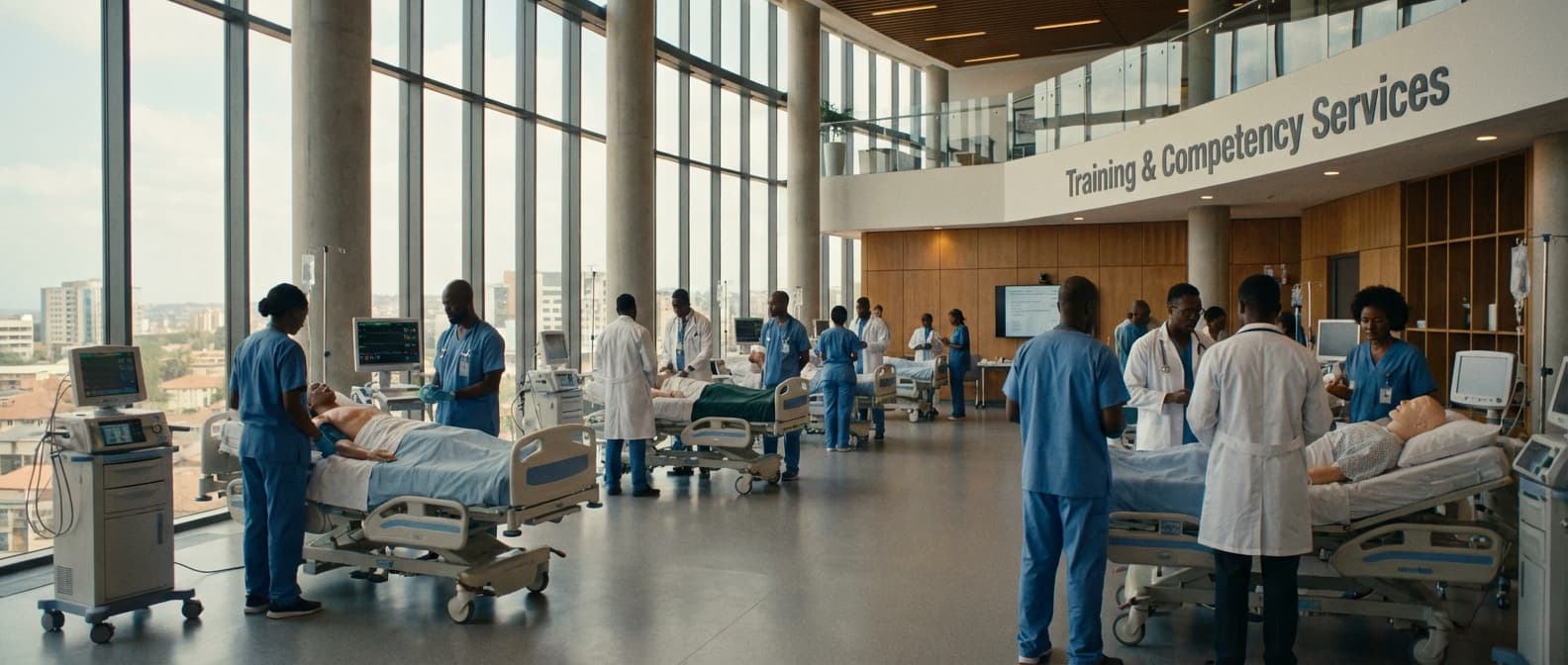
Ultrasound Application Training Service (Protocol-Based) in Tunisia
Engineering Excellence & Technical Support
Ultrasound Application Training Service (Protocol-Based) High-standard technical execution following OEM protocols and local regulatory frameworks.
Standardized Ultrasound Protocols
Master essential ultrasound examinations with our meticulously designed, protocol-driven training modules. Focus on reproducibility and diagnostic accuracy for improved patient outcomes in Tunisia.
Performance Analytics & Feedback
Track your progress with real-time performance analytics and receive personalized feedback. Our system identifies areas for improvement, ensuring you meet and exceed Tunisian competency standards.
Interactive Case Studies & Simulation
Engage with realistic patient scenarios and interactive simulations. Develop critical thinking and decision-making skills in a safe, virtual environment, tailored to the common pathologies encountered in Tunisia.
What Is Ultrasound Application Training Service (Protocol-based) In Tunisia?
Ultrasound Application Training Service (Protocol-Based) in Tunisia refers to structured, standardized educational programs focused on the proficient utilization of diagnostic ultrasound equipment for specific clinical applications. This service adheres to established imaging protocols, ensuring consistency, accuracy, and optimal diagnostic yield. The training emphasizes the theoretical underpinnings of ultrasound physics, image acquisition techniques, artifact recognition, and the interpretation of sonographic findings within the context of defined clinical pathways and established national or international guidelines.
This service involves comprehensive theoretical instruction and extensive hands-on practical sessions conducted by experienced sonographers and radiologists. Training modules are designed to cover a spectrum of anatomical regions and pathological conditions, from basic abdominal and pelvic imaging to specialized areas such as musculoskeletal, vascular, or obstetric ultrasound. The 'protocol-based' aspect signifies a systematic approach to scanning, where trainees learn and apply standardized sequences of probe manipulations, patient positioning, and image optimization to systematically evaluate the target anatomy and pathology. The objective is to enable healthcare professionals to consistently acquire high-quality diagnostic images and perform accurate sonographic examinations adhering to best practices.
| Target Audience | Primary Need Addressed | Typical Use Cases |
|---|---|---|
| Radiologists and Radiology Residents | Enhancement of diagnostic capabilities, specialization in specific ultrasound modalities, standardized practice implementation. | Routine abdominal scans, pelvic assessments (gynecological and urological), Doppler studies for vascular evaluation, interventional ultrasound guidance. |
| Sonographers (Medical Imaging Technicians) | Acquisition of foundational skills, proficiency in standardized scanning techniques, career advancement. | Performing preliminary ultrasound examinations, assisting radiologists, specialized roles in obstetrics, cardiology, or emergency medicine ultrasound. |
| Obstetricians and Gynecologists | Point-of-care ultrasound (POCUS) proficiency, routine antenatal screening, evaluation of gynecological pathologies. | First-trimester dating scans, anomaly scans, fetal biometry, transvaginal pelvic assessments, early pregnancy assessment. |
| Emergency Medicine Physicians | Rapid diagnostic ultrasound for critically ill or injured patients (POCUS). | FAST (Focused Assessment with Sonography for Trauma) scans, identification of pneumothorax, evaluation of cardiac function, assessment of deep vein thrombosis (DVT). |
| Other Medical Specialists (e.g., Rheumatologists, Pediatricians) | Introduction to ultrasound for specific clinical applications within their specialty. | Musculoskeletal ultrasound for joint effusions and soft tissue lesions (Rheumatology), bedside abdominal scans for pediatric patients (Pediatrics). |
Key Components of Ultrasound Application Training Service (Protocol-Based) in Tunisia:
- Standardized imaging protocols for various anatomical regions and clinical indications.
- Theoretical modules on ultrasound physics, instrumentation, and image optimization.
- Hands-on practical training with phantoms and, where ethically permissible and feasible, supervised patient scanning.
- Emphasis on artifact identification and troubleshooting.
- Instruction in anatomical and pathological sonographic sonoanatomy.
- Integration of clinical context and differential diagnosis formulation.
- Assessment of competency through practical examinations and knowledge testing.
- Familiarization with specific ultrasound equipment models prevalent in Tunisian healthcare facilities.
- Adherence to Tunisian Ministry of Health or relevant professional body guidelines.
Who Needs Ultrasound Application Training Service (Protocol-based) In Tunisia?
This document outlines the need for Ultrasound Application Training Service (Protocol-Based) in Tunisia. It identifies the key target customers and departments that would benefit from such specialized training, aiming to enhance diagnostic accuracy, improve patient care, and standardize ultrasound protocols across various healthcare settings.
| Customer Segment | Department/Unit | Specific Needs & Benefits | Potential Training Focus |
|---|---|---|---|
| Public Hospitals | Radiology, Obstetrics & Gynecology, Cardiology, Emergency Medicine, General Surgery, Pediatrics | Standardizing protocols for consistent diagnosis, improving image quality, reducing misdiagnosis, training on new equipment/applications, enhancing staff competency with limited resources. | Abdominal Ultrasound, Pelvic Ultrasound, Obstetric Ultrasound (1st, 2nd, 3rd trimester), Echocardiography, Small Parts Ultrasound, Doppler Ultrasound, Basic Emergency Ultrasound (FAST scan). |
| Private Hospitals & Clinics | Radiology, Obstetrics & Gynecology, Cardiology, General Surgery, Urology, Gastroenterology | Advanced application training, specialized scan protocols, competitive edge through specialized expertise, patient comfort and safety, efficient workflow, staying updated with technological advancements. | Advanced Echocardiography, Interventional Ultrasound, Elastography, Musculoskeletal Ultrasound, Neurosonology, Contrast-Enhanced Ultrasound (CEUS), Breast Ultrasound. |
| University Hospitals & Medical Schools | Radiology, Various Clinical Departments (involved in ultrasound teaching) | Educating future radiologists and clinicians, developing standardized teaching curricula, research applications, hands-on training for students and residents. | Foundation of Ultrasound Physics and Safety, Core Ultrasound Applications, Advanced Diagnostic Techniques, Research Methodology in Ultrasound. |
| Paramedical Training Institutions | Nursing, Midwifery, Radiography Programs | Equipping future healthcare professionals with basic ultrasound skills, understanding ultrasound principles, assisting senior sonographers/radiologists, preliminary patient assessment. | Basic Ultrasound Principles, Introduction to Common Ultrasound Scans, Patient Preparation and Positioning, Image Acquisition Fundamentals. |
| Specialized Medical Practitioners | Cardiologists, Urologists, Gynecologists, Gastroenterologists, Surgeons | Integrating ultrasound into their specific practice, focused training on relevant protocols, improving diagnostic confidence in their specialty. | Echocardiography for Cardiologists, Transvaginal/Transabdominal Ultrasound for Gynecologists, Renal/Prostate Ultrasound for Urologists, Biliary/Hepatic Ultrasound for Gastroenterologists, Intraoperative Ultrasound for Surgeons. |
Target Customers and Departments
- Radiology Departments in Hospitals (Public and Private)
- Maternity and Obstetrics Units
- Cardiology Departments
- Emergency Departments
- General Surgery Departments
- Internal Medicine Departments
- Pediatric Departments
- Private Radiology and Imaging Centers
- University Hospitals and Medical Schools
- Specialized Clinics (e.g., Urology, Gynecology)
- Paramedical Training Institutions
Ultrasound Application Training Service (Protocol-based) Process In Tunisia
This document outlines the workflow for an Ultrasound Application Training Service (Protocol-Based) provided in Tunisia. The service focuses on delivering specialized training programs designed to equip healthcare professionals with the skills and knowledge to perform specific ultrasound protocols effectively. The process encompasses the entire journey from initial inquiry to successful training execution and post-training support.
| Stage | Activities | Key Stakeholders | Deliverables/Outcomes | Timeline |
|---|---|---|---|---|
| Client (healthcare facility/individual) expresses interest in ultrasound application training. Trainer/provider responds, gathers information on specific ultrasound modalities, applications (e.g., obstetric, abdominal, vascular), existing skill levels, and desired learning outcomes. Discussion on protocol-based approach. | Client (e.g., Head of Radiology, Department Manager, Individual Sonographer), Training Provider Representative | Understanding of client's training needs, identification of specific protocols to be covered, preliminary scope of training. | 1-3 Business Days |
| Based on the needs assessment, the training provider develops a detailed proposal. This includes the specific protocols to be trained, learning objectives, training methodology (theory, hands-on sessions, case studies), duration, venue requirements, trainer qualifications, and a cost breakdown. Customization based on client feedback. | Training Provider, Client Representative | Formal training proposal outlining all aspects of the service, customized curriculum. | 3-5 Business Days |
| Client reviews and approves the proposal. A formal service agreement or contract is signed. Joint scheduling of training dates, considering venue availability, trainer availability, and client's operational schedule. | Client Management, Training Provider Management, Client Department Heads | Signed service agreement, confirmed training schedule, designated training dates and times. | 2-7 Business Days |
| Training provider prepares training materials (presentations, manuals, case studies, assessment tools). Logistics are confirmed (venue setup, equipment availability, simulator access if applicable). Client identifies trainees and ensures their availability. Pre-training materials may be shared with trainees for preparatory reading. | Training Provider (Content Development, Logistics), Client (Trainee Identification, Venue Preparation) | Completed training materials, confirmed logistics, pre-training communication to trainees. | 1-2 Weeks before training |
| On-site or remote delivery of the protocol-based ultrasound training. Includes theoretical sessions explaining the principles and protocols, followed by practical hands-on sessions on phantom models, simulators, or (under strict supervision and ethical approval) live patient scans. Case study discussions and Q&A sessions. Ongoing assessment of trainee progress. | Certified Ultrasound Trainer, Trainees (Sonographers, Radiologists, Technicians) | Delivery of training modules, practical skill development, knowledge acquisition, real-time feedback, initial competency assessment. | Duration varies based on protocol complexity (e.g., 2-5 days per protocol) |
| Training provider provides post-training support, which may include access to online resources, follow-up Q&A sessions, or refresher courses. A comprehensive post-training evaluation is conducted, collecting feedback from trainees and supervisors. A training completion certificate is issued to successful trainees. Review of training effectiveness and identification of areas for future improvement. | Training Provider, Client Management, Trainees | Post-training support, feedback reports, training completion certificates, recommendations for further training or skill enhancement. | Ongoing (post-training, typically within 2 weeks of completion) |
Ultrasound Application Training Service (Protocol-Based) Workflow in Tunisia
- Initial Inquiry & Needs Assessment
- Proposal Development & Customization
- Agreement & Scheduling
- Pre-Training Preparation
- Training Execution
- Post-Training Support & Evaluation
Ultrasound Application Training Service (Protocol-based) Cost In Tunisia
This document outlines the cost considerations for Ultrasound Application Training Services (Protocol-Based) in Tunisia, denominated in Tunisian Dinars (TND). The pricing is influenced by several key factors that determine the overall investment for individuals or institutions seeking to enhance their ultrasound skills through structured, protocol-driven training.
Key Pricing Factors:
- Training Duration and Intensity: The number of hours or days dedicated to the training directly impacts the cost. More intensive, multi-day programs will naturally be more expensive than shorter, introductory sessions. This includes theoretical lectures, practical hands-on sessions, and case study reviews.
- Specific Ultrasound Applications: Training in specialized areas like obstetrics and gynecology, cardiology, abdominal imaging, musculoskeletal, or interventional ultrasound often commands higher fees due to the advanced knowledge and specialized equipment involved. General ultrasound courses may be less expensive.
- Provider's Reputation and Expertise: Established training centers with highly experienced instructors, a strong track record, and accredited programs typically charge premium prices. Smaller, independent providers or those in early stages of development might offer more competitive rates.
- Training Format (On-site vs. Remote): On-site training, requiring travel, accommodation (for the trainer), and facility use, will generally be more costly than remote or online training. However, the hands-on component of ultrasound training often necessitates in-person instruction for optimal learning.
- Equipment Access and Usage: The availability and quality of ultrasound machines provided for hands-on practice can influence cost. Training that utilizes advanced, multi-probe systems might be priced higher. The number of participants per machine is also a consideration.
- Curriculum Development and Materials: The comprehensiveness of the training protocol, the quality of printed or digital learning materials, and any simulation tools used contribute to the overall cost.
- Certification and Accreditation: Training programs that lead to recognized certifications or are accredited by professional bodies may have higher fees, reflecting the added value and standardization.
- Group vs. Individual Training: Bulk discounts are often available for corporate or institutional bookings of multiple participants. Individual training sessions tend to have a higher per-person cost.
- Location within Tunisia: While less of a dominant factor than others, training offered in major cities like Tunis might have slightly higher overheads for providers compared to smaller towns, potentially reflecting in the price.
| Training Type/Scope | Estimated Price Range (TND) | Notes |
|---|---|---|
| Basic Ultrasound Principles & Introduction (1-2 Days) | 800 - 1,500 TND | Covers fundamental concepts, machine operation, basic image acquisition. |
| General Ultrasound Applications (e.g., Abdomen, Pelvis - 3-5 Days) | 1,800 - 3,500 TND | Focuses on specific organ systems, protocol-based scanning techniques. |
| Specialized Applications (e.g., Obstetrics & Gynecology, Cardiology - 3-5 Days) | 2,500 - 5,000 TND | In-depth training for niche areas, often involving advanced protocols and interpretation. |
| Advanced/Interventional Ultrasound (e.g., Biopsy Guidance, Doppler - 2-3 Days) | 2,000 - 4,000 TND | Practical skills for guided procedures and complex Doppler studies. |
| Refresher/Update Courses (1 Day) | 500 - 1,000 TND | For experienced practitioners to update knowledge and skills. |
| Customized/On-site Corporate Training (Per Day, per group) | 1,200 - 2,500+ TND | Price varies significantly based on duration, number of participants, and specific content. May include travel/accommodation for trainers. |
Factors Influencing Ultrasound Application Training Cost in Tunisia
- Training Duration and Intensity
- Specific Ultrasound Applications
- Provider's Reputation and Expertise
- Training Format (On-site vs. Remote)
- Equipment Access and Usage
- Curriculum Development and Materials
- Certification and Accreditation
- Group vs. Individual Training
- Location within Tunisia
Affordable Ultrasound Application Training Service (Protocol-based) Options
This service offers comprehensive, protocol-based ultrasound application training designed to be accessible and cost-effective. We focus on practical skills development using industry-standard protocols, ensuring trainees gain proficiency in a structured and efficient manner. Our tiered value bundles and strategic cost-saving measures make high-quality ultrasound education achievable for individuals and institutions alike.
| Value Bundle Name | Description | Includes | Price Range (USD) |
|---|---|---|---|
| Foundation Module | Introductory training covering core ultrasound principles and basic scanning techniques. | Basic Physics, Image Optimization, Introduction to Common Transducers, Basic Abdominal Scanning Protocol. | $300 - $600 |
| Specialty Application Bundle | In-depth training for a specific ultrasound specialty. | Advanced physics for specialty, detailed protocol for application (e.g., OB/GYN, Echocardiography, Vascular), case studies, hands-on practice. | $700 - $1500 |
| Comprehensive Certification Prep | Full training program designed to prepare for a specific certification exam. | All relevant modules for the chosen specialty, mock exams, review sessions, protocol mastery. | $1200 - $2500 |
| Institutional Package | Customizable training solutions for healthcare facilities, including group discounts and on-site options. | Tailored curriculum, multiple application training, on-site instructor, administrative reporting. | Custom Quote (starts at $5000) |
Key Features and Benefits
- Protocol-Driven Curriculum: Emphasizes adherence to established scanning protocols for consistent and reproducible results.
- Hands-On Skill Development: Practical training sessions tailored to specific ultrasound applications.
- Experienced Instructors: Led by certified sonographers with extensive clinical and teaching experience.
- Flexible Learning Formats: Options for in-person, remote, or blended learning to suit diverse needs.
- Certification Support: Preparation and guidance for relevant ultrasound certifications.
- Cost-Effective Solutions: Designed to maximize learning outcomes while minimizing financial investment.
Verified Providers In Tunisia
When seeking healthcare services in Tunisia, particularly those involving international standards and specialized treatments, identifying 'Verified Providers' is crucial. Franance Health stands out as a leading entity that rigorously vets and accredits healthcare facilities and practitioners within Tunisia. This verification process goes beyond simple registration; it involves a comprehensive assessment of infrastructure, clinical expertise, patient care protocols, ethical practices, and adherence to international quality benchmarks. Choosing Franance Health-verified providers ensures access to a higher standard of medical care, enhanced patient safety, and greater transparency in treatment options. Their credentialing signifies a commitment to excellence and patient well-being, making them the optimal choice for both local and international patients.
| Franance Health Verified Provider Characteristic | Benefit to Patients |
|---|---|
| Rigorous Credentialing Process | Assures that only the most qualified and ethical providers are accredited. |
| Focus on International Standards | Ensures compatibility with global best practices for diagnosis and treatment. |
| Infrastructure and Technology Assessment | Guarantees access to modern equipment and well-maintained facilities. |
| Patient Safety Protocols | Confirms implementation of robust measures to protect patient well-being. |
| Ethical Practice Standards | Upholds principles of integrity, respect, and confidentiality in patient care. |
| Continuous Quality Monitoring | Ensures ongoing commitment to excellence and patient satisfaction. |
Why Franance Health Verification Matters:
- Ensures adherence to international quality standards in healthcare delivery.
- Confirms that healthcare professionals possess the necessary qualifications and expertise.
- Guarantees that facilities meet stringent safety and hygiene regulations.
- Promotes transparency in treatment processes and costs.
- Enhances patient confidence and trust in the chosen healthcare provider.
- Facilitates access to specialized medical services with assured quality.
Scope Of Work For Ultrasound Application Training Service (Protocol-based)
This Scope of Work (SOW) outlines the requirements for a Protocol-Based Ultrasound Application Training Service. The service will focus on equipping trainees with the knowledge and practical skills to perform ultrasound examinations according to established protocols, ensuring standardized and high-quality diagnostic imaging. This SOW details the technical deliverables and standard specifications for this training program.
| Technical Deliverable | Description | Standard Specification | Acceptance Criteria |
|---|---|---|---|
| Training Curriculum Document | A comprehensive document detailing the learning objectives, modules, content outline, and duration of the training program. | Must cover all listed Key Training Components. Protocols to be clearly defined and referenced. Minimum 80% adherence to specified training hours per module. | Curriculum approved by the client prior to commencement. All modules and protocols are clearly outlined with measurable learning outcomes. |
| Trainee Manuals/Workbooks | Reference materials provided to trainees for self-study and practical application. | Includes detailed protocol guides, image acquisition checklists, and case study examples. Content must be up-to-date with current best practices and relevant to the specified protocols. | Manuals are complete, accurate, and readily accessible to all trainees. Content directly supports the training curriculum and practical sessions. |
| Hands-on Scanning Sessions | Supervised practical sessions where trainees perform ultrasound examinations on phantoms and/or simulated patients. | Minimum of X hours of supervised scanning per trainee, with a trainee-to-instructor ratio not exceeding Y:1. Utilizes standard ultrasound equipment and probes relevant to the protocols. | Trainees demonstrate proficiency in probe manipulation, image acquisition, and protocol adherence as assessed by the instructor. Minimum of 85% of required scanning hours completed. |
| Competency Assessment Tools | Methods used to evaluate trainee understanding and practical skills. | Includes written examinations, practical scanning assessments, and case review evaluations. Assessment criteria must align with defined protocol standards. | Trainees achieve a minimum score of 80% on written assessments and demonstrate competency in performing at least 90% of critical steps in protocol-based examinations during practical assessments. |
| Training Completion Certificates | Formal documentation issued to trainees who successfully complete the training program. | Certificates will be issued upon successful completion of all assessment requirements and attendance benchmarks. Must include trainee name, course title, date of completion, and issuing organization. | Certificates are issued to all trainees who meet the defined completion criteria. All information on the certificate is accurate and verifiable. |
| Instructor Qualifications | Documentation of the qualifications and experience of the training personnel. | Instructors must possess relevant certifications (e.g., ARDMS, CCI), a minimum of Z years of experience in performing and teaching the specific ultrasound applications, and a strong understanding of the defined protocols. | Proof of instructor qualifications and experience provided to the client upon request. Instructors demonstrably adhere to the training curriculum and standards. |
Key Training Components
- Theoretical understanding of ultrasound physics and principles.
- Detailed review and application of specific ultrasound protocols for various examinations (e.g., abdominal, obstetric, vascular).
- Hands-on practical scanning sessions with expert supervision.
- Image optimization techniques and artifact recognition.
- Reporting and documentation standards.
- Quality assurance and quality control (QA/QC) principles in ultrasound.
Service Level Agreement For Ultrasound Application Training Service (Protocol-based)
This Service Level Agreement (SLA) outlines the response times and uptime guarantees for the Protocol-Based Ultrasound Application Training Service provided by [Your Company Name] to [Client Name]. This SLA is an addendum to the Master Services Agreement (MSA) between the parties.
| Service Component | Severity Level | Response Time (Business Hours) | Resolution Time (Business Hours) | Uptime Guarantee |
|---|---|---|---|---|
| Training Platform Availability | Critical (Service Unavailable) | N/A | 4 business hours | 99.5% |
| Training Platform Availability | High (Key functionality impaired) | N/A | 8 business hours | 99.5% |
| Training Platform Availability | Medium (Minor functionality impaired) | N/A | 24 business hours | 99.5% |
| Training Platform Availability | Low (Cosmetic or non-essential issue) | N/A | 48 business hours | 99.5% |
| Technical Support (for application access/functionality) | Critical (Unable to access platform/start training) | 1 business hour | 4 business hours | N/A |
| Technical Support (for application access/functionality) | High (Unable to access specific training module) | 2 business hours | 8 business hours | N/A |
| Technical Support (for application access/functionality) | Medium (Issue with virtual session connectivity) | 4 business hours | 16 business hours | N/A |
| Technical Support (for application access/functionality) | Low (Question regarding training content) | 8 business hours | 48 business hours | N/A |
| Virtual Instructor-Led Sessions | Critical (Session cannot commence due to technical failure) | 1 business hour | 2 business hours (to reschedule or provide alternative) | N/A |
Definitions
- Service: The Protocol-Based Ultrasound Application Training Service, which includes access to online training modules, virtual instructor-led sessions, and technical support for the designated ultrasound application software.
- Training Platform: The web-based platform hosting the training materials and supporting virtual sessions.
- Scheduled Downtime: Planned periods of unavailability for maintenance, upgrades, or scheduled improvements to the Training Platform. [Your Company Name] will provide at least 48 hours' notice for Scheduled Downtime.
- Unscheduled Downtime: Any period of unavailability of the Training Platform that is not Scheduled Downtime.
- Response Time: The maximum time allowed for [Your Company Name] to acknowledge a reported issue and initiate an investigation.
- Resolution Time: The maximum time allowed for [Your Company Name] to provide a solution or workaround for a reported issue.
- Uptime: The percentage of time the Training Platform is available and functional for use by [Client Name], excluding Scheduled Downtime.
- Business Hours: Monday to Friday, 9:00 AM to 5:00 PM [Client's Time Zone], excluding public holidays.
Frequently Asked Questions

Ready when you are
Let's scope your Ultrasound Application Training Service (Protocol-Based) in Tunisia project in Tunisia.

Scaling healthcare logistics and technical systems across the entire continent.