
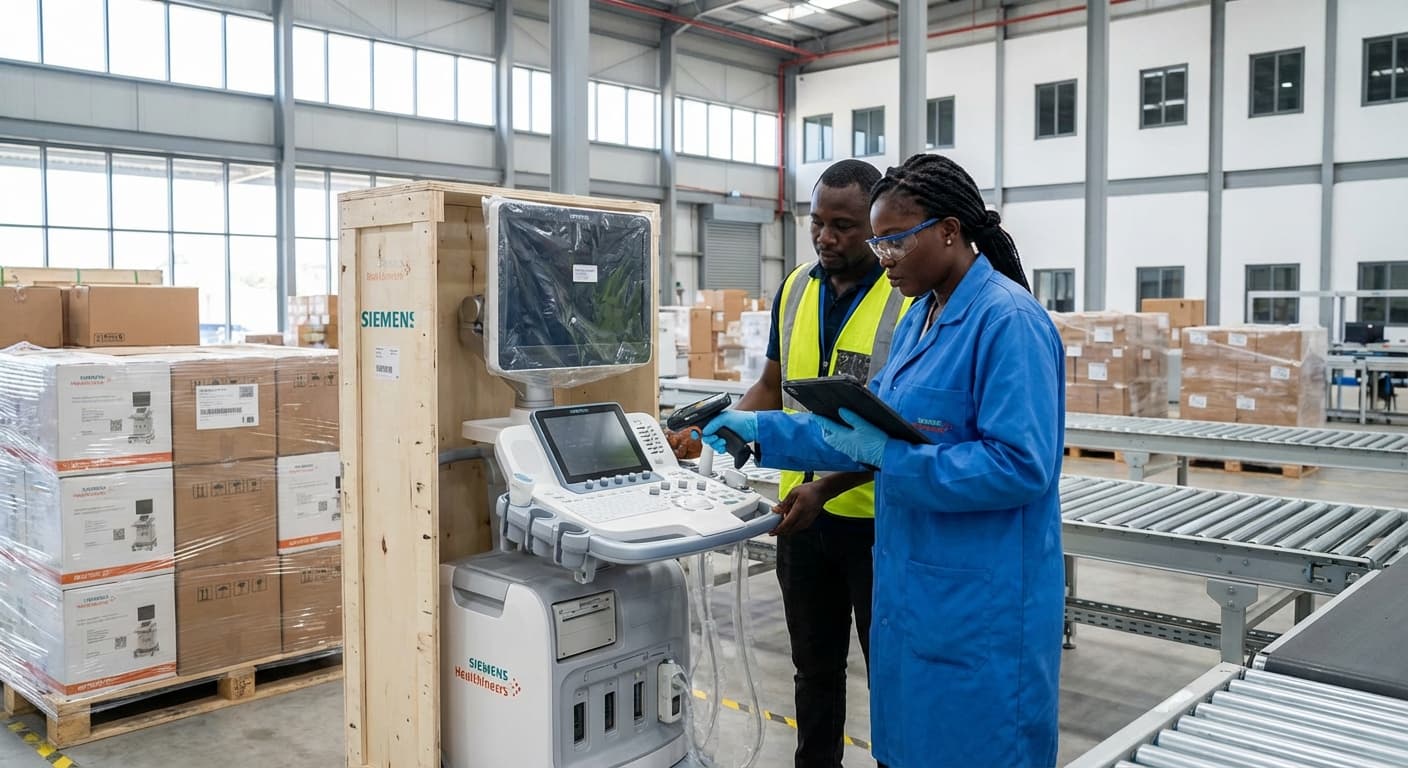
Warehouse Receiving Inspection Service (Medical Equipment) in Tunisia
Engineering Excellence & Technical Support
Warehouse Receiving Inspection Service (Medical Equipment) High-standard technical execution following OEM protocols and local regulatory frameworks.
Rigorous Compliance & Regulatory Adherence
Our receiving inspection process in Tunisia strictly adheres to all relevant Tunisian medical device regulations (e.g., Ministry of Health directives, ISO 13485 standards). We ensure every incoming medical equipment shipment meets stringent quality, safety, and documentation requirements before entering your inventory.
Comprehensive Documentation Verification
We provide meticulous verification of all accompanying documentation, including Certificates of Analysis (CoA), Certificates of Origin (CoA), User Manuals, Calibration Certificates, and batch/lot traceability records. This ensures complete audit readiness and minimizes the risk of non-compliant or counterfeit products.
Efficient & Traceable Workflow Management
Leveraging advanced tracking systems and real-time data capture, we streamline the receiving inspection workflow in Tunisia. This guarantees rapid turnaround times, accurate inventory updates, and complete traceability of each medical equipment unit from the moment it arrives at your facility.
What Is Warehouse Receiving Inspection Service (Medical Equipment) In Tunisia?
Warehouse Receiving Inspection Service (Medical Equipment) in Tunisia refers to a specialized quality control process conducted upon the arrival of medical equipment at a designated warehouse facility within Tunisia. This service aims to verify that the received equipment conforms to pre-defined specifications, quality standards, and regulatory requirements before it is accepted into inventory. It is a critical component of the supply chain for medical devices and pharmaceuticals, ensuring product integrity, patient safety, and regulatory compliance. The inspection typically involves a systematic evaluation of various attributes, including packaging integrity, product identification, documentation verification, visual inspection of the equipment itself, and, in some cases, functional testing.
| Stakeholder/Entity | Need for Service | Typical Use Cases |
|---|---|---|
| Medical Device Manufacturers/Distributors (International & Local): | To ensure product quality is maintained post-shipment and compliance with Tunisian import regulations. To validate that their products are received in optimal condition by their Tunisian partners or direct customers. | Receiving shipments of new medical devices (e.g., diagnostic imaging equipment, surgical instruments, patient monitoring systems, consumables) at their Tunisian distribution centers or warehouses. Verifying the integrity of returned goods. |
| Hospitals and Healthcare Facilities (Public & Private): | To guarantee the safety and efficacy of medical equipment procured for patient care. To avoid costly downtime and ensure compliance with healthcare standards. | Receiving medical equipment and supplies (e.g., laboratory reagents, hospital beds, sterilization equipment, personal protective equipment) directly at their facility's storage or loading docks. Verifying the quality of items before they are deployed to clinical areas. |
| Third-Party Logistics (3PL) Providers/Warehousing Companies: | To fulfill contractual obligations with their clients in the healthcare sector. To mitigate risks associated with handling sensitive medical goods and ensure quality assurance for their clients' inventory. | Managing incoming shipments of medical equipment on behalf of manufacturers or distributors. Providing value-added services like receiving inspection as part of their warehousing and logistics solutions in Tunisia. |
| Regulatory Bodies (e.g., Tunisian Ministry of Health): | While not directly consumers of the service, regulatory bodies rely on these inspections as a downstream control mechanism to ensure that medical devices entering the market meet established safety and quality standards. | Overseeing the general compliance of medical equipment entering the Tunisian market, with receiving inspections forming a crucial part of the evidence chain for quality assurance and regulatory adherence. |
Key Components of Medical Equipment Receiving Inspection:
- Documentation Review: Verification of accompanying documents such as Certificates of Analysis (CoA), Certificates of Origin (CoO), invoices, packing lists, user manuals, and regulatory approvals (e.g., CE marking for products entering the EU market, or relevant Tunisian Ministry of Health approvals).
- Visual Inspection: A thorough examination of the external condition of the equipment and its packaging for any signs of damage, tampering, contamination, or defects. This includes checking for proper labeling, expiry dates (if applicable), and lot numbers.
- Identification and Quantity Verification: Confirming that the received items match the order specifications in terms of product name, model number, serial number, and quantity as per the purchase order and packing list.
- Condition Assessment: Evaluating the physical condition of the equipment to ensure it is free from defects, scratches, dents, or other cosmetic or structural imperfections that could affect its performance or safety.
- Functional Testing (if applicable): For certain types of medical equipment, a basic or comprehensive functional test may be performed to verify operational parameters and ensure the device is working as intended. This could range from simple power-on tests to more complex diagnostic checks.
- Environmental Compliance Check: Verifying that the equipment has been stored and transported under appropriate environmental conditions (e.g., temperature, humidity) as specified by the manufacturer to prevent degradation.
- Traceability Verification: Ensuring that lot numbers and serial numbers are accurately recorded for full traceability throughout the supply chain.
- Non-Conformance Reporting: Documenting and reporting any discrepancies or defects identified during the inspection process, initiating corrective actions or return procedures.
Who Needs Warehouse Receiving Inspection Service (Medical Equipment) In Tunisia?
Warehouse receiving inspection services for medical equipment in Tunisia are crucial for ensuring the quality, safety, and regulatory compliance of imported and locally sourced medical devices. These services help mitigate risks associated with damaged goods, counterfeit products, and non-compliance with Tunisian health regulations. They are essential for organizations that handle medical equipment, from initial procurement to final distribution.
| Customer Type | Key Departments Involved | Primary Needs/Concerns |
|---|---|---|
| Hospitals (Public & Private) | Procurement Department, Biomedical Engineering Department, Central Sterile Supply Department (CSSD), Quality Assurance Department, Pharmacy | Ensuring delivered equipment matches purchase orders, verifying functional integrity before use, identifying damage during transit, confirming compliance with sterilization and storage requirements, preventing counterfeit devices. |
| Clinics and Medical Centers | Administration, Clinical Staff (Doctors, Nurses), Procurement Officer | Verifying the quality and functionality of specialized medical devices, ensuring patient safety, cost-effectiveness of equipment, timely availability for patient care. |
| Medical Equipment Distributors and Importers | Logistics & Warehouse Management, Quality Control, Sales & Marketing, Regulatory Affairs | Validating incoming shipments against supplier invoices, identifying discrepancies, ensuring proper handling and storage conditions, meeting import/export regulations, maintaining product integrity for resale. |
| Pharmaceutical Companies (with medical device divisions) | Supply Chain Management, Quality Assurance, Regulatory Affairs, Research & Development | Maintaining the integrity of the supply chain for combination products or medical devices used in drug delivery, ensuring compliance with pharmaceutical and medical device regulations, safeguarding product efficacy. |
| Government Health Agencies and Procurement Bodies | Procurement & Tendering Department, Quality Control Unit, National Medicines Agency (as applicable) | Ensuring public funds are used for high-quality, compliant medical equipment, preventing the entry of substandard or counterfeit devices, upholding national health standards. |
| Research and Development Facilities | Lab Management, Procurement, Technical Staff | Verifying the accuracy and functionality of specialized research equipment, ensuring no damage that could compromise experimental results, maintaining a controlled environment for sensitive instruments. |
| Non-Governmental Organizations (NGOs) involved in healthcare | Logistics & Operations, Program Management, Procurement | Ensuring donated or procured medical equipment is functional and safe for intended use, maximizing the impact of limited resources, meeting donor requirements for accountability and quality. |
Target Customers and Departments for Medical Equipment Warehouse Receiving Inspection Services in Tunisia:
- Hospitals (Public and Private)
- Clinics and Medical Centers
- Medical Equipment Distributors and Importers
- Pharmaceutical Companies (with medical device divisions)
- Government Health Agencies and Procurement Bodies
- Research and Development Facilities
- Non-Governmental Organizations (NGOs) involved in healthcare
Warehouse Receiving Inspection Service (Medical Equipment) Process In Tunisia
The Warehouse Receiving Inspection Service for Medical Equipment in Tunisia is a crucial process ensuring the quality, compliance, and integrity of medical devices upon arrival at a warehouse. This service verifies that the received equipment matches the order, is free from damage, meets regulatory standards, and is properly documented. The workflow, from initial inquiry to final execution, is designed to be systematic and thorough.
| Stage | Description | Key Activities | Responsible Party | Outcome |
|---|---|---|---|---|
| Initial contact from a client (e.g., medical equipment importer, distributor, or warehouse operator) requesting the inspection service. | Client communicates their needs, specifies the type and quantity of medical equipment, and the desired timeframe. Request for quotation (RFQ) or formal service agreement initiation. | Client, Service Provider (Inspection Agency) | Understanding of client needs, preliminary cost estimation, and agreement to proceed. |
| Collecting all necessary information and documentation from the client to plan and execute the inspection. | Review of purchase orders (POs), invoices, packing lists, supplier certificates of analysis/conformity, import permits, and any specific client requirements or standard operating procedures (SOPs). | Service Provider (Inspection Agency), Client | Comprehensive understanding of the shipment, identification of critical inspection points and regulatory requirements. |
| Arranging a suitable date and time for the inspection at the receiving warehouse. | Coordinating with the client, warehouse management, and potentially customs authorities (if applicable) for access. Defining the inspection team and required equipment. | Service Provider (Inspection Agency) | Confirmed inspection date, time, and location. Allocation of inspection personnel and resources. |
| Performing the physical inspection of the received medical equipment at the warehouse. | Verification of shipment against PO/packing list (quantity, model, serial numbers). Visual inspection for damage (packaging and equipment). Check for proper labeling and markings. Verification of expiry dates/shelf life. Sampling for laboratory testing (if required). Confirmation of required certifications and regulatory compliance documents. | Service Provider (Inspection Agency) | Objective assessment of the received medical equipment's condition, conformity, and compliance. |
| Creating a detailed report documenting the findings of the inspection. | Compilation of all inspection data, observations, photographic evidence, and compliance status. Preparation of the Inspection Certificate or Non-Conformance Report (NCR). | Service Provider (Inspection Agency) | Clear and accurate record of the inspection results, including any deviations or issues. |
| Addressing any issues or discrepancies identified during the inspection. | If non-conformities are found, the service provider will guide the client on corrective actions. This may involve re-inspection, return of goods, or corrective actions by the supplier. Facilitation of communication between client and supplier. | Service Provider (Inspection Agency), Client, Supplier (if involved) | Rectification of identified problems, ensuring compliance and acceptance of goods. |
| Finalizing the service and maintaining records for future reference. | Issuance of the final Inspection Certificate (if no major non-conformities) or confirmation of resolution. Archiving of all inspection reports, supporting documents, and client communication. Invoicing for services rendered. | Service Provider (Inspection Agency), Client | Completed service transaction, auditable records, and financial settlement. |
Warehouse Receiving Inspection Service (Medical Equipment) Process Workflow in Tunisia
- Inquiry & Service Request
- Information Gathering & Documentation Review
- Inspection Scheduling
- On-Site Inspection Execution
- Reporting & Documentation
- Resolution of Non-Conformities
- Service Closure & Record Keeping
Warehouse Receiving Inspection Service (Medical Equipment) Cost In Tunisia
The cost of warehouse receiving inspection services for medical equipment in Tunisia can vary significantly based on several key factors. These inspections are crucial to ensure the integrity, functionality, and compliance of medical devices before they enter the supply chain or are deployed for patient use. Understanding these pricing determinants is vital for accurate budgeting and vendor selection.
| Inspection Type/Scope | Estimated Price Range (TND) | Notes |
|---|---|---|
| Basic Visual Inspection & Documentation Review (Per Item) | 50 - 150 | Covers physical condition, packaging, labeling, and essential documentation check. |
| Standard Functional Testing (Per Item) | 100 - 300 | Includes basic operational checks to ensure the equipment powers on and performs core functions. |
| Comprehensive Functional & Performance Validation (Per Item) | 250 - 700+ | Involves detailed testing, calibration verification, and assessment against manufacturer specifications. Price highly dependent on equipment complexity. |
| Regulatory Compliance Check (Per Item/Batch) | 150 - 500 | Focuses on adherence to relevant Tunisian and international medical device regulations. Can be a standalone service or part of a broader inspection. |
| Daily/Hourly Rate for Specialized Inspections | 300 - 800+ per day | Applicable for complex projects or when specific expertise is required for extended periods. Influenced by inspector's specialization. |
| Project-Based Pricing | Variable (Negotiable) | For large volumes, complex projects, or long-term contracts, providers often offer custom quotes based on detailed project scope. |
Key Pricing Factors for Medical Equipment Warehouse Receiving Inspections in Tunisia:
- Type and Complexity of Medical Equipment: Simple, non-powered devices will generally cost less to inspect than complex, high-value, or specialized equipment requiring detailed functional testing, calibration checks, or software verification.
- Volume of Equipment: The number of items to be inspected will directly influence the overall cost. Many service providers offer tiered pricing or volume discounts for larger batches.
- Scope of Inspection: The depth and breadth of the inspection are paramount. This can range from basic visual checks and documentation review to comprehensive functional testing, performance validation, and compliance verification against specific medical device regulations (e.g., CE marking, local Tunisian standards).
- Urgency and Turnaround Time: Expedited inspection services, requiring immediate attention and potentially overtime for inspectors, will incur higher charges.
- Location of the Warehouse: While less of a primary factor within Tunisia itself, significant travel time for inspectors to remote or difficult-to-access warehouse locations could potentially influence pricing.
- Inspector Qualifications and Certifications: Highly specialized inspectors with specific certifications (e.g., for particular types of medical equipment or regulatory expertise) may command higher rates.
- Reporting Requirements: The level of detail and format of the inspection report can impact cost. Comprehensive reports with detailed findings, photographic evidence, and compliance matrices will be more expensive than summary reports.
- Additional Services: Inspections might be bundled with other services like sampling, basic decontamination, or inventory management, which would add to the overall cost.
- Service Provider's Reputation and Experience: Established and reputable inspection firms with a proven track record in the medical equipment sector might charge a premium for their expertise and reliability.
Affordable Warehouse Receiving Inspection Service (Medical Equipment) Options
Finding an affordable warehouse receiving inspection service for medical equipment is crucial for ensuring compliance, patient safety, and efficient inventory management. This service verifies the condition, specifications, and completeness of incoming medical equipment against purchase orders and manufacturer requirements. Affordable options often leverage streamlined processes, technology, and flexible service models. Value bundles are pre-packaged service offerings designed to provide comprehensive inspection and related services at a discounted rate compared to individual service purchases. Cost-saving strategies focus on optimizing the inspection process, leveraging technology, and negotiating favorable terms.
| Value Bundle Name | Included Services | Typical Benefits | Ideal For |
|---|---|---|---|
| Basic Compliance Check | Visual inspection, PO verification, discrepancy reporting. | Ensures fundamental accuracy and identifies obvious issues. | Low-volume, routine equipment, or internal pre-screening. |
| Standard Quality Assurance | Basic Compliance Check + basic functional testing, accessory verification, documentation. | Provides a more thorough assessment of equipment readiness and completeness. | Moderate volume, general medical equipment, ensuring operational readiness. |
| Advanced Readiness Package | Standard Quality Assurance + calibration certificate verification, minor cosmetic defect reporting, initial inventory tagging. | Maximizes assurance of equipment compliance and immediate usability. | High-value equipment, critical care devices, or when immediate deployment is necessary. |
| Customizable Bundle | Tailored to specific client needs (e.g., specialized testing, advanced documentation, extended storage verification). | Maximum flexibility and cost-effectiveness for unique requirements. | Organizations with highly specialized equipment or unique operational workflows. |
Key Components of a Receiving Inspection Service for Medical Equipment
- Visual inspection for damage, defects, and correct model/serial numbers.
- Verification against purchase orders and packing slips.
- Confirmation of accessories, manuals, and calibration certificates.
- Basic functional testing (where applicable and feasible).
- Documentation of findings (photos, reports).
- Identification of discrepancies and reporting to relevant parties.
- Compliance checks against regulatory standards (e.g., FDA, ISO).
- Labeling and inventory tagging (optional add-on).
Verified Providers In Tunisia
Ensuring access to high-quality healthcare is paramount, and in Tunisia, the identification of verified providers is crucial for patients seeking reliable medical services. Franance Health stands out as a premier credentialing body, meticulously vetting healthcare professionals and institutions to guarantee their adherence to the highest standards of practice. This rigorous verification process by Franance Health offers patients unparalleled confidence and peace of mind.
| Service Area | Franance Health Verified Providers | Benefits for Patients |
|---|---|---|
| Cardiology | Doctors and clinics rigorously assessed for expertise in heart health. | Access to leading cardiologists and advanced cardiac care facilities. |
| Oncology | Providers with proven experience and ethical standards in cancer treatment. | Confidence in receiving specialized and compassionate cancer care. |
| Dermatology | Verified specialists in skin health and aesthetic procedures. | Expert diagnosis and treatment for all dermatological conditions. |
| Orthopedics | Highly qualified orthopedic surgeons and rehabilitation centers. | Reliable solutions for bone, joint, and muscle injuries and conditions. |
| General Surgery | Accredited surgical teams with a strong track record. | Safe and effective surgical interventions across various specialties. |
Why Franance Health Credentials Represent the Best Choice:
- Uncompromising Quality Assurance: Franance Health's verification process involves a comprehensive assessment of medical expertise, ethical conduct, and adherence to international best practices, ensuring only top-tier providers are recognized.
- Enhanced Patient Safety: By exclusively endorsing credentialed providers, Franance Health significantly reduces the risk of medical errors and ensures patients receive care from competent and trustworthy professionals.
- Access to Specialized Expertise: The credentialing process identifies providers with specific specializations, allowing patients to easily find the most qualified doctors and clinics for their unique medical needs.
- Transparency and Trust: Franance Health's transparent methodology and readily available verification information empower patients to make informed decisions and build trust in their chosen healthcare providers.
- Commitment to Continuous Improvement: Franance Health encourages and monitors the ongoing professional development of its credentialed providers, fostering a culture of continuous learning and adaptation to the latest medical advancements.
Scope Of Work For Warehouse Receiving Inspection Service (Medical Equipment)
This Scope of Work (SOW) outlines the requirements for Warehouse Receiving Inspection Services for medical equipment. The service aims to ensure that all incoming medical equipment meets predefined quality, safety, and regulatory standards before being accepted into the warehouse. This includes verifying documentation, performing visual inspections, checking for damage, confirming configurations, and ensuring compliance with manufacturer specifications and client requirements.
| Technical Deliverable | Standard Specifications | Description | Acceptance Criteria |
|---|---|---|---|
| Receiving Inspection Report (RIR) | ISO 9001:2015, Client SOPs | A comprehensive report detailing the inspection findings for each received shipment. Includes identification of the shipment, items inspected, results of visual and documentary checks, and any identified deviations. | RIRs must be completed accurately, timely (within 24 hours of receipt), and contain all required information, including photographic evidence of any non-conformities. Approved by authorized client personnel. |
| Non-Conformance Report (NCR) | Client SOPs, FDA 21 CFR Part 820 (Quality System Regulation) | A formal report detailing any deviations from specifications, damages, missing items, or other quality issues identified during the receiving inspection. Includes recommended disposition (e.g., return to vendor, rework, scrap). | NCRs must be generated promptly upon identification of a non-conformance. Clearly document the nature of the non-conformance, impact assessment, and proposed corrective actions. Authorized client personnel must review and approve NCRs. |
| Documentation Verification | Manufacturer Specifications, Client PO, Regulatory Requirements (e.g., CE marking, FDA registration) | Confirmation that all required accompanying documentation is present, accurate, and complete. This includes user manuals, calibration certificates, certificates of conformity, safety data sheets (SDS), and lot traceability records. | All documentation must match the received equipment and meet specified regulatory and client requirements. Any missing or incorrect documentation must be flagged immediately and documented in the RIR/NCR. |
| Visual and Cosmetic Inspection | Manufacturer Standards, Client Quality Standards | A thorough visual examination of the medical equipment for any physical damage, scratches, dents, cracks, or other cosmetic imperfections that could affect functionality or appearance. | Equipment must be free from significant cosmetic damage. Minor cosmetic blemishes that do not impact functionality may be accepted at the discretion of the client's quality department and documented in the RIR. |
| Component and Accessory Verification | Manufacturer Specifications, Client PO | Confirmation that all specified components, accessories, cables, and consumables listed on the PO and packing list are present and appear to be correct. | All specified components and accessories must be present and match the product specifications and order. Any discrepancies must be noted in the RIR. |
| Labeling and Marking Verification | ISO 13485:2016, Manufacturer Labeling Requirements | Inspection of equipment labels for clarity, accuracy, and presence of essential information such as manufacturer name, model number, serial number, regulatory markings (e.g., CE, UDI), and warnings. | Labels must be legible, securely affixed, and contain all required information as per manufacturer and regulatory standards. Damaged or missing labels must be reported. |
Key Responsibilities of the Receiving Inspection Service:
- Verification of Purchase Orders (POs) and accompanying documentation (e.g., packing lists, certificates of origin, quality certificates).
- Visual inspection of packaging for any signs of damage, tampering, or environmental exposure.
- Inspection of the medical equipment itself for cosmetic damage, defects, or missing components.
- Verification of serial numbers, model numbers, and lot numbers against documentation.
- Confirmation of correct configuration and accessories as per the PO and manufacturer specifications.
- Basic functional checks (if specified and feasible without special tooling or sterile environments) to ensure the equipment is not obviously non-functional.
- Identification and documentation of any discrepancies, damages, or non-conformities.
- Reporting of inspection results, including photographic evidence of any issues.
- Segregation and quarantine of non-conforming items as per client protocols.
- Adherence to all applicable industry regulations, standards, and client-specific Standard Operating Procedures (SOPs).
Service Level Agreement For Warehouse Receiving Inspection Service (Medical Equipment)
This Service Level Agreement (SLA) outlines the performance expectations for Warehouse Receiving Inspection Service for Medical Equipment. It defines response times for critical issues and uptime guarantees for the inspection system.
| Service Component | Uptime Guarantee | Response Time (Critical Incident) | Resolution Time (Critical Incident) | Response Time (Non-Critical Incident) | Resolution Time (Non-Critical Incident) |
|---|---|---|---|---|---|
| Receiving Inspection System Availability | 99.9% | 2 Business Hours | 8 Business Hours | 8 Business Hours | 24 Business Hours |
| Availability of Inspecting Personnel (On-site) | N/A (Scheduled/On-demand) | 4 Business Hours (for scheduled re-inspection) | 12 Business Hours (for scheduled re-inspection) | N/A | N/A |
| Availability of Reporting Tools/Software | 99.5% | 4 Business Hours | 16 Business Hours | 12 Business Hours | 48 Business Hours |
Definitions
- Critical Incident: Any event that prevents the receiving inspection process from being completed, leading to a backlog of incoming medical equipment or a delay in its availability for further processing.
- Response Time: The maximum time allowed for the Service Provider to acknowledge and begin addressing a reported incident.
- Resolution Time: The maximum time allowed for the Service Provider to resolve a reported incident, restoring the receiving inspection service to full operational capacity.
- Uptime: The percentage of time the receiving inspection system is available and functioning as intended.
Frequently Asked Questions

Ready when you are
Let's scope your Warehouse Receiving Inspection Service (Medical Equipment) in Tunisia project in Tunisia.

Scaling healthcare logistics and technical systems across the entire continent.