
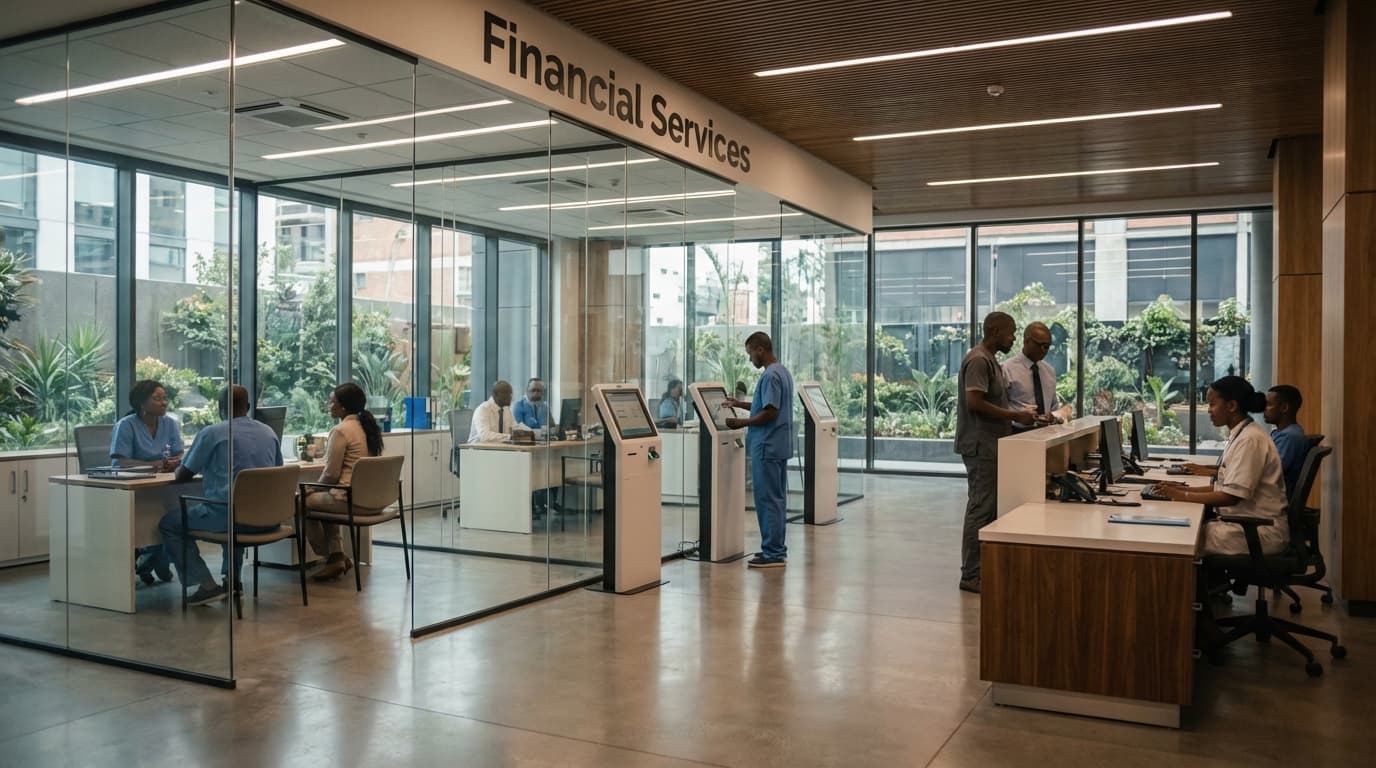
Medical Equipment Rental in Tunisia
Engineering Excellence & Technical Support
Short-term and long-term equipment rental solutions High-standard technical execution following OEM protocols and local regulatory frameworks.
Nationwide Delivery & Setup Network
Leveraging a robust logistics infrastructure across Tunisia, we guarantee rapid delivery and professional setup of all medical equipment, from vital care units to specialized diagnostic tools, to any location nationwide. Our technicians are trained to ensure immediate operational readiness and patient safety.
Certified Biomedical Calibration & Maintenance
All our medical equipment undergoes rigorous, documented calibration and preventative maintenance by certified biomedical engineers. We adhere to international standards, ensuring the highest levels of accuracy, reliability, and safety for all rented devices, providing peace of mind for healthcare providers and patients.
Real-time Inventory & Asset Tracking
Our advanced IoT-enabled asset management system provides real-time visibility into equipment location, status, and maintenance history. This ensures efficient inventory management, rapid response to service requests, and proactive identification of any potential issues, optimizing resource allocation for healthcare facilities.
What Is Medical Equipment Rental In Tunisia?
Medical Equipment Rental in Tunisia refers to the provision of temporary access to a range of medical devices and apparatus for diagnostic, therapeutic, or monitoring purposes. This service is facilitated by specialized companies or healthcare institutions that own and maintain a diverse inventory of medical equipment. The rental model allows healthcare providers, patients, or research facilities to utilize specific equipment for defined periods without the significant capital expenditure associated with outright purchase. This includes sourcing, delivery, installation, maintenance, and collection of the equipment.
| Equipment Category | Typical Use Case | Rental Duration |
|---|---|---|
| Diagnostic Imaging Equipment (e.g., portable X-ray, Ultrasound) | Outpatient clinics, remote diagnostic facilities, short-term project needs. | Days to months |
| Therapeutic Devices (e.g., ventilators, infusion pumps, dialysis machines) | Intensive care units (ICUs) during peak demand, home-based patient care, temporary treatment protocols. | Weeks to months |
| Surgical Equipment (e.g., surgical lights, patient monitors, anesthesia machines) | Ambulatory surgical centers for specific procedures, hospitals during equipment upgrades or shortages. | Days to weeks |
| Rehabilitation Equipment (e.g., physical therapy machines, mobility aids) | Rehabilitation centers, home recovery after surgery or injury, long-term care facilities. | Weeks to months |
| Monitoring Equipment (e.g., ECG monitors, pulse oximeters) | Temporary patient monitoring in non-critical care settings, home sleep studies, research studies. | Days to weeks |
| Laboratory Equipment (e.g., centrifuges, incubators) | Research projects, temporary diagnostic needs, educational institutions. | Weeks to months |
Key Stakeholders and Their Needs:
- {"title":"Hospitals and Clinics","description":"Require surge capacity for patient volume, specialized equipment for temporary procedures, or replacements during maintenance of their own assets. Need for flexibility and cost-effectiveness for short-term or infrequent use."}
- {"title":"Ambulatory Surgical Centers","description":"Need specific equipment for elective procedures that may not be part of their permanent inventory. Emphasis on availability and sterility of rental devices."}
- {"title":"Home Healthcare Providers","description":"Require durable medical equipment (DME) for patients recovering at home, managing chronic conditions, or requiring palliative care. Focus on patient comfort, ease of use, and reliable functionality."}
- {"title":"Research Institutions and Universities","description":"Need access to advanced or specialized equipment for clinical trials, scientific research, or educational purposes without long-term commitment. Requirement for calibrated and validated instrumentation."}
- {"title":"Individual Patients","description":"May require assistive devices for mobility (e.g., wheelchairs, walkers), respiratory support (e.g., oxygen concentrators, CPAP machines), or post-operative recovery aids. Emphasis on accessibility and affordability."}
- {"title":"Emergency Medical Services (EMS)","description":"Can utilize rental equipment to augment their fleet during mass casualty incidents or for specific specialized response needs."}
Who Needs Medical Equipment Rental In Tunisia?
Medical equipment rental in Tunisia offers a flexible and cost-effective solution for a wide range of healthcare providers and individuals. Instead of significant capital investment in purchasing equipment that may have limited long-term use, rental provides access to the latest technology and specialized devices when and where they are needed. This is particularly beneficial for managing fluctuating patient demands, exploring new treatment modalities, or addressing short-term needs.
| Target Customer/Department | Typical Equipment Needs | Reasons for Rental |
|---|---|---|
| Hospitals (General & Specialized) | Ventilators, infusion pumps, patient monitors, surgical lights, anesthesia machines, imaging equipment (e.g., portable X-ray), beds, wheelchairs. | Managing peak patient loads, replacing equipment undergoing maintenance, equipping new wards or departments, testing new technologies, supplementing existing inventory for specialized procedures. |
| Clinics (Outpatient & Primary Care) | ECG machines, diagnostic tools (e.g., ophthalmoscopes, otoscopes), nebulizers, minor surgical equipment, examination tables, sterilizers. | Expanding service offerings without large capital outlay, seasonal demand fluctuations, temporary space limitations, accessing specialized diagnostic equipment for occasional use. |
| Diagnostic Laboratories | Analyzers (hematology, biochemistry), microscopes, centrifuges, incubators, specialized testing equipment. | Upgrading technology, handling increased sample volumes, bridging gaps during equipment procurement or repair, specialized testing not frequently performed. |
| Rehabilitation Centers | Therapy equipment (e.g., exercise machines, gait trainers, electrotherapy devices), mobility aids (walkers, crutches), specialized beds, diagnostic tools for assessing progress. | Providing a diverse range of therapies, adapting to patient needs and recovery stages, equipping temporary or new facilities, offering specialized treatment programs. |
| Home Healthcare Providers | Hospital beds, oxygen concentrators, CPAP/BiPAP machines, wheelchairs, patient lifts, nebulizers, walkers. | Meeting immediate patient needs at home, providing short-term support after hospital discharge, offering comfort and care for chronic conditions, managing inventory for a mobile workforce. |
| Individual Patients & Caregivers | Hospital beds, wheelchairs, walkers, nebulizers, oxygen equipment, commodes, specialized seating, temporary mobility aids. | Recovering from surgery or illness at home, managing chronic conditions, providing palliative care, facilitating short-term mobility needs, affordability compared to purchase. |
| Medical Training Institutions | Manikins (CPR, surgical), simulation equipment, anatomical models, basic diagnostic instruments. | Providing hands-on training experience, equipping simulation labs, updating training resources with newer technologies, cost-effective training solutions. |
| Event Organizers (for Medical Services) | First aid equipment, portable defibrillators, basic diagnostic tools, temporary patient beds, communication devices. | Ensuring adequate medical support for events, providing on-site emergency response capabilities, meeting safety regulations. |
Who Needs Medical Equipment Rental in Tunisia?
- Hospitals and Clinics (Public & Private)
- Specialized Medical Centers
- Diagnostic Laboratories
- Rehabilitation Centers
- Home Healthcare Providers
- Individual Patients and Caregivers
- Medical Training Institutions
- Event Organizers (for temporary medical services)
Medical Equipment Rental Process In Tunisia
This document outlines the typical workflow for medical equipment rental in Tunisia, covering the process from initial inquiry to the successful execution of the rental agreement. The process is designed to ensure that clients receive the appropriate equipment for their needs in a timely and efficient manner, while adhering to legal and operational requirements.
| Stage | Description | Key Activities | Responsible Parties |
|---|---|---|---|
| The client contacts a medical equipment rental provider to express interest in renting equipment. The provider gathers detailed information about the client's specific needs. | Client contacts provider, defines equipment type, duration, quantity, location, and specific requirements (e.g., accessories, patient type). | Client, Rental Provider (Sales/Customer Service) |
| Based on the assessed needs, the rental provider prepares and sends a detailed quotation outlining the equipment, rental period, costs, and terms. | Provider checks equipment availability, calculates rental fees, prepares a formal quotation or proposal, and sends it to the client. | Rental Provider (Sales/Quotation Department), Client (Review & Approval) |
| Upon client acceptance of the quotation, a formal rental agreement is drafted and signed by both parties, detailing all terms and conditions. | Drafting rental contract (including liability, insurance, payment terms, penalties), client review and negotiation, signing of the agreement. | Rental Provider (Legal/Contracts Department), Client (Legal/Procurement) |
| The selected equipment is thoroughly inspected, cleaned, sterilized (if applicable), and tested to ensure it is in excellent working condition. | Inventory check, thorough cleaning and disinfection, functional testing, calibration (if necessary), inclusion of necessary accessories, preparation of delivery documentation. | Rental Provider (Technical/Logistics Department) |
| The equipment is transported to the client's designated location and installed by trained personnel. | Scheduling delivery, safe transportation of equipment, on-site installation, functional testing and demonstration to the client, client acknowledgment of receipt. | Rental Provider (Logistics/Technical Department), Client (Site Preparation & Acceptance) |
| The client uses the equipment as per the agreement. The rental provider offers technical support and maintenance as needed during the rental period. | Client uses equipment, provider offers troubleshooting, maintenance, and on-call support as per service level agreement. | Client, Rental Provider (Technical Support/Service Team) |
| At the end of the rental period, the equipment is returned, and a thorough inspection is conducted to assess its condition. | Client schedules equipment pickup or return, provider inspects equipment for damages or missing parts, documentation of condition. | Client, Rental Provider (Logistics/Technical Department) |
| An invoice is generated based on the rental agreement, and the client makes the payment. | Provider generates final invoice, client reviews and processes payment according to agreed terms. | Rental Provider (Finance/Accounting), Client (Finance/Accounts Payable) |
| The rental provider may solicit feedback from the client to improve services. All rental details are documented for future reference. | Client provides feedback, provider updates client records, internal review of the rental process for quality assurance. | Client, Rental Provider (Customer Service/Administration) |
Medical Equipment Rental Workflow in Tunisia
- Inquiry & Needs Assessment
- Quotation & Proposal Generation
- Contract & Agreement
- Equipment Preparation & Verification
- Delivery & Installation
- Usage & Support
- Return & Inspection
- Invoicing & Payment
- Feedback & Record Keeping
Medical Equipment Rental Cost In Tunisia
Renting medical equipment in Tunisia offers a flexible and often cost-effective solution for healthcare providers, clinics, and even individuals needing temporary medical support. The cost of renting medical equipment is influenced by several key factors, leading to a broad range of prices. These factors include the type and complexity of the equipment, the duration of the rental period, the condition and age of the equipment, and the specific rental company and their service offerings. Newer, technologically advanced equipment will naturally command higher rental fees than older, simpler devices. Similarly, longer rental periods often come with discounted daily or weekly rates. Additional services like delivery, installation, maintenance, and specialized training can also add to the overall cost. It's crucial for potential renters to obtain detailed quotes and understand what is included in the rental price.
| Equipment Category | Typical Rental Range (TND/Day) | Notes |
|---|---|---|
| Basic Mobility Aids (Wheelchair, Walker, Crutches) | 5 - 25 | Varies by model and features. |
| Hospital Beds (Manual/Electric) | 15 - 60 | Electric beds with adjustable features are more expensive. |
| Oxygen Concentrators / Cylinders | 10 - 40 | Includes concentrator or cylinder, daily consumables may be extra. |
| Patient Monitors (Vital Signs) | 30 - 100 | Basic units vs. multi-parameter monitors. |
| Infusion Pumps | 25 - 70 | Standard vs. specialized pumps. |
| Ventilators (Basic/ICU) | 70 - 250+ | Requires specialized training and maintenance, ICU ventilators are significantly higher. |
| Diagnostic Equipment (Portable Ultrasound, ECG) | 50 - 150 | Excludes complex imaging like MRI/CT. |
| Surgical Instruments (Basic Sets) | 20 - 80 | Per set, often for specific procedures. |
| Suction Machines | 10 - 30 | Portable vs. stationary. |
| Physiotherapy Equipment (Treadmill, Exercise Bike) | 20 - 60 | Varies by model and features. |
Key Factors Influencing Medical Equipment Rental Costs in Tunisia
- Equipment Type & Complexity: Advanced diagnostic machines (e.g., MRI, CT scanners) are significantly more expensive to rent than basic mobility aids (e.g., wheelchairs, walkers).
- Rental Duration: Shorter-term rentals (daily/weekly) are generally more expensive per day than longer-term rentals (monthly/yearly).
- Equipment Condition & Age: Newer, state-of-the-art equipment will have higher rental rates compared to older, refurbished units.
- Rental Company: Different companies have varying pricing structures, overheads, and service inclusions.
- Included Services: Delivery, installation, on-site support, maintenance, and training are often priced separately or bundled into the rental fee.
- Insurance & Deposits: Some rental agreements may require a security deposit or insurance against damage, which can impact the upfront cost.
- Geographic Location: Rental costs might vary slightly depending on the accessibility and logistical challenges of the delivery location within Tunisia.
Affordable Medical Equipment Rental Options
Renting medical equipment can be a highly cost-effective solution for individuals and healthcare facilities alike. It eliminates the significant upfront investment of purchasing equipment, allowing for greater flexibility and access to up-to-date technology. Understanding value bundles and implementing smart cost-saving strategies can further enhance the affordability of medical equipment rentals.
| Cost-Saving Strategy | Description | Tips for Implementation |
|---|---|---|
| Long-Term Rentals: | Renting equipment for extended periods often comes with reduced daily or weekly rates, making it more economical for chronic conditions or long recovery times. | Inquire about tiered pricing structures for longer rental durations. Negotiate discounts for commitments exceeding a certain period. |
| Compare Rental Providers: | Prices and service offerings can vary significantly between different medical equipment rental companies. Thorough research is crucial. | Obtain quotes from at least three reputable providers. Check online reviews and ask for recommendations from healthcare professionals. |
| Negotiate Rental Agreements: | Don't be afraid to negotiate the terms and pricing of your rental agreement, especially for larger or longer-term rentals. | Be prepared to walk away if the pricing is not competitive. Understand all clauses related to delivery, pickup, maintenance, and potential damage. |
| Consider Refurbished Equipment: | Some rental companies offer high-quality, refurbished medical equipment at a lower price point than new items. These are typically thoroughly inspected and serviced. | Ask specifically if refurbished options are available and what their warranty or service guarantees are. |
| Group Rentals/Bulk Discounts: | If multiple individuals or departments require similar equipment, consider consolidating rentals to potentially secure bulk discounts. | Coordinate with peers or administrators to identify shared equipment needs and negotiate as a group. |
| Early Termination Clauses: | Understand the terms for early termination of your rental agreement to avoid unexpected fees if your needs change sooner than anticipated. | Clarify any penalties or procedures for returning equipment before the agreed-upon end date. |
Understanding Value Bundles
- Definition: Value bundles are pre-packaged sets of medical equipment and related services offered at a discounted price compared to renting each item individually. These bundles are often curated to meet the needs of specific patient populations or common treatment scenarios.
- Common Bundle Components:
* **Mobility Aids:** Wheelchairs, walkers, crutches, and canes bundled for post-surgery recovery or home care.* **Respiratory Support:** Oxygen concentrators, CPAP machines, and nebulizers for patients with lung conditions.* **Home Hospitalization:** Hospital beds, patient lifts, and commodes for individuals requiring extended in-home care.* **Therapy Equipment:** Exercise machines, resistance bands, and physical therapy tools for rehabilitation.- Benefits of Value Bundles:
* **Simplified Ordering:** One-stop solution for multiple equipment needs.* **Cost Savings:** Typically offers a lower overall rental cost than separate rentals.* **Comprehensive Care:** Ensures all necessary equipment is readily available for a specific treatment plan.* **Convenience:** Reduces the hassle of coordinating multiple rental agreements.
Verified Providers In Tunisia
Finding trustworthy and accredited healthcare providers is paramount for anyone seeking medical services, especially when abroad. In Tunisia, the landscape of healthcare offers a robust selection of facilities and professionals. This guide focuses on 'Verified Providers in Tunisia,' with a particular emphasis on Franance Health credentials, explaining why they stand out as the optimal choice for your medical needs.
| Franance Health Credential | Meaning and Implication | Benefits for Patients |
|---|---|---|
| Accreditation Body Recognition | Indicates formal recognition by a reputable international accreditation body, often aligned with global healthcare standards. | Assures patients that the provider has met stringent quality and safety requirements recognized worldwide. |
| On-site Audits and Inspections | Regular, thorough evaluations of facilities, equipment, and clinical practices by independent assessors. | Guarantees that the provider actively maintains and upholds high standards in all aspects of care delivery. |
| Credentialing of Medical Staff | Verification of the qualifications, licenses, and experience of all healthcare professionals. | Ensures that patients are treated by competent and appropriately trained medical experts. |
| Patient Rights and Grievance Procedures | Established policies to protect patient rights and a clear process for addressing patient concerns. | Provides patients with confidence in their treatment and recourse if any issues arise. |
| Infection Prevention and Control Protocols | Implementation of robust measures to prevent and control infections within the healthcare facility. | Minimizes the risk of healthcare-associated infections, crucial for patient safety and recovery. |
| Continuity of Care and Discharge Planning | Procedures for seamless transitions of care and effective planning for post-treatment recovery. | Ensures that patients receive comprehensive care throughout their medical journey and beyond. |
Why Choose Verified Providers with Franance Health Credentials?
- Uncompromising Quality Standards: Franance Health adherence signifies that providers meet rigorous international benchmarks for patient care, safety, and operational excellence. This accreditation is not easily obtained and requires consistent demonstration of high-quality practices.
- Enhanced Patient Safety: Verified providers undergo regular inspections and audits to ensure they maintain the highest safety protocols, including infection control, medication management, and emergency preparedness. This minimizes risks and maximizes patient well-being.
- Access to Expertise: Franance Health accreditation often indicates a commitment to employing highly skilled and experienced medical professionals, including specialists with international training and experience.
- Transparent and Ethical Practices: The verification process scrutinizes a provider's ethical conduct, patient rights policies, and data privacy measures. This ensures a transparent and respectful patient experience.
- International Recognition and Trust: Franance Health accreditation is recognized globally, providing peace of mind and confidence to international patients seeking care in Tunisia. It serves as a reliable indicator of a provider's commitment to quality care.
- Streamlined Patient Journey: Verified providers are often better equipped to cater to international patients, offering multilingual staff, assistance with logistics, and a smoother overall healthcare experience.
- Commitment to Continuous Improvement: Accreditation is not a one-time achievement. Franance Health requires providers to continuously monitor and improve their services, ensuring that patients always receive the most up-to-date and effective care.
Scope Of Work For Medical Equipment Rental
This Scope of Work (SOW) outlines the requirements for the rental of medical equipment. It details the technical deliverables, standard specifications, and contractual obligations for the provision of these services. The objective is to ensure the reliable and timely availability of high-quality medical equipment to support [Specify Purpose/Project Name, e.g., clinical operations, research studies, temporary patient care needs].
| Item | Description | Quantity | Rental Period | Technical Specifications/Standards | Deliverables |
|---|---|---|---|---|---|
| Portable, multi-parameter vital signs monitor for continuous patient monitoring (NIBP, SpO2, ECG, Temp). | 5 Units | 6 Months | • Display: High-resolution color LCD, minimum 10-inch screen. • Parameters: NIBP, SpO2 (Nellcor/Masimo compatible), ECG (3/5-lead), Respiration Rate, Temperature (oral/rectal). • Alarms: Audible and visual alarms with adjustable thresholds. • Data Storage: Minimum 48 hours of trend data. • Power: Rechargeable battery with minimum 4 hours of operation, AC adapter. • Connectivity: USB port for data download, optional network connectivity (Ethernet/Wi-Fi). • Safety: IEC 60601-1 compliant, CE marked/FDA approved. • Calibration: Last calibrated within 6 months prior to delivery. | • Fully functional and calibrated units upon delivery. • User manuals (English). • Power cords and accessories (e.g., NIBP cuffs of various sizes, SpO2 sensors). • Delivery to [Specify Location]. • On-site setup and initial user training. • Regular preventive maintenance visits (frequency to be defined). |
| Volumetric infusion pump for accurate delivery of intravenous fluids and medications. | 10 Units | 6 Months | • Flow Rate Range: 0.1 mL/hr to 1200 mL/hr (adjustable). • Volume to be infused (VTBI): Programmable up to 9999 mL. • Accuracy: ±5% or better. • Safety Features: Anti-bolus, occlusion detection (audible and visual alarms), air-in-line detection. • Power: Rechargeable battery with minimum 3 hours of operation, AC adapter. • Alarms: Customizable alarms for various infusion events. • Safety: IEC 60601-1 compliant, CE marked/FDA approved. • Calibration: Last calibrated within 12 months prior to delivery. | • Fully functional and calibrated units upon delivery. • User manuals (English). • Power cords and accessories (e.g., mounting brackets). • Delivery to [Specify Location]. • On-site setup and initial user training. • Periodic calibration and maintenance service as per manufacturer recommendations. |
| Digital 12-channel ECG machine for diagnostic purposes. | 2 Units | 6 Months | • Leads: Simultaneous 12-lead acquisition. • Display: High-resolution LCD screen for real-time waveform display. • Interpretation: On-board ECG interpretation algorithm (optional, but preferred). • Recording: High-resolution thermal printer, ability to save to internal memory or USB. • Power: Rechargeable battery with minimum 2 hours of recording time, AC adapter. • Connectivity: USB port for data export. • Safety: IEC 60601-1 compliant, CE marked/FDA approved. • Calibration: Last calibrated within 12 months prior to delivery. | • Fully functional and calibrated units upon delivery. • User manuals (English). • Power cords, ECG cables, patient leads, limb and chest electrodes. • Delivery to [Specify Location]. • On-site setup and initial user training. • Maintenance and repair services as needed. |
| Advanced critical care ventilator for invasive and non-invasive ventilation support. | 1 Unit | 3 Months | • Modes: Assist Control (AC), Synchronized Intermittent Mandatory Ventilation (SIMV), Pressure Support Ventilation (PSV), BiPAP, CPAP. • Tidal Volume: 20-2000 mL. • Respiratory Rate: 1-60 breaths/min. • FiO2: Adjustable 21%-100%. • Pressure Limits: Adjustable. • Monitoring: Real-time waveforms (pressure, flow), loop data, lung mechanics. • Alarms: Comprehensive alarm system for all critical parameters. • Power: Battery backup (minimum 1 hour), AC power. • Safety: IEC 60601-1 compliant, CE marked/FDA approved. • Calibration: Last calibrated within 6 months prior to delivery. | • Fully functional and calibrated unit upon delivery. • User manuals (English). • Humidifier, breathing circuits, filters, power cables. • Delivery to [Specify Location]. • On-site setup and comprehensive training for medical staff. • 24/7 technical support and rapid response for any malfunctions. |
Key Stakeholders & Responsibilities
- Client: [Name of Client Organization]
- Provider: [Name of Rental Company]
- Project Manager (Client): [Name and Contact Information]
- Technical Contact (Client): [Name and Contact Information]
- Account Manager (Provider): [Name and Contact Information]
Service Level Agreement For Medical Equipment Rental
This Service Level Agreement (SLA) outlines the agreed-upon service standards for the rental of medical equipment between [Your Company Name] (the "Provider") and [Client Company Name] (the "Client"). This SLA specifically addresses response times for equipment issues and uptime guarantees to ensure minimal disruption to patient care.
| Equipment Category | Response Time Guarantee (Business Hours) | Uptime Guarantee |
|---|---|---|
| Critical Care Equipment (e.g., Ventilators, Anesthesia Machines) | 2 Hours | 98% |
| Diagnostic Imaging Equipment (e.g., Portable X-ray, Ultrasound) | 4 Hours | 97% |
| Patient Monitoring Systems (e.g., ECG, Pulse Oximeters) | 4 Hours | 97% |
| General Patient Care Equipment (e.g., Hospital Beds, Infusion Pumps) | 8 Business Hours | 96% |
| Therapy Equipment (e.g., Physical Therapy Machines) | 8 Business Hours | 95% |
Key Definitions
- Service Request: A formal notification from the Client to the Provider reporting a malfunction, operational issue, or need for technical support regarding the rented medical equipment.
- Response Time: The maximum allowable time from the acknowledgement of a Service Request by the Provider to the commencement of troubleshooting or repair activities by the Provider's qualified personnel.
- Uptime Guarantee: The percentage of time the rented medical equipment is guaranteed to be fully operational and fit for its intended use, excluding scheduled maintenance and downtime due to client-induced damage or misuse.
- Downtime: The period during which the medical equipment is not operational or fit for its intended use.
- Scheduled Maintenance: Planned maintenance activities performed by the Provider to ensure the optimal performance and longevity of the equipment, with advance notification to the Client.
Frequently Asked Questions

Ready when you are
Let's scope your Medical Equipment Rental in Tunisia project in Tunisia.

Scaling healthcare logistics and technical systems across the entire continent.