
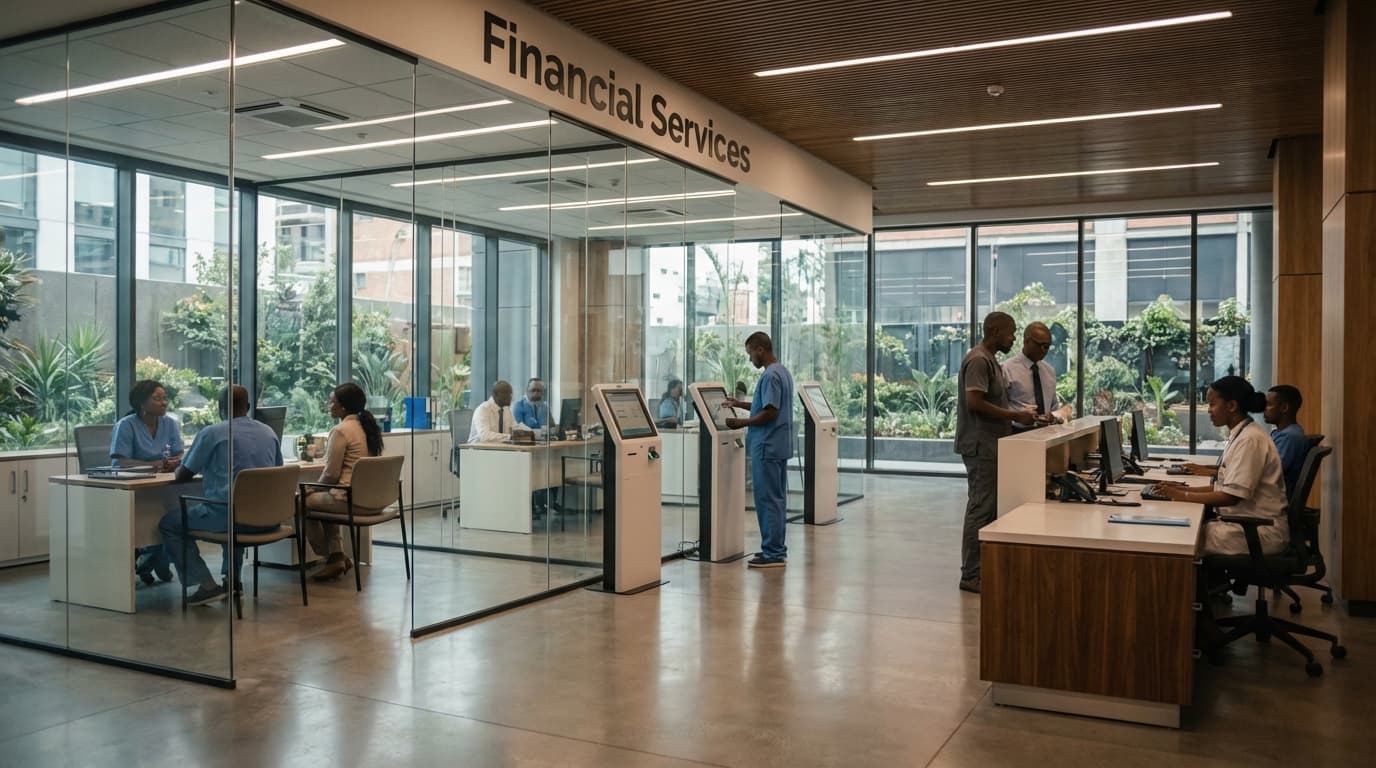
Medical Equipment Financing in Tunisia
Engineering Excellence & Technical Support
Leasing and financing solutions for medical equipment High-standard technical execution following OEM protocols and local regulatory frameworks.
Flexible Financing Solutions
Access tailored financing options with competitive interest rates and flexible repayment schedules to acquire state-of-the-art medical equipment for your Tunisian healthcare facility.
Accelerate Growth & Efficiency
Invest in the latest medical technologies to enhance patient care, expand service offerings, and improve operational efficiency, driving revenue growth and market leadership in Tunisia.
Streamlined Application & Approval
Benefit from a simplified and expedited financing process, ensuring quick access to the necessary capital to secure essential medical equipment without disrupting your operations.
What Is Medical Equipment Financing In Tunisia?
Medical Equipment Financing in Tunisia refers to a specialized financial service designed to facilitate the acquisition of medical apparatus and technology for healthcare providers within the Tunisian market. This service typically involves a lending institution providing capital, often through loans, leases, or other credit facilities, to enable clinics, hospitals, diagnostic centers, and individual practitioners to purchase, upgrade, or expand their medical equipment inventory. The financing arrangements are structured to accommodate the specific revenue cycles and operational demands of the healthcare sector, often featuring tailored repayment schedules and terms that align with the economic life of the financed assets. The underlying objective is to address the significant capital expenditure required for state-of-the-art medical technology, thereby enhancing diagnostic capabilities, treatment efficacy, and patient care outcomes. Key considerations in this financing model include asset valuation, risk assessment based on the healthcare provider's financial standing and market position, and the establishment of collateral, which may include the financed equipment itself. Furthermore, such financing often incorporates provisions for maintenance, servicing, and potential upgrades to ensure the continued operational readiness of the acquired medical assets.
| User Segment | Typical Need | Use Case Examples |
|---|---|---|
| Hospitals (Public & Private) | Large-scale capital investment for core diagnostic and therapeutic modalities. | Acquisition of MRI scanners, CT scanners, advanced surgical robotics, high-throughput laboratory analysers, critical care units. |
| Specialized Clinics (e.g., Cardiology, Oncology, Radiology) | Procurement of specialized diagnostic and treatment equipment. | Financing for angiography suites, linear accelerators, advanced endoscopic systems, specialized ultrasound machines. |
| Diagnostic Laboratories | Investment in high-precision analytical and imaging equipment. | Purchase of automated immunoassay analyzers, PCR machines, sophisticated microscopy equipment, blood gas analyzers. |
| Dental Practices | Acquisition of advanced dental equipment for improved patient care and service offerings. | Financing for digital X-ray units, dental implants, CAD/CAM milling machines, advanced dental chairs and instruments. |
| Medical Practitioners (Individual) | Upgrading existing equipment or acquiring new modalities to expand service scope. | Financing for portable ultrasound devices, dermatological lasers, physiotherapy equipment, basic diagnostic tools. |
| Research & Development Institutions | Acquisition of cutting-edge research instrumentation. | Purchase of advanced gene sequencers, flow cytometers, high-resolution microscopes for academic or pharmaceutical research. |
Key Aspects of Medical Equipment Financing in Tunisia
- Service Modalities: Primarily loan-based financing (term loans, lines of credit) and leasing arrangements (operating leases, finance leases).
- Beneficiary Profile: Public and private healthcare institutions, diagnostic laboratories, specialized medical clinics, and individual medical professionals.
- Purpose: Acquisition of new or used medical equipment, technology upgrades, expansion of existing facilities, and replacement of obsolete assets.
- Financial Instruments: Secured loans, unsecured loans (for established entities), equipment finance leases, sale-and-leaseback agreements.
- Underwriting Factors: Creditworthiness of the borrower, market demand for services, operational history, projected revenue streams, technical specifications and residual value of the equipment.
- Collateralization: Often secured by the financed equipment, real estate, or other business assets.
- Regulatory Environment: Subject to Tunisian banking and financial regulations, including those pertaining to asset finance and lending.
Who Needs Medical Equipment Financing In Tunisia?
Medical equipment financing in Tunisia is a crucial service for a wide range of healthcare providers and institutions aiming to acquire, upgrade, or expand their medical technology. This financing allows them to invest in state-of-the-art diagnostic tools, treatment machinery, surgical instruments, and other essential equipment without the immediate burden of outright purchase costs. This, in turn, enhances patient care, improves diagnostic accuracy, and expands the range of medical services offered within Tunisia. The demand for medical equipment financing is driven by the need for continuous technological advancement in healthcare, increasing patient volumes, and the pursuit of higher quality medical outcomes.
| Department/Area | Typical Equipment Needs |
|---|---|
| Radiology/Imaging | MRI machines, CT scanners, X-ray machines, Ultrasound devices, Mammography units |
| Surgery | Surgical robots, Operating room lights, Anesthesia machines, Electrosurgical units, Laparoscopic equipment |
| Intensive Care Unit (ICU) | Ventilators, Patient monitors, Infusion pumps, Defibrillators |
| Cardiology | ECG machines, Echocardiography systems, Cardiac catheterization equipment, Pacemakers |
| Oncology | Linear accelerators, Chemotherapy infusion pumps, Radiation therapy equipment |
| Emergency Room (ER) | Trauma beds, Diagnostic equipment for immediate assessment, Resuscitation carts |
| Laboratory | Automated analyzers, Microscopes, Blood gas analyzers, DNA sequencers |
| Dental | Dental chairs, Panoramic X-ray machines, Intraoral cameras, Sterilizers |
| Rehabilitation | Therapy equipment, Exercise machines, Electrotherapy devices, Hydrotherapy equipment |
| General Medical/Inpatient Care | Hospital beds, Vital signs monitors, Oxygen concentrators, Syringe pumps |
Target Customers for Medical Equipment Financing in Tunisia
- Public Hospitals: Government-funded hospitals at national, regional, and local levels require significant investment in a broad spectrum of medical equipment to serve the general population.
- Private Hospitals and Clinics: For-profit healthcare facilities looking to differentiate themselves with advanced technology, specialized treatments, and improved patient experience.
- Diagnostic Imaging Centers: Centers specializing in X-ray, MRI, CT scans, ultrasound, and other imaging modalities that necessitate expensive and technologically advanced equipment.
- Specialty Clinics: Institutions focusing on specific medical fields such as cardiology, oncology, ophthalmology, neurology, and physiotherapy, which have unique equipment needs.
- Medical Laboratories: Facilities requiring sophisticated laboratory analyzers, diagnostic testing equipment, and related infrastructure.
- Dental Practices: Dentists and dental clinics investing in modern dental chairs, X-ray machines, sterilization equipment, and other specialized tools.
- Rehabilitation Centers: Centers providing physiotherapy, occupational therapy, and other rehabilitation services that rely on specialized equipment.
- Medical Training Institutions: Universities and colleges with medical and paramedical programs that need to equip their teaching hospitals and simulation labs.
- Emerging Healthcare Startups: New healthcare ventures or innovative service providers looking to establish their presence with modern medical technology.
- Individual Medical Practitioners: While less common for large-scale financing, some established practitioners may seek financing for high-value individual equipment.
Medical Equipment Financing Process In Tunisia
The medical equipment financing process in Tunisia typically involves several key stages, starting from an initial inquiry by a healthcare provider and culminating in the successful acquisition and funding of the desired equipment. This workflow is designed to ensure due diligence, assess financial viability, and secure the necessary capital. The process can vary slightly depending on the financing institution (e.g., banks, specialized leasing companies) and the specific type and value of the equipment, but the core steps remain consistent.
| Stage | Description | Key Actors Involved | Key Deliverables/Outcomes |
|---|---|---|---|
| Initial Inquiry and Needs Assessment | A healthcare facility (clinic, hospital, laboratory) identifies a need for new or upgraded medical equipment. They contact potential financing institutions to explore funding options. | Healthcare Provider, Financing Institution (initial contact) | Understanding of financing needs, preliminary discussion of options. |
| Application Submission | The healthcare provider formally applies for financing, providing detailed information about their institution, financial history, and the specific equipment they wish to acquire. | Healthcare Provider, Financing Institution (credit department) | Completed application form, financial statements, business plan, equipment specifications. |
| Credit Assessment and Due Diligence | The financing institution rigorously assesses the applicant's creditworthiness, financial stability, and the viability of their business. This includes reviewing financial statements, credit history, and market analysis. | Financing Institution (credit analysts, risk management) | Credit report, risk assessment, financial viability analysis. |
| Equipment Quotation and Selection | The healthcare provider obtains detailed quotations from one or more approved suppliers for the selected medical equipment. | Healthcare Provider, Equipment Suppliers | Formal equipment quotations, technical specifications, pricing. |
| Financial Proposal and Offer | Based on the credit assessment and equipment details, the financing institution prepares a formal offer outlining the loan or lease terms, interest rates, repayment schedule, and any associated fees. | Financing Institution (business development, credit committee) | Financing proposal, term sheet, letter of offer. |
| Contract Negotiation and Signing | Both parties review and negotiate the terms of the financing agreement. Once agreed upon, the contracts (loan agreement, lease agreement) are signed. | Healthcare Provider, Financing Institution (legal department, management) | Signed financing agreement, collateral agreements (if applicable). |
| Equipment Procurement and Delivery | The financing institution may directly pay the supplier, or disburse funds to the healthcare provider for the purchase of the equipment. The equipment is then delivered to the healthcare facility. | Financing Institution, Healthcare Provider, Equipment Supplier | Equipment delivered and installed, proof of purchase. |
| Disbursement of Funds | The agreed-upon financing amount is disbursed to the equipment supplier or the healthcare provider, as per the contract. | Financing Institution (treasury, operations) | Funds transferred to the relevant party. |
| Post-Disbursement Monitoring and Repayment | The financing institution monitors the repayment schedule and may conduct periodic checks on the equipment's status. The healthcare provider makes regular payments according to the agreed terms. | Financing Institution, Healthcare Provider | Regular repayment installments, ongoing relationship management. |
Medical Equipment Financing Workflow in Tunisia
- Initial Inquiry and Needs Assessment
- Application Submission
- Credit Assessment and Due Diligence
- Equipment Quotation and Selection
- Financial Proposal and Offer
- Contract Negotiation and Signing
- Equipment Procurement and Delivery
- Disbursement of Funds
- Post-Disbursement Monitoring and Repayment
Medical Equipment Financing Cost In Tunisia
Financing medical equipment in Tunisia involves a variety of costs, influenced by several key factors. The primary determinant is the type and value of the medical equipment itself. High-end, specialized machinery like MRI scanners or advanced surgical robots will naturally incur higher financing costs than basic diagnostic tools or general hospital furniture. The creditworthiness of the borrower (hospital, clinic, or individual physician) plays a crucial role, with a stronger financial history and lower perceived risk leading to more favorable terms and lower interest rates. The financing institution also dictates pricing; banks, specialized leasing companies, and sometimes even manufacturers offer different packages with varying interest rates, fees, and repayment structures. The loan tenor or lease period directly impacts the overall cost, with longer terms generally resulting in higher total interest paid, although monthly payments may be lower. The currency in which the equipment is purchased is a significant factor, as fluctuations in the Tunisian Dinar (TND) against major foreign currencies can affect the overall financed amount and the cost of imported equipment. Additional fees such as origination fees, administrative charges, insurance premiums for the equipment, and legal costs associated with the financing agreement will also contribute to the total expense. While precise ranges are subject to ongoing market conditions and individual negotiations, indicative pricing for medical equipment financing in Tunisia can be broadly categorized.
| Financing Type/Scenario | Indicative Interest Rate Range (Annual %) | Indicative Fee Range (as % of financed amount) |
|---|---|---|
| Bank Loans for Established Institutions (e.g., large hospitals, clinics with strong financials) | 8% - 15% | 1% - 3% |
| Leasing Agreements (often for newer businesses or specialized equipment) | 9% - 16% | 2% - 4% |
| Financing for Smaller Clinics or Individual Practices | 10% - 18% | 1.5% - 3.5% |
| Manufacturer/Supplier Financing (if available, often tied to specific equipment) | Can vary widely, potentially competitive rates (e.g., 7% - 14%) | May be lower or included in the equipment price |
| Financing for Imported High-Value Equipment (subject to currency risk) | Rates can be higher to account for FX risk, potentially 12% - 20% or more, plus FX hedging costs | 2% - 5% |
Key Pricing Factors for Medical Equipment Financing in Tunisia:
- Type and Value of Medical Equipment
- Borrower's Creditworthiness and Financial History
- Financing Institution (Banks, Leasing Companies, Manufacturers)
- Loan Tenor/Lease Period
- Currency of Purchase and Exchange Rate Fluctuations
- Associated Fees (Origination, Administration, Insurance, Legal)
Affordable Medical Equipment Financing Options
Acquiring necessary medical equipment is crucial for healthcare providers, but the upfront cost can be a significant barrier. Fortunately, a variety of affordable financing options exist, designed to ease this financial burden. Beyond traditional loans, understanding value bundles and implementing smart cost-saving strategies can dramatically improve affordability and operational efficiency. Value bundles often package equipment with essential services like maintenance, training, and consumables, offering a predictable cost and ensuring optimal equipment performance. Cost-saving strategies can involve exploring refurbished equipment, negotiating bulk purchase discounts, leasing instead of buying, or leveraging innovative financing models. These approaches empower healthcare organizations to invest in the technology they need without compromising their financial health.
| Strategy/Bundle | Description | Cost-Saving Benefit | Considerations |
|---|---|---|---|
| Value Bundles (Equipment + Services) | Includes equipment purchase/lease along with installation, maintenance, training, and sometimes consumables for a fixed period. | Predictable budgeting, reduced downtime due to proactive maintenance, potential discounts on bundled services. | Ensure all included services are genuinely needed and priced competitively within the bundle. Read the contract carefully. |
| Refurbished Medical Equipment | Pre-owned equipment that has been inspected, repaired, and restored to full working order by qualified technicians. | Significant upfront cost reduction compared to new equipment, often with a warranty. | Source from reputable vendors with strong inspection and certification processes. Verify warranty terms. |
| Bulk Purchase Discounts | Negotiating lower unit prices by purchasing multiple pieces of equipment or a larger quantity of a single item at once. | Reduced per-unit cost, especially for high-volume items. | Requires careful inventory management and forecasting of needs to avoid overstocking. |
| Operating Leases | Essentially renting equipment for a specified period. The lessor retains ownership and the equipment is not on the lessee's balance sheet. | Lower monthly payments, avoidance of obsolescence, tax benefits (lease payments are often tax-deductible). | No ownership at the end of the lease term. May have mileage or usage restrictions. |
| Finance Leases | Similar to a loan, the lessee effectively buys the equipment over the lease term and typically has an option to purchase it at a reduced price at the end. | Lower overall cost than an operating lease if ownership is desired, potential for ownership at a favorable price. | Appears on the balance sheet as an asset and liability. Responsibility for maintenance and repair often falls on the lessee. |
| Consignment/Pay-per-use Models | Equipment is provided by the vendor, and the healthcare provider pays only for the procedures performed or usage units. | Minimizes upfront investment and aligns costs directly with revenue generation. Ideal for specialized or infrequently used equipment. | Can lead to higher per-unit costs over time compared to ownership. Requires accurate usage tracking and clear contract terms. |
Key Affordable Medical Equipment Financing Options
- Traditional Equipment Loans
- Leasing Agreements (Operating and Finance Leases)
- Medical Equipment Financing Companies
- Vendor Financing Programs
- Asset-Based Lending
- Government Grants and Subsidies (for eligible organizations)
Verified Providers In Tunisia
In Tunisia's burgeoning healthcare sector, identifying reliable and credentialed medical providers is paramount for both local residents and international patients seeking quality care. Franance Health stands out as a leading platform dedicated to connecting individuals with verified healthcare professionals and facilities. This commitment to verification ensures a higher standard of patient safety, medical expertise, and ethical practice. When considering healthcare options in Tunisia, understanding the significance of verified providers, especially those accredited by platforms like Franance Health, is crucial for making informed decisions.
| Provider Type | Franance Health Verification Status | Key Benefits of Choosing Verified |
|---|---|---|
| Hospitals & Clinics | Verified | Accredited facilities, advanced technology, adherence to international standards, improved patient outcomes. |
| Specialist Doctors | Verified | Board-certified professionals, extensive experience, specialization in niche areas, personalized treatment plans. |
| Dentists | Verified | Licensed practitioners, expertise in restorative and cosmetic dentistry, use of modern dental equipment. |
| Diagnostic Centers | Verified | Accredited labs, accurate and timely diagnostic results, advanced imaging technologies. |
| Rehabilitation Centers | Verified | Qualified therapists, tailored rehabilitation programs, focus on patient recovery and mobility. |
Why Franance Health Credentials Matter:
- Rigorous Vetting Process: Franance Health employs a comprehensive screening process for all listed providers. This includes verifying medical licenses, specialist certifications, accreditations, and professional standing within the Tunisian medical community.
- Focus on Quality and Safety: By partnering exclusively with verified providers, Franance Health prioritizes patient safety and the delivery of high-quality medical services. This reduces the risk of encountering unqualified practitioners or substandard facilities.
- Access to Specialized Expertise: The platform facilitates access to a wide range of specialists across various medical disciplines. Their verification ensures that the listed specialists possess the required qualifications and experience for their respective fields.
- Transparency and Trust: Franance Health's verification process fosters transparency. Patients can be confident that the providers they find through the platform have met stringent criteria, building trust and peace of mind.
- Streamlined Healthcare Journey: For international patients, Franance Health simplifies the process of finding suitable care in Tunisia. Their verified network allows for easier navigation and selection of reputable medical institutions and doctors.
- Adherence to Ethical Standards: Verified providers are expected to uphold the highest ethical standards in their practice, ensuring patient rights are respected and medical advice is delivered responsibly.
Scope Of Work For Medical Equipment Financing
This Scope of Work (SOW) outlines the requirements for the provision of financing for medical equipment. It details the technical deliverables expected from the equipment, along with their standard specifications, to ensure the acquired assets meet the necessary operational and regulatory standards. The financing agreement will cover the procurement, installation, and potentially maintenance of the specified medical equipment. This document serves as a foundational element for a transparent and effective financing process, ensuring that the financial institution understands the technical nature of the assets being financed and that the healthcare provider receives equipment that aligns with their clinical needs and industry best practices.
| Equipment Category | Specific Equipment | Key Technical Deliverable | Standard Specification (Example) | Quantity | Regulatory Compliance |
|---|---|---|---|---|---|
| Diagnostic Imaging | MRI Scanner (1.5T) | High-resolution 3D imaging capabilities | Spatial resolution: <= 1mm; Signal-to-noise ratio (SNR): >= 150; Gradient strength: >= 40 mT/m | 1 | FDA, CE Mark |
| Diagnostic Imaging | CT Scanner (64-slice) | Rapid scan times and dose reduction technology | Slice thickness: 0.5mm; Rotation time: <= 0.35s; Effective dose: reduced by X% compared to previous generation | 1 | FDA, CE Mark |
| Surgical Equipment | Laparoscopic Surgical System | High-definition visualization and robotic-assisted precision | Camera resolution: 1080p HD; Instrument articulation: >= 7 degrees of freedom; Latency: <= 100ms | 2 | FDA, CE Mark |
| Patient Monitoring | Integrated ICU Monitoring System | Real-time vital signs monitoring and data logging | Parameters: ECG, SpO2, NIBP, Respiration, Temperature; Sampling rate: >= 1000Hz; Data storage: >= 72 hours | 5 | FDA, CE Mark |
| Therapeutic Equipment | Ventilator (ICU) | Advanced ventilation modes and patient-adaptive capabilities | Modes: Volume Control, Pressure Control, Pressure Support; Tidal volume range: 50-1500ml; Inspiratory time: 0.1-6s | 3 | FDA, CE Mark |
| Laboratory Equipment | Automated Hematology Analyzer | High-throughput blood cell analysis with differential count | Throughput: >= 100 samples/hour; Parameters: 25+ CBC parameters including WBC diff; Accuracy: meet CLSI guidelines | 1 | FDA, CE Mark |
| Anesthesia | Anesthesia Workstation | Integrated gas delivery, ventilation, and monitoring | Vaporizers: compatible with Sevoflurane, Isoflurane, Desflurane; Ventilator modes: full range; Vaporizer accuracy: +/- 5% | 2 | FDA, CE Mark |
Key Objectives of Medical Equipment Financing
- To secure adequate funding for the acquisition of essential medical equipment.
- To ensure the financed equipment meets all relevant technical and safety specifications.
- To establish clear performance expectations and maintenance requirements for the equipment.
- To facilitate the smooth integration of new equipment into existing healthcare infrastructure.
- To optimize financial resources through competitive financing terms and conditions.
Service Level Agreement For Medical Equipment Financing
This Service Level Agreement (SLA) outlines the response times and uptime guarantees for the financing of medical equipment provided by [Your Company Name] to [Client Name]. This SLA is an integral part of the overarching financing agreement and is intended to ensure the reliable and efficient operation of financed medical equipment by setting clear expectations for support and availability.
| Service Level | Definition | Service Target / Guarantee | Measurement Method | Remedy for Failure |
|---|---|---|---|---|
| Critical Equipment Failure | Complete failure of essential medical equipment leading to an inability to provide core patient care. | Response Time: 1 hour. Resolution Time Target: 4 business hours. Uptime Guarantee: 99.5% | Time from ticket submission to acknowledgement by support. Time from acknowledgement to confirmed resolution by client. Measured as percentage of total operational hours. | 10% discount on next month's financing payment for each incident exceeding the response time. 5% discount on next month's financing payment for each incident exceeding the resolution time target. Pro-rata credit for financed amount during downtime exceeding guarantee. |
| Major Equipment Malfunction | Significant degradation in the performance or functionality of medical equipment, impacting specific procedures or patient care areas. | Response Time: 2 business hours. Resolution Time Target: 8 business hours. Uptime Guarantee: 98% | Time from ticket submission to acknowledgement by support. Time from acknowledgement to confirmed resolution by client. Measured as percentage of total operational hours. | 5% discount on next month's financing payment for each incident exceeding the response time. 3% discount on next month's financing payment for each incident exceeding the resolution time target. Pro-rata credit for financed amount during downtime exceeding guarantee. |
| Minor Equipment Issue | Non-critical issues affecting a specific feature or user interface of the medical equipment, not directly impacting core patient care. | Response Time: 4 business hours. Resolution Time Target: 24 business hours. Uptime Guarantee: 95% | Time from ticket submission to acknowledgement by support. Time from acknowledgement to confirmed resolution by client. Measured as percentage of total operational hours. | No direct financial remedy, but commitment to prompt resolution to minimize disruption. Pro-rata credit for financed amount during downtime exceeding guarantee. |
Key Performance Indicators (KPIs)
- Response Time: The maximum time allowed for [Your Company Name] to acknowledge and begin actively addressing a reported service issue.
- Resolution Time: The target time for resolving a reported service issue, acknowledging that some complex issues may require longer.
- Uptime Guarantee: The minimum percentage of time that the financed medical equipment is expected to be operational and accessible, barring scheduled maintenance or events outside of our control.
- Availability: The state of the medical equipment being ready and accessible for use.
Frequently Asked Questions

Ready when you are
Let's scope your Medical Equipment Financing in Tunisia project in Tunisia.

Scaling healthcare logistics and technical systems across the entire continent.