
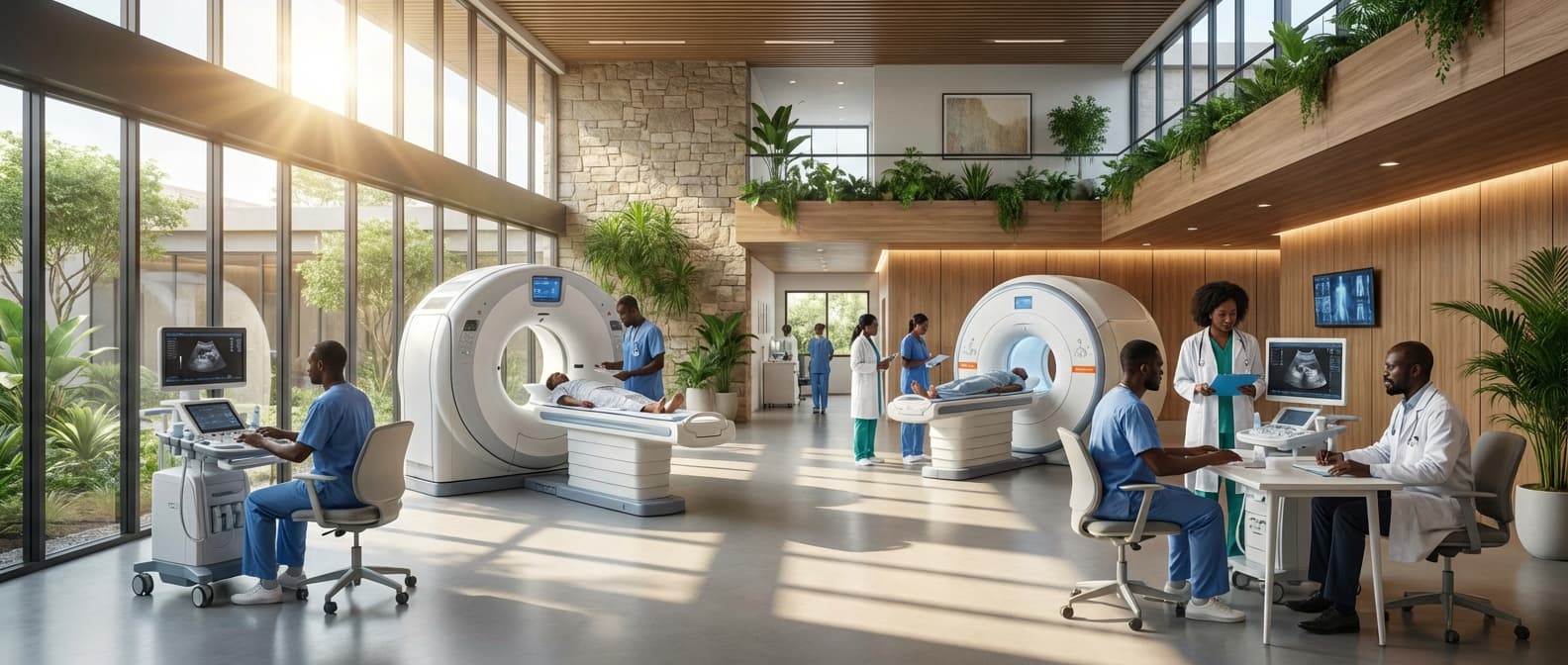
Endoscopy Solutions in Tunisia
Engineering Excellence & Technical Support
Advanced endoscopic equipment delivering superior visualization and diagnostic precision for minimally invasive procedures. High-standard technical execution following OEM protocols and local regulatory frameworks.
Advanced Imaging & Diagnostic Capabilities
Our state-of-the-art endoscopy systems in Tunisia deliver superior high-definition imaging, allowing for precise visualization of mucosal detail, early lesion detection, and accurate diagnosis of gastrointestinal and pulmonary conditions. Features like Narrow Band Imaging (NBI) and magnification provide enhanced contrast and detail for critical clinical decisions.
Minimally Invasive Therapeutic Interventions
Tunisian healthcare providers are leveraging our advanced endoscopic platforms for a wide range of minimally invasive therapeutic procedures. From polypectomy and stricture dilation to complex endoscopic submucosal dissections (ESD) and management of gastrointestinal bleeding, our solutions enable shorter recovery times and reduced patient discomfort.
Enhanced Workflow Efficiency & Data Management
Our integrated endoscopy solutions in Tunisia are designed to streamline clinical workflows. Features like digital documentation, image archiving, and connectivity to Picture Archiving and Communication Systems (PACS) improve efficiency, facilitate seamless data sharing, and support research and quality improvement initiatives within Tunisian hospitals and clinics.
What Is Endoscopy Solutions In Tunisia?
Endoscopy solutions in Tunisia refer to the comprehensive provision of diagnostic and therapeutic services utilizing endoscopic procedures. This encompasses the acquisition, maintenance, and application of specialized medical equipment designed for minimally invasive internal examinations and interventions. The service integrates advanced imaging technologies with skilled personnel to visualize internal organs and structures through natural orifices or small surgical incisions. It is a critical component of modern gastroenterology, pulmonology, urology, and surgery within the Tunisian healthcare landscape, facilitating precise diagnoses and targeted treatments with reduced patient morbidity.
| Medical Specialty | Common Endoscopic Procedures | Indications | Diagnostic/Therapeutic Role |
|---|---|---|---|
| Gastroenterology | Esophagogastroduodenoscopy (EGD), Colonoscopy, Sigmoidoscopy, Endoscopic Retrograde Cholangiopancreatography (ERCP), Endoscopic Ultrasound (EUS) | Dyspepsia, dysphagia, abdominal pain, altered bowel habits, rectal bleeding, screening for colorectal cancer, jaundice, pancreatitis, suspected GI malignancy. | Diagnostic (biopsy, visualization) and Therapeutic (polypectomy, bleeding control, stenting). |
| Pulmonology | Bronchoscopy | Chronic cough, hemoptysis, suspected lung cancer, pneumonia, airway obstruction, interstitial lung disease. | Diagnostic (biopsy, lavage, visualization) and Therapeutic (airway clearance, stent placement). |
| Urology | Cystoscopy, Ureteroscopy | Hematuria, recurrent urinary tract infections, bladder pain, suspected bladder or urothelial cancer, kidney stones. | Diagnostic (biopsy, visualization) and Therapeutic (stone removal, stent placement, tumor ablation). |
| General Surgery / Gynecology | Laparoscopy, Hysteroscopy | Cholelithiasis, appendicitis, hernias, gynecological conditions (e.g., ovarian cysts, fibroids, endometriosis), diagnostic staging of cancers. | Primarily Therapeutic (minimally invasive surgery) and Diagnostic. |
Key Components of Endoscopy Solutions in Tunisia
- Diagnostic Endoscopy: Visual inspection of internal organs (e.g., esophagus, stomach, intestines, lungs, bladder) to identify abnormalities such as inflammation, ulcers, polyps, strictures, or tumors.
- Therapeutic Endoscopy: Interventional procedures performed during endoscopy, including polypectomy, hemostasis (stoppage of bleeding), stricture dilation, foreign body retrieval, stent placement, and minimally invasive surgical resections.
- Endoscopic Equipment: Procurement, servicing, and calibration of endoscopes (gastroscopes, colonoscopes, bronchoscopes, cystoscopes, laparoscopes, etc.), light sources, video processors, insufflators, and accessory instruments (biopsy forceps, snares, injection needles, etc.).
- Imaging and Documentation: High-definition imaging capabilities for real-time visualization and recording of findings, crucial for diagnosis, treatment planning, and medical-legal documentation.
- Ancillary Services: Sedation and anesthesia management, patient preparation protocols, and post-procedure monitoring to ensure patient safety and comfort.
- Personnel Training and Expertise: Availability of highly trained gastroenterologists, surgeons, pulmonologists, urologists, and endoscopy technicians proficient in performing and interpreting endoscopic procedures.
Who Needs Endoscopy Solutions In Tunisia?
Endoscopy solutions in Tunisia are crucial for a range of medical facilities and professionals dedicated to diagnosing and treating conditions within the gastrointestinal, respiratory, and urinary tracts, as well as performing minimally invasive surgeries. These advanced diagnostic and therapeutic tools are vital for improving patient outcomes and streamlining clinical workflows.
| Target Customer/Department | Specific Needs & Applications | Endoscopy Solution Relevance |
|---|---|---|
| Gastroenterology Departments | Diagnosis and treatment of upper and lower gastrointestinal disorders (e.g., ulcers, polyps, inflammatory bowel disease, bleeding, cancer screening). | Gastroscopes, colonoscopes, duodenoscopes, video endoscopes, specialized biopsy forceps, polypectomy snares, electrocautery devices. |
| Pulmonology Departments | Diagnosis and treatment of lung diseases (e.g., tumors, infections, airway obstructions, interstitial lung disease), diagnostic biopsies, foreign body removal. | Bronchoscopes, video bronchoscopes, endobronchial ultrasound (EBUS) probes, biopsy needles, bronchial brushes. |
| Urology Departments | Diagnosis and treatment of urinary tract conditions (e.g., bladder tumors, kidney stones, prostate issues), minimally invasive surgeries. | Cystoscopes, ureteroscopes, nephroscopes, resectoscopes, stone retrieval devices. |
| General Surgery Departments | Minimally invasive procedures for abdominal conditions (e.g., appendectomy, cholecystectomy, colectomy), diagnostic laparoscopy. | Laparoscopes, surgical instruments, video towers, light sources, insufflators. |
| ENT (Otolaryngology) Departments | Diagnosis and treatment of ear, nose, and throat conditions, including sinonasal endoscopy, laryngoscopy, and examination of the pharynx. | Nasal endoscopes, laryngoscopes, sinusoscopes, image capturing systems. |
| Emergency Departments | Rapid diagnosis of acute gastrointestinal bleeding, foreign body ingestion/aspiration, and other critical conditions requiring immediate endoscopic intervention. | Flexible gastroscopes and bronchoscopes, sedations, and emergency support equipment. |
| Oncology Departments | Cancer screening, diagnosis, staging, and surveillance of various cancers within the scope of endoscopy (e.g., esophageal, gastric, colorectal, lung). | High-definition endoscopes, narrow band imaging (NBI), confocal laser endomicroscopy, endosonography. |
| Pediatric Departments | Diagnosis and treatment of gastrointestinal, respiratory, and urological issues in children, requiring specialized, smaller diameter scopes. | Pediatric gastroscopes, bronchoscopes, and cystoscopes. |
| Private Practice Gastroenterologists/Specialists | Providing specialized diagnostic and therapeutic endoscopic services to a private patient base. | Compact endoscopy units, high-quality flexible endoscopes, and associated accessories. |
| Medical Training and Education Institutions | Training future medical professionals in endoscopic techniques and procedures. | Simulation equipment, advanced teaching endoscopes, and comprehensive video systems. |
Who Needs Endoscopy Solutions in Tunisia?
- Hospitals (Public and Private)
- Specialized Clinics
- Diagnostic Centers
- Surgical Centers
- University Hospitals and Medical Schools
- Research Institutions
Endoscopy Solutions Process In Tunisia
This document outlines the typical workflow for Endoscopy Solutions in Tunisia, covering the process from initial inquiry to the final execution of services. The process is designed to be efficient and client-centric, ensuring all needs are met with high-quality care and advanced technological solutions.
| Stage | Key Activities | Description | Key Stakeholders |
|---|---|---|---|
| Contacting the Endoscopy Solutions Provider | Prospective clients (hospitals, clinics, physicians) reach out with their requirements for endoscopy services, equipment, or training. This can be via phone, email, or website form. A preliminary discussion takes place to understand basic needs. | Client (Hospital/Clinic/Physician), Provider Sales/Consultant |
| Detailed Requirement Gathering | A thorough assessment of the client's specific needs is conducted. This includes understanding the type of endoscopy required (gastroscopy, colonoscopy, bronchoscopy, etc.), desired equipment (purchase, rental, maintenance), training requirements, and budget. Based on this, a customized proposal is developed. | Client (Medical Team), Provider Technical/Sales Team |
| Negotiation and Contract Finalization | The client reviews the proposal, which includes scope of work, timelines, pricing, and terms and conditions. Discussions and negotiations may occur. Upon agreement, a formal contract or service agreement is signed. | Client (Administration/Procurement), Provider Management/Legal Team |
| Logistics and Pre-Procedure Planning | Once the agreement is in place, scheduling for the endoscopy services or equipment delivery/installation is confirmed. For services, patient scheduling and pre-procedure instructions are communicated. For equipment, delivery and setup logistics are managed. If training is involved, training schedules and materials are prepared. | Client (Clinical Staff/Logistics), Provider Operations/Logistics Team, Training Coordinators |
| Service Delivery or Equipment Installation | This stage involves the actual performance of endoscopy procedures by skilled medical professionals using state-of-the-art equipment, or the delivery, installation, and initial setup of purchased/rented endoscopy equipment. If training is part of the package, it is conducted during this phase. | Provider Medical Team/Technicians, Client Clinical Staff, Trainees |
| Data Analysis, Reporting, and Ongoing Support | For procedural services, detailed reports are provided to the client, including findings, recommendations, and patient outcomes. For equipment, initial user support and troubleshooting are offered. Ongoing maintenance, technical support, and potential follow-up training are arranged as per the contract. | Provider Medical Team/Reporting Specialists, Provider Technical Support, Client Medical Team/Administration |
| Client Satisfaction and Future Engagements | Collecting feedback from the client on the quality of service, equipment performance, and overall experience. This helps in improving future services and fostering long-term relationships. Discussions for potential future collaborations or additional services may occur. | Client (Medical Team/Administration), Provider Account Management/Sales Team |
Endoscopy Solutions Process Workflow in Tunisia
- Initial Inquiry & Consultation
- Needs Assessment & Proposal Generation
- Scheduling & Preparation
- Procedure Execution
- Post-Procedure Follow-up & Reporting
Endoscopy Solutions Cost In Tunisia
Endoscopy procedures are vital diagnostic and therapeutic tools in Tunisia. The cost of endoscopy in Tunisia can vary significantly due to several factors. These include the type of endoscopy performed (e.g., gastroscopy, colonoscopy, bronchoscopy, sigmoidoscopy, duodenoscopy, ERCP), the facility where the procedure is conducted (public vs. private hospitals, specialized clinics), the complexity of the procedure, the need for sedation or anesthesia, and whether biopsies or other interventions are performed during the endoscopy. Private healthcare facilities generally have higher costs compared to public hospitals, though the latter may have longer waiting times. The experience and specialization of the gastroenterologist or endoscopist can also influence pricing. The price typically includes the consultation, the procedure itself, materials used, and post-procedure care. It's advisable to obtain a detailed quote from the healthcare provider before the procedure to understand all associated costs.
| Endoscopy Type (Indicative) | Estimated Range (TND) - Public Hospitals | Estimated Range (TND) - Private Clinics |
|---|---|---|
| Gastroscopy (Esophagogastroduodenoscopy) | 150 - 300 | 250 - 500+ |
| Colonoscopy | 200 - 400 | 350 - 700+ |
| Sigmoidoscopy | 100 - 200 | 180 - 350+ |
| Bronchoscopy | 250 - 500 | 400 - 800+ |
| ERCP (Endoscopic Retrograde Cholangiopancreatography) | 400 - 800 | 700 - 1500+ |
Key Factors Influencing Endoscopy Costs in Tunisia:
- Type of Endoscopy (Gastroscopy, Colonoscopy, Bronchoscopy, etc.)
- Healthcare Facility (Public Hospital vs. Private Clinic)
- Complexity and Duration of the Procedure
- Requirement for Sedation or Anesthesia
- Inclusion of Biopsies or Interventions (polyp removal, etc.)
- Physician's Fees and Expertise
- Post-Procedure Consultation and Medication
Affordable Endoscopy Solutions Options
Endoscopic procedures, while crucial for diagnosis and treatment, can represent a significant healthcare expense. Fortunately, various affordable endoscopy solutions and cost-saving strategies exist to make these vital services more accessible. This section explores options that prioritize value and minimize out-of-pocket costs for patients and healthcare systems.
| Strategy/Solution | Description | Potential Cost Savings |
|---|---|---|
| Value Bundles | Fixed price for a defined set of services related to an endoscopy. | Predictable costs, potential overall reduction through negotiated rates. |
| Ambulatory Surgery Centers (ASCs) | Outpatient facilities designed for same-day procedures. | Significantly lower than hospital-based procedures due to reduced overhead. |
| Telehealth Follow-ups | Remote consultations for post-procedure monitoring. | Reduces travel time, missed work, and potentially consultation fees. |
| Generic Medications | Using cost-effective generic alternatives for prescribed drugs. | Lower pharmaceutical expenses. |
| Preventive Screenings | Regular endoscopies for early detection of diseases. | Avoids costs associated with treating advanced, complex conditions. |
| Transparent Pricing Platforms | Online tools allowing cost comparison of procedures. | Empowers informed decisions and encourages provider competition. |
Affordable Endoscopy Solutions & Cost-Saving Strategies
- Value Bundles: A key strategy involves 'value bundles,' where a comprehensive set of services related to an endoscopic procedure is offered at a fixed, pre-determined price. This contrasts with traditional fee-for-service models where each component is billed separately, leading to potential cost surprises. Value bundles typically encompass the physician's professional fee, facility charges, anesthesia, pathology (if applicable), and sometimes even pre-procedure consultations and post-procedure follow-ups. The primary benefit is predictability and often a reduction in overall cost due to negotiated rates and streamlined processes.
- Negotiated Pricing and Package Deals: Healthcare providers and insurance companies can negotiate discounted rates for common endoscopic procedures when performed in bulk or as part of a package. These packages may be offered directly to patients or through employer health plans.
- Outpatient vs. Inpatient Settings: Endoscopic procedures are increasingly performed in outpatient or ambulatory surgery centers (ASCs) rather than hospitals. ASCs generally have lower overhead costs, which can translate into significantly lower prices for the same procedures.
- Generic vs. Brand-Name Medications: When medications are used during or after the procedure (e.g., sedatives, pain relievers), opting for generic alternatives can reduce costs.
- Telehealth for Follow-up: For routine post-procedure follow-up appointments, telehealth consultations can be a cost-effective alternative to in-person visits, saving on travel and time.
- Preventive Care and Early Detection: Investing in regular screenings (e.g., colonoscopies for colorectal cancer) can lead to earlier detection of conditions. Treating conditions in their early stages is often less complex, less invasive, and significantly less expensive than treating advanced diseases.
- Transparent Pricing Initiatives: Some healthcare systems and platforms are beginning to offer transparent pricing for common procedures, allowing patients to compare costs before making a decision. This encourages competition and drives down prices.
- Health Savings Accounts (HSAs) & Flexible Spending Accounts (FSAs): Utilizing pre-tax dollars through HSAs and FSAs can significantly reduce the net cost of endoscopy procedures.
- Insurance Negotiation and Appeals: Understanding your insurance benefits, negotiating with your provider if necessary, and appealing denied claims can help manage costs.
Verified Providers In Tunisia
In Tunisia's burgeoning healthcare sector, discerning patients seek reliable and high-quality medical services. This is where Verified Providers come into play. Franance Health, a leading accreditation body, plays a crucial role in ensuring that healthcare facilities and professionals meet stringent international standards. Their rigorous credentialing process signifies a commitment to excellence, patient safety, and ethical practice, making Franance Health-verified providers the best choice for your healthcare needs in Tunisia.
| Franance Health Verification Aspect | What it Means for You | Benefit to Patient |
|---|---|---|
| Clinical Excellence & Protocols | Adherence to evidence-based medical practices and established treatment pathways. | Receiving effective and up-to-date medical care tailored to your condition. |
| Infrastructure & Technology | Availability of modern medical equipment and well-maintained facilities. | Access to advanced diagnostic tools and treatment options, leading to more accurate diagnoses and better outcomes. |
| Staff Competency & Training | Verification of qualifications, certifications, and continuous professional development of medical personnel. | Being treated by highly skilled and experienced doctors, nurses, and support staff. |
| Patient Rights & Responsibilities | Clear policies on patient consent, confidentiality, and access to information. | Understanding your rights and being actively involved in your treatment decisions. |
| Infection Prevention & Control | Robust measures to minimize the risk of hospital-acquired infections. | A safer healthcare environment, reducing the likelihood of post-treatment complications. |
Why Choose Franance Health Verified Providers?
- Unwavering Commitment to Patient Safety: Franance Health accreditation involves a thorough evaluation of clinical protocols, infection control measures, and emergency preparedness, ensuring the highest levels of patient safety.
- Adherence to International Standards: Their accreditation process aligns with globally recognized healthcare benchmarks, guaranteeing that Tunisian providers offer care comparable to leading international facilities.
- Qualified and Competent Professionals: Franance Health verifies the credentials, experience, and ongoing training of medical staff, ensuring you are treated by highly skilled and knowledgeable experts.
- Transparent and Ethical Practices: Accreditation signifies a commitment to ethical conduct, patient rights, and transparent communication, fostering trust and confidence in the healthcare services received.
- Access to Advanced Technologies and Treatments: Verified providers are often at the forefront of medical innovation, offering access to state-of-the-art equipment and the latest treatment methodologies.
- Enhanced Patient Experience: The accreditation process often includes assessments of patient satisfaction, comfort, and overall care experience, leading to a more positive and supportive healthcare journey.
Scope Of Work For Endoscopy Solutions
This Scope of Work outlines the technical deliverables and standard specifications for the procurement and implementation of Endoscopy Solutions. The objective is to acquire advanced, reliable, and user-friendly endoscopic equipment and associated services to enhance diagnostic and therapeutic capabilities. This document details the requirements for the equipment, software, training, and support services.
| Specification Category | Requirement | Standard/Compliance | Notes |
|---|---|---|---|
| Imaging Resolution | Minimum 1920x1080 (HD); 3840x2160 (4K) for premium models | ISO 13485, IEC 60601 series | Prioritize models with excellent detail and clarity. |
| Field of View (FOV) | Minimum 110 degrees (flexible endoscopes) | Manufacturer specifications | Wider FOV preferred for better spatial orientation. |
| Working Channel Diameter | Varies by endoscope type (e.g., 2.8mm to 4.2mm for gastroscopes/colonoscopes) | Manufacturer specifications | Adequate for various therapeutic instruments. |
| Image Acquisition Speed | Minimum 30 frames per second (fps) | IEC 60601 series | Ensures smooth video playback. |
| EMR Integration | HL7 compatibility; DICOM compatibility for image transfer | HL7, DICOM standards | Requires collaboration with IT department for implementation. |
| Sterilization Compatibility | Compatible with standard terminal sterilization methods (e.g., EtO, HLD, Autoclave) | AAMI ST79, ISO 17665 series | Confirm specific compatibility with proposed sterilization units. |
| Electrical Safety | Meets international electrical safety standards | IEC 60601-1, IEC 60601-2-18 | Certification required. |
| Biocompatibility | All materials in contact with patients must be biocompatible | ISO 10993 series | Certification or documentation required. |
| Software Updates | Provision for regular software updates and patches | Manufacturer policy | Includes security updates and performance enhancements. |
| Training | On-site comprehensive training for all relevant staff | As per vendor proposal | Includes simulation exercises. |
| Warranty | Minimum 1-2 years for equipment and critical components | Manufacturer warranty terms | Extended warranty options to be considered. |
| Service Response Time | Maximum 48 hours for critical equipment failures | Service Level Agreement (SLA) | Clearly defined response and resolution times. |
Key Technical Deliverables
- High-definition (HD) or 4K endoscopic imaging systems with superior resolution, color fidelity, and zoom capabilities.
- A range of flexible and rigid endoscopes suitable for various anatomical regions (e.g., gastrointestinal tract, respiratory tract, urology).
- Advanced imaging functionalities such as narrow band imaging (NBI), chromoendoscopy, and fluorescence imaging for enhanced visualization of mucosal patterns and lesions.
- Integrated light source (LED or Xenon) with adjustable intensity and color temperature.
- High-performance video processor capable of real-time image acquisition, processing, and storage.
- Ergonomic and intuitive control console/workstation with a large, high-resolution display monitor.
- Comprehensive electronic medical record (EMR) integration capabilities for seamless patient data management and image archiving.
- Data storage solutions with sufficient capacity for high-resolution images and videos, supporting various file formats (e.g., DICOM, MP4).
- Reprocessing and sterilization equipment and consumables compliant with relevant healthcare standards.
- Comprehensive training programs for physicians, nurses, and technicians on equipment operation, maintenance, and troubleshooting.
- Post-installation technical support, including warranty, maintenance agreements, and access to qualified service engineers.
- User manuals, technical documentation, and software updates.
Service Level Agreement For Endoscopy Solutions
This Service Level Agreement (SLA) outlines the guaranteed response times and uptime for the Endoscopy Solutions provided by [Your Company Name]. It defines the standards of service you can expect and the remedies available if those standards are not met.
| Service Component | Uptime Guarantee | Response Time (Critical Issue) | Response Time (Major Issue) | Response Time (Minor Issue) | Resolution Time Target (Critical Issue) | Resolution Time Target (Major Issue) |
|---|---|---|---|---|---|---|
| Endoscopy System Uptime (excluding Scheduled Maintenance) | 99.9% | 15 Minutes | 1 Hour | 4 Hours | 4 Hours | 8 Business Hours |
| Endoscopy Software Functionality | 99.5% | 30 Minutes | 2 Hours | 8 Business Hours | 8 Business Hours | 2 Business Days |
| Remote Support Services | N/A (Service Availability) | 1 Hour | 4 Business Hours | 1 Business Day | N/A | N/A |
Key Definitions
- Endoscopy Solutions: Refers to the hardware, software, and associated services for endoscopic procedures offered by [Your Company Name].
- Downtime: The period during which the Endoscopy Solutions are unavailable to the Customer due to a failure in the service, excluding scheduled maintenance.
- Response Time: The maximum time allowed for [Your Company Name] to acknowledge and begin addressing a reported issue.
- Resolution Time: The maximum time allowed for [Your Company Name] to restore the Endoscopy Solutions to full operational status.
- Scheduled Maintenance: Pre-announced periods of planned downtime for system updates or upgrades. These will be communicated at least [Number] days in advance.
Frequently Asked Questions

Ready when you are
Let's scope your Endoscopy Solutions in Tunisia project in Tunisia.

Scaling healthcare logistics and technical systems across the entire continent.