
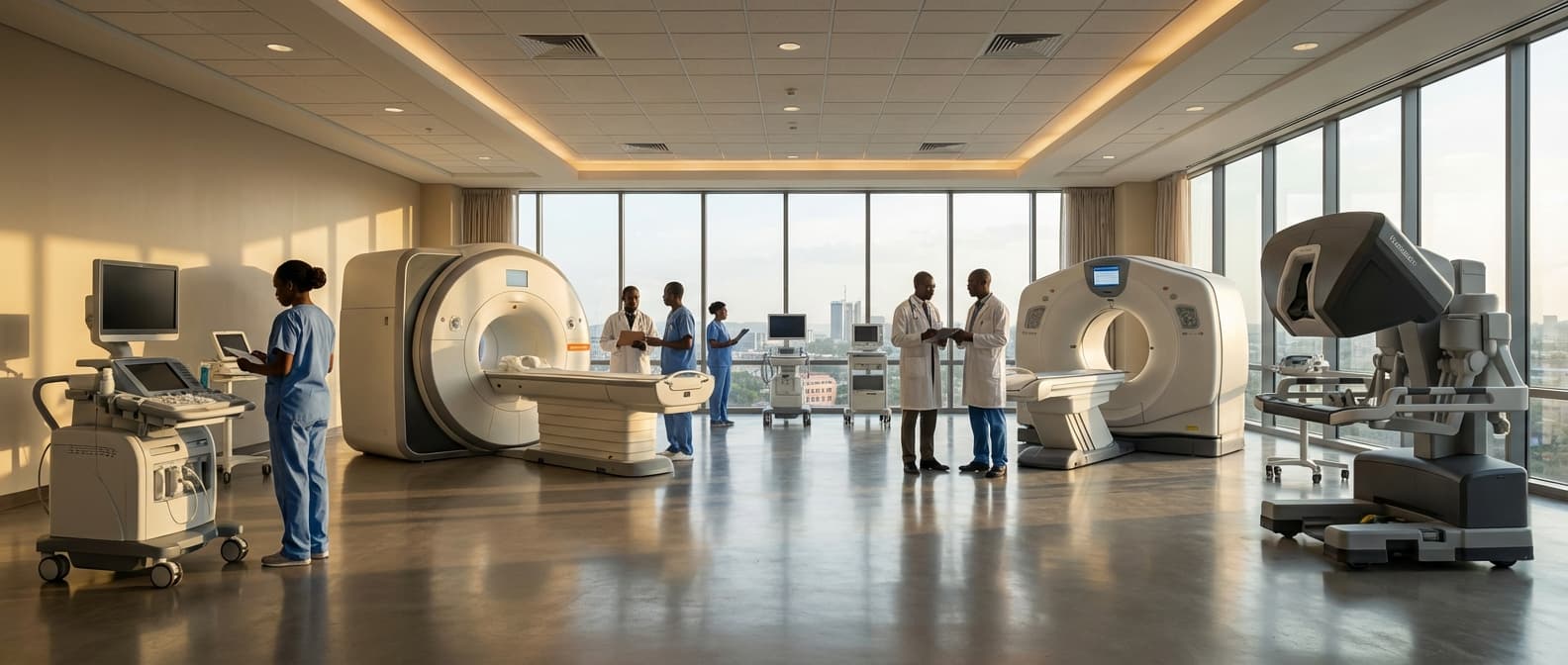
Renal Solutions in Tunisia
Engineering Excellence & Technical Support
Complete dialysis systems and renal care equipment designed to deliver safe, effective, and patient-centered kidney treatment. High-standard technical execution following OEM protocols and local regulatory frameworks.
Advanced Hemodialysis Technology
Renal Solutions Tunisia offers state-of-the-art hemodialysis machines featuring advanced monitoring and safety protocols, ensuring optimal treatment outcomes and patient comfort.
Comprehensive Water Purification Systems
Our clinics utilize cutting-edge multi-stage water purification systems, meeting stringent international standards to deliver ultra-pure water essential for safe and effective dialysis.
Integrated Patient Management Software
Renal Solutions implements a secure, integrated patient management system for precise tracking of treatment history, vital signs, and laboratory results, facilitating personalized care and efficient data analysis.
What Is Renal Solutions In Tunisia?
Renal Solutions in Tunisia refers to a comprehensive suite of services and products designed to address the spectrum of kidney-related diseases and conditions. This encompasses diagnostic capabilities, therapeutic interventions, and ongoing management for patients experiencing acute kidney injury (AKI), chronic kidney disease (CKD), end-stage renal disease (ESRD), and associated complications. The objective is to improve patient outcomes, enhance quality of life, and optimize resource utilization within the Tunisian healthcare system for renal care.
| Who Needs Renal Solutions | Typical Use Cases |
|---|---|
| Patients with Diabetes Mellitus: A leading cause of CKD worldwide, requiring proactive screening and management of diabetic nephropathy. | Management of diabetic nephropathy, blood glucose control, and prevention of progression to ESRD. |
| Patients with Hypertension: Uncontrolled hypertension is a significant risk factor for kidney damage. | Blood pressure monitoring, antihypertensive therapy, and regular assessment of kidney function. |
| Patients with diagnosed Chronic Kidney Disease (CKD) across all stages: Requiring monitoring, intervention, and management of complications. | Regular GFR monitoring, management of anemia, bone mineral disorders, and fluid/electrolyte imbalances. Dialysis initiation when indicated. |
| Patients with End-Stage Renal Disease (ESRD): Requiring renal replacement therapy (dialysis or transplantation). | Hemodialysis, peritoneal dialysis, pre-transplant workup, kidney transplantation, and post-transplant care. |
| Patients experiencing Acute Kidney Injury (AKI): Due to infections, dehydration, nephrotoxic drugs, or other medical conditions. | Close monitoring in critical care settings, fluid management, electrolyte correction, and initiation of temporary dialysis if necessary. |
| Patients with Urinary Tract Obstructions: Caused by kidney stones, benign prostatic hyperplasia (BPH), or tumors. | Diagnosis and management of obstruction to prevent kidney damage and improve urine flow. |
| Patients undergoing treatment for Autoimmune Diseases (e.g., Lupus): Which can affect kidney function (lupus nephritis). | Immunosuppressive therapy, monitoring for kidney involvement, and treatment of renal complications. |
| Patients with a Family History of Kidney Disease: Indicating a higher predisposition. | Genetic counseling and proactive screening for early signs of kidney dysfunction. |
| Elderly Patients: Who are at higher risk for age-related decline in kidney function and associated comorbidities. | Comprehensive geriatric assessment with a focus on renal health and management of multiple comorbidities. |
Key Components of Renal Solutions in Tunisia
- Diagnostic Services: This includes advanced laboratory testing for kidney function markers (e.g., creatinine, urea, glomerular filtration rate - GFR), urinalysis, renal biopsies, and various imaging modalities such as ultrasound, CT scans, and MRI of the kidneys and urinary tract.
- Therapeutic Modalities: This category encompasses both medical and procedural interventions. Medical management involves pharmacotherapy for managing hypertension, diabetes, anemia of CKD, electrolyte imbalances, and bone mineral disorders. Procedural interventions include dialysis (hemodialysis and peritoneal dialysis), kidney transplantation, and surgical procedures for urinary tract abnormalities.
- Chronic Kidney Disease (CKD) Management Programs: These programs focus on slowing disease progression, managing comorbidities, educating patients and caregivers, and coordinating care across multidisciplinary teams. This often involves nephrologists, nurses, dietitians, social workers, and pharmacists.
- Acute Kidney Injury (AKI) Management: Services dedicated to the prompt identification, treatment, and recovery from sudden loss of kidney function, often requiring intensive care unit (ICU) support and renal replacement therapy.
- End-Stage Renal Disease (ESRD) Care: Comprehensive management for patients with irreversible kidney failure, including access to and support for dialysis modalities and kidney transplantation.
- Renal Transplantation Services: This includes pre-transplant evaluation, organ procurement coordination, surgical transplantation, and lifelong post-transplant immunosuppression and monitoring.
- Patient Education and Support: Empowering patients with knowledge about their condition, treatment options, lifestyle modifications, and adherence strategies to improve self-management and compliance.
- Technological Integration: Utilization of electronic health records (EHRs), telemedicine platforms for remote consultations, and advanced dialysis equipment to optimize patient care and data management.
Who Needs Renal Solutions In Tunisia?
Renal Solutions in Tunisia caters to a diverse range of clients requiring specialized kidney care services and products. Our target market is segmented to ensure we provide tailored solutions to meet the specific needs of various healthcare providers and patients across the country.
| Customer Segment | Key Needs Addressed | Relevant Departments |
|---|---|---|
| Public Hospitals | Cost-effective dialysis equipment, consumables, pharmaceuticals, maintenance services, training for staff. | Nephrology, Dialysis, ICU, General Medicine |
| Private Hospitals | Advanced dialysis technology, specialized consumables, high-quality pharmaceuticals, comprehensive service agreements, training for specialized staff. | Nephrology, Dialysis, ICU, Urology, Transplant |
| Dedicated Dialysis Centers | Reliable dialysis machines, dialyzers, tubing sets, water treatment systems, disinfectants, patient monitoring equipment, skilled technicians. | Dialysis, Nursing, Biomedical Engineering |
| Nephrology Departments | Diagnostic tools, laboratory equipment for kidney function tests, specialized medications, treatment protocols, access to clinical trials. | Nephrology, Laboratory, Pharmacy |
| Intensive Care Units (ICUs) | Acute dialysis machines (CRRT), essential medications for critical care, monitoring devices for fluid balance and electrolytes. | ICU, Nephrology |
| Transplant Units | Immunosuppressant drugs, post-transplant monitoring equipment, specialized surgical supplies. | Transplant Surgery, Nephrology, ICU |
| Long-Term Care Facilities | Outsourced dialysis services, patient transport, basic kidney health monitoring, staff training on managing patients with chronic kidney disease. | Nursing, Geriatrics, General Medicine |
| Home Hemodialysis Patients | User-friendly dialysis machines, educational support and training for patients and caregivers, reliable supply chain for consumables, remote monitoring solutions. | Nephrology, Home Care Nursing |
| Kidney Disease Patients | Access to affordable treatments, educational resources on managing their condition, support groups, guidance on lifestyle modifications. | Nephrology, Primary Care |
| Medical Professionals | Continuing medical education, access to the latest research and treatment guidelines, networking opportunities, reliable supply of essential medical products. | All relevant medical departments |
Target Customers and Departments
- Hospitals (Public and Private)
- Renal Dialysis Centers
- Nephrology Departments
- Intensive Care Units (ICUs)
- Transplant Units
- Urology Departments
- Long-Term Care Facilities
- Home Hemodialysis Patients
- Kidney Disease Patients (Chronic and Acute)
- Medical Professionals (Nephrologists, Urologists, Nurses)
Renal Solutions Process In Tunisia
The Renal Solutions process in Tunisia outlines a systematic approach to addressing the needs of individuals requiring renal care, from initial contact to the delivery of comprehensive solutions. This workflow is designed to be efficient, patient-centric, and to ensure the highest quality of care and support.
| Stage | Description | Key Activities | Responsible Parties |
|---|---|---|---|
| The process begins with an individual or referring healthcare professional reaching out to Renal Solutions. This stage focuses on understanding the patient's needs and providing initial information. | Receive inquiry, schedule initial consultation, gather basic patient information, explain services offered, answer initial questions. | Patient/Referring Physician, Renal Solutions Intake Team/Patient Coordinator |
| A thorough evaluation is conducted to confirm the diagnosis and assess the patient's overall health status, eligibility for specific treatments, and any co-existing conditions. | Medical history review, physical examination, review of existing medical records and diagnostic reports (blood tests, imaging), specialist referrals (if needed), confirmation of diagnosis (e.g., Chronic Kidney Disease, Acute Kidney Injury, End-Stage Renal Disease). | Nephrologist, Renal Solutions Medical Team, Patient |
| Based on the assessment, a personalized treatment plan is created. This plan details the recommended renal replacement therapy (e.g., hemodialysis, peritoneal dialysis, kidney transplantation), medication, and supportive care. | Discuss treatment options with the patient and family, recommend appropriate treatment modality, develop a comprehensive care plan, define treatment protocols and frequency, obtain patient consent. | Nephrologist, Renal Solutions Medical Team, Patient and Family |
| This stage involves identifying and acquiring the necessary resources, including dialysis equipment, consumables, medications, and potentially coordinating for transplant services. | Identify suitable dialysis centers/clinics, source specialized medical equipment and consumables, procure necessary medications, coordinate with organ transplant waiting lists or living donor programs (if applicable), ensure compliance with Tunisian healthcare regulations. | Renal Solutions Logistics Team, Procurement Department, Partner Healthcare Facilities, Pharmaceutical Suppliers |
| The patient undergoes preparations necessary for the chosen treatment modality, which may include surgical procedures, education, and logistical arrangements. | Vascular access creation (for hemodialysis), insertion of PD catheter (for peritoneal dialysis), patient and family education on dialysis procedures, dietary and lifestyle counseling, scheduling of initial treatments, transportation arrangements. | Surgeons, Nurses, Renal Educators, Patient, Renal Solutions Support Staff |
| The actual renal replacement therapy begins. This phase is characterized by continuous monitoring of the patient's condition and the effectiveness of the treatment. | Administering dialysis sessions (hemodialysis or peritoneal dialysis), regular monitoring of vital signs, fluid balance, electrolytes, and overall well-being, adjusting treatment parameters as needed, managing complications. | Dialysis Nurses, Nephrologist, Renal Technicians, Patient |
| After each treatment session or period, the patient's condition is reviewed, and necessary adjustments are made. This includes managing side effects and ensuring recovery. | Post-dialysis assessment, review of lab results, patient feedback, management of any immediate side effects or complications, scheduling for the next treatment. | Dialysis Nurses, Nephrologist, Renal Solutions Medical Team |
| This long-term phase focuses on maintaining the patient's health, preventing complications, and improving their quality of life. It includes regular check-ups and support services. | Regular nephrology consultations, ongoing monitoring of kidney function, adherence to medication and dietary plans, management of chronic conditions, psychosocial support, education on preventing infections and complications, patient advocacy. | Nephrologist, Renal Solutions Care Coordinators, Dietitians, Social Workers, Patient |
Renal Solutions Process Workflow in Tunisia
- Inquiry & Initial Consultation
- Assessment & Diagnosis Confirmation
- Treatment Plan Development
- Solution Sourcing & Procurement
- Pre-Treatment Preparation
- Treatment Execution & Monitoring
- Post-Treatment Care & Follow-up
- Ongoing Support & Relapse Prevention
Renal Solutions Cost In Tunisia
Navigating the cost of renal solutions in Tunisia involves understanding various pricing factors and expected ranges within the local currency (Tunisian Dinar - TND). These costs are influenced by the type of solution, its volume, the brand, the specific clinic or hospital, and the overall healthcare system's pricing structures. Generally, renal solutions are vital for patients undergoing dialysis, whether peritoneal dialysis (PD) or hemodialysis (HD). The price points can fluctuate, but a general overview can assist patients and healthcare providers.
| Type of Renal Solution/Service | Typical Volume/Unit | Estimated Price Range (TND) |
|---|---|---|
| Peritoneal Dialysis (PD) Solution (e.g., Glucose 1.5% - 4.25%) | 2-liter bag | 30 - 60 TND |
| Peritoneal Dialysis (PD) Solution (e.g., IC/Low Calcium) | 2-liter bag | 35 - 70 TND |
| Hemodialysis (HD) Concentrate (e.g., Bicarbonate/Acetate) | 1-liter bottle (for reconstitution) | 15 - 30 TND |
| Ready-to-Use Hemodialysis (HD) Solution | 1-liter bag (less common for large-scale use) | 25 - 45 TND |
| Dialysis Session Fee (including consumables like dialyzer, tubing, and solutions - private sector) | Per session | 150 - 300 TND |
| Dialysis Session Fee (subsidized/public sector) | Per session | 50 - 100 TND (variable, often heavily subsidized) |
Factors Influencing Renal Solution Costs in Tunisia
- Type of Solution: Different formulations of dialysis solutions exist, catering to specific patient needs (e.g., glucose concentrations for PD, electrolyte balances for HD). More specialized or complex formulations might be priced higher.
- Volume and Concentration: The amount of solution required per treatment directly impacts the cost. Larger volumes or higher concentrations will naturally be more expensive.
- Brand and Manufacturer: As with many medical supplies, established brands with a reputation for quality may command higher prices than generic alternatives. Availability and import costs can also play a role.
- Purchasing Channel: Prices can differ significantly between purchasing from a public hospital pharmacy, a private clinic's supplies, or a dedicated medical supply distributor.
- Treatment Modality: Peritoneal dialysis solutions are typically purchased in larger bags for home use, while hemodialysis solutions are often prepared by the dialysis center from concentrated powders or ready-to-use solutions.
- Insurance Coverage and Subsidies: The extent of national health insurance coverage or government subsidies for chronic kidney disease treatments can significantly affect the out-of-pocket cost for patients.
- Geographic Location: While less pronounced in Tunisia compared to larger countries, slight variations in pricing might exist between major cities and more remote regions due to logistics and distribution networks.
Affordable Renal Solutions Options
Navigating the world of kidney disease treatment and management can be overwhelming, especially concerning costs. Fortunately, several affordable renal solutions are available. These often involve strategic choices and value-based approaches, focusing on comprehensive care rather than just individual services. Understanding 'value bundles' and employing effective cost-saving strategies can significantly reduce the financial burden on patients and their families.
| Cost-Saving Strategy | Description | Impact on Renal Care Costs |
|---|---|---|
| Generic Medications | Opting for generic versions of prescribed medications whenever possible. These are chemically identical to brand-name drugs but significantly cheaper. | Reduces out-of-pocket expenses for essential medications, particularly important for patients on multiple prescriptions for blood pressure, diabetes, and anemia. |
| Preventive Care and Early Intervention | Focusing on managing underlying conditions like diabetes and hypertension, and addressing kidney health proactively. Early detection and management of kidney disease can prevent or slow progression. | Minimizes the need for more expensive treatments like dialysis or transplantation in the long run. Reduces hospitalizations and emergency room visits. |
| Home Dialysis Options | Exploring home hemodialysis (HHD) or peritoneal dialysis (PD). While requiring an initial investment in training and equipment, these can be more cost-effective in the long term and offer greater flexibility. | Can be less expensive than in-center hemodialysis due to lower overheads for facilities. May reduce transportation costs and lost wages associated with frequent clinic visits. |
| Telehealth and Remote Monitoring | Utilizing telehealth appointments for routine check-ups and remote monitoring devices to track vital signs and treatment effectiveness. | Reduces travel expenses and time off work. Allows for more frequent adjustments to treatment plans, potentially preventing complications. |
| Patient Education and Empowerment | Actively participating in understanding one's condition, treatment options, and lifestyle modifications. Empowered patients make informed decisions. | Leads to better adherence to treatment plans, improved self-management, and potentially fewer complications and hospitalizations. |
| Exploring Insurance and Assistance Programs | Thoroughly understanding health insurance coverage, including Medicare and Medicaid. Investigating patient assistance programs offered by pharmaceutical companies and non-profit organizations. | Helps offset costs of medications, treatments, and supplies. Prevents unexpected financial burdens. |
| Nutrition Counseling | Working with a renal dietitian to develop a kidney-friendly diet. Proper nutrition can help manage kidney disease and reduce the need for certain medications. | Can help control blood pressure and fluid retention, potentially reducing the need for diuretics and other medications. Supports overall health and well-being. |
Understanding Value Bundles in Renal Care
- {"title":"What are Value Bundles?","description":"Value bundles are pre-defined packages of healthcare services designed to treat a specific condition or provide a course of care. In renal care, this could include a set price for a dialysis treatment cycle, a kidney transplant workup, or a comprehensive package of services for early-stage kidney disease management. The focus is on the overall outcome and patient experience, rather than billing for each individual service."}
- {"title":"Benefits of Value Bundles","description":"Value bundles can lead to more predictable costs, encourage better coordination of care among providers, and incentivize providers to focus on patient outcomes and prevention of complications. This can ultimately lead to a higher quality of care at a potentially lower overall cost."}
- {"title":"Examples in Renal Care","description":"Examples might include a 'CKD Management Bundle' covering regular check-ups, lab work, dietitian consultations, and medication management. Another could be a 'Home Dialysis Preparation Bundle' encompassing training, equipment, and initial supplies."}
Verified Providers In Tunisia
When seeking healthcare in Tunisia, particularly for international patients, verifying the credentials of healthcare providers is paramount. Franance Health has established itself as a trusted name, rigorously vetting and certifying medical professionals and facilities. This commitment to quality assurance ensures that patients receive safe, effective, and ethical care. Their meticulous verification process covers a wide range of criteria, giving patients peace of mind and confidence in their medical journey. Franance Health's dedication to transparency and patient well-being makes them the premier choice for accessing top-tier healthcare services in Tunisia.
| Provider Type | Franance Health Verification Includes | Benefits for Patients |
|---|---|---|
| Medical Doctors | Board Certification, Medical School Accreditation, Licensure, Continuing Education, Practice History, Disciplinary Actions | Access to highly qualified and experienced specialists, reduced risk of medical errors, assurance of up-to-date knowledge. |
| Hospitals & Clinics | International Accreditation (e.g., JCI), Quality Management Systems, Safety Protocols, Infection Control Measures, Staff-to-Patient Ratios, Patient Feedback Mechanisms | Safe and sterile environment, access to state-of-the-art equipment, efficient patient care, adherence to international quality benchmarks. |
| Ancillary Services (Labs, Imaging) | Equipment Calibration and Maintenance, Staff Qualifications, Quality Control Measures, Turnaround Times | Accurate diagnostic results, reliable imaging reports, timely and efficient support services. |
Why Franance Health Credentials Matter
- Rigorous Vetting Process: Franance Health employs a multi-stage verification protocol for all affiliated providers.
- International Standards: Credentials are checked against internationally recognized medical best practices.
- Specialist Expertise: Ensures providers possess the necessary qualifications and experience for specific treatments.
- Facility Accreditation: Verification extends to medical facilities, ensuring adherence to safety and hygiene standards.
- Ethical Practice Compliance: Confirmation of adherence to ethical medical conduct and patient rights.
- Patient Safety Focus: Prioritizes patient well-being through stringent credentialing.
- Transparency and Trust: Provides a transparent system for patients to identify reliable healthcare options.
Scope Of Work For Renal Solutions
This document outlines the Scope of Work (SoW) for Renal Solutions, detailing the technical deliverables and standard specifications required for successful project implementation. The project aims to develop and deploy a comprehensive suite of software solutions designed to manage and optimize renal care services. This includes patient management, treatment scheduling, laboratory data integration, and reporting functionalities.
| Component | Description | Standard Specifications | Acceptance Criteria |
|---|---|---|---|
| Patient Management Module | Core system for storing and managing patient demographics, medical history, and treatment plans. | RESTful API for data access, OWASP Top 10 security compliance, responsive UI/UX design. | Successful creation, update, retrieval, and deletion of patient records; adherence to data privacy regulations (e.g., HIPAA). |
| Treatment Scheduling System | Enables efficient scheduling of dialysis sessions, physician consultations, and other appointments. | Real-time availability display, automated reminders, conflict detection, calendar integration (e.g., Outlook, Google Calendar). | Accurate scheduling of appointments with no conflicts; successful generation of reminders; seamless calendar synchronization. |
| LIS Integration Module | Facilitates secure and efficient exchange of laboratory results from external LIS. | HL7 v2.x or FHIR compliant interface, data mapping and transformation capabilities, error handling and logging. | Successful bidirectional data exchange with at least two specified LIS providers; accurate mapping and validation of laboratory data. |
| Reporting and Analytics Dashboard | Provides insights into patient outcomes, operational efficiency, and resource utilization. | Customizable reports, interactive visualizations, role-based access control, export to common formats (CSV, PDF). | Generation of all specified reports with accurate data; satisfactory user feedback on dashboard usability and insights. |
| Cloud Platform | Scalable, secure, and reliable infrastructure for hosting the Renal Solutions application. | AWS/Azure/GCP deployment, high availability (99.9%), disaster recovery plan, automated scaling. | Successful deployment and operation of the application on the chosen cloud platform; demonstrated high availability and disaster recovery capabilities. |
Key Technical Deliverables
- Cloud-based Platform Architecture Design
- Patient Management Module (Web and Mobile)
- Treatment Scheduling and Workflow Management System
- Laboratory Information System (LIS) Integration Module
- Reporting and Analytics Dashboard
- Data Migration Strategy and Execution Plan
- User Training Materials and Documentation
- Deployment and Configuration Scripts
- API Documentation for Third-Party Integrations
- Security Architecture and Compliance Report
Service Level Agreement For Renal Solutions
This Service Level Agreement (SLA) outlines the response times and uptime guarantees for the services provided by Renal Solutions to its clients. This SLA is designed to ensure the consistent and reliable operation of our critical healthcare IT solutions.
| Service Component | Uptime Guarantee | Response Time (Emergency) | Response Time (High Priority) | Response Time (Low Priority) |
|---|---|---|---|---|
| Core Application Availability (e.g., EMR, Dialysis Management System) | 99.9% | 15 minutes | 1 hour | 4 business hours |
| Data Storage and Retrieval | 99.9% | 30 minutes | 2 hours | 8 business hours |
| System Backups and Disaster Recovery | 100% (for backup completion, restore times apply) | N/A (DR events are covered under emergency response) | N/A | N/A |
| Customer Support Portal/Ticketing System | 99.5% | 1 hour | 4 business hours | 24 business hours |
Definitions
- Downtime: Any period during which the Services are unavailable to the Client, excluding Scheduled Maintenance.
- Emergency: A critical failure of the Services that renders them completely unusable and significantly impacts patient care or essential business operations.
- High Priority Incident: A significant failure of the Services that impairs functionality but does not render them completely unusable. This includes issues affecting a substantial number of users or critical workflows.
- Low Priority Incident: A minor issue or question that does not significantly impact the usability of the Services or patient care. This includes cosmetic issues or requests for information.
- Maintenance: Scheduled periods where the Services may be unavailable for upgrades, patches, or other necessary maintenance activities. Clients will be notified in advance.
- Response Time: The maximum time allowed for Renal Solutions to acknowledge and begin actively working on an incident or request.
- Uptime Guarantee: The percentage of time the Services are expected to be operational and accessible to the Client within a given period.
Frequently Asked Questions

Ready when you are
Let's scope your Renal Solutions in Tunisia project in Tunisia.

Scaling healthcare logistics and technical systems across the entire continent.