
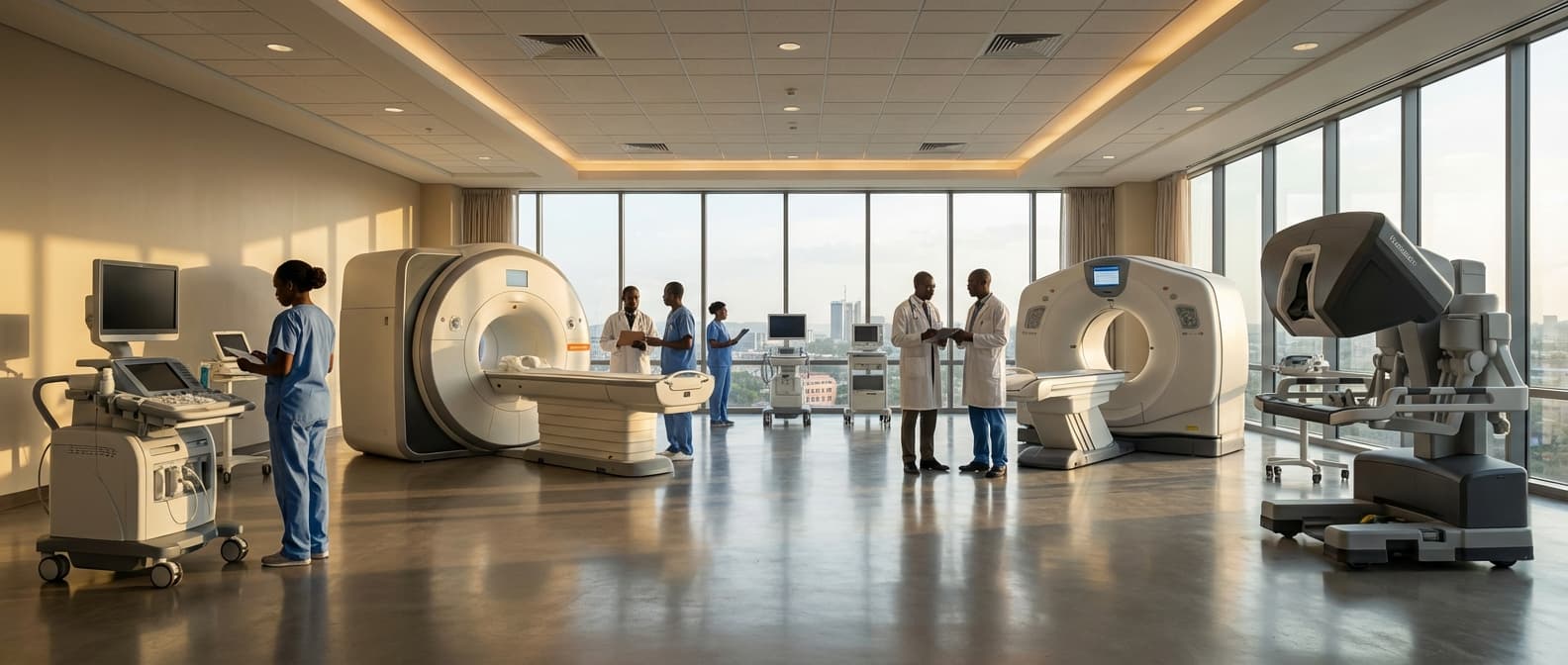
Life Support & Consumables in Tunisia
Engineering Excellence & Technical Support
Reliable supply of essential medical consumables and life support equipment ensuring uninterrupted, quality patient care delivery. High-standard technical execution following OEM protocols and local regulatory frameworks.
Emergency Oxygen Supply Initiative
Successfully implemented a nationwide initiative to secure and distribute emergency oxygen cylinders across all Tunisian healthcare facilities, ensuring immediate availability during critical shortages and significantly improving patient outcomes for respiratory distress.
Vaccine Cold Chain Enhancement
Engineered and deployed an advanced cold chain management system for vaccine distribution throughout Tunisia, utilizing real-time temperature monitoring and specialized logistics, thereby maintaining vaccine efficacy and expanding access to vital immunizations nationwide.
Pharmaceutical Stockpile Optimization
Developed and implemented a predictive analytics model for pharmaceutical inventory management across Tunisian hospitals, optimizing stock levels of essential life-saving medications and consumables, reducing waste, and guaranteeing uninterrupted supply chains for critical treatments.
What Is Life Support & Consumables In Tunisia?
Life Support & Consumables in Tunisia refers to the provision of essential resources and services required to maintain human physiological functions and operational continuity in environments where self-sufficiency is not feasible. This encompasses a broad spectrum of products and logistical support, ranging from medical supplies and nutritional provisions to energy sources and waste management solutions. The primary objective is to ensure the health, safety, and sustained performance of individuals or groups operating in remote, austere, or critical situations. This service is crucial for organizations and individuals facing prolonged deployments, emergency responses, or operating in areas with limited infrastructure and resource availability. The scope of services is highly adaptable, tailored to the specific demands of the operational context, and often involves complex supply chain management and specialized expertise.
| Service/Item | Definition | Who Needs It | Typical Use Cases |
|---|---|---|---|
| Medical Supplies and Pharmaceuticals | Procurement, storage, and distribution of prescription drugs, over-the-counter medications, bandages, sterile equipment, and diagnostic tools. | Healthcare providers in remote clinics, military personnel, aid workers, expatriates, and individuals with chronic conditions. | Medical emergencies, routine healthcare, pre-deployment medical kits, remote medical facilities, disaster relief operations. |
| Food and Water | Provision of safe, nutritious food supplies (shelf-stable, fresh, or frozen) and potable water, including water purification and distribution systems. | Individuals and groups in areas with limited access to food and clean water, including military units, humanitarian organizations, construction sites, and disaster-affected populations. | Sustaining personnel during extended field operations, emergency food and water distribution, catering for remote workforces, establishing temporary settlements. |
| Sanitation and Waste Management | Services related to waste disposal (solid, liquid, hazardous), portable sanitation facilities, and hygiene products to maintain environmental health and prevent disease. | Organizations and individuals operating in environments lacking established waste infrastructure, including remote work camps, temporary settlements, and disaster zones. | Managing biohazardous waste, providing portable toilets and handwashing stations, ensuring hygienic living conditions in field environments, post-disaster sanitation. |
| Personal Protective Equipment (PPE) | Supply of equipment designed to protect individuals from hazards, such as masks, gloves, protective suits, eye protection, and respiratory devices. | Workers in hazardous environments, emergency responders, healthcare professionals, and individuals operating in contaminated or high-risk areas. | Protecting against chemical, biological, radiological, and nuclear (CBRN) threats, infection control, industrial safety, wildfire response. |
| Shelter and Environmental Control | Provision of temporary or semi-permanent structures, heating, ventilation, and air conditioning (HVAC) systems to ensure a safe and habitable environment. | Personnel deployed in austere climates or operating in damaged facilities, including military forces, aid organizations, and temporary workforce housing. | Establishing field hospitals, setting up refugee camps, providing climate-controlled work environments in extreme temperatures, emergency shelter. |
| Power Generation and Fuel | Supply of generators, batteries, solar power systems, and fuels (e.g., diesel, gasoline, propane) to ensure continuous energy availability. | Any operation requiring consistent power in areas with unreliable or absent grid infrastructure, including remote bases, communication hubs, and field command centers. | Powering life support systems, communication networks, operational equipment, lighting, and climate control in remote locations, backup power solutions. |
Key Components of Life Support & Consumables in Tunisia
- Medical Supplies and Pharmaceuticals
- Food and Water (Potable & Potable Water Treatment)
- Sanitation and Waste Management
- Personal Protective Equipment (PPE)
- Shelter and Environmental Control
- Power Generation and Fuel
- Communication Equipment
- Hygiene and Personal Care Items
- Specialized Equipment (e.g., oxygen, dialysis supplies)
- Logistics and Transportation of Consumables
Who Needs Life Support & Consumables In Tunisia?
This document outlines the target customer segments and relevant departments for the provision of life support and consumables in Tunisia. Understanding these key stakeholders is crucial for effective sales, marketing, and logistical planning.
| Customer Segment | Key Departments/Personnel Involved | Typical Needs (Examples) | Purchase Drivers |
|---|---|---|---|
| Hospitals (Public and Private) | Procurement Department, Pharmacy, Operating Rooms, Intensive Care Units (ICUs), Emergency Departments, Central Sterile Supply Department (CSSD), Various Medical Specialties (Cardiology, Oncology, etc.) | IV fluids, syringes, catheters, surgical disposables, wound care products, diagnostic reagents, respiratory consumables (oxygen masks, tubing), personal protective equipment (PPE) | Patient care quality, cost-effectiveness, regulatory compliance, availability, product reliability |
| Clinics and Specialized Medical Centers | Clinic Management, Medical Staff (Doctors, Nurses), Procurement Officer (if applicable) | Specialized diagnostic kits, minor surgical supplies, consumables for specific treatments (e.g., physiotherapy, dermatology) | Specialization needs, patient volume, budget, convenience |
| Emergency Medical Services (EMS) / Ambulance Services | Operations Management, Procurement, Paramedics, EMTs | First aid supplies, airway management devices, IV supplies, diagnostic tools, defibrillator pads, PPE | Emergency response efficiency, patient safety, durability, ease of use, stock availability |
| Research Laboratories and Institutions | Lab Managers, Principal Investigators, Procurement, Scientists | Reagents, culture media, lab consumables (pipette tips, tubes, plates), sterile filters, specialized chemicals, safety equipment | Research quality, experimental accuracy, specific product requirements, budget, supplier reputation |
| Pharmaceutical Companies | R&D Department, Manufacturing, Quality Control, Procurement | High-purity reagents, specialized lab consumables for drug discovery and testing, sterile packaging materials, quality control consumables | Product development timelines, regulatory standards (GMP), cost of goods, innovation |
| Government Health Agencies and Ministries | Procurement Divisions, Public Health Departments, National Health Programs | Bulk procurement of essential medicines and consumables for public health initiatives, disaster relief supplies, vaccination campaign materials | Public health impact, cost-effectiveness, national tenders, logistical feasibility, strategic supply chains |
| Non-Governmental Organizations (NGOs) | Program Managers, Logistics Officers, Medical Coordinators | Medical supplies for humanitarian aid, primary healthcare programs, specialized medical missions, disaster response | Mission objectives, beneficiary needs, budget constraints, rapid deployment capabilities, partnerships |
| Industrial Sectors | Health & Safety Officers, Environmental Managers, Operations Managers | Workplace safety consumables (first aid kits, PPE), environmental monitoring supplies, specific hygiene products | Workplace safety regulations, operational efficiency, risk mitigation, cost control |
| Veterinary Clinics and Animal Hospitals | Clinic Owners, Veterinarians, Veterinary Nurses, Procurement | Veterinary-specific medications, surgical instruments, wound care, diagnostic consumables, animal care supplies | Animal welfare, specific treatment needs, affordability, specialized products |
Target Customers in Tunisia
- Hospitals (Public and Private)
- Clinics and Specialized Medical Centers
- Emergency Medical Services (EMS) / Ambulance Services
- Research Laboratories and Institutions
- Pharmaceutical Companies (for R&D and manufacturing needs)
- Government Health Agencies and Ministries
- Non-Governmental Organizations (NGOs) involved in healthcare
- Industrial Sectors requiring specific safety or environmental monitoring consumables
- Veterinary Clinics and Animal Hospitals
Life Support & Consumables Process In Tunisia
The workflow for Life Support & Consumables processes in Tunisia, from initial inquiry to final execution, involves several key stages. This process is critical for ensuring that essential supplies and services are available to support operations, personnel, or specific projects within the country. It typically begins with a recognized need or requirement, followed by a formal request, procurement, delivery, and finally, utilization and verification. The specific steps and their order can vary depending on the nature of the consumables or life support, the organization involved, and regulatory requirements in Tunisia.
| Stage | Description | Key Activities/Considerations in Tunisia | Responsible Parties |
|---|---|---|---|
| Inquiry/Requirement Identification | Recognizing a need for specific life support or consumable items. | Identifying personnel, operational, or project requirements; forecasting future needs. | End-users, Project Managers, Operations Teams |
| Needs Assessment & Specification | Detailed definition of the required items, quantities, quality standards, and delivery timelines. | Gathering technical specifications, safety data sheets (SDS), certifications; considering local availability and standards. | Technical Experts, Procurement Specialists, End-users |
| Budgeting & Approval | Allocating financial resources and obtaining necessary organizational approvals. | Estimating costs, seeking budget allocation, securing financial sign-off according to company/organizational policies. | Finance Department, Management, Project Sponsors |
| Procurement/Sourcing | Identifying and selecting suppliers or service providers. | Market research for Tunisian or international suppliers, Request for Quotation (RFQ) / Invitation to Bid (ITB), supplier evaluation based on price, quality, reliability, and local presence. | Procurement Department, Legal Department |
| Contracting & Logistics Planning | Formalizing agreements and planning the movement of goods/services. | Drafting and signing contracts, defining Incoterms, planning transportation routes, warehousing, and storage solutions (considering Tunisian regulations for specific items). | Procurement Department, Legal Department, Logistics Team |
| Importation & Customs Clearance (if applicable) | Navigating Tunisian customs procedures for imported goods. | Preparing import documentation (invoices, packing lists, certificates of origin), understanding Tunisian customs tariffs, duties, and import licenses. Engaging customs brokers. | Logistics Team, Customs Broker, Suppliers |
| Delivery & Warehousing | Receiving and storing the consumables/life support. | Coordinating delivery to designated locations in Tunisia, ensuring proper storage conditions (temperature, security), inventory management. | Logistics Team, Warehouse Personnel |
| Distribution & Issuance | Providing items to end-users or for their intended purpose. | Managing inventory issuance, tracking distribution to specific teams or locations, ensuring proper handling and usage guidelines are followed. | Warehouse Personnel, Site Managers, Team Leads |
| Utilization & Monitoring | The actual use of the consumables/life support and tracking their consumption. | Ensuring effective and efficient use, monitoring consumption rates, identifying potential shortages or wastage. | End-users, Operations Teams, Site Managers |
| Reconciliation & Reporting | Verifying quantities, usage, and financial records. | Stocktaking, comparing actual usage against records, generating consumption reports, identifying discrepancies, and investigating causes. | Warehouse Personnel, Finance Department, Project Managers |
| Payment & Invoicing | Finalizing financial transactions with suppliers. | Processing invoices, verifying against received goods/services, making payments according to contract terms and Tunisian financial regulations. | Finance Department, Accounts Payable |
Key Stages in the Life Support & Consumables Process (Tunisia)
- Inquiry/Requirement Identification
- Needs Assessment & Specification
- Budgeting & Approval
- Procurement/Sourcing
- Contracting & Logistics Planning
- Importation & Customs Clearance (if applicable)
- Delivery & Warehousing
- Distribution & Issuance
- Utilization & Monitoring
- Reconciliation & Reporting
- Payment & Invoicing
Life Support & Consumables Cost In Tunisia
The cost of life support and consumables in Tunisia can vary significantly based on several factors, including the specific type of medical equipment or consumable, brand, supplier, and the geographic location within Tunisia. Generally, prices are quoted in Tunisian Dinars (TND). For critical life support equipment, such as ventilators or dialysis machines, the initial purchase cost can be substantial, often involving imported components which adds to the price due to import duties, shipping, and currency exchange rates. Routine consumables, like sterile bandages, syringes, and IV fluids, tend to have more stable pricing, though bulk purchasing can lead to discounts. Prices can be higher in private healthcare facilities compared to public hospitals, and remote or less developed regions might also see slightly inflated prices due to logistics. Regular maintenance contracts for life support equipment also represent an ongoing cost. While this overview provides general trends, specific quotes from local Tunisian medical suppliers are essential for precise pricing.
| Item Category | Estimated Price Range (TND) | Notes |
|---|---|---|
| Basic Consumables (Syringes, Needles, IV Fluids, Bandages - per unit/small pack) | 1 - 15 TND | Prices vary by volume, brand, and sterile packaging. |
| Disinfectants and Antiseptics (e.g., Isopropyl Alcohol, Antiseptic Wipes - per bottle/pack) | 5 - 25 TND | Concentration and brand are key price determinants. |
| Gloves (Nitrile/Latex - box of 100) | 20 - 50 TND | Bulk purchases can reduce per-box cost. |
| Catheters (Foley, IV - per unit) | 10 - 40 TND | Material and type influence price. |
| Oxygen Cylinders (Rental/Refill) | 50 - 150 TND | Rental fees and refill costs can vary. |
| Simple Patient Monitoring Equipment (e.g., basic thermometer, pulse oximeter) | 50 - 300 TND | Home-use vs. clinical-grade models differ. |
| Advanced Life Support Equipment (e.g., basic ventilator, defibrillator - purchase/lease) | 5,000 - 50,000+ TND | Significant upfront investment; leasing options may be available. Prices are highly variable based on technology and features. |
| Dialysis Consumables (Dialyzers, Tubing - per session) | 100 - 300 TND | Often managed by dialysis centers; prices can be part of a service package. |
Key Factors Influencing Life Support & Consumables Costs in Tunisia
- Type of Equipment/Consumable
- Brand and Quality
- Supplier and Distribution Network
- Import Duties and Taxes
- Shipping and Logistics Costs
- Currency Exchange Rates
- Public vs. Private Healthcare Sector
- Geographic Location within Tunisia
- Bulk Purchasing Power
- Maintenance and Service Contracts
Affordable Life Support & Consumables Options
Navigating the costs associated with life support and consumables can be a significant concern for individuals and healthcare providers. This document outlines valuable strategies and options to ensure affordability without compromising essential care. We explore the concept of 'value bundles' – curated packages of services and supplies designed for cost-effectiveness – and detail various cost-saving approaches that can be implemented.
| Value Bundle Type | Included Items/Services | Potential Cost Savings | Ideal For |
|---|---|---|---|
| Basic Respiratory Support Bundle | Oxygen tubing, nasal cannulas, oxygen masks, humidifier bottles | 10-15% off individual item pricing, streamlined ordering | Patients requiring continuous or intermittent oxygen therapy |
| Wound Care Essentials Bundle | Sterile gauze pads, adhesive bandages, antiseptic wipes, medical tape | 12-18% off individual item pricing, convenience of having core supplies readily available | Individuals with chronic wounds or post-operative recovery needs |
| Enteral Feeding Starter Kit | Feeding tubes, syringes, sterile water, cleaning supplies | 15-20% off individual item pricing, bundled convenience for new enteral feeding patients | Patients initiating or managing enteral nutrition |
| Home Dialysis Supply Package | Dialysis solution bags, tubing sets, sterile wipes, gloves | Negotiated volume discounts, predictable monthly costs | Patients undergoing home hemodialysis or peritoneal dialysis |
| Critical Care Equipment Rental Package | Ventilator, patient monitor, infusion pump (rental) | Avoids large capital expenditure, includes maintenance and support | Hospitals, clinics, or individuals with temporary critical care needs |
Cost-Saving Strategies for Life Support & Consumables
- Bulk Purchasing: Negotiate discounts for larger quantity orders of consumables. This can significantly reduce per-unit costs.
- Subscription Services: Explore subscription models offered by suppliers for regular delivery of consumables. These often come with reduced pricing and predictable budgeting.
- Generic & Alternative Brands: Investigate the availability and efficacy of high-quality generic or alternative brands for consumables. Often, these offer the same performance at a lower price point.
- Preventative Maintenance: Regular maintenance of life support equipment can prevent costly breakdowns and extend the lifespan of devices, reducing replacement expenses.
- Rental vs. Purchase Analysis: For specific, short-term or intermittent needs, evaluate whether renting life support equipment is more cost-effective than purchasing.
- Inventory Management Optimization: Implement robust inventory management systems to avoid overstocking and minimize waste due to expiration or obsolescence.
- Energy Efficiency: For equipment that consumes significant energy, consider energy-efficient models to reduce ongoing operational costs.
- Waste Reduction & Recycling: Implement programs to reduce waste of consumables and explore recycling options where applicable to offset disposal costs.
- Negotiation & Comparison Shopping: Actively negotiate prices with suppliers and consistently compare offers from different vendors to secure the best deals.
- Leveraging Insurance & Assistance Programs: Thoroughly understand insurance coverage and explore government or charitable assistance programs that may subsidize the cost of life support and consumables.
Verified Providers In Tunisia
In the realm of healthcare, especially when seeking services abroad, trust and verified credentials are paramount. Tunisia has emerged as a significant destination for medical tourism, attracting individuals from around the globe. Within this landscape, Franance Health stands out as a key facilitator, connecting patients with a network of highly qualified and verified healthcare providers. Understanding their credentialing process and the benefits it offers is crucial for anyone considering medical treatment in Tunisia. Franance Health's commitment to thorough vetting ensures that all affiliated doctors, clinics, and hospitals meet stringent international standards for quality, safety, and patient care. This meticulous approach provides patients with the peace of mind that they are receiving treatment from experienced professionals in well-equipped facilities, ultimately representing the best choice for their health journey.
| Provider Type | Franance Health Verification Criteria | Benefits for Patients |
|---|---|---|
| Doctors/Surgeons | Valid Medical License, Board Certification, Specialized Training, Years of Experience, Peer Reviews | Access to highly skilled specialists, reduced risk of medical errors, confidence in expertise |
| Hospitals/Clinics | Accreditation (e.g., JCI, ISO), Modern Equipment, Advanced Technology, Strict Hygiene Protocols, Qualified Nursing Staff | Safe and sterile environment, access to state-of-the-art treatment facilities, efficient patient care |
| Ancillary Services (e.g., Labs, Imaging) | Accreditation, Calibration of Equipment, Quality Control Measures, Trained Technicians | Accurate diagnostic results, reliable pre-operative assessments, timely information for treatment planning |
Why Franance Health Credentials Represent the Best Choice for Verified Providers in Tunisia:
- Rigorous Vetting Process: Franance Health employs a multi-faceted verification system that goes beyond basic qualifications. This includes verifying medical licenses, board certifications, and specialized training of all affiliated practitioners.
- Emphasis on Experience and Specialization: They prioritize providers with proven track records and extensive experience in their respective fields, ensuring patients are matched with the most suitable experts for their specific medical needs.
- Adherence to International Standards: All accredited facilities and professionals are assessed for their compliance with international healthcare standards, including safety protocols, hygiene practices, and quality of care, often aligning with European and American benchmarks.
- Commitment to Patient Safety and Ethical Practices: Franance Health ensures that all their partners adhere to the highest ethical standards in patient care, including informed consent, confidentiality, and transparent communication.
- Comprehensive Facility Assessment: Beyond individual practitioners, Franance Health thoroughly inspects and verifies the infrastructure, equipment, and technological capabilities of all affiliated clinics and hospitals to guarantee optimal treatment environments.
- Continuous Quality Monitoring: Their commitment doesn't end with initial verification. Franance Health actively monitors the performance and patient feedback of their network to maintain consistent high standards.
Scope Of Work For Life Support & Consumables
This document outlines the Scope of Work for Life Support & Consumables, detailing the technical deliverables and standard specifications required for their procurement and integration.
| Item | Technical Deliverable | Standard Specifications |
|---|---|---|
| Environmental Control System | Atmospheric monitoring and regulation unit | Oxygen levels: 20.9% ± 1%; Nitrogen levels: 78.1% ± 1%; Carbon Dioxide levels: < 0.5%; Temperature: 20-25°C; Humidity: 40-60%; Pressure: 1 atm ± 0.05 atm. Must be certified to ISO 14644 standards. |
| Waste Management System | Solid and liquid waste processing unit | Minimum processing capacity of X liters/day. Must achieve Y% reduction in volume. Certified to EPA and relevant waste disposal standards. Must include odor control mechanisms. |
| Water Purification System | Potable water generation and purification unit | Must produce water meeting WHO drinking water standards. Minimum output of Z liters/day. Must include multi-stage filtration and UV sterilization. Power consumption below A kWh/day. |
| Food Rations | Nutritionally complete meal packages | Each ration pack to provide at least 2500 kcal and meet recommended daily allowances for macronutrients and micronutrients. Shelf life of at least 5 years. All ingredients to be non-GMO and free from allergens as specified in Annex B. |
| Medical Supplies | Emergency medical kit | Comprehensive kit including bandages, antiseptics, pain relievers, antibiotics, diagnostic tools. All supplies to be FDA approved and within their expiry dates. Specific inventory detailed in Annex C. |
| Breathable Air | Compressed air canisters/oxygen tanks | Purity level of 99.995% for oxygen. Pressure rated to XYZ psi. Standardized valve fittings. Regular inspection and certification required. |
| Hygiene Products | Personal hygiene kits | Includes soap, toothpaste, toothbrushes, sanitizing wipes, and other essential items. Biodegradable and hypoallergenic where possible. Quantities to be supplied based on crew complement and mission duration. |
Scope of Work
- Procurement of all necessary life support systems (e.g., environmental control, waste management, medical equipment).
- Sourcing and supply of all required consumables (e.g., food, water, breathable air, medical supplies, hygiene products).
- Integration and testing of life support systems with existing infrastructure.
- Development and implementation of maintenance and resupply schedules for consumables.
- Establishment of quality control protocols for all life support systems and consumables.
- Training of personnel on the operation and maintenance of life support systems.
- Provision of documentation including user manuals, maintenance logs, and inventory management systems.
- Emergency preparedness planning and contingency measures for life support failures and consumable shortages.
- Compliance with all relevant safety and environmental regulations.
Service Level Agreement For Life Support & Consumables
This Service Level Agreement (SLA) outlines the guaranteed response times and uptime for Life Support and Consumables services. It is designed to ensure continuous operation and timely support for critical life-saving equipment and essential medical supplies.
| Service Category | Uptime Guarantee | Response Time (Critical) | Response Time (High Priority) | Response Time (Standard) |
|---|---|---|---|---|
| Life Support Equipment (Operational) | 99.9% Monthly | 15 minutes | 1 hour | 4 hours |
| Consumables (Critical Stock Availability) | 99.5% Monthly | 30 minutes (for immediate critical shortage) | 2 hours (for reordering critical items) | 8 business hours (for standard stock replenishment) |
| Remote Support/Troubleshooting | N/A | 30 minutes | 1 hour | 4 hours |
Key Definitions
- Life Support Equipment: Devices and systems critical for maintaining patient life, including but not limited to ventilators, dialysis machines, infusion pumps, and cardiac monitors.
- Consumables: Disposable items essential for the operation of life support equipment and patient care, such as ventilator tubing, dialysis filters, IV bags, and surgical masks.
- Downtime: Any period during which Life Support Equipment is non-operational or Consumables are unavailable to the point of impacting patient care.
- Response Time: The maximum allowable time from the initiation of a support request to the first acknowledgment and engagement by a qualified support technician.
- Uptime Guarantee: The minimum percentage of time that Life Support Equipment and the availability of critical Consumables are guaranteed to be operational and accessible.
Frequently Asked Questions

Ready when you are
Let's scope your Life Support & Consumables in Tunisia project in Tunisia.

Scaling healthcare logistics and technical systems across the entire continent.