
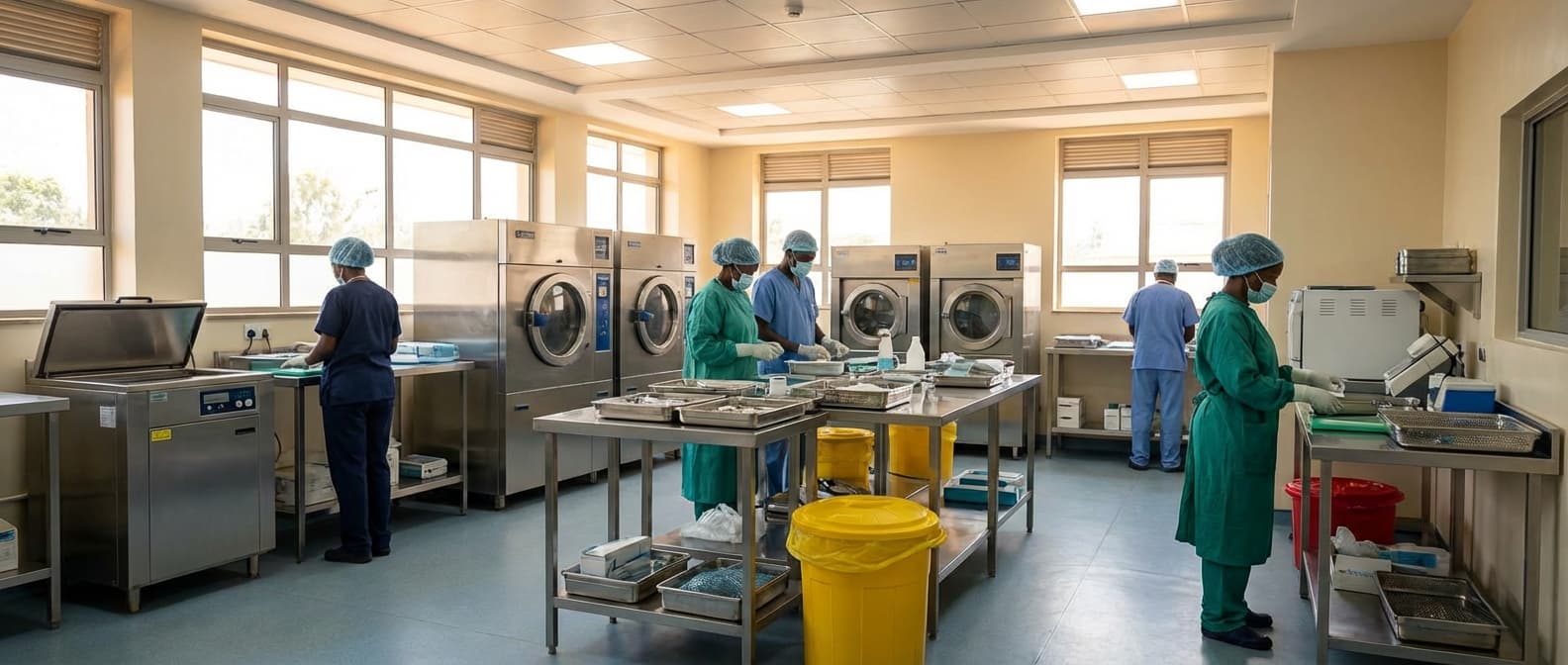
Medical Equipment Decontamination Service (Pre-Repair/Pre-Relocation) in Togo
Engineering Excellence & Technical Support
Medical Equipment Decontamination Service (Pre-Repair/Pre-Relocation) High-standard technical execution following OEM protocols and local regulatory frameworks.
Advanced Biological Hazard Containment
Our state-of-the-art decontamination protocols utilize advanced containment systems and validated cleaning agents to effectively neutralize a broad spectrum of biological hazards, ensuring the highest safety standards for medical equipment before repair or relocation in Togo.
Validated Chemical Efficacy & Residue Analysis
We employ meticulously validated chemical decontamination agents proven for their efficacy against pathogens. Post-treatment, rigorous residue analysis confirms the complete removal of all cleaning agents, preventing interference with repair processes and ensuring equipment integrity.
Secure & Compliant Pre-Service Logistics
We provide a secure, end-to-end logistics solution for transporting medical equipment to and from our decontamination facilities. Our process adheres to all national and international transportation regulations for biohazardous materials, guaranteeing safe and compliant transit for your valuable assets.
What Is Medical Equipment Decontamination Service (Pre-repair/pre-relocation) In Togo?
Medical Equipment Decontamination Service (Pre-Repair/Pre-Relocation) in Togo refers to the specialized process of cleaning, disinfecting, and/or sterilizing medical devices and equipment prior to their submission for repair, refurbishment, or relocation within healthcare facilities. This service is crucial for preventing the transmission of infectious agents, protecting personnel (both those performing the repair/move and subsequent users), and ensuring the integrity of the equipment during these transitional phases. The decontamination process adheres to established national and international guidelines for biohazard containment and infection control.
| Who Needs Medical Equipment Decontamination Service (Pre-Repair/Pre-Relocation)? | Typical Use Cases |
|---|---|
| Hospitals and Clinics (Public and Private): Requiring decontamination for equipment sent to in-house biomedical engineering departments or external repair vendors. | Scheduled maintenance of diagnostic imaging equipment (e.g., X-ray, ultrasound machines, CT scanners). |
| Specialized Medical Centers (e.g., Surgical Centers, Dental Clinics, Laboratories): For reusable instruments and devices being prepared for repair or relocation within their facilities. | Repair of surgical instruments (e.g., forceps, scalpels, retractors). |
| Diagnostic Laboratories: For analytical equipment and instruments undergoing repair or relocation. | Relocation of anesthesia machines or ventilators to different hospital wards or departments. |
| Medical Equipment Manufacturers/Distributors: As part of their service agreements for maintenance, repair, or refurbishment of devices returned by end-users. | Refurbishment of patient monitoring systems for resale or redeployment. |
| Third-Party Biomedical Service Providers: Offering specialized decontamination as a prerequisite for their repair services. | Decontamination of endoscopes before sending them for internal component repair. |
| Healthcare Facilities undergoing renovations or closures: Requiring comprehensive decontamination of all equipment before storage or transfer to new locations. | Preparation of laboratory centrifuges or incubators for transport to a new facility. |
Key Components of Medical Equipment Decontamination Service (Pre-Repair/Pre-Relocation)
- Initial Assessment and Classification: Evaluating the type of equipment, its intended use, potential bioburden, and the nature of any contamination.
- Pre-Cleaning/Gross Soil Removal: Mechanical removal of visible biological debris, fluids, and particulate matter using appropriate cleaning agents and tools.
- Disinfection: Application of chemical disinfectants (e.g., alcohols, quaternary ammonium compounds, peracetic acid) to reduce the microbial load to a safe level, targeting specific pathogens as indicated by the equipment's history.
- Sterilization (where applicable): For critical or semi-critical devices, employing validated methods like autoclaving (steam sterilization), ethylene oxide sterilization, or hydrogen peroxide plasma sterilization to eliminate all viable microorganisms, including spores.
- Rinsing and Drying: Thorough rinsing with sterile or filtered water to remove residual cleaning/disinfecting agents, followed by appropriate drying to prevent microbial regrowth.
- Packaging and Labeling: Secure packaging of the decontaminated equipment to maintain its sterile or clean state during transit and storage. Clear labeling indicating the decontamination status and date is essential.
- Documentation: Meticulous record-keeping of the decontamination process, including agents used, exposure times, personnel involved, and test results (if applicable), to ensure traceability and compliance.
Who Needs Medical Equipment Decontamination Service (Pre-repair/pre-relocation) In Togo?
Medical Equipment Decontamination Service (Pre-Repair/Pre-Relocation) in Togo plays a crucial role in ensuring the safety and efficiency of healthcare operations. Before medical devices can be safely repaired or relocated, they must undergo thorough decontamination to remove biological contaminants, reducing the risk of infection transmission and protecting maintenance personnel. This service is vital for a range of healthcare facilities and organizations operating within Togo's medical landscape.
| Customer Type | Key Departments Involved | Specific Needs/Reasons for Decontamination |
|---|---|---|
| Hospitals (Public and Private) | Biomedical Engineering Department, Central Sterile Supply Department (CSSD), Operating Rooms, Intensive Care Units (ICUs), Diagnostic Imaging Departments | Ensuring safe handling by biomedical technicians during repair. Preventing cross-contamination during equipment transfer between departments or to external repair facilities. Maintaining sterile environments. |
| Clinics and Health Centers | Clinical Staff, Administrative Staff | Safe removal of equipment for repair or replacement. Protecting staff and patients from potential biohazards. |
| Laboratories (Medical and Diagnostic) | Laboratory Technicians, Biosafety Officers | Decontamination of analytical instruments and diagnostic equipment before shipment for calibration, repair, or disposal to prevent the spread of infectious agents. |
| Surgical Centers | Surgical Staff, Biomedical Technicians | Essential for surgical instruments and equipment requiring repair to protect surgical teams and maintain sterile protocols. |
| Dental Practices | Dentists, Dental Assistants, Biomedical Technicians | Decontamination of dental chairs, X-ray machines, and other instruments before repair or relocation to prevent exposure to blood-borne pathogens. |
| Emergency Medical Services (EMS) | Paramedics, EMS Technicians, Fleet Managers | Decontamination of life-support equipment (defibrillators, ventilators, monitors) and transport devices before servicing to protect personnel and ensure operational readiness. |
| Non-Governmental Organizations (NGOs) involved in healthcare | Program Managers, Logistics Officers, Healthcare Professionals | Ensuring the safety and compliance of medical equipment used in field operations, especially before sending it for maintenance or redistribution in remote areas. |
| Medical Equipment Suppliers and Distributors | Service and Repair Teams, Logistics and Warehousing Staff | Decontamination of equipment returned by clients for repair, warranty service, or refurbishment to protect their staff and maintain a controlled inventory. |
Target Customers and Departments Requiring Medical Equipment Decontamination Service (Pre-Repair/Pre-Relocation) in Togo:
- Hospitals (Public and Private)
- Clinics and Health Centers
- Laboratories (Medical and Diagnostic)
- Surgical Centers
- Dental Practices
- Emergency Medical Services (EMS)
- Non-Governmental Organizations (NGOs) involved in healthcare
- Medical Equipment Suppliers and Distributors (for returned or exchanged items)
Medical Equipment Decontamination Service (Pre-repair/pre-relocation) Process In Togo
This document outlines the comprehensive workflow for the Medical Equipment Decontamination Service (Pre-Repair/Pre-Relocation) in Togo. This service is crucial for ensuring the safety of technicians, patients, and the environment by eliminating biohazardous materials from medical equipment before it undergoes repair or relocation. The process begins with an initial inquiry and concludes with the successful decontamination and release of the equipment.
| Stage | Description | Key Activities | Responsible Party | Potential Challenges | |||||
|---|---|---|---|---|---|---|---|---|---|
| Inquiry and Initial Assessment | The client (hospital, clinic, or repair service) contacts the decontamination service provider to request the service for specific medical equipment. This stage involves understanding the type of equipment, its intended use, and any known contaminants. | Receive inquiry, gather equipment details (type, model, serial number), understand intended service (repair/relocation), inquire about known biohazards. | Client, Decontamination Service Provider (DSP) | Lack of detailed information about equipment history, unclear understanding of contamination risks. | |||||
| Quotation and Agreement | Based on the initial assessment, the DSP provides a detailed quotation outlining the scope of work, methodology, timeline, and associated costs. Upon agreement, a formal contract or service level agreement (SLA) is established. | Prepare quotation, present quotation to client, negotiate terms, finalize contract/SLA, schedule service. | DSP, Client | Discrepancies in pricing expectations, delays in contract finalization. | |||||
| Equipment Collection and Transportation | The DSP arranges for the safe and secure collection of the medical equipment from the client's premises. Proper packaging and transportation protocols are followed to prevent secondary contamination during transit. | Schedule collection, ensure appropriate packaging materials, use designated transport vehicles, adhere to transport regulations for hazardous materials. | DSP | Logistical challenges (traffic, accessibility), damage to equipment during transit, improper packaging. | |||||
| Decontamination Procedure | This is the core stage where the medical equipment is subjected to approved decontamination methods. The specific process depends on the type of equipment and the identified contaminants. This may involve chemical disinfection, autoclaving, or other validated sterilization techniques. | Perform risk assessment of contaminants, select appropriate decontamination agents/methods, execute decontamination protocols, monitor process parameters (temperature, time, concentration), ensure complete coverage of surfaces. | DSP | Effectiveness of decontamination against specific pathogens, compatibility of decontamination agents with equipment materials, ensuring all areas are reached (e.g., internal components). | Quality Control and Verification | After the decontamination procedure, rigorous quality control measures are implemented to verify the effectiveness of the process. This may include visual inspection, microbial testing, or validation using indicator organisms. | Visual inspection for cleanliness, microbial sampling (if applicable), use of biological/chemical indicators, review of process logs. | DSP | False negatives in testing, limitations of testing methods, cost of advanced verification techniques. |
| Documentation and Certification | Upon successful decontamination and verification, the DSP provides comprehensive documentation. This typically includes a decontamination certificate, a detailed report of the procedure performed, and any relevant test results. This certification is vital for the subsequent repair or relocation process. | Generate decontamination certificate, prepare service report, compile all relevant data, issue certificate to client. | DSP | Inaccurate or incomplete documentation, delays in issuing certificates, ensuring compliance with regulatory requirements. | |||||
| Equipment Return and Handover | The decontaminated medical equipment is returned to the client or the designated repair/relocation facility. A formal handover process ensures that the client receives the equipment and all accompanying documentation. | Schedule return transportation, ensure safe handling of equipment, obtain client acknowledgment of receipt, transfer all documentation. | DSP, Client | Miscommunication regarding delivery, loss of documentation during handover, client not present for receipt. |
Key Stages of Medical Equipment Decontamination Service in Togo
- Inquiry and Initial Assessment
- Quotation and Agreement
- Equipment Collection and Transportation
- Decontamination Procedure
- Quality Control and Verification
- Documentation and Certification
- Equipment Return and Handover
Medical Equipment Decontamination Service (Pre-repair/pre-relocation) Cost In Togo
The cost of medical equipment decontamination services in Togo, particularly for pre-repair or pre-relocation purposes, can vary significantly. This specialized service is crucial for ensuring the safety of technicians and the integrity of the equipment itself. Several factors influence the final price, making it challenging to provide a single, definitive cost. These factors include the type and size of the medical equipment, the level of contamination, the specific decontamination method employed, and the location within Togo. While a precise price list is difficult to ascertain without a specific quotation, understanding these influencing factors allows for an estimation of cost ranges and the rationale behind them. It is always recommended to obtain multiple quotes from reputable service providers in Togo for accurate pricing.
| Equipment Category | Estimated Cost Range (XOF) - Per Unit | Notes |
|---|---|---|
| Small Diagnostic/Therapeutic Devices (e.g., BP monitors, thermometers, portable ultrasound probes) | 15,000 - 40,000 | Basic disinfection, less complex. |
| Medium-Sized Laboratory Equipment (e.g., centrifuges, microscopes, smaller analyzers) | 30,000 - 80,000 | May involve specific chemical treatments, moderate complexity. |
| Large Diagnostic/Imaging Equipment (e.g., X-ray machines, EKG machines, some endoscopes) | 70,000 - 200,000+ | Requires more specialized techniques and potentially multiple technicians. Contamination level is a major driver here. |
| Complex Surgical or Life Support Equipment (e.g., ventilators, anesthesia machines, surgical robots) | 100,000 - 300,000+ | High risk of biohazard, intricate internal components, requires highly specialized protocols and trained personnel. Costs can escalate significantly based on contamination severity. |
Factors Influencing Medical Equipment Decontamination Costs in Togo
- Type and Size of Equipment: Larger and more complex medical devices (e.g., MRI machines, CT scanners, large laboratory analyzers) naturally require more time, resources, and specialized knowledge for decontamination compared to smaller, simpler equipment (e.g., stethoscopes, blood pressure monitors).
- Level of Contamination: The extent and nature of contamination play a critical role. Equipment heavily contaminated with biohazardous materials, chemicals, or radioactive substances will necessitate more rigorous and specialized decontamination protocols, increasing the cost.
- Decontamination Method: Different methods have varying costs. Common methods include chemical disinfection, steam sterilization, high-level disinfection, and in some cases, more advanced techniques like UV-C light or specialized gaseous decontamination for certain materials. The cost of the chemicals, equipment, and time involved in each method differs.
- Location and Accessibility: The geographic location of the equipment within Togo can impact costs due to transportation expenses for the decontamination team and their equipment. Furthermore, if the equipment is located in a remote or difficult-to-access area, this can add to the logistical costs.
- Urgency of Service: Rush or emergency decontamination services will typically incur higher fees than scheduled appointments.
- Certification and Expertise: Service providers with specialized certifications in medical equipment decontamination and experienced technicians may command higher prices due to their proven expertise and adherence to safety standards.
- Disposal of Contaminated Materials: The cost of safely and legally disposing of any contaminated materials or waste generated during the decontamination process is often factored into the overall service charge.
Affordable Medical Equipment Decontamination Service (Pre-repair/pre-relocation) Options
This document outlines affordable medical equipment decontamination services designed for pre-repair and pre-relocation needs. These services are crucial for ensuring the safety of technicians, healthcare professionals, and the environment by removing biohazardous materials and contaminants. We offer value bundles and cost-saving strategies to make essential decontamination accessible and budget-friendly.
| Bundle Name | Services Included | Ideal For | Estimated Savings |
|---|---|---|---|
| Essential Clean | Surface disinfection, removal of visible contaminants | Low-risk equipment, routine cleaning before minor repairs | 10-15% |
| Advanced Decon | Essential Clean + targeted biohazard removal, basic sterilization | Moderate-risk equipment, pre-repair for equipment with potential bioburden | 15-20% |
| Complete Sterilization | Advanced Decon + high-level disinfection/sterilization processes | High-risk equipment, pre-repair for critical devices, pre-relocation of sensitive instruments | 20-25% |
| Relocation Ready | Complete Sterilization + specialized packaging and labeling for transport | Equipment requiring safe and compliant transport to a new location | Bundle discount on combined services |
Value Bundles & Cost-Saving Strategies
- Tiered Decontamination Packages: Offering different levels of cleaning and sterilization based on equipment type and contamination risk.
- Volume Discounts: Reduced per-unit cost for larger quantities of equipment requiring decontamination.
- Scheduled Service Agreements: Predictable pricing and priority scheduling for regular decontamination needs.
- Off-Peak Service Options: Discounted rates for decontamination services scheduled during non-peak hours or weekends.
- Bundled Repair & Decontamination: Integrating decontamination with repair services for streamlined logistics and potential cost savings.
- Remote Consultation & Assessment: Initial consultation via video or photos to provide a more accurate quote and potentially reduce on-site visit costs.
- Standardized Decontamination Protocols: Utilizing efficient, validated methods to reduce service time and associated labor costs.
Verified Providers In Togo
In Togo's burgeoning healthcare sector, identifying reliable and accredited medical facilities is paramount for both residents and international visitors. "Verified Providers in Togo" highlights organizations and services that have undergone rigorous credentialing processes, ensuring adherence to high standards of quality, safety, and ethical practice. Among these, Franance Health stands out as a premier choice due to its comprehensive credentialing, commitment to patient-centered care, and dedication to improving health outcomes across Togo. Their accreditation signifies a deep understanding of local health needs coupled with a global perspective on healthcare excellence.
| Credentialing Aspect | Franance Health's Compliance | Benefits for Patients |
|---|---|---|
| Licensing and Regulatory Compliance | Fully compliant with Togolese Ministry of Health regulations and international healthcare standards. | Ensures services are legally recognized and meet baseline quality requirements. |
| Clinical Governance and Quality Management | Implements robust quality assurance programs, peer review, and continuous improvement cycles. | Guarantees consistent, high-quality care and reduces the risk of medical errors. |
| Professional Staff Credentials | Verifies all medical professionals' qualifications, certifications, and ongoing professional development. | Assures patients they are being treated by competent and up-to-date practitioners. |
| Infrastructure and Equipment Standards | Maintains facilities and medical equipment that meet international safety and efficacy benchmarks. | Provides access to advanced diagnostic tools and safe treatment environments. |
| Patient Rights and Responsibilities | Adheres to policies that protect patient confidentiality, informed consent, and access to information. | Empowers patients, fosters trust, and ensures respectful treatment. |
| Infection Prevention and Control | Implements strict protocols for hygiene, sterilization, and waste management. | Minimizes the risk of healthcare-associated infections. |
Why Franance Health is the Best Choice:
- Rigorous Accreditation Standards: Franance Health meets and often exceeds national and international accreditation benchmarks.
- Commitment to Patient Safety: Stringent protocols and continuous quality improvement initiatives are central to their operations.
- Experienced and Qualified Professionals: Their network comprises highly trained and specialized healthcare practitioners.
- Patient-Centered Approach: Emphasis on personalized care, clear communication, and patient empowerment.
- Technological Integration: Adoption of modern medical technologies for enhanced diagnostics and treatment.
- Community Health Focus: Active involvement in public health initiatives and accessible healthcare services.
- Ethical Practices and Transparency: Upholding the highest ethical standards in all aspects of service delivery.
- Comprehensive Service Offering: Catering to a wide range of medical needs, from primary care to specialized treatments.
Scope Of Work For Medical Equipment Decontamination Service (Pre-repair/pre-relocation)
This Scope of Work (SOW) outlines the requirements for providing medical equipment decontamination services prior to repair or relocation. The service ensures that medical equipment is rendered safe for handling, transport, and subsequent maintenance or placement, mitigating risks of biological contamination for personnel and the environment. The decontamination process will adhere to industry best practices and relevant regulatory guidelines. The technical deliverables include a detailed decontamination report and a certificate of decontamination. Standard specifications cover the decontamination agents, methods, equipment, and quality control measures.
| Category | Standard Specification | Details/Notes | ||||
|---|---|---|---|---|---|---|
| Decontamination Agents | EPA-registered and/or FDA-approved disinfectants or sterilants | Agents must be effective against a broad spectrum of microorganisms, including bacteria, viruses, fungi, and potentially prions (depending on equipment risk assessment). Specific agent selection may be based on equipment material compatibility and manufacturer recommendations. | ||||
| Decontamination Methods | Appropriate physical and chemical methods | Methods will be tailored to the equipment type and its intended use. Examples include: |
|
|
|
|
| Equipment Handling | Safe and controlled handling procedures | Personnel will wear appropriate Personal Protective Equipment (PPE), including gloves, gowns, eye protection, and respiratory protection as dictated by the risk assessment and decontamination agents used. Equipment will be handled to prevent cross-contamination. | ||||
| Material Compatibility | Agent selection to prevent damage to equipment materials | Decontamination agents will be chosen to avoid corrosion, degradation, or alteration of equipment components, surfaces, or electronic parts. Manufacturer recommendations will be consulted. | ||||
| Contact Time and Temperature | Adherence to manufacturer's or regulatory guidelines | Decontamination agents will be allowed to remain in contact with surfaces for the minimum required contact time as specified by the agent's label or relevant guidelines, at ambient or specified temperatures. | ||||
| Pre-Cleaning | Removal of visible soil and organic debris | Prior to disinfection/sterilization, equipment will undergo a thorough pre-cleaning step to remove gross contamination. This may involve washing with detergent and water or using specialized cleaning solutions. | ||||
| Rinsing (if applicable) | Removal of residual decontamination agents | If required by the decontamination agent, equipment will be rinsed thoroughly with sterile or clean water to remove any residue that could be harmful or interfere with subsequent operations. | ||||
| Drying | Thorough drying to prevent microbial growth | Equipment will be dried completely using lint-free cloths or air-drying methods to prevent the re-establishment of microbial growth in damp environments. | ||||
| Quality Control | Verification of decontamination effectiveness | Visual inspection for cleanliness. May include ATP testing or other microbiological assays in high-risk scenarios or as specified. | ||||
| Documentation and Labeling | Clear labeling and record-keeping | Decontaminated equipment will be clearly labeled as 'Decontaminated' with the date and name/initials of the technician. All service activities will be meticulously documented. | ||||
| Waste Management | Proper containment, handling, and disposal of contaminated waste | All waste generated during the decontamination process (e.g., used wipes, PPE, cleaning solutions) will be handled and disposed of in accordance with local, state, and federal regulations for biohazardous waste. | ||||
| Personnel Training | Trained and qualified decontamination personnel | All personnel performing decontamination services will have received appropriate training on infection control, hazardous materials handling, and the specific decontamination procedures and agents being used. |
Technical Deliverables
- Decontamination Report: A comprehensive report detailing the decontamination process for each piece of equipment, including:
- Equipment identification (model, serial number)
- Dates of decontamination
- Decontamination agent(s) used and concentrations
- Method(s) employed (e.g., surface wiping, immersion, fogging)
- Contact time and temperature parameters
- Any observed issues or deviations
- Personnel involved
- Certificate of Decontamination: A formal certificate issued for each decontaminated piece of equipment, confirming that it has undergone the specified decontamination process and is considered safe for repair/relocation.
- Waste Disposal Manifests (if applicable): Documentation for the proper disposal of any contaminated consumables or waste materials generated during the decontamination process.
Service Level Agreement For Medical Equipment Decontamination Service (Pre-repair/pre-relocation)
This Service Level Agreement (SLA) outlines the response times and uptime guarantees for the Medical Equipment Decontamination Service (Pre-Repair/Pre-Relocation) provided by [Your Company Name] to [Client Name]. This agreement is effective as of [Start Date] and remains in effect until [End Date].
| Service Event | Response Time Guarantee | Uptime Guarantee |
|---|---|---|
| Pre-Repair Decontamination Request | Within 4 business hours of confirmed service request (phone or email). | N/A (Service is performed at a specific point in time, not continuous uptime). |
| Pre-Relocation Decontamination Request | Within 8 business hours of confirmed service request (phone or email). | N/A (Service is performed at a specific point in time, not continuous uptime). |
Scope of Service
- Decontamination of medical equipment prior to repair by a third-party service provider.
- Decontamination of medical equipment prior to relocation to a new facility or area within the client's premises.
- Adherence to all relevant infection control protocols and industry best practices.
- Provision of a decontamination certificate upon completion of service.
Frequently Asked Questions

Ready when you are
Let's scope your Medical Equipment Decontamination Service (Pre-Repair/Pre-Relocation) in Togo project in Togo.

Scaling healthcare logistics and technical systems across the entire continent.