
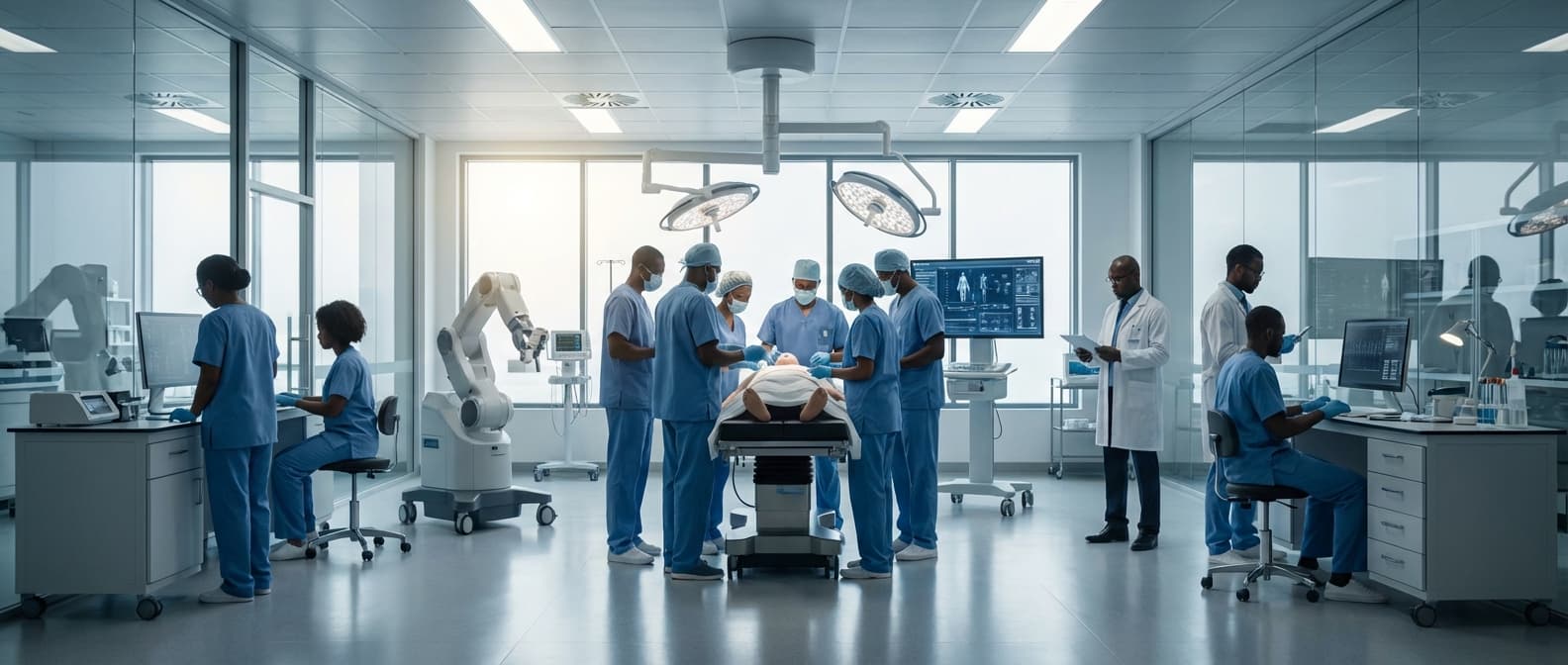
Calibration & Electrical Safety Testing in Togo
Engineering Excellence & Technical Support
Equipment calibration and IEC safety testing High-standard technical execution following OEM protocols and local regulatory frameworks.
Certified Calibration Services
We provide accredited calibration for a wide range of electrical test equipment, ensuring compliance with international standards and guaranteeing the accuracy and reliability of your measurements in Togo. Our certified technicians utilize state-of-the-art equipment and adhere to strict protocols.
Comprehensive Electrical Safety Testing
Safeguard your operations and personnel with our expert electrical safety testing services. We conduct thorough inspections and tests (PAT, insulation resistance, earth continuity, etc.) according to Togolese regulations, identifying potential hazards and ensuring a safe working environment.
Advanced Diagnostic & Troubleshooting
Beyond routine calibration, our skilled engineers offer advanced diagnostic and troubleshooting for complex electrical issues. We leverage precise testing techniques to pinpoint root causes, minimize downtime, and optimize the performance of your critical electrical assets in Togo.
What Is Calibration & Electrical Safety Testing In Togo?
Calibration and electrical safety testing are critical compliance and quality assurance services essential for ensuring the accuracy, reliability, and safe operation of electrical equipment and instruments within Togo. Calibration involves the comparison of a measuring instrument or electrical device against a known standard to verify its accuracy and adjust it if necessary. Electrical safety testing, on the other hand, assesses the insulation integrity, earthing effectiveness, and overall safety of electrical installations and equipment to prevent electric shock, fire hazards, and other electrical accidents. These services are mandated by national regulations and international standards to protect personnel, ensure product quality, and maintain operational integrity in various industrial, commercial, and healthcare settings.
| Service | Description | Who Needs It | Typical Use Cases |
|---|---|---|---|
| Calibration | Verifying and adjusting measuring instruments and electrical devices against recognized standards to ensure accuracy and traceability. | Manufacturing plants, laboratories (research, quality control, medical), utilities, telecommunications companies, and any organization using measurement equipment. | Ensuring accuracy of process control instruments (e.g., temperature, pressure sensors), calibrating medical diagnostic equipment, verifying the accuracy of test and measurement equipment, maintaining product quality standards. |
| Electrical Safety Testing | Assessing electrical installations and equipment for compliance with safety regulations to prevent electrical hazards. | All businesses operating electrical equipment, healthcare facilities, educational institutions, construction sites, public venues, and employers responsible for workplace safety. | Periodic inspection of fixed electrical installations, testing of portable electrical appliances (PAT testing), verification of medical electrical equipment safety, ensuring safety of machinery and industrial control panels, electrical safety audits for compliance. |
Key Aspects of Calibration and Electrical Safety Testing in Togo
- Calibration Process: Involves traceable measurement standards, documented procedures, generation of calibration certificates detailing measurement results and uncertainties, and adjustment of instruments to meet specified tolerances.
- Electrical Safety Testing: Encompasses a suite of tests including insulation resistance testing, earth continuity testing, protective earthing conductor resistance testing, touch current measurement, and high-potential (hipot) testing.
- Regulatory Compliance: Adherence to Togolese national standards, potentially harmonized with international standards (e.g., IEC, ISO), is a primary driver for these services.
- Risk Mitigation: Aims to identify and rectify potential electrical hazards, thereby reducing the risk of accidents, equipment damage, and operational downtime.
- Quality Assurance: Ensures that equipment performs within defined parameters, which is crucial for product quality, process control, and scientific research.
- Preventative Maintenance: Regular calibration and safety checks contribute to a proactive maintenance strategy, extending equipment lifespan and preventing costly failures.
Who Needs Calibration & Electrical Safety Testing In Togo?
Calibration and electrical safety testing are crucial services for ensuring the accuracy, reliability, and safety of equipment and systems across various sectors in Togo. These services are not just a regulatory requirement in many cases but are essential for operational efficiency, preventing costly breakdowns, and protecting lives. The demand for these services is driven by a need for precision in measurement, adherence to international standards, and the imperative of safe electrical operation.
| Customer Type | Key Departments/Functions Requiring Testing | Rationale for Testing |
|---|---|---|
| Manufacturing and Industrial Facilities | Quality Control, Production, Maintenance, R&D | Ensuring product quality, process accuracy, equipment reliability, worker safety, compliance with industry standards. |
| Healthcare Institutions (Hospitals, Clinics, Labs) | Biomedical Engineering, Clinical Laboratories, Radiology, Operating Theatres | Patient safety (medical device accuracy and safety), diagnostic accuracy, regulatory compliance (medical device standards). |
| Telecommunications Companies | Network Operations, Field Services, Equipment Maintenance | Signal integrity, accurate performance of testing equipment, network reliability, electrical safety of infrastructure. |
| Research and Development Laboratories | All laboratory functions | Accuracy of experimental results, integrity of research data, safe operation of laboratory equipment. |
| Educational Institutions (Universities, Technical Schools) | Science Departments, Engineering Faculties, Technical Workshops | Ensuring accuracy in teaching and research, student safety in practical sessions, equipment longevity. |
| Food and Beverage Producers | Quality Assurance, Production, Process Control | Product safety and quality, compliance with food safety regulations, accurate process monitoring. |
| Energy and Utilities Sector (Power generation, distribution) | Operations, Maintenance, Grid Management, Safety Departments | Reliability of power supply, accurate metering, safety of personnel and public, compliance with electrical safety regulations. |
| Construction and Engineering Firms | Quality Assurance, Site Management, Surveying Departments | Accuracy of surveying equipment, safety of electrical installations on site, compliance with building codes. |
| Government Agencies and Public Services (e.g., Metrology, Standards Bodies) | Metrology Labs, Standards Enforcement, Public Health Departments | National metrological traceability, enforcement of standards, public safety oversight. |
| Automotive and Transportation Sector | Workshops, Maintenance Departments, Testing Facilities | Accurate diagnostics, vehicle safety, compliance with automotive standards. |
| Agricultural Operations | Irrigation Systems, Soil Testing Labs, Processing Units | Accurate environmental monitoring, efficient resource management, product quality in processing. |
Target Customers and Departments in Togo Requiring Calibration & Electrical Safety Testing
- Manufacturing and Industrial Facilities
- Healthcare Institutions
- Telecommunications Companies
- Research and Development Laboratories
- Educational Institutions
- Food and Beverage Producers
- Energy and Utilities Sector
- Construction and Engineering Firms
- Government Agencies and Public Services
- Automotive and Transportation Sector
- Agricultural Operations
Calibration & Electrical Safety Testing Process In Togo
This document outlines the standard workflow for Calibration and Electrical Safety Testing services in Togo, from the initial customer inquiry to the final execution of the services and delivery of reports. The process is designed to ensure accuracy, compliance, and customer satisfaction.
| Step | Description | Responsible Party | Key Deliverables/Outcomes |
|---|---|---|---|
| 1.1 Inquiry Received | Customer contacts the service provider (e.g., via phone, email, website form) with a request for calibration and/or electrical safety testing of specific equipment. | Customer | Request for service |
| 1.2 Information Gathering | Service provider gathers details about the equipment (type, model, serial number, current calibration status if applicable), quantity, required tests, desired turnaround time, and location for service. | Service Provider & Customer | Detailed understanding of service requirements |
| 1.3 Technical Consultation & Scope Definition | A technical expert may be involved to clarify specific testing needs, standards to be met (e.g., IEC, national Togolese standards), and provide recommendations. The exact scope of work is defined. | Service Provider | Agreed-upon scope of work |
| 1.4 Quotation Preparation | Based on the gathered information and defined scope, a detailed quotation is prepared, including service fees, any material costs, travel expenses (if on-site), and estimated completion time. | Service Provider | Formal quotation/proposal |
| 1.5 Quotation Review & Acceptance | Customer reviews the quotation. If accepted, the customer provides a purchase order or written confirmation. | Customer | Purchase Order (PO) or written acceptance |
| 2.1 Service Scheduling | Once the PO is received, the service provider schedules the testing, coordinating with the customer for the most convenient date and time, considering equipment availability and technician schedules. | Service Provider | Confirmed service schedule |
| 2.2 Resource Allocation | The necessary calibration equipment, testing instruments, software, and qualified personnel are assigned to the job. | Service Provider | Assigned resources |
| 2.3 Pre-Site Preparation (if applicable) | For on-site services, necessary permissions, access arrangements, and safety checks are coordinated with the customer's facility management. | Service Provider & Customer | Site access and safety protocols confirmed |
| 3.1 Equipment Arrival & Identification | If tested in the lab, equipment is received, logged, and identified. For on-site, technicians arrive at the designated location. | Service Provider | Equipment logged/Technician present |
| 3.2 Pre-Testing Checks | Visual inspection of equipment for any damage, loose connections, or obvious faults. Initial functional checks are performed. | Service Provider | Pre-testing report/notes |
| 3.3 Calibration Process | The equipment is tested against known traceable standards using specialized calibration equipment. Adjustments are made if necessary to bring the equipment within specified tolerances. | Service Provider | Calibration data recorded |
| 3.4 Electrical Safety Testing | Tests such as earth continuity, insulation resistance, touch current, and hi-pot tests are performed according to relevant safety standards. | Service Provider | Electrical safety test results recorded |
| 3.5 Post-Testing Verification | After adjustments or testing, the equipment is re-tested to ensure it now meets the required specifications and safety standards. | Service Provider | Verification results recorded |
| 4.1 Data Analysis & Report Compilation | All collected calibration and safety test data is analyzed. A comprehensive report is generated, detailing the tests performed, results, pass/fail status, uncertainties, and any adjustments made. | Service Provider | Draft calibration and safety report |
| 4.2 Certificate/Report Generation | A formal calibration certificate and/or electrical safety test report, along with any applicable tags or stickers, are prepared. These documents are often traceable to national or international standards. | Service Provider | Final Calibration Certificate and/or Electrical Safety Test Report |
| 4.3 Quality Assurance Review | The generated reports and certificates are reviewed by a qualified individual within the service provider's organization to ensure accuracy and compliance. | Service Provider | Approved reports and certificates |
| 4.4 Report & Certificate Delivery | The final reports and certificates are delivered to the customer (electronically or physically) along with the calibrated/tested equipment (if applicable). | Service Provider | Delivery of final documentation |
| 5.1 Invoicing | An invoice for the completed services is issued to the customer. | Service Provider | Service Invoice |
| 5.2 Payment Processing | Customer processes payment according to the agreed terms. | Customer | Payment received |
| 5.3 Record Keeping | The service provider maintains detailed records of the testing, calibration, and reports for future reference and traceability. | Service Provider | Archived service records |
| 5.4 Follow-up & Support | The service provider may follow up with the customer to ensure satisfaction and answer any questions. Information regarding re-calibration or re-testing schedules may be provided. | Service Provider | Customer satisfaction; future service reminders |
Calibration & Electrical Safety Testing Process in Togo Workflow
- Phase 1: Inquiry & Quotation
- Phase 2: Planning & Scheduling
- Phase 3: On-site Execution (if applicable) or Lab-based Testing
- Phase 4: Report Generation & Certification
- Phase 5: Post-Service & Follow-up
Calibration & Electrical Safety Testing Cost In Togo
Calibration and electrical safety testing are crucial for ensuring the reliability, accuracy, and safety of equipment in Togo. These services are often performed by specialized laboratories or qualified technicians. The cost can vary significantly based on several factors, making it important to understand these influences when budgeting. Prices are typically quoted in West African CFA Franc (XOF).
| Service Type | Estimated Price Range (XOF) | Notes |
|---|---|---|
| Basic Electrical Safety Testing (per device/outlet) | 5,000 - 15,000 | Includes common tests like insulation resistance, earth continuity for standard electrical outlets or appliances. |
| Calibration of Basic Measuring Instruments (e.g., Multimeter, pH Meter) | 10,000 - 30,000 | Per instrument. Price varies by accuracy requirements and traceability. |
| Calibration of Industrial/Laboratory Equipment (e.g., Temperature Controllers, Pressure Gauges) | 20,000 - 100,000+ | Per instrument. Highly dependent on the complexity and accuracy of the instrument. May include on-site services. |
| Comprehensive Electrical Safety Audit (small to medium business) | 100,000 - 500,000+ | Covers multiple points within a facility. Price depends on the size and number of electrical points to be tested. |
| On-site Calibration/Testing Surcharge | 15,000 - 50,000+ | Per technician per day, plus potential travel and accommodation costs depending on location. |
| Issuance of Accredited Calibration Certificate | Included in higher-tier services or an additional 5,000 - 20,000 per certificate | For internationally recognized traceability. |
Key Pricing Factors for Calibration & Electrical Safety Testing in Togo
- Type of Equipment: Different instruments and electrical devices have varying complexities, requiring specialized tools and expertise for calibration and testing. A simple thermometer will cost less than a complex industrial testing device.
- Number of Instruments: The more items you need tested, the more likely you are to receive a volume discount. However, the overall cost will naturally increase.
- Calibration Standard/Accuracy Required: The level of precision required for the calibration (e.g., traceable to international standards vs. internal company standards) significantly impacts the cost. Higher accuracy demands more rigorous procedures and certified equipment.
- Complexity of Testing: Basic electrical safety tests (e.g., insulation resistance, earth continuity) are generally less expensive than comprehensive diagnostic tests or performance evaluations.
- Urgency of Service: Expedited services often come with a premium. Standard turnaround times are usually more cost-effective.
- Location of Service: If testing needs to be conducted on-site at your facility, travel costs for technicians and any necessary permits or access fees can add to the overall expense.
- Provider's Reputation and Certification: Highly reputable and certified laboratories may charge more due to their established expertise, accreditations, and the quality of their equipment and personnel.
- Age and Condition of Equipment: Older or damaged equipment may require more time and effort to test, potentially increasing the cost.
- Specific Tests Required: Some tests are inherently more time-consuming and resource-intensive than others. Clarifying the exact tests needed is vital for accurate quotes.
- Calibration Certificates and Documentation: The provision of detailed, accredited calibration certificates will often be a separate line item or included in a higher service tier.
Affordable Calibration & Electrical Safety Testing Options
Ensuring your electrical equipment is calibrated and safe is crucial for accurate measurements, efficient operation, and regulatory compliance. However, the costs associated with these services can sometimes be a concern for businesses, especially smaller ones. Fortunately, there are several affordable calibration and electrical safety testing options available, often unlocked through smart purchasing strategies like value bundles and proactive cost-saving measures. This guide explores how to get the best value for your investment.
| Strategy | Description | Potential Savings | Considerations |
|---|---|---|---|
| Bundled Services | Combining calibration and electrical safety testing for multiple equipment types into one service agreement. | 10-20% reduction on individual service costs. | Ensure the bundle covers all your essential needs. |
| Annual Contracts | Committing to a provider for a year or more for all your calibration and testing requirements. | Up to 25% discount on standard rates. | Flexibility in contract terms and potential for price adjustments. |
| Preventive Maintenance Integration | Scheduling calibration/testing alongside routine equipment maintenance. | Reduced travel costs for technicians, improved efficiency. | Requires coordinated scheduling between maintenance and calibration teams. |
| Volume Discounts | Testing or calibrating a large quantity of similar equipment at once. | Tiered pricing based on volume, e.g., 5-15% off for larger batches. | Requires a consolidated inventory of equipment needing service. |
| On-Site Services | Having technicians come to your facility for calibration and testing. | Saves downtime and shipping costs compared to sending equipment away. | May have minimum service call fees; best for multiple items. |
| DIY Basic Checks | Performing simple visual inspections and basic continuity tests in-house. | Cost of basic testing equipment and personnel time, significantly less than professional service. | Not a substitute for accredited calibration or advanced safety testing. |
Understanding Value Bundles and Cost-Saving Strategies
- Value Bundles: Many calibration and testing providers offer discounted pricing when you combine multiple services or commit to a longer-term contract. These bundles can significantly reduce the per-unit cost.
- Preventive Maintenance Programs: Integrating calibration and safety testing into a broader preventive maintenance schedule can be more cost-effective than reactive, one-off services.
- In-House vs. Outsourced: Evaluate the feasibility and cost-benefit of performing some basic electrical safety checks in-house, while outsourcing complex calibration needs.
- Volume Discounts: Negotiate better rates for larger volumes of equipment tested or calibrated at a single time or over a period.
- Off-Peak Scheduling: Inquire about potential discounts for scheduling services during non-peak hours or seasons.
- Leveraging Technology: Explore calibration management software that can help track your equipment, schedule calibrations efficiently, and potentially identify opportunities for consolidation.
- Comparison Shopping: Always compare quotes from multiple reputable providers to ensure you're getting competitive pricing.
- Accreditation & Traceability: While focusing on cost, don't compromise on the importance of accredited calibrations (e.g., ISO 17025) and traceability to national standards. This ensures the validity of your results.
Verified Providers In Togo
When seeking healthcare services in Togo, particularly those requiring specialized expertise or advanced treatments, identifying verified providers is paramount. Franance Health stands out as a beacon of trust and quality, offering a network of credentialed professionals and facilities that represent the best choice for your health needs. Their rigorous vetting process ensures that every listed provider meets the highest international standards for medical competency, ethical practice, and patient safety.
| Category | Franance Health's Advantage | What This Means for You |
|---|---|---|
| Credentialing Rigor | Franance Health employs a multi-layered verification process that includes academic qualifications, professional licenses, board certifications, and a review of practice history. | You can be confident that the doctors and facilities you access through Franance Health possess the necessary expertise and are fully authorized to practice. |
| Specialized Expertise | Franance Health focuses on identifying and partnering with providers who excel in specific medical fields, from cardiology and oncology to neurology and advanced surgical procedures. | This ensures you are connected with the right specialist for your unique health condition, leading to more accurate diagnoses and effective treatments. |
| Patient Safety Protocols | Providers associated with Franance Health are held to strict patient safety standards, including adherence to infection control, emergency preparedness, and evidence-based medical practices. | Your well-being is prioritized through a commitment to safe and effective healthcare delivery. |
| Ethical Practice Standards | Franance Health's network includes healthcare professionals who demonstrate a strong commitment to ethical conduct, patient confidentiality, and respectful communication. | You can expect compassionate and trustworthy care throughout your medical journey. |
| International Standards Alignment | Franance Health ensures that its partner providers in Togo adhere to or exceed recognized international healthcare standards. | This offers reassurance that you are receiving care comparable to that offered in leading global healthcare systems. |
Why Franance Health Providers in Togo are the Best Choice:
- Unwavering commitment to quality assurance and patient safety.
- Access to a curated network of highly qualified and experienced medical professionals.
- Transparent credentialing process, ensuring providers meet rigorous standards.
- Focus on ethical medical practices and patient-centered care.
- Facilitation of seamless access to specialized medical treatments and diagnostics.
- Peace of mind knowing you are in the hands of trusted and verified experts.
Scope Of Work For Calibration & Electrical Safety Testing
This Scope of Work (SOW) outlines the requirements for comprehensive calibration and electrical safety testing services to ensure the accuracy, reliability, and safety of specified electrical equipment. The services include scheduled calibration, post-repair verification, and routine electrical safety assessments. The objective is to maintain equipment performance within defined specifications and comply with relevant safety standards.
| Service Type | Description | Frequency/Trigger | Key Performance Indicators (KPIs) | Standard Specifications/References |
|---|---|---|---|---|
| Calibration | Verification and adjustment of measuring instruments to ensure accuracy against traceable standards. | Annually, or as per manufacturer recommendation, post-significant repair, or when performance is suspected to be out of tolerance. | Measurement Uncertainty (MU) within specified limits, Accuracy traceable to national/international standards (e.g., NIST, NPL), Pass/Fail rate of calibrated items. | ISO/IEC 17025, ANSI/NCSL Z540-1, Manufacturer's Calibration Procedures. |
| Electrical Safety Testing | Assessment of electrical equipment to verify compliance with safety standards, preventing electric shock, fire, and other hazards. | Annually, or as per regulatory requirements, post-repair, or when equipment is relocated or modified. | Ground Bond resistance within specified limits (e.g., < 0.1 Ohm), Insulation Resistance (IR) exceeding minimum threshold (e.g., > 1 M Ohm), Leakage Current (Earth, Enclosure, Patient) within allowable limits, Dielectric Withstand Voltage (Hipot) maintained without breakdown. | IEC 60601 series (Medical), IEC 61010 series (Measurement, Control, and Laboratory), UL 60601, OSHA General Industry Standards, NFPA 70E (Arc Flash Safety). |
| Post-Repair Verification | Testing performed after equipment repair or maintenance to confirm it meets original performance and safety specifications. | Following any repair or maintenance activity on electrical equipment. | Successful completion of relevant calibration and safety tests, restoration of original performance parameters, no new faults identified. | Manufacturer's Service Manuals, Relevant Calibration and Safety Standards. |
| Documentation and Reporting | Provision of detailed reports for all calibration and safety testing activities. | Upon completion of each service activity. | Certificates of Calibration including measured values, uncertainties, and traceability. Electrical Safety Test Reports detailing test parameters, results, and pass/fail status. Detailed repair logs. | ISO 9001 Quality Management Systems, Customer-specific reporting requirements. |
Key Equipment for Calibration & Electrical Safety Testing
- Multimeters (DMMs, True RMS)
- Oscilloscopes (Digital, Analog)
- Power Supplies (DC, AC)
- Signal Generators (Function, Arbitrary Waveform)
- LCR Meters
- Spectrum Analyzers
- Network Analyzers
- Temperature Calibrators
- Pressure Calibrators
- Electrical Safety Analyzers (Hipot Testers, Ground Bond Testers)
- Environmental Chambers
- Torque Wrenches (for electrical connectors)
Service Level Agreement For Calibration & Electrical Safety Testing
This Service Level Agreement (SLA) outlines the terms and conditions regarding the response times and uptime guarantees for Calibration and Electrical Safety Testing services provided by [Your Company Name] to [Client Company Name].
| Service | Response Time (for critical issues) | Uptime Guarantee | Definition of Uptime |
|---|---|---|---|
| Calibration | 4 Business Hours (for scheduled re-calibration due to critical failure or emergency need) | N/A (Calibration is a scheduled service and not directly subject to 'uptime') | N/A |
| Electrical Safety Testing | 8 Business Hours (for emergency testing requests due to reported safety concerns) | 100% (for testing services availability) | The service will be available for scheduling and execution of tests during agreed-upon business hours, excluding scheduled maintenance and force majeure events. |
Scope of Services
- Calibration of specified equipment.
- Electrical Safety Testing (PAT Testing) of specified equipment.
Frequently Asked Questions

Ready when you are
Let's scope your Calibration & Electrical Safety Testing in Togo project in Togo.

Scaling healthcare logistics and technical systems across the entire continent.