
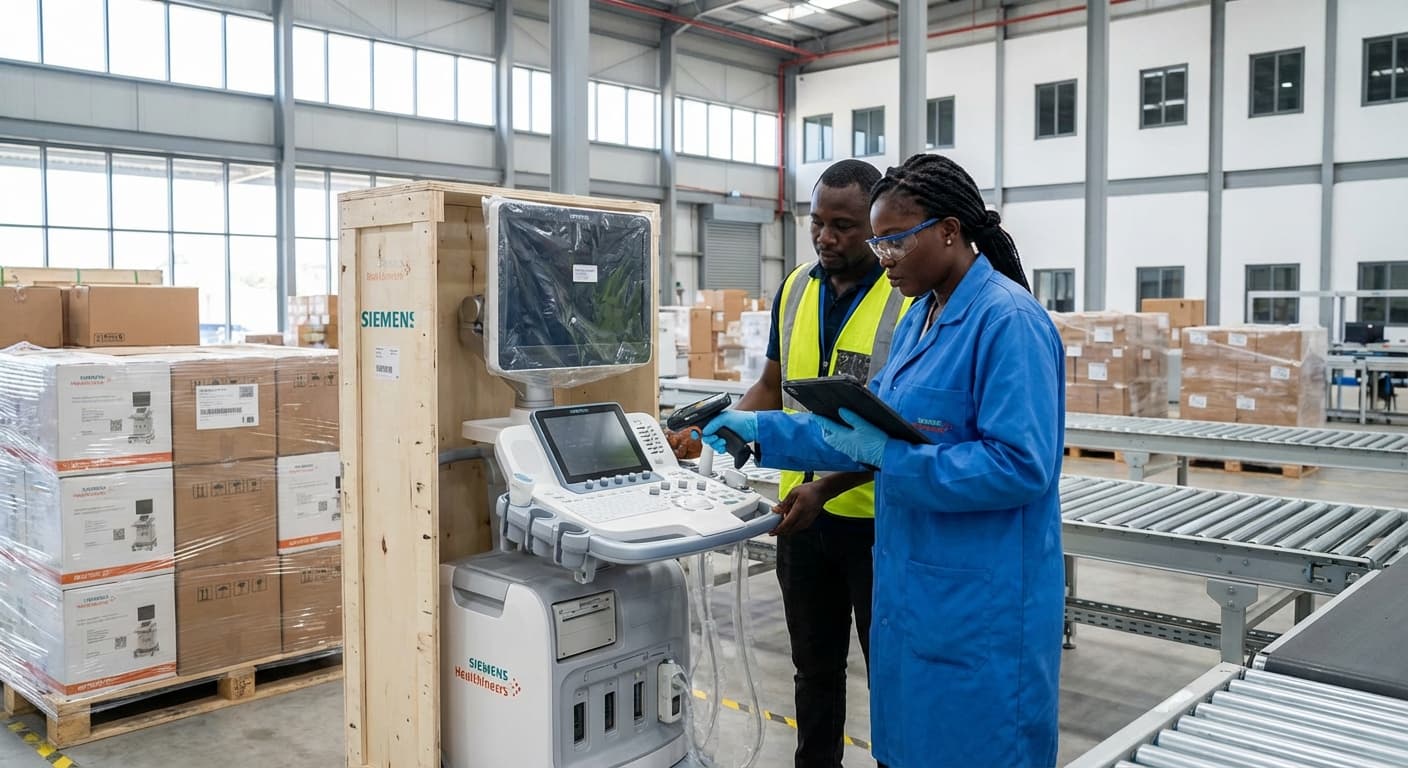
Warehouse Receiving Inspection Service (Medical Equipment) in Tanzania
Engineering Excellence & Technical Support
Warehouse Receiving Inspection Service (Medical Equipment) High-standard technical execution following OEM protocols and local regulatory frameworks.
End-to-End Traceability for Medical Equipment
Our rigorous receiving inspection service ensures complete, verifiable traceability of all medical equipment from the moment it enters your Tanzanian facility. We meticulously record serial numbers, batch details, and supplier information, providing an auditable trail essential for regulatory compliance and inventory management.
Advanced Defect Detection and Calibration Verification
Leveraging specialized tools and trained personnel, our service goes beyond visual checks to identify microscopic defects, verify crucial calibration settings, and confirm adherence to manufacturer specifications for all incoming medical equipment. This proactive approach prevents potential operational failures and ensures patient safety from the outset.
Compliance Assurance with Tanzanian Healthcare Standards
We are deeply familiar with Tanzania's specific healthcare regulations and quality standards for medical equipment. Our receiving inspection process is designed to guarantee that all incoming items meet these stringent requirements, mitigating risks of non-compliance, fines, and operational disruptions within your Tanzanian healthcare setting.
What Is Warehouse Receiving Inspection Service (Medical Equipment) In Tanzania?
Warehouse Receiving Inspection Service (Medical Equipment) in Tanzania refers to a specialized quality assurance process conducted upon the arrival of medical equipment into a designated warehouse facility. This service systematically verifies that the received medical equipment conforms to pre-defined specifications, regulatory requirements, and contractual obligations before it is accepted into storage and subsequently distributed. The objective is to mitigate risks associated with receiving incorrect, damaged, substandard, or counterfeit medical equipment, thereby ensuring patient safety, operational efficiency, and compliance with national health regulations.
| Stakeholder | Need for Service | Typical Use Cases |
|---|---|---|
| Ministry of Health, Community Development, Gender, Elderly and Children (MoHCDGEC) and its Agencies (e.g., TFDA): | To ensure that procured medical equipment meets national quality standards, regulatory requirements, and is safe for public use. Supports public health infrastructure integrity and efficient resource allocation. | Inspection of bulk procurements of medical equipment for public hospitals and health centers; verification of imported medical devices prior to market release; auditing of warehouse operations for medical supplies. |
| Public and Private Hospitals/Healthcare Facilities: | To guarantee the receipt of accurate, functional, and compliant medical equipment that meets their specific clinical needs and procurement specifications. Prevents operational disruptions and financial losses due to faulty equipment. | Receiving new diagnostic equipment, surgical instruments, patient monitoring systems, or general medical consumables; verifying replacement parts for existing medical machinery. |
| Medical Equipment Suppliers and Distributors: | To ensure they fulfill contractual obligations and deliver correct, undamaged, and compliant products to their clients. Facilitates smooth acceptance and payment processes. | Confirming the quality and accuracy of shipments before releasing them to end-users; internal quality control at their distribution centers. |
| Non-Governmental Organizations (NGOs) and International Aid Organizations: | To ensure that donated or procured medical equipment for humanitarian projects in Tanzania is fit for purpose, safe, and aligns with project requirements. | Inspection of medical supplies for disease control programs; verification of equipment for mobile clinics or specialized medical missions. |
| Logistics and Warehousing Companies (handling medical equipment): | To provide a value-added service to their clients and ensure the integrity of the medical equipment stored and handled within their facilities, adhering to specialized storage and handling protocols. | Offering specialized receiving and inspection services as part of their third-party logistics (3PL) offering for medical equipment; ensuring compliance with temperature-controlled storage requirements upon receipt. |
Key Components of Warehouse Receiving Inspection Service for Medical Equipment:
- Pre-shipment Documentation Review: Verification of all accompanying documents, including purchase orders, invoices, packing lists, certificates of origin, quality certificates, and relevant regulatory approvals (e.g., Tanzania Food and Drugs Authority - TFDA registration).
- Physical Inspection: Visual examination of the equipment for any signs of damage, defects, or tampering during transit. This includes checking packaging integrity, seals, and overall appearance.
- Quantity Verification: Cross-referencing the received items against the packing list and purchase order to ensure accurate quantities of each medical equipment model and accessory.
- Identity and Specification Confirmation: Confirming that the received equipment matches the ordered model numbers, specifications, serial numbers, and manufacturer details as per the procurement documents.
- Functional Testing (where applicable): Performing basic operational checks to ensure the equipment powers on and basic functions operate as intended. More in-depth performance testing may be conducted depending on the criticality of the equipment and the service scope.
- Accessory and Consumable Verification: Ensuring all specified accessories, spare parts, user manuals, and necessary consumables are present and in acceptable condition.
- Traceability and Labeling Check: Verifying that equipment is correctly labeled with manufacturer information, model numbers, serial numbers, expiry dates (if applicable), and any unique identifiers required for tracking.
- Compliance Verification: Ensuring adherence to relevant Tanzanian standards, TFDA regulations, and any other specified international or national quality standards for medical devices.
- Non-Conformance Reporting: Documenting and reporting any discrepancies, damages, or non-compliance issues identified during the inspection process, facilitating prompt resolution with suppliers.
- Data Recording and Archiving: Maintaining detailed records of all inspection findings, including photographic evidence, for audit trails and future reference.
Who Needs Warehouse Receiving Inspection Service (Medical Equipment) In Tanzania?
In Tanzania, a robust warehouse receiving inspection service for medical equipment is crucial for ensuring the quality, safety, and efficacy of vital healthcare supplies. This service plays a pivotal role in safeguarding public health by verifying that incoming medical devices meet stringent standards before they are deployed into the healthcare system. Without proper inspection, substandard or faulty equipment could lead to misdiagnosis, ineffective treatment, patient harm, and significant financial losses due to premature equipment failure or recalls. Therefore, organizations involved in the procurement, distribution, and utilization of medical equipment are the primary beneficiaries and essential clients of such a service.
| Customer Type | Key Departments Involved | Reason for Needing Inspection Service |
|---|---|---|
| Government Ministries (e.g., Ministry of Health) | Procurement Unit, National Medical Stores (NMS), Quality Assurance Department | Ensuring compliance with national standards, public health safety, efficient use of taxpayer money, preventing the entry of counterfeit or substandard equipment into the public health system. |
| Public Hospitals (Referral, Regional, District) | Procurement Department, Biomedical Engineering, Quality Control, Clinical Heads of Departments | Verifying equipment functionality, safety for patient use, adherence to tender specifications, avoiding operational disruptions due to faulty equipment. |
| Private Hospitals and Clinics | Procurement Manager, Operations Manager, Clinical Directors, Quality Assurance | Maintaining high standards of patient care, protecting reputation, ensuring investment in reliable equipment, compliance with regulatory requirements. |
| Medical Equipment Suppliers/Distributors | Quality Assurance Team, Logistics Department, Sales Department | Ensuring that imported/distributed goods meet manufacturer specifications and regulatory requirements before delivery to clients, managing supplier reputation, reducing post-sale issues. |
| NGOs and International Aid Organizations | Program Managers, Logistics Officers, Procurement Specialists | Guaranteeing that donated/procured equipment is fit for purpose, safe for beneficiaries, and aligns with project objectives, demonstrating accountability to donors. |
| Research & Educational Institutions | Procurement Office, Departmental Heads, Lab Technicians | Ensuring accuracy and reliability of equipment for research and teaching, preventing damage to sensitive experiments or learning outcomes. |
Target Customers and Departments for Warehouse Receiving Inspection Service (Medical Equipment) in Tanzania
- Government Ministries and Agencies: These entities are responsible for national health strategies, procurement of bulk medical supplies, and oversight of public healthcare facilities.
- Hospitals and Healthcare Facilities: Ranging from large public referral hospitals to smaller private clinics and specialized medical centers, these are the end-users of the medical equipment.
- Medical Equipment Suppliers and Distributors: Companies that import, locally assemble, or distribute medical equipment across Tanzania.
- Non-Governmental Organizations (NGOs) and International Aid Organizations: Many NGOs and international bodies are involved in supporting healthcare initiatives and providing medical equipment to underserved areas.
- Research and Educational Institutions: Universities and medical research centers that utilize specialized medical equipment for teaching and scientific advancement.
- Procurement and Logistics Departments: Responsible for the purchasing, warehousing, and distribution of medical equipment.
- Quality Assurance and Control Departments: Tasked with ensuring that all procured items meet defined quality standards.
- Biomedical Engineering Departments: Often involved in the technical assessment and maintenance of medical equipment.
- Infection Prevention and Control Departments: Ensuring that equipment meets necessary safety and hygiene standards.
- Clinical Departments (e.g., Radiology, Cardiology, Surgery): The specific clinical units that will ultimately use the inspected equipment and have a vested interest in its functionality and safety.
Warehouse Receiving Inspection Service (Medical Equipment) Process In Tanzania
This document outlines the typical workflow for a Warehouse Receiving Inspection Service for Medical Equipment in Tanzania, from the initial client inquiry through the successful execution of the inspection. This process is crucial for ensuring the quality, safety, and compliance of medical devices upon arrival in the country, mitigating risks for healthcare providers and patients.
| Stage | Description | Key Activities | Responsible Parties | Deliverables/Outcomes | ||||||||
|---|---|---|---|---|---|---|---|---|---|---|---|---|
| Inquiry and Scoping | The client (e.g., hospital, distributor, government agency) contacts the inspection service provider with a need for receiving inspection of medical equipment. | Client details requirements (type of equipment, quantity, origin, specific concerns). | Service Provider gathers initial information and understands the scope of work. | Initial understanding of the client's needs. | Client, Service Provider | |||||||
| Quotation and Agreement | Based on the inquiry, the service provider prepares a detailed quotation outlining the scope, methodology, timelines, and costs. | Service Provider develops a quotation. | Client reviews and approves the quotation. | Formal agreement/contract is signed. | Detailed quotation. | Signed contract or Letter of Agreement. | Service Provider, Client | |||||
| Pre-Inspection Planning | The service provider meticulously plans the inspection to ensure efficiency and effectiveness. | Review of client-provided documentation (e.g., packing lists, invoices, manufacturer's specifications, import permits). | Identification of relevant standards and regulations (e.g., TMDA regulations, international standards like ISO). | Assignment of qualified inspectors. | Development of an inspection checklist tailored to the specific equipment. | Coordination with the client regarding inspection dates, location, and access requirements. | Pre-inspection meeting (optional) to clarify any details. | Detailed inspection plan and checklist. | Confirmed inspection schedule. | Service Provider, Client | ||
| On-Site Inspection Execution | Qualified inspectors conduct the physical inspection of the medical equipment at the designated warehouse in Tanzania. | Verification of equipment against shipping documents (packing lists, invoices, bills of lading). | Physical examination for damage (packaging, equipment). | Verification of model numbers, serial numbers, and specifications against documentation. | Assessment of quantity received. | Check for essential accessories, manuals, and warranty information. | Functional testing (where applicable and feasible within the scope). | Verification of compliance with any specific local regulatory requirements (e.g., labeling, registration status with TMDA). | Photographic and video documentation of findings. | Comprehensive inspection report (draft or preliminary findings may be shared on-site). | Evidence of inspection (photos, videos). | Service Provider (Inspectors), Client (for access and clarification) |
| Reporting and Documentation | The service provider compiles a comprehensive report detailing all findings from the inspection. | Preparation of the final inspection report, including executive summary, detailed findings, observations, and recommendations. | Inclusion of photographic evidence and any relevant non-conformity reports. | Submission of the report to the client. | Final, detailed inspection report. | Recommendations for corrective actions (if any). | Service Provider, Client | |||||
| Follow-up and Closure | The service provider may assist the client in addressing any identified issues and formally closes the engagement. | Clarification of report findings with the client. | Assistance with non-conformity resolution (e.g., liaising with suppliers, facilitating further testing). | Confirmation of corrective actions taken by the client. | Final closure of the inspection service engagement. | Resolution of identified issues (if applicable). | Closed inspection record. | Service Provider, Client |
Key Stages of the Warehouse Receiving Inspection Service Process
- Inquiry and Scoping
- Quotation and Agreement
- Pre-Inspection Planning
- On-Site Inspection Execution
- Reporting and Documentation
- Follow-up and Closure
Warehouse Receiving Inspection Service (Medical Equipment) Cost In Tanzania
The cost of warehouse receiving inspection services for medical equipment in Tanzania can vary significantly based on several pricing factors. These services are crucial for ensuring that received medical equipment meets quality, safety, and regulatory standards before entering the supply chain. The complexity of the equipment, the volume of inspections, the location of the warehouse, and the required turnaround time all play a role in determining the final price. Tanzanian Shilling (TZS) is the local currency, and costs are typically quoted in this denomination.
| Inspection Service Tier | Typical Scope | Estimated Cost Range (TZS per item/shipment) | Notes |
|---|---|---|---|
| Basic Visual & Documentation Check | Visual inspection for damage, correct quantity, and verification of accompanying documents (e.g., packing list, certificate of origin). | 5,000 - 15,000 TZS | Suitable for low-value, non-critical items. Primarily for initial receipt confirmation. |
| Standard Functional Inspection | Includes basic visual checks, documentation verification, and simple functional testing (e.g., powering on, basic operational checks). | 15,000 - 50,000 TZS | Common for general medical supplies and less complex equipment. Ensures basic operability. |
| Comprehensive Equipment Inspection | Extensive visual inspection, detailed documentation review, thorough functional testing, verification of accessories, and basic calibration checks. | 50,000 - 200,000+ TZS | For more advanced and critical medical devices. May require specialized technicians. Cost escalates with complexity. |
| Specialized/High-Tech Equipment Inspection | Includes all aspects of comprehensive inspection, plus advanced performance testing, intricate calibration, software verification, and compliance checks with specific medical standards. | 200,000 - 1,000,000+ TZS per unit/complex system | Applies to high-end diagnostic imaging, surgical equipment, laboratory analysers, etc. Often requires manufacturer-trained personnel. |
| Per Shipment/Batch Fee | A fixed fee might be applied for processing an entire shipment, especially for large volumes of identical items, in addition to per-item charges. | Negotiable, often a percentage of total value or a flat fee based on size/complexity. | This can be a separate charge or incorporated into per-item pricing for bulk orders. |
Key Pricing Factors for Warehouse Receiving Inspection Services (Medical Equipment) in Tanzania:
- Type and Complexity of Medical Equipment: Simple, non-powered equipment will generally be less expensive to inspect than complex, high-tech machinery requiring specialized knowledge and calibration.
- Volume of Items/Shipments: Per-unit inspection costs often decrease with larger volumes. A single inspection for one item will have a higher per-unit cost than inspecting hundreds of items.
- Scope of Inspection: The depth and breadth of the inspection are critical. This can range from basic visual checks and documentation verification to detailed functional testing, calibration, and even basic performance assessments.
- Required Expertise and Qualifications: Inspecting specialized medical equipment often requires certified technicians or engineers with specific knowledge, which can increase labor costs.
- Turnaround Time (Urgency): Expedited inspection services for urgent needs will typically command a premium over standard turnaround times.
- Location of Warehouse: Accessibility and logistical challenges associated with the warehouse's location (e.g., remote areas versus easily accessible urban centers) can impact transportation and labor costs.
- Documentation and Reporting Requirements: The level of detail in the inspection report, including photographic evidence, test results, and compliance statements, can influence pricing.
- Regulatory Compliance Checks: Inspections that involve verifying compliance with Tanzanian Ministry of Health and relevant international standards (e.g., WHO, FDA if applicable for imported goods) may incur additional costs.
- Equipment and Technology Used: The service provider's investment in inspection tools, testing equipment, and software can be factored into their pricing.
- Contract Duration and Volume Commitments: Long-term contracts or agreements with guaranteed inspection volumes may result in more favorable pricing per unit.
Affordable Warehouse Receiving Inspection Service (Medical Equipment) Options
This document outlines affordable warehouse receiving inspection service options specifically for medical equipment. We understand the critical nature of medical equipment and the need for stringent quality control upon arrival. Our aim is to provide cost-effective solutions without compromising on the thoroughness and accuracy required for these sensitive products. We'll explore various value bundles and cost-saving strategies to meet your budget and operational needs.
| Service Bundle | Description | Included Services | Value Proposition | Cost-Saving Strategies | Ideal For |
|---|---|---|---|---|---|
| Basic Compliance Check | A foundational inspection focused on essential documentation and visible damage. | Visual inspection for external damage, verification of shipping documents against received items, checking for correct part numbers and quantities. | Ensures basic regulatory compliance and prevents immediate, obvious losses. High throughput. | Standardized checklists, bulk processing of common items, minimal detailed component checks. | High-volume, low-risk equipment with established supply chains. Organizations with existing internal QA processes. |
| Standard Verification & Condition | A more comprehensive inspection including basic functional checks and detailed condition reporting. | Includes Basic Compliance Check services plus: checking for cosmetic defects, basic functional tests (e.g., power on, key components engaged), verification of accessories and manuals. | Provides a higher level of assurance regarding equipment integrity and completeness. Reduces post-delivery issues. | Optimized inspection workflows, trained inspection staff on common equipment types, leveraging technology for reporting. | Mid-volume medical equipment with moderate risk. Organizations seeking a balance between cost and thoroughness. |
| Premium Medical Grade Assurance | In-depth inspection for high-value, critical, or sensitive medical equipment. | Includes Standard Verification & Condition services plus: detailed functional testing (as per manufacturer specifications where possible), calibration verification (if applicable and pre-agreed), comprehensive damage assessment and photographic evidence, lot/serial number traceability logging. | Minimizes the risk of receiving non-functional or damaged critical medical equipment, protecting patient safety and avoiding costly downtime. Full audit trail. | Tiered pricing based on equipment complexity, specialized inspection teams for specific equipment categories, remote monitoring/QA support. | High-value medical devices, critical care equipment, items requiring precise functionality, organizations with stringent regulatory requirements and zero tolerance for defects. |
| Customized Solution | Tailored inspection protocols to meet unique client needs and specific equipment types. | Negotiated services based on client requirements. Can include specialized testing, pre-shipment verification integration, and custom reporting formats. | Ultimate flexibility and cost optimization by focusing only on necessary inspection points for your specific inventory. | Direct negotiation on service scope, integration with client's existing systems, flexible staffing models. | Organizations with highly specialized medical equipment, unique supply chain challenges, or specific internal compliance frameworks. |
Key Considerations for Medical Equipment Receiving Inspection
- Regulatory Compliance: Ensuring inspections meet FDA, ISO, and other relevant standards.
- Documentation Accuracy: Meticulous recording of all inspection findings, damages, and discrepancies.
- Traceability: Maintaining clear records for each piece of equipment, including serial numbers and lot numbers.
- Timeliness: Expediting the inspection process to minimize warehouse dwell time and facilitate onward movement.
- Specialized Equipment Handling: Protocols for handling sensitive or high-value medical devices.
Verified Providers In Tanzania
Finding trusted and qualified healthcare providers is paramount for effective health management. In Tanzania, discerning reliable healthcare services can be a challenge. This document highlights verified providers and delves into the credentials of Franance Health, presenting a compelling case for why they stand out as the premier choice for your healthcare needs.
| Provider | Key Credentials | Specialties Offered | Patient Testimonials (Summary) | Why They Are the Best Choice |
|---|---|---|---|---|
| Franance Health | Fully licensed by the Tanzania Medical Board (TMB). | General Medicine, Pediatrics, Obstetrics & Gynecology, Dental Services, Pharmacy. | Consistently praised for compassionate care, accurate diagnoses, and accessible services. | Combines rigorous credentialing with a patient-centric approach, cutting-edge technology, and a commitment to affordable, quality healthcare. |
| National Referral Hospitals (e.g., Muhimbili National Hospital) | Accredited by the Ministry of Health, Community Development, Gender, Elderly and Children. | Highly specialized tertiary care across all medical disciplines. | Recognized for advanced treatment capabilities and handling complex cases. | Offer specialized expertise for critical conditions and advanced medical procedures. |
| Regional Hospitals | Certified by regional health authorities. | Comprehensive general medical and surgical services. | Provide essential healthcare services to a wider population. | Serve as crucial hubs for intermediate-level care within their respective regions. |
| Private Clinics (Verified) | Registered and inspected by the TMB. | Varying specialties depending on clinic focus (e.g., diagnostics, specific specializations). | Often cited for shorter waiting times and personalized attention. | Offer convenient access and often faster turnaround for specific medical needs. |
Why Verified Providers Matter
- Ensures adherence to professional standards and ethical practices.
- Guarantees qualified and licensed medical professionals.
- Provides access to up-to-date medical knowledge and technology.
- Promotes patient safety and effective treatment outcomes.
- Builds trust and confidence in the healthcare system.
Scope Of Work For Warehouse Receiving Inspection Service (Medical Equipment)
This Scope of Work (SOW) outlines the services to be provided for the inspection of medical equipment upon receipt at the warehouse. The objective is to ensure that all received medical equipment meets the required technical specifications, quality standards, and is free from damage or defects before being accepted into inventory.
| Activity/Task | Description | Technical Deliverables | Standard Specifications / Quality Criteria |
|---|---|---|---|
| Receiving and Verifying Shipment Documentation | Upon arrival of medical equipment, verify the contents of the shipment against the accompanying packing list, purchase order, and any other relevant shipping documents. | Verified packing list and shipping documents, noting any discrepancies. | Accuracy of item counts, part numbers, serial numbers, and lot numbers against documentation. Absence of damage to shipping containers during verification. |
| Physical Inspection of Equipment | Conduct a thorough visual inspection of each piece of medical equipment for any signs of physical damage, including dents, scratches, cracks, or loose components. | Detailed inspection report for each item, documenting any observed physical defects. | No visible signs of physical damage that could compromise the equipment's functionality or aesthetic integrity. Packaging integrity to be maintained. |
| Technical Specification Verification | Confirm that the received equipment matches the technical specifications outlined in the purchase order, product datasheets, and regulatory approvals. | Confirmation report stating compliance with technical specifications. | Match of critical technical parameters (e.g., voltage, power, dimensions, capacity, material composition) as per manufacturer's specifications and purchase order. Verification of model numbers and configurations. |
| Quality and Condition Assessment | Evaluate the overall quality and condition of the equipment, including the integrity of seals, finishes, and any accessory components. Check for manufacturing defects. | Quality assessment report for each item. | Equipment should be in new, unused condition, free from manufacturing defects. All components and accessories should be present and in good working order. |
| Documentation and Reporting | Generate comprehensive reports for each inspection, including details of the equipment, inspection findings, any discrepancies or non-conformances, and photographic evidence where applicable. | Inspection reports (digital or hard copy), including Non-Conformance Reports (NCRs) as needed. | Reports must be clear, concise, and accurately reflect the inspection results. NCRs should follow a defined template, detailing the issue and recommending corrective actions. |
| Handling of Non-Conforming Products | Identify, segregate, and document any medical equipment that does not meet the specified requirements. Initiate the non-conformance process as per established procedures. | Clearly identified and segregated non-conforming products, documented NCRs. | Non-conforming products must be clearly tagged and stored in a designated quarantine area. Procedures for disposition (e.g., return to vendor, rework, scrap) must be followed. |
| Communication and Coordination | Communicate inspection results and any issues promptly to the designated warehouse manager, procurement department, or quality assurance team. | Verbal and/or written communication of inspection outcomes. | Timely and clear communication to facilitate efficient decision-making regarding acceptance or rejection of received goods. |
Key Activities and Responsibilities
- Receiving and Verifying Shipment Documentation
- Physical Inspection of Equipment
- Technical Specification Verification
- Quality and Condition Assessment
- Documentation and Reporting
- Handling of Non-Conforming Products
- Communication and Coordination
Service Level Agreement For Warehouse Receiving Inspection Service (Medical Equipment)
This Service Level Agreement (SLA) outlines the performance standards for Warehouse Receiving Inspection Services specifically for Medical Equipment. It defines response times for critical issues and uptime guarantees for the inspection system and associated processes. This agreement is made between [Your Company Name] (hereinafter referred to as "Provider") and [Client Company Name] (hereinafter referred to as "Client").
| Service Component | Uptime Guarantee | Critical Issue Response Time | Critical Issue Resolution Time | Standard Issue Response Time | Standard Issue Resolution Time |
|---|---|---|---|---|---|
| Receiving Inspection System (Software/Hardware) | 99.9% | 1 Hour | 4 Business Hours | 4 Business Hours | 1 Business Day |
| Inspection Personnel Availability (Scheduled) | 100% during agreed operating hours | N/A (handled by staffing schedules) | N/A | N/A | N/A |
| Data Integrity and Reporting Systems | 99.5% | 2 Hours | 8 Business Hours | 8 Business Hours | 2 Business Days |
| Communication Channels (Phone, Email, Ticketing System) | 99.9% | 30 Minutes (acknowledgement) | 2 Business Hours | 4 Business Hours | 1 Business Day |
Key Definitions
- Critical Issue: Any malfunction or failure that prevents the receiving inspection of medical equipment from being completed, or that poses a significant risk to product integrity, patient safety, or regulatory compliance.
- Standard Issue: Any issue that does not qualify as a Critical Issue, such as minor system slowdowns, non-critical alert notifications, or requests for information not related to an immediate operational failure.
- Uptime: The percentage of time that the receiving inspection system and its supporting processes are fully operational and accessible to the Client for its intended use.
- Response Time: The maximum time allowed for the Provider to acknowledge and begin working on a reported issue.
- Resolution Time: The maximum time allowed for the Provider to resolve a reported issue, bringing the service back to its agreed-upon performance level.
Frequently Asked Questions

Ready when you are
Let's scope your Warehouse Receiving Inspection Service (Medical Equipment) in Tanzania project in Tanzania.

Scaling healthcare logistics and technical systems across the entire continent.