
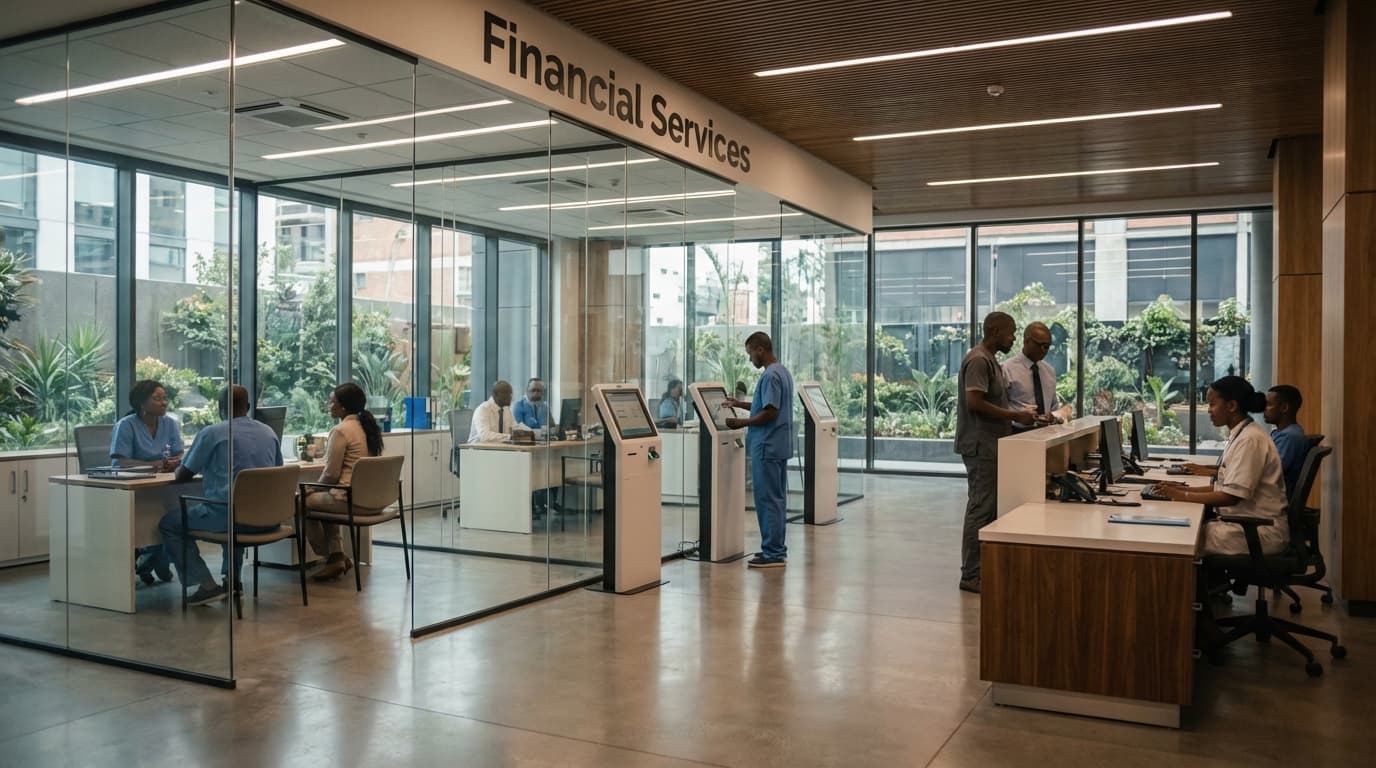
Medical Equipment Rental in Tanzania
Engineering Excellence & Technical Support
Short-term and long-term equipment rental solutions High-standard technical execution following OEM protocols and local regulatory frameworks.
Rapid Emergency Deployment
We offer swift and reliable delivery of critical medical equipment to remote areas and emergency situations across Tanzania, ensuring timely patient care when it matters most.
Certified Maintenance & Calibration
All our medical equipment undergoes rigorous, certified maintenance and calibration by trained technicians, guaranteeing optimal performance and adherence to international standards for patient safety.
Flexible Rental Plans
We provide customizable rental solutions tailored to the specific needs and budgets of hospitals, clinics, and healthcare providers in Tanzania, from short-term emergency rentals to long-term operational leases.
What Is Medical Equipment Rental In Tanzania?
Medical equipment rental in Tanzania refers to the provision of temporary access to specialized medical devices and instruments for healthcare facilities, practitioners, and patients on a fee-based basis. This service mitigates the challenges associated with direct capital investment in often expensive and rapidly evolving medical technologies. It encompasses a broad spectrum of equipment, from diagnostic imaging systems and surgical instruments to patient monitoring devices and rehabilitation aids. The model allows for flexibility in resource allocation, enabling organizations to meet fluctuating demands or to trial new technologies without long-term commitment.
| Who Needs Medical Equipment Rental? | Typical Use Cases | |||||
|---|---|---|---|---|---|---|
| Hospitals and Clinics: Both public and private healthcare institutions requiring access to specialized equipment for specific departments or procedures. | Emergency/Disaster Relief Operations: Providing immediate access to critical care equipment during health crises or natural disasters. | New Facility Start-ups: Equipping new healthcare facilities without the immediate financial burden of purchasing all necessary apparatus. | Specialized Medical Projects: Accessing equipment for short-term diagnostic campaigns, research studies, or specialized surgical interventions. | Individual Patients: Renting assistive devices for home care, post-operative recovery, or long-term patient management. | Medical Training Institutions: Providing hands-on experience with modern medical equipment for students and professionals. | Rural and Remote Healthcare Providers: Supplementing limited in-house resources with advanced diagnostic and therapeutic equipment. |
| Diagnostic Imaging: Temporary rental of MRI, CT scanners, X-ray machines, and ultrasound devices for increased patient throughput or for facilities without permanent installations. | Surgical Suites: Access to specialized surgical instruments, anesthesia machines, and operating room lights for specific procedures. | Intensive Care Units (ICUs): Provision of ventilators, cardiac monitors, infusion pumps, and dialysis machines to manage critically ill patients. | Laboratory Services: Rental of advanced diagnostic analyzers and sample processing equipment. | Rehabilitation and Physiotherapy: Availability of exercise equipment, gait trainers, and therapeutic modalities for patient recovery programs. | Patient Monitoring: Short-term rental of vital signs monitors, ECG machines, and telemetry systems. | Home Healthcare: Rental of hospital beds, wheelchairs, oxygen concentrators, and mobility aids for individuals at home. |
Key Aspects of Medical Equipment Rental in Tanzania
- Equipment Sourcing and Availability: Rental providers maintain inventories of diverse medical equipment, ensuring accessibility for various clinical needs.
- Service Agreements: Contracts typically detail rental duration, equipment specifications, maintenance responsibilities, and associated costs.
- Maintenance and Support: Reputable rental services include routine maintenance, calibration, and emergency repair to ensure equipment operational readiness and safety.
- Logistics and Deployment: Providers manage the transportation, installation, and de-installation of equipment at the client's designated location.
- Compliance and Certification: Equipment provided meets relevant regulatory standards and certification requirements for medical use in Tanzania.
Who Needs Medical Equipment Rental In Tanzania?
Medical equipment rental services in Tanzania cater to a diverse range of clients who require temporary access to specialized medical devices. These rentals are crucial for ensuring patient care continuity, managing budgetary constraints, and facilitating medical advancements without the burden of outright purchase and maintenance. The primary beneficiaries include healthcare facilities, medical professionals, and even individuals undergoing specific treatments.
| Target Customer Group | Specific Departments/Needs | Reasons for Rental |
|---|---|---|
| Hospitals (Public & Private) | ICU, CCU, ER, Operating Theaters, Maternity Wards, Diagnostic Imaging, Rehabilitation Services | Supplementing existing equipment during peak demand, replacing equipment undergoing maintenance, acquiring specialized equipment for specific procedures, managing capital expenditure, pilot programs for new technologies. |
| Clinics & Health Centers | Consultation Rooms, Minor Procedure Areas, Basic Diagnostic Testing | Access to equipment beyond their usual scope, temporary expansion of services, upgrading diagnostic capabilities. |
| Surgical Centers | Operating Rooms, Anesthesia, Post-Operative Care | Specific surgical equipment for specialized procedures, flexibility in adapting to different surgery types. |
| Diagnostic Laboratories | Blood Analyzers, Imaging Equipment (e.g., portable X-ray), Specialized Testing Devices | Expanding testing capacity, accessing advanced diagnostic tools for specific analyses, replacing equipment under repair. |
| Emergency Medical Services (EMS) / Ambulance Providers | Ventilators, Defibrillators, Cardiac Monitors, Portable Oxygen Concentrators | Ensuring equipped ambulances for immediate patient transport and stabilization, replacing damaged or faulty equipment. |
| Research Institutions | Laboratory Analyzers, Imaging Modalities, Patient Monitoring Systems | Conducting clinical trials, acquiring equipment for specific research projects without long-term investment. |
| Medical Training Facilities | Simulation Equipment, Anatomical Models, Diagnostic Devices | Providing hands-on training for students and medical professionals, simulating real-world medical scenarios. |
| NGOs & Humanitarian Aid Organizations | Mobile Clinics, Field Hospitals, Basic Diagnostic and Treatment Equipment | Setting up temporary medical facilities in remote or disaster-stricken areas, providing essential healthcare services to underserved populations. |
| Individual Patients & Home Healthcare Providers | Oxygen Concentrators, CPAP/BiPAP Machines, Hospital Beds, Mobility Aids, IV Pumps | Short-term medical needs at home, recovery from surgery or illness, managing chronic conditions, palliative care. |
Target Customers for Medical Equipment Rental in Tanzania:
- Hospitals (Public and Private)
- Clinics and Health Centers
- Surgical Centers
- Diagnostic Laboratories
- Emergency Medical Services (EMS) / Ambulance Providers
- Research Institutions
- Medical Training Facilities
- Non-Governmental Organizations (NGOs) and Humanitarian Aid Organizations
- Individual Patients and Home Healthcare Providers
Medical Equipment Rental Process In Tanzania
The process of renting medical equipment in Tanzania, from initial inquiry to successful execution, involves several key stages designed to ensure the right equipment is provided to meet the client's needs efficiently and safely. This workflow is crucial for healthcare facilities, event organizers, or individuals requiring temporary access to specialized medical devices.
| Stage | Description | Key Activities | Responsible Parties | Deliverables/Outcomes |
|---|---|---|---|---|
| The client contacts the rental provider to express their need for medical equipment. | Client communicates equipment requirements (type, specifications, duration, location). Provider assesses availability and suitability of equipment. Clarification of any specific medical needs or patient conditions. | Client, Rental Provider (Sales/Customer Service) | Understanding of client's needs, confirmed equipment availability (or alternative suggestions). |
| Based on the assessed needs, the provider offers a formal quotation. | Provider prepares a detailed quotation including equipment cost, rental duration, delivery/collection fees, insurance, and any associated service charges. Client reviews and accepts the quotation. Signing of a rental agreement outlining terms and conditions. | Rental Provider (Sales/Admin), Client | Formal quotation, signed rental agreement, deposit payment (if applicable). |
| Ensuring the rented equipment is in optimal working condition. | Thorough cleaning and sterilization of equipment. Functional testing and calibration. Inventory check against the agreement. Necessary certifications or maintenance records are confirmed. | Rental Provider (Biomedical Technicians/Logistics Team) | Ready-to-use, safe, and functional medical equipment. |
| Transporting the equipment to the client's designated location and setting it up. | Scheduling of delivery based on client's availability. Safe transportation of equipment to the site. Professional installation and setup of the equipment by trained personnel. Basic site assessment for operational requirements. | Rental Provider (Logistics Team/Technicians), Client | Equipment successfully delivered and installed at the client's premises. |
| Providing the client's staff with the necessary knowledge to operate the equipment safely and effectively. | Demonstration of equipment operation. Explanation of safety features and protocols. Basic troubleshooting guidance. Q&A session with the client's designated personnel. | Rental Provider (Biomedical Technicians/Clinical Specialists), Client Staff | Client staff are competent in operating the equipment. Understanding of maintenance and reporting procedures. |
| The client utilizes the rented equipment for the agreed-upon duration. | Client uses the equipment as per its intended purpose and the rental agreement. Regular checks by the client to ensure proper functioning. Reporting any issues or malfunctions promptly to the rental provider. | Client, Rental Provider (for support) | Successful use of equipment to meet medical needs. |
| Retrieving the equipment from the client's location and verifying its condition. | Scheduled collection of equipment. Thorough inspection of the equipment for any damage, wear and tear beyond normal usage. Verification of all components against the initial inventory. | Rental Provider (Logistics Team/Technicians), Client | Equipment safely collected. Condition report documented. Agreement on any damages and associated costs. |
| Finalizing financial transactions based on the rental agreement. | Issuance of the final invoice. Reconciliation of any outstanding payments, including charges for damages if applicable. Client makes the final payment. | Rental Provider (Accounts Department), Client | All financial obligations are settled. Closed transaction. |
| Gathering insights for service improvement and maintaining operational records. | Soliciting feedback from the client on the rental experience and equipment performance. Updating records with rental history, maintenance, and service details. Archiving all relevant documentation for future reference. | Rental Provider (Customer Service/Admin) | Improved service delivery, comprehensive database for future rentals. |
Medical Equipment Rental Workflow in Tanzania
- Inquiry and Needs Assessment
- Quotation and Agreement
- Equipment Preparation and Quality Assurance
- Delivery and Installation
- Training and Demonstration
- Rental Period and Usage
- Collection and Inspection
- Invoicing and Payment
- Feedback and Record Keeping
Medical Equipment Rental Cost In Tanzania
The cost of renting medical equipment in Tanzania is influenced by a variety of factors, making it crucial for healthcare providers and individuals to understand these dynamics. The pricing can fluctuate significantly based on the type of equipment, its condition, the duration of the rental, and the supplier's policies. Local currency, the Tanzanian Shilling (TZS), is used for all transactions. Factors such as availability, demand, and the inclusion of services like delivery, installation, and maintenance also play a significant role in the overall rental price. Specialized or high-tech equipment generally commands higher rental fees due to their cost of acquisition, maintenance, and limited availability. Conversely, more common or basic equipment will be more affordable.
| Equipment Category | Typical Daily Rental Range (TZS) | Typical Monthly Rental Range (TZS) | Notes |
|---|---|---|---|
| Basic Mobility Aids (e.g., Wheelchair, Walker) | 15,000 - 40,000 | 150,000 - 350,000 | Highly accessible, generally affordable. |
| Diagnostic Equipment (e.g., Stethoscope, Blood Pressure Monitor, Pulse Oximeter) | 20,000 - 70,000 | 200,000 - 600,000 | Portable units are common. Higher-end diagnostic tools will be more expensive. |
| Hospital Beds (Manual and Electric) | 30,000 - 90,000 | 300,000 - 800,000 | Electric beds will be at the higher end. May include side rails. |
| Oxygen Concentrator / Cylinder | 40,000 - 120,000 | 400,000 - 1,000,000 | Cost can vary based on oxygen concentration and cylinder size/duration. |
| Infusion Pumps | 50,000 - 150,000 | 500,000 - 1,500,000 | Requires skilled operation and potentially specialized training. |
| Ventilators (Basic ICU) | 150,000 - 500,000 | 1,500,000 - 5,000,000 | High-tech, requires expert oversight. Daily rates can be substantial. |
| Surgical Instruments (Basic Sets) | 70,000 - 200,000 per set | 700,000 - 2,000,000 per set | Rental is often for specific procedures. Sterilization costs may be extra. |
| Portable X-ray Machines | 200,000 - 800,000 | 2,000,000 - 8,000,000 | Requires qualified personnel and image processing capabilities. |
Key Pricing Factors for Medical Equipment Rental in Tanzania:
- Type of Equipment: Complexity, technology, and specialization.
- Condition and Age: New or refurbished equipment vs. older models.
- Rental Duration: Daily, weekly, monthly, or long-term rentals.
- Brand and Manufacturer: Reputable brands may have higher rental rates.
- Included Services: Delivery, installation, training, and technical support.
- Supplier's Overhead and Profit Margin: Varies between companies.
- Demand and Availability: Seasonal or localized high demand can increase prices.
- Location of Rental: Access to the equipment and delivery logistics.
- Insurance and Security Deposit: Often required, impacting upfront costs.
Affordable Medical Equipment Rental Options
Renting medical equipment can be a significantly more cost-effective solution than purchasing, especially for short-term needs or when managing fluctuating patient demands. This approach offers flexibility and reduces the burden of upfront capital expenditure. Understanding value bundles and implementing smart cost-saving strategies can further enhance the financial benefits of medical equipment rental.
| Cost-Saving Strategy | Description | Benefits |
|---|---|---|
| Negotiate Long-Term Rental Agreements | For predictable, extended needs, negotiate discounted rates for longer rental periods. | Lower per-unit cost, budget stability. |
| Compare Multiple Rental Providers | Obtain quotes from several reputable medical equipment rental companies to ensure competitive pricing. | Best possible rates, understanding market value. |
| Leverage Value Bundles | As outlined above, utilize pre-packaged solutions for comprehensive needs. | Significant discounts, simplified logistics, bundled support. |
| Regularly Review Equipment Needs | Periodically assess if equipment is still required or if needs have changed to avoid unnecessary rental costs. | Avoidance of over-renting, optimized resource allocation. |
| Inquire About Discounts | Ask about potential discounts for first-time renters, volume orders, or specific affiliations (e.g., hospital networks, government agencies). | Reduced overall expenditure. |
| Understand Inclusions and Exclusions | Clarify what services (delivery, setup, maintenance, training) are included in the rental price to avoid hidden fees. | Accurate budgeting, prevention of unexpected charges. |
| Consider Used or Refurbished Equipment | For less critical or short-term needs, inquire about the availability of high-quality used or refurbished equipment at a lower rental rate. | Reduced rental fees for adequate functionality. |
Value Bundles in Medical Equipment Rental
- {"title":"What are Value Bundles?","description":"Value bundles are packages of medical equipment and related services offered by rental companies at a reduced combined price compared to renting each item individually. These bundles are designed to meet specific clinical needs or patient populations, providing a comprehensive solution."}
- {"title":"Common Bundle Components","description":"Bundles often include essential equipment for a particular procedure or care setting, such as: \n- Post-operative recovery kits (e.g., crutches, walkers, wheelchairs, pain management devices).\n- Home healthcare packages (e.g., hospital beds, oxygen concentrators, commodes, mobility aids).\n- Diagnostic procedure kits (e.g., specific monitoring devices, specialized imaging accessories)."}
- {"title":"Benefits of Value Bundles","description":"Opting for a value bundle can lead to:\n- Significant cost savings compared to individual rentals.\n- Streamlined procurement process by dealing with one provider.\n- Ensured compatibility of equipment within the bundle.\n- Often includes maintenance and support for the bundled items."}
Verified Providers In Tanzania
In the dynamic landscape of healthcare in Tanzania, discerning patients and organizations seek assurance of quality, ethical practice, and professional integrity. Verified providers represent a crucial benchmark in this pursuit. Franance Health stands out as a leading example of a healthcare entity that prioritizes and upholds these high standards. Their credentials not only signify adherence to regulatory requirements but also reflect a deep-seated commitment to patient well-being and excellence in medical services. This commitment translates into a superior healthcare experience, making Franance Health a distinguished and trustworthy choice for individuals and institutions alike.
| Credential Type | Franance Health's Compliance | Benefit to Patients |
|---|---|---|
| Ministry of Health License | Active and up-to-date, meeting all operational standards. | Ensures the facility is legally authorized to provide healthcare services, adhering to national safety and quality guidelines. |
| Professional Medical Certifications (Doctors, Nurses) | All practitioners hold recognized and valid certifications and licenses. | Guarantees that healthcare providers have met the required educational and competency standards for their respective fields. |
| Accreditation by Medical Boards/Councils | Adherence to standards set by relevant Tanzanian medical councils. | Confirms that the practice and its professionals are subject to ongoing peer review and quality assurance. |
| Health & Safety Standards Compliance | Regular audits and adherence to strict health and safety protocols. | Protects patients from infections and ensures a safe treatment environment. |
| Data Privacy and Confidentiality Policies | Robust systems and training in place to protect patient information. | Assures patients that their personal health data is handled with the utmost discretion and security. |
Why Franance Health is the Best Choice for Verified Healthcare in Tanzania:
- Rigorous Accreditation and Licensing: Franance Health operates with full compliance to all Tanzanian health regulations, holding all necessary licenses and accreditations from the Ministry of Health and other relevant bodies. This ensures adherence to established quality and safety protocols.
- Highly Qualified and Certified Medical Professionals: The healthcare team at Franance Health comprises extensively trained and certified doctors, nurses, and specialists. Continuous professional development and adherence to ethical medical practices are core tenets.
- Patient-Centric Approach and Outcome Focus: Beyond fulfilling regulatory mandates, Franance Health prioritizes patient satisfaction and aims for optimal health outcomes. This is reflected in their personalized care plans, clear communication, and commitment to patient education.
- State-of-the-Art Facilities and Technology: Investment in modern medical equipment and facilities ensures accurate diagnostics and effective treatments, aligning with international best practices and enhancing the overall patient experience.
- Commitment to Ethical Practices and Transparency: Franance Health upholds the highest ethical standards in all its operations, including transparent billing, informed consent, and patient confidentiality. This fosters trust and builds long-term relationships.
- Strong Community Engagement and Public Health Initiatives: Their dedication extends beyond individual patient care to active participation in community health programs and initiatives, demonstrating a holistic commitment to the well-being of Tanzanians.
- Positive Patient Testimonials and Reputation: A strong track record, evidenced by positive feedback and a reputable standing within the community, underscores Franance Health's reliability and the quality of care they provide.
Scope Of Work For Medical Equipment Rental
This Scope of Work (SOW) outlines the requirements for the rental of medical equipment. It details the technical deliverables expected from the rental provider and standard specifications that the equipment must meet to ensure optimal performance, patient safety, and compatibility with existing hospital infrastructure.
| Category | Equipment Type | Standard Specifications | Key Performance Indicators (KPIs) | Documentation Required |
|---|---|---|---|---|
| Diagnostic Imaging | Portable X-ray Machine | High-resolution digital detector, adjustable kVp and mAs, integrated battery with minimum 2-hour operating time, patient positioning aids, protective shielding. | Image quality score (e.g., >8/10 based on blinded review), Mean time between failures (MTBF) > 500 hours. | User manual, service manual, calibration certificate, FDA/CE certification. |
| Critical Care | Defibrillator/Monitor | ECG monitoring (3/5-lead), SpO2, NIBP, ETCO2, AED mode, manual defibrillation, pacing capability, integrated printer, long-life battery. | Defibrillation energy accuracy (+/- 5%), alarm response time (< 5 seconds for critical alarms). | User manual, service manual, CE certification, battery status report. |
| Patient Monitoring | Multi-parameter Patient Monitor | ECG, SpO2, NIBP, temperature, respiration, configurable alarm limits, high-resolution display, data trending, network connectivity (HL7 compatible). | ECG accuracy (e.g., < 5% deviation), SpO2 accuracy (+/- 2% at 70-100%). | User manual, service manual, network configuration guide, CE certification. |
| Surgical | Electrosurgical Unit (ESU) | Monopolar and bipolar output, multiple waveform options, tissue feedback technology, safety features (e.g., REM/ARM), output power accuracy. | Power output accuracy (+/- 10%), return electrode monitoring system integrity. | User manual, service manual, safety compliance certificates. |
| Respiratory Care | Mechanical Ventilator (Adult/Pediatric) | Multiple ventilation modes (e.g., VC-CMV, PC-CMV, SIMV, PSV), tidal volume range, PEEP adjustment, FiO2 control, spirometry, integrated humidification. | Ventilation mode accuracy, pressure/volume delivery accuracy. | User manual, service manual, ventilation troubleshooting guide, CE certification. |
| Laboratory | Portable Blood Gas Analyzer | Measures pH, pCO2, pO2, electrolytes (Na, K, Cl, Ca), hematocrit, glucose, lactate. Rapid turnaround time (< 60 seconds per sample), automated calibration. | Parameter accuracy within specified limits (e.g., +/- 2% for pO2). | User manual, reagent/consumable guide, calibration records, manufacturer specifications. |
Key Deliverables for Medical Equipment Rental Provider
- Provision of specified medical equipment in good working order and clean condition.
- Delivery, installation, and setup of all rented equipment at the designated hospital location(s).
- Comprehensive user training for hospital staff on the proper operation, safety features, and basic troubleshooting of each rented device.
- Regular preventative maintenance and on-demand technical support for all rented equipment throughout the rental period.
- Provision of all necessary accessories, consumables (as specified in the agreement), and power cords.
- Adherence to all relevant healthcare regulations, standards (e.g., FDA, CE, ISO), and hospital policies.
- Timely replacement of any equipment that malfunctions or fails to meet performance specifications.
- Decommissioning and removal of equipment upon termination of the rental agreement.
- Submission of all required documentation, including user manuals, service logs, calibration certificates, and proof of insurance.
Service Level Agreement For Medical Equipment Rental
This Service Level Agreement (SLA) outlines the guaranteed response times and uptime for medical equipment rental services provided by [Your Company Name] to [Client Name]. This agreement is effective from [Start Date] to [End Date] and applies to all rented medical equipment as detailed in the associated rental contract.
| Equipment Category/Type | Response Time Guarantee (during business hours) | Response Time Guarantee (outside business hours/emergencies) | Uptime Guarantee (%) | Definition of Downtime |
|---|---|---|---|---|
| Critical Life-Support Equipment (e.g., Ventilators, Defibrillators) | 1 hour | 2 hours | 99.5% | Equipment is unable to perform its primary intended medical function or is actively failing. Routine maintenance or scheduled preventative measures do not constitute downtime. |
| Diagnostic Equipment (e.g., ECG Machines, Patient Monitors) | 2 hours | 4 hours | 98.0% | Equipment is unable to perform its primary diagnostic function or is actively failing. Minor calibration issues or software glitches that do not prevent core functionality may not be considered downtime. |
| Therapeutic Equipment (e.g., Infusion Pumps, CPAP Machines) | 3 hours | 6 hours | 97.0% | Equipment is unable to deliver prescribed therapy or is actively failing. Cosmetic issues or minor user interface problems not affecting functionality do not constitute downtime. |
| General Medical Equipment (e.g., Hospital Beds, Wheelchairs) | 4 hours | 8 hours | 95.0% | Equipment is rendered unusable for its intended purpose or is actively failing. Issues related to user error or minor adjustments are not considered downtime. |
Key Service Level Objectives
- Response Time: The maximum time permitted for [Your Company Name] to initiate a response to a reported equipment issue.
- Uptime Guarantee: The minimum percentage of time the rented medical equipment is expected to be operational and available for use.
- Service Credits: Compensation provided to [Client Name] in the event of failure to meet the agreed-upon service levels.
- Exclusions: Specific situations or events that are not covered by this SLA.
Frequently Asked Questions

Ready when you are
Let's scope your Medical Equipment Rental in Tanzania project in Tanzania.

Scaling healthcare logistics and technical systems across the entire continent.