
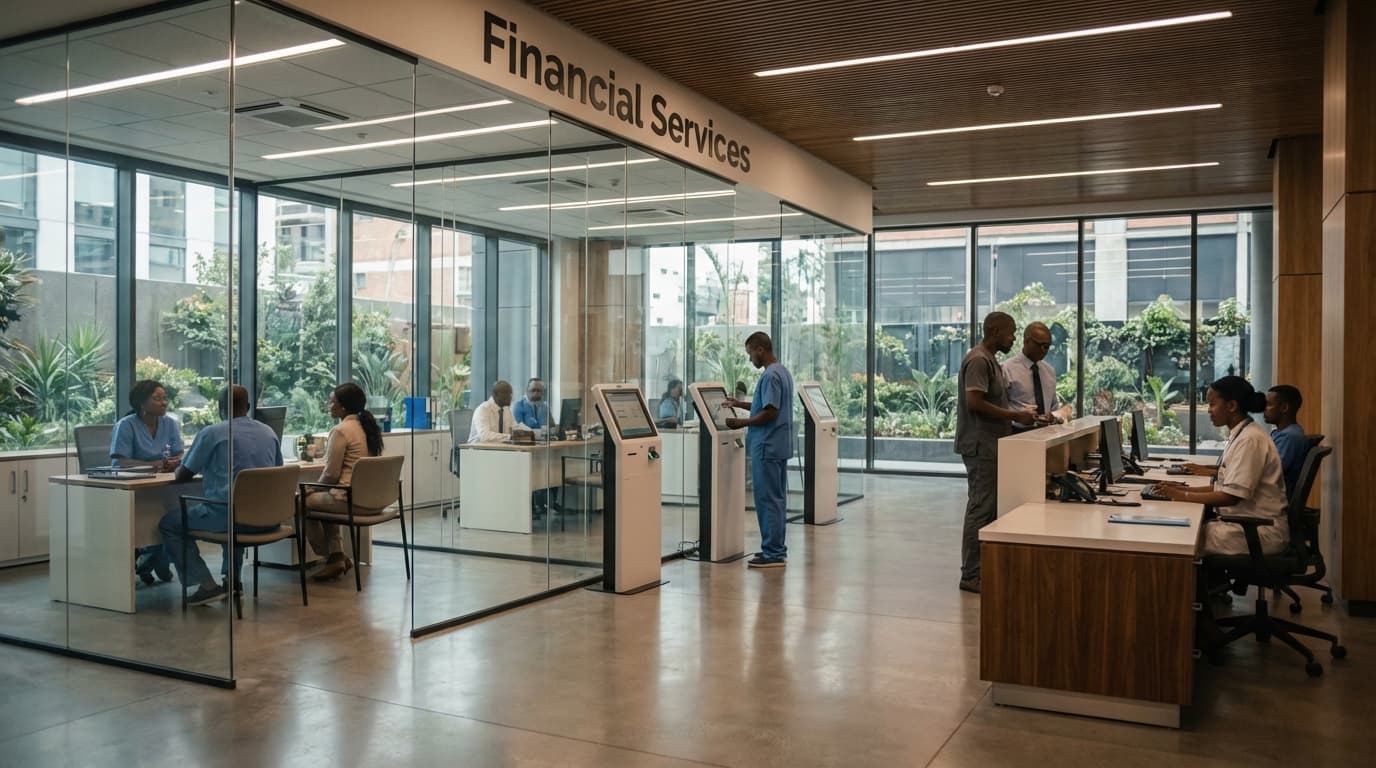
Medical Equipment Financing in Tanzania
Engineering Excellence & Technical Support
Leasing and financing solutions for medical equipment High-standard technical execution following OEM protocols and local regulatory frameworks.
Accelerated Access to Advanced Medical Technology
Our financing solutions empower Tanzanian healthcare providers with rapid access to cutting-edge medical equipment, enhancing diagnostic capabilities and treatment efficacy. We streamline the acquisition process, enabling faster deployment of life-saving technologies to communities in need.
Flexible & Tailored Financing Structures
We offer customizable financing packages, including operating leases, hire purchase, and direct loans, designed to meet the unique budgetary constraints and operational requirements of hospitals, clinics, and laboratories across Tanzania. Our flexible terms ensure affordability and preserve working capital.
Partnerships for Sustainable Healthcare Growth
We are committed to fostering the long-term sustainability of Tanzania's healthcare sector. By partnering with international manufacturers and local stakeholders, we facilitate the financing of essential medical equipment, contributing to improved patient outcomes and the overall growth of healthcare infrastructure nationwide.
What Is Medical Equipment Financing In Tanzania?
Medical Equipment Financing in Tanzania refers to the provision of capital specifically for the acquisition of medical apparatus, diagnostic tools, surgical instruments, therapeutic devices, and related infrastructure by healthcare providers within the Tanzanian economic landscape. This financial service facilitates access to advanced medical technologies, enabling healthcare institutions to enhance diagnostic accuracy, treatment efficacy, and overall patient care delivery. It typically involves structured loan agreements, leasing options, or other forms of debt and equity financing tailored to the unique budgetary cycles and operational requirements of the healthcare sector.
| Need for Financing | Typical Use Cases | Impact of Financing |
|---|---|---|
| Technological Obsolescence: Existing equipment becomes outdated, inefficient, or no longer supported by manufacturers, necessitating upgrades to maintain service quality and competitiveness. | Acquisition of modern diagnostic imaging systems (e.g., digital X-ray, MRI) to improve diagnostic capabilities and reduce patient waiting times. | Enhanced diagnostic accuracy, leading to earlier and more precise disease detection and treatment planning. |
| Capacity Expansion: Growing patient populations or the introduction of new medical specialties require increased or diversified equipment inventory. | Procurement of additional surgical suites or specialized operating room equipment to accommodate increased surgical case volumes. | Increased healthcare service capacity, reducing patient backlog and improving access to specialized procedures. |
| Service Enhancement: Introduction of new medical procedures or treatment modalities that require specialized equipment not currently available. | Investment in advanced laboratory equipment for complex molecular diagnostics or genetic testing. | Expansion of service offerings, allowing for the provision of cutting-edge treatments and improved patient outcomes. |
| Infrastructure Development: Establishment of new healthcare facilities or significant renovation of existing ones, requiring comprehensive equipment outfitting. | Financing for the complete equipment package for a newly constructed hospital or a specialized medical wing. | Facilitation of the establishment and operationalization of new healthcare infrastructure, improving healthcare access in underserved areas. |
| Cost Management: The high capital expenditure of medical equipment often exceeds the immediate cash flow of healthcare providers, necessitating financing solutions. | Utilizing leasing options for expensive but frequently upgraded equipment like anesthesia machines or endoscopes. | Improved cash flow management, allowing providers to invest operational revenue in other critical areas of patient care and staff development. |
Key Components and Beneficiaries of Medical Equipment Financing in Tanzania:
- Financing Instruments: Loans (short-term, medium-term, long-term), leasing (operating lease, finance lease), hire purchase agreements.
- Providers: Financial institutions (commercial banks, microfinance institutions, development banks), specialized medical equipment finance companies, government agencies (where applicable).
- Beneficiaries: Public hospitals and clinics, private hospitals and clinics, diagnostic laboratories, specialized medical centers, research institutions, individual medical practitioners (in private practice).
- Types of Equipment Financed: Diagnostic imaging (X-ray, CT scanners, MRI, ultrasound), laboratory equipment (analyzers, microscopes), surgical instruments and equipment, patient monitoring systems, therapeutic devices (ventilators, dialysis machines), hospital furniture and infrastructure (beds, sterilization units).
Who Needs Medical Equipment Financing In Tanzania?
Medical equipment financing in Tanzania is a crucial tool for ensuring access to quality healthcare across the nation. It enables healthcare providers, both public and private, to acquire essential diagnostic, therapeutic, and life-support technologies without the burden of immediate, large capital outlays. This financing bridges the gap between the need for advanced medical tools and the financial capacity of institutions, ultimately leading to improved patient care, disease management, and public health outcomes. From rural clinics to urban hospitals, the demand for reliable and modern medical equipment is constant, making specialized financing a vital enabler of healthcare progress.
| Target Customer Segment | Typical Needs | Key Departments/Areas Benefiting |
|---|---|---|
| Public Hospitals | Upgrading outdated equipment, expanding capacity, acquiring specialized diagnostic tools (e.g., MRI, CT scanners), replacing aging machinery, emergency response equipment. | Radiology, Cardiology, Oncology, Emergency Medicine, Intensive Care Units (ICUs), Surgical Departments, General Wards. |
| Private Hospitals & Clinics | Investing in state-of-the-art technology to attract patients, expanding service offerings, acquiring advanced surgical equipment, modernizing diagnostic capabilities. | All departments, with particular emphasis on Surgery, Diagnostics (Radiology, Pathology), Fertility Clinics, Cosmetic Surgery Units. |
| Rural Health Centers & Dispensaries | Acquiring basic diagnostic tools (e.g., portable ultrasound, ECG machines), essential treatment equipment, essential laboratory equipment for common ailments, solar-powered equipment for remote areas. | Maternal and Child Health, General Practice, Basic Diagnostics, Minor Surgery/Procedures. |
| Diagnostic Laboratories | Purchasing automated analyzers, advanced microscopy, genetic testing equipment, specialized reagents and consumables, laboratory information systems. | Clinical Chemistry, Hematology, Microbiology, Immunology, Molecular Diagnostics, Histopathology. |
| Specialty Medical Practices (e.g., Cardiology, Oncology, Ophthalmology) | Acquiring highly specialized diagnostic and therapeutic equipment unique to their field, such as advanced cardiac catheters, linear accelerators, or ophthalmic lasers. | Specific to the specialty (e.g., Cath Lab, Radiation Oncology Suite, Laser Theatre). |
| Government Health Agencies & Public Health Programs | Procuring equipment for disease surveillance, vaccination drives, mobile health units, essential supplies for national health initiatives. | Public Health, Epidemiology, Disease Control Departments, Malaria Control Programs, HIV/AIDS Programs. |
| NGOs & Faith-Based Healthcare Providers | Acquiring essential medical equipment to serve underserved populations, often focusing on primary healthcare, maternal care, and chronic disease management. | Primary Healthcare, Maternal & Child Health, Community Health, Mobile Clinics. |
| Medical Training Institutions | Equipping simulation labs, teaching hospitals, and research facilities with modern medical devices for training future healthcare professionals. | Anatomy, Physiology, Surgical Simulation Labs, Clinical Training Wards, Research Departments. |
Who Needs Medical Equipment Financing in Tanzania?
- Hospitals (Public and Private)
- Clinics and Health Centers (Urban & Rural)
- Diagnostic Laboratories
- Specialty Medical Practices
- Government Health Agencies
- Non-Governmental Organizations (NGOs) in Healthcare
- Medical Training Institutions
Medical Equipment Financing Process In Tanzania
The medical equipment financing process in Tanzania, while specific to individual financial institutions and vendors, generally follows a structured workflow from the initial inquiry by a healthcare provider to the final execution and disbursement of funds. This process is crucial for enabling healthcare facilities, both public and private, to acquire essential and advanced medical technologies, thereby improving patient care and service delivery.
| Stage | Description | Key Actors Involved | Typical Timeframe |
|---|---|---|---|
| Inquiry and Needs Assessment | Healthcare provider expresses interest in financing specific medical equipment. This stage involves understanding the provider's needs, the type and cost of equipment, and their intended use. | Healthcare Provider, Financial Institution (FI) Sales/Business Development Team, Equipment Vendor (sometimes) | 1-3 business days |
| Initial Screening and Eligibility Check | The FI conducts a preliminary assessment of the provider's financial standing, operational capacity, and the feasibility of the request. This might involve reviewing basic financial statements and business plans. | Financial Institution (Credit Officer/Analyst) | 2-5 business days |
| Application Submission | If eligible, the healthcare provider formally applies for financing, submitting a detailed application form along with supporting documents (e.g., financial statements, business plan, incorporation documents, equipment quotes). | Healthcare Provider, Financial Institution (Application Processing Unit) | 3-7 business days (for document compilation by provider) |
| Detailed Due Diligence and Credit Assessment | The FI conducts a thorough review of the applicant's financial health, credit history, management team, and operational viability. This may involve site visits, interviews, and independent financial analysis. | Financial Institution (Credit Department/Analysts, Risk Management) | 2-4 weeks |
| Equipment Specification and Vendor Selection | The specific technical specifications of the medical equipment are finalized. The provider typically selects a reputable vendor, and the FI may also vet the vendor for reliability and after-sales support. | Healthcare Provider, Equipment Vendor, Financial Institution (Technical Advisor/Assessor) | Concurrent with Due Diligence or shortly after |
| Proposal and Offer Generation | Based on the due diligence and equipment details, the FI prepares a financing proposal outlining the terms, conditions, interest rates, repayment schedule, and any collateral requirements. | Financial Institution (Credit Committee/Approvals) | 1-2 weeks |
| Agreement Negotiation and Documentation | The terms of the financing agreement are negotiated and finalized. Legal documentation, including loan agreements, security agreements, and collateral documents, is prepared and signed. | Financial Institution (Legal Department), Healthcare Provider (Legal Counsel), Equipment Vendor (sometimes) | 1-3 weeks |
| Sanctioning and Approval | The financing request receives final approval from the FI's internal credit committees and relevant authorities. | Financial Institution (Senior Management, Board/Credit Committee) | 1-2 weeks |
| Equipment Procurement and Delivery | Once financing is approved and agreements are signed, the equipment is ordered from the vendor. The FI may engage directly with the vendor for payment processing. | Healthcare Provider, Equipment Vendor, Financial Institution (Procurement/Disbursement Team) | Variable (depending on equipment lead time, typically weeks to months) |
| Disbursement of Funds | Funds are released by the FI directly to the equipment vendor or according to the agreed payment schedule. This may be in tranches based on delivery milestones. | Financial Institution (Disbursement Department), Equipment Vendor | 1-5 business days |
| Installation and Commissioning | The medical equipment is installed at the healthcare facility and commissioned by the vendor. The FI may require verification of successful installation and operational readiness. | Equipment Vendor, Healthcare Provider, Financial Institution (Site Visit/Verification) | Variable (depending on equipment complexity) |
| Post-Disbursement Monitoring and Repayment | The FI monitors the repayment of the loan according to the schedule. This includes regular follow-ups, potential site visits, and ensuring compliance with loan covenants. The healthcare provider makes regular payments. | Financial Institution (Loan Monitoring Unit, Relationship Manager), Healthcare Provider | Throughout the loan tenor (months to years) |
Medical Equipment Financing Workflow in Tanzania
- Inquiry and Needs Assessment
- Initial Screening and Eligibility Check
- Application Submission
- Detailed Due Diligence and Credit Assessment
- Equipment Specification and Vendor Selection
- Proposal and Offer Generation
- Agreement Negotiation and Documentation
- Sanctioning and Approval
- Equipment Procurement and Delivery
- Disbursement of Funds
- Installation and Commissioning
- Post-Disbursement Monitoring and Repayment
Medical Equipment Financing Cost In Tanzania
Financing medical equipment in Tanzania involves a range of costs influenced by several factors. These costs are typically presented and transacted in Tanzanian Shillings (TZS). The primary pricing factors include the type and value of the equipment, the financing institution, the loan tenor (duration), the applicant's creditworthiness, and prevailing economic conditions. Specialized or high-value equipment like MRI machines, CT scanners, or advanced surgical robots will naturally incur higher financing costs compared to more basic items like examination tables or diagnostic kits. Financing institutions, including commercial banks, specialized leasing companies, and sometimes government-backed initiatives, will have their own fee structures and interest rate policies. Longer loan tenors often translate to higher overall interest paid, although they can result in lower monthly installments. A strong credit history for the healthcare provider generally leads to more favorable interest rates and terms. Fluctuations in the Tanzanian Shilling's exchange rate against major currencies can also indirectly impact financing costs, especially for imported equipment. Specific pricing ranges are difficult to pin down with exact figures as they are subject to negotiation and current market dynamics, but general indicative ranges for interest rates and fees can be discussed.
| Financing Component | Indicative Range (TZS) | Notes |
|---|---|---|
| Annual Interest Rate (Banks) | 18% - 25%+ | Can vary significantly based on credit risk and loan tenor. May be fixed or variable. |
| Annual Interest Rate (Leasing Companies) | 20% - 30%+ | Often considered for asset-focused financing, potentially higher than bank loans. |
| Loan Processing/Arrangement Fee | 1% - 5% of loan principal | One-time fee charged by the lender. |
| Valuation Fee (if applicable) | TZS 200,000 - TZS 1,000,000+ | For specialized or high-value equipment, to ascertain its market value. |
| Legal and Documentation Fees | TZS 100,000 - TZS 500,000+ | Covers the preparation and execution of loan/lease agreements. |
| Insurance Premiums | Variable (percentage of equipment value annually) | Lenders often require comprehensive insurance for the financed equipment. |
| Early Repayment Penalty | Typically a small percentage of outstanding principal | May apply if the loan is settled before the agreed tenor. |
Key Pricing Factors for Medical Equipment Financing in Tanzania
- Equipment Type and Value: Higher cost equipment leads to larger loan principal and thus higher total financing cost.
- Financing Institution: Different banks and leasing companies have varying interest rate policies and fee structures.
- Loan Tenor (Duration): Longer repayment periods result in higher cumulative interest payments.
- Applicant's Creditworthiness: A strong credit history typically secures better interest rates and terms.
- Economic Conditions: Inflation, interest rate benchmarks, and currency stability influence financing costs.
- Equipment Origin: Imported equipment may carry additional costs related to import duties and currency fluctuations.
- Advance Payment/Down Payment: A larger down payment reduces the financed amount, thus lowering overall interest.
Affordable Medical Equipment Financing Options
Securing affordable medical equipment is crucial for healthcare providers, especially for small practices and startups. Fortunately, various financing options exist beyond traditional loans. Understanding value bundles and implementing cost-saving strategies can significantly reduce the financial burden. Value bundles often combine equipment, maintenance, and training into a single package, offering predictable costs and enhanced support. Cost-saving strategies can range from negotiating bulk discounts and exploring refurbished equipment to leveraging leasing agreements with buy-out options and seeking government grants or incentives.
| Strategy | Description | Potential Savings |
|---|---|---|
| Value Bundles | Packages combining equipment, service contracts, and sometimes training. Offers predictable costs and integrated support. | Reduced operational disruptions, potentially lower overall maintenance costs through bundled service. |
| Refurbished Equipment | Professionally restored pre-owned medical devices. Often undergo rigorous testing and come with warranties. | Significant upfront cost reduction compared to new equipment (can be 30-70% less). |
| Negotiating Bulk Discounts | Purchasing multiple pieces of equipment from a single vendor or collaborating with other practices to place larger orders. | Lower per-unit cost due to increased volume. |
| Leasing with Buy-Out Options | Renting equipment for a set period with the option to purchase it at a predetermined price at the end of the lease term. | Lower initial capital outlay, allows for upgrade eligibility, and potentially a lower total cost if the buy-out price is favorable. |
| Exploring Vendor Financing | Many medical equipment manufacturers offer their own financing solutions, often tailored to their products. | Potentially competitive rates and terms directly from the source. |
| Government Grants and Incentives | Programs offered by federal, state, or local governments to support healthcare accessibility, especially in underserved areas. | Can significantly reduce or even eliminate the need for financing for eligible purchases. |
| Equipment Sharing/Rental | For specialized or infrequently used equipment, consider sharing costs with neighboring practices or renting on a per-use basis. | Avoids the cost of purchasing and maintaining equipment that isn't fully utilized. |
| Used Equipment Auctions | Participating in auctions for used medical equipment can yield significant savings, though requires careful inspection. | Potential for deeply discounted prices on functional equipment. |
Key Affordable Medical Equipment Financing Options
- Leasing Agreements
- Operating Leases
- Finance Leases
- Loans (SBA, Traditional Bank)
- Buy Here Pay Here (BHPH) Financing
- Asset-Based Lending
- Crowdfunding and Donations
- Grants and Subsidies
Verified Providers In Tanzania
In Tanzania's evolving healthcare landscape, identifying and trusting healthcare providers is paramount for quality care. Franance Health stands out as a beacon of reliability, offering a network of verified providers who consistently meet stringent standards. This ensures patients receive safe, effective, and ethical medical services. Understanding Franance Health's credentialing process and the benefits it brings to both patients and providers highlights why they represent the best choice for healthcare in Tanzania.
| Provider Type | Franance Health Verification Criteria | Benefits for Patients |
|---|---|---|
| Hospitals & Clinics | Accreditation status, compliance with health regulations, staff-to-patient ratios, equipment maintenance, infection control protocols, patient safety measures. | Access to comprehensive services, advanced medical technology, well-trained medical teams, a safe and clean environment, and improved patient outcomes. |
| Specialist Doctors | Medical degree and license, board certification, years of experience in specialization, peer reviews, professional conduct records. | Expert diagnosis and treatment for specific conditions, access to cutting-edge medical knowledge, and personalized care plans. |
| General Practitioners | Medical degree and license, registration with the Tanzania Medical Association, evidence of continuous practice, patient feedback mechanisms. | Reliable primary care, early detection of health issues, management of common illnesses, and coordination of care with specialists. |
| Diagnostic Laboratories | Accreditation by relevant health bodies, adherence to quality control standards, qualified laboratory technicians, up-to-date equipment and methodologies. | Accurate and reliable test results, essential for effective diagnosis and treatment, and timely reporting of findings. |
| Pharmacies | Valid operating license, dispensing of authentic and quality-assured medications, qualified pharmacists, proper storage and handling of drugs. | Access to safe and effective prescription and over-the-counter medications, expert advice on drug usage, and prevention of counterfeit drugs. |
Why Franance Health Providers are the Best Choice:
- Rigorous Verification Process: Franance Health employs a multi-layered verification system for all its partner providers, scrutinizing qualifications, licenses, experience, and professional conduct.
- Commitment to Quality Standards: We partner with facilities and practitioners who adhere to internationally recognized quality benchmarks, focusing on patient safety, clinical outcomes, and patient satisfaction.
- Continuous Professional Development: Franance Health encourages and supports ongoing training and development for its network, ensuring providers stay abreast of the latest medical advancements and best practices.
- Patient-Centric Approach: Verified providers are committed to delivering compassionate, respectful, and personalized care, prioritizing the patient's well-being and experience.
- Transparency and Accountability: Franance Health maintains a transparent system, holding its providers accountable for the services they deliver and providing a clear channel for patient feedback.
- Access to Specialized Care: Our network includes a diverse range of specialists, ensuring access to a wide spectrum of medical expertise for complex health needs.
- Enhanced Trust and Peace of Mind: By choosing a Franance Health verified provider, patients gain the assurance that they are receiving care from a reputable and competent medical professional or institution.
Scope Of Work For Medical Equipment Financing
This Scope of Work (SOW) outlines the requirements for providing medical equipment financing. It details the technical deliverables and standard specifications expected from the financing provider to ensure successful acquisition and implementation of essential medical equipment for [Client Organization Name]. The objective is to secure flexible, cost-effective financing solutions that align with the client's operational needs and strategic growth plans, while ensuring compliance with all relevant healthcare regulations and standards.
| Technical Deliverable | Standard Specifications | Description |
|---|---|---|
| Financing Proposal | Comprehensive, itemized proposal detailing financing options, interest rates, fees, repayment schedules, and collateral requirements. | A detailed financial plan outlining the proposed financing structure, including all associated costs and terms for the specified medical equipment. |
| Equipment Acquisition Support | Assistance in identifying and evaluating potential equipment vendors, including due diligence on vendor reliability and adherence to quality standards. | Support provided to the client in the sourcing and selection of appropriate medical equipment, ensuring it meets all technical and regulatory requirements. |
| Asset Management & Tracking | Mechanism for tracking financed assets throughout their lifecycle, including purchase, deployment, and eventual disposal or upgrade. | A system for monitoring the status and location of financed medical equipment to ensure accountability and optimize utilization. |
| Compliance Documentation | Documentation demonstrating adherence to all relevant healthcare regulations, certifications, and licensing requirements for the financed equipment. | Proof of the financed equipment's compliance with industry standards and legal mandates, safeguarding the client from regulatory risks. |
| Reporting & Auditing | Regular financial reports detailing loan status, outstanding balances, and repayment history. Audit trails for all transactions. | Transparent and accessible reporting for financial oversight, enabling the client to monitor their investment and for potential audits. |
| Integration Support (if applicable) | Consideration for how financed equipment integrates with existing IT infrastructure (e.g., EMR systems) and relevant vendor support for integration. | Ensuring the financed equipment can be effectively integrated into the client's existing technological environment without disrupting operations. |
| Disaster Recovery & Business Continuity | Financing options that can be adjusted or reviewed in the event of unforeseen disruptions impacting equipment utilization or financial capacity. | Flexibility in financing terms to adapt to unexpected events that may affect the client's ability to meet financial obligations or utilize the equipment. |
Key Requirements for Medical Equipment Financing
- Financing for a diverse range of medical equipment, including but not limited to imaging systems, surgical instruments, patient monitoring devices, laboratory equipment, and therapeutic devices.
- Financing structures to accommodate various asset lifecycles and upgrade cycles.
- Flexible repayment terms, including options for upfront payments, staggered payments, and potential buy-out clauses.
- Competitive interest rates and fees, clearly itemized and transparent.
- Adherence to all relevant healthcare industry regulations, including but not limited to HIPAA, FDA, and any local licensing requirements.
- Robust security measures to protect sensitive client and patient data.
- Clear documentation and reporting on financing terms, asset acquisition, and repayment schedules.
- Assistance with equipment procurement processes, including vendor selection and negotiation support.
- Consideration for maintenance, service, and warranty agreements as part of the financing package.
- Scalable financing solutions to accommodate future expansion and technology upgrades.
Service Level Agreement For Medical Equipment Financing
This Service Level Agreement (SLA) outlines the response times and uptime guarantees for medical equipment financing services provided by [Your Company Name] to [Client Name]. This agreement is intended to ensure the reliable availability of financed medical equipment and efficient support for any financing-related issues.
| Service Category | Response Time Guarantee | Uptime Guarantee (Financing System Access) |
|---|---|---|
| Critical Financing Inquiries (e.g., application rejection, payment processing errors) | 4 Business Hours | 99.5% |
| Standard Financing Inquiries (e.g., payment schedule clarification, account balance) | 8 Business Hours | 99.5% |
| General Support and Information Requests | 24 Business Hours | 99.5% |
| Emergency Support (e.g., inability to access financing portal due to system outage) | 2 Business Hours (for initial acknowledgment) | 99.5% |
Key Service Components
- Financing Application Status Updates: Timely notifications regarding the progress of financing applications.
- Equipment Delivery Coordination: Support and communication related to equipment delivery schedules.
- Maintenance and Repair Support (Financing Related): Assistance with issues impacting equipment use due to financing discrepancies or administrative holds.
- Billing and Payment Inquiries: Prompt responses to questions regarding invoices, payment schedules, and financing terms.
- Contractual Compliance Support: Guidance and assistance to ensure adherence to financing agreement terms.
Frequently Asked Questions

Ready when you are
Let's scope your Medical Equipment Financing in Tanzania project in Tanzania.

Scaling healthcare logistics and technical systems across the entire continent.