
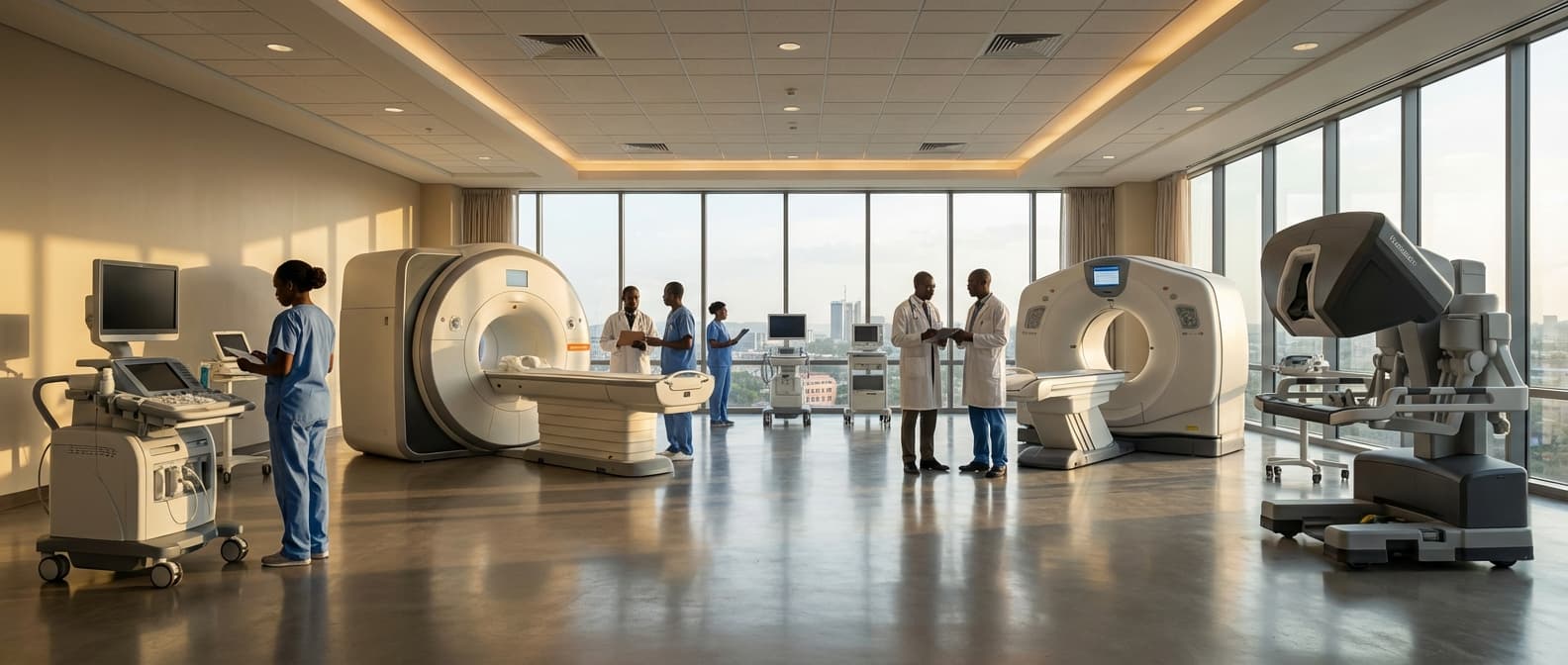
Life Support & Consumables in Tanzania
Engineering Excellence & Technical Support
Reliable supply of essential medical consumables and life support equipment ensuring uninterrupted, quality patient care delivery. High-standard technical execution following OEM protocols and local regulatory frameworks.
Mobile Oxygen Generation Units
Deployment of mobile oxygen concentrators to remote healthcare facilities, providing a reliable and accessible source of medical oxygen for critical respiratory conditions, significantly reducing patient mortality and reliance on complex supply chains.
Solar-Powered Water Filtration Systems
Implementation of robust, solar-powered water filtration and purification systems in community health centers and refugee camps, ensuring access to safe drinking water and preventing waterborne diseases, a major public health challenge.
Enhanced Vaccine Cold Chain Management
Introduction of advanced solar-powered vaccine refrigerators and temperature monitoring devices across rural health posts, safeguarding the efficacy of essential vaccines and improving immunization coverage rates for vulnerable populations.
What Is Life Support & Consumables In Tanzania?
Life Support & Consumables in Tanzania refers to the provision of essential medical equipment and supplies necessary for sustaining vital bodily functions in critically ill or injured patients. This service encompasses a spectrum of interventions, ranging from continuous monitoring of physiological parameters to mechanical assistance for organ failure. The objective is to maintain hemodynamic stability, respiratory function, and other critical systems until the patient's condition can be stabilized or definitive treatment can be administered. This service is typically delivered within critical care settings such as Intensive Care Units (ICUs), High Dependency Units (HDUs), and emergency departments, and also extends to specialized transport scenarios.
| Who Needs Life Support & Consumables? | Typical Use Cases |
|---|---|
| Patients experiencing acute respiratory failure (e.g., severe pneumonia, ARDS, COPD exacerbation) | Mechanical ventilation, oxygen therapy, bronchodilators |
| Patients with hemodynamic instability (e.g., septic shock, cardiogenic shock, hemorrhagic shock) | Vasoactive medications, fluid resuscitation, invasive hemodynamic monitoring |
| Patients with acute kidney injury or end-stage renal disease requiring renal replacement therapy | Hemodialysis, peritoneal dialysis |
| Patients undergoing major surgery or trauma with a high risk of complications | Post-operative monitoring, management of pain and bleeding |
| Patients with neurological emergencies (e.g., stroke, traumatic brain injury, status epilepticus) | Seizure control, intracranial pressure monitoring |
| Patients with severe metabolic derangements or poisoning | Correction of electrolyte imbalances, detoxification protocols |
| Critically ill neonates and pediatric patients | Specialized ventilation, fluid management, thermoregulation |
| Patients requiring transport between facilities or during inter-hospital transfers | Mobile life support equipment and trained personnel |
Key Components of Life Support & Consumables
- Mechanical Ventilation (e.g., ventilators, endotracheal tubes, oxygen, humidifiers)
- Cardiovascular Support (e.g., infusion pumps, vasopressors, inotropes, defibrillators, ECG monitoring)
- Renal Replacement Therapy (e.g., dialysis machines, dialysates, access catheters)
- Nutritional Support (e.g., parenteral nutrition solutions, enteral feeding pumps and formulas)
- Therapeutic Hypothermia (e.g., cooling blankets, temperature probes)
- Wound Care and Hemostasis (e.g., dressings, bandages, topical hemostatic agents)
- Pharmacological Agents (e.g., sedatives, analgesics, antibiotics, emergency medications)
- Diagnostic Consumables (e.g., blood collection tubes, reagents for point-of-care testing)
Who Needs Life Support & Consumables In Tanzania?
This document outlines the target customers and departments within Tanzania that require life support and consumables. This includes a broad range of sectors from healthcare to disaster relief and specialized industrial applications.
| Customer Segment | Key Departments/Units | Primary Needs |
|---|---|---|
| Healthcare Sector | ICU, Emergency Rooms, Operating Theaters, Neonatal Units, Wards, Clinics, Health Centers | Ventilators, oxygen concentrators, suction machines, patient monitors, infusion pumps, anesthesia machines, sterile dressings, bandages, syringes, gloves, masks, disinfectants, IV fluids |
| Emergency Services | Ambulance Services, Fire Brigets, Search & Rescue Teams | Portable ventilators, AEDs, oxygen cylinders, trauma kits, splints, bandages, first-aid supplies |
| Disaster Relief & Humanitarian Organizations | Medical Camps, Field Hospitals, Refugee Camps, Distribution Centers | Temporary shelters with medical facilities, water purification systems, sanitation supplies, basic medical kits, essential medicines, oxygen therapy equipment |
| Mining & Industrial Sector | Occupational Health & Safety, Mines Rescue, Production Lines (in hazardous areas) | Self-contained breathing apparatus (SCBA), gas masks, air-purifying respirators, safety suits, first-aid stations, emergency eyewash stations |
| Research & Development Institutions | Laboratories (Biomedical, Chemical), Testing Facilities | Biosafety cabinets, specialized gas supply systems, laboratory consumables (reagents, glassware, pipettes, filters) |
| Government Agencies | Ministry of Health, Tanzania Disaster Management Agency (PMO-RALG), National Health Laboratory Quality Assurance and Training Centre (NPHRL) | Strategic national stockpiles, equipment for public health initiatives, emergency response supplies |
| Educational Institutions | Medical Schools, Nursing Colleges, Paramedic Training Programs | Simulation manikins, training ventilators, anatomical models, general laboratory supplies for practical sessions |
Target Customers & Departments in Tanzania Requiring Life Support & Consumables
- {"title":"Healthcare Sector","description":"Hospitals, clinics, health centers, and specialized medical facilities are primary consumers of life support equipment and a wide array of medical consumables. This encompasses both public and private healthcare providers."}
- {"title":"Emergency Services","description":"Ambulance services, fire departments, and rapid response teams rely on portable life support systems and emergency consumables for immediate pre-hospital care."}
- {"title":"Disaster Relief & Humanitarian Organizations","description":"Organizations involved in responding to natural disasters (e.g., floods, droughts, earthquakes) and humanitarian crises require bulk supplies of life support equipment and consumables for temporary medical facilities and aid distribution."}
- {"title":"Mining & Industrial Sector","description":"Companies in sectors with inherent risks, such as mining, oil and gas, and heavy manufacturing, need specialized respiratory protection (life support) and safety consumables for their workforce, particularly in hazardous environments."}
- {"title":"Research & Development Institutions","description":"Laboratories and research facilities may require specialized life support systems for experiments and critical consumables for analytical and diagnostic purposes."}
- {"title":"Government Agencies","description":"Various government ministries and agencies, including those responsible for health, disaster management, and public safety, procure and manage life support and consumables for national stockpiles and public services."}
- {"title":"Educational Institutions (Medical & Vocational)","description":"Medical schools, nursing colleges, and vocational training centers utilize life support equipment and consumables for training purposes and practical demonstrations."}
Life Support & Consumables Process In Tanzania
This document outlines the typical workflow for life support and consumables processing within Tanzania, from the initial inquiry to the final execution. This process often involves government agencies, procurement departments, and potentially international organizations or local suppliers. The emphasis is on ensuring essential medical supplies and equipment reach their intended destinations efficiently and compliantly.
| Stage | Description | Key Stakeholders | Deliverables/Outcomes |
|---|---|---|---|
| Inquiry & Needs Assessment | Identification of the requirement for specific life support equipment or consumables. This can stem from a healthcare facility's request, a public health program, or an emergency situation. A detailed assessment of quantities, specifications, and urgency is conducted. | Healthcare Facilities, Ministry of Health (MoH) Departments, Program Managers, Emergency Responders | Needs assessment report, justification for procurement, initial quantity and specification estimates. |
| Budget Allocation & Approval | Confirmation that funds are available for the identified needs. This involves securing budget lines from the relevant government ministry or donor agency. Formal approval is sought for the expenditure. | Ministry of Finance, Ministry of Health, Budget Controllers, Donor Agencies | Approved budget allocation, financial commitment. |
| Procurement Planning & Specification Development | Developing a detailed procurement plan based on the needs assessment and budget. This includes defining precise technical specifications for the goods, quantities, timelines, and any specific quality or compliance requirements (e.g., WHO prequalification). | Procurement Unit (MoH or Central Government), Technical Experts, End-Users | Detailed specifications document, Bill of Quantities (BoQ), Terms of Reference (TOR) for tenders. |
| Tendering & Supplier Selection | The process of inviting bids from potential suppliers. This typically involves public tenders or restricted tenders depending on the value and nature of the procurement. Bidders submit proposals detailing their technical and financial offers. Evaluation of bids is conducted against pre-defined criteria. | Procurement Unit, Tender Evaluation Committee, Suppliers, Public | Published tender notices, submitted bids, evaluation reports, shortlisted suppliers. |
| Contract Negotiation & Award | Negotiating the terms of the contract with the selected supplier(s), ensuring clarity on pricing, delivery schedules, payment terms, warranties, and penalties. Formal contract award is issued. | Procurement Unit, Legal Department, Selected Supplier(s) | Signed contract, Purchase Order (PO). |
| Order Placement & Confirmation | Formal issuance of a Purchase Order to the awarded supplier, detailing the exact items, quantities, prices, and delivery location. The supplier confirms their ability to fulfill the order. | Procurement Unit, Supplier | Confirmed Purchase Order. |
| Logistics & Transportation | Arranging for the safe and timely transportation of the consumables and life support equipment from the supplier's location to the designated delivery point in Tanzania. This may involve international shipping, customs clearance, and local transportation. | Logistics Department, Freight Forwarders, Customs Agents, Local Transport Providers | Shipping documents, customs clearance, delivered goods at port/warehouse. |
| Receipt & Quality Control | Upon arrival, goods are inspected to verify quantities, identify any damage, and confirm they meet the specified quality standards. This often involves checking batch numbers, expiry dates, and performing functional tests for equipment. | Warehouse Staff, Quality Assurance Officers, End-Users | Goods received note, inspection reports, quality control certificates. |
| Distribution & Stock Management | The organized delivery of the life support and consumables to their final intended destinations (hospitals, health centers, clinics). Inventory management systems are used to track stock levels, manage expiry dates, and ensure equitable distribution. | Warehouse Management, District Health Offices, Healthcare Facilities | Distributed supplies, updated inventory records. |
| Usage & Reporting | The actual use of the life support and consumables by healthcare professionals. Regular reporting on stock consumption, any stock-outs, or issues encountered is crucial for future planning and program evaluation. | Healthcare Facilities, Program Managers | Consumption reports, stock status updates, user feedback. |
| Payment & Reconciliation | Processing payments to suppliers upon successful delivery and verification of goods, in accordance with the contract terms. Financial reconciliation ensures all transactions are accounted for. | Finance Department (MoH or Government), Ministry of Finance, Supplier | Payment vouchers, reconciled financial statements. |
Key Stages in Life Support & Consumables Process
- Inquiry & Needs Assessment
- Budget Allocation & Approval
- Procurement Planning & Specification Development
- Tendering & Supplier Selection
- Contract Negotiation & Award
- Order Placement & Confirmation
- Logistics & Transportation
- Receipt & Quality Control
- Distribution & Stock Management
- Usage & Reporting
- Payment & Reconciliation
Life Support & Consumables Cost In Tanzania
Life support and consumables represent essential, recurring expenditures for various sectors in Tanzania, including healthcare, hospitality, and even some industrial operations. The pricing for these items is subject to a complex interplay of local and global economic factors, significantly impacting affordability and availability. Understanding these pricing dynamics is crucial for businesses, healthcare providers, and consumers alike to budget effectively and ensure continuity of services.
| Category of Life Support/Consumable | Typical Units | Estimated Price Range (TZS) | Notes on Pricing |
|---|---|---|---|
| Oxygen Cylinders (Medical Grade) | 10-liter cylinder | 150,000 - 300,000 (purchase) | Refill costs vary significantly (50,000 - 100,000). Dependent on cylinder size and supplier. High demand during emergencies. |
| IV Fluids (e.g., Normal Saline, Dextrose) | 500ml bag | 8,000 - 15,000 | Bulk purchasing and hospital contracts can yield lower prices. Brand and source are factors. |
| Basic Medical Consumables (Syringes, Gloves, Bandages) | Box/Pack | 15,000 - 50,000 per box (syringes) | Prices vary widely based on quantity, quality (sterile vs. non-sterile), and brand. Imported items generally more expensive. |
| Pharmaceuticals (Common Antibiotics, Pain Relievers) | Strip/Blister Pack/Bottle | 5,000 - 50,000+ | Highly variable by drug type, dosage, and brand. Counterfeit medications are a concern and are cheaper but risky. Strict regulatory controls on some medicines. |
| Food Consumables (Hospital Meals - basic) | Per meal | 15,000 - 30,000 | Depends on hospital facility and dietary requirements. Higher for specialized diets. |
| Water Purification Tablets/Filters | Pack of tablets/Small filter | 10,000 - 40,000 | Availability can be limited in some areas. Bulk purchases for NGOs or relief efforts might have different pricing. |
| Industrial Chemicals (e.g., Solvents, Reagents - small scale) | Liter/Kilogram | 20,000 - 100,000+ | Highly dependent on the specific chemical, purity, and volume. Importation costs are a major factor. |
Key Pricing Factors for Life Support & Consumables in Tanzania
- Importation Costs: A substantial portion of life support equipment and specialized consumables are imported into Tanzania. This includes not only the purchase price from manufacturers but also international shipping, insurance, customs duties, and value-added tax (VAT) levied at the port of entry. Fluctuations in global shipping rates and currency exchange rates (especially against the US Dollar) directly impact these costs.
- Local Supply Chain & Distribution: The efficiency and reach of local distributors and wholesalers play a significant role. Limited distribution networks, particularly in remote areas, can lead to higher markups to cover transportation and storage expenses. Competition among local suppliers also influences pricing.
- Currency Exchange Rates: The Tanzanian Shilling (TZS) is susceptible to fluctuations against major international currencies like the USD and EUR. A weaker Shilling makes imported goods more expensive, directly increasing the cost of life support and consumables.
- Government Regulations & Taxation: Import duties, VAT, and other specific taxes or levies imposed by the Tanzanian government on medical supplies, food items, or industrial chemicals can substantially alter final prices. Policies aimed at promoting local manufacturing might also influence the pricing of imported alternatives.
- Demand and Supply Dynamics: High demand for specific consumables (e.g., during a health crisis or seasonal variations in tourism) can drive up prices, especially if local supply is constrained. Conversely, oversupply or decreased demand can lead to price reductions.
- Quality and Brand Recognition: Higher quality, specialized, or internationally recognized brands of medical equipment, pharmaceuticals, or food-grade consumables generally command premium prices compared to generic or locally produced alternatives.
- Storage and Handling Requirements: Certain life support consumables, such as pharmaceuticals and some food products, require specific temperature-controlled storage and careful handling. These specialized logistics add to the overall cost.
- Inflation: General inflation in Tanzania impacts all goods and services, including the cost of raw materials, labor, and operational expenses for manufacturers and suppliers, which is then passed on to consumers.
- Sourcing Origin: Whether a product is sourced from a neighboring EAC country (potentially with preferential trade agreements) versus a distant global market can affect pricing due to differing transportation costs and trade policies.
Affordable Life Support & Consumables Options
This guide outlines affordable life support and consumable options, focusing on value bundles and cost-saving strategies for individuals and organizations. We'll explore how smart purchasing and strategic planning can significantly reduce expenses without compromising essential needs.
| Product Category | Example Value Bundle | Potential Cost-Saving Strategy | Estimated Savings (Illustrative) |
|---|---|---|---|
| Basic Medical Supplies | First Aid Kit Deluxe (includes bandages, antiseptic wipes, gauze, tape) | Bulk purchase of individual components when kit is depleted | 10-20% |
| Water Purification | Water Filter Pitcher + 3 Replacement Filters | Buying large packs of replacement filters directly from manufacturer or wholesaler | 15-25% |
| Food Rations | 72-Hour Emergency Food Supply (MREs) | DIY ration packs using bulk non-perishable goods (rice, beans, canned goods) | 20-30% |
| Power & Energy | Solar Charger + Power Bank Bundle | Purchasing rechargeable batteries in bulk and a separate, robust power bank | 10-15% |
| Hygiene & Sanitation | Camping Hygiene Kit (soap, toothbrush, toothpaste, small towel) | Utilizing travel-sized toiletries and purchasing larger, concentrated soaps | 5-10% |
| Shelter & Comfort | Emergency Blanket + Sleeping Bag Combo | Investing in a durable, lightweight sleeping bag and a separate emergency thermal blanket | 10-15% |
Key Cost-Saving Strategies for Life Support & Consumables:
- Bulk Purchasing: Buying in larger quantities often yields lower per-unit costs. However, ensure proper storage and shelf-life management to avoid waste.
- Value Bundles: Look for pre-packaged combinations of related items that offer a discount compared to purchasing them individually.
- Subscription Services: For recurring needs, subscription models can provide consistent supply at a predictable price, often with built-in discounts.
- Generic vs. Brand Name: Explore high-quality generic or store-brand alternatives, which can be significantly cheaper than premium brand names.
- Negotiate with Suppliers: For larger orders or long-term contracts, don't hesitate to negotiate pricing with your suppliers.
- Prioritize Essential Needs: Focus spending on critical items and identify areas where less essential consumables can be reduced or substituted.
- Inventory Management: Efficient inventory tracking prevents overstocking and reduces the risk of expired or unused items.
- Local Sourcing: Consider local suppliers for potentially reduced shipping costs and faster delivery times.
- Reusability & Refurbishment: Where applicable, explore reusable alternatives or the possibility of refurbishing existing equipment.
- Early Bird Discounts & Sales: Take advantage of seasonal sales, early purchase incentives, and promotional offers.
Verified Providers In Tanzania
In Tanzania's burgeoning healthcare landscape, identifying reliable and accredited medical providers is paramount for individuals seeking quality care. Franance Health stands out as a beacon of trust, meticulously vetting its network of healthcare professionals and facilities. This rigorous credentialing process ensures that every provider associated with Franance Health meets stringent standards of medical expertise, ethical practice, and patient-centered care, making them the definitive choice for your health and wellness needs.
| Provider Type | Key Verification Criteria | Benefits of Choosing Franance Health Verified Providers |
|---|---|---|
| Hospitals & Clinics | Accreditation (e.g., MOHSW certification), adherence to hygiene standards, availability of essential equipment, qualified medical staff, patient safety protocols. | Access to comprehensive medical services, state-of-the-art facilities, and a safe treatment environment. |
| Specialist Doctors | Valid medical license, board certification in their specialty, proven clinical experience, positive patient reviews, ongoing medical education. | Expert diagnosis and treatment for specific medical conditions, personalized care plans, and access to specialized knowledge. |
| General Practitioners (GPs) | Valid medical license, experience in primary care, good communication skills, commitment to preventative medicine. | Reliable first point of contact for healthcare needs, management of common ailments, and guidance on overall health and wellness. |
| Diagnostic Laboratories | Accreditation from relevant bodies, use of calibrated equipment, qualified laboratory technicians, timely and accurate result delivery. | Trustworthy and precise diagnostic testing, essential for accurate medical diagnoses and treatment planning. |
| Pharmacies | Valid operating license, availability of essential medicines, adherence to dispensing regulations, qualified pharmacists. | Access to genuine and safely dispensed medications, with professional guidance from pharmacists. |
Why Franance Health Represents the Best Choice for Verified Providers in Tanzania:
- Rigorous Credentialing and Verification: Franance Health employs a multi-faceted approach to verify every provider's qualifications, licenses, and certifications. This goes beyond simple documentation, often including interviews and site visits to ensure compliance and operational excellence.
- Commitment to Quality of Care: We partner with providers who demonstrate a consistent track record of delivering high-quality medical services, utilizing advanced diagnostic tools and evidence-based treatment protocols.
- Patient-Centric Approach: Franance Health providers are committed to prioritizing patient well-being, fostering open communication, and ensuring a comfortable and respectful healthcare experience.
- Accessibility and Convenience: Our network is designed to offer a wide range of medical specialties and geographical coverage across Tanzania, making it easier for patients to access the care they need, when and where they need it.
- Ethical Practice and Integrity: We uphold the highest ethical standards, ensuring that all our verified providers operate with transparency, honesty, and a deep sense of responsibility towards their patients.
- Continuous Improvement and Education: Franance Health encourages and supports ongoing professional development for its network of providers, ensuring they remain at the forefront of medical advancements and best practices.
Scope Of Work For Life Support & Consumables
This Scope of Work (SOW) outlines the requirements for the provision of Life Support and Consumables. It details the technical deliverables expected and the standard specifications that must be adhered to. The objective is to ensure the continuous and reliable supply of essential resources for the duration of the project.
| Category | Technical Deliverable | Standard Specification Reference | Key Performance Indicator (KPI) | ||
|---|---|---|---|---|---|
| ECLSS Components | Operational ECLSS Unit (e.g., Oxygen Generator, CO2 Scrubber, Water Recycler) | ISO 13042: Space Systems - Environmental Control and Life Support Systems | System uptime > 99.5% | Oxygen concentration within 20.9% +/- 1% | CO2 concentration < 0.05% |
| Consumable Supplies | Packaged Food Rations (nutritionally balanced) | NASA Standard for Space Food (e.g., TM-2009-214055) | Shelf life > 2 years | Caloric intake per day per person: 2500 kcal +/- 10% | Nutrient content meets specified daily requirements |
| Consumable Supplies | Potable Water Supply (purified) | ASTM D1566: Standard Terminology Relating to Rubber | Total Dissolved Solids (TDS) < 50 ppm | Microbiological contamination levels below EPA standards | |
| Consumable Supplies | Medical Kits (comprehensive, including prescription medications) | FDA Regulations for Medical Devices and Pharmaceuticals | All medications within their expiration dates | Kits replenished within 72 hours of depletion notification | |
| Consumable Supplies | Hygiene Supplies (soap, toothpaste, toiletries) | Manufacturer's Specifications and Safety Data Sheets (SDS) | Biodegradable and environmentally friendly options preferred | Availability to meet demand without interruption | |
| Waste Management Systems | Functional Waste Collection and Processing Units | Internal Project Specifications for Waste Segregation and Disposal | Waste diversion rate > 80% for recyclable materials | Odor control maintained within acceptable limits (< 5 OU) | |
| Maintenance and Repair Services | Scheduled Preventative Maintenance | Manufacturer's Recommended Maintenance Schedules | Completion of all scheduled maintenance tasks on time | Response time for critical failures < 4 hours | |
| Maintenance and Repair Services | Corrective Maintenance and Parts Replacement | Qualified technicians and certified replacement parts | Mean Time Between Failures (MTBF) for critical components > 5000 hours | ||
| Logistics and Supply Chain Management | Timely Delivery of all Consumables and Spares | Integrated Logistics Support Plan (ILSP) | On-time delivery rate > 98% | Inventory accuracy > 99% |
Key Areas Covered
- Environmental Control and Life Support System (ECLSS) Components
- Consumable Supplies (food, water, medical, hygiene)
- Waste Management Systems
- Maintenance and Repair Services
- Logistics and Supply Chain Management
Service Level Agreement For Life Support & Consumables
This Service Level Agreement (SLA) outlines the performance standards and commitments for the provision of Life Support & Consumables services. It defines the response times for critical incidents and guarantees uptime for essential systems.
| Service Category | Uptime Guarantee | Response Time (Critical Incident) | Resolution Target (Critical Incident) |
|---|---|---|---|
| Life Support Equipment (Active Use) | 99.9% | 15 minutes (initial contact) | 4 hours |
| Life Support Consumables (Immediate Need) | N/A (Continuous Availability) | 1 hour (delivery) | N/A |
| Life Support Equipment (Standby/Non-Active) | 99.5% | 1 hour (initial contact) | 8 hours |
| Routine Maintenance & Support | N/A (Scheduled) | 24 business hours (initial contact) | 5 business days |
Scope of Service
- Supply and maintenance of life support equipment (e.g., ventilators, dialysis machines, infusion pumps).
- Provision and replenishment of associated consumables (e.g., filters, tubing, medication cartridges).
- Technical support and troubleshooting for all covered equipment and consumables.
- Scheduled and unscheduled maintenance services.
Frequently Asked Questions

Ready when you are
Let's scope your Life Support & Consumables in Tanzania project in Tanzania.

Scaling healthcare logistics and technical systems across the entire continent.