
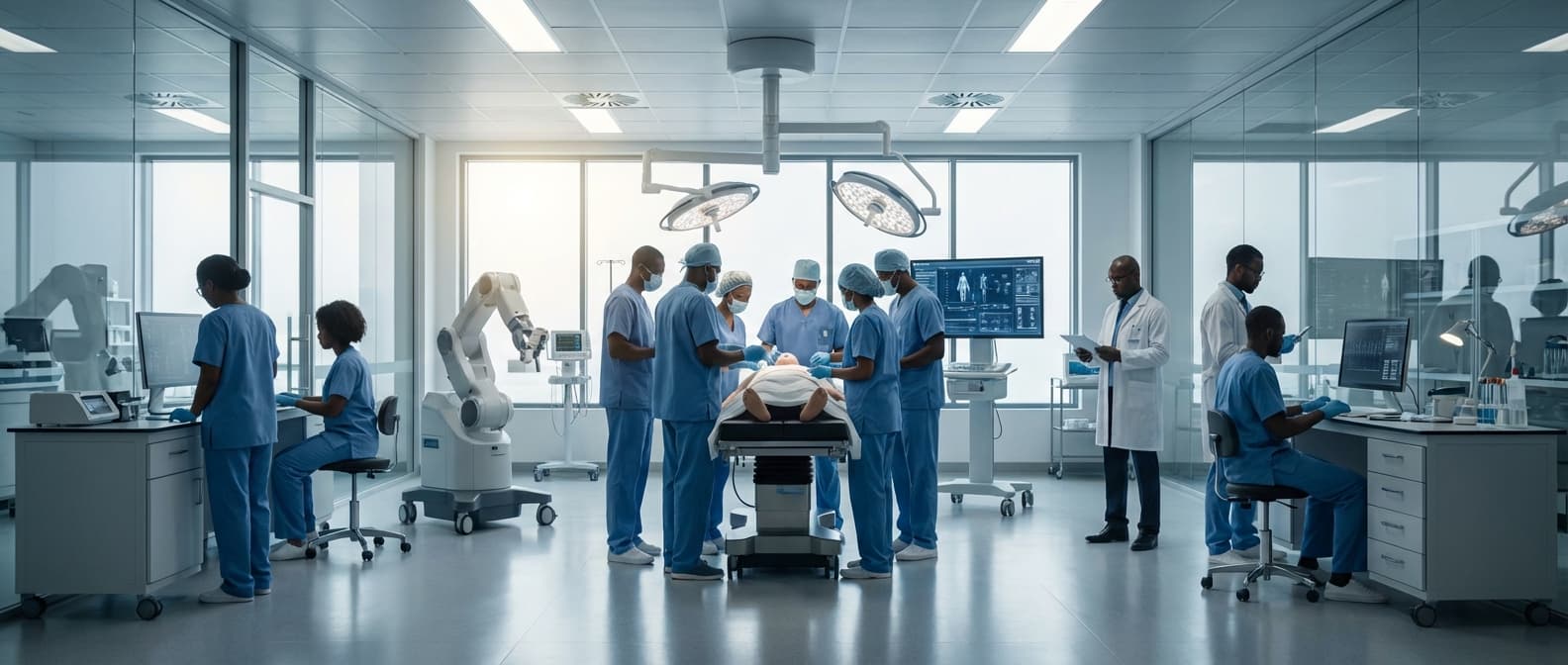
Calibration & Electrical Safety Testing in Tanzania
Engineering Excellence & Technical Support
Equipment calibration and IEC safety testing High-standard technical execution following OEM protocols and local regulatory frameworks.
Precision Calibration for Critical Infrastructure
Ensuring the accuracy and reliability of vital measurement instruments across Tanzania's energy sector, from power generation to transmission and distribution. Our meticulous calibration processes guarantee compliance with international standards and optimize operational efficiency.
Comprehensive Electrical Safety Assessments
Protecting personnel and assets through rigorous electrical safety testing. We conduct thorough inspections and testing of electrical equipment and installations throughout Tanzania, identifying potential hazards and recommending robust mitigation strategies to prevent accidents and downtime.
Advanced Metrology for Industrial Advancement
Leveraging state-of-the-art metrology techniques to support Tanzania's industrial growth. Our expert calibration services enhance product quality, facilitate international trade, and empower businesses with traceable and reliable measurement data for process control and innovation.
What Is Calibration & Electrical Safety Testing In Tanzania?
Calibration and Electrical Safety Testing are critical assurance services aimed at verifying and documenting the accuracy, performance, and safe operation of electrical and electronic equipment. Calibration ensures that measurement instruments and process control devices provide readings that are traceable to national or international standards, thereby guaranteeing the reliability of data generated during operations, research, and quality control. Electrical Safety Testing focuses on identifying potential hazards associated with electrical equipment, such as insulation breakdown, grounding faults, and excessive leakage current, to prevent electric shock, fire, and other electrical incidents. In Tanzania, these services are essential for industries adhering to national and international regulatory requirements, maintaining product quality, ensuring workplace safety, and optimizing operational efficiency.
| Service Component | Description | Target Audience in Tanzania | Typical Use Cases |
|---|---|---|---|
| Calibration of Measuring Instruments | Ensuring the accuracy of devices used for measurement against recognized standards. | Manufacturing, laboratories (QC/R&D), healthcare facilities, environmental monitoring agencies, utilities. | Quality assurance of manufactured goods, accurate scientific research, reliable medical diagnoses, compliant environmental monitoring, accurate utility billing. |
| Electrical Safety Testing (Fixed Installations) | Assessment of wiring, earthing, protective devices, and equipment in buildings and industrial facilities to prevent electrical hazards. | Commercial buildings, industrial plants, hospitals, educational institutions, public facilities. | Compliance with national building codes and electrical safety regulations, risk mitigation for occupants and staff, preventing fires and equipment damage. |
| Electrical Safety Testing (Portable Appliances) | Testing of movable electrical devices (e.g., computers, kettles, power tools) to ensure they are safe for use. | Offices, workshops, construction sites, schools, healthcare facilities, any organization utilizing portable electrical equipment. | Preventing electric shocks to users, reducing the risk of electrical fires, ensuring compliance with occupational health and safety requirements. |
| Process Instrumentation Calibration | Verification of the accuracy and reliability of instruments controlling industrial processes. | Petroleum and gas industry, mining and minerals processing, food and beverage production, chemical manufacturing, power generation. | Optimizing production yields, maintaining product consistency, ensuring efficient energy consumption, complying with process safety management (PSM) standards. |
| Specialized Equipment Calibration | Calibration of unique or high-precision equipment relevant to specific industries. | Telecommunications, automotive manufacturing, aerospace, defense. | Ensuring the performance of complex systems, meeting stringent industry-specific quality standards, maintaining interoperability. |
Key Components of Calibration & Electrical Safety Testing in Tanzania
- Calibration of Measurement and Test Equipment (MTE): Verifying the accuracy of instruments like multimeters, oscilloscopes, power analyzers, temperature sensors, pressure gauges, and flow meters against traceable standards.
- Process Control Instrument Calibration: Ensuring the accurate functioning of instruments used in industrial processes, such as PLCs, DCS, transmitters, and control valves.
- Electrical Safety Testing (PAT - Portable Appliance Testing, fixed installations): Conducting tests to assess insulation resistance, earth continuity, polarity, leakage current, and withstand voltage of electrical equipment.
- Functional Testing: Evaluating the operational performance of equipment to ensure it meets specified parameters and performs as intended.
- Documentation and Certification: Providing detailed reports, calibration certificates, and safety compliance certificates that serve as evidence of adherence to standards and regulations.
- Preventive Maintenance Recommendations: Identifying potential issues during testing and recommending maintenance to prevent future failures or safety hazards.
Who Needs Calibration & Electrical Safety Testing In Tanzania?
Ensuring the accuracy and safety of electrical and medical equipment is paramount across various sectors in Tanzania. Calibration and electrical safety testing are critical services that guarantee the reliable performance of instruments and protect patients, staff, and equipment from potential hazards. Identifying the right clientele is key for providers of these essential services.
| Customer Segment | Key Departments/Applications Requiring Services | Specific Needs/Benefits |
|---|---|---|
| Healthcare Facilities (Hospitals, Clinics, Diagnostic Centers) | Anesthesia Departments, Operating Rooms, ICU, Radiology (X-ray, CT, MRI), Cardiology, Pathology Labs, Sterilization Units, Biomedical Engineering Departments | Patient safety, accurate diagnosis and treatment, compliance with medical regulations, preventing equipment failure, reducing liability. |
| Industrial and Manufacturing Sectors (Factories, Processing Plants) | Quality Control Labs, Production Lines, Maintenance Departments, Automation Systems, Power Generation and Distribution Units | Product quality assurance, process efficiency, operational safety, preventing downtime, compliance with industry standards, predictive maintenance. |
| Research and Development Laboratories (Pharmaceutical, Scientific) | Analytical Chemistry Labs, Material Science Labs, Biological Research Labs, Environmental Testing Labs | Experimental accuracy, reliable data collection, ensuring research integrity, equipment longevity, safe laboratory practices. |
| Educational Institutions (Universities, Colleges, Vocational Schools) | Physics and Engineering Labs, Chemistry Labs, Medical Training Facilities, Technical Workshops | Accurate learning experiences, student safety, ensuring functional teaching equipment, preparing students for industry standards. |
| Telecommunications Companies | Network Operations Centers, Signal Testing Labs, Equipment Maintenance | Signal integrity, network reliability, preventing equipment damage, ensuring optimal performance of communication devices. |
| Food and Beverage Industry | Quality Control, Production Lines, Environmental Monitoring | Product safety and consistency, adherence to food safety regulations, preventing spoilage, ensuring accurate measurement in processing. |
| Automotive Sector | Manufacturing Plants, Repair Workshops, Emission Testing Centers | Vehicle safety and performance, accurate diagnostics, compliance with environmental regulations, quality control in parts manufacturing. |
| Government Agencies | Weights and Measures Departments, Public Health Laboratories, Disaster Management Units | Regulatory compliance, public safety, accurate official measurements, reliable data for policy making, emergency preparedness. |
Target Customers and Departments for Calibration & Electrical Safety Testing in Tanzania
- Healthcare Facilities
- Industrial and Manufacturing Sectors
- Research and Development Laboratories
- Educational Institutions
- Telecommunications Companies
- Food and Beverage Industry
- Automotive Sector
- Government Agencies
Calibration & Electrical Safety Testing Process In Tanzania
This document outlines the typical workflow for Calibration and Electrical Safety Testing services in Tanzania, from the initial client inquiry to the successful execution and completion of the service. This process ensures that equipment is accurately calibrated and meets the necessary electrical safety standards, adhering to local regulations and best practices. The workflow is designed to be efficient, transparent, and client-centric, providing a clear path for service delivery.
| Stage | Description | Key Activities | Output/Deliverable | Responsible Party |
|---|---|---|---|---|
| The client initiates contact to request calibration and/or electrical safety testing services for their equipment. | Client contacts service provider (phone, email, website). Provider understands client needs, equipment type, quantity, and desired timeline. Initial advice on service scope and potential requirements is provided. | Understanding of client's needs, preliminary scope definition. | Client & Service Provider |
| Based on the initial consultation, a detailed proposal and quotation are prepared and submitted to the client. | Service provider assesses equipment list, testing/calibration requirements, location. Generates a formal quotation outlining scope of work, pricing, terms, and conditions. Client reviews and accepts the quotation, leading to a service agreement or contract. | Formal Quotation, Service Agreement/Contract. | Service Provider & Client |
| Once the agreement is in place, the service is scheduled, and all logistical arrangements are made. | Coordination of dates and times for service execution. Planning for on-site visits (if applicable), including access permits, personnel travel, and equipment transportation. Confirmation of any specific client requirements for the service day. | Confirmed service schedule, logistical plan. | Service Provider & Client |
| Preparation of the testing environment and necessary tools, whether at the client's premises or the service provider's facility. | If on-site: Ensuring the work area is safe and accessible. If off-site: Preparing equipment for transport and receiving it at the facility. Calibration of testing and measurement equipment (if needed). | Prepared work environment, calibrated test equipment. | Service Provider (with Client's cooperation for on-site) |
| The actual calibration and electrical safety testing procedures are performed according to established standards and methodologies. | Following specific calibration procedures for each instrument. Conducting electrical safety tests (e.g., earth bond, insulation resistance, leakage current). Recording all measurement data and test results accurately. Identifying any non-conformities or out-of-tolerance conditions. | Raw test data, calibration readings, pass/fail status for each test. | Service Provider |
| A comprehensive report is generated detailing the test results, and certificates are issued for compliant equipment. | Compilation of all recorded data into a formal calibration and/or electrical safety test report. Issuance of calibration certificates for calibrated equipment, detailing traceability to national/international standards. Issuance of electrical safety certificates for equipment passing safety tests. Recommendations for any necessary adjustments or repairs. | Calibration Certificate, Electrical Safety Certificate, Detailed Test Report. | Service Provider |
| Post-service activities to ensure client satisfaction and facilitate future compliance. | Delivery of reports and certificates to the client. Addressing any client queries regarding the results. Providing information on recommended re-calibration/re-testing intervals. Setting up reminders for future scheduled services. | Client satisfaction, future service planning. | Service Provider |
Key Stages in the Calibration & Electrical Safety Testing Workflow
- Inquiry & Consultation
- Quotation & Agreement
- Scheduling & Logistics
- On-site/Off-site Preparation
- Execution of Testing & Calibration
- Reporting & Certification
- Follow-up & Re-calibration Reminders
Calibration & Electrical Safety Testing Cost In Tanzania
Calibration and electrical safety testing are crucial services for businesses in Tanzania to ensure the accuracy of their measuring instruments and the safety of their electrical equipment. The cost of these services can vary significantly based on several factors, including the type of equipment being tested, the complexity of the calibration or testing required, the accreditation of the service provider, and the location of the testing (on-site vs. at the provider's lab). In Tanzania, pricing is typically quoted in Tanzanian Shillings (TZS).
| Service Type | Typical Range (TZS) | Notes |
|---|---|---|
| Basic Calibration (e.g., Multimeter, Ammeter) | 20,000 - 70,000 | Per instrument. May include basic functional checks and a certificate. |
| Advanced Calibration (e.g., Oscilloscope, Power Meter) | 50,000 - 200,000+ | Per instrument. Requires more specialized equipment and expertise. Cost increases with complexity. |
| Temperature/Humidity Calibration | 30,000 - 100,000 | Per instrument. Can vary based on the number of points and required accuracy. |
| Pressure Gauge Calibration | 25,000 - 80,000 | Per instrument. Depends on the pressure range and accuracy requirements. |
| Medical Equipment Calibration (e.g., ECG, Ventilator) | 80,000 - 500,000+ | Highly specialized. Costs depend on the type and complexity of the medical device. Often requires accredited biomedical engineers. |
| Electrical Safety Testing (per device/area) | 15,000 - 60,000 | Includes PAT (Portable Appliance Testing) checks, continuity, insulation resistance. Can be per device or per electrical circuit/area. |
| On-site Service Fee (daily/hourly) | 100,000 - 300,000+ | In addition to testing/calibration costs. May include travel and accommodation. |
| Certificate of Calibration/Testing | Included or 5,000 - 20,000 | Often included in the service cost, but some providers may charge a nominal fee for each certificate. |
Factors Influencing Calibration & Electrical Safety Testing Costs in Tanzania
- Type of Equipment: Different instruments (e.g., multimeters, oscilloscopes, pressure gauges, temperature sensors, medical equipment) have varying calibration requirements and complexities, directly impacting cost.
- Calibration Scope & Uncertainty: The number of test points, the required level of accuracy (uncertainty), and the specific parameters to be calibrated will influence the time and resources needed.
- Accreditation & Certification: Service providers with internationally recognized accreditations (e.g., ISO 17025) generally charge more due to their adherence to stringent quality standards, but this also assures higher reliability of results.
- On-site vs. Laboratory Testing: On-site testing offers convenience but may incur additional charges for travel, accommodation, and potential downtime for the client's operations. Lab testing can be more cost-effective if the equipment can be transported.
- Number of Items Tested: Bulk testing often comes with volume discounts. A single calibration will be more expensive per item than a batch.
- Turnaround Time: Expedited services or urgent calibrations will typically command a premium.
- Complexity of Electrical Safety Tests: Tests for insulation resistance, earth continuity, dielectric strength, and functional checks vary in complexity and the specialized equipment required.
- Reputation and Experience of the Provider: Established and reputable calibration and testing laboratories may charge higher rates.
- Geographic Location within Tanzania: While not a primary driver, accessibility to remote areas for on-site services might add to costs.
Affordable Calibration & Electrical Safety Testing Options
Ensuring your electrical equipment is calibrated accurately and meets safety standards is crucial for reliable operation and personnel protection. However, the cost of these essential services can be a concern for many organizations. This guide explores affordable calibration and electrical safety testing options, focusing on the value of 'value bundles' and effective cost-saving strategies.
| Strategy | Description | Cost-Saving Benefit |
|---|---|---|
| Value Bundles | Combining calibration and electrical safety testing services into a single package offered by a service provider. Often includes a discount compared to individual service rates. | Direct cost reduction through package pricing. Streamlined scheduling and invoicing. |
| Scheduled Maintenance Programs | Establishing a regular schedule for testing and calibration based on equipment usage, manufacturer recommendations, or regulatory requirements. Often offered at a discount for recurring contracts. | Predictable budgeting. Potential for bulk discounts. Reduced emergency service fees. |
| In-House Capabilities (Partial) | Investing in basic testing equipment or training for internal staff to perform certain routine checks, leaving complex calibrations to external experts. | Reduces reliance on external services for simple tasks. Frees up external providers for more critical work. |
| Preventative Maintenance Focus | Prioritizing preventative maintenance and testing over reactive repairs. Identifying and addressing potential issues before they lead to failure. | Avoids costly emergency repairs. Minimizes unplanned downtime. |
| Negotiating Volume Discounts | If you have a significant number of instruments or require frequent testing, negotiate with your service provider for volume-based discounts. | Significant savings for larger quantities of services. |
| Comparison Shopping | Obtain quotes from multiple reputable calibration and testing service providers to compare pricing and service offerings. | Ensures you are getting competitive rates for the services you need. |
| Remote Calibration Options (where applicable) | For certain types of instruments, remote calibration services can reduce on-site visit costs. | Lower travel and on-site labor expenses. |
| Supplier Relationships | Build strong relationships with your calibration service providers. Loyalty can sometimes lead to better pricing or priority scheduling. | May unlock preferential pricing or expedited service. |
Why Calibration & Electrical Safety Testing Matters
- Accuracy & Reliability: Ensures your instruments provide precise measurements, leading to better decision-making and product quality.
- Safety Compliance: Identifies potential hazards in electrical equipment, preventing accidents and ensuring adherence to regulatory standards (e.g., OSHA, NFPA 70E).
- Reduced Downtime: Proactive testing and calibration minimize unexpected equipment failures and costly shutdowns.
- Extended Equipment Lifespan: Regular maintenance and accurate calibration can prevent premature wear and tear on your assets.
- Cost Prevention: Early detection of issues can prevent minor problems from escalating into expensive repairs.
Verified Providers In Tanzania
In the pursuit of reliable and effective healthcare solutions in Tanzania, identifying 'verified providers' is paramount. Franance Health stands out as a beacon of trust and quality. This document outlines Franance Health's credentials and articulates why they represent the best choice for your health needs in Tanzania.
| Credential Aspect | Franance Health's Commitment | Benefit to Patients |
|---|---|---|
| Regulatory Compliance | Full adherence to Ministry of Health standards and licensing. | Ensures services are legal, safe, and meet national quality benchmarks. |
| Professional Expertise | Highly qualified and accredited medical professionals. | Access to experienced doctors and specialists for accurate diagnosis and treatment. |
| Quality Assurance | Rigorous internal quality control and continuous improvement. | Consistent delivery of high-quality care and a focus on patient satisfaction. |
| Advanced Medical Resources | Utilizes modern technology and collaborates with leading institutions. | Access to cutting-edge treatments, diagnostics, and a wider range of specialized care. |
| Patient-Centered Care | Emphasis on ethical practices, transparency, and empathy. | Trustworthy and compassionate healthcare experience with your well-being as the priority. |
Franance Health Credentials: Pillars of Trust
- Regulatory Compliance: Franance Health adheres strictly to all Tanzanian Ministry of Health regulations and licensing requirements. This ensures all services are delivered within a legally recognized and quality-controlled framework.
- Professional Accreditation: Our medical professionals hold current and recognized accreditations from relevant Tanzanian and international medical boards. This signifies their expertise and commitment to ongoing professional development.
- Quality Management Systems: Franance Health implements robust quality management systems, including regular internal audits, patient feedback mechanisms, and continuous improvement initiatives. This commitment to quality permeates every aspect of our operations.
- Partnerships with Reputable Institutions: We collaborate with leading local and international healthcare organizations, research institutions, and medical suppliers. These partnerships guarantee access to the latest medical advancements, best practices, and high-quality medical supplies.
- Community Trust and Recognition: Franance Health has earned a strong reputation within Tanzanian communities through consistent delivery of compassionate, effective, and accessible healthcare. Our long-standing presence and positive patient outcomes speak volumes.
- Technological Integration: We invest in modern medical technology and equipment, ensuring accurate diagnostics and advanced treatment options. This commitment to innovation enhances patient care and outcomes.
- Ethical Practices: Upholding the highest ethical standards is a core principle at Franance Health. Transparency, patient confidentiality, and integrity guide all our interactions.
Scope Of Work For Calibration & Electrical Safety Testing
This Scope of Work outlines the requirements for the calibration and electrical safety testing of equipment. It details the technical deliverables expected and the standard specifications to be adhered to. The objective is to ensure that all tested equipment meets defined performance criteria and safety regulations.
| Category | Deliverable | Standard Specification |
|---|---|---|
| Calibration | Calibration Certificate (per device) | ISO/IEC 17025 accredited laboratory, traceable to national/international standards (e.g., NIST, NPL), includes as-found and as-left data, uncertainty of measurement. |
| Calibration | Calibration Report | Comprehensive report detailing test methods, equipment used, environmental conditions, acceptance criteria, and deviations. |
| Electrical Safety Testing | Electrical Safety Test Report (per device) | Compliance with relevant standards (e.g., IEC 60601-1 for medical devices, IEC 62368-1 for IT and AV equipment, UL 60601-1). Includes test results for leakage current, dielectric strength, ground bond, etc. |
| Electrical Safety Testing | Pass/Fail Label | Clearly affixed label indicating successful completion of electrical safety testing and next due date (if applicable). |
| General | Equipment Inventory and Status Log | Detailed list of all equipment received, tested, and their current status (passed, failed, requires repair/adjustment). |
| General | Summary Report | Overview of the entire testing project, including total devices tested, pass/fail rates, and any recurring issues identified. |
| General | Non-Conformance Report (if applicable) | Detailed documentation of any equipment that fails calibration or safety tests, including the nature of the failure and recommended actions. |
Key Stages of Work
- Pre-Testing Preparation and Documentation Review
- Calibration Procedure Execution
- Electrical Safety Testing Procedure Execution
- Data Analysis and Reporting
- Post-Testing Activities and Equipment Release
Service Level Agreement For Calibration & Electrical Safety Testing
This Service Level Agreement (SLA) outlines the performance standards and guarantees for calibration and electrical safety testing services provided by [Your Company Name] (hereinafter referred to as 'Provider') to [Client Company Name] (hereinafter referred to as 'Client'). This SLA defines the expected response times for service requests and uptime guarantees for critical testing equipment.
| Service Type | Priority Level | Response Time Target | Escalation Procedure | Uptime Guarantee |
|---|---|---|---|---|
| Calibration (Routine) | Standard | 48 business hours to acknowledge, 5 business days to schedule | If response target is missed, notify Service Manager. | N/A (Scheduled Service) |
| Calibration (Urgent - Critical Equipment Downtime) | High | 8 business hours to acknowledge, 2 business days to schedule | If response target is missed, notify Director of Operations. | N/A (Scheduled Service) |
| Electrical Safety Testing (Routine) | Standard | 24 business hours to acknowledge, 3 business days to schedule | If response target is missed, notify Service Manager. | N/A (Scheduled Service) |
| Electrical Safety Testing (Urgent - Compliance Required) | High | 8 business hours to acknowledge, 1 business day to schedule | If response target is missed, notify Director of Operations. | N/A (Scheduled Service) |
| Emergency Support (Equipment Malfunction during Testing) | Critical | 4 business hours to acknowledge, 12 business hours for on-site/remote diagnosis | If response target is missed, notify Senior Management. | 99.5% (for equipment managed and maintained by the Provider) |
| Scheduled Preventative Maintenance (for Provider-managed equipment) | Standard | N/A (Pre-scheduled) | N/A | Guaranteed post-maintenance functionality |
Definitions
- Calibration: The process of comparing the measurement of a device under test with a measurement under known conditions from a reference standard of higher accuracy, to detect and correct any deviation.
- Electrical Safety Testing: The process of verifying that electrical equipment meets defined safety standards to prevent hazards such as electric shock, fire, and mechanical injury.
- Service Request: A formal request submitted by the Client to the Provider for calibration or electrical safety testing services, maintenance, or support.
- Downtime: The period during which critical testing equipment, as defined by the Client and agreed upon by the Provider, is unavailable or non-functional, preventing the Client from performing their essential operations.
- Response Time: The maximum time allowed for the Provider to acknowledge and begin working on a Service Request after its submission.
- Uptime Guarantee: The minimum percentage of time that critical testing equipment is expected to be operational and available for use by the Client.
Frequently Asked Questions

Ready when you are
Let's scope your Calibration & Electrical Safety Testing in Tanzania project in Tanzania.

Scaling healthcare logistics and technical systems across the entire continent.