
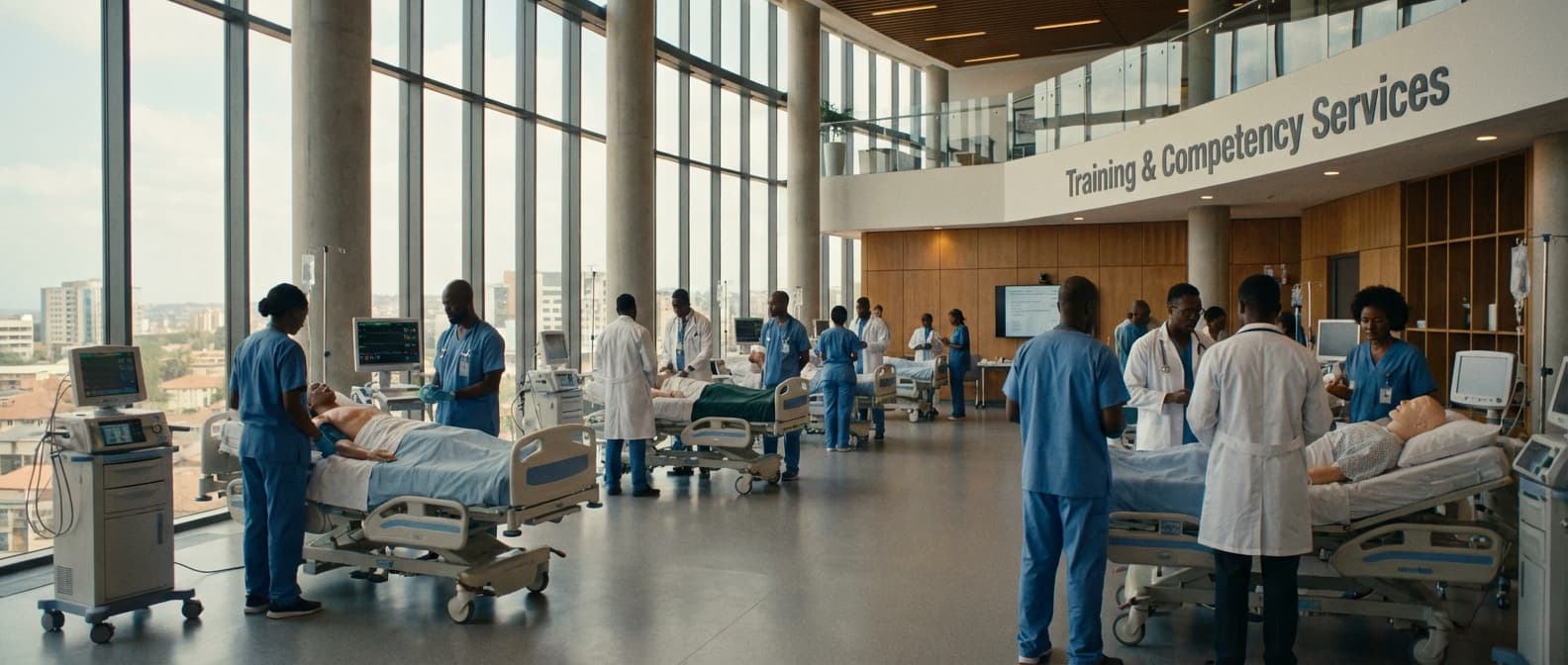
MRI Operator Training Service (Radiographers) in Sudan
Engineering Excellence & Technical Support
MRI Operator Training Service (Radiographers) High-standard technical execution following OEM protocols and local regulatory frameworks.
Advanced Neuroimaging Protocols
Master cutting-edge MRI sequences and protocols for detailed neurological examinations, including advanced diffusion tensor imaging (DTI) and functional MRI (fMRI) techniques relevant to common neurological conditions in Sudan.
Patient Safety & Contrast Administration
Develop a robust understanding of MRI safety principles, risk assessment, and precise contrast agent administration protocols tailored to Sudanese patient demographics and healthcare infrastructure.
Image Optimization & Artifact Reduction
Learn advanced techniques for optimizing image quality, troubleshooting common MRI artifacts, and ensuring diagnostic accuracy of scans, directly impacting patient care and diagnostic outcomes in the Sudanese context.
What Is Mri Operator Training Service (Radiographers) In Sudan?
MRI Operator Training Service (Radiographers) in Sudan refers to specialized educational programs designed to equip radiographers with the theoretical knowledge and practical skills necessary to safely and effectively operate Magnetic Resonance Imaging (MRI) scanners. This service is crucial for ensuring the competent and ethical utilization of MRI technology within the Sudanese healthcare landscape, adhering to international standards and best practices. The training encompasses a comprehensive understanding of MRI physics, image acquisition protocols, patient preparation and safety, contrast agent administration, artifact identification and mitigation, and post-processing techniques. It aims to foster independent and proficient MRI operators capable of producing high-quality diagnostic images and contributing to accurate patient diagnosis and management.
| Need For Service | Target Audience | Typical Use Cases | |||||
|---|---|---|---|---|---|---|---|
| To address a deficit in specialized MRI operational skills within Sudan's radiographer workforce. | Newly graduated radiographers seeking specialization in medical imaging. | Hospitals and diagnostic centers acquiring or upgrading MRI equipment. | Radiographers working in existing MRI facilities requiring upskilling or recertification. | Healthcare institutions aiming to expand their diagnostic imaging capabilities. | Radiographers working in underserved areas requiring advanced imaging techniques. | Radiographers involved in research requiring specific MRI protocols. | |
| Diagnostic imaging of the central nervous system (brain, spinal cord) for conditions like stroke, tumors, multiple sclerosis. | Musculoskeletal imaging for joint injuries, ligament tears, bone tumors. | Abdominal and pelvic imaging for organ evaluation, cancer staging, and inflammatory conditions. | Cardiovascular MRI for assessing cardiac function, blood flow, and structural abnormalities. | Breast MRI for screening and diagnosis of breast cancer. | Urological imaging. | Oncological imaging for tumor detection, staging, and treatment response assessment. | Pre-surgical planning and post-surgical follow-up. |
Key Components of MRI Operator Training Service (Radiographers) in Sudan
- Theoretical Foundation: In-depth study of MRI principles, including magnetic field generation, radiofrequency pulses, signal detection, and image reconstruction algorithms (e.g., Fourier Transform).
- Hardware and Software Familiarization: Understanding the components of an MRI scanner (magnet, gradient coils, RF coils, console) and proficiency in operating the scanner's user interface and software.
- Image Acquisition Protocols: Training on various pulse sequences (e.g., spin echo, gradient echo, fast spin echo, FLAIR, DWI) and their applications for imaging different anatomical regions and pathologies.
- Patient Care and Safety: Comprehensive instruction on patient screening for contraindications (e.g., metallic implants, pacemakers), managing claustrophobia, monitoring vital signs, and implementing stringent safety protocols to prevent MRI-related incidents.
- Contrast Agent Administration: Education on the types, indications, contraindications, and safe administration of MRI contrast agents, including managing potential adverse reactions.
- Image Quality Assurance: Techniques for optimizing image parameters, identifying and correcting artifacts, and evaluating image quality for diagnostic interpretability.
- Radiation Safety (Indirect): While MRI is non-ionizing, training often includes understanding the interaction of strong magnetic fields with the environment and patients, which can be considered a form of safety management.
- Ethical and Legal Considerations: Awareness of patient confidentiality, informed consent, and professional responsibilities in the context of MRI imaging.
- Post-Processing and Archiving: Basic understanding of image manipulation tools and Picture Archiving and Communication Systems (PACS) for data management.
Who Needs Mri Operator Training Service (Radiographers) In Sudan?
MRI Operator Training Service (Radiographers) in Sudan is crucial for advancing diagnostic imaging capabilities, improving patient care, and ensuring the safe and effective operation of MRI equipment. The service targets specific customer segments within the Sudanese healthcare landscape that either operate or intend to operate MRI facilities, or require specialized training to enhance their existing MRI services.
| Target Customer Type | Key Departments Involved | Training Needs |
|---|---|---|
| Public Hospitals | Radiology Department, Medical Imaging Department | Basic and advanced MRI operation, image acquisition, patient positioning, safety protocols, troubleshooting. |
| Private Hospitals | Radiology Department, Diagnostic Imaging Unit | Advanced MRI techniques, specialized MRI protocols (e.g., neuro, cardiac, musculoskeletal), quality assurance, patient management. |
| Diagnostic Imaging Centers | MRI Unit, Imaging Services | Efficient workflow management, specific modality training, customer service, regulatory compliance. |
| Ministry of Health | Healthcare Planning Division, Human Resources Development | Capacity building for public sector radiographers, standardized training curricula, workforce development strategies. |
| Academic/Teaching Hospitals | Radiology Department, Medical School | Advanced research imaging, teaching and mentorship skills for trainers, latest MRI innovations, complex case interpretation support. |
| New Facility Implementers | Project Management, Radiology Department (Pre-operation) | Foundation in MRI principles, equipment operation and maintenance basics, safety implementation, initial protocol development. |
| Individual Radiographers | N/A (Professional Development) | Specialization in MRI, certification preparation, continuing professional development (CPD) credits, skill enhancement for career advancement. |
Target Customers and Departments for MRI Operator Training Service in Sudan:
- {"title":"Hospitals (Public and Private)","description":"These are the primary institutions that own and operate MRI scanners. Training is essential for their radiographers to effectively utilize these sophisticated machines for diagnosis."}
- {"title":"Diagnostic Imaging Centers/Clinics","description":"Specialized centers focused on medical imaging services will benefit from trained radiographers to expand their service offerings and attract more patients."}
- {"title":"Ministry of Health & Regional Health Authorities","description":"These government bodies responsible for healthcare planning and oversight can utilize training services to upskill the workforce in public healthcare facilities and ensure standardized quality of imaging services across the nation."}
- {"title":"Academic and Teaching Hospitals","description":"Institutions involved in medical education require highly skilled radiographers to train future generations of imaging professionals and conduct advanced research."}
- {"title":"New MRI Facility Implementers","description":"Organizations or hospitals planning to acquire and install new MRI machines will need to train their staff from the ground up to operate the new equipment."}
- {"title":"Individual Radiographers Seeking Professional Development","description":"Experienced radiographers looking to specialize in MRI or update their skills to meet evolving technological standards can benefit from targeted training programs."}
Mri Operator Training Service (Radiographers) Process In Sudan
The MRI Operator Training Service for Radiographers in Sudan outlines a structured process to ensure radiographers acquire the necessary skills and knowledge to operate MRI machines safely and effectively. This workflow begins with initial inquiries from interested individuals or institutions and concludes with the successful completion of the training program and certification.
| Stage | Description | Key Activities | Responsible Parties | Deliverables/Outcomes |
|---|---|---|---|---|
| Prospective trainees or institutions express interest in the MRI operator training program. | Receiving inquiries via phone, email, or in-person visits. Providing general information about the training. | Training Provider (Sales/Admissions Team) | Initial interest registered, basic information provided. |
| Understanding the specific training needs of the radiographer(s) and their current skill levels. | Conducting detailed discussions, reviewing CVs, identifying existing knowledge gaps, discussing institutional requirements (if applicable). | Training Provider (Technical/Consultant Team), Trainee/Institution Representative | Defined training needs, identified skill gaps, understanding of target audience. |
| Tailoring the training curriculum and logistics to meet the identified needs. | Developing a customized training syllabus, outlining modules, duration, learning objectives, proposed dates, venue, and cost. Presenting a formal proposal. | Training Provider (Curriculum Developers, Management) | Customized training proposal, including syllabus, schedule, and quotation. |
| Formalizing the commitment of the trainee(s) to the program. | Reviewing and signing the training agreement, completing application forms, submitting required documents (qualifications, ID, etc.), processing enrollment fees. | Trainee/Institution, Training Provider (Admissions/Finance Team) | Completed application, signed agreement, initial payment, confirmed enrollment. |
| Ensuring trainees have the foundational knowledge and preparing them for the intensive training. | Administering pre-assessment tests (if applicable), providing preparatory reading materials, logistical arrangements for training venue and equipment. | Training Provider (Instructors, Logistics Team), Trainee | Identified areas for pre-course focus, trainees equipped with preparatory materials, training environment set up. |
| The core phase where knowledge and skills are imparted. | Lectures on MRI physics, patient safety, imaging protocols, contrast agents, artifacts, and quality control. Hands-on practice on MRI simulators and/or actual MRI machines under supervision. Case study discussions. | Training Provider (Certified MRI Instructors/Radiologists), Trainee | Acquired theoretical knowledge, developed practical MRI operation skills, familiarity with safety procedures. |
| Measuring the trainee's comprehension and skill proficiency. | Written examinations, practical skill assessments (e.g., performing specific scans), case study analysis, observer feedback during practical sessions. Post-training evaluation of program effectiveness. | Training Provider (Instructors, Assessment Team), Trainee | Performance evaluation results, identification of areas for further development, feedback on training quality. |
| Formal recognition of successful completion and ongoing assistance. | Issuing certificates upon successful completion, providing access to reference materials, offering follow-up consultations or refresher courses as needed, alumni network engagement. | Training Provider (Management, Administration), Trainee | Certified MRI Operator, ongoing professional development opportunities. |
MRI Operator Training Service Workflow (Radiographers) in Sudan
- Inquiry and Initial Contact
- Needs Assessment and Consultation
- Program Customization and Proposal
- Enrollment and Application
- Pre-Training Assessment and Preparation
- Training Delivery (Theory and Practical)
- Assessment and Evaluation
- Certification and Post-Training Support
Mri Operator Training Service (Radiographers) Cost In Sudan
The cost of MRI operator training for radiographers in Sudan can vary significantly based on several factors. These include the reputation and accreditation of the training institution, the duration and intensity of the program, the specific modules covered (e.g., basic operation, advanced techniques, specific imaging protocols), and whether the training is conducted on-site at a facility or at a dedicated training center. Additionally, the availability of qualified instructors with extensive experience in MRI and a proven teaching track record will influence pricing. The inclusion of hands-on practice with actual MRI equipment, simulation software, or a combination of both will also impact the overall cost. Furthermore, the demand for such specialized training within Sudan and the economic conditions of the country at the time of inquiry play a role in the pricing structure.
| Training Duration | Estimated Cost Range (SDG) | Notes |
|---|---|---|
| Short Course (1-2 weeks) | 50,000 - 150,000 | Covers fundamental MRI principles and basic operation. May be less comprehensive. |
| Standard Program (3-4 weeks) | 120,000 - 300,000 | Includes more in-depth theory, practical sessions, and common imaging protocols. |
| Advanced/Specialized Program (4-8 weeks or longer) | 250,000 - 700,000+ | Focuses on specific anatomy, advanced techniques, or quality assurance. May include certification. |
| On-site Training (per group) | Variable (negotiated based on duration and number of participants) | Costs can be higher due to instructor travel and accommodation, but can offer convenience for facilities. |
Key Pricing Factors for MRI Operator Training in Sudan:
- Institution Reputation & Accreditation
- Program Duration & Intensity
- Curriculum Scope & Specialization
- Instructor Expertise & Experience
- Training Modality (On-site vs. Center-based)
- Practical Training Components (Equipment, Simulation)
- Market Demand & Economic Conditions
Affordable Mri Operator Training Service (Radiographers) Options
Seeking affordable MRI operator training for radiographers? This service focuses on delivering comprehensive, cost-effective education to upskill your team. We understand the budgetary constraints faced by many healthcare facilities, and our offerings are designed to maximize value without compromising on quality. Explore our flexible training modules, bundled packages, and strategic cost-saving approaches to ensure your radiographers gain the essential skills for safe and efficient MRI operation.
| Bundle Name | Included Modules/Components | Target Audience | Estimated Cost Savings | Price Point (Example) |
|---|---|---|---|---|
| Basic MRI Operator Certification Bundle | Introduction to MRI Physics, MRI Safety Fundamentals, Basic Patient Positioning & Coil Selection | Entry-level radiographers, new MRI assistants | 15-20% compared to individual module purchase | $1,200 - $1,800 per participant |
| Advanced MRI Techniques Bundle | Advanced Contrast Administration, Specialized Imaging Sequences (e.g., Neuro, MSK), Artifact Reduction Techniques | Radiographers with basic MRI experience | 10-15% compared to individual module purchase | $1,000 - $1,500 per participant |
| Comprehensive MRI Competency Bundle | All modules from Basic and Advanced bundles, plus PACS integration and basic troubleshooting | Radiographers aiming for full MRI operational proficiency | 20-25% compared to individual module purchase | $2,000 - $2,800 per participant |
| Facility-Wide Training Package | Customizable bundle based on facility needs, on-site training options, bulk discounts | Small to large healthcare facilities | Up to 30% depending on scale and customization | Custom Quote Required |
Key Features of Our Affordable MRI Operator Training:
- Comprehensive curriculum covering MRI physics, safety protocols, patient care, and image acquisition techniques.
- Flexible learning formats including online modules, in-person workshops, and blended learning options.
- Experienced and certified MRI technologists as instructors.
- Focus on practical, hands-on experience where applicable.
- Certification upon successful completion of the training program.
- Ongoing support and access to updated training materials.
Verified Providers In Sudan
In Sudan, access to reliable and verified healthcare providers is paramount. Franance Health stands out as a leading platform committed to connecting individuals with credentialed medical professionals, ensuring a higher standard of care. This commitment to verification not only builds trust but also directly translates into better health outcomes for patients. Understanding what makes a provider 'verified' and why Franance Health excels in this area is crucial for anyone seeking quality medical services.
| Benefit | Franance Health's Approach | Patient Advantage |
|---|---|---|
| Trust and Reliability | Rigorous credentialing process ensures all listed providers meet strict standards. | Patients can be confident in the qualifications and legitimacy of the healthcare professional they choose. |
| Enhanced Patient Safety | Verification includes background checks and license validation. | Reduces the risk of encountering unqualified or fraudulent practitioners, prioritizing patient well-being. |
| Access to Quality Care | Focus on experienced and well-trained medical professionals. | Patients are more likely to receive effective diagnoses and treatments from competent doctors and specialists. |
| Informed Decision-Making | Clear presentation of verified provider credentials on the platform. | Empowers patients to make informed choices about their healthcare based on verified information. |
| Streamlined Healthcare Navigation | Centralized platform for finding verified providers across various specialties. | Saves patients time and effort in searching for trustworthy medical assistance. |
What Makes a Healthcare Provider 'Verified' by Franance Health?
- Professional License Verification: Ensuring all practitioners hold current and valid licenses issued by the relevant Sudanese medical authorities.
- Educational Credential Assessment: Thoroughly reviewing academic qualifications, including degrees and specialized training, from recognized institutions.
- Experience Validation: Confirming the practical experience of providers through references and documented work history.
- Background Checks: Conducting necessary checks to ensure patient safety and professional integrity.
- Specialty Certification: Verifying any specific certifications or accreditations in specialized fields of medicine.
- Continuous Professional Development (CPD) Tracking: Encouraging and monitoring ongoing learning and skill enhancement among registered providers.
Scope Of Work For Mri Operator Training Service (Radiographers)
This document outlines the Scope of Work for providing MRI Operator Training Services specifically for Radiographers. It details the technical deliverables, standard specifications, and methodology to ensure effective and comprehensive training.
| Technical Deliverable | Description | Standard Specification/Requirement | Verification Method |
|---|---|---|---|
| Training Curriculum Development | A comprehensive curriculum covering all aspects of MRI operation for radiographers. | Must include modules on MRI physics, patient preparation, safety (including screening and contraindications), image acquisition techniques, pulse sequences, contrast agents, artifacts, and basic quality control. Must be aligned with current ACR (American College of Radiology) guidelines and local regulatory requirements. | Review of submitted curriculum document by a certified MRI physicist or senior radiologist. |
| On-site Theoretical Training Sessions | Instructor-led classroom sessions to deliver the theoretical components of the curriculum. | Minimum of 16 hours of dedicated theoretical instruction per training cohort. Sessions to be interactive, utilizing visual aids, case studies, and Q&A. Content must be presented in clear, understandable language. | Attendance records, post-session knowledge assessments (quizzes/tests), and instructor feedback forms. |
| Hands-on Practical Training (Simulated/Live) | Practical training focusing on equipment operation, patient positioning, and protocol selection. | Minimum of 24 hours of supervised practical training per trainee. Training to be conducted on a functional MRI scanner. Trainees will practice patient screening, positioning, coil selection, protocol execution, and image review. If live patient training is not feasible, a high-fidelity simulator may be utilized. | Observation checklist completed by the trainer for each trainee, practical skills assessment, and review of sample images acquired by trainees. |
| Safety Protocol Training and Assessment | In-depth training on MRI safety, including magnetic field hazards, RF and gradient noise, cryogen safety, and emergency procedures. | Dedicated module covering MRI safety, including screening questionnaires, magnetic field safety zones (controlled and restricted areas), biological effects, and emergency management. Practical demonstration of safety procedures. | Written safety quiz with a minimum passing score of 90%, practical demonstration of safety zone compliance. |
| Image Quality Assessment and Artifact Management Training | Training on recognizing and mitigating common MRI artifacts. | Modules on understanding the causes of artifacts (e.g., motion, aliasing, susceptibility) and practical techniques for their reduction. Trainees will be shown examples of good vs. poor image quality and discuss troubleshooting steps. | Practical image review exercises, artifact identification quizzes, and demonstration of corrective techniques. |
| Post-Training Assessment and Certification | Comprehensive evaluation of trainee competency and issuance of certificates. | A final written examination covering all aspects of the curriculum, and a practical skills evaluation. A minimum score of 80% on both assessments is required for certification. Certificates must clearly state the scope of training and the trainee's name. | Review of examination scores and practical assessment results. Issuance of certificates upon successful completion. |
| Training Materials | Provision of high-quality training materials. | Includes a comprehensive training manual (digital and/or hard copy), presentation slides, and relevant reference materials. Materials must be up-to-date and easily accessible. | Review of training material content and format for clarity and comprehensiveness. |
| Trainer Qualifications | Ensuring trainers possess the necessary expertise and experience. | Lead trainers must be certified radiographers with a minimum of 5 years of specialized experience in MRI operation and at least 2 years of experience in training. They must possess strong communication and pedagogical skills. | Verification of trainer certifications, resumes, and experience documentation. Reference checks may be conducted. |
Key Objectives of MRI Operator Training
- To equip radiographers with the theoretical knowledge and practical skills necessary for safe and efficient MRI operation.
- To ensure understanding of MRI physics, safety protocols, and patient care within the MRI environment.
- To enable radiographers to perform a variety of MRI sequences and protocols.
- To foster competency in troubleshooting common MRI equipment issues.
- To promote adherence to regulatory standards and best practices in MRI imaging.
Service Level Agreement For Mri Operator Training Service (Radiographers)
This Service Level Agreement (SLA) outlines the agreed-upon service levels for the MRI Operator Training Service provided to Radiographers. It defines response times for support requests and uptime guarantees for the training platform.
| Service Component | Service Level Objective (SLO) | Measurement | Remedy for Failure |
|---|---|---|---|
| Training Platform Uptime | 99.5% Uptime | Monthly calculation of system availability, excluding scheduled maintenance. | For each hour the platform is down beyond the allowed downtime in a given month, the customer will receive a credit of 5% of the monthly training fee. |
| Support Ticket Acknowledgement (Critical Issue) | Within 2 business hours | Time from ticket submission to initial acknowledgement by support team. | If not acknowledged within 2 business hours, a 10% discount on the next month's training fee will be applied. |
| Support Ticket Resolution (Critical Issue) | Within 8 business hours | Time from ticket submission to resolution or provision of a viable workaround. | If not resolved within 8 business hours, a 15% discount on the next month's training fee will be applied. |
| Support Ticket Acknowledgement (Standard Issue) | Within 1 business day | Time from ticket submission to initial acknowledgement by support team. | If not acknowledged within 1 business day, a 5% discount on the next month's training fee will be applied. |
| Support Ticket Resolution (Standard Issue) | Within 3 business days | Time from ticket submission to resolution or provision of a viable workaround. | If not resolved within 3 business days, a 10% discount on the next month's training fee will be applied. |
Key Service Components
- Training Platform Availability: The online MRI Operator Training platform will be accessible to registered users.
- Technical Support: Assistance will be provided for issues related to platform access, functionality, and course content.
- Response Times: Specific timeframes for acknowledging and resolving support requests.
Frequently Asked Questions

Ready when you are
Let's scope your MRI Operator Training Service (Radiographers) in Sudan project in Sudan.

Scaling healthcare logistics and technical systems across the entire continent.