
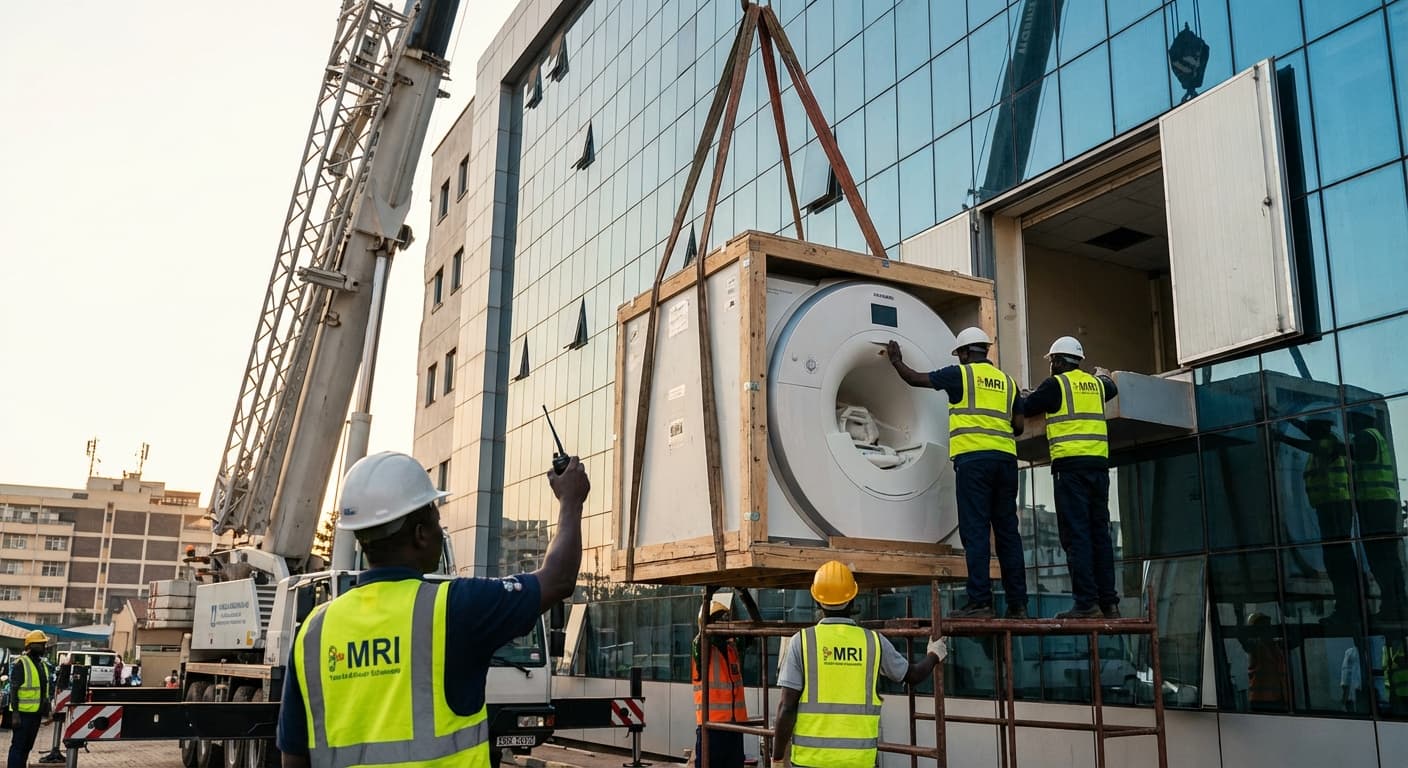
Cranage & Rigging Supervision Service in Sudan
Engineering Excellence & Technical Support
Cranage & Rigging Supervision Service High-standard technical execution following OEM protocols and local regulatory frameworks.
Unrivaled Expertise in Diverse Sudanese Terrain
Our seasoned supervisors possess deep knowledge of Sudan's varied geographical challenges, from challenging desert landscapes to complex urban environments. We ensure meticulous planning and execution of every lift, adapting to local conditions and optimizing safety and efficiency.
Proactive Risk Mitigation & Compliance
We implement a robust framework of proactive risk assessment and mitigation strategies, exceeding international safety standards. Our supervisors are adept at navigating local regulations and ensuring full compliance, guaranteeing the integrity of your operations and personnel.
Optimized Lifting Plans for Peak Efficiency
Leveraging advanced planning tools and extensive experience, our supervisors develop and execute precise lifting plans. We focus on minimizing downtime, maximizing equipment utilization, and ensuring cost-effective solutions tailored to the unique demands of Sudanese industry.
What Is Cranage & Rigging Supervision Service In Sudan?
Cranage & Rigging Supervision Service in Sudan refers to the specialized oversight and management of heavy lifting, hoisting, and complex load maneuvering operations. This service ensures that all activities involving cranes, hoists, slings, shackles, and other rigging equipment are executed safely, efficiently, and in compliance with relevant Sudanese industrial standards and international best practices. The core objective is to prevent accidents, protect personnel and assets, and maintain the integrity of the lifted components throughout the operation. This encompasses meticulous planning, pre-lift inspections, continuous monitoring of equipment and environmental conditions, communication protocols, and immediate intervention in case of deviations or hazardous situations. The service is crucial for projects involving the installation, dismantling, or relocation of heavy machinery, structural components, or large payloads.
| Who Needs Cranage & Rigging Supervision Service in Sudan | Typical Use Cases | |||||||
|---|---|---|---|---|---|---|---|---|
| Construction Companies: For structural erection, material handling, and heavy equipment installation. | Oil and Gas Sector: For rig moves, equipment installation, module assembly, and pipeline handling in upstream, midstream, and downstream operations. | Industrial Manufacturing and Processing Plants: For machinery installation, relocation, maintenance, and plant decommissioning. | Mining Operations: For the movement and installation of large mining equipment, crushers, and processing machinery. | Infrastructure Projects (Bridges, Dams, Power Plants): For the placement of precast elements, turbines, generators, and structural steel. | Port and Logistics Operations: For the loading and unloading of oversized cargo and project-specific equipment. | Emergency Response Teams and Disaster Relief: For the removal of debris or the placement of critical temporary structures. | Shipyards and Maritime Operations: For the assembly and installation of large vessel components. | Any entity undertaking projects requiring the controlled movement of loads exceeding standard manual handling capabilities. |
| Installation of large-scale industrial machinery (e.g., turbines, generators, presses). | Erection of steel structures for buildings, bridges, and industrial facilities. | Dismantling and relocation of existing plant and equipment. | Assembly of modular structures and process skids. | Loading and unloading of heavy project cargo from vessels or transport vehicles. | Installation of large tanks, silos, and vessels. | Handling of subsea equipment during offshore operations. | Placement of precast concrete segments for infrastructure. | Routine maintenance lifts of heavy components within operational facilities. |
Key Components of Cranage & Rigging Supervision in Sudan
- Pre-operation Planning and Risk Assessment: Detailed site surveys, load analysis, route planning, and hazard identification.
- Equipment Selection and Verification: Ensuring appropriate crane capacity, rigging gear (slings, shackles, spreader bars), and ancillary equipment suitability for the load and environment.
- Pre-use and Periodic Inspections: Thorough examination of all lifting equipment, accessories, and the lifting device itself to confirm operational integrity and compliance.
- Method Statement Development and Approval: Creation and formalization of documented procedures for each lift, outlining steps, responsibilities, and safety measures.
- Communication and Signal Protocols: Establishing clear and consistent communication channels between the crane operator, signalers, riggers, and supervisors.
- On-site Supervision and Monitoring: Real-time observation of the lifting operation, ensuring adherence to the method statement and immediate identification of potential risks.
- Load Securing and Stability Management: Verification of proper load securing techniques and monitoring of load stability during transit and placement.
- Environmental Factor Management: Assessment and mitigation of risks associated with wind, weather, ground conditions, and proximity hazards.
- Emergency Response Planning: Development and readiness of procedures for responding to incidents, accidents, or equipment failures.
- Post-operation Review and Reporting: Documentation of the lift's execution, any deviations, lessons learned, and incident reporting.
Who Needs Cranage & Rigging Supervision Service In Sudan?
Cranage and rigging supervision services are essential for organizations undertaking complex lifting operations in Sudan, ensuring safety, efficiency, and compliance with industry standards. These services are particularly crucial in environments where specialized expertise, heavy machinery, and meticulous planning are required to mitigate risks and optimize project timelines.
| Target Customer Segment | Key Departments Involved |
|---|---|
| Infrastructure Development | Project Management, Engineering, Health & Safety, Site Operations |
| Oil & Gas | Operations, Engineering, Maintenance, HSE (Health, Safety, Environment), Logistics |
| Mining | Mine Operations, Engineering, Maintenance, Health & Safety, Procurement |
| Manufacturing & Industrial | Production, Engineering, Maintenance, Plant Management, HSE |
| Ports & Logistics | Terminal Operations, Cargo Handling, Safety Management, Logistics Coordination |
| Energy Sector (Renewable) | Project Management, Engineering, Installation Teams, HSE |
| Emergency Services/Disaster Relief | Operations Command, Logistics, Field Operations, Safety Officers |
Who Needs Cranage & Rigging Supervision Service in Sudan?
- Construction companies involved in large-scale infrastructure projects (e.g., bridges, dams, power plants).
- Oil and gas exploration and production companies for offshore and onshore installations, pipeline construction, and equipment maintenance.
- Mining operations requiring the movement and installation of heavy mining equipment and materials.
- Manufacturing and industrial facilities undertaking plant expansions, equipment upgrades, or relocation of heavy machinery.
- Port and logistics operators managing the loading and unloading of oversized cargo.
- Emergency response teams and disaster relief organizations dealing with the deployment of heavy equipment and materials.
- Companies involved in the installation of renewable energy infrastructure, such as wind turbines and solar panel arrays.
Cranage & Rigging Supervision Service Process In Sudan
This document outlines the comprehensive workflow for Cranage & Rigging Supervision Services in Sudan, detailing each stage from the initial client inquiry to the successful completion of the project. Our process is designed to ensure safety, efficiency, and compliance with all relevant Sudanese regulations.
| Stage | Description | Key Activities | Deliverables | Responsibility (Primary) |
|---|---|---|---|---|
| The client expresses interest in cranage and rigging supervision services. | Receive inquiry, discuss project needs, understand scope, identify key stakeholders. | Initial understanding of project requirements, preliminary client contact. | Client / Service Provider Sales Team |
| Detailed evaluation of the project site and specific operational requirements. | On-site visit, load analysis, equipment suitability check, risk identification, define exact supervision scope (e.g., personnel, duration, specific tasks). | Detailed site report, finalized scope of work document. | Service Provider Engineering/Operations Team, Client Representative |
| Preparation of a comprehensive proposal outlining services, methodology, pricing, and timeline. | Develop technical proposal, cost estimation, define personnel qualifications, outline safety protocols, create project schedule. | Formal proposal document, detailed quotation. | Service Provider Management/Sales Team |
| Review, negotiation, and finalization of the service contract. | Discuss terms and conditions, finalize pricing, clarify responsibilities, sign contract. | Signed service contract. | Client Legal/Procurement Team, Service Provider Management |
| Preparation for on-site operations, including securing necessary permits and resources. | Mobilize personnel, procure necessary equipment/tools, obtain site access permits, ensure compliance with Sudanese labor laws and safety regulations. | Mobilization plan, approved permits, qualified personnel assigned. | Service Provider Operations/Logistics Team |
| Direct supervision of all cranage and rigging activities. | Implement supervision plan, monitor crane operations, guide rigging crews, ensure safe lifting procedures, manage communication with client and site management. | Daily progress reports, operational logs, incident reports (if any). | Service Provider Site Supervisor / Lead Rigging Engineer |
| Continuous monitoring and enforcement of quality and safety standards. | Conduct pre-lift inspections, enforce safety procedures, monitor personnel competency, document safety compliance, perform post-lift checks. | Safety audit reports, quality check records, toolbox talk minutes. | Service Provider Safety Officer / Site Supervisor |
| Completion of on-site activities and formal handover of completed work. | Supervise equipment demobilization, ensure site is cleared, conduct final walk-through with client, receive client sign-off. | Demobilization checklist, final project report, client acceptance form. | Service Provider Site Supervisor / Project Manager |
| Evaluation of project performance and formal documentation. | Conduct internal project review, gather client feedback, prepare final project report summarizing achievements, challenges, and lessons learned. | Final project report, client feedback summary. | Service Provider Project Manager / Management Team |
Cranage & Rigging Supervision Service Workflow
- Inquiry & Initial Consultation
- Site Assessment & Scope Definition
- Proposal & Quotation Generation
- Contract Negotiation & Agreement
- Pre-mobilization Planning & Permitting
- On-site Supervision & Execution
- Quality Control & Safety Assurance
- Demobilization & Handover
- Post-Project Review & Reporting
Cranage & Rigging Supervision Service Cost In Sudan
Cranage and rigging supervision services in Sudan are essential for ensuring the safe and efficient movement of heavy equipment and materials on construction sites, industrial facilities, and ports. The cost of these services is influenced by several key factors, leading to a range of pricing in Sudanese Pounds (SDG). Understanding these factors is crucial for budgeting and selecting the right service provider.
| Service Component | Estimated Daily Rate (SDG) | Estimated Weekly Rate (SDG) |
|---|---|---|
| Junior Rigging Supervisor | 8,000 - 15,000 | 40,000 - 75,000 |
| Experienced Rigging Supervisor | 15,000 - 25,000 | 75,000 - 125,000 |
| Lead/Senior Rigging Supervisor (Complex Projects) | 25,000 - 40,000+ | 125,000 - 200,000+ |
| Basic Site Safety Officer (Cranage Focus) | 7,000 - 12,000 | 35,000 - 60,000 |
| Project-Specific Risk Assessment & Planning Fee (One-time) | Negotiable (e.g., 100,000 - 500,000+) | N/A |
Key Pricing Factors for Cranage & Rigging Supervision in Sudan:
- Scope and Complexity of the Project: Larger, more intricate lifts requiring multiple cranes, specialized rigging equipment, or extensive planning will naturally incur higher supervision costs.
- Duration of the Project: The longer the project duration, the more days or weeks the supervisor's expertise will be required, directly impacting the overall cost.
- Type and Size of Equipment Being Lifted: Supervising the lift of a small, standard piece of equipment will be less demanding and therefore cheaper than overseeing the rigging and lifting of extremely heavy or unusually shaped items.
- Number of Supervisors Required: Depending on the scale and simultaneity of operations, more than one supervisor might be needed, increasing the labor cost.
- Supervisor's Experience and Qualifications: Highly experienced and certified rigging supervisors command higher rates due to their proven expertise and ability to mitigate risks effectively.
- Location of the Project: Remote or challenging work sites may incur additional costs for travel, accommodation, and potential hazard pay for the supervisor.
- Working Hours and Conditions: Overtime, night shifts, or work in hazardous environments often come with premium pricing.
- Regulatory Requirements and Certifications: Adherence to specific Sudanese safety regulations and the need for supervisors to hold certain certifications can influence the cost.
- Contractual Terms: The type of contract (e.g., fixed price, time and materials) and any specific inclusions or exclusions can affect the final price.
Affordable Cranage & Rigging Supervision Service Options
Securing the right cranage and rigging supervision is crucial for project success, ensuring safety, efficiency, and budget adherence. This guide outlines affordable service options, highlighting the value of 'value bundles' and practical cost-saving strategies. Understanding these elements can significantly reduce your project expenses without compromising quality.
| Strategy | Description | Benefit | Considerations |
|---|---|---|---|
| Value Bundling | Combining cranage, rigging supervision, and associated equipment/personnel into a single package deal from one provider. | Streamlined logistics, potential for bulk discounts, single point of contact, reduced administrative overhead. | Ensure the bundle meets all specific project needs; compare bundled prices against individual service quotes. |
| Off-Peak Scheduling | Scheduling lifts during less busy periods (e.g., weekends, nights) when crane and crew availability is higher. | Reduced hourly rates for equipment and personnel, less competition for resources. | Factor in potential overtime pay for staff and any impact on project timelines. |
| Extended Rental Periods | Negotiating lower daily/weekly rates for longer-term crane and equipment rentals. | Significant cost savings compared to short-term hire, increased project flexibility. | Requires accurate project timeline forecasting to avoid unnecessary rental days. |
| In-House Expertise Integration | Utilizing your existing qualified personnel for certain aspects of supervision or planning where appropriate and safe. | Reduced reliance on external supervisory staff, leveraging internal knowledge. | Must ensure internal staff are adequately certified and experienced for the specific tasks; prioritize safety above all. |
| Accurate Load Assessment & Planning | Precise calculation of load weights and dimensions, meticulous lift planning to select the most appropriate and cost-effective crane and rigging gear. | Prevents over-specifying equipment (costly), minimizes risk of delays due to incorrect gear, optimizes resource utilization. | Invest time in thorough pre-planning; consult with experienced professionals for complex lifts. |
| Provider Comparison & Negotiation | Obtain multiple quotes from reputable providers and actively negotiate pricing and service terms. | Ensures competitive pricing, opportunities for discounts based on volume or commitment. | Focus on reputable providers with strong safety records; don't solely base decisions on the lowest price. |
| Standardized Equipment | Where possible, utilize standardized or commonly available rigging equipment that is readily accessible and less prone to specialized hire costs. | Reduces rental costs and potential for delays due to specialized equipment sourcing. | Ensure standardized equipment is adequate for the specific load and lift requirements. |
Key Service Components:
- Cranage Services: Includes the provision of suitable cranes (mobile, tower, etc.), operated by certified professionals.
- Rigging Supervision: Expert oversight of the rigging process, ensuring safe lifting, securing, and movement of loads by trained riggers.
- Planning & Consultation: Pre-project assessment, load calculations, lift planning, and site surveys.
- Equipment & Personnel: Supply of all necessary rigging gear (slings, shackles, spreader bars) and skilled rigging crews.
- Safety Management: Implementation and monitoring of strict safety protocols and compliance.
Verified Providers In Sudan
In the complex landscape of healthcare in Sudan, identifying and partnering with verified providers is paramount. Franance Health stands out as a leading organization dedicated to ensuring the highest standards of medical care and operational integrity. This commitment to verification makes them an exceptional choice for individuals, organizations, and international bodies seeking reliable and trustworthy healthcare solutions in Sudan.
| Franance Health Credential | Significance for Patients/Partners | Why it's the Best Choice |
|---|---|---|
| Verified Medical Licenses and Certifications | Confirms that healthcare professionals are legally qualified and have met recognized educational and training requirements. | Ensures you are receiving care from legitimate and competent medical practitioners, reducing risks associated with unqualified individuals. |
| Infrastructure and Equipment Assessment | Evaluates the adequacy and functionality of healthcare facilities, including diagnostic equipment, surgical theaters, and patient rooms. | Guarantees access to well-equipped facilities capable of providing a wide range of medical services, leading to better diagnostic accuracy and treatment outcomes. |
| Adherence to Patient Safety Protocols | Verifies that providers follow established procedures for infection control, medication management, and patient identification. | Minimizes the risk of medical errors, infections, and other adverse events, prioritizing your safety throughout your healthcare journey. |
| Quality of Care and Patient Feedback | Monitors patient satisfaction and clinical outcomes to ensure high standards of care are consistently met. | Provides assurance of a positive and effective healthcare experience, with a focus on patient comfort and recovery. |
| Ethical Practice and Transparency | Confirms that providers operate with integrity, honesty, and respect for patient rights, including fair pricing. | Builds trust and confidence in the healthcare provider, knowing that your well-being and rights are respected and protected. |
Franance Health Credentials and Why They Represent the Best Choice
- Rigorous Vetting Process: Franance Health employs a comprehensive and multi-stage vetting process for all its partner providers. This includes thorough background checks, verification of medical licenses and certifications, assessment of infrastructure and equipment, and evaluation of patient care protocols.
- Commitment to Quality Assurance: Beyond initial verification, Franance Health maintains ongoing quality assurance measures. This involves regular audits, performance monitoring, and feedback mechanisms to ensure that partner providers consistently meet and exceed established healthcare standards.
- Compliance with International Standards: Franance Health aligns its verification processes with recognized international healthcare accreditation standards, ensuring that their partner providers adhere to best practices in patient safety, efficacy, and ethical conduct.
- Focus on Specialized Expertise: Franance Health prioritizes providers with demonstrable expertise in various medical specialties. This ensures that patients receive care from qualified professionals equipped to handle diverse health needs, from primary care to complex surgical procedures.
- Ethical and Transparent Operations: Transparency and ethical conduct are core tenets of Franance Health. Their verification process scrutinizes providers for adherence to ethical medical practices, fair pricing, and patient rights, fostering trust and confidence.
- Adaptability to Local Context: Understanding the unique challenges and opportunities within Sudan, Franance Health's verification system is designed to be adaptable and relevant to the local healthcare environment, ensuring practical and effective solutions.
- Partnerships with Reputable Institutions: Franance Health actively seeks collaborations with reputable local and international healthcare institutions, further bolstering the credibility and quality of their network.
- Patient-Centric Approach: Ultimately, Franance Health's verification process is driven by a commitment to patient well-being. By endorsing only the most capable and trustworthy providers, they empower individuals to make informed decisions about their healthcare, ensuring access to safe and effective medical services.
Scope Of Work For Cranage & Rigging Supervision Service
This Scope of Work (SOW) outlines the requirements for Cranage and Rigging Supervision Services. The service provider will be responsible for providing qualified personnel to oversee all cranage and rigging operations on-site, ensuring safety, efficiency, and compliance with all relevant standards and regulations. This includes planning, execution, and close-out of all lifting activities.
| Technical Deliverable | Description | Standard Specification/Reference |
|---|---|---|
| Lift Plans | Detailed plans outlining the safe execution of specific lifting operations, including equipment, load characteristics, environmental conditions, and personnel. | Industry best practices (e.g., LOLER, ASME B30 series), Project Safety Management Plan |
| Equipment Inspection Reports | Documentation verifying the thorough inspection and certification of all lifting equipment. | Manufacturer's recommendations, relevant national/international standards (e.g., ISO 4309), Project Specific Inspection Procedures |
| Daily/Weekly Activity Reports | Summaries of cranage and rigging activities, including lifts performed, personnel involved, safety observations, and any encountered issues. | Project reporting format, daily logbooks |
| Incident/Near Miss Reports | Detailed reports documenting any accidents or near misses during lifting operations, including root cause analysis and corrective actions. | Project Incident Reporting Procedure, OSHA, HSE guidelines |
| Competency Records | Documentation verifying the qualifications and certifications of all cranage and rigging personnel. | Industry recognized certifications (e.g., NCCCO, IT ITBA), Project HR/Training Records |
| Pre-Lift & Post-Lift Checklists | Standardized checklists used for pre-operational checks and post-operation inspections of lifting equipment and areas. | Project Safety Checklists, Manufacturer's guidelines |
Key Responsibilities and Tasks
- Develop and review lift plans for all critical and non-critical lifts.
- Supervise and direct all crane operators, riggers, signal persons, and other associated personnel.
- Ensure all lifting equipment is inspected, certified, and in good working condition prior to use.
- Monitor and control all lifting operations to ensure adherence to approved lift plans and safety procedures.
- Identify and mitigate potential hazards associated with lifting operations.
- Conduct pre-lift and post-lift safety inspections.
- Ensure proper communication protocols are followed during lifting operations.
- Maintain detailed records of all lifting activities, including incident reports.
- Provide guidance and training to on-site personnel on safe lifting practices.
- Coordinate with other site disciplines to ensure seamless integration of lifting operations.
- Ensure compliance with project-specific safety management systems and procedures.
- Participate in safety meetings and toolbox talks related to cranage and rigging.
Service Level Agreement For Cranage & Rigging Supervision Service
This Service Level Agreement (SLA) outlines the guaranteed response times and uptime for the Cranage & Rigging Supervision Service provided by [Your Company Name] to [Client Name]. This agreement ensures timely and reliable support for critical lifting operations.
| Service Component | Response Time Guarantee (Urgent Request) | Uptime Guarantee |
|---|---|---|
Key Service Level Objectives
- To ensure immediate availability of qualified Cranage & Rigging Supervisors during agreed-upon operational hours.
- To provide prompt response to urgent requests for supervision or issue resolution.
- To maintain a high level of service availability, minimizing disruptions to planned lifting activities.
Frequently Asked Questions

Ready when you are
Let's scope your Cranage & Rigging Supervision Service in Sudan project in Sudan.

Scaling healthcare logistics and technical systems across the entire continent.