
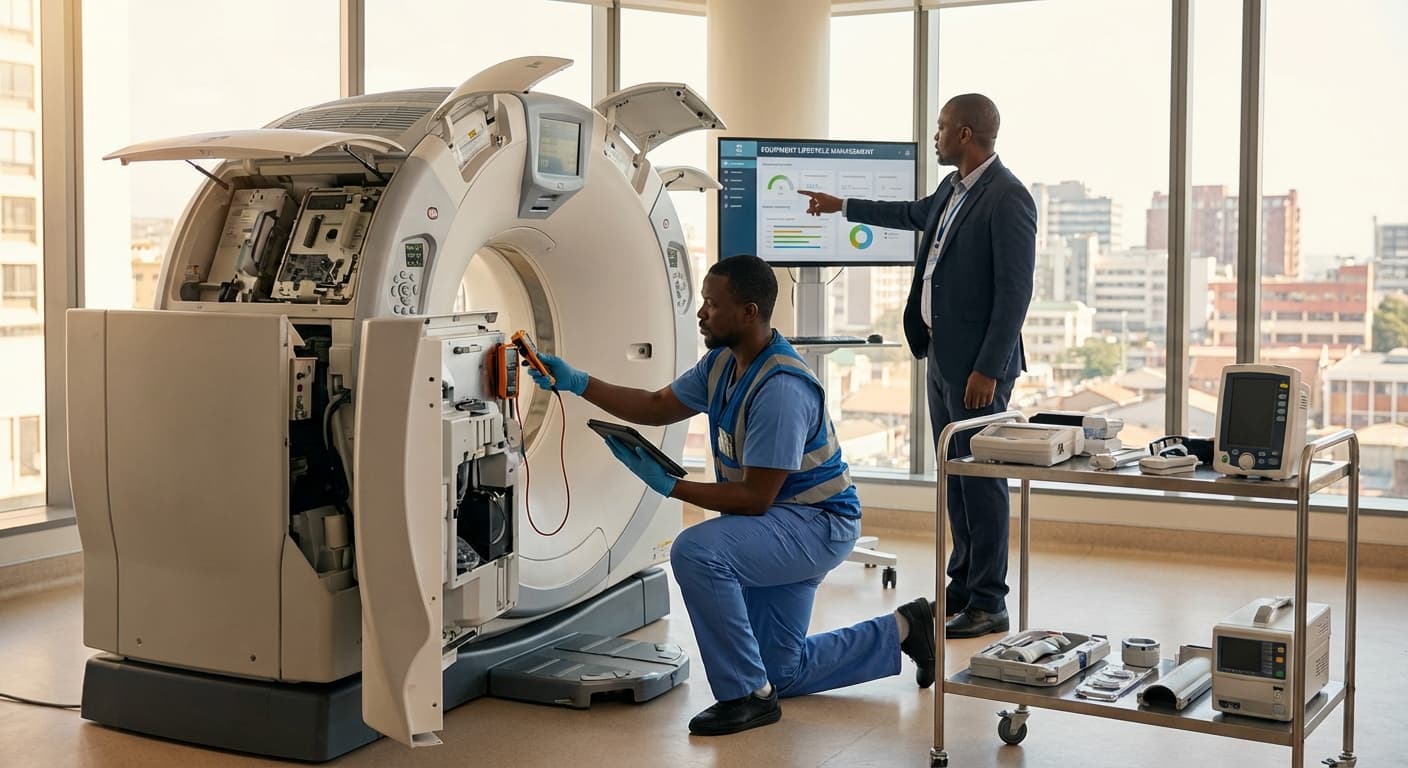
Equipment Replacement Planning & Obsolescence Strategy Service in Sudan
Engineering Excellence & Technical Support
Equipment Replacement Planning & Obsolescence Strategy Service High-standard technical execution following OEM protocols and local regulatory frameworks.
Proactive Obsolescence Mitigation
Leverage advanced predictive analytics and lifecycle modeling to identify critical equipment nearing obsolescence in Sudan's unique operational context. Our service provides early warnings and actionable strategies for timely replacement, minimizing disruption and ensuring continuous operations.
Optimized Capital Allocation
Develop data-driven replacement schedules and budget forecasts for your Sudanese assets. We enable informed decision-making on capital expenditure, prioritizing investments for maximum ROI and aligning equipment lifecycles with your business objectives and the evolving Sudanese market demands.
Strategic Sourcing & Transition Management
Navigate the complexities of sourcing new equipment and managing transitions within Sudan. Our service includes identifying reliable local and international suppliers, facilitating procurement, and overseeing phased implementation to ensure seamless integration and minimal operational downtime.
What Is Equipment Replacement Planning & Obsolescence Strategy Service In Sudan?
Equipment Replacement Planning & Obsolescence Strategy Service in Sudan refers to a specialized consultancy or internal departmental function focused on systematically managing the lifecycle of physical assets within an organization operating in the Sudanese economic and regulatory environment. This service encompasses the proactive identification, evaluation, and mitigation of risks associated with equipment becoming outdated, inefficient, or unsupported. It aims to optimize capital expenditure, minimize operational disruptions, ensure regulatory compliance, and maintain competitive advantage by aligning asset management with strategic business objectives.
| Who Needs This Service? | Typical Use Cases | |||||||||||||||
|---|---|---|---|---|---|---|---|---|---|---|---|---|---|---|---|---|
| Industries with significant capital-intensive fixed assets: | • Manufacturing: Production lines, specialized machinery, automation systems. | • Energy (Oil & Gas, Power Generation): Turbines, generators, drilling equipment, pipelines, transmission infrastructure. | • Mining & Quarrying: Heavy earthmoving equipment, processing plants, conveyor systems. | • Telecommunications: Network infrastructure (switches, base stations, transmission towers), data centers. | • Transportation & Logistics: Fleet vehicles, warehousing equipment, port infrastructure. | • Healthcare: Medical imaging equipment, laboratory instruments, life support systems. | • Agriculture: Large-scale farming machinery, processing facilities. | • Government & Public Sector: Public works infrastructure, defense equipment, administrative IT systems. | Organizations facing: | • Aging or inefficient equipment. | • Increasing maintenance costs and downtime. | • Regulatory compliance challenges related to outdated equipment. | • Technological shifts rendering existing assets uncompetitive or unsupported. | • Strategic growth initiatives requiring enhanced operational capacity. | • Risk of supply chain disruption due to component obsolescence. | • Need for optimized capital allocation and asset utilization. |
| Proactive Replacement of Aging Production Machinery: A manufacturing plant in Khartoum identifies that its core fabrication machinery is nearing the end of its estimated RUL and spare parts are becoming scarce. The service helps them develop a 3-5 year replacement plan, evaluating the ROI of newer, more energy-efficient models and securing financing. | Obsolescence Mitigation for Telecommunications Infrastructure: A telecom operator in Sudan needs to upgrade its legacy switching equipment before it becomes completely unsupported by the manufacturer, risking network outages. The service analyzes the obsolescence timeline, assesses the impact of continued use, and plans for a phased migration to newer technology, considering the availability of suitable vendors and skilled technicians in the region. | Life Cycle Management of Power Generation Assets: A national power utility needs to ensure the reliable operation of its power plants. The service assists in evaluating the condition of aging turbines and generators, projecting their remaining useful life, and developing a long-term strategy for refurbishment or replacement to meet Sudan's growing energy demand. | Fleet Modernization for a Logistics Company: A large logistics company operating across Sudan requires an update to its aging truck fleet to improve fuel efficiency, reduce maintenance costs, and comply with potential future emission standards. The service provides analysis for fleet replacement, including the consideration of hybrid or electric vehicle options if feasible within the Sudanese context and infrastructure. | Strategic Asset Renewal for a Mining Operation: A mining company requires the replacement of heavy-duty excavators and loaders due to wear and tear and the introduction of more efficient models. The service facilitates the evaluation of new equipment options, vendor negotiations, and the integration of new assets into ongoing operations, considering the challenging operating environment in Sudan. | IT Infrastructure Upgrade and Obsolescence Prevention: A Sudanese bank needs to replace its aging server infrastructure and end-of-life networking equipment to enhance cybersecurity, improve performance, and ensure business continuity. The service guides the planning and execution of the upgrade, including data migration strategies and vendor selection. |
Key Components of the Service:
- Asset Inventory & Condition Assessment: Comprehensive cataloging of all equipment, detailing specifications, age, usage history, and current operational status. This includes technical condition assessments to determine remaining useful life (RUL) and identify imminent failure risks.
- Obsolescence Risk Analysis: Evaluating the probability and impact of equipment becoming obsolete due to technological advancements, lack of spare parts, unavailability of skilled maintenance personnel, or evolving industry standards and regulatory requirements specific to Sudan.
- Life Cycle Costing (LCC) Analysis: Calculating the total cost of ownership for each piece of equipment over its entire lifespan, including acquisition, operation, maintenance, and disposal costs. This informs replacement decisions by comparing the LCC of continuing to operate versus investing in new equipment.
- Replacement Strategy Development: Formulating strategic plans for the phased replacement or upgrade of equipment. This includes defining criteria for replacement, prioritization methodologies, and optimal timing to balance cost, performance, and risk.
- Technology Roadmapping: Aligning equipment acquisition and replacement plans with future technological trends and the organization's long-term strategic vision, considering the availability and suitability of technologies within the Sudanese market.
- Financial Planning & Budgeting: Developing robust financial models and budgets for capital expenditures related to equipment replacement, including funding sourcing strategies and return on investment (ROI) calculations.
- Supplier & Vendor Management: Establishing relationships with reliable suppliers and vendors for new equipment and spare parts, considering import regulations, logistics, and after-sales support within Sudan.
- Risk Mitigation & Contingency Planning: Developing strategies to mitigate the risks associated with equipment failure or obsolescence, including establishing maintenance contracts, developing in-house repair capabilities, or securing alternative sourcing for critical components.
- Documentation & Reporting: Maintaining detailed records of all asset management activities, including replacement plans, obsolescence assessments, and financial justifications. Regular reporting to stakeholders on asset status and strategy progress.
Who Needs Equipment Replacement Planning & Obsolescence Strategy Service In Sudan?
In Sudan, industries and organizations reliant on critical infrastructure and specialized machinery face significant challenges due to aging equipment, supply chain disruptions, and the ever-present threat of technological obsolescence. A robust Equipment Replacement Planning & Obsolescence Strategy service is crucial for ensuring operational continuity, mitigating risks, and achieving long-term cost-effectiveness. This service helps organizations proactively manage their asset lifecycle, from initial procurement and maintenance to strategic replacement and the integration of newer technologies.
| Target Customer Type | Key Departments Involved | Specific Needs Addressed |
|---|---|---|
| Large-Scale Industrial Manufacturers (e.g., Cement, Food & Beverage, Textiles) | Operations/Production, Engineering, Maintenance, Procurement, Finance | Preventing production line stoppages, ensuring product quality, managing wear and tear on heavy machinery, optimizing spare parts inventory, planning for large capital expenditures on new machinery. |
| Energy & Utilities (e.g., Electricity Generation, Water Treatment) | Asset Management, Engineering, Operations, Safety, Finance, Procurement | Maintaining grid stability and service delivery, ensuring safety of personnel and public, complying with regulatory standards, planning for long-term infrastructure upgrades, managing aging power generation units and transmission equipment. |
| Mining & Natural Resources Sector | Operations, Maintenance, Engineering, Health & Safety, Procurement, Finance | Ensuring continuous extraction and processing, managing high-wear equipment in harsh environments, optimizing fleet management, planning for the replacement of specialized mining machinery, mitigating risks of equipment failure in remote locations. |
| Telecommunications & IT Infrastructure Providers | Network Operations, IT Infrastructure, Engineering, Procurement, Finance | Keeping pace with rapidly evolving communication technologies, managing the lifecycle of network hardware (servers, routers, base stations), ensuring network reliability and speed, planning for technology upgrades and replacements to avoid service disruption. |
| Transportation & Logistics Companies (e.g., Airlines, Shipping, Road Freight) | Fleet Management, Maintenance, Operations, Safety, Procurement, Finance | Ensuring the airworthiness/roadworthiness of vehicles, managing the lifecycle of engines and critical components, optimizing fuel efficiency through modern equipment, planning for fleet upgrades and replacements to meet demand and regulatory requirements. |
| Healthcare Facilities (Hospitals & Clinics) | Biomedical Engineering, Facility Management, Procurement, Finance, IT | Maintaining the functionality of critical medical equipment (imaging machines, surgical tools, life support systems), ensuring patient safety, complying with healthcare regulations, planning for the replacement of outdated or unsupportable medical devices, managing cybersecurity risks of connected medical technology. |
| Government Agencies & Public Infrastructure | Public Works, Infrastructure Management, IT Departments, Procurement, Finance | Maintaining and upgrading public infrastructure (roads, bridges, public buildings), managing the lifecycle of government fleets and specialized equipment, ensuring the continuity of public services, efficient allocation of taxpayer funds for asset replacement. |
Who Needs Equipment Replacement Planning & Obsolescence Strategy Service in Sudan?
- Organizations with a substantial investment in fixed assets and machinery.
- Industries where equipment failure can lead to significant production downtime, safety hazards, or reputational damage.
- Sectors experiencing rapid technological advancements, making existing equipment prone to obsolescence.
- Companies operating in an environment with limited access to spare parts or long lead times for replacements.
- Entities aiming to optimize capital expenditure and improve return on investment for their asset base.
- Businesses focused on enhancing operational efficiency, reliability, and sustainability.
Equipment Replacement Planning & Obsolescence Strategy Service Process In Sudan
Our Equipment Replacement Planning & Obsolescence Strategy Service is designed to help organizations in Sudan proactively manage their asset lifecycles, minimize downtime, and optimize operational efficiency. This comprehensive service ensures that critical equipment is replaced or upgraded before it becomes obsolete or unreliable, mitigating risks and maximizing return on investment. The workflow is structured to provide a clear, step-by-step process from initial inquiry to successful execution and ongoing support.
| Phase | Key Activities | Deliverables | Timeline (Indicative) |
|---|---|---|---|
| Inquiry & Consultation | Initial discussion, needs assessment, scope definition | Service Proposal | 1-2 Weeks |
| Assessment & Data Collection | Site visits, inventory audit, data gathering, risk analysis | Asset Inventory, Condition Report, Obsolescence Risk Profile | 2-6 Weeks (depending on scale) |
| Strategy Development & Planning | Lifecycle cost analysis, option evaluation, roadmap creation | Equipment Replacement Strategy, Phased Implementation Plan, Budget Forecast | 3-8 Weeks |
| Reporting & Recommendation | Report generation, stakeholder briefings, feedback incorporation | Finalized Strategy Report & Implementation Plan | 2-4 Weeks |
| Procurement & Implementation Support | Vendor selection, procurement guidance, project management, training | Procured Equipment, Installed & Commissioned Systems, Trained Personnel | Varies significantly based on equipment lead times and complexity |
| Post-Implementation & Ongoing Support | Performance monitoring, decommissioning, strategy review | Performance Reviews, Decommissioning Plans, Updated Strategy Documents | Ongoing |
Equipment Replacement Planning & Obsolescence Strategy Service Workflow
- 1. Inquiry & Initial Consultation:
- Client Outreach: Potential clients in Sudan express interest in our services.
- Needs Assessment: Initial discussions to understand the client's current equipment inventory, operational challenges, budget considerations, and strategic goals.
- Scope Definition: High-level agreement on the scope of services, including which equipment categories or facilities will be covered.
- Proposal Generation: A customized proposal outlining the service methodology, deliverables, timeline, and pricing is developed.
- 2. Assessment & Data Collection:
- Site Visits & Inventory Audit: On-site visits to Sudan-based facilities to physically inspect and catalog all relevant equipment. This includes gathering serial numbers, manufacturer details, installation dates, and current condition assessments.
- Performance Data Gathering: Collection of historical performance data, maintenance logs, repair costs, and downtime records for each piece of equipment.
- Operational Context Understanding: Detailed understanding of how each piece of equipment contributes to the client's core operations and critical processes.
- Risk & Obsolescence Analysis: Evaluation of the current state of equipment against manufacturer support, availability of spare parts, technological advancements, and potential regulatory changes impacting older systems.
- 3. Strategy Development & Planning:
- Obsolescence Risk Profiling: Categorizing equipment based on its risk of obsolescence and potential impact on operations.
- Lifecycle Cost Analysis: Detailed financial modeling to compare the cost of continued maintenance versus replacement or upgrade, including residual value of old equipment.
- Replacement/Upgrade Options: Identification and evaluation of suitable replacement or upgrade options, considering technological compatibility, performance improvements, energy efficiency, and vendor availability in Sudan and regionally.
- Phased Implementation Roadmap: Development of a multi-year plan detailing the recommended sequence of replacements or upgrades, aligning with operational priorities and budget cycles.
- Budgetary Planning: Creation of detailed budget forecasts for capital expenditure, installation, training, and decommissioning.
- 4. Reporting & Recommendation:
- Comprehensive Report: Presentation of a detailed report to the client, summarizing findings, analysis, and proposed strategies. This includes justification for recommendations.
- Stakeholder Briefings: Presentation of the report and recommendations to key stakeholders within the client organization in Sudan.
- Feedback & Refinement: Discussion and incorporation of client feedback to finalize the strategy and implementation plan.
- 5. Procurement & Implementation Support:
- Vendor Selection Assistance: Support in identifying and selecting qualified vendors and suppliers for new equipment, ensuring compliance with local Sudanese regulations.
- Procurement Process Guidance: Assistance with the procurement process, including tender management and contract negotiation.
- Project Management: Oversight of the implementation phase, including logistics, installation scheduling, and coordination with on-site teams in Sudan.
- Commissioning & Testing: Ensuring new equipment is properly commissioned, tested, and integrated into existing systems.
- Training: Arranging and overseeing training for client personnel on the operation and maintenance of new equipment.
- 6. Post-Implementation & Ongoing Support:
- Performance Monitoring: Establishing systems for ongoing monitoring of new equipment performance and benefits realization.
- Decommissioning & Disposal: Managing the safe and environmentally responsible decommissioning and disposal of retired equipment.
- Review & Updates: Periodic reviews of the replacement strategy to adapt to changing technological landscapes and business needs in Sudan.
- Continuous Improvement: Providing ongoing advisory services to ensure long-term asset management success.
Equipment Replacement Planning & Obsolescence Strategy Service Cost In Sudan
Planning for equipment replacement and developing an obsolescence strategy are crucial for businesses in Sudan to maintain operational efficiency, reduce downtime, and optimize capital expenditure. The cost of such a service is influenced by several factors, leading to a range of pricing in Sudanese Pounds (SDG).
| Service Component / Scope | Estimated Cost Range (SDG - Sudanese Pounds) |
|---|---|
| Initial Asset Inventory & Data Collection (Basic) | 500,000 - 1,500,000 |
| Detailed Condition Assessment & Performance Analysis (per asset type) | 800,000 - 3,000,000 |
| Obsolescence Risk Assessment (including technology trends) | 1,000,000 - 4,000,000 |
| Development of Replacement & Upgrade Strategies (per key asset category) | 1,500,000 - 6,000,000 |
| Financial Modeling & ROI Analysis for Replacement Options | 1,200,000 - 5,000,000 |
| Development of a Comprehensive Equipment Lifecycle Management Plan | 3,000,000 - 15,000,000+ |
| Consulting Hours (hourly rate for specialized expertise) | 150,000 - 500,000+ per hour |
| Small-scale Project (e.g., single critical machine assessment) | 2,000,000 - 7,000,000 |
| Medium-scale Project (e.g., a department's key equipment) | 7,000,000 - 25,000,000 |
| Large-scale Project (e.g., entire factory or multi-site operations) | 25,000,000 - 100,000,000+ |
Key Pricing Factors for Equipment Replacement Planning & Obsolescence Strategy Services in Sudan:
- Scope and Complexity of the Project: A comprehensive assessment of a large, diverse fleet of equipment will naturally cost more than evaluating a single, specialized asset.
- Number and Type of Assets: The sheer volume and the technological sophistication of the equipment to be analyzed are significant cost drivers. Specialized machinery may require more in-depth expertise.
- Data Availability and Quality: The ease with which reliable data on asset history, maintenance records, and performance can be accessed and processed impacts the consultant's time and effort.
- Level of Detail Required: The depth of analysis, from basic replacement timelines to detailed cost-benefit analyses of upgrades versus replacements, will affect the service cost.
- Consultant's Expertise and Reputation: Highly experienced consultants with a proven track record in asset management and industrial planning will command higher fees.
- Geographic Location within Sudan: While less of a primary driver than the above, travel and logistical considerations for consultants operating in more remote regions might slightly influence costs.
- Reporting and Deliverables: The format, detail, and number of reports and presentations required will factor into the overall cost.
- Timeline and Urgency: Expedited service often comes with a premium.
- Integration with Existing Systems: If the strategy needs to integrate with existing ERP or asset management software, this can add complexity and cost.
- Market Demand and Competition: The number of service providers in Sudan offering these specialized services can influence pricing dynamics.
Affordable Equipment Replacement Planning & Obsolescence Strategy Service Options
Our Affordable Equipment Replacement Planning & Obsolescence Strategy Service offers a proactive approach to managing your critical assets. By forecasting future equipment needs and strategically planning for obsolescence, businesses can avoid costly emergency replacements, minimize downtime, and optimize their capital expenditure. This service provides tailored solutions designed to be budget-friendly while delivering significant long-term savings.
| Cost-Saving Strategy | Description | Benefit |
|---|---|---|
Value Bundles for Comprehensive Planning
- {"title":"Tier 1: Essential Planning","features":["Current Equipment Inventory Audit","Basic Obsolescence Risk Assessment","Initial Replacement Cycle Recommendations","Budgetary Cost Projections"],"description":"Ideal for businesses with a clear understanding of their current asset base. Includes initial assessment, basic obsolescence mapping, and preliminary replacement schedule recommendations."}
- {"title":"Tier 2: Strategic Optimization","features":["All Tier 1 Features","Detailed Obsolescence Trend Analysis","Scenario Planning for Different Market Conditions","Total Cost of Ownership (TCO) Analysis","Risk Mitigation Strategies"],"description":"Builds on essential planning by incorporating financial modeling and risk mitigation strategies for a more robust obsolescence strategy."}
- {"title":"Tier 3: Advanced Lifecycle Management","features":["All Tier 2 Features","Continuous Obsolescence Monitoring & Alerts","Capital Expenditure (CAPEX) Optimization","Leasing vs. Buying Analysis","Integration Support with Procurement Systems","Regular Strategy Review & Updates"],"description":"The most comprehensive option, offering continuous monitoring, advanced financial planning, and integration with procurement processes for complete lifecycle control."}
Verified Providers In Sudan
In the complex landscape of healthcare in Sudan, identifying and engaging with verified providers is paramount for ensuring quality care and patient safety. Franance Health stands out as a beacon of trust and excellence. This document outlines Franance Health's credentials and the compelling reasons why they represent the best choice for healthcare services in Sudan.
| Key Differentiators | Franance Health Advantage |
|---|---|
| Verification Status | Fully Verified and Licensed by relevant Sudanese health authorities and recognized international bodies. |
| Quality Assurance | Robust internal quality control systems and continuous improvement initiatives. |
| Patient Safety Protocols | Adherence to strict infection control and patient safety measures. |
| Accessibility | Strategic locations and efforts to make healthcare accessible to a wider population. |
| Innovation | Embracing new medical technologies and best practices for enhanced patient care. |
Franance Health Credentials & Why They Are the Best Choice:
- Accreditation and Certifications: Franance Health adheres to stringent national and international healthcare standards, holding certifications that validate their commitment to quality and safety. (Specific accreditations can be listed here if available, e.g., ISO certifications, Ministry of Health approvals).
- Experienced and Qualified Medical Professionals: A cornerstone of Franance Health's excellence is its team of highly skilled and experienced doctors, nurses, and support staff. They are rigorously vetted and possess specialized expertise across various medical disciplines.
- State-of-the-Art Facilities and Technology: Franance Health invests in modern medical equipment and infrastructure, ensuring that patients receive advanced diagnostics and treatments. This commitment to technology translates into more accurate diagnoses and effective care.
- Comprehensive Service Offerings: From general practice to specialized treatments, Franance Health provides a wide spectrum of healthcare services, catering to the diverse needs of the Sudanese population. This includes preventative care, emergency services, and chronic disease management.
- Patient-Centric Approach: Patient well-being is at the core of Franance Health's philosophy. They prioritize clear communication, empathy, and personalized care plans, fostering a supportive and healing environment.
- Ethical Practices and Transparency: Franance Health operates with the highest ethical standards, ensuring transparency in all aspects of their services, from pricing to treatment options. This builds trust and confidence with their patients.
- Community Engagement and Outreach: Beyond their clinical services, Franance Health is dedicated to improving public health through community outreach programs and health education initiatives, demonstrating a deep commitment to the well-being of Sudan.
- Proven Track Record of Success: Franance Health has established a reputation for delivering positive patient outcomes and contributing significantly to the healthcare sector in Sudan.
Scope Of Work For Equipment Replacement Planning & Obsolescence Strategy Service
This Scope of Work (SOW) outlines the services to be provided for the planning of equipment replacement and the development of an obsolescence strategy. The objective is to ensure a proactive and cost-effective approach to managing the lifecycle of critical plant equipment, mitigating risks associated with obsolescence, and optimizing capital expenditure. The services will encompass assessment of current equipment, development of a phased replacement plan, and the establishment of a robust obsolescence management framework.
| Phase/Activity | Description | Key Deliverables | Standard Specifications/Methodology | ||||
|---|---|---|---|---|---|---|---|
| Phase 1: Current State Assessment | Conduct a comprehensive inventory and condition assessment of critical plant equipment. Identify equipment nearing end-of-life, at high risk of obsolescence, or with significant performance issues. | Equipment Inventory Database | ISO 55001 (Asset Management) | Detailed Equipment Condition Reports | Reliability Centered Maintenance (RCM) principles | Obsolescence Risk Assessment Report | Failure Modes and Effects Analysis (FMEA) |
| Phase 2: Obsolescence Strategy Development | Define a strategic framework for managing equipment and component obsolescence. This includes identifying potential obsolescence risks and developing mitigation strategies. | Obsolescence Management Framework Document | Industry best practices in obsolescence management (e.g., EIA-649, AS5553) | Obsolescence Risk Register | Risk assessment matrices | Proactive Obsolescence Mitigation Plan | Component lifecycle tracking methodologies |
| Phase 3: Equipment Replacement Planning | Develop a phased replacement plan based on criticality, obsolescence risk, cost-benefit analysis, and operational impact. This includes identifying suitable replacement technologies and estimating costs. | Phased Equipment Replacement Roadmap (3-5-10 year horizons) | Total Cost of Ownership (TCO) analysis | Technical Specification Templates for Replacements | Cost-benefit analysis frameworks | Capital Expenditure (CAPEX) estimates | Lifecycle Costing models |
| Phase 4: Spares Management Strategy | Develop a strategy for managing spare parts for both existing and future replacement equipment, particularly focusing on critical long-lead-time or obsolete components. | Spare Parts Strategy Document | Inventory optimization techniques | Recommendation for strategic spares procurement | Min-max inventory level calculations | Obsolescence mitigation for spare parts | |
| Phase 5: Integration and Reporting | Integrate the developed strategies into existing asset management, maintenance, and capital planning processes. Provide final reports and recommendations for implementation. | Integrated Asset Management Plan Update | Alignment with existing ERP/CMMS systems | Final Project Report with Executive Summary | Presentation of findings and recommendations | Training materials for relevant personnel |
Key Objectives
- Identify and prioritize equipment at risk of obsolescence or failure.
- Develop a long-term, phased equipment replacement strategy and roadmap.
- Establish criteria for evaluating the economic and technical viability of replacements.
- Formulate an obsolescence management strategy to proactively address component and system obsolescence.
- Provide recommendations for spare parts management to support end-of-life equipment.
- Integrate the replacement plan and obsolescence strategy with existing maintenance and capital planning processes.
- Ensure compliance with relevant industry standards and regulatory requirements.
Service Level Agreement For Equipment Replacement Planning & Obsolescence Strategy Service
This Service Level Agreement (SLA) outlines the performance standards for the Equipment Replacement Planning & Obsolescence Strategy Service provided by [Your Company Name] to [Client Name]. It defines the response times for support requests and the uptime guarantees for the associated platform/tools.
| Service Component | Response Time Target (Business Hours) | Resolution Time Target (Business Hours) | Uptime Guarantee |
|---|---|---|---|
| Urgent Inquiry (Critical System Impact) | Within 1 hour | Within 4 hours | N/A (Focus on immediate resolution) |
| High Priority Inquiry (Significant Impact, Non-Critical) | Within 2 hours | Within 8 business hours | 99.5% |
| Medium Priority Inquiry (Minor Impact, Information Request) | Within 4 business hours | Within 24 business hours | 99.5% |
| Low Priority Inquiry (General Question, Future Planning) | Within 8 business hours | Within 48 business hours | 99.5% |
| [Platform/Tool Name] Availability | N/A | N/A | 99.5% (excluding scheduled maintenance) |
Scope of Service
- Proactive identification of equipment nearing end-of-life.
- Development of strategic replacement plans based on business needs and budget.
- Analysis of obsolescence risks and mitigation strategies.
- Provision of recommendations for lifecycle management and technology roadmapping.
- Access to the [Platform/Tool Name] for reporting, analysis, and scenario planning.
Frequently Asked Questions

Ready when you are
Let's scope your Equipment Replacement Planning & Obsolescence Strategy Service in Sudan project in Sudan.

Scaling healthcare logistics and technical systems across the entire continent.