
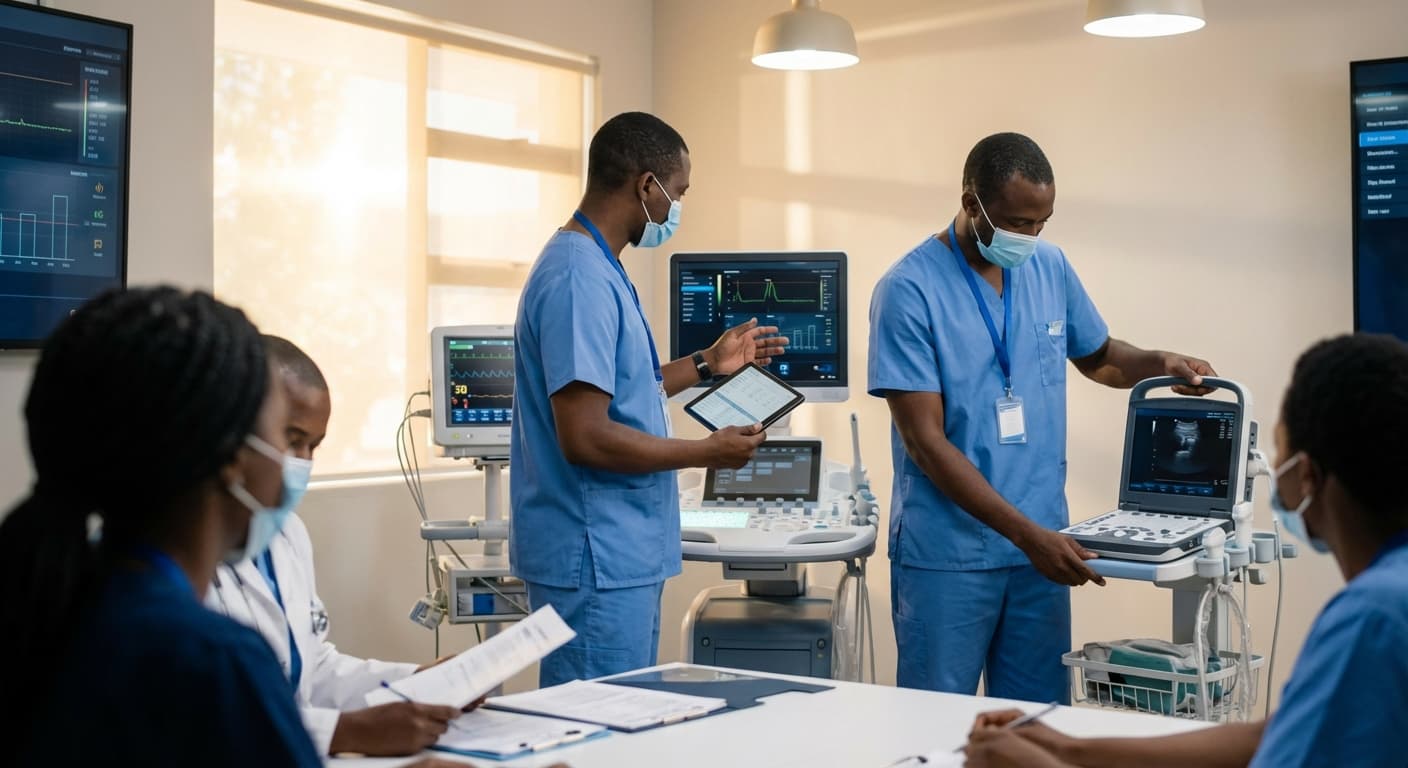
Clinical Needs Assessment for Medical Equipment in Sudan
Engineering Excellence & Technical Support
Clinical Needs Assessment for Medical Equipment High-standard technical execution following OEM protocols and local regulatory frameworks.
Establishing a Unified Needs Assessment Framework
Developed and implemented a standardized, region-agnostic needs assessment framework for medical equipment across Sudan. This framework integrates data from diverse healthcare facilities, considering demographic shifts, disease prevalence, and existing infrastructure to ensure comprehensive and accurate identification of critical equipment gaps.
Leveraging Geospatial Data for Equipment Distribution
Integrated geospatial data analysis into the needs assessment process to optimize medical equipment distribution. By mapping population density, accessibility to healthcare facilities, and transportation networks, we identified areas with the most urgent unmet needs and prioritized equipment allocation for maximum impact and equity.
Prioritizing Essential Medical Technologies for Sustainable Healthcare
Employed a multi-criteria decision analysis approach to prioritize essential medical technologies based on factors like impact on patient outcomes, operational sustainability (maintenance, training, consumables), cost-effectiveness, and alignment with national health priorities. This ensures investments in equipment yield long-term, impactful improvements in Sudan's healthcare delivery.
What Is Clinical Needs Assessment For Medical Equipment In Sudan?
A Clinical Needs Assessment for Medical Equipment in Sudan is a systematic, evidence-based process designed to identify and prioritize the essential medical equipment required to meet the current and future healthcare demands of specific healthcare facilities, regions, or the entire Sudanese healthcare system. This assessment is critical for optimizing resource allocation, ensuring the availability of appropriate technologies, and improving the quality and accessibility of healthcare services. It involves a comprehensive evaluation of existing infrastructure, patient demographics, disease prevalence, clinical workflows, and technological capabilities. The objective is to determine not only the type and quantity of equipment but also its specifications, maintenance requirements, and the necessary training for its effective utilization and sustainment. The process typically involves data collection through surveys, interviews with healthcare professionals and administrators, site visits, and analysis of national health statistics.
| Stakeholder Group | Primary Needs | Typical Use Cases |
|---|---|---|
| Ministry of Health (National/State Levels) | Evidence-based data for national health planning, policy formulation, budget allocation for medical equipment, and national procurement strategies. Identification of critical equipment shortages and strategic investment areas. | Developing national essential medical equipment lists. Planning for country-wide disease control programs (e.g., tuberculosis, malaria, HIV/AIDS). Allocating resources for primary, secondary, and tertiary healthcare facilities. Guiding international aid and donor funding for health infrastructure. |
| Regional/State Health Authorities | Prioritization of equipment needs within their jurisdiction. Optimizing resource distribution across facilities under their oversight. Ensuring alignment with national health policies and regional health priorities. | Planning for regional referral hospitals. Equipping new health centers or upgrading existing ones. Responding to specific regional health challenges (e.g., outbreaks, natural disasters). Managing regional procurement and logistics. |
| Individual Healthcare Facilities (Hospitals, Clinics, Health Centers) | Identification of immediate and long-term equipment requirements to improve service delivery. Justification for procurement requests. Enhancing patient care quality and diagnostic capabilities. Optimizing operational efficiency. | Procuring diagnostic imaging equipment (X-ray, ultrasound). Acquiring surgical instruments and anesthesia machines for operating theaters. Equipping laboratories for diagnostics. Deploying essential maternal and child health equipment (e.g., incubators, fetal monitors). Upgrading primary healthcare facilities with basic diagnostic and treatment tools. |
| Non-Governmental Organizations (NGOs) and International Aid Agencies | Data to inform project design, funding proposals, and impact assessment. Ensuring that interventions are evidence-based and address genuine needs. Maximizing the effectiveness and sustainability of their programs. | Supporting specific disease programs (e.g., eye care, cancer screening, rehabilitation). Equipping facilities in underserved or conflict-affected regions. Providing emergency medical supplies and equipment during humanitarian crises. Conducting health system strengthening projects. |
| Healthcare Professionals (Doctors, Nurses, Technicians) | Ensuring access to appropriate tools for diagnosis, treatment, and patient management. Providing feedback on the usability and effectiveness of existing and proposed equipment. Identifying training needs. | Defining the technical specifications for specialized equipment. Reporting equipment malfunctions and maintenance needs. Participating in user acceptance testing for new equipment. Providing input on clinical workflows that impact equipment selection. |
| Medical Equipment Manufacturers and Suppliers | Understanding market demands, technical specifications, and logistical considerations in Sudan. Developing tailored solutions and pricing strategies. Identifying opportunities for long-term partnerships and service agreements. | Responding to tenders for specific equipment. Developing proposals based on assessed needs. Establishing local representation and technical support. Offering training programs for healthcare staff. |
Key Components of a Clinical Needs Assessment for Medical Equipment in Sudan
- Facility Assessment: Evaluating existing infrastructure, power supply reliability, space, and environmental conditions for equipment installation and operation.
- Needs Identification: Quantifying the demand for specific medical equipment based on patient caseloads, disease patterns (e.g., infectious diseases, non-communicable diseases, maternal and child health), and desired service scope.
- Equipment Specification Definition: Detailing the technical requirements, performance standards, safety features, and interoperability needs for each identified piece of equipment.
- Gap Analysis: Comparing current equipment inventory and capabilities against identified needs to pinpoint deficiencies.
- Prioritization Framework: Developing criteria for ranking equipment needs based on impact on patient outcomes, cost-effectiveness, equity of access, and strategic health priorities.
- Procurement and Logistics Planning: Considering factors such as availability of spare parts, consumables, local servicing capabilities, and import regulations.
- Training and Capacity Building Assessment: Identifying the human resource development needs for operating, maintaining, and repairing the selected equipment.
- Sustainability Planning: Evaluating the long-term financial and operational viability of acquiring and maintaining the proposed equipment, including consideration of operational budgets and maintenance contracts.
- Risk Assessment: Identifying potential challenges and risks associated with equipment acquisition and implementation, and developing mitigation strategies.
Who Needs Clinical Needs Assessment For Medical Equipment In Sudan?
A comprehensive clinical needs assessment for medical equipment is crucial for optimizing healthcare delivery, resource allocation, and patient outcomes in Sudan. It identifies existing gaps, prioritizes essential equipment, and ensures that procured items are appropriate, sustainable, and aligned with the specific needs of the healthcare infrastructure and population.
| Target Customer/Department | Key Needs/Considerations for Assessment | Examples of Equipment Areas |
|---|---|---|
| Public Hospitals (Federal and State Level) | Addressing widespread disease burden, high patient volumes, limited budgets, training needs for staff. Need for robust, maintainable equipment. | Diagnostic imaging (X-ray, Ultrasound), laboratory equipment, surgical instruments, critical care equipment (ventilators, monitors), general ward equipment. |
| Teaching Hospitals and University Medical Centers | Supporting advanced medical education and research, complex procedures, specialized diagnostics. Need for cutting-edge and training-oriented equipment. | Advanced diagnostic imaging (CT, MRI - if feasible), sophisticated surgical equipment, specialized laboratory analyzers, simulation equipment for training. |
| Specialized Hospitals (e.g., Cardiac, Oncology, Maternity) | Focus on specific disease areas, requiring specialized diagnostic and therapeutic equipment. Need for highly specific and advanced technologies. | Cardiac: ECG, echocardiography, cath lab equipment. Oncology: Linear accelerators, chemotherapy infusion pumps. Maternity: Fetal monitors, incubators, neonatal ventilators. |
| Referral Hospitals | Receiving complex cases from lower-tier facilities, requiring advanced diagnostic and treatment capabilities. Need for versatile and high-capacity equipment. | Diagnostic imaging, advanced laboratory services, specialized surgical sets, intensive care units. |
| Primary Healthcare Centers (PHCs) / Rural Clinics | Basic diagnostic and treatment services, often with limited infrastructure and power. Need for robust, low-maintenance, and portable equipment. | Basic diagnostic tools (thermometers, stethoscopes), point-of-care testing devices, basic wound care supplies, essential medications administration equipment. |
| Maternity and Child Health Centers | Focus on antenatal, delivery, and postnatal care, and child well-being. Need for equipment to monitor maternal and infant health. | Blood pressure monitors, weighing scales, fetal dopplers, phototherapy units, basic resuscitation equipment. |
| Emergency and Trauma Centers | Immediate life-saving interventions, requiring rapid diagnostics and resuscitation equipment. Need for durable, mobile, and high-performance equipment. | Trauma resuscitation bays, portable ultrasound, ventilators, defibrillators, advanced wound management supplies. |
| Disaster Relief and Humanitarian Organizations' Health Facilities | Responding to emergencies and providing healthcare in challenging environments. Need for adaptable, portable, and quickly deployable equipment. | Mobile clinics, field surgical kits, basic diagnostic tools, water purification and sanitation equipment. |
| Non-Governmental Organization (NGO) Health Programs | Often operate in underserved areas, complementing government services. Needs vary based on program focus and location. | Similar to PHCs and specialized programs based on NGO mandate (e.g., infectious disease control, maternal health). |
| Private Healthcare Providers (where applicable and regulated) | Meeting patient demand and offering a range of services, often driven by market needs and technological advancements. Needs assessment ensures alignment with national health priorities and standards. | Diagnostic imaging, specialized surgical equipment, laboratory services, comfortable patient care equipment. |
| Ministry of Health (MoH) and its Sub-entities (e.g., planning, procurement departments) | Strategic planning, national health policy development, resource allocation, procurement oversight, and infrastructure development. Needs assessment informs national guidelines and procurement strategies. | Data analysis tools, health information systems, planning and budgeting software, training materials for needs assessment. |
Target Customers and Departments Requiring Clinical Needs Assessment for Medical Equipment in Sudan
- Public Hospitals (Federal and State Level)
- Teaching Hospitals and University Medical Centers
- Specialized Hospitals (e.g., Cardiac, Oncology, Maternity)
- Referral Hospitals
- Primary Healthcare Centers (PHCs) / Rural Clinics
- Maternity and Child Health Centers
- Emergency and Trauma Centers
- Disaster Relief and Humanitarian Organizations' Health Facilities
- Non-Governmental Organization (NGO) Health Programs
- Private Healthcare Providers (where applicable and regulated)
- Ministry of Health (MoH) and its Sub-entities (e.g., planning, procurement departments)
Clinical Needs Assessment For Medical Equipment Process In Sudan
This document outlines the workflow for conducting a Clinical Needs Assessment for Medical Equipment in Sudan. The process is designed to ensure that procurement decisions are driven by identified clinical needs, leading to improved healthcare delivery and efficient resource allocation. The workflow begins with an inquiry and progresses through several stages, culminating in the final execution of equipment procurement based on the assessment findings.
| Stage | Description | Key Activities | Responsible Parties | Deliverables | Timeline (Indicative) |
|---|---|---|---|---|---|
| The process is initiated when a healthcare facility, ministry department, or project stakeholder identifies a need for new or upgraded medical equipment. | Submission of formal request, outlining general equipment needs and rationale. Initial contact with the coordinating body. | Healthcare Facility/Stakeholder, Ministry of Health (MoH) | Formal Request Document | 1-2 Weeks |
| A detailed understanding of the clinical requirements and the existing gaps in medical equipment is established. | On-site visits, interviews with clinicians and administrators, review of patient data, analysis of existing equipment inventory, identification of service gaps. | Needs Assessment Team (Clinical Experts, Biomedical Engineers, MoH Representatives) | Draft List of Identified Needs, Prioritized Needs List | 2-4 Weeks |
| Comprehensive data is gathered to support the identified needs and inform specifications for the equipment. | Collection of technical specifications, usage patterns, maintenance requirements, training needs, cost estimations (purchase, maintenance, consumables). Verification of existing data. | Needs Assessment Team, Healthcare Facility Staff | Detailed Equipment Specifications, Usage Data, Cost Estimates | 3-5 Weeks |
| A formal report is compiled documenting the findings of the assessment and providing recommendations. | Synthesis of all collected data, detailed description of identified needs, rationale for prioritization, proposed equipment specifications, estimated budget, risk assessment. | Needs Assessment Team Lead, Report Writer | Clinical Needs Assessment Report | 2-3 Weeks |
| The generated report is reviewed by relevant stakeholders for accuracy, completeness, and alignment with national health priorities and budget constraints. | Internal review by the Needs Assessment Team, review by MoH technical committees, review by financial departments, final approval by MoH leadership. | Needs Assessment Team, MoH Technical Committees, MoH Leadership | Approved Needs Assessment Report, Budget Allocation (Provisional) | 2-4 Weeks |
| Based on the approved needs assessment, a detailed procurement plan is developed. | Development of tender documents, establishment of procurement timelines, identification of funding sources, formation of tender evaluation committees. | Procurement Unit, MoH, Project Management Office | Procurement Plan, Tender Documents | 2-3 Weeks |
| Suppliers are invited to bid for the provision of the required medical equipment through a transparent and competitive process. | Publication of tender notices, receipt and opening of bids, technical and financial evaluation of bids, supplier selection. | Procurement Unit, Tender Evaluation Committee | Evaluation Report, Recommended Supplier(s) | 4-8 Weeks |
| The selected supplier(s) are contracted, and the medical equipment is procured and delivered to the designated healthcare facilities. | Contract negotiation and signing, issuance of purchase orders, manufacturing/assembly, quality control, shipping, customs clearance, delivery to site. | Procurement Unit, Supplier, Logistics Team | Procured Medical Equipment, Delivery Manifests | Varies (depends on equipment lead time, typically 3-12 months) |
| The procured equipment is installed, commissioned, and healthcare staff are trained on its operation and maintenance. | On-site installation, testing and commissioning, user training, maintenance training. | Supplier Technicians, Biomedical Engineering Department, Healthcare Facility Staff | Installed & Commissioned Equipment, Training Certificates | 2-6 Weeks (per facility/batch of equipment) |
| The effectiveness of the procured equipment and its impact on clinical services are monitored and evaluated. | Post-installation checks, user feedback collection, monitoring of equipment utilization, assessment of impact on patient care outcomes, financial review of operational costs. | Biomedical Engineering Department, MoH M&E Unit, Healthcare Facility Management | Monitoring Reports, Evaluation Findings | Ongoing (post-installation) |
| Lessons learned from the process are documented to inform future needs assessments and procurement cycles. | Consolidation of feedback from all stages, identification of best practices and areas for improvement, updating of procedures and guidelines. | Needs Assessment Team, Procurement Unit, MoH Leadership | Lessons Learned Document, Updated Procedures | Ongoing |
Clinical Needs Assessment Workflow for Medical Equipment in Sudan
- Inquiry & Initial Request
- Needs Identification & Prioritization
- Data Collection & Verification
- Needs Assessment Report Generation
- Review & Approval
- Procurement Planning
- Tendering & Selection
- Procurement & Delivery
- Installation & Training
- Monitoring & Evaluation
- Feedback & Iteration
Clinical Needs Assessment For Medical Equipment Cost In Sudan
A comprehensive clinical needs assessment for medical equipment in Sudan necessitates a thorough understanding of the prevailing cost landscape, heavily influenced by local currency fluctuations and import dynamics. The pricing of medical equipment is a multifaceted issue, impacted by a range of factors that contribute to significant variations in cost. These factors can be broadly categorized into global and local influences.
Globally, the original manufacturer's pricing, driven by research and development, technological complexity, and brand reputation, forms the baseline. International shipping and freight costs, often a substantial component, are directly affected by global fuel prices and geopolitical stability. Import duties and taxes levied by the Sudanese government significantly add to the landed cost. Furthermore, the cost of sourcing from different international markets can vary due to currency exchange rates and trade agreements. The presence of authorized distributors versus parallel imports also plays a role, with authorized channels typically commanding higher prices but offering warranty and support.
Locally, the Sudanese Pound (SDG) exchange rate is the most critical determinant of pricing for imported goods. High inflation rates and currency depreciation directly translate to increased SDG costs for equipment. Local transportation and distribution within Sudan, especially to remote areas, incur additional logistical expenses. Maintenance and after-sales service availability, which can be limited or costly in Sudan, can influence the perceived long-term cost of equipment and may lead to higher upfront purchases of more robust or locally serviceable options. The availability of trained technicians and spare parts is a significant consideration. Finally, market demand and the competitive landscape among suppliers within Sudan can lead to price adjustments. A lack of competition may allow for higher markups, while a more competitive market could drive prices down. The overall economic climate and the ability of healthcare facilities to afford equipment are also implicit pricing factors.
Given these complexities, providing precise pricing ranges is challenging. However, based on anecdotal evidence and general market observations, we can outline indicative ranges for common medical equipment categories in Sudanese Pounds (SDG). It's crucial to note that these are estimates and can vary significantly based on specific models, brands, suppliers, and the prevailing economic conditions at the time of purchase. Prices are highly volatile and subject to rapid change.
| Equipment Category | Indicative Price Range (SDG) | Notes/Examples |
|---|---|---|
| Basic Diagnostic Tools (e.g., Stethoscope, Blood Pressure Monitor) | 5,000 - 50,000 | Highly dependent on brand and features. Manual BP monitors are cheaper than digital. |
| Laboratory Equipment (e.g., Basic Hematology Analyzer, Microscope) | 500,000 - 5,000,000+ | Automated analyzers will be at the higher end. Microscopes can range from basic student models to advanced research ones. |
| Imaging Equipment (e.g., X-ray Machine - Portable/Fixed) | 10,000,000 - 100,000,000+ | Fixed X-ray units with digital detectors are significantly more expensive. Portable units offer a lower entry point. |
| Surgical Instruments (Basic Set) | 200,000 - 1,000,000+ | Specialized sets for specific surgeries will be much higher. Quality of steel and finishing influences price. |
| Anesthesia Machines | 15,000,000 - 75,000,000+ | Modern anesthesia machines with advanced features and monitoring capabilities are at the higher end. |
| Ventilators (ICU Grade) | 25,000,000 - 150,000,000+ | Sophisticated ICU ventilators with multiple modes and monitoring are a major investment. |
| Hospital Beds (Manual/Electric) | 50,000 - 500,000+ | Electric beds with specialized features (e.g., cardiac chair, trendelenburg) are more expensive. |
| Sterilizers (Autoclave - Small/Large) | 500,000 - 10,000,000+ | Steam autoclaves are more common. Larger capacity and higher pressure capabilities increase cost. |
| Defibrillators (AED/Manual) | 2,000,000 - 15,000,000+ | Automated External Defibrillators (AEDs) are generally less expensive than manual defibrillators used by trained professionals. |
Key Pricing Factors for Medical Equipment in Sudan
- Manufacturer's Base Price (Global)
- International Shipping and Freight Costs
- Import Duties and Taxes (Sudan)
- International Currency Exchange Rates
- Supplier/Distributor Margins (Global & Local)
- Sudanese Pound (SDG) Exchange Rate Volatility
- Local Transportation and Distribution Costs within Sudan
- Maintenance, Warranty, and After-Sales Service Availability
- Availability of Spare Parts and Trained Technicians
- Market Demand and Competition within Sudan
- Economic Climate and Affordability for Healthcare Facilities
Affordable Clinical Needs Assessment For Medical Equipment Options
Conducting a thorough clinical needs assessment for medical equipment is crucial for ensuring optimal patient care and efficient resource allocation. Without a clear understanding of your organization's specific requirements, you risk overspending on unnecessary features, acquiring equipment that doesn't meet clinical demands, or facing costly downtime due to inadequate support. This assessment process should prioritize identifying essential functionalities, evaluating existing infrastructure, and projecting future needs. By adopting a strategic approach that incorporates value bundles and cost-saving strategies, healthcare providers can make informed purchasing decisions that maximize return on investment and improve clinical outcomes. This includes exploring bundled equipment and service packages, leveraging group purchasing organizations, and considering innovative financing models. The goal is to achieve the right balance between clinical efficacy and financial prudence.
| Value Bundle Strategy | Description | Cost-Saving Implications |
|---|---|---|
| Integrated System Bundles | Purchasing multiple related pieces of equipment or software from a single vendor as a package deal, often at a discounted rate. | Reduced upfront cost, simplified procurement, potential for interoperability discounts, consolidated maintenance contracts. |
| Equipment and Service Bundles | Combining the purchase of medical equipment with long-term maintenance, service, and potentially training contracts. | Predictable operating expenses, extended equipment lifespan through proactive maintenance, reduced risk of unexpected repair costs, bulk purchasing discounts on service. |
| Technology Adoption Bundles | Acquiring a core piece of technology along with essential accessories, installation, and initial user training. | Ensures immediate usability, avoids separate purchase of crucial add-ons, streamlined implementation, better user adoption. |
| Consumables and Equipment Bundles | Negotiating package deals that include both the capital equipment and a predetermined supply of necessary consumables. | Volume discounts on consumables, predictable supply chain, potentially better pricing than separate orders. |
Key Components of an Affordable Clinical Needs Assessment
- Define Clinical Requirements: Clearly outline the specific diagnostic, therapeutic, and monitoring needs of each department.
- Assess Existing Equipment: Inventory current assets, evaluate their condition, and determine upgrade or replacement needs.
- Analyze Workflow and Space: Understand how equipment integrates into daily operations and identify any spatial constraints.
- Consider Future Growth: Project changes in patient volume, service lines, and technological advancements.
- Evaluate Training and Support: Factor in the need for user training and ongoing technical maintenance.
- Research Vendor Options: Explore multiple manufacturers and suppliers to compare features, pricing, and service agreements.
Verified Providers In Sudan
In Sudan's evolving healthcare landscape, identifying trustworthy and qualified medical providers is paramount for ensuring quality care. Franance Health stands out as a leading platform committed to verifying healthcare professionals, offering patients peace of mind and access to the best possible medical services. This verification process involves a rigorous examination of credentials, experience, and ethical standing, making Franance Health a benchmark for excellence. Choosing a Franance Health-verified provider means opting for a healthcare experience characterized by expertise, reliability, and a patient-centric approach.
| Franance Health Verification Criteria | What it Means for Patients |
|---|---|
| Academic and Professional Qualifications | Ensures providers have the foundational knowledge and training required for their specialization. |
| Licensure and Registration | Confirms that providers are legally authorized to practice in Sudan and adhere to regulatory standards. |
| Clinical Experience and Track Record | Highlights providers with a proven history of successful patient outcomes and practical expertise. |
| Ethical Conduct and Professionalism | Guarantees that providers operate with integrity, respect, and a strong patient-first ethos. |
| Continuing Medical Education (CME) | Indicates providers who are dedicated to staying updated with the latest medical advancements and techniques. |
Why Franance Health Verified Providers are the Best Choice in Sudan:
- Unwavering commitment to patient safety and well-being.
- Access to highly skilled and experienced medical professionals.
- Transparency and accountability in healthcare provision.
- Reduced risk of encountering unqualified or fraudulent practitioners.
- Streamlined access to trusted medical services across various specialities.
Scope Of Work For Clinical Needs Assessment For Medical Equipment
This Scope of Work (SOW) outlines the activities, technical deliverables, and standard specifications required for conducting a comprehensive Clinical Needs Assessment for medical equipment. The objective of this assessment is to identify, prioritize, and define the specific medical equipment requirements to support the clinical services offered or planned by [Organization Name] at [Facility/Department Name].
| Phase | Activity | Deliverables | Standard Specifications/Considerations |
|---|---|---|---|
| Phase 1: Planning and Preparation | Define assessment scope, objectives, and methodology. | Project Plan, Stakeholder Register, Communication Plan. | Alignment with organizational strategic goals. Clear definition of assessment boundaries. |
| Phase 1: Planning and Preparation | Identify and engage key stakeholders (clinicians, administrators, IT, facilities, procurement). | Stakeholder interview guides, workshop agendas. | Representation from all relevant departments. Open communication channels. |
| Phase 2: Data Collection and Analysis | Review existing clinical service models and projected growth. | Service Demand Forecast Report. | Patient demographics, service utilization data, projected patient volumes. |
| Phase 2: Data Collection and Analysis | Inventory and assess current medical equipment (functionality, age, maintenance, usage). | Current Equipment Inventory Report (with condition assessment). | Asset tagging, serial numbers, purchase dates, maintenance logs, user feedback. |
| Phase 2: Data Collection and Analysis | Gather clinician input on unmet needs, desired functionalities, and new technology adoption. | Needs Assessment Questionnaires, Workshop Summary Reports. | Focus on clinical workflow, patient outcomes, ease of use, safety features. |
| Phase 2: Data Collection and Analysis | Research current and emerging medical technologies relevant to identified needs. | Technology Trend Analysis Report. | Evidence-based practice, peer-reviewed literature, manufacturer white papers. |
| Phase 3: Gap Analysis and Prioritization | Identify gaps between current capabilities and desired clinical service levels. | Clinical Needs Gap Analysis Report. | Quantification of unmet needs, impact on patient care. |
| Phase 3: Gap Analysis and Prioritization | Prioritize identified equipment needs based on clinical impact, patient safety, cost-effectiveness, and strategic alignment. | Equipment Prioritization Matrix and Report. | Scoring criteria for prioritization (e.g., urgent, high, medium, low priority). |
| Phase 4: Specification Development | Develop functional and technical specifications for prioritized equipment. | Detailed Medical Equipment Specifications (per item/category). | Performance metrics, technical requirements (power, connectivity), safety standards (FDA, CE), interoperability needs, cybersecurity considerations. |
| Phase 4: Specification Development | Define integration requirements with existing hospital information systems (HIS/EMR). | Interoperability Requirements Document. | HL7, DICOM, FHIR compliance, data exchange protocols. |
| Phase 4: Specification Development | Consider training, maintenance, and support requirements. | Ancillary Services Requirements (Training, Maintenance, Support). | Manufacturer support contracts, local service availability, user training needs. |
| Phase 5: Reporting and Recommendations | Consolidate findings and develop a comprehensive report. | Final Clinical Needs Assessment Report. | Executive summary, detailed findings, prioritized recommendations, cost estimates (preliminary). |
| Phase 5: Reporting and Recommendations | Present findings and recommendations to organizational leadership. | Presentation Deck. | Clear communication of findings, justification for recommendations. |
| Phase 5: Reporting and Recommendations | Develop a proposed roadmap for equipment procurement and implementation. | Equipment Procurement and Implementation Roadmap. | Phased approach, timelines, budget considerations. |
Key Objectives of the Clinical Needs Assessment
- Identify current and future clinical service needs that require medical equipment support.
- Evaluate existing medical equipment for performance, age, maintenance history, and suitability for current and future needs.
- Determine gaps in current medical equipment inventory based on clinical demand, technological advancements, and best practices.
- Define functional and technical specifications for new or replacement medical equipment.
- Prioritize equipment acquisition based on clinical impact, patient safety, cost-effectiveness, and strategic alignment.
- Develop a roadmap for medical equipment procurement, implementation, and lifecycle management.
Service Level Agreement For Clinical Needs Assessment For Medical Equipment
This Service Level Agreement (SLA) outlines the expected response times and uptime guarantees for the Clinical Needs Assessment service for Medical Equipment provided by [Your Company Name] to [Client Name]. This SLA aims to ensure the efficient and reliable delivery of critical services that support the procurement and deployment of medical equipment.
| Service Component | Severity Level | Response Time Target | Resolution Time Target (Best Effort) | Uptime Guarantee |
|---|---|---|---|---|
| Initial Request for Needs Assessment (New Project) | High (Urgent Procurement) | 4 Business Hours | N/A (Project-based) | N/A (Project-based) |
| Initial Request for Needs Assessment (New Project) | Medium (Standard Procurement) | 8 Business Hours | N/A (Project-based) | N/A (Project-based) |
| Initial Request for Needs Assessment (New Project) | Low (Future Planning) | 2 Business Days | N/A (Project-based) | N/A (Project-based) |
| Clarification/Question on Existing Assessment | High (Impacts Procurement Decision) | 2 Business Hours | 4 Business Hours | 99.5% |
| Clarification/Question on Existing Assessment | Medium (Minor Impact) | 4 Business Hours | 8 Business Hours | 99.5% |
| Clarification/Question on Existing Assessment | Low (Informational) | 1 Business Day | 2 Business Days | 99.5% |
| Technical Support for Assessment Platform (if applicable) | High (System Unusable) | 1 Business Hour | 4 Business Hours | 99.8% |
| Technical Support for Assessment Platform (if applicable) | Medium (Partial Functionality Lost) | 2 Business Hours | 8 Business Hours | 99.8% |
| Technical Support for Assessment Platform (if applicable) | Low (Minor Issues) | 4 Business Hours | 1 Business Day | 99.8% |
Key Definitions
- Clinical Needs Assessment: The process of evaluating, documenting, and prioritizing the medical equipment requirements of a clinical department or facility, based on patient care needs, technological advancements, and operational efficiency.
- Critical Service: Clinical Needs Assessment services directly impacting patient care, equipment procurement timelines, and regulatory compliance.
- Response Time: The maximum allowable time from the initiation of a support request to the acknowledgment of receipt and commencement of investigation by [Your Company Name].
- Resolution Time: The maximum allowable time from the initiation of a support request to the successful resolution of the issue.
- Uptime Guarantee: The percentage of time the service is available and operational as per the agreed-upon scope and functionality.
- Downtime: Any period when the Clinical Needs Assessment service is unavailable or not functioning as intended, excluding scheduled maintenance.
Frequently Asked Questions

Ready when you are
Let's scope your Clinical Needs Assessment for Medical Equipment in Sudan project in Sudan.

Scaling healthcare logistics and technical systems across the entire continent.