
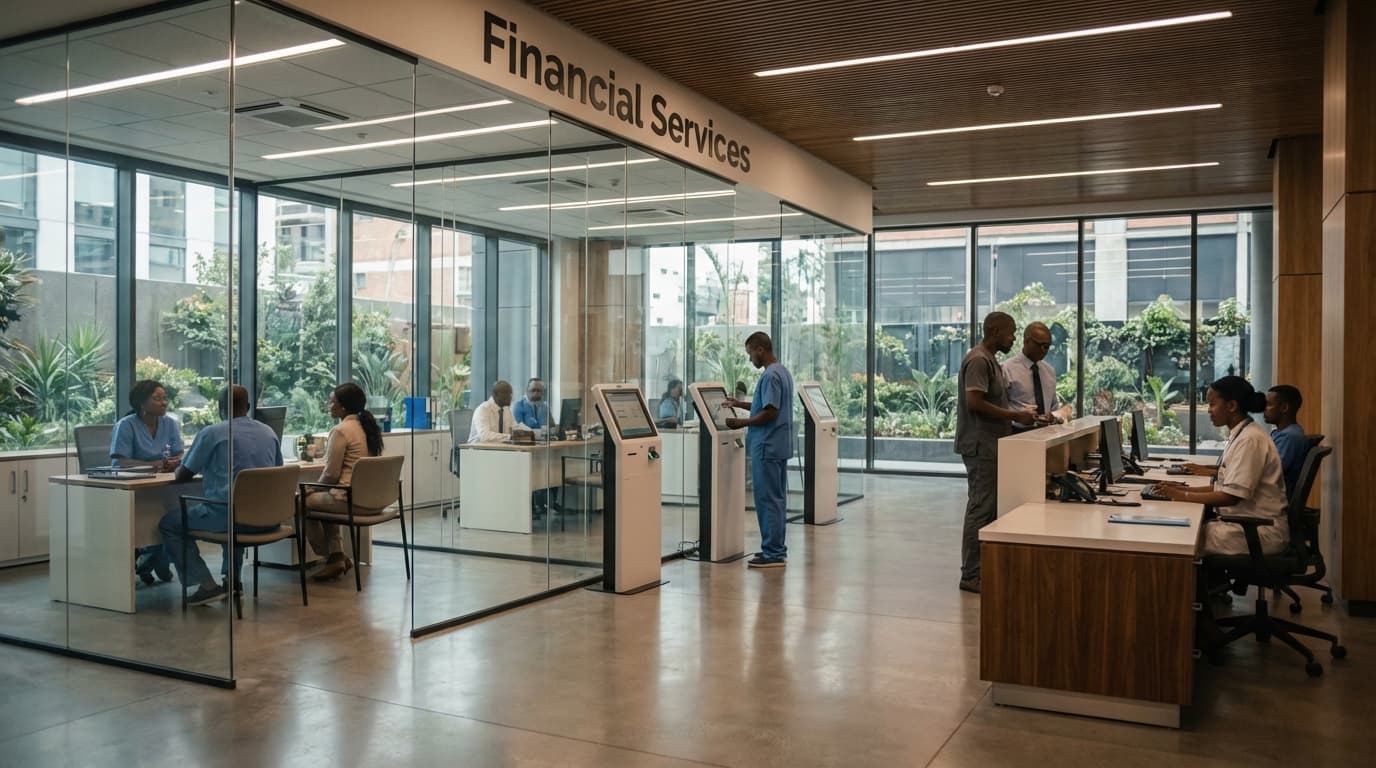
Medical Equipment Rental in Sudan
Engineering Excellence & Technical Support
Short-term and long-term equipment rental solutions High-standard technical execution following OEM protocols and local regulatory frameworks.
Nationwide Remote Technical Support
Our certified technicians provide real-time remote diagnostics and troubleshooting for all rented medical equipment across Sudan, minimizing downtime and ensuring immediate issue resolution. Accessible via secure online portal and dedicated hotline.
ISO-Certified Calibration & Maintenance
All medical equipment undergoes rigorous, ISO-certified calibration and preventative maintenance by highly trained local technicians, guaranteeing accuracy, safety, and peak operational performance according to international standards.
IoT-Enabled Equipment Monitoring
Select high-value medical equipment is equipped with IoT sensors for continuous remote monitoring of performance parameters, usage, and operational status. This proactive approach allows for predictive maintenance and optimized resource allocation.
What Is Medical Equipment Rental In Sudan?
Medical Equipment Rental in Sudan refers to the provision of temporary access to a range of medical devices and apparatus for diagnostic, therapeutic, and supportive care purposes, on a lease basis. This service addresses the exigencies of healthcare provision where capital investment in equipment is prohibitive, infrastructure is developing, or immediate needs arise due to unforeseen circumstances. The model is designed to offer flexibility and cost-efficiency by allowing healthcare providers and institutions to utilize advanced or specialized medical technology without the burden of outright purchase, maintenance, and depreciation.
| User Group | Primary Need | Typical Use Cases |
|---|---|---|
| Hospitals and Clinics (Public & Private) | Supplementing existing infrastructure, managing peak demand, accessing specialized technology, overcoming budgetary constraints. | Temporary increase in surgical capacity, coverage for equipment downtime, provision of services in remote or underserved areas, research projects requiring specific equipment. |
| Non-Governmental Organizations (NGOs) & Humanitarian Aid Agencies | Rapid deployment of medical resources in disaster zones or during health crises, establishing temporary medical facilities, addressing acute healthcare needs in resource-limited settings. | Setting up field hospitals, providing emergency care post-conflict or natural disaster, implementing mobile health clinics, supporting vaccination campaigns with specific cold-chain equipment. |
| Research Institutions & Universities | Accessing cutting-edge diagnostic or analytical equipment for studies without long-term commitment, conducting clinical trials. | Short-term use of high-resolution imaging devices for specific research cohorts, utilizing advanced laboratory analyzers for experimental protocols. |
| Individual Medical Professionals & Small Practices | Acquiring access to specialized equipment for specific patient procedures or diagnostic needs without significant investment, testing new technologies. | Renting diagnostic ultrasound machines for limited diagnostic services, acquiring specialized therapy equipment for rehabilitation programs. |
| Government Health Ministries & Emergency Services | Stockpiling equipment for public health emergencies, equipping temporary health centers during outbreaks, maintaining essential services during public health campaigns. | Establishing isolation units during pandemics, equipping emergency response vehicles, providing necessary tools for nationwide health screening programs. |
Key Components and Characteristics
- Equipment Portfolio: Encompasses a broad spectrum of medical devices, from basic consumables and diagnostic tools (e.g., patient monitors, ECG machines) to complex surgical and life-support systems (e.g., ventilators, anesthesia machines, imaging equipment).
- Service Level Agreements (SLAs): Contracts typically define rental periods, delivery and installation protocols, maintenance schedules, technical support availability, and emergency response times.
- Operational Support: Often includes training for end-users, calibration services, and troubleshooting assistance to ensure optimal equipment functionality and patient safety.
- Logistical Management: Involves transportation, warehousing, and inventory management of medical equipment to ensure timely deployment and retrieval.
- Regulatory Compliance: Adherence to national and international standards for medical device safety, efficacy, and sterilization is paramount.
- Economic Model: Primarily a pay-per-use or fixed-term lease arrangement, mitigating upfront capital expenditure and offering scalability.
Who Needs Medical Equipment Rental In Sudan?
In Sudan, the demand for medical equipment rental is driven by a variety of needs, offering a flexible and cost-effective solution for healthcare providers and individuals alike. This service bridges gaps in permanent infrastructure, addresses temporary surges in demand, and provides access to specialized technology that might otherwise be prohibitively expensive. Understanding who benefits most from these services is crucial for both providers and users.
| Target Customer | Specific Needs & Departmental Involvement |
|---|---|
| Hospitals (Public and Private) | Short-term staffing shortages: Rental of ventilators, patient monitors, infusion pumps for overflow or temporary staff. Specialized procedures: Temporary access to advanced imaging equipment (e.g., portable X-ray, ultrasound) or surgical tools. Outbreak response: Rapid deployment of critical care equipment like ventilators and oxygen concentrators. Departmental examples: ICU, ER, Operating Rooms, Cardiology, Neurology, Pediatrics, Maternity. |
| Clinics and Health Centers | Expanding service offerings: Renting diagnostic equipment (e.g., ECG machines, basic laboratory analyzers) to provide a wider range of services without capital investment. Equipment repair downtime: Temporary replacement of essential equipment undergoing maintenance. Rural outreach programs: Mobile clinics may rent portable diagnostic and treatment devices. Departmental examples: General Practice, Pediatrics, Gynecology, Diagnostic Imaging (if applicable). |
| Non-Governmental Organizations (NGOs) | Humanitarian aid and disaster relief: Urgent need for a wide range of medical equipment, from basic wound care supplies to critical life support devices, deployed rapidly to affected areas. Mobile health clinics: Setting up temporary health posts in underserved or remote regions, requiring rental of essential equipment for diagnosis and treatment. Specific health campaigns: Renting specialized equipment for vaccination drives or screening programs. Departmental examples: General medical, surgical, maternal and child health, public health. |
| Emergency Medical Services (EMS) | Ambulance outfitting: Renting specialized equipment for patient transport and stabilization, such as portable ventilators, cardiac monitors, and defibrillators. Mass casualty incidents: Rapid procurement of additional life-saving equipment to manage large numbers of patients. Departmental examples: Ambulance services, emergency response units. |
| Research Institutions | Clinical trials and research projects: Access to specific or advanced diagnostic and monitoring equipment for study periods without long-term commitment. Testing new technologies: Renting equipment to evaluate its efficacy before purchasing. Departmental examples: Pathology, Physiology, Pharmacology, Clinical Research Units. |
| Individuals (for home care) | Post-operative recovery: Renting equipment like hospital beds, wheelchairs, oxygen concentrators, or mobility aids for patients recovering at home. Chronic illness management: Providing access to devices for long-term use, such as CPAP machines for sleep apnea or nebulizers for respiratory conditions. Palliative care: Supporting comfort and symptom management at home. Departmental examples: Home health services, physical therapy, respiratory therapy. |
Target Customers for Medical Equipment Rental in Sudan
- Hospitals (Public and Private)
- Clinics and Health Centers
- Non-Governmental Organizations (NGOs)
- Emergency Medical Services (EMS)
- Research Institutions
- Individuals (for home care)
Medical Equipment Rental Process In Sudan
The medical equipment rental process in Sudan is a crucial service for healthcare facilities and individuals requiring temporary access to specialized medical devices. This workflow outlines the typical steps involved, from an initial inquiry to the successful execution of the rental agreement. The process emphasizes clear communication, verification, and adherence to legal and operational requirements within Sudan's healthcare landscape.
| Stage | Key Activities | Responsible Party | Key Documents |
|---|---|---|---|
| Inquiry & Planning | Needs identification, equipment specification, duration, location | Client | Equipment requirement list |
| Quotation & Agreement | Availability check, pricing, contract negotiation, signing | Rental Provider & Client | Quotation, Rental Agreement |
| Pre-Rental Preparation | Inspection, cleaning, sterilization, testing | Rental Provider | Inspection report |
| Delivery & Setup | Transportation, installation, initial testing | Rental Provider | Delivery note, Installation report |
| Usage & Support | Equipment operation, technical assistance, maintenance | Client & Rental Provider | Usage logs, Support tickets |
| Return & Assessment | Collection/return, post-rental inspection, damage assessment | Rental Provider | Post-rental inspection report |
| Financial Closure | Final payment, deposit refund, invoicing | Rental Provider & Client | Invoice, Payment receipt, Refund confirmation |
Medical Equipment Rental Workflow in Sudan
- {"name":"Inquiry & Needs Assessment","step":1,"description":"The client (hospital, clinic, individual) contacts the rental provider with their equipment needs. This involves specifying the type of equipment, required duration, quantity, and any specific technical requirements or accessories."}
- {"name":"Equipment Availability Check & Quotation","step":2,"description":"The rental provider checks their inventory for the requested equipment. If available, they prepare a detailed quotation including rental fees, delivery/pickup charges, installation/de-installation fees (if applicable), and any required deposit."}
- {"name":"Client Agreement & Documentation","step":3,"description":"Upon acceptance of the quotation, the client provides necessary documentation, which may include the organization's registration details, a valid operating license (for healthcare facilities), and identification of the authorized personnel. A formal rental agreement is drafted."}
- {"name":"Rental Agreement & Deposit","step":4,"description":"Both parties review and sign the rental agreement, which outlines terms and conditions, responsibilities, payment schedules, insurance, and liability clauses. The agreed-upon deposit is typically collected at this stage."}
- {"name":"Pre-Rental Inspection & Preparation","step":5,"description":"The equipment is thoroughly inspected, cleaned, sterilized (if necessary), and tested to ensure it is in optimal working condition. Any required accessories or consumables are also prepared."}
- {"name":"Delivery & Installation (If Applicable)","step":6,"description":"The rental provider arranges for the safe and timely delivery of the equipment to the client's specified location. For complex equipment, professional installation and initial operational checks are performed by trained technicians."}
- {"name":"Client Briefing & Training","step":7,"description":"The client's designated personnel receive a comprehensive briefing on the proper operation, maintenance, and safety protocols of the rented equipment. This may include hands-on training."}
- {"name":"Rental Period & Support","step":8,"description":"The equipment is used by the client for the agreed rental period. During this time, the rental provider offers technical support and may conduct periodic maintenance checks as stipulated in the agreement."}
- {"name":"Return & Post-Rental Inspection","step":9,"description":"At the end of the rental period, the equipment is either collected by the rental provider or returned by the client. A thorough post-rental inspection is conducted to assess the equipment's condition and identify any damages or missing parts."}
- {"name":"Final Payment & Deposit Refund","step":10,"description":"The final rental payment is settled. If there are no damages or breaches of contract, the security deposit is refunded to the client. Any costs for damages or repairs will be deducted from the deposit or billed separately."}
- {"name":"Documentation & Record Keeping","step":11,"description":"All transactions, agreements, inspection reports, and payment records are meticulously documented and stored by both the rental provider and the client for future reference and auditing purposes."}
Medical Equipment Rental Cost In Sudan
The cost of renting medical equipment in Sudan can vary significantly based on several factors. These include the type and sophistication of the equipment, the rental duration, the supplier's pricing structure, and the specific location within Sudan. Availability of specialized equipment can also influence pricing, with rarer items often commanding higher rental fees. Furthermore, any necessary maintenance or delivery services bundled with the rental will impact the overall cost. While specific, up-to-the-minute pricing is difficult to ascertain without direct quotes from suppliers, we can outline typical ranges and influencing factors in Sudanese Pounds (SDG).
| Equipment Category | Estimated Daily Rental Range (SDG) | Estimated Monthly Rental Range (SDG) | Notes |
|---|---|---|---|
| Basic Mobility Aids (e.g., Wheelchair, Walker, Crutches) | 500 - 2,500 | 5,000 - 25,000 | Relatively low cost, widely available. |
| Patient Beds (Manual/Electric) | 1,000 - 5,000 | 10,000 - 50,000 | Electric beds are more expensive. May include side rails. |
| Oxygen Concentrators/Cylinders | 1,500 - 6,000 | 15,000 - 60,000 | Cost can vary based on flow rate and cylinder size/duration. |
| Suction Machines | 1,000 - 4,000 | 10,000 - 40,000 | Portable and hospital-grade models differ. |
| Infusion Pumps | 2,000 - 7,000 | 20,000 - 70,000 | Basic vs. advanced programmable pumps. |
| Ventilators (Basic) | 5,000 - 15,000 | 50,000 - 150,000 | Cost can increase significantly for critical care ventilators. Often requires specialized support. |
| Diagnostic Equipment (e.g., Portable Ultrasound, ECG Machine) | 4,000 - 12,000 | 40,000 - 120,000 | Depends on portability and features. May require qualified operator. |
| Surgical Equipment (Basic Kits) | 2,000 - 8,000 | 20,000 - 80,000 | Often rented as a package for specific procedures. |
| High-End/Specialized Equipment (e.g., Dialysis Machines, Anesthesia Machines) | 10,000+ (daily) | 100,000+ (monthly) | Significantly higher, often with extensive service agreements and specialized personnel requirements. Pricing highly variable and requires custom quotes. |
Key Pricing Factors for Medical Equipment Rental in Sudan
- Equipment Type & Complexity: Basic items like wheelchairs or crutches are generally less expensive than advanced machinery such as ventilators, MRI machines, or surgical robots.
- Rental Duration: Daily, weekly, monthly, and long-term rentals will have different per-unit costs. Longer durations often benefit from discounted rates.
- Supplier & Brand: Different rental companies will have varying overheads and pricing strategies. The brand and model of the equipment can also influence the rental fee, with premium brands typically costing more.
- Condition & Age of Equipment: Newer or recently serviced equipment may have a higher rental cost compared to older, well-used items.
- Included Services: Rentals that include delivery, setup, technical support, and maintenance will naturally be more expensive than 'dry' rentals.
- Location: Rental costs can be higher in major urban centers like Khartoum due to higher operational costs and demand, compared to more remote areas.
- Insurance & Deposits: Some rental agreements may require an insurance fee or a refundable security deposit, which adds to the initial outlay.
- Urgency of Need: For emergency rentals, prices might be subject to a premium.
- Negotiation: As with many services, there may be room for negotiation, especially for longer-term rentals or for repeat customers.
Affordable Medical Equipment Rental Options
Renting medical equipment can be a financially prudent choice for individuals and healthcare facilities alike, offering flexibility and cost savings compared to outright purchase. This approach is particularly beneficial for short-term needs, trial periods, or when managing fluctuating patient volumes. Exploring affordable medical equipment rental options involves understanding the concept of value bundles and implementing various cost-saving strategies.
| Cost-Saving Strategy | Description | Benefits |
|---|---|---|
| Compare Multiple Providers: | Obtain quotes from several reputable medical equipment rental companies for the same equipment and service level. Don't settle for the first option. | Identifies competitive pricing, potential discounts, and varied service offerings. |
| Negotiate Rental Terms: | Discuss rental duration, payment schedules, and potential volume discounts. Longer-term rentals often come with lower per-day/per-week rates. | Secures more favorable pricing and payment flexibility. |
| Inquire About Off-Peak or Discounted Periods: | Some rental companies may offer lower rates during slower demand periods or for older, but still functional, equipment models. | Access to equipment at a reduced cost. |
| Understand Included Services: | Clarify what's included in the rental fee (e.g., maintenance, delivery, insurance). Unexpected charges can increase the overall cost. | Avoids hidden fees and ensures accurate budgeting. |
| Consider Refurbished Equipment: | For non-critical or less specialized equipment, renting certified refurbished units can significantly reduce costs while still meeting quality standards. | Lower rental prices without compromising essential functionality. |
| Leverage Value Bundles: | As outlined above, bundled services can often be more cost-effective than renting individual components or services separately. | Streamlines procurement and offers bundled discounts. |
| Early Booking and Planning: | Reserving equipment well in advance, especially for high-demand periods or specialized items, can sometimes lead to better rates and availability. | Ensures availability and potentially better pricing through early commitment. |
Key Value Bundles in Medical Equipment Rental
- Basic Rental Package: This typically includes the core equipment itself, with standard maintenance and delivery/pickup services. It's a straightforward option for essential equipment needs.
- Comprehensive Care Bundle: Beyond basic rental, this package often includes enhanced maintenance (e.g., on-site service), regular equipment cleaning and sanitization, and priority technical support. It offers peace of mind and minimizes downtime.
- All-Inclusive Solution: For longer-term or high-volume needs, this bundle may incorporate training for staff, delivery and setup, regular preventative maintenance, replacement parts, and even a dedicated account manager. It's designed to be a hassle-free, end-to-end service.
- Specialized Therapy Kits: For specific medical disciplines (e.g., physical therapy, wound care), rental companies may offer pre-packaged kits containing multiple pieces of equipment and necessary consumables, often at a discounted bundled price.
- Short-Term Event/Clinic Packages: Tailored for temporary medical events or clinics, these bundles provide a selection of essential equipment for the duration of the event, including setup and takedown services.
Verified Providers In Sudan
In Sudan's evolving healthcare landscape, identifying genuinely verified healthcare providers is paramount. Franance Health stands out as a leading organization committed to ensuring the highest standards of care. Their rigorous credentialing process is designed to build trust and provide patients with the confidence that they are receiving care from qualified and ethical professionals. This dedication to verification is why Franance Health represents the best choice for accessing reliable healthcare services in Sudan.
| Franance Health Verification Area | What it Ensures for Patients | Benefit to Sudan's Healthcare |
|---|---|---|
| Medical Licenses and Registrations | Providers are legally authorized to practice medicine. | Upholds legal and professional standards of care. |
| Educational Qualifications | Providers have completed accredited medical training. | Ensures a strong foundation of medical knowledge. |
| Specialty Certifications | Providers are recognized experts in their specific fields. | Access to specialized and advanced medical treatments. |
| Clean Disciplinary Record | Providers have no history of malpractice or ethical violations. | Promotes patient safety and reduces risk. |
| Continuing Medical Education (CME) | Providers are committed to ongoing learning and skill enhancement. | Guarantees up-to-date medical knowledge and techniques. |
Why Franance Health Credentials Matter:
- Rigorous Vetting Process: Franance Health employs a comprehensive examination of healthcare professionals' qualifications, licenses, and certifications to ensure they meet and exceed national and international standards.
- Commitment to Ethical Practices: Beyond clinical skills, Franance Health assesses the ethical conduct and patient-centered approach of its providers, promoting a culture of integrity and compassion.
- Continuous Professional Development: Verified providers are often encouraged or required to engage in ongoing training and education, ensuring they stay abreast of the latest medical advancements and best practices.
- Patient Safety and Quality Assurance: The verification process directly contributes to enhanced patient safety by reducing the risk of unqualified practitioners and ensuring adherence to quality care protocols.
- Building Trust and Transparency: By clearly identifying and showcasing verified providers, Franance Health empowers patients to make informed decisions, fostering a transparent and trustworthy healthcare ecosystem.
Scope Of Work For Medical Equipment Rental
This Scope of Work (SOW) outlines the requirements for the rental of medical equipment. It details the technical deliverables expected from the vendor and the standard specifications that the rented equipment must meet to ensure patient safety, efficacy, and operational continuity. The objective is to secure high-quality, well-maintained medical equipment on a temporary basis to meet specific clinical needs, without the long-term capital investment and maintenance burden. This SOW applies to all phases of the rental agreement, from initial selection and delivery to ongoing support and return of equipment. The vendor will be responsible for providing, installing, maintaining, and ultimately removing the specified medical equipment according to the terms and conditions herein.
| Equipment Category | Specific Item | Minimum Technical Specification | Quantity | Rental Duration | Key Features/Accessories Required |
|---|---|---|---|---|---|
| Diagnostic Imaging | Portable Ultrasound Machine | High-resolution display (>= 15 inch), Doppler capabilities (Color, Power, Pulsed), multiple transducer ports, battery backup (>= 2 hours), DICOM connectivity. | 2 units | 6 months | Carrying case, mobile stand, basic probes (abdominal, cardiac, vascular). |
| Patient Monitoring | Multi-parameter Patient Monitor | Display (>= 12 inch), ECG (3/5 lead), NIBP, SpO2, Respiration, Temperature, optional IBP and EtCO2 modules, alarm management, data trending (>= 24 hours), battery backup (>= 1 hour). | 5 units | 12 months | Wall mount, rolling stand, adult cuffs, SpO2 sensors, ECG leads, temperature probes. |
| Therapy/Respiratory | High-Flow Nasal Cannula System | Adjustable flow rates (e.g., 2-60 L/min), heated humidifier with integrated oxygen blending, disposable circuit compatibility, real-time temperature and humidity display. | 3 units | 4 months | Disposable circuits, humidification chambers, oxygen tubing adapter. |
| Critical Care | Infusion Pump (Syringe) | Accuracy (+/- 2% or better), flow rate range (0.1-100 ml/hr), volume to be infused (VTBI) capability, bolus function, occlusion detection, anti-free-flow protection, battery backup (>= 3 hours). | 10 units | Ongoing (per request) | Pole clamp, power cord, disposable syringe compatibility (all major brands). |
| Surgical Support | Electrosurgical Unit (ESU) - Monopolar/Bipolar | Adjustable power settings (cut and coagulation), multiple output modes, safety features (e.g., tissue response monitoring), separate ports for monopolar and bipolar, audio/visual alarms. | 1 unit | 3 months | Footswitch, active electrode handle, neutral electrode, various tip configurations, bipolar forceps. |
Technical Deliverables
- Equipment Provision: Delivery of all specified medical equipment in fully functional and calibrated condition to the designated location(s).
- Installation and Setup: Professional installation and setup of all rented equipment by qualified technicians, including necessary connections and initial testing.
- User Training: Provision of comprehensive training for designated clinical staff on the proper operation, safety features, and basic troubleshooting of each piece of equipment.
- Maintenance and Repair: On-demand and preventative maintenance services for all rented equipment throughout the rental period. This includes all parts, labor, and necessary service visits to ensure equipment uptime.
- Calibration and Certification: Regular calibration and certification of critical equipment to meet regulatory and manufacturer standards. Certificates of calibration must be provided upon request.
- Technical Support: 24/7 availability of technical support for urgent issues, with guaranteed response times for critical equipment failures.
- Documentation: Provision of all relevant user manuals, service records, maintenance logs, and warranty information for each piece of equipment.
- De-installation and Removal: Professional de-installation and removal of all rented equipment upon the conclusion of the rental period.
- Contingency Planning: Development and execution of a plan to address equipment malfunctions or failures, including provision of replacement units or alternative solutions within agreed-upon timelines.
- Compliance Documentation: Proof of compliance with all relevant health and safety regulations, electrical safety standards, and infection control protocols.
Service Level Agreement For Medical Equipment Rental
This Service Level Agreement (SLA) outlines the terms and conditions for the rental of medical equipment, focusing on response times for technical issues and guaranteed uptime for critical equipment. It is designed to ensure the consistent availability and optimal performance of rented medical devices, thereby supporting the continuity of patient care.
| Equipment Category | Uptime Guarantee | Response Time (Business Hours) | Response Time (After Hours/Weekends) | Resolution Target (Critical Equipment) | Resolution Target (Non-Critical Equipment) |
|---|---|---|---|---|---|
| Critical Equipment (e.g., Ventilators, Anesthesia Machines) | 99.5% | 2 hours | 4 hours | 8 business hours | 24 business hours |
| Non-Critical Equipment (e.g., Infusion Pumps, Patient Monitors) | 98.0% | 4 hours | 8 business hours | 24 business hours | 48 business hours |
Key Definitions
- Critical Equipment: Medical devices designated as essential for immediate patient care or life support, as mutually agreed upon by both parties.
- Non-Critical Equipment: Medical devices that are important but not immediately essential for life support or critical patient care.
- Downtime: The period during which a rented medical equipment is non-operational or not functioning within its specified parameters, rendering it unavailable for its intended use.
- Response Time: The maximum time allowed for the service provider to acknowledge a reported issue and initiate troubleshooting or remedial actions.
- Resolution Time: The maximum time allowed to fully resolve a reported issue and restore the equipment to its operational status.
- Uptime Guarantee: The percentage of time a piece of equipment is expected to be operational and available for use over a defined period.
Frequently Asked Questions

Ready when you are
Let's scope your Medical Equipment Rental in Sudan project in Sudan.

Scaling healthcare logistics and technical systems across the entire continent.