
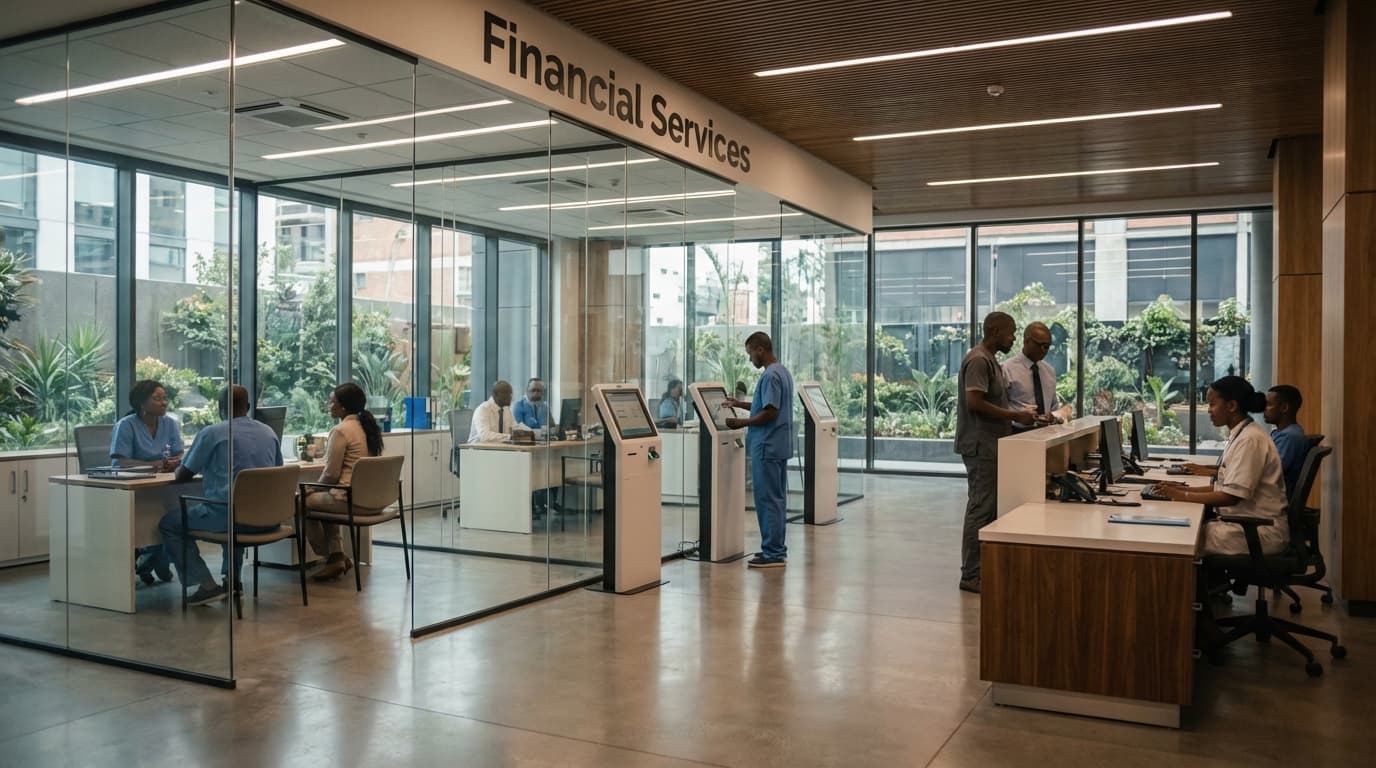
Medical Equipment Financing in Sudan
Engineering Excellence & Technical Support
Leasing and financing solutions for medical equipment High-standard technical execution following OEM protocols and local regulatory frameworks.
Flexible Financing Options
Tailored loan structures designed to accommodate diverse medical equipment acquisition needs, from diagnostic imaging to essential surgical tools. We offer competitive interest rates and repayment schedules to align with healthcare providers' operational cash flows in Sudan.
Streamlined Application Process
Simplified and efficient application protocols to expedite the procurement of critical medical equipment. Our dedicated team provides personalized support throughout the documentation and approval stages, minimizing delays for Sudanese healthcare institutions.
Risk Mitigation & Asset Protection
Comprehensive financing solutions that include options for asset insurance and maintenance support. This ensures the long-term operational integrity and financial security of your medical equipment investments within Sudan's healthcare landscape.
What Is Medical Equipment Financing In Sudan?
Medical Equipment Financing (MEF) in Sudan refers to the provision of capital to healthcare institutions and practitioners for the acquisition, upgrade, or replacement of medical devices and machinery. This financial service is structured through various modalities, including loans, leases, and hire-purchase agreements, enabling entities to access critical healthcare infrastructure without immediate, full capital outlay. The core objective of MEF is to bridge the gap between the substantial cost of modern medical equipment and the available liquid assets of healthcare providers, thereby enhancing diagnostic, therapeutic, and rehabilitative capabilities within the Sudanese healthcare sector.
| Who Needs Medical Equipment Financing? | Typical Use Cases | |||
|---|---|---|---|---|
| Hospitals (Public & Private): Requiring imaging systems (MRI, CT, X-ray), surgical equipment, intensive care unit (ICU) devices, laboratory analyzers, and general ward equipment. | Acquiring new, high-fidelity diagnostic imaging modalities for enhanced patient diagnosis and reduced referral rates. | Upgrading existing surgical theaters with advanced laparoscopic or robotic surgical systems to improve precision and patient recovery times. | Establishing or expanding specialized units like cardiology, oncology, or nephrology departments with dedicated equipment suites. | Replacing aging or obsolete equipment to maintain operational efficiency, reduce maintenance costs, and ensure compliance with safety standards. |
| Specialized Clinics & Diagnostic Centers: Needing ultrasound machines, endoscopes, dental equipment, ophthalmology instruments, and specialized laboratory testing equipment. | Procuring state-of-the-art ultrasound machines with Doppler capabilities for comprehensive obstetrical and vascular examinations. | Investing in advanced endoscopic equipment for minimally invasive diagnostic and therapeutic procedures. | Expanding laboratory services by acquiring automated analyzers for faster and more accurate blood, urine, and tissue analysis. | Implementing new diagnostic technologies to offer a wider range of specialized tests and services to the patient population. |
| Medical Training Institutions: To equip simulation labs and teaching hospitals for educating healthcare professionals. | Furnishing simulation centers with advanced medical manikins and virtual reality training systems for surgical and procedural training. | Providing access to contemporary diagnostic and therapeutic equipment within university teaching hospitals to offer students practical exposure. | Ensuring educational facilities are equipped with technologies relevant to current medical practice to produce competent graduates. | Acquiring specialized equipment for research purposes, facilitating scientific advancements in medical fields. |
| Non-Governmental Organizations (NGOs) & Humanitarian Organizations: For mobile clinics, primary healthcare facilities, and emergency response units. | Deploying portable diagnostic equipment (e.g., portable X-ray, portable ultrasound) to remote or disaster-stricken areas. | Equipping primary healthcare centers with essential diagnostic tools to improve local healthcare access and reduce reliance on distant facilities. | Setting up temporary or mobile surgical units during humanitarian crises requiring immediate medical intervention. | Procuring specialized medical supplies and equipment for vaccination campaigns and disease outbreak response initiatives. |
| Individual Medical Practitioners: For setting up new practices or expanding existing ones, particularly in specialized fields. | Purchasing essential diagnostic equipment such as electrocardiogram (ECG) machines, spirometers, or digital otoscopes for private clinics. | Acquiring specialized instruments for fields like dermatology (e.g., lasers, dermatoscopes) or physiotherapy (e.g., therapeutic ultrasound, electrotherapy units). | Upgrading existing practice equipment to enhance diagnostic accuracy and patient comfort. | Investing in practice management software and related hardware to improve administrative efficiency and patient record-keeping. |
Key Aspects of Medical Equipment Financing in Sudan
- Financing Modalities: Loans (term loans, working capital loans), leasing (operating leases, finance leases), and hire-purchase agreements are common structures.
- Provider Landscape: Financial institutions, specialized medical equipment financiers, and, in some cases, equipment manufacturers/suppliers offering in-house financing.
- Risk Mitigation: Lenders often require collateral, strong financial projections, and due diligence on the borrower's operational capacity and repayment ability. Equipment itself may serve as collateral.
- Regulatory Environment: Subject to Sudan's banking and financial regulations, with potential influence from the Ministry of Health on equipment standards and procurement.
- Impact on Healthcare Access: Facilitates the introduction of advanced technologies, improving diagnostic accuracy, treatment efficacy, and patient outcomes, particularly in underserved regions.
- Economic Factors: Interest rates, inflation, currency exchange rates, and overall economic stability significantly influence the cost and accessibility of MEF.
- Due Diligence: Comprehensive assessment of the healthcare institution's financial health, operational efficiency, and the projected return on investment for the financed equipment.
Who Needs Medical Equipment Financing In Sudan?
Medical equipment financing in Sudan is crucial for a nation striving to improve its healthcare infrastructure. The demand for modern, reliable, and advanced medical technology outstrips the current capacity of many healthcare providers to acquire it outright. Financing bridges this gap, enabling a broader range of medical services and enhancing patient care across the country.
| Target Customer Type | Key Departments/Areas Benefiting from Financing | Specific Equipment Needs (Examples) | Financing Rationale |
|---|---|---|---|
| Public Hospitals | Emergency Departments, Intensive Care Units (ICUs), Surgical Wards, Radiology, Laboratories, Maternity Wards | Ventilators, Anesthesia Machines, CT Scanners, MRI Machines, Ultrasound Machines, Patient Monitors, Diagnostic Analyzers, Sterilizers | Upgrading aging equipment, expanding service capacity, improving diagnostic accuracy, meeting national health priorities. |
| Private Hospitals | Operating Theaters, Cardiology Departments, Oncology Centers, Nephrology Units, Outpatient Clinics | Laparoscopic Surgical Sets, Cardiac Catheterization Labs, Linear Accelerators, Dialysis Machines, Endoscopy Equipment, Advanced Dental Chairs | Enhancing competitive advantage, offering specialized treatments, meeting patient demand for advanced care, improving patient outcomes. |
| Specialty Clinics | Specific to their specialty (e.g., Cardiac Catheterization Suite, Oncology Treatment Rooms, Dialysis Centers) | ECG Machines, Echocardiogram Machines, Radiation Therapy Devices, Dialysis Benches, Endoscopic Retrograde Cholangiopancreatography (ERCP) Equipment | Providing focused, high-quality care within a specific medical discipline, attracting specialized medical professionals. |
| Diagnostic Centers | Radiology Departments, Pathology Laboratories, Cardiology Diagnostics | X-ray Machines, Mammography Units, Bone Densitometers, Automated Hematology Analyzers, Biochemistry Analyzers, Stress Test Machines | Improving turnaround times for tests, increasing diagnostic accuracy, offering a wider range of screening and diagnostic services. |
| NGOs and Humanitarian Organizations | Mobile Clinics, Field Hospitals, Primary Healthcare Centers | Portable Ultrasound Machines, Basic Surgical Kits, Diagnostic Test Kits, Water Purification Equipment (for sterile environments), Small X-ray Units | Providing essential healthcare services in underserved or emergency situations, supporting public health initiatives. |
Target Customers for Medical Equipment Financing in Sudan
- Public Hospitals (Federal and State Level)
- Private Hospitals
- Specialty Clinics (e.g., cardiology, oncology, dialysis)
- Diagnostic Centers and Imaging Facilities
- Research Institutions and Universities with Medical Faculties
- Non-Governmental Organizations (NGOs) and Humanitarian Organizations operating healthcare facilities
- Rural Health Centers and Mobile Clinics
- Medical Training and Simulation Centers
Medical Equipment Financing Process In Sudan
This document outlines the typical workflow for medical equipment financing in Sudan, from the initial inquiry by a healthcare provider to the final execution of the financing agreement. The process involves multiple stages, requiring coordination between the healthcare institution, the financing institution (e.g., banks, specialized financing companies), and potentially equipment suppliers and regulatory bodies.
| Stage | Key Activities | Responsible Parties | Timeline (Estimated) | Potential Challenges |
|---|---|---|---|---|
| Healthcare provider expresses interest, identifies equipment needs, and provides initial information about their institution and financial standing. | Healthcare Provider, Financing Institution | 1-2 Weeks | Lack of clear equipment specifications, initial financial uncertainty. |
| Provider submits a formal financing application with supporting documents (financial statements, business plan, ownership details, etc.). | Healthcare Provider | 1-2 Weeks | Incomplete documentation, delays in gathering financial records. |
| Financing institution reviews the application, assesses the provider's creditworthiness, financial stability, and risk profile. | Financing Institution | 2-4 Weeks | Difficulty in obtaining reliable credit information, fluctuating economic conditions. |
| Provider selects the specific medical equipment and obtains detailed quotations from approved suppliers. | Healthcare Provider, Equipment Supplier | 2-4 Weeks | Delays in supplier responses, price fluctuations, availability issues. |
| Financing institution may involve technical experts to assess the suitability, lifespan, and maintenance requirements of the proposed equipment. | Financing Institution, Technical Expert (if applicable) | 1-3 Weeks | Lack of specialized technical evaluators, cost of expert fees. |
| Ensuring the financing and the equipment comply with Sudanese laws, regulations, and any sector-specific requirements (e.g., Ministry of Health approvals). | Financing Institution, Healthcare Provider, Legal Advisors | 2-4 Weeks | Complex regulatory landscape, delays in obtaining permits or approvals. |
| Based on the assessment, the financing institution issues a formal offer outlining the financing terms, interest rates, repayment schedule, and collateral requirements. | Financing Institution | 1 Week | Disagreement on terms, misunderstanding of conditions. |
| Negotiation of the financing agreement (loan agreement, lease agreement, etc.) between the provider and the financing institution, involving legal review. | Financing Institution, Healthcare Provider, Legal Advisors | 2-3 Weeks | Lengthy negotiation periods, disputes over clauses. |
| Upon signing the agreement and fulfilling any pre-disbursement conditions (e.g., collateral registration), funds are disbursed to the supplier or the provider for equipment purchase. | Financing Institution, Healthcare Provider, Equipment Supplier | 1-2 Weeks | Delays in fund transfer, issues with import procedures. |
| The equipment is installed, tested, and commissioned by the supplier, with a formal handover to the healthcare provider. | Equipment Supplier, Healthcare Provider | 1-4 Weeks (depending on equipment complexity) | Installation problems, equipment defects, delays in supplier's technician availability. |
| The healthcare provider makes regular repayments according to the agreement. The financing institution monitors loan performance and asset condition. | Healthcare Provider, Financing Institution | Ongoing (Loan Term) | Payment defaults, equipment depreciation beyond expectations, economic downturns affecting repayment capacity. |
Medical Equipment Financing Workflow in Sudan
- Initial Inquiry and Needs Assessment
- Application Submission
- Due Diligence and Credit Assessment
- Equipment Selection and Quotation
- Technical and Operational Assessment
- Legal and Regulatory Compliance
- Offer and Term Sheet Issuance
- Agreement Negotiation and Finalization
- Disbursement and Equipment Acquisition
- Installation, Commissioning, and Handover
- Repayment and Post-Financing Monitoring
Medical Equipment Financing Cost In Sudan
Medical equipment financing in Sudan presents unique challenges and opportunities, influenced by a complex interplay of economic, regulatory, and market-specific factors. The local currency, the Sudanese Pound (SDG), plays a crucial role in determining financing costs. Fluctuations in the exchange rate, inflation, and the overall stability of the Sudanese economy significantly impact interest rates, loan terms, and the ultimate cost of acquiring medical equipment through financing.
Pricing Factors:
Several key factors influence the cost of medical equipment financing in Sudan. These include:
- Interest Rates: These are the most direct cost of financing. They are heavily influenced by the Central Bank of Sudan's monetary policy, inflation rates, and the perceived risk of lending in the Sudanese market. High inflation and economic instability generally lead to higher interest rates.
- Loan Tenor (Repayment Period): The duration of the loan affects the total interest paid. Longer tenors can result in lower monthly installments but higher overall interest costs. Shorter tenors reduce total interest but increase monthly payment burdens.
- Equipment Cost and Type: The initial purchase price of the medical equipment is the principal amount being financed. High-value, specialized, or imported equipment will naturally have higher financing costs due to the larger principal amount and potential currency conversion risks.
- Down Payment/Collateral: A larger down payment reduces the loan amount and thus the financing cost. The availability and quality of collateral offered by the borrower can also influence the lender's risk assessment and, consequently, the interest rate. In Sudan, particularly for smaller institutions, securing adequate collateral can be a hurdle.
- Lender Type and Fees: Financing can be obtained from commercial banks, specialized financial institutions, or, in some cases, through direct vendor financing or lease agreements. Each lender will have its own fee structure, including origination fees, processing fees, and administrative charges, which add to the overall cost.
- Import Duties and Taxes: For imported medical equipment, customs duties, VAT, and other taxes are significant components of the total acquisition cost, which then becomes the basis for financing. These can fluctuate based on government policy and import regulations.
- Currency Exchange Rate Volatility: The majority of advanced medical equipment is imported, meaning the financing is often denominated in or indirectly linked to foreign currencies (e.g., USD, EUR). The volatility of the Sudanese Pound against these currencies introduces significant risk and can lead to substantial increases in the effective cost of financing if the SDG depreciates.
- Risk Premium: Lenders assess the creditworthiness of the borrower and the economic environment. Given the economic challenges in Sudan, lenders often incorporate a risk premium into their interest rates to compensate for potential defaults and currency fluctuations.
Cost Ranges in Local Currency (SDG):
Due to the dynamic and often unpredictable economic conditions in Sudan, providing precise, fixed cost ranges is challenging. However, general indications can be provided, keeping in mind that these are estimates and can vary significantly. Financing costs are typically expressed as an annual percentage rate (APR).
Interest rates for medical equipment financing in Sudan can range widely. Based on general market observations and the current economic climate, annual interest rates might fall within the following broad ranges:
- For established hospitals and clinics with strong financial standing and collateral: 20% - 35% per annum (APR).
- For newer or smaller healthcare providers, or for financing with less collateral: 30% - 50%+ per annum (APR). In periods of extreme economic instability, rates can exceed these figures.
Illustrative Example (Hypothetical):
Consider a financing of 500,000 SDG for a piece of medical equipment with a tenor of 3 years (36 months). Assuming an APR of 30%:
- Total interest paid over 3 years: Approximately 250,000 - 300,000 SDG.
- Total repayment amount: Approximately 750,000 - 800,000 SDG.
This highlights the substantial impact of interest rates on the overall cost. It's crucial for healthcare providers to conduct thorough due diligence, compare offers from multiple financial institutions, and factor in all associated fees and potential currency risks when seeking to finance medical equipment in Sudan.
| Category of Borrower | Estimated Annual Interest Rate Range (APR) in SDG |
|---|---|
| Established Hospitals/Clinics (Strong Financials & Collateral) | 20% - 35% |
| Newer/Smaller Providers or Less Collateral | 30% - 50%+ |
Key Factors Influencing Medical Equipment Financing Costs in Sudan
- Interest Rates
- Loan Tenor (Repayment Period)
- Equipment Cost and Type
- Down Payment/Collateral
- Lender Type and Fees
- Import Duties and Taxes
- Currency Exchange Rate Volatility
- Risk Premium
Affordable Medical Equipment Financing Options
Securing affordable medical equipment financing is crucial for healthcare providers aiming to upgrade their facilities, expand services, or simply maintain operational efficiency without straining their budget. This involves exploring various financing avenues and implementing smart cost-saving strategies. Value bundles, for instance, can offer a comprehensive solution by combining equipment acquisition with related services, often at a discounted rate. Cost-saving strategies focus on reducing the overall expenditure associated with financing, including interest, fees, and long-term ownership costs. By understanding these options and strategies, healthcare organizations can make informed decisions that benefit both their financial health and patient care.
| Value Bundles: Key Components & Benefits | Cost-Saving Strategies |
|---|---|
| Bundled Services: Often include equipment purchase, installation, maintenance, training, and software updates. Benefit: Predictable costs, streamlined procurement, and potentially lower overall price than acquiring services separately. Example: A comprehensive imaging suite package including the MRI machine, installation, technician training, and a 5-year service contract. | Negotiate Terms: Diligently negotiate interest rates, fees, lease terms, and residual values. Bulk Purchasing: Buying multiple pieces of equipment at once can often lead to volume discounts. Used or Refurbished Equipment: Consider high-quality pre-owned or certified refurbished equipment, which can be significantly cheaper than new. Lease vs. Buy Analysis: Carefully evaluate whether leasing or purchasing is more financially advantageous based on usage, depreciation, and future needs. Early Payoff Discounts: Inquire about potential discounts for paying off a loan or lease early. Review Service Contracts: Ensure service contracts are comprehensive but not excessive; negotiate terms and compare providers. Tax Advantages: Consult with an accountant about available tax deductions and depreciation benefits for financed equipment. |
Affordable Medical Equipment Financing Options
- {"title":"Traditional Loans and Leases","description":"Securing term loans or capital leases directly from banks or specialized lenders can be a straightforward approach. Rates and terms vary, so shopping around is essential."}
- {"title":"Equipment Financing Companies","description":"These companies specialize in funding medical equipment and may offer more flexible terms than traditional banks, especially for newer or smaller practices."}
- {"title":"Sale-Leaseback Agreements","description":"Sell existing, owned equipment to a leasing company and then lease it back. This frees up capital for new purchases or operational needs."}
- {"title":"Government and Non-Profit Programs","description":"Explore programs from the Small Business Administration (SBA), state-funded initiatives, or non-profit organizations that may offer low-interest loans or grants for healthcare providers."}
- {"title":"Manufacturer Financing Programs","description":"Many medical equipment manufacturers offer their own in-house financing or partner with lenders, sometimes providing competitive rates or special promotions."}
- {"title":"Crowdfunding and Private Equity","description":"For innovative or specialized equipment, consider crowdfunding for smaller amounts or approaching private equity firms for larger investments."}
Verified Providers In Sudan
In Sudan's evolving healthcare landscape, identifying verified providers is paramount for ensuring quality and trustworthy medical services. Franance Health stands out as a beacon of reliability, offering a comprehensive network of credentialed healthcare professionals and facilities. Their rigorous verification process ensures that every provider within their network meets stringent standards of expertise, ethical practice, and patient safety. This commitment to quality translates into a superior healthcare experience for individuals and families seeking care in Sudan.
| Provider Type | Franance Health Verification Key Aspects | Benefits for Patients |
|---|---|---|
| Doctors (General & Specialists) | Medical License Verification, Board Certification, Peer Review History, Continuous Medical Education (CME) records | Ensured competence, up-to-date knowledge, and ethical practice. |
| Hospitals & Clinics | Accreditation status, Licensing, Infection Control protocols, Availability of essential medical equipment, Staffing ratios | Safe and well-equipped facilities, adherence to hygiene standards, access to necessary resources. |
| Diagnostic Centers (Labs & Imaging) | Licensing, Equipment calibration and maintenance, Quality control measures, Staff qualifications | Accurate and reliable diagnostic results, utilization of modern technology. |
| Pharmacies | Pharmacy license, Dispensing protocols, Drug sourcing verification, Staff training | Access to genuine medications, safe dispensing practices, knowledgeable staff. |
Why Franance Health Represents the Best Choice for Verified Providers in Sudan:
- Rigorous Credentialing and Verification: Franance Health employs a multi-stage verification process that meticulously checks licenses, qualifications, certifications, and professional histories of all affiliated healthcare providers. This ensures that only the most competent and ethical practitioners join their network.
- Commitment to Patient Safety: Patient well-being is at the core of Franance Health's mission. Their verification protocols include checks for adherence to safety standards, ongoing professional development, and a track record of positive patient outcomes.
- Access to a Diverse Network: Franance Health provides access to a broad spectrum of medical specialties and healthcare facilities, from general practitioners to specialized surgeons and advanced diagnostic centers, all of whom have undergone their thorough vetting.
- Transparency and Trust: By clearly indicating verified providers, Franance Health fosters an environment of trust and transparency, allowing patients to make informed decisions about their healthcare with confidence.
- Improved Healthcare Accessibility: Through their curated network, Franance Health aims to improve access to quality healthcare services across Sudan, making it easier for individuals to find reliable medical assistance when they need it most.
Scope Of Work For Medical Equipment Financing
This Scope of Work (SOW) outlines the requirements for a financial services provider to offer comprehensive medical equipment financing solutions. It details the technical deliverables expected and the standard specifications for such services, ensuring efficient, secure, and compliant financing for healthcare providers. The objective is to facilitate access to essential medical technology through flexible and tailored financing arrangements.
| Specification Area | Standard Specification | Key Considerations |
|---|---|---|
| Application Process | Online, user-friendly portal accessible 24/7. Minimum 99.9% uptime. Supports various document formats (PDF, JPG, DOCX). | Mobile responsiveness, clear instructions, progress indicators, error handling. |
| Credit Assessment | Automated scoring based on predefined risk parameters and financial data. Ability to integrate with external credit bureaus. | Transparency in scoring methodology, adjustable risk thresholds, manual review override option. |
| Loan Origination | Digital e-signature capabilities for loan agreements. Automated generation of loan documents. | Secure and legally binding e-signatures, audit trail for document execution. |
| Disbursement | Direct electronic fund transfers (ACH, wire) to equipment vendors or clients. Timely disbursement within agreed SLAs. | Secure banking integrations, confirmation of funds received. |
| Servicing & Collections | Automated payment reminders, flexible payment options (online, auto-debit). Proactive delinquency management tools. | Configurable payment schedules, clear communication channels, escalation procedures. |
| Reporting & Analytics | Customizable dashboards and reports. Ability to export data in common formats (CSV, Excel). | Key performance indicators (KPIs) related to loan performance, client activity, and market trends. |
| Security | Multi-factor authentication for users. Regular security audits and penetration testing. Compliance with industry security standards (e.g., ISO 27001). | Data privacy, protection against cyber threats, incident response plan. |
| Integration | Well-documented RESTful APIs for seamless integration with client systems. | Data security during transmission, clear API endpoints, version control. |
| Support | Dedicated account management. Technical support via phone, email, and chat during business hours. Response time SLAs. | Escalation matrix, knowledge base availability. |
| Scalability | Platform designed to handle increasing volumes of applications, loans, and transactions. | Cloud-based infrastructure, flexible resource allocation. |
Technical Deliverables for Medical Equipment Financing
- Loan application portal (web-based, secure)
- Automated credit assessment and scoring engine
- Digital document management system (upload, storage, retrieval)
- Real-time loan status tracking dashboard for clients
- Secure data encryption (AES-256 or higher) for all financial transactions and client data
- Integration capabilities with client accounting/ERP systems (API-based)
- Automated payment processing and reconciliation module
- Regular performance reporting and analytics (e.g., default rates, portfolio performance)
- Disaster recovery and business continuity plan for all digital platforms
- Compliance with relevant financial regulations (e.g., AML, KYC, data privacy laws)
Service Level Agreement For Medical Equipment Financing
This Service Level Agreement (SLA) outlines the response times and uptime guarantees for the medical equipment financing services provided by [Your Company Name] to [Client Name]. This agreement aims to ensure the uninterrupted operation and timely support of critical medical equipment funded through our financing solutions.
| Service Component | Response Time Target (Business Hours) | Uptime Guarantee (Financing Service) | Escalation Procedure |
|---|---|---|---|
| Financing Inquiry/Information Request | Within 4 business hours | N/A (Information is always available) | Tier 1 Support -> Account Manager |
| Loan/Lease Payment Inquiries | Within 2 business hours | N/A (Information is always available) | Tier 1 Support -> Billing Department |
| Documentation Request (e.g., amortization schedules, lease agreements) | Within 1 business day | N/A (Information is always available) | Tier 1 Support -> Documentation Team |
| Billing Discrepancy Resolution | Within 4 business hours for acknowledgment; resolution target 3 business days | N/A | Tier 1 Support -> Billing Manager -> Finance Director |
| System Access/Login Issues (for financing portal/platform) | Within 1 business hour | 99.5% (Excluding scheduled maintenance) | Tier 1 Support -> IT Support -> Senior IT Manager |
| Support for equipment ownership/title transfer (post-financing) | Within 2 business days | N/A | Tier 1 Support -> Asset Management Team |
Key Service Commitments
- Response Times: Defined as the time from initial contact by the client reporting an issue or requesting support, to the point where [Your Company Name]'s support team acknowledges receipt and initiates investigation.
- Uptime Guarantees: Refers to the percentage of time that funded medical equipment is expected to be operational and available for use, contingent on proper maintenance and operation by the client as per manufacturer guidelines. This SLA focuses on the accessibility and availability of the financing service itself and support for related financing issues, rather than the direct operational uptime of the equipment itself, which is the responsibility of the client and equipment manufacturer.
- Scope: This SLA covers all medical equipment financed through agreements between [Your Company Name] and [Client Name] executed on or after [Effective Date].
Frequently Asked Questions

Ready when you are
Let's scope your Medical Equipment Financing in Sudan project in Sudan.

Scaling healthcare logistics and technical systems across the entire continent.