
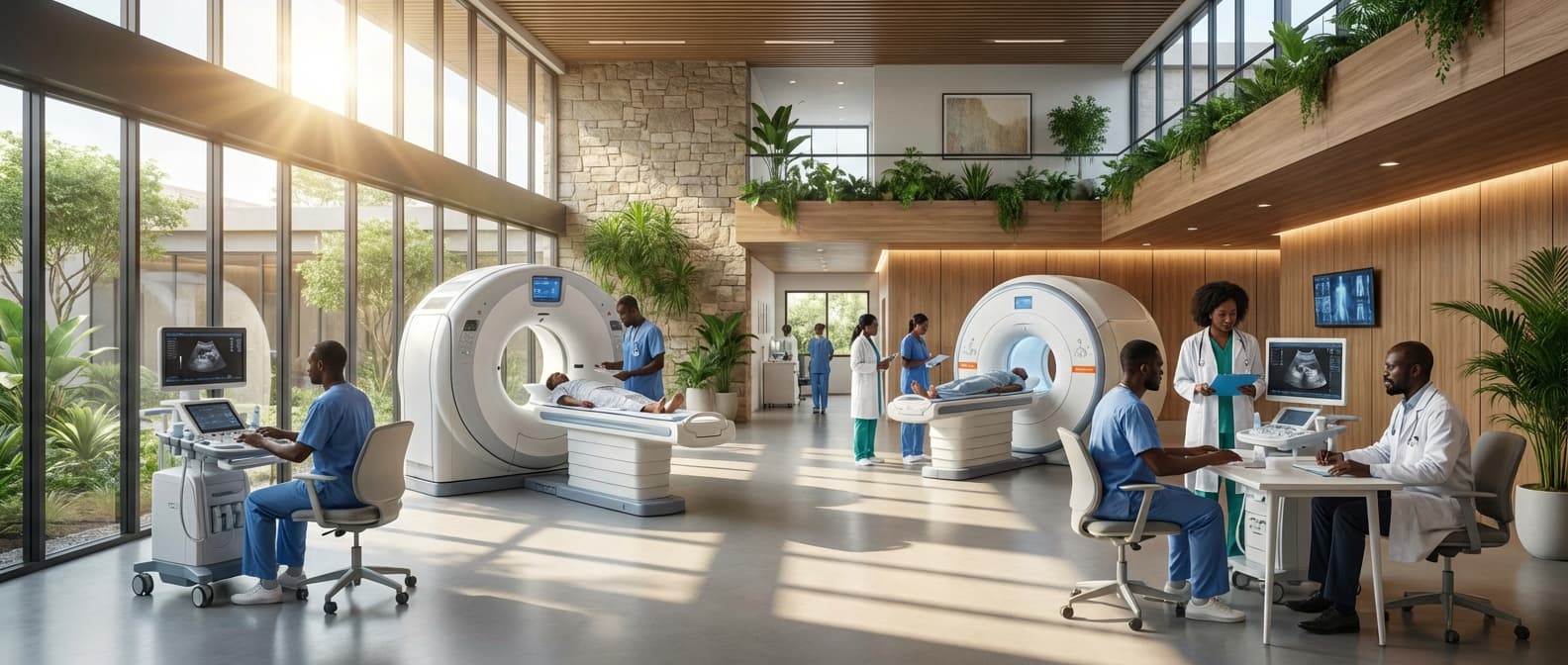
Endoscopy Solutions in Sudan
Engineering Excellence & Technical Support
Advanced endoscopic equipment delivering superior visualization and diagnostic precision for minimally invasive procedures. High-standard technical execution following OEM protocols and local regulatory frameworks.
Advanced Endoscopic Imaging for Sudan
Leveraging state-of-the-art high-definition endoscopic imaging systems, our solutions provide unparalleled visualization for precise diagnostics and interventions, crucial for early detection of gastrointestinal and pulmonary conditions prevalent in Sudan.
Minimally Invasive Therapeutic Endoscopy
Empowering Sudanese healthcare professionals with a comprehensive suite of therapeutic endoscopic tools, including snares, biopsy forceps, and cautery devices, enabling complex polyp removal, stricture dilation, and bleeding control with reduced patient trauma and faster recovery.
Remote Training and Support for Endoscopy
Bridging geographical barriers with innovative remote training modules and tele-endoscopy support. We offer virtual workshops, expert consultation, and live proctoring to enhance the skills of endoscopists across Sudan, ensuring consistent quality of care and expanding access to specialized procedures.
What Is Endoscopy Solutions In Sudan?
Endoscopy Solutions in Sudan refers to the provision of diagnostic and therapeutic services utilizing endoscopic techniques and equipment. This encompasses a range of procedures performed by trained medical professionals to visualize internal organs and tissues, enabling precise diagnosis and minimally invasive interventions. The service aims to improve patient outcomes by offering accurate and efficient methods for investigating gastrointestinal, respiratory, and other internal organ conditions. Access to these solutions is crucial for advancing healthcare standards and patient management within Sudan.
| Who Needs Endoscopy Solutions? | Typical Use Cases |
|---|---|
| Patients presenting with unexplained gastrointestinal symptoms (e.g., dysphagia, odynophagia, persistent heartburn, abdominal pain, chronic diarrhea, constipation, rectal bleeding, melena). | Investigation of upper gastrointestinal bleeding (e.g., peptic ulcers, esophageal varices). Diagnosis and management of inflammatory bowel disease (e.g., Crohn's disease, ulcerative colitis). Screening and surveillance for colorectal cancer, including removal of precancerous polyps. Evaluation of persistent nausea, vomiting, or weight loss. Diagnosis of Helicobacter pylori infection. |
| Individuals with suspected or known respiratory conditions (e.g., chronic cough, hemoptysis, suspected lung mass). | Bronchoscopy for the diagnosis of lung cancer, infections (e.g., tuberculosis, pneumonia), or interstitial lung diseases. Obtaining tissue biopsies or bronchoalveolar lavage samples for analysis. Therapeutic interventions such as removal of airway obstructions or foreign bodies. |
| Patients requiring examination of the biliary or pancreatic ducts. | Endoscopic Retrograde Cholangiopancreatography (ERCP) for diagnosing and treating gallstones, strictures, or tumors of the bile and pancreatic ducts. Placement of stents to relieve blockages. Sphincterotomy to facilitate stone extraction. |
| Patients with urinary tract issues. | Cystoscopy for evaluation of bladder conditions, hematuria, or urinary tract infections. Diagnosis of bladder cancer. Biopsy of suspicious lesions. |
| Patients requiring post-operative monitoring or interventions in specific surgical fields. | Laparoscopy for diagnostic assessment or therapeutic procedures in general surgery, gynecology, and urology. |
Components of Endoscopy Solutions in Sudan:
- Diagnostic Endoscopy: Visual inspection of the lumen of hollow organs (e.g., esophagus, stomach, duodenum, colon, airways) to identify abnormalities such as inflammation, ulcers, polyps, tumors, or strictures.
- Therapeutic Endoscopy: Interventional procedures performed during endoscopy, including polypectomy (removal of polyps), hemostasis (control of bleeding), dilation of strictures, stent placement, and foreign body retrieval.
- Endoscopic Equipment: Provision and maintenance of specialized instruments like flexible endoscopes (gastroscopes, colonoscopes, bronchoscopes), video processors, light sources, insufflators, and various accessories (biopsy forceps, snares, injection needles).
- Trained Personnel: Availability of gastroenterologists, pulmonologists, surgeons, nurses, and technicians with expertise in performing and assisting with endoscopic procedures.
- Ancillary Services: Support functions such as sedation, anesthesia, pathology services for tissue analysis, and post-procedure care.
Who Needs Endoscopy Solutions In Sudan?
Endoscopy solutions are vital for accurate diagnosis and treatment of a wide range of gastrointestinal and respiratory conditions. In Sudan, where healthcare infrastructure is developing and the burden of certain diseases is significant, access to advanced endoscopic technologies is crucial for improving patient outcomes and managing health challenges effectively.
| Department | Primary Needs/Applications | Specific Endoscopy Equipment |
|---|---|---|
| Gastroenterology | Diagnosis and treatment of upper and lower GI tract diseases (e.g., ulcers, polyps, bleeding, inflammatory bowel disease, cancers). | Gastroscopes, Colonoscopes, Duodenoscopes, Endoscopic Ultrasound (EUS), ERCP equipment. |
| Pulmonology | Diagnosis and management of lung and airway diseases (e.g., pneumonia, bronchitis, asthma, lung nodules, cancers). | Bronchoscopes, Endobronchial Ultrasound (EBUS). |
| General Surgery | Pre-operative and post-operative assessment, minimally invasive procedures. | Laparoscopes (though not strictly 'endoscopy' in the traditional GI/pulmonary sense, often considered in surgical solutions). |
| Emergency Medicine | Rapid diagnosis of upper GI bleeding, foreign body retrieval. | Gastroscopes (portable or readily available). |
| Pathology/Histopathology | Biopsy collection for diagnosis. | All endoscopic procedures that involve tissue sampling. |
| Oncology | Diagnosis, staging, and monitoring of GI and lung cancers, palliative interventions. | All relevant diagnostic and interventional endoscopes. |
Target Customers and Departments for Endoscopy Solutions in Sudan
- Hospitals: Both public and private hospitals are primary consumers, requiring endoscopy for diagnostic and interventional procedures.
- Specialty Clinics: Gastroenterology, pulmonology, and proctology clinics will be key users.
- Diagnostic Centers: Facilities focused on advanced medical imaging and diagnostics.
- Medical Training Institutions: For educating future medical professionals in endoscopic techniques.
- Non-Governmental Organizations (NGOs) and Humanitarian Aid Organizations: Often involved in providing healthcare services in underserved areas or during health crises.
Endoscopy Solutions Process In Sudan
The process of obtaining endoscopy solutions in Sudan involves several key stages, from initial inquiry to the final execution of the procedure or acquisition of equipment. This workflow is designed to ensure proper medical care, regulatory compliance, and efficient service delivery.
| Stage | Description | Key Activities | Responsible Parties | Potential Challenges/Considerations |
|---|---|---|---|---|
| The process begins with a patient or healthcare facility identifying a need for endoscopy services or related equipment. | Patient/Facility contacts a healthcare provider or supplier. Discussing symptoms, medical history, or specific equipment requirements. Determining the type of endoscopy required (e.g., gastroscopy, colonoscopy, bronchoscopy) or the specific equipment needed. | Patient, Referring Physician, Healthcare Facility Administration, Medical Equipment Supplier | Availability of specialized services or equipment in the region. Clarity of medical needs. Initial cost estimations. |
| Identifying and verifying the suitability of the medical facility, physician, or supplier to provide the required endoscopy solution. | Researching accredited hospitals or clinics with endoscopy departments. Verifying the qualifications and experience of gastroenterologists or endoscopists. Identifying reputable medical equipment suppliers with import licenses and service capabilities. Checking for necessary certifications and accreditations. | Patient/Patient's Family, Referring Physician, Hospital Administration, Ministry of Health (for licensing) | Lack of accredited facilities or highly specialized personnel. Reliability and authenticity of equipment suppliers. Bureaucratic hurdles for licensing and accreditation. |
| Detailed discussion and planning to confirm the procedure or equipment acquisition. | For procedures: Medical consultation with the endoscopist to explain the procedure, risks, benefits, and preparation. Scheduling the appointment. For equipment: Detailed specifications, quotation, and delivery timeline negotiation. Discussing installation and training requirements. | Patient, Endoscopist/Physician, Hospital Administration, Medical Equipment Supplier | Language barriers (if applicable). Understanding of medical terminology. Accurate equipment specifications. Negotiation of terms and pricing. |
| Preparation for the actual endoscopy procedure or the procurement of equipment. | For procedures: Pre-procedure instructions (dietary, medication adjustments). Performing necessary pre-procedure tests (blood work, imaging). Obtaining informed consent. For equipment: Processing payment, import documentation, customs clearance. | Patient, Nursing Staff, Endoscopist, Hospital Administration, Medical Equipment Supplier, Customs Authorities, Ministry of Commerce | Availability of required pre-procedure medications or diagnostic tools. Efficiency of customs clearance processes. Potential delays in import procedures. Currency exchange rate fluctuations. |
| The actual performance of the endoscopy procedure or the delivery and installation of medical equipment. | For procedures: Performing the endoscopy under sedation or anesthesia. Collecting samples if needed. Recovery monitoring. For equipment: Delivery to the specified location. Installation and initial setup. Basic user training for staff. | Endoscopist, Anesthesiologist, Nursing Staff, Patient, Medical Equipment Supplier, Technical Support Team | Equipment malfunction during procedure. Unexpected findings during endoscopy requiring further action. Logistical challenges during delivery (transport, access). Inadequate training for new equipment. |
| Care and follow-up after the endoscopy procedure or post-delivery support for equipment. | For procedures: Post-procedure instructions and recovery care. Review of findings and recommendations for treatment. Scheduling follow-up appointments. For equipment: Ongoing technical support and maintenance. Advanced user training. Performance evaluation. | Patient, Endoscopist, Primary Care Physician, Nursing Staff, Medical Equipment Supplier, Technical Support Team | Long-term recovery complications. Accessibility to follow-up care or specialist consultations. Availability of spare parts and maintenance services for equipment. Ongoing training needs. |
Endoscopy Solutions Process in Sudan: Workflow
- Inquiry & Needs Assessment
- Provider Identification & Vetting
- Consultation & Planning
- Pre-Procedure/Procurement
- Execution (Procedure or Equipment Delivery)
- Post-Procedure/Follow-up
Endoscopy Solutions Cost In Sudan
The cost of endoscopy solutions in Sudan can vary significantly due to several factors, including the type of procedure, the hospital or clinic's reputation and location, the expertise of the medical professional, and the specific equipment and disposables used. Generally, public hospitals tend to be more affordable than private ones. The prevailing economic conditions and the exchange rate of the Sudanese Pound (SDG) against major currencies also play a crucial role in determining the final cost. Prices are often quoted in SDG, and it's advisable to get a detailed breakdown of charges before the procedure.
Factors influencing endoscopy costs in Sudan include:
- Type of Endoscopy: Procedures like gastroscopy (upper endoscopy), colonoscopy (lower endoscopy), sigmoidoscopy, and bronchoscopy will have different base costs.
- Sedation/Anesthesia: The requirement for conscious sedation or general anesthesia will add to the overall expense. More complex sedation protocols generally incur higher fees.
- Biopsy and Pathology: If a biopsy is taken during the procedure for further examination by a pathologist, there will be an additional charge for the lab analysis.
- Location and Facility: Major cities like Khartoum generally have a wider range of facilities, with private hospitals offering more advanced equipment and potentially higher prices compared to smaller towns or public institutions.
- Equipment and Disposables: The quality and brand of the endoscope and associated disposable items (e.g., biopsy forceps, snares) can impact the cost. Newer, more advanced equipment may lead to higher service fees.
- Physician's Fees: The experience and specialization of the gastroenterologist or surgeon performing the procedure will influence their professional fees.
- Pre- and Post-Procedure Care: Consultation fees, necessary pre-procedure tests (blood work, ECG), and any follow-up appointments are also part of the total cost.
| Procedure Type | Estimated Cost Range (SDG) | Key Influencing Factors |
|---|---|---|
| Gastroscopy | 15,000 - 40,000 | Facility type (public/private), physician fees, sedation |
| Colonoscopy | 25,000 - 60,000 | Facility type, physician fees, sedation, polyp removal |
| Sigmoidoscopy | 10,000 - 25,000 | Facility type, physician fees |
| Bronchoscopy | 20,000 - 50,000 | Facility type, physician fees, complexity of procedure |
| Biopsy & Pathology | 5,000 - 15,000 (additional) | Number of samples, lab turnaround time |
| Sedation/Anesthesia | 3,000 - 10,000 (additional) | Type of sedation, duration of procedure |
Typical Cost Ranges for Endoscopy Procedures in Sudan (Estimates in Sudanese Pound - SDG)
- Gastroscopy (Upper Endoscopy): Ranges from approximately 15,000 SDG to 40,000 SDG.
- Colonoscopy (Lower Endoscopy): Typically ranges from 25,000 SDG to 60,000 SDG.
- Sigmoidoscopy: Generally falls between 10,000 SDG and 25,000 SDG.
- Bronchoscopy: Can range from 20,000 SDG to 50,000 SDG, depending on complexity.
- Biopsy and Pathology (Additional Charge): Expect an extra 5,000 SDG to 15,000 SDG for lab analysis.
- Sedation/Anesthesia (Additional Charge): Varies from 3,000 SDG to 10,000 SDG depending on the type and duration.
Affordable Endoscopy Solutions Options
Endoscopic procedures, while essential for diagnosis and treatment, can represent a significant cost for patients and healthcare providers. Fortunately, there are various affordable endoscopy solutions and cost-saving strategies available. Understanding these options can empower patients to make informed decisions and help healthcare systems optimize resource utilization.
| Strategy | Description | Potential Savings |
|---|---|---|
| Value Bundles | Packages that include the procedure, anesthesia, facility fees, and post-procedure care at a predetermined price. | Can offer a discount compared to paying for each component separately. Simplifies budgeting for patients and insurers. |
| Generic/Biosimilar Devices | Using less branded or lower-cost alternatives for scopes, biopsy forceps, or other disposable items. | Can lead to direct cost reductions on supplies, especially for high-volume procedures. |
| Outpatient Surgery Centers | Performing procedures in specialized centers designed for same-day surgery, often with lower overhead than hospitals. | Typically results in lower overall costs for the facility and potentially for the patient compared to inpatient hospital stays. |
| Negotiated Pricing with Vendors | Leveraging purchasing power to secure better rates on equipment, disposables, and maintenance contracts. | Significant savings on recurring operational costs for healthcare facilities. |
| Process Improvement & Lean Methodologies | Analyzing and refining the entire endoscopy process to eliminate waste, reduce wait times, and improve efficiency. | Minimizes staff overtime, optimizes equipment usage, and reduces the likelihood of procedural delays or complications. |
Key Affordable Endoscopy Solutions & Cost-Saving Strategies
- Value Bundles: Combining multiple services or procedures into a single, often discounted, price.
- Generic or Biosimilar Endoscopic Devices: Utilizing less expensive, yet equally effective, versions of commonly used instruments.
- Outpatient vs. Inpatient Procedures: Performing endoscopies in an outpatient setting when medically appropriate can significantly reduce costs.
- Telehealth for Follow-ups: Using virtual consultations for post-procedure check-ins to save on travel and appointment time.
- Negotiated Service Agreements: Healthcare facilities can negotiate bulk discounts with endoscopy equipment and supply vendors.
- Efficient Workflow Optimization: Streamlining scheduling, patient preparation, and procedure times to maximize equipment and staff utilization.
- Preventative Care & Early Detection: Investing in screening programs can lead to earlier, less complex, and therefore less expensive interventions.
- Patient Education on Preparation: Ensuring patients adhere to proper pre-procedure instructions can reduce cancellations and the need for repeat procedures.
Verified Providers In Sudan
In the complex landscape of healthcare provision in Sudan, identifying truly verified and reliable providers is paramount for both individuals and organizations. Franance Health stands out as a beacon of trust and excellence, offering a robust network of credentials that solidify their position as the best choice for healthcare services in the region. Their commitment to quality assurance, patient safety, and ethical practice is embedded in their operational framework, making them a distinguished leader.
| Credential Type | Franance Health Verification Process | Significance for Patients |
|---|---|---|
| Medical Licenses & Certifications | Direct verification with Sudanese Medical Council and relevant professional bodies. | Ensures providers are legally qualified and authorized to practice. |
| Educational Background | Cross-referencing degrees and diplomas with accredited institutions. | Confirms foundational medical knowledge and training. |
| Professional Experience | Verification of previous employment and roles through reference checks. | Assesses practical skills and track record. |
| Reputation & Ethical Conduct | Patient feedback analysis and due diligence on professional history. | Guarantees ethical treatment and trustworthy care. |
| Facility Accreditation (for clinics/hospitals) | Assessment against national and international healthcare facility standards. | Confirms that facilities are safe, well-equipped, and meet hygiene standards. |
Why Franance Health is the Premier Choice for Verified Providers in Sudan:
- Rigorous Vetting Process: Franance Health employs an exhaustive vetting procedure for all its affiliated healthcare professionals and facilities. This includes verifying medical licenses, certifications, educational backgrounds, and professional conduct.
- International Quality Standards Adherence: Franance Health ensures that its partner providers meet or exceed internationally recognized quality and safety standards, such as those outlined by the World Health Organization (WHO) and other reputable global health bodies.
- Patient-Centric Approach: Their network prioritizes patient well-being, satisfaction, and accessibility. This translates to transparent communication, ethical treatment, and a focus on achieving optimal health outcomes.
- Comprehensive Service Offering: From primary care to specialized medical services, Franance Health covers a broad spectrum of healthcare needs, ensuring that patients can find trusted providers for any medical concern.
- Technological Integration: Franance Health leverages technology to enhance the patient experience, from appointment scheduling to access to medical records, ensuring efficiency and convenience.
- Continuous Professional Development: They foster a culture of ongoing learning and development among their providers, ensuring they remain at the forefront of medical advancements and best practices.
- Emergency Response Capabilities: Franance Health has established protocols and a network capable of responding effectively to medical emergencies, a critical factor in Sudan's unique operational environment.
Scope Of Work For Endoscopy Solutions
This Scope of Work (SOW) outlines the technical deliverables and standard specifications for the procurement and implementation of Endoscopy Solutions. The objective is to acquire advanced, reliable, and user-friendly endoscopy systems that meet current clinical needs and are adaptable for future advancements. This includes the procurement of endoscopic imaging systems, instruments, and associated accessories, as well as training and ongoing support.
| Specification Category | Key Requirement | Standard Specification | Notes |
|---|---|---|---|
| Imaging System | Resolution | Minimum Full HD (1920x1080), preferably 4K UHD (3840x2160) | Ensures high-detail visualization for accurate diagnosis. |
| Imaging System | Light Source | LED or Xenon, with adjustable intensity and color temperature | Provides optimal illumination and color rendering. |
| Imaging System | Field of View (FOV) | Minimum 140 degrees, preferably 150 degrees or more | Facilitates broader visualization during procedures. |
| Imaging System | Digital Zoom | Minimum 1.5x optical zoom, 5x digital zoom | Allows for closer examination of subtle findings. |
| Endoscopes | Insertion Tube Diameter | Varies by type (e.g., Gastro: 9.8mm, Colon: 13.2mm) | Must be suitable for intended anatomical access and patient comfort. |
| Endoscopes | Working Channel Diameter | Varies by type and instrument compatibility (e.g., Gastro: 2.8mm, Colon: 3.2mm) | Determines the size of accessories that can be passed through. |
| Endoscopes | Angulation | Minimum Up/Down: 210 degrees, Right/Left: 100 degrees | Crucial for navigating complex anatomical structures. |
| Endoscopes | Water Jet | Standard feature on all gastrointestinal endoscopes | Aids in clearing the field of view during procedures. |
| Instruments | Biopsy Forceps | Various sizes (small, medium, large), available in both single-use and reusable options | Must provide secure tissue grip and adequate sample size. |
| Instruments | Snares | Polypectomy snares (e.g., hot, cold, loop diameter variations) | Suitable for effective polyp removal. |
| Instruments | Injection Needles | Various gauges and lengths | For submucosal injection and fluid administration. |
| Instruments | Hemostatic Devices | Clips, ligation devices | For managing bleeding during or after procedures. |
| Compatibility | System Integration | All components must be compatible with each other and with existing hospital IT systems (PACS, EMR) | Ensures seamless workflow and data management. |
| Reprocessing | Material & Design | Smooth surfaces, minimal crevices, and high-grade materials (e.g., stainless steel, silicone) for effective cleaning and disinfection | Compliant with relevant guidelines (e.g., AAMI ST79, HTM 01-01). |
| Reprocessing | Validation | Manufacturer must provide validation data for cleaning and disinfection efficacy of both endoscopes and instruments | Ensures patient safety and infection control. |
| Training | Scope | Hands-on training for physicians, nurses, and technicians covering operation, maintenance, troubleshooting, and reprocessing | Customizable to different user levels and procedural complexities. |
| Support | Warranty | Minimum 2-year comprehensive warranty on all hardware, with option for extended warranty | Covers parts, labor, and on-site service. |
| Support | Service Response Time | Maximum 24-hour response time for critical issues | Minimizes downtime and impact on patient care. |
Key Deliverables
- Procurement of specified endoscopic imaging systems (e.g., HD/4K processors, light sources, video towers).
- Procurement of a comprehensive set of endoscopic instruments for various procedures (e.g., gastroscopes, colonoscopes, bronchoscopes, duodenoscopes, and their associated biopsy forceps, snares, and irrigation systems).
- Provision of all necessary accessories, including monitors, video recorders, and compatible workstations.
- Installation and integration of all supplied equipment into existing hospital IT infrastructure.
- Comprehensive training for clinical staff (physicians, nurses, technicians) on the operation and maintenance of the new endoscopy systems.
- Development and delivery of standard operating procedures (SOPs) for equipment usage and reprocessing.
- Post-installation technical support and warranty services.
- Documentation for all procured equipment, including user manuals, service manuals, and validation certificates.
Service Level Agreement For Endoscopy Solutions
This Service Level Agreement (SLA) outlines the guaranteed response times and uptime for Endoscopy Solutions' services. This SLA aims to ensure the reliability and availability of our endoscopy systems and associated support.
| Service Component | Uptime Guarantee (Excluding Scheduled Maintenance) | Initial Response Time (Business Hours) | Initial Response Time (24/7 Critical Support) |
|---|---|---|---|
| Endoscopy System Software & Connectivity | 99.9% | 2 Business Hours | 1 Hour |
| Remote Monitoring & Diagnostics | 99.9% | 4 Business Hours | 2 Hours |
| Endoscopy Solutions Support Portal & Ticketing System | 99.9% | 1 Business Hour | 30 Minutes |
| Scheduled Maintenance Notifications | N/A (Notification Provided) | Minimum 48 hours in advance | Minimum 48 hours in advance |
Key Performance Indicators
- Uptime Guarantee: The service will be available 99.9% of the time, excluding scheduled maintenance.
- Response Times: Support requests will be acknowledged and initial response provided within the specified timeframes.
- Resolution Times: While not explicitly guaranteed due to the variable nature of complex issues, efforts will be made to resolve issues as efficiently as possible.
Frequently Asked Questions

Ready when you are
Let's scope your Endoscopy Solutions in Sudan project in Sudan.

Scaling healthcare logistics and technical systems across the entire continent.