
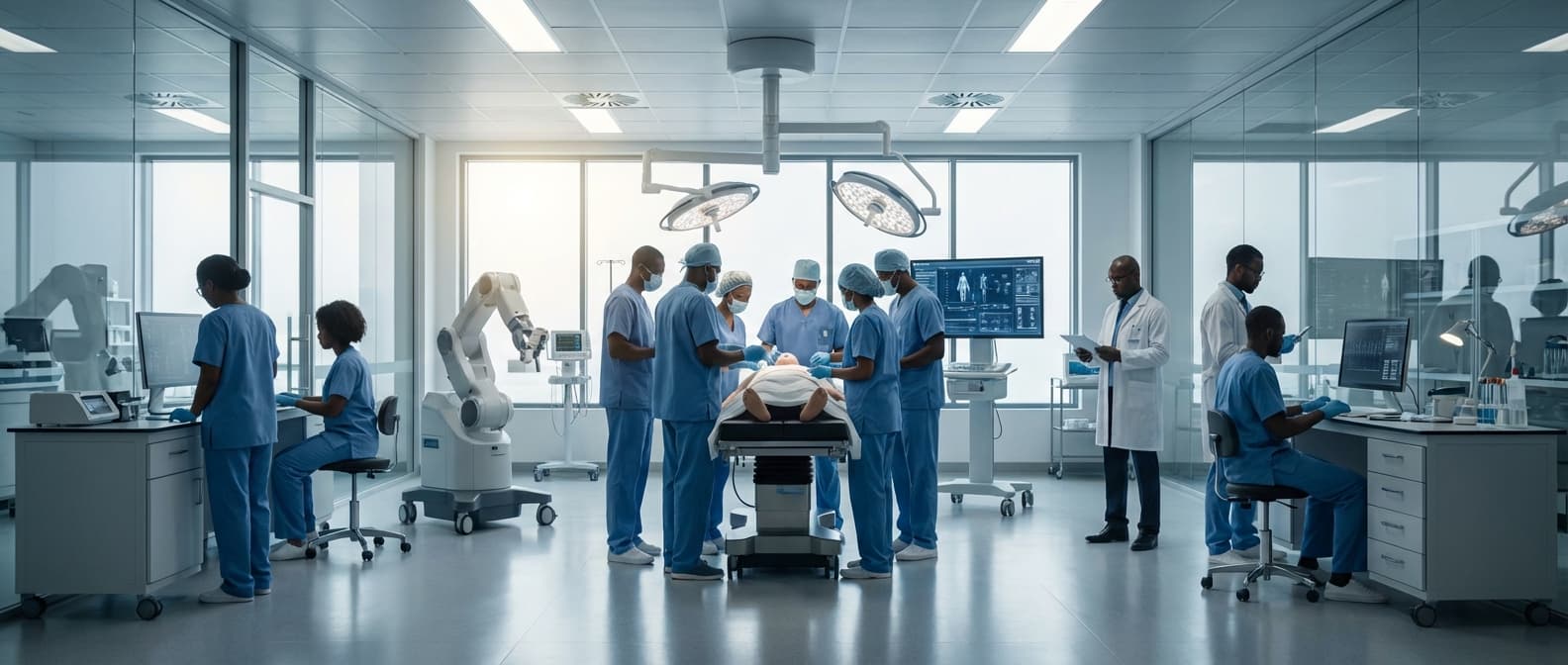
Managed Equipment Service (MES) in Sudan
Engineering Excellence & Technical Support
Long‑term equipment provision with uptime SLAs and lifecycle management. High-standard technical execution following OEM protocols and local regulatory frameworks.
Proactive Remote Asset Monitoring & Predictive Maintenance
Leveraging advanced IoT sensors and cloud-based analytics, our MES solution in Sudan provides real-time, 24/7 monitoring of critical equipment. This enables early detection of potential failures, minimizing downtime and optimizing maintenance schedules through predictive insights, ensuring uninterrupted operations for your key assets.
Optimized Spare Parts & Inventory Management
Our MES platform in Sudan integrates sophisticated inventory management with real-time equipment performance data. This ensures optimal stock levels of critical spare parts, reducing holding costs and preventing delays due to unavailability. We guarantee timely access to necessary components, bolstering the longevity and reliability of your managed equipment.
Nationwide Certified Technical Support Network
MES in Sudan offers access to a comprehensive network of highly skilled and certified technicians strategically located across the country. Our rapid-response field service ensures prompt and efficient on-site maintenance, repairs, and installations, regardless of your geographical location within Sudan, guaranteeing minimal disruption to your business continuity.
What Is Managed Equipment Service (Mes) In Sudan?
Managed Equipment Service (MES) in Sudan refers to a comprehensive outsourcing model where a third-party provider assumes responsibility for the procurement, installation, maintenance, repair, and sometimes even the operational management of specialized equipment for healthcare facilities. This service is designed to alleviate the burden of capital expenditure, technical expertise, and logistical challenges associated with acquiring and sustaining advanced medical technology, thereby enabling healthcare providers to focus on patient care and core clinical operations. The service typically encompasses a Service Level Agreement (SLA) outlining performance metrics, response times, and uptime guarantees.
| Who Needs MES in Sudan? | Typical Use Cases | ||||||
|---|---|---|---|---|---|---|---|
| Public Hospitals and Clinics: Particularly those with limited capital budgets and in-house technical capacity. MES allows them to access modern diagnostic and therapeutic equipment without significant upfront investment. | Diagnostic Imaging Departments (Radiology, CT, MRI): Installation and maintenance of complex imaging systems require specialized engineers and regular calibration to ensure diagnostic accuracy. MES providers manage these aspects. | Intensive Care Units (ICUs): Critical care equipment like ventilators, patient monitors, and defibrillators require continuous uptime and swift repairs. MES ensures these devices are operational and well-maintained. | Surgical Departments: Sterilization equipment, anesthesia machines, and advanced surgical tools can be managed under MES, ensuring sterility and functional integrity. | Laboratories (Pathology, Hematology, Biochemistry): Automated analyzers and diagnostic equipment require regular maintenance, quality control, and calibration, which MES can effectively oversee. | Private Hospitals and Diagnostic Centers: While often having better capital, private entities may opt for MES to optimize operational efficiency, reduce downtime, and access specialized technical expertise without expanding their internal workforce. | Non-Governmental Organizations (NGOs) and International Aid Agencies: Implementing healthcare projects in remote or underserved areas can benefit from MES to ensure the longevity and functionality of donated or purchased medical equipment. | Specialized Medical Centers (e.g., Cardiology, Oncology): High-end, specialized equipment for these fields demands continuous upkeep and expert knowledge, making MES a suitable solution. |
Key Components of MES in Sudan:
- Equipment Procurement and Leasing/Ownership Transfer
- Installation and Commissioning
- Preventive Maintenance and Calibration
- Corrective Maintenance and Repairs (including parts)
- Technical Training for Clinical Staff
- Inventory Management of Spare Parts
- Equipment Lifecycle Management and Upgrade Planning
- Performance Monitoring and Reporting
- Risk Management and Compliance
Who Needs Managed Equipment Service (Mes) In Sudan?
Managed Equipment Service (MES) is a crucial service that ensures healthcare facilities in Sudan can provide consistent and reliable patient care by guaranteeing the operational readiness and maintenance of their medical equipment. This service is particularly vital in contexts like Sudan, where access to specialized technical expertise, spare parts, and advanced diagnostic capabilities can be challenging. MES shifts the burden of equipment management, from acquisition and installation to maintenance, repair, and eventual replacement, to a specialized provider, allowing healthcare institutions to focus on their core mission of patient well-being. This comprehensive approach optimizes equipment uptime, reduces operational costs, and enhances the quality of healthcare services delivered.
| Target Customer Type | Key Departments Benefiting from MES |
|---|---|
| Hospitals (Public & Private) | Radiology (X-ray, CT, MRI), Cardiology (ECG, Echocardiography), Intensive Care Units (ICU), Operating Theatres (Anesthesia machines, surgical lights), Emergency Departments, Laboratories, General Wards |
| Specialty Clinics | Cardiology, Oncology, Neurology, Ophthalmology, Dermatology, Urology, Gastroenterology |
| Diagnostic Centers & Laboratories | Radiology, Pathology, Hematology, Biochemistry, Microbiology, Imaging Departments |
| Medical Training Institutions | Anatomy Labs, Physiology Labs, Pathology Labs, Clinical Skills Centers, Simulation Labs |
| Government Health Ministries/Agencies | All public healthcare facilities under their purview, national medical supply chains, public health program implementation |
| NGOs & Humanitarian Organizations | Mobile clinics, field hospitals, primary healthcare centers, specialized treatment units (e.g., for maternal health, infectious diseases) |
Who Needs Managed Equipment Service (MES) in Sudan? Target Customers and Departments
- Hospitals (Public and Private): Both large national hospitals and smaller private clinics require MES to maintain a diverse range of medical equipment.
- Specialty Clinics: Facilities focusing on specific areas like cardiology, oncology, or radiology will have specialized, high-value equipment that benefits significantly from expert management.
- Diagnostic Centers and Laboratories: These institutions rely heavily on the accurate functioning of advanced diagnostic tools and laboratory equipment.
- Medical Training Institutions: Universities and colleges with medical programs need reliable equipment for training future healthcare professionals.
- Government Health Ministries and Agencies: Public health bodies overseeing national healthcare infrastructure can leverage MES to standardize equipment management and improve service delivery across the public sector.
- Non-Governmental Organizations (NGOs) and Humanitarian Organizations: Organizations operating clinics and hospitals in remote or underserved areas of Sudan will find MES invaluable for ensuring equipment availability and functionality in challenging environments.
Managed Equipment Service (Mes) Process In Sudan
The Managed Equipment Service (MES) process in Sudan, while subject to local regulations and specific provider implementations, generally follows a structured workflow designed to ensure efficient acquisition, deployment, and maintenance of medical equipment. This process aims to alleviate the burden of capital expenditure and operational management for healthcare facilities, allowing them to focus on patient care. The workflow typically starts with an inquiry from a healthcare provider and culminates in the fully operational and maintained equipment at the facility.
| Stage | Description | Key Activities | Responsible Parties |
|---|---|---|---|
| Inquiry and Needs Assessment | Initiation of the MES engagement. The healthcare facility identifies a need for specific medical equipment or a comprehensive equipment management solution. | Healthcare facility contacts MES provider. Discussion of existing infrastructure, equipment needs, budget considerations, and desired outcomes. Site assessment (if applicable). | Healthcare Facility (Client), MES Provider (Supplier) |
| Proposal Development and Evaluation | The MES provider develops a tailored solution based on the assessed needs. | MES provider designs a service package (equipment types, specifications, service levels, pricing). Submission of a detailed proposal. Evaluation of proposal by the healthcare facility. | MES Provider (Supplier), Healthcare Facility (Client) |
| Contract Negotiation and Signing | Formal agreement on the terms and conditions of the MES. | Discussion and agreement on pricing, payment schedules, service level agreements (SLAs), equipment lifecycle, warranties, liabilities, termination clauses. Signing of the MES contract. | MES Provider (Supplier), Healthcare Facility (Client), Legal Counsel (optional) |
| Equipment Sourcing and Procurement | Acquisition of the agreed-upon medical equipment. | MES provider sources equipment from reputable manufacturers, considering local availability and import regulations in Sudan. Procurement and logistics management. | MES Provider (Supplier) |
| Installation and Commissioning | Setting up the equipment at the healthcare facility and ensuring it functions correctly. | Delivery of equipment. Installation by qualified technicians. Calibration and testing to meet manufacturer specifications and local health standards. Commissioning reports and sign-off. | MES Provider (Supplier), Healthcare Facility (Client) |
| Training and Handover | Ensuring healthcare staff are proficient in using and maintaining the equipment. | Provision of comprehensive training for clinical and technical staff. Handover of operational equipment and associated documentation. | MES Provider (Supplier), Healthcare Facility (Client) Staff |
| Ongoing Service, Maintenance, and Support | Continuous operation and upkeep of the equipment throughout the contract period. | Preventive maintenance. Corrective maintenance (repairs). Supply of spare parts. Technical support. Clinical application support. Remote monitoring (if applicable). | MES Provider (Supplier), Healthcare Facility (Client) Staff (for minor upkeep/reporting) |
| Performance Monitoring and Reporting | Tracking the performance of the equipment and the MES contract. | Regular reporting on equipment uptime, maintenance activities, costs, and compliance with SLAs. Performance reviews between MES provider and healthcare facility. | MES Provider (Supplier), Healthcare Facility (Client) |
| Equipment Upgrade/Replacement (End-of-Life/Technological Advancement) | Managing the lifecycle of the equipment. | Scheduled replacement of aging equipment. Upgrades to incorporate new technologies. Decommissioning and disposal of old equipment in compliance with regulations. | MES Provider (Supplier), Healthcare Facility (Client) |
MES Workflow Stages in Sudan
- Inquiry and Needs Assessment
- Proposal Development and Evaluation
- Contract Negotiation and Signing
- Equipment Sourcing and Procurement
- Installation and Commissioning
- Training and Handover
- Ongoing Service, Maintenance, and Support
- Performance Monitoring and Reporting
- Equipment Upgrade/Replacement (End-of-Life/Technological Advancement)
Managed Equipment Service (Mes) Cost In Sudan
Managed Equipment Service (MES) in Sudan offers a crucial pathway for healthcare facilities to access and maintain advanced medical equipment without the burden of direct capital investment and complex operational management. The cost of MES in Sudan is influenced by a multitude of factors, leading to a variable pricing landscape. These factors generally fall into categories such as the type and volume of equipment, service level agreements, contract duration, supplier's operational costs, and economic conditions. Local currency fluctuations and import duties also play a significant role in determining the final pricing. While specific price lists are rarely made public due to the bespoke nature of MES contracts, we can outline the key drivers and provide estimated ranges in Sudanese Pounds (SDG) where possible, acknowledging the dynamic economic environment.
| Equipment Category (Illustrative) | Indicative Annual MES Cost Range (SDG per Unit) | Key Factors Influencing Range |
|---|---|---|
| Basic Patient Monitoring Systems | 150,000 - 400,000 | Number of parameters, brand, SLA severity |
| Standard Diagnostic Imaging (X-ray, Ultrasound) | 500,000 - 1,500,000 | Type of imaging, technology generation, service level |
| Advanced Diagnostic Imaging (CT, MRI - entry-level) | 2,000,000 - 5,000,000+ | Field strength (MRI), slice count (CT), manufacturer, comprehensive SLA |
| Basic Laboratory Analyzers (Hematology, Chemistry) | 300,000 - 800,000 | Throughput, number of tests, automation level |
| Surgical Equipment (e.g., Basic Laparoscopic Sets) | 200,000 - 600,000 | Complexity, number of instruments, associated technology |
Key Pricing Factors for MES in Sudan
- Equipment Type and Specifications: More complex, specialized, or high-volume equipment (e.g., MRI scanners, CT scanners, advanced surgical robots) will inherently command higher MES fees than simpler devices (e.g., patient monitors, basic laboratory equipment). The technological sophistication and the number of units deployed are primary cost drivers.
- Service Level Agreement (SLA): The comprehensiveness of the SLA significantly impacts cost. This includes the response time for repairs, availability of spare parts, preventive maintenance schedules, training for local staff, and uptime guarantees. More stringent SLAs with higher uptime commitments and faster response times will be more expensive.
- Contract Duration: Longer MES contracts (e.g., 5-10 years) often come with slightly lower annualized costs compared to shorter-term agreements, as they provide greater predictability and economies of scale for the service provider.
- Supplier's Operational Costs: This includes the supplier's investment in local infrastructure, qualified technical personnel, training programs, warehousing for spare parts, and logistical support within Sudan. The cost of doing business in Sudan, including security, transportation, and regulatory compliance, will be factored in.
- Import Duties and Taxes: The cost of importing medical equipment and spare parts into Sudan is subject to government duties and taxes, which are passed on to the client through the MES fees.
- Currency Exchange Rates: As MES contracts often involve components priced in foreign currencies (for equipment procurement and specialized parts), fluctuations in the Sudanese Pound (SDG) against major international currencies can significantly impact the local currency cost of the service.
- Inflation and Economic Stability: High inflation rates and economic instability in Sudan can lead to upward pressure on MES costs as suppliers need to account for increased operational expenses and currency devaluation.
- Geographic Location of the Facility: For facilities located in remote or difficult-to-access regions within Sudan, the logistical challenges and associated costs for service delivery might be higher, potentially increasing the MES fee.
- Included Services: Beyond basic maintenance, MES packages might include consumables, disposables, software upgrades, and even personnel. The breadth of these inclusions will directly affect the overall price.
Affordable Managed Equipment Service (Mes) Options
Managed Equipment Service (MES) can be a significant investment for organizations. However, by understanding value bundles and implementing cost-saving strategies, businesses can access essential equipment and services without breaking the bank. MES offers a comprehensive solution for managing the lifecycle of your essential equipment, from acquisition and installation to maintenance, upgrades, and eventual disposal. This proactive approach can lead to increased uptime, improved efficiency, and predictable operational costs. The key to affordability lies in strategic planning and selecting the right MES partner who understands your specific needs and budget constraints.
| Value Bundle | Included Services | Benefits | Cost-Saving Potential |
|---|---|---|---|
| Basic Maintenance & Support | Routine preventative maintenance, on-call technical support, emergency repair response | Ensures equipment uptime, minimizes unexpected breakdowns, extends equipment lifespan | Reduces costly emergency repair fees, prevents production downtime |
| Proactive Monitoring & Diagnostics | Remote monitoring of equipment performance, predictive analytics, early fault detection | Identifies potential issues before they cause failures, optimizes performance | Reduces reactive maintenance costs, minimizes unplanned downtime, optimizes energy consumption |
| Full Lifecycle Management | Includes basic maintenance, proactive monitoring, plus equipment refresh planning, upgrades, and responsible disposal | Streamlines equipment lifecycle, ensures access to up-to-date technology, simplifies asset management | Avoids large capital outlays for frequent replacements, potential for trade-in value, reduced disposal costs |
| Customized Solutions | Tailored bundles based on specific equipment types, usage patterns, and risk tolerance | Ensures you only pay for what you need, maximizes value for your investment | Eliminates unnecessary service costs, aligns spending with actual requirements |
Key Components of Affordable MES
- Understanding Your Equipment Needs: A thorough assessment of current and future equipment requirements is crucial to avoid overspending on unnecessary services or under-provisioning for critical needs.
- Defining Service Level Agreements (SLAs): Clearly defined SLAs ensure you receive the level of support you pay for, preventing hidden costs or service gaps.
- Negotiating Contract Terms: Don't be afraid to negotiate pricing, payment schedules, and contract duration. Long-term commitments often unlock better rates.
- Leveraging Technology: Modern MES solutions incorporate remote monitoring and predictive maintenance, which can significantly reduce on-site visits and reactive repairs.
Verified Providers In Sudan
Ensuring access to quality healthcare in Sudan is paramount, and identifying verified healthcare providers is a critical step. Franance Health stands out as a leading organization committed to delivering exceptional medical services. This document outlines the credentials of Franance Health and explains why they represent the best choice for healthcare needs in Sudan.
| Credential/Aspect | Franance Health's Commitment | Why it's the Best Choice |
|---|---|---|
| Provider Vetting | Strict adherence to a multi-stage verification process for all medical professionals and facilities. | Guarantees that patients are connected with only the most competent and ethical healthcare providers. |
| Professional Qualifications | Partnership with a network of highly qualified doctors, specialists, and nurses with recognized certifications and proven track records. | Ensures patients receive care from experts in their respective fields, leading to better health outcomes. |
| Service Breadth | Offers a wide array of medical specialties and services, from preventative care to complex treatments. | Provides a convenient, one-stop solution for diverse healthcare requirements, reducing the need to seek care from multiple institutions. |
| Technological Advancement | Collaborates with facilities that utilize advanced medical equipment and diagnostic tools. | Facilitates accurate diagnoses and the application of the latest treatment methodologies for improved patient care. |
| Patient Experience | Focuses on creating a compassionate and responsive healthcare environment for every individual. | Promotes patient trust and satisfaction through empathetic communication and tailored treatment plans. |
| Ethical Standards | Upholds the highest ethical standards in medical practice and business operations. | Ensures patients receive honest and transparent care, free from any form of malpractice or exploitation. |
Franance Health Credentials and Why They Are the Best Choice
- Rigorous Verification Process: Franance Health employs a stringent vetting process for all its partner providers, ensuring they meet the highest standards of medical practice, ethical conduct, and patient safety.
- Qualified and Experienced Medical Professionals: Our network comprises doctors, specialists, nurses, and allied health professionals with extensive experience and advanced qualifications. Many have international training and diverse expertise.
- Comprehensive Range of Services: From primary care and specialist consultations to advanced diagnostics and surgical procedures, Franance Health offers a broad spectrum of medical services to cater to diverse healthcare needs.
- State-of-the-Art Facilities: We partner with healthcare facilities equipped with modern medical technology and infrastructure, enabling accurate diagnoses and effective treatments.
- Patient-Centric Approach: At Franance Health, patient well-being is at the forefront. We prioritize personalized care, clear communication, and a supportive environment for all our patients.
- Commitment to Ethical Practices: Integrity and transparency are core values. Franance Health ensures all its providers adhere to strict ethical guidelines and patient confidentiality protocols.
- Accessibility and Affordability: We strive to make quality healthcare accessible to a wider population by working towards competitive pricing and exploring various insurance and payment options.
- Continuous Quality Improvement: Franance Health is dedicated to ongoing evaluation and improvement of services, actively seeking feedback from patients and providers to enhance the healthcare experience.
Scope Of Work For Managed Equipment Service (Mes)
This Scope of Work (SOW) outlines the requirements for a Managed Equipment Service (MES) provider. The MES provider will be responsible for the management, maintenance, and operational support of specified medical equipment within [Client Organization Name] facilities. This document details the technical deliverables, standard specifications, and overall objectives of the MES contract.
| Category | Technical Deliverable | Standard Specification / Requirement | Key Performance Indicators (KPIs) | Measurement Frequency |
|---|---|---|---|---|
| Equipment Management | Equipment Inventory and Asset Register | Comprehensive and up-to-date register including make, model, serial number, location, purchase date, warranty status, maintenance history, and end-of-life projections. Accessible via a shared platform. | Accuracy of Inventory: 98% | Quarterly |
| Equipment Management | Equipment Lifecycle Management Plan | Proactive plan for acquisition, deployment, maintenance, upgrade, and disposal of all managed equipment. | Adherence to Lifecycle Plan: 95% | Annually (reviewed quarterly) |
| Maintenance & Repair | Preventive Maintenance (PM) Program | Scheduled PM activities based on manufacturer recommendations and usage data. All PMs to be documented with checklists and sign-offs. | PM Completion Rate: 100% of scheduled PMs | As per schedule (e.g., daily, weekly, monthly, annually) |
| Maintenance & Repair | Corrective Maintenance (CM) and Breakdown Response | 24/7 availability for critical equipment repairs. Defined response times based on equipment criticality and service level agreements (SLAs). | Mean Time To Respond (MTTR) for Critical Equipment: < 1 hour | Real-time tracking; monthly reporting |
| Maintenance & Repair | On-site Technical Support | Availability of qualified and certified biomedical engineers and technicians on-site or readily accessible. | Engineer Availability: 99.9% | Monthly |
| Maintenance & Repair | Parts Management and Inventory | Stocking of critical spare parts to minimize repair times. Efficient ordering and management of non-stocked parts. | Availability of Critical Spare Parts: 95% | Quarterly |
| Quality & Compliance | Regulatory Compliance Audits & Reporting | Ensuring all managed equipment meets national and international safety and performance standards (e.g., IEC 60601, FDA regulations, local health authority requirements). Regular internal audits and reporting. | Audit Pass Rate: 100% | Annually (internal and external) |
| Quality & Compliance | Calibration and Verification Services | Scheduled calibration and verification of medical equipment to ensure accuracy and reliability. | Calibration Completion Rate: 100% of scheduled calibrations | As per schedule (e.g., annually, bi-annually) |
| Quality & Compliance | Equipment Safety Testing | Regular electrical safety testing and performance checks to prevent hazards. | Safety Test Pass Rate: 100% | As per schedule (e.g., annually, bi-annually) |
| Reporting & Analytics | Performance Reporting Dashboard | Real-time or near real-time dashboard providing key metrics on equipment availability, maintenance activities, costs, and compliance. | Data Accuracy and Timeliness: 99% | Daily (dashboard); Monthly (formal report) |
| Reporting & Analytics | Cost Management and Optimization Reports | Detailed reports on maintenance costs, parts expenditure, service contract costs, and recommendations for cost optimization. | Cost Reduction Achieved: Target X% reduction year-on-year | Quarterly |
| Technology & Innovation | Equipment Technology Review and Recommendations | Periodic review of emerging technologies and recommendations for equipment upgrades or replacements to improve patient care and efficiency. | Number of technology recommendations submitted: Minimum 2 per year | Annually |
| Training & Support | End-User Training | Provision of basic training to end-users on the correct and safe operation of managed equipment. | Training Satisfaction Score: > 85% | As needed |
Key Objectives of the Managed Equipment Service (MES)
- Ensure the optimal availability and performance of all managed equipment.
- Minimize equipment downtime and associated patient care disruptions.
- Control and optimize equipment lifecycle costs.
- Ensure compliance with all relevant regulatory and safety standards.
- Provide efficient and effective repair and maintenance services.
- Offer expert advice and support on equipment utilization and technology advancements.
- Streamline equipment inventory and asset management.
- Enhance patient safety through robust equipment maintenance practices.
Service Level Agreement For Managed Equipment Service (Mes)
This Service Level Agreement (SLA) outlines the performance standards and guarantees for the Managed Equipment Service (MES) provided by [Your Company Name] to [Client Company Name]. This SLA aims to ensure the reliable operation and timely support of the managed equipment, minimizing downtime and maximizing operational efficiency for the client.
| Equipment Classification | Uptime Guarantee (Monthly) | Response Time Target (During Service Hours) | Resolution Time Target (During Service Hours) | Response Time Target (Outside Service Hours/Emergency) |
|---|---|---|---|---|
| Critical Equipment | 99.9% | 1 hour | 4 hours | 2 hours |
| Non-Critical Equipment | 99.5% | 4 hours | 8 business hours | 8 business hours |
Key Definitions
- Managed Equipment Service (MES): The comprehensive service offering that includes monitoring, maintenance, repair, and management of specified equipment at the client's premises.
- Service Hours: The hours during which support and maintenance services are actively provided. Typically, this will be [e.g., Monday to Friday, 9:00 AM to 5:00 PM Local Time], excluding public holidays.
- Critical Equipment: Equipment designated as essential for the client's core business operations, where any downtime has a significant impact.
- Non-Critical Equipment: Equipment that supports secondary functions or has readily available workarounds in case of downtime.
- Downtime: The period during which a piece of managed equipment is non-operational and unable to perform its intended function, excluding scheduled maintenance.
- Response Time: The maximum time allowed from the moment a service request is logged by the client until [Your Company Name] acknowledges the request and initiates troubleshooting.
- Resolution Time: The maximum time allowed from the moment a service request is logged until the managed equipment is restored to operational status, or a mutually agreed-upon workaround is implemented.
- Uptime Guarantee: The minimum percentage of time that the managed equipment is guaranteed to be operational and available for use, excluding scheduled maintenance.
Frequently Asked Questions

Ready when you are
Let's scope your Managed Equipment Service (MES) in Sudan project in Sudan.

Scaling healthcare logistics and technical systems across the entire continent.