
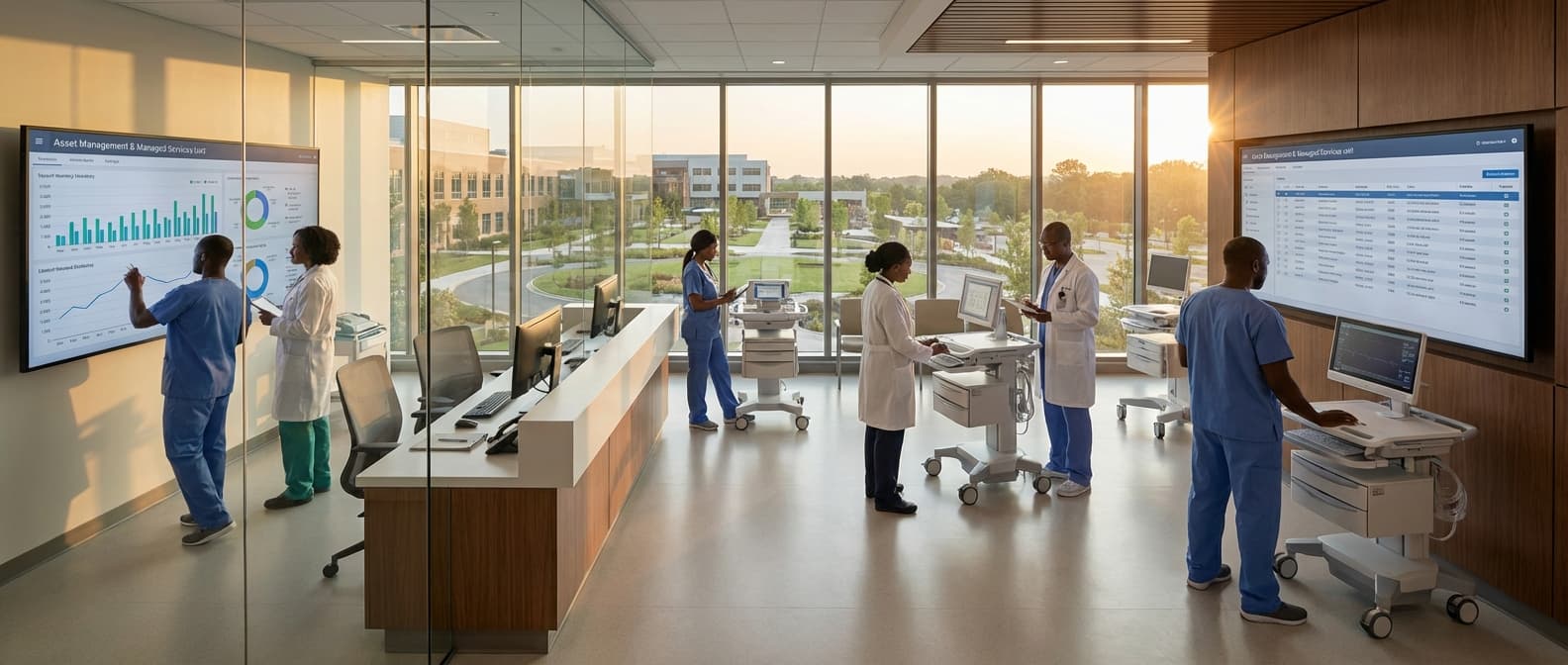
Equipment Fleet Standardization Consulting Service in Sudan
Engineering Excellence & Technical Support
Equipment Fleet Standardization Consulting Service High-standard technical execution following OEM protocols and local regulatory frameworks.
Optimized Fleet Utilization & Cost Reduction
Implement standardized fleet management protocols in Sudan to minimize idle time, reduce operational costs (fuel, maintenance), and maximize asset productivity. We leverage data analytics to identify underutilized assets and recommend optimal deployment strategies, ensuring your equipment works harder, smarter.
Streamlined Maintenance & Parts Management
Standardize your equipment inventory and maintenance procedures for enhanced efficiency and reduced downtime in the Sudanese market. This includes rationalizing spare parts, standardizing training for mechanics, and implementing predictive maintenance models tailored to local environmental conditions and common equipment failures.
Enhanced Safety & Compliance Framework
Develop and implement a robust safety and compliance framework for your standardized fleet in Sudan. We focus on ensuring all equipment meets international safety standards, operator training is consistent, and all operational procedures align with local regulations, minimizing risks and ensuring operational integrity.
What Is Equipment Fleet Standardization Consulting Service In Sudan?
Equipment Fleet Standardization Consulting Service in Sudan refers to the specialized advisory and implementation support provided to organizations operating in Sudan to optimize their equipment fleets through the adoption of uniform makes, models, specifications, and operational protocols. This service aims to enhance operational efficiency, reduce costs, and improve asset management by establishing a consistent and interoperable range of machinery and vehicles. The service involves a comprehensive assessment of existing fleets, identification of standardization opportunities, development of strategic roadmaps, vendor selection assistance, and the implementation of new procurement and maintenance strategies. Key objectives include reducing the complexity of parts inventory, simplifying maintenance procedures, improving operator training, and enabling better data collection and analysis for fleet performance. The service caters to entities with substantial investments in mobile or fixed equipment across various sectors crucial to Sudan's economy, such as agriculture, construction, oil and gas, mining, and logistics. Typical use cases involve organizations seeking to consolidate disparate fleets acquired over time, expand operations requiring new, compatible equipment, or facing challenges with the availability and cost of specialized parts and maintenance expertise.
| Who Needs This Service? | Typical Use Cases |
|---|---|
| Large agricultural enterprises seeking to streamline farm machinery operations and reduce maintenance complexity. | Consolidating diverse tractor and harvesting equipment models for simplified parts inventory and technician training. |
| Construction companies managing fleets of heavy machinery (e.g., excavators, dozers, cranes) across multiple project sites. | Implementing a standardized platform of earthmoving equipment to facilitate inter-project asset deployment and reduce specialized repair needs. |
| Oil and gas exploration and service companies operating in remote or challenging terrains. | Standardizing specialized vehicles and exploration equipment for improved operational reliability and reduced downtime in remote locations. |
| Mining operations requiring robust and specialized heavy-duty equipment. | Harmonizing fleets of haul trucks, loaders, and drilling rigs to optimize supply chain for critical components and maintenance services. |
| Logistics and transportation companies managing substantial fleets of commercial vehicles. | Standardizing truck models and engine types to simplify fleet maintenance, optimize fuel efficiency, and improve driver training programs. |
| Government agencies or NGOs with extensive equipment for public works or humanitarian aid. | Ensuring interoperability and ease of maintenance for a large fleet of vehicles and machinery used in infrastructure development or disaster relief. |
Key Components of Equipment Fleet Standardization Consulting Service
- Fleet Audit and Analysis: Comprehensive review of existing equipment inventory, performance data, and operational costs.
- Standardization Strategy Development: Defining optimal equipment types, brands, and specifications aligned with business objectives and local operating conditions.
- Procurement Optimization: Assisting in vendor selection, contract negotiation, and establishing standardized procurement processes.
- Maintenance and Repair Optimization: Developing standardized maintenance schedules, training programs, and spare parts management strategies.
- Technology Integration: Recommending and implementing fleet management software for enhanced monitoring and control.
- Change Management and Training: Facilitating the transition to standardized fleets and providing operator and technician training.
- Risk Mitigation: Identifying and addressing potential risks associated with standardization, such as supply chain dependencies or vendor lock-in.
Who Needs Equipment Fleet Standardization Consulting Service In Sudan?
In Sudan, a nation undergoing significant infrastructural development and facing unique logistical challenges, equipment fleet standardization consulting services are crucial for a wide range of organizations. Standardization offers numerous benefits, including reduced operational costs, improved maintenance efficiency, enhanced safety, simplified training, and better resource utilization. Target customers are those entities that heavily rely on a diverse fleet of heavy and light equipment for their core operations, and who are seeking to optimize their performance, mitigate risks, and achieve greater cost-effectiveness.
| Target Customer Group | Primary Departments/Functions Involved | Key Needs/Benefits of Standardization |
|---|---|---|
| Government Ministries and Agencies (e.g., Ministry of Infrastructure and Transport, Ministry of Agriculture) | Procurement, Operations, Maintenance, Fleet Management, Budgeting | Cost savings through bulk purchasing, improved asset lifecycle management, enhanced service delivery, standardized safety protocols, efficient deployment for national projects. |
| Construction and Infrastructure Companies | Fleet Management, Operations, Project Management, Procurement, Maintenance | Reduced downtime, optimized spare parts inventory, simplified technician training, improved fuel efficiency, enhanced project scheduling and execution, better resale value of assets. |
| Oil and Gas Exploration and Production Companies | Logistics, Operations, Maintenance, Procurement, HSE (Health, Safety, and Environment) | Ensured operational continuity in remote and harsh environments, compliance with stringent safety regulations, reduced risk of equipment failure, efficient maintenance scheduling, specialized training for personnel. |
| Mining and Extraction Operations | Fleet Management, Operations, Maintenance, Procurement, Safety | Maximizing equipment uptime in demanding conditions, minimizing costly breakdowns, efficient management of large and specialized fleets, consistent safety standards, optimized fuel and maintenance costs. |
| Agricultural Cooperatives and Large-Scale Farms | Operations, Procurement, Maintenance, Farm Management | Streamlined operations during planting and harvesting seasons, reduced maintenance costs and downtime for critical machinery, simplified operator training, improved efficiency in resource allocation. |
| Logistics and Transportation Providers | Fleet Management, Operations, Maintenance, Procurement, Dispatch | Increased fleet reliability, reduced operational disruptions, standardized driver training, optimized fuel consumption, predictable maintenance schedules, enhanced customer service through punctual deliveries. |
| Non-Governmental Organizations (NGOs) and Humanitarian Aid Agencies | Logistics, Operations, Procurement, Fleet Management, Program Management | Cost-effective deployment of vehicles and equipment for critical missions, reliable transportation in challenging terrains, simplified maintenance and repair in remote areas, efficient resource allocation for aid delivery. |
| Public Utilities (Water, Electricity, Telecommunications) | Operations, Maintenance, Field Services, Procurement, Asset Management | Ensuring rapid response to service outages, minimizing downtime of essential service vehicles, efficient management of specialized repair and maintenance fleets, standardized safety for field personnel, cost-effective procurement of utility vehicles. |
| Large Industrial and Manufacturing Plants | Logistics, Warehouse Management, Maintenance, Procurement, Production | Efficient movement of materials within facilities, reduced downtime of forklifts and other industrial vehicles, optimized spare parts for MHE (Material Handling Equipment), improved safety in production areas. |
Who Needs Equipment Fleet Standardization Consulting Service in Sudan?
- Government Ministries and Agencies
- Construction and Infrastructure Companies
- Oil and Gas Exploration and Production Companies
- Mining and Extraction Operations
- Agricultural Cooperatives and Large-Scale Farms
- Logistics and Transportation Providers
- Non-Governmental Organizations (NGOs) and Humanitarian Aid Agencies
- Public Utilities (Water, Electricity, Telecommunications)
- Large Industrial and Manufacturing Plants
Equipment Fleet Standardization Consulting Service Process In Sudan
This document outlines the typical workflow for an Equipment Fleet Standardization Consulting Service in Sudan, from initial inquiry to the successful execution of the project. The process is designed to be comprehensive, transparent, and adaptable to the specific needs of each client.
| Phase | Key Activities | Deliverables | Timeline (Indicative) |
|---|---|---|---|
| Phase 1: Inquiry & Scoping | Client expresses interest. Initial discussions to understand objectives, challenges, and fleet size. Site visits (if feasible) or virtual meetings. Define project scope, desired outcomes, and preliminary budget. | Initial understanding of client needs. Draft scope of work. Preliminary project feasibility assessment. | 1-2 Weeks |
| Phase 2: Proposal & Contract | Develop a detailed proposal outlining methodology, team expertise, timeline, deliverables, and pricing. Present proposal to the client. Negotiate terms and conditions. Finalize and sign contract. | Comprehensive consulting proposal. Signed service agreement. | 2-3 Weeks |
| Phase 3: Data Collection & Analysis | On-site or remote data gathering on current fleet (equipment types, age, usage, maintenance records, operational costs, spare parts inventory, supplier relationships). Data validation and analysis to identify inefficiencies, redundancies, and standardization opportunities. | Fleet inventory database. Detailed analysis report highlighting current state and performance metrics. Identification of key areas for standardization. | 4-8 Weeks |
| Phase 4: Strategy Development | Develop a tailored standardization strategy based on analysis. Define optimal fleet composition, recommended equipment types, maintenance policies, spare parts management strategies, and potential vendor partnerships. Consider local operating conditions and regulatory requirements in Sudan. | Standardization strategy document. Recommended fleet model. Procurement guidelines. | 3-5 Weeks |
| Phase 5: Implementation Planning & Support | Create a detailed implementation plan, including phasing, timelines, resource allocation, risk mitigation, and change management. Provide guidance and support during the procurement of new equipment, disposal of old assets, and establishment of new maintenance procedures. Oversee the pilot program if initiated. | Detailed implementation plan. Procurement support. Change management framework. Pilot program report (if applicable). | Ongoing (dependent on scope and complexity) |
| Phase 6: Training & Handover | Develop and deliver training programs for maintenance staff, operators, and management on new equipment and standardized procedures. Finalize all project documentation. Officially hand over the standardized fleet management system and processes to the client. | Training materials and records. Final project report. Handover documentation. | 2-4 Weeks |
| Phase 7: Post-Implementation | Provide post-implementation support to address any issues. Monitor the performance of the standardized fleet and provide recommendations for continuous improvement. Conduct follow-up assessments to ensure sustained benefits. | Performance monitoring reports. Recommendations for continuous improvement. Post-implementation review. | Ongoing (e.g., 3-6 months post-handover) |
Consulting Service Workflow: Sudan Equipment Fleet Standardization
- Inquiry and Initial Contact
- Needs Assessment and Scoping
- Proposal Development and Presentation
- Contract Negotiation and Signing
- Project Kick-off and Team Mobilization
- Data Collection and Analysis
- Standardization Strategy Development
- Implementation Planning
- Pilot Program (if applicable)
- Full-Scale Implementation Support
- Training and Capacity Building
- Performance Monitoring and Evaluation
- Project Closure and Handover
- Post-Implementation Support and Follow-up
Equipment Fleet Standardization Consulting Service Cost In Sudan
Providing Equipment Fleet Standardization Consulting Services in Sudan involves a nuanced pricing structure influenced by several key factors. The goal of such services is to optimize the type, quantity, and maintenance of a company's equipment fleet for improved efficiency, reduced costs, and enhanced operational performance. In Sudan, economic conditions, the specific scope of work, the expertise of the consultants, and the duration of the project are all critical determinants of the final cost. These services can range from initial assessment and strategy development to implementation support and ongoing fleet management optimization.
| Service Level / Scope | Estimated Cost Range (SDG) | Typical Duration |
|---|---|---|
| Basic Fleet Audit & Assessment (Review of current fleet, identification of immediate inefficiencies, preliminary recommendations) | 500,000 - 1,500,000 | 1-3 weeks |
| Standardization Strategy Development (In-depth analysis, identification of ideal fleet composition, vendor strategy, preliminary cost-benefit analysis) | 1,500,000 - 4,000,000 | 4-8 weeks |
| Full Standardization Project (Strategy development, detailed implementation plan, vendor selection support, policy creation, training framework) | 4,000,000 - 10,000,000+ | 2-6 months |
| Specialized Modules/Add-ons (e.g., Technology integration for fleet management, sustainability assessment, detailed maintenance optimization) | Variable (often as a percentage of the main project or hourly rates) | Per module/requirement |
Key Pricing Factors for Equipment Fleet Standardization Consulting in Sudan:
- Scope of Services: The complexity and breadth of the consulting engagement are paramount. This can include fleet auditing, needs assessment, vendor analysis, technology integration recommendations, policy development, training, and change management.
- Fleet Size and Diversity: A larger and more diverse fleet generally requires more in-depth analysis and a longer engagement period, thus increasing costs.
- Consultant Expertise and Experience: The reputation, specialization, and years of experience of the consulting firm or individual consultants significantly impact their rates. Highly specialized knowledge in areas like heavy machinery, logistics, or specific industry verticals will command higher fees.
- Project Duration: The estimated time required to complete the standardization project, from initial consultation to final reporting and recommendations, directly affects the overall cost.
- Geographic Location within Sudan: While less of a factor for remote or office-based work, if on-site assessments or implementation across multiple locations in Sudan are required, travel and accommodation expenses will be incurred.
- Reporting and Deliverables: The level of detail and the format of the final reports, presentations, and implementation plans can influence the effort and thus the cost.
- Client's Internal Resources: The extent to which the client can provide data, access to personnel, and support during the project can impact the consultant's required involvement and, consequently, the cost.
- Market Demand and Competition: The availability of qualified consultants in Sudan and the level of competition can also play a role in pricing.
Affordable Equipment Fleet Standardization Consulting Service Options
Our Affordable Equipment Fleet Standardization Consulting Service helps businesses optimize their equipment operations by establishing consistent makes, models, and specifications across their fleet. This strategic approach leads to significant cost savings through streamlined maintenance, reduced parts inventory, improved operator efficiency, and enhanced resale value. We offer flexible value bundles and proven cost-saving strategies tailored to your specific needs and budget, ensuring a high return on investment.
| Service Bundle | Description | Value Proposition | Cost-Saving Strategies Included | Ideal For |
|---|---|---|---|---|
| Essential Standardization Package | Core analysis of your current fleet, identification of standardization opportunities, and development of a basic standardization plan. | Foundation for cost reduction and operational efficiency. | Parts inventory consolidation, basic technician training recommendations. | Small to medium-sized fleets, businesses seeking initial cost savings. |
| Optimized Fleet Management Bundle | Comprehensive fleet audit, detailed standardization roadmap, vendor negotiation support, and implementation guidance. | Maximizes operational efficiency and long-term cost savings. | Bulk purchasing agreements, predictive maintenance strategies, operator cross-training programs. | Medium to large-sized fleets, businesses focused on comprehensive optimization. |
| Advanced Fleet Integration & Sustainability Bundle | All features of the Optimized bundle, plus integration of telematics, development of sustainable equipment lifecycle management, and advanced ROI analysis. | Ensures long-term sustainability and maximum financial returns. | Lifecycle cost analysis, fuel efficiency optimization, green procurement advice, disposal and resale optimization. | Large fleets, environmentally conscious organizations, businesses seeking highest ROI. |
Key Benefits of Fleet Standardization
- Reduced maintenance costs through common parts and simplified training.
- Lowered inventory expenses by stocking fewer unique parts.
- Increased operator productivity due to familiarity with equipment.
- Improved resale value from a well-maintained and consistent fleet.
- Enhanced safety through standardized operating procedures.
- Streamlined procurement processes and bulk purchasing discounts.
Verified Providers In Sudan
In Sudan's evolving healthcare landscape, identifying genuinely verified providers is paramount for ensuring quality care and patient safety. Franance Health stands out as a leading organization committed to upholding the highest standards in medical services. Their rigorous credentialing process and dedication to excellence make them the most reliable choice for individuals seeking trustworthy healthcare solutions.
| Franance Health Credentialing Process | Key Verification Points |
|---|---|
| Comprehensive background checks for all affiliated healthcare professionals. | Verification of medical licenses, certifications, and academic qualifications. |
| Thorough review of professional experience and past performance. | Assessment of adherence to ethical guidelines and best practices. |
| Ongoing evaluation of facilities and operational standards. | Patient feedback mechanisms and satisfaction surveys. |
| Commitment to continuing medical education (CME) for all providers. | Compliance with all relevant Sudanese healthcare regulations. |
Why Franance Health is the Premier Choice:
- Unwavering commitment to patient-centric care.
- Strict adherence to international quality and safety protocols.
- Extensive network of highly qualified and vetted medical professionals.
- Transparent and ethical operational practices.
- Focus on continuous improvement and innovation in healthcare delivery.
Scope Of Work For Equipment Fleet Standardization Consulting Service
This Scope of Work (SOW) outlines the consulting services to be provided for the standardization of the client's equipment fleet. The objective is to achieve a more efficient, cost-effective, and manageable fleet through the selection and implementation of standard equipment types, models, and configurations. This will involve analysis, recommendation, and the development of detailed specifications.
| Phase | Description | Key Activities | Deliverables | Timeline (Weeks) |
|---|---|---|---|---|
| Understand the current fleet composition, usage patterns, operational requirements, and existing challenges. | Conduct stakeholder interviews (operations, maintenance, procurement, finance). Review historical maintenance and operating data. Analyze current fleet inventory and utilization metrics. Identify critical equipment types and their applications. | Current Fleet Profile Report. Needs Assessment Summary. Initial Gap Analysis. | 4 |
| Define standardization criteria and develop a strategy for fleet rationalization. | Identify key performance indicators (KPIs) for standardization success. Research industry best practices and available equipment options. Develop preliminary standardized equipment categories. Define criteria for selecting standard models (e.g., TCO, reliability, parts availability, dealer support). | Standardization Framework. Proposed Standard Equipment Categories. | 6 |
| Select specific make/model/configuration for each standardized category and develop detailed technical specifications. | Issue Request for Information (RFI) to potential manufacturers/suppliers. Evaluate vendor proposals based on defined criteria. Conduct technical reviews and demonstrations. Develop detailed technical specifications for each standardized equipment type. Define essential options, safety features, and performance requirements. | Recommended Standard Equipment List (with make/model/configuration). Detailed Technical Specifications for each standardized equipment type. Total Cost of Ownership (TCO) analysis for proposed standards. | 10 |
| Develop a plan for phasing in the standardized fleet and provide guidelines for future procurement and maintenance. | Develop a fleet transition plan (phased replacement schedule). Outline procurement guidelines for new standardized equipment. Define maintenance procedures and training requirements for standardized equipment. Develop spare parts stocking strategy for standardized fleet. | Fleet Transition Plan. Procurement Guidelines. Maintenance & Training Guidelines. Standardized Spare Parts List. | 4 |
| Consolidate all findings, recommendations, and deliverables, and transfer knowledge to the client's team. | Prepare comprehensive final report. Conduct knowledge transfer sessions with client personnel. Provide a roadmap for ongoing fleet management based on standardization. | Final Project Report. Knowledge Transfer Documentation. | 2 |
Project Objectives
- Reduce overall fleet operating and maintenance costs.
- Improve equipment uptime and reliability.
- Streamline maintenance and repair processes.
- Enhance parts inventory management and reduce obsolescence.
- Simplify operator training and skill development.
- Facilitate better procurement and disposal strategies.
- Improve fleet utilization and allocation.
- Ensure compliance with safety and environmental regulations.
Service Level Agreement For Equipment Fleet Standardization Consulting Service
This Service Level Agreement (SLA) outlines the response times and uptime guarantees for the Equipment Fleet Standardization Consulting Service provided by [Your Company Name] to [Client Company Name]. This agreement is effective as of [Start Date] and will remain in effect until [End Date], or until superseded by a new agreement. This SLA aims to ensure prompt and reliable service delivery, contributing to the successful standardization of the client's equipment fleet.
| Service Component | Response Time Guarantee | Resolution Target | Uptime Guarantee (for delivered software/tools) |
|---|---|---|---|
| Initial Response to Critical Incident (within Service Hours) | 1 hour | Resolution within 4 business hours | N/A (not applicable to core consulting) |
| Initial Response to Major Incident (within Service Hours) | 2 business hours | Resolution within 8 business hours | N/A (not applicable to core consulting) |
| Initial Response to Minor Incident (within Service Hours) | 4 business hours | Resolution within 2 business days | N/A (not applicable to core consulting) |
| Scheduled Consultations/Meetings | As per agreed schedule | N/A | N/A (not applicable to core consulting) |
| Delivery of Agreed Deliverables (e.g., reports, plans) | As per project timeline milestones | N/A | N/A (not applicable to core consulting) |
| Availability of any agreed-upon cloud-based tools or platforms | N/A | N/A | 99.5% during scheduled project working hours |
Key Service Parameters
- Scope of Service: This SLA covers consulting services related to the analysis, planning, and implementation of standardization strategies for the client's equipment fleet. This includes, but is not limited to, equipment type rationalization, procurement process optimization, maintenance strategy alignment, and technology integration.
- Service Hours: Standard service hours are defined as Monday to Friday, 9:00 AM to 5:00 PM [Client's Time Zone], excluding national holidays.
- Definitions: Critical Incident: An event that significantly disrupts or prevents the client from achieving a core objective related to equipment fleet standardization as defined in the project scope. Major Incident: An event that negatively impacts a significant portion of the equipment fleet standardization project but does not entirely halt progress. Minor Incident: An issue that affects a limited aspect of the project or a single piece of equipment, with a workaround available.
- Client Responsibilities: Provide access to relevant data, personnel, and facilities. Timely review and approval of deliverables. Clear communication of requirements and feedback.
Frequently Asked Questions

Ready when you are
Let's scope your Equipment Fleet Standardization Consulting Service in Sudan project in Sudan.

Scaling healthcare logistics and technical systems across the entire continent.