
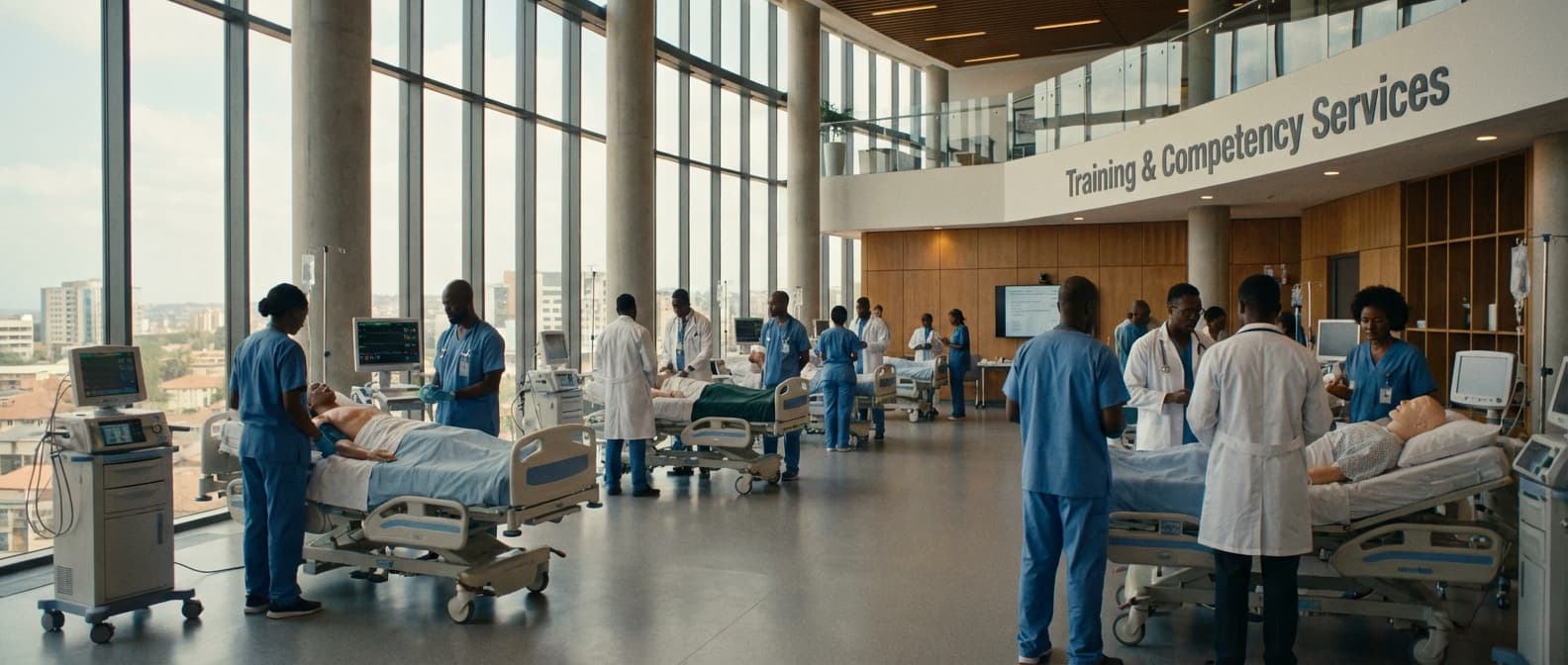
Ultrasound Application Training Service (Protocol-Based) in South Sudan
Engineering Excellence & Technical Support
Ultrasound Application Training Service (Protocol-Based) High-standard technical execution following OEM protocols and local regulatory frameworks.
Standardized Protocol Training
Empower healthcare professionals in South Sudan with globally recognized, protocol-based ultrasound training, ensuring consistent and accurate diagnostic capabilities across all facilities. Our structured approach guarantees a strong foundational understanding and practical application.
Local Capacity Building
Invest in South Sudan's future with tailored training programs designed to build sustainable, local expertise. We focus on hands-on experience and knowledge transfer, enabling healthcare providers to confidently perform essential ultrasound examinations independently.
Improved Diagnostic Accuracy & Patient Outcomes
Enhance diagnostic accuracy and drive better patient outcomes by equipping healthcare teams with advanced ultrasound skills. Our protocol-driven training reduces variability, leading to more reliable diagnoses and effective treatment plans for the population of South Sudan.
What Is Ultrasound Application Training Service (Protocol-based) In South Sudan?
Ultrasound Application Training Service (Protocol-Based) in South Sudan refers to a specialized educational program designed to equip healthcare professionals with the knowledge and practical skills necessary to perform and interpret diagnostic ultrasound examinations according to standardized clinical protocols. This service is critical in resource-limited settings like South Sudan, where access to advanced medical imaging expertise can be constrained. The training emphasizes adherence to established protocols to ensure consistency, accuracy, and diagnostic yield, thereby optimizing patient care and resource utilization.
| Who Needs This Service? | Typical Use Cases in South Sudan | |||||||
|---|---|---|---|---|---|---|---|---|
| Medical Doctors: Radiologists, Obstetricians/Gynecologists, Pediatricians, General Practitioners, and Emergency Medicine Physicians seeking to integrate ultrasound into their diagnostic workflow. | Obstetric Ultrasound: Antenatal care, fetal growth assessment, detection of congenital anomalies, placenta localization, and monitoring high-risk pregnancies. | Gynecological Ultrasound: Pelvic pain assessment, evaluation of uterine and ovarian pathology (e.g., fibroids, cysts), and assessment of infertility. | Abdominal Ultrasound: Evaluation of the liver, gallbladder, kidneys, spleen, pancreas, and aorta for conditions such as gallstones, kidney stones, organomegaly, and masses. | Point-of-Care Ultrasound (POCUS): Rapid bedside assessments in emergency departments, intensive care units, and remote primary healthcare facilities for trauma evaluation (e.g., FAST scan), fluid status assessment, and procedural guidance (e.g., paracentesis, thoracentesis). | Vascular Ultrasound: Assessment of peripheral vascular disease, deep vein thrombosis (DVT), and carotid artery stenosis. | Pediatric Ultrasound: Evaluation of congenital anomalies, abdominal pain, and neonatal brain imaging. | Nurses and Midwives: Particularly those working in maternal and child health, who can be trained to perform specific protocol-driven scans (e.g., basic obstetric scans) under supervision or to identify conditions requiring physician referral. | Medical Imaging Technologists/Sonographers: To enhance their skills and standardize their practice in line with current protocols, especially when established imaging departments are limited. |
Key Components of Ultrasound Application Training Service (Protocol-Based)
- Didactic Instruction: Theoretical sessions covering ultrasound physics, machine operation, image optimization techniques, and detailed anatomy relevant to specific organ systems.
- Protocol Standardization: Instruction on nationally or internationally recognized ultrasound imaging protocols for various examinations (e.g., obstetric, gynecological, abdominal, vascular). This includes understanding the sequence of scans, probe positioning, and required image acquisition parameters.
- Hands-on Practical Training: Supervised scanning sessions utilizing phantoms and, where ethically permissible and logistically feasible, live patients. This component focuses on developing psychomotor skills, probe handling, and efficient examination techniques.
- Image Interpretation and Reporting: Training on recognizing normal and abnormal ultrasound findings, differentiating between pathologies, and generating accurate and concise diagnostic reports aligned with protocol requirements.
- Quality Assurance and Quality Control (QA/QC): Emphasis on maintaining image quality, understanding artifact reduction, and adhering to QA/QC procedures to ensure diagnostic reliability.
- Case Study Analysis: Review and discussion of real-world ultrasound cases to reinforce learning and develop critical thinking skills.
- Competency Assessment: Formal evaluation of trainee proficiency through practical examinations, written tests, and case-based assessments to certify competence in performing protocol-driven ultrasound examinations.
Who Needs Ultrasound Application Training Service (Protocol-based) In South Sudan?
This document outlines the critical need for protocol-based ultrasound application training services in South Sudan. The aim is to enhance diagnostic capabilities and improve patient care across various healthcare settings. The training will focus on standardized protocols to ensure consistent and accurate ultrasound examinations.
| Customer Type | Key Departments/Applications Served | Reason for Training Need |
|---|---|---|
| Tertiary Referral Hospitals | Radiology, Cardiology, Oncology, Nephrology, Surgery | Complex diagnostics, advanced imaging techniques, specialized protocols |
| Secondary Referral Hospitals | Internal Medicine, Obstetrics & Gynecology, Pediatrics, Surgery, Emergency | Broad range of diagnostic capabilities, standardized examination protocols |
| Primary Healthcare Centers (PHCs) | Maternal Health, Basic Diagnostics (e.g., abdominal, pelvic) | Decentralized access to diagnostics, essential point-of-care ultrasound |
| Maternal and Child Health Clinics | Antenatal Care, Fetal Assessment, Pediatric Imaging | Improving maternal and child outcomes, early detection of abnormalities |
| Surgical Departments | Intraoperative Ultrasound, Interventional Radiology, Post-operative Monitoring | Guidance for procedures, improved surgical precision, complication detection |
| Emergency Departments/Trauma Centers | FAST Scan, E-FAST, Trauma Assessment | Rapid diagnosis in critical situations, life-saving interventions |
| Obstetrics and Gynecology Departments | Routine Antenatal Scans, High-Risk Pregnancies, Gynecological Pathology | Comprehensive obstetric and gynecological assessment, adherence to guidelines |
| Pediatric Departments | Pediatric Abdomen, Neonatal Brain, Musculoskeletal Imaging | Specialized pediatric protocols, early diagnosis of congenital conditions |
| NGOs and International Aid Agencies | Healthcare Facility Support, Mobile Clinics, Capacity Building Programs | Ensuring effective deployment and utilization of donated ultrasound equipment |
| Ministry of Health | Health Policy Development, Quality Assurance, Training Standardization | Establishing national standards for ultrasound practice and training |
Target Customers and Departments in South Sudan Requiring Ultrasound Application Training Service (Protocol-Based)
- Tertiary Referral Hospitals: These institutions handle complex cases and require advanced ultrasound skills for specialized imaging.
- Secondary Referral Hospitals: These hospitals serve as central hubs for surrounding primary healthcare facilities and need well-trained sonographers for a range of diagnostic applications.
- Primary Healthcare Centers (PHCs) with Ultrasound Capabilities: Equipping PHCs with ultrasound is crucial for decentralizing diagnostic services, and proper training ensures effective utilization.
- Maternal and Child Health Clinics: Ultrasound is vital for antenatal care, early detection of pregnancy complications, and pediatric diagnostics.
- Surgical Departments: For intraoperative imaging, interventional procedures, and post-operative assessment.
- Internal Medicine Departments: For diagnosing a wide array of conditions affecting abdominal organs, blood vessels, and soft tissues.
- Emergency Departments/Trauma Centers: For rapid assessment in critical care settings, such as FAST scans.
- Obstetrics and Gynecology Departments: For routine and specialized gynecological and obstetric examinations.
- Pediatric Departments: For imaging a wide range of pediatric conditions affecting various organs and systems.
- Radiology and Imaging Departments: To upskill existing staff and onboard new sonographers.
- Non-Governmental Organizations (NGOs) and International Aid Agencies: Organizations involved in healthcare delivery and capacity building in South Sudan.
- Ministry of Health Personnel: To support the implementation of national health strategies and standards.
- Medical Training Institutions: To integrate comprehensive ultrasound training into the curriculum for future healthcare professionals.
Ultrasound Application Training Service (Protocol-based) Process In South Sudan
This document outlines the workflow for a Protocol-Based Ultrasound Application Training Service in South Sudan, covering the process from initial inquiry to successful execution. The service aims to equip healthcare professionals with the necessary skills and knowledge to perform ultrasound examinations effectively, adhering to standardized protocols for improved diagnostics and patient care within the South Sudanese healthcare context.
| Phase | Key Activities | Responsible Party | Deliverables/Outcomes | Key Considerations (South Sudan Context) |
|---|---|---|---|---|
| Initial contact by potential client (e.g., Ministry of Health, NGO, hospital). Discussion of training needs, specific ultrasound applications, target audience, desired outcomes, and existing infrastructure. Site visit (if feasible) for assessment of equipment availability and facility readiness. | Client & Training Provider | Detailed understanding of training requirements. Identification of specific ultrasound protocols to be covered. Initial assessment of logistical challenges. | Limited access to facilities, potential communication barriers, understanding of existing healthcare system challenges, availability of trained local personnel for support. |
| Training provider develops a detailed proposal outlining training curriculum, methodology, duration, trainers, required equipment, budget, and timeline. Client reviews and provides feedback. Negotiation and finalization of contract/Memorandum of Understanding (MoU). | Training Provider & Client | Formal training proposal. Signed agreement/MoU detailing scope of work, responsibilities, and financial terms. | Importance of clear contractual terms due to potential funding complexities and remote operations. Alignment with national health priorities and existing training initiatives. |
| Procurement/arrangement of training equipment (ultrasound machines, phantoms, mannequins, consumables). Scheduling of trainers and participants. Securing training venue. Arranging travel and accommodation for trainers and, if necessary, participants. Obtaining necessary permits or approvals. Pre-dissemination of introductory materials or pre-reading. | Training Provider (with client support) | All necessary training equipment and materials available. Confirmed venue and schedule. Travel arrangements completed. Participants informed and prepared. | Challenges in transportation (road conditions, security), potential power outages requiring backup generators, sourcing of consumables locally, accessibility of participants from remote areas. |
| On-site or hybrid training delivery. Combination of theoretical lectures, practical demonstrations using protocols, hands-on scanning sessions with participants, case study analysis, and formative assessments. Emphasis on protocol adherence and interpretation. Q&A sessions and troubleshooting. | Training Provider | Trained healthcare professionals proficient in specific ultrasound applications and protocols. Competency assessments completed. Training reports. | Adapting training pace to participant's learning curves. Utilizing local case examples for relevance. Addressing cultural sensitivities. Ensuring adequate supervision during hands-on sessions, especially in resource-limited settings. |
| Post-training assessment (e.g., summative evaluation, practical skills test). Provision of certificates upon successful completion. Follow-up support (e.g., remote consultation, site visits if planned) to reinforce learning and address ongoing challenges. Collection of feedback from participants and stakeholders for service improvement. Final project report. | Training Provider & Client | Competent ultrasound practitioners. Training evaluation reports. Certificates of completion. Recommendations for ongoing support and further training needs. Final project closure. | Establishing mechanisms for long-term mentorship and support. Monitoring the impact of training on clinical practice. Sustainability of acquired skills in the local context. Identifying opportunities for further capacity building in specialized ultrasound areas. |
Ultrasound Application Training Service (Protocol-Based) Workflow in South Sudan
- Inquiry & Needs Assessment
- Proposal Development & Agreement
- Logistics & Pre-Training Preparations
- Training Delivery & Execution
- Post-Training Follow-up & Evaluation
Ultrasound Application Training Service (Protocol-based) Cost In South Sudan
Providing ultrasound application training services, especially on a protocol-based approach, in South Sudan is influenced by several critical factors that contribute to its cost. These include the complexity and duration of the specific ultrasound application being taught, the qualifications and experience of the trainers, the need for specialized equipment and consumables, logistical challenges related to travel and accommodation in South Sudan, and the demand for such specialized training. The pricing is typically quoted in South Sudanese Pounds (SSP) to reflect the local economic context. The goal is to provide high-quality, practical training that empowers healthcare professionals to effectively utilize ultrasound technology within the unique healthcare landscape of South Sudan.
| Training Focus/Duration | Estimated Cost Range (SSP per participant) | Notes |
|---|---|---|
| Basic Ultrasound Principles & Introduction (e.g., 1-3 days) | 150,000 - 300,000 SSP | Covers fundamental concepts, machine operation, basic probe handling. Often for entry-level personnel. |
| General Abdominal Ultrasound (e.g., 5-7 days) | 350,000 - 600,000 SSP | Focuses on imaging of abdominal organs. Requires more hands-on practice. |
| Obstetric & Gynecological Ultrasound (e.g., 7-10 days) | 500,000 - 900,000 SSP | Specialized training in pregnancy and female reproductive system imaging. Includes protocol-based scans. |
| Advanced/Specialized Applications (e.g., Vascular, Cardiac, MSK - e.g., 5-10 days) | 700,000 - 1,200,000+ SSP | Higher cost due to complexity, specialized equipment needs, and expert trainers. |
| Refresher Courses/Continuing Professional Development (e.g., 1-3 days) | 100,000 - 250,000 SSP | Designed to update skills and knowledge for already trained professionals. |
Key Pricing Factors for Ultrasound Application Training in South Sudan
- Complexity and Duration of Training: More specialized or comprehensive ultrasound applications (e.g., obstetric, cardiac, interventional) requiring longer training periods will naturally incur higher costs. Basic introductory courses will be less expensive.
- Trainer Expertise and Credentials: Highly qualified and experienced sonographers or radiologists with international recognition or specialized expertise command higher fees.
- Number of Participants: Group training often offers a lower per-person cost compared to individual sessions due to economies of scale for the training provider.
- Training Location and Logistics: Costs associated with travel, accommodation, and per diem for trainers in various regions of South Sudan can significantly impact the overall price. Security considerations and accessibility also play a role.
- Equipment and Consumables: If the training requires the use of specific ultrasound machines, phantoms, or disposable supplies (e.g., sterile covers, gel), these costs will be factored in.
- Curriculum Development and Materials: Developing or adapting training protocols to the specific needs and context of South Sudan, including creating detailed manuals, presentations, and assessment tools, adds to the cost.
- Certification and Assessment: Costs associated with formal certification exams or assessments to validate the acquired skills will be included if offered.
- Institutional Support/Partnerships: Training facilitated by NGOs, government health ministries, or international organizations might have subsidized costs or be covered through grants.
- Demand and Market Dynamics: The prevailing demand for specific ultrasound skills and the availability of competing training providers can influence pricing.
- Currency Exchange Rates: While quoted in SSP, fluctuations in exchange rates can indirectly affect the cost of imported training materials or trainer fees if they are denominated in foreign currency.
Affordable Ultrasound Application Training Service (Protocol-based) Options
Our Affordable Ultrasound Application Training Service offers a comprehensive and cost-effective solution for professionals seeking to master specific ultrasound protocols. We understand that budget constraints are a reality, and our training is designed to provide maximum value. We achieve this through flexible 'Value Bundles' that combine essential training modules and offer significant cost savings compared to individual session purchases. Our 'Cost-Saving Strategies' focus on accessibility, efficiency, and leveraging technology to keep your investment low while maximizing your return in terms of skill acquisition and improved patient care.
| Cost-Saving Strategy | Description | Benefit |
|---|---|---|
| Tiered Pricing & Bundle Discounts: | We offer progressively larger discounts as you select more training modules within a bundle. The more comprehensive the bundle, the lower the per-module cost. | Significant reduction in overall training expenditure. |
| Online Self-Paced Modules: | Access to high-quality video lectures, interactive case studies, and protocol guides accessible anytime, anywhere. This eliminates travel costs and allows for flexible scheduling. | Reduced travel, accommodation, and time away from practice expenses. Learn at your own pace. |
| Group Training Rates: | When multiple individuals from the same institution enroll together (especially within our Team Training Bundle), substantial discounts are applied. | Lower cost per participant for teams, fostering consistent skill development across an organization. |
| Digital Resource Library Access: | Bundle participants gain access to a curated library of printable protocol sheets, image examples, and supplementary learning materials. | Provides ongoing reference and reinforces learning without additional costs. |
| Early Bird & Seasonal Promotions: | Look out for special discounts offered during specific periods or for early registration. | Opportunity to secure training at an even lower price point. |
| Focus on Core Competencies: | Our training prioritizes mastery of essential protocols that are most frequently utilized, ensuring your investment directly impacts your daily practice. | Maximizes the practical application of acquired skills, leading to a quicker return on investment through improved diagnostic accuracy and efficiency. |
Value Bundle Options
- Core Protocol Bundle: Includes foundational training on 2-3 essential ultrasound applications (e.g., Abdominal, Pelvic, Cardiac Basic). Ideal for new practitioners or those expanding their scope.
- Specialty Application Bundle: Focuses on 3-4 advanced or specialized protocols (e.g., Vascular Access, Echocardiography, Point-of-Care Ultrasound in Emergency Medicine). Designed for experienced sonographers or those specializing in a particular field.
- Comprehensive Program Bundle: A complete package covering a wide range of core and select specialty applications. Offers the deepest discount for individuals or institutions committed to broad ultrasound proficiency.
- Team Training Bundle: Tailored for small to medium-sized teams. Allows for customized protocol selection for multiple individuals at a reduced per-person cost.
- Refresher & Advanced Skills Bundle: For existing practitioners who need to update their knowledge or learn advanced techniques within specific protocols. Focuses on protocol updates and challenging case studies.
Verified Providers In South Sudan
In South Sudan, the landscape of healthcare provision is rapidly evolving, and ensuring access to verified and trustworthy medical services is paramount. Franance Health stands out as a leading organization committed to delivering high-quality, accredited healthcare. Their dedication to rigorous credentialing processes not only guarantees the competency and ethical practice of their medical professionals but also instills confidence in the patients they serve. Understanding what makes a healthcare provider 'verified' and why Franance Health excels in this regard is crucial for anyone seeking reliable medical care in South Sudan.
| Criteria | Franance Health's Approach | Patient Benefit |
|---|---|---|
| Provider Qualification | Thorough verification of licenses, degrees, and experience. | Access to highly skilled and competent medical professionals. |
| Ethical Practice | Strict adherence to medical ethics and professional conduct codes. | Trustworthy and compassionate healthcare delivery. |
| Continuous Training | Ongoing professional development and training programs. | Providers are updated on latest medical treatments and technologies. |
| Patient Safety | Implementation of stringent patient safety protocols. | Reduced risk of medical errors and improved health outcomes. |
| Accessibility | Wide network of clinics and hospitals across South Sudan. | Easier access to quality healthcare, regardless of location. |
Why Franance Health is the Best Choice for Verified Healthcare in South Sudan:
- Rigorous Credentialing and Verification: Franance Health implements stringent vetting procedures for all its healthcare providers. This includes verifying medical licenses, educational qualifications, professional experience, and ensuring adherence to ethical standards. This meticulous process guarantees that only qualified and competent professionals are part of their network.
- Commitment to Quality and Safety: Beyond basic verification, Franance Health emphasizes continuous quality improvement and patient safety. They regularly monitor provider performance, implement best practices, and invest in ongoing training and development for their medical staff, ensuring they are up-to-date with the latest medical advancements and protocols.
- Patient-Centric Approach: Franance Health places a strong emphasis on patient well-being and satisfaction. Their verified providers are trained to offer compassionate care, effective communication, and personalized treatment plans, ensuring patients feel heard, respected, and well-cared for throughout their healthcare journey.
- Accessibility and Network Strength: Franance Health has established a robust network of healthcare facilities and professionals across South Sudan. This extensive reach ensures that even in remote areas, patients can access verified medical services, bridging critical gaps in healthcare delivery.
- Technological Integration for Enhanced Care: The organization embraces technology to streamline healthcare delivery and improve patient outcomes. This can include advanced diagnostic tools, electronic health records for seamless information management, and potentially telemedicine services, making healthcare more efficient and accessible.
- Adherence to International Standards: Franance Health strives to align its practices with recognized international healthcare standards and guidelines. This commitment to global benchmarks further solidifies their position as a provider of reliable and high-quality medical services.
- Transparency and Accountability: Franance Health operates with a high degree of transparency. Patients can be assured of clear communication regarding services, costs, and provider qualifications. The organization also maintains robust accountability mechanisms, ensuring that any concerns are addressed promptly and effectively.
Scope Of Work For Ultrasound Application Training Service (Protocol-based)
This Scope of Work outlines the requirements for a protocol-based Ultrasound Application Training Service. The service aims to equip trainees with the necessary knowledge and practical skills to effectively operate ultrasound equipment and perform specific ultrasound examinations according to established protocols. This document details the technical deliverables and standard specifications for the training program.
| Technical Deliverable | Description | Standard Specifications/Acceptance Criteria |
|---|---|---|
| Training Curriculum Development | Creation of a comprehensive, protocol-based training curriculum covering all listed key training areas. | Curriculum must be modular, allowing for customization based on trainee experience and specific application needs. Must include learning objectives, content outline, and assessment methods. Adherence to relevant professional guidelines (e.g., AIUM, ASE, SRU) where applicable. |
| Training Materials | Development and provision of all necessary training materials. | Includes trainee manuals, presentation slides, case study examples, and protocol guides. Materials must be high-quality, visually engaging, and factually accurate. Digital and/or hardcopy formats to be agreed upon. |
| Hands-on Training Sessions | Delivery of practical, hands-on training sessions utilizing ultrasound equipment and phantoms/simulators. | Minimum of X hours of supervised hands-on scanning per trainee per module. Trainees must demonstrate proficiency in executing defined protocols. Training environment must replicate clinical settings as closely as possible. |
| Assessment and Evaluation Tools | Development and implementation of assessment tools to evaluate trainee comprehension and practical skills. | Includes written quizzes, practical examinations (e.g., image acquisition, protocol adherence), and case review exercises. Passing scores and competency criteria to be clearly defined. |
| Competency Checklist | Creation of a detailed competency checklist for each protocolized examination. | Checklist should outline all critical steps and anatomical landmarks required for a complete and diagnostic ultrasound examination. Trainer will use this to assess trainee performance. |
| Trainer Qualifications | Provision of qualified and experienced ultrasound educators. | Trainers must possess relevant clinical experience, recognized certifications (e.g., RDMS, RDCS), and demonstrated teaching ability. Trainer-to-trainee ratio not to exceed 1:X. |
| Training Equipment and Simulation Aids | Availability of appropriate ultrasound machines and simulation tools for training. | Equipment must be current models with comparable features to those used in clinical practice. Phantoms and simulation aids must be representative of anatomical structures and pathologies. |
| Post-Training Support | Provision of limited post-training support for trainees. | Includes access to online resources, Q&A sessions (e.g., via email or scheduled calls) for a defined period (e.g., 30 days) after the completion of formal training. |
| Training Report | Submission of a comprehensive training report upon completion of the service. | Report should include attendance records, individual trainee progress reports, assessment results, and overall program feedback. Should also include a list of trainees who successfully met competency standards. |
Key Training Areas
- Understanding Ultrasound Physics and Principles
- Basic Ultrasound Machine Operation and Controls
- Image Optimization Techniques
- Protocol-Based Scanning for Specific Anatomical Regions (e.g., Abdominal, Pelvic, Cardiac, Vascular)
- Common Artifacts and Troubleshooting
- Documentation and Reporting Standards
- Patient Care and Safety during Ultrasound Procedures
Service Level Agreement For Ultrasound Application Training Service (Protocol-based)
This Service Level Agreement (SLA) outlines the agreed-upon service levels for the Ultrasound Application Training Service (Protocol-Based). It defines response times for support requests and guarantees of system uptime for the training platform.
| Service Component | Severity Level | Response Time Objective | Resolution Time Objective | Uptime Guarantee |
|---|---|---|---|---|
| Ultrasound Application Training Platform (Web Interface) | Critical (System Unavailable, unable to access any training modules) | 1 hour | 4 business hours | 99.9% |
| Ultrasound Application Training Platform (Web Interface) | High (Major functionality impaired, e.g., unable to complete a specific module) | 2 business hours | 8 business hours | 99.9% |
| Ultrasound Application Training Platform (Web Interface) | Medium (Minor functionality impaired, e.g., slow loading times, cosmetic issues) | 4 business hours | 24 business hours | 99.9% |
| Ultrasound Application Training Platform (Web Interface) | Low (General inquiries, feature requests, documentation clarification) | 8 business hours | As necessary/Next scheduled update | N/A (non-critical) |
| Account Management & Access Issues | Critical (Unable to log in or access assigned training) | 1 business hour | 4 business hours | N/A (related to platform uptime) |
| Content Updates & New Protocols | N/A (Scheduled releases) | N/A (Communicated in advance) | N/A (Part of planned updates) | N/A |
Service Level Objectives (SLOs)
- Response Times: The time taken by the training service provider to acknowledge and begin working on a reported issue.
- Uptime Guarantees: The percentage of time the Ultrasound Application Training Service platform is operational and accessible to users.
Frequently Asked Questions

Ready when you are
Let's scope your Ultrasound Application Training Service (Protocol-Based) in South Sudan project in South Sudan.

Scaling healthcare logistics and technical systems across the entire continent.