
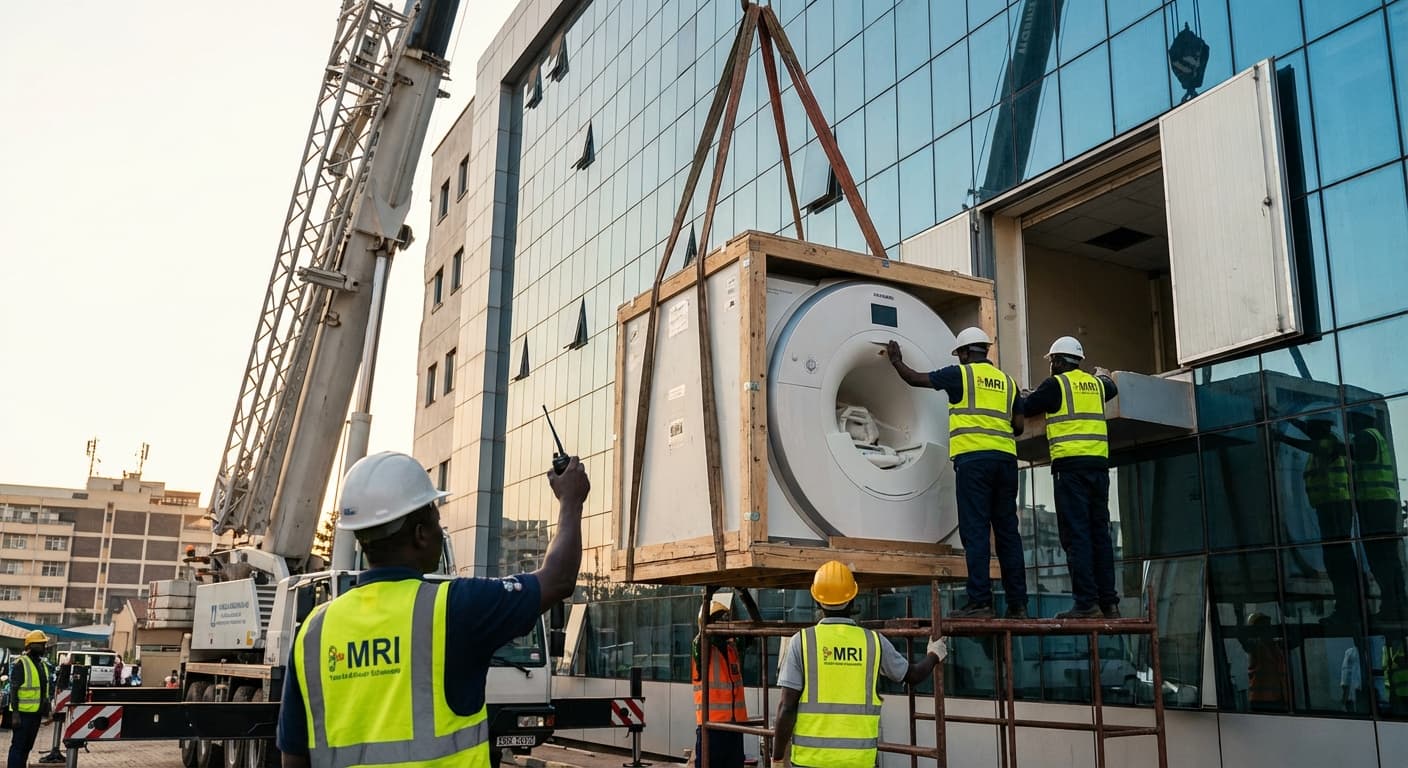
Cranage & Rigging Supervision Service in South Sudan
Engineering Excellence & Technical Support
Cranage & Rigging Supervision Service High-standard technical execution following OEM protocols and local regulatory frameworks.
Advanced Load Planning & Stability Analysis
Our expert supervisors utilize cutting-edge software and methodologies to meticulously plan complex lifts, ensuring optimal load distribution, center of gravity calculations, and stability assessments, even in challenging terrain and extreme weather conditions prevalent in South Sudan. This minimizes risk and guarantees safe, efficient operation.
Rigorous Safety Protocols & Risk Mitigation
We implement and enforce a comprehensive suite of internationally recognized safety protocols, tailored to the unique operational environment of South Sudan. This includes detailed hazard identification, JSA (Job Safety Analysis), pre-lift safety meetings, strict adherence to exclusion zones, and constant monitoring for potential risks, ensuring zero-incident operations.
Skilled Operator Vetting & Performance Management
Our service includes meticulous vetting of all crane operators and rigging crews, verifying their certifications, experience, and competency. We provide on-site supervision to monitor performance, ensure best practices, and deliver continuous feedback, fostering a culture of excellence and accountability for every lift.
What Is Cranage & Rigging Supervision Service In South Sudan?
Cranage and Rigging Supervision Service in South Sudan refers to the professional oversight and management of lifting operations involving cranes and associated rigging equipment. This service is critical for ensuring the safe, efficient, and compliant execution of any task that requires lifting and positioning heavy or oversized loads. The core objective is to mitigate risks of accidents, equipment failure, and project delays through expert planning, execution oversight, and adherence to industry best practices and South Sudanese regulatory requirements. The service encompasses a comprehensive approach from pre-lift planning and assessment to on-site supervision and post-lift evaluation.
| Who Needs Cranage & Rigging Supervision Service? | Typical Use Cases in South Sudan |
|---|---|
| Oil and Gas Industry: Companies involved in exploration, production, refining, and pipeline construction. This is a primary sector due to the heavy and complex nature of equipment and infrastructure used. | Construction Sector: Large-scale infrastructure projects such as bridges, dams, airports, and commercial buildings. Installation of prefabricated components and heavy structural elements. |
| Mining Operations: Handling and installation of heavy mining machinery, processing equipment, and structural components in open-pit and underground mines. | Power Generation and Distribution: Installation and maintenance of turbines, generators, transformers, and transmission towers. Handling of large industrial components. |
| Port and Logistics Operations: Loading and unloading of heavy cargo from ships, and the movement of oversized containers and equipment within port facilities. | Manufacturing and Industrial Plants: Installation of heavy machinery, assembly lines, and large industrial components during plant construction or expansion. Maintenance and relocation of heavy equipment. |
| Humanitarian Organizations & NGOs: In certain logistical scenarios, particularly in remote areas, for the deployment of critical infrastructure or equipment for aid delivery or project implementation. | Telecommunications Infrastructure: Installation of large tower sections and associated heavy equipment for communication networks. |
| Any organization undertaking projects involving the lifting of significant loads. | Emergency Response & Disaster Relief: Deployment of heavy equipment for disaster recovery operations or the establishment of temporary critical infrastructure. |
What Cranage & Rigging Supervision Service Involves:
- Pre-Lift Planning & Risk Assessment: Detailed analysis of the lift, including load weight, dimensions, center of gravity, lifting points, environmental conditions (wind, rain), and site accessibility. Development of a comprehensive lift plan specifying equipment, rigging gear, personnel roles, communication protocols, and emergency procedures.
- Equipment Inspection & Verification: Thorough inspection and certification of all lifting equipment (cranes, hoists, winches) and rigging gear (slings, shackles, spreader bars, lifting beams) to ensure they meet specifications and are in good working condition. Verification of load charts and operational limits.
- Personnel Competency Verification: Confirmation of the qualifications, certifications, and experience of all personnel involved in the lifting operation, including crane operators, riggers, signalers, and supervisors.
- On-Site Supervision & Execution Oversight: Direct supervision of the lifting operation from commencement to completion. Monitoring of all aspects of the lift, including rigging setup, crane operation, load movement, and positioning. Ensuring adherence to the approved lift plan and communication protocols.
- Load Securing & Protection: Ensuring the load is properly slung, balanced, and secured to prevent slippage or damage during transit. Implementing measures to protect the load and surrounding infrastructure.
- Communication & Coordination: Establishing and maintaining clear and consistent communication channels between all team members. Coordinating the movement of personnel, equipment, and the load to avoid conflicts and ensure smooth operation.
- Emergency Response Planning: Pre-defined procedures and resources for responding to unforeseen incidents, accidents, or equipment malfunctions.
- Documentation & Reporting: Maintaining detailed records of the lifting operation, including lift plans, inspection reports, personnel qualifications, and any incidents or near misses. Providing comprehensive post-operation reports.
- Compliance with Standards: Ensuring all operations comply with relevant international standards (e.g., ASME, ISO) and local South Sudanese regulations pertaining to lifting operations and workplace safety.
Who Needs Cranage & Rigging Supervision Service In South Sudan?
Cranage and Rigging Supervision Service plays a crucial role in ensuring the safe and efficient execution of heavy lifting operations, particularly in challenging environments like South Sudan. These services are essential for companies and organizations undertaking projects that involve the movement, installation, or maintenance of large and heavy equipment, machinery, or materials. In South Sudan, where infrastructure development and resource extraction are key economic drivers, the demand for specialized cranage and rigging supervision is significant and growing.
| Industry/Sector | Primary Need for Cranage & Rigging Supervision | Examples of Projects/Activities |
|---|---|---|
| Oil & Gas | Installation and maintenance of heavy exploration, production, and processing equipment. | Drilling rig setup, pipeline laying, refinery unit installation, tank farm construction. |
| Construction & Infrastructure | Erection of large structures, bridges, and the placement of heavy building materials. | Bridge construction, high-rise building assembly, airport terminal construction, road construction machinery positioning. |
| Mining | Installation and maintenance of heavy mining and processing machinery. | Crusher installation, conveyor system setup, haul truck maintenance, plant refurbishment. |
| Power Generation & Utilities | Installation and maintenance of heavy power generation units and utility components. | Turbine and generator installation, transformer placement, water treatment plant equipment handling. |
| Humanitarian/NGOs | Deployment and assembly of essential infrastructure and aid in challenging locations. | Clinic construction, school building assembly, water point installation, aid distribution hub setup. |
| Manufacturing/Industrial | Installation and relocation of production machinery and factory components. | Assembly line setup, heavy machine installation, factory expansion projects. |
Target Customers and Departments for Cranage & Rigging Supervision Service in South Sudan
- {"title":"Oil and Gas Sector","description":"This sector is a major consumer of cranage and rigging services due to the nature of exploration, extraction, processing, and transportation of petroleum products. Projects often involve the installation of large drilling rigs, pipelines, processing units, and storage tanks. \n\nKey Departments: \n* Operations: For ongoing maintenance, repairs, and routine lifting tasks. \n* Engineering & Construction: For new installations, facility expansions, and major upgrades. \n* Logistics & Supply Chain: For offloading and positioning of equipment and materials.\n* Project Management: For overseeing the safe and timely execution of all lifting activities within a project scope."}
- {"title":"Construction and Infrastructure Development","description":"With ongoing efforts to rebuild and expand infrastructure in South Sudan, this sector requires extensive cranage and rigging for the construction of roads, bridges, airports, ports, and public buildings. The erection of pre-fabricated structures and the placement of heavy building materials are common tasks.\n\nKey Departments: \n* Project Management: To ensure all lifting operations align with project timelines and safety protocols.\n* Site Engineering: For planning and executing lifts on-site.\n* Procurement & Logistics: For acquiring and positioning cranes and rigging equipment.\n* Quality Control & Safety: To ensure compliance with all relevant standards and regulations."}
- {"title":"Mining and Extractive Industries","description":"South Sudan has significant mineral resources, and mining operations often involve heavy machinery for excavation, processing, and transportation. Cranage and rigging are vital for the installation and maintenance of crushers, conveyors, haul trucks, and other large equipment.\n\nKey Departments: \n* Mine Operations: For routine maintenance and replacement of heavy machinery.\n* Engineering & Maintenance: For major repairs and upgrades of processing plants.\n* Logistics: For managing the movement of large components to and from mine sites.\n* Health, Safety, and Environment (HSE): To ensure all lifting operations are conducted with the highest safety standards."}
- {"title":"Power Generation and Utilities","description":"The development and maintenance of power plants (including thermal, hydro, and potentially renewable energy sources) and utility infrastructure (water treatment plants, etc.) necessitate the handling of heavy turbines, generators, transformers, and other large components. \n\nKey Departments: \n* Operations & Maintenance: For routine checks, repairs, and component replacements.\n* Project Engineering: For the installation of new power generation units or significant upgrades.\n* Asset Management: For strategic planning of equipment replacement and maintenance.\n* Safety & Compliance: To ensure all lifting operations adhere to stringent safety regulations for critical infrastructure."}
- {"title":"Humanitarian and Non-Governmental Organizations (NGOs)","description":"In response to humanitarian needs, NGOs often undertake projects involving the construction of camps, clinics, schools, and water points. The transportation and assembly of pre-fabricated structures or the deployment of aid supplies in remote areas may require specialized lifting equipment and supervision. \n\nKey Departments: \n* Logistics & Operations: For managing the delivery and deployment of essential materials and equipment.\n* Program Implementation: For overseeing the physical construction and setup of facilities.\n* Procurement: For acquiring necessary lifting services and equipment.\n* Safety & Security: To ensure the well-being of personnel and the secure handling of all assets."}
- {"title":"Manufacturing and Industrial Facilities","description":"Existing or developing manufacturing plants may require cranage and rigging for the installation of production lines, heavy machinery, or for expansion projects. This includes sectors like food processing, cement production, and light manufacturing.\n\nKey Departments: \n* Production Management: For efficient workflow and machine setup.\n* Maintenance & Engineering: For troubleshooting, repairs, and upgrades of industrial equipment.\n* Plant Management: For overall operational efficiency and safety.\n* Capital Projects: For expansions and new facility construction."}
Cranage & Rigging Supervision Service Process In South Sudan
This document outlines the comprehensive Cranage & Rigging Supervision Service Process in South Sudan, detailing the workflow from initial inquiry to successful execution. The process is designed to ensure safety, efficiency, and compliance with all relevant regulations and best practices in a challenging operational environment. Each step is crucial for delivering a successful project.
| Stage | Description | Key Activities | Deliverables/Outcomes | Responsible Parties | Considerations for South Sudan |
|---|---|---|---|---|---|
| The initial contact from a client requesting cranage and rigging supervision services. | Receive client request, understand project scope, confirm preliminary requirements, discuss project timeline and budget. | Initial understanding of project scope, preliminary timeline, and budget. | Client, Service Provider Sales/Operations Team | Establish clear communication channels (phone, satellite communication if needed), understand local cultural nuances, identify potential language barriers. |
| A thorough evaluation of the project site to identify potential hazards and logistical challenges. | Visit the site, assess ground conditions, identify overhead obstructions, determine load weights and dimensions, evaluate weather patterns, perform detailed risk assessment (HAZID, HAZOP). | Site survey report, comprehensive risk assessment, identification of critical control points. | Service Provider Operations Manager, Lead Supervisor, Safety Officer, Client Representative | Assess local infrastructure limitations (road access, power availability), consider security risks and implement mitigation strategies, account for extreme weather conditions (heat, dust, heavy rains). |
| Developing a detailed plan of action for the cranage and rigging operations, focusing on safety and efficiency. | Develop detailed lift plans, create method statements outlining procedures for each lift, specify equipment requirements, determine personnel roles and responsibilities, develop emergency response plans. | Approved lift plans, detailed method statements, equipment checklist, emergency response plan. | Lead Supervisor, Rigging Supervisor, Crane Operator, Safety Officer, Client Representative | Incorporate local safety regulations (if any), ensure method statements are clear and understandable, consider availability of skilled local labor and provide necessary training if required. |
| Gathering and preparing all necessary equipment, personnel, and documentation for the operation. | Procure or confirm availability of cranes, rigging gear, and ancillary equipment; mobilize qualified personnel; conduct pre-mobilization safety briefings and training; ensure all equipment certifications are valid; arrange logistics for personnel and equipment transport. | Mobilized and certified equipment, qualified and briefed personnel, all necessary permits and documentation. | Operations Manager, Logistics Coordinator, HR Department, Lead Supervisor | Secure necessary travel permits and visas for expatriate staff, arrange for reliable transportation (often off-road capable), ensure availability of spare parts for equipment, plan for communication equipment and satellite phones. |
| The actual execution of the cranage and rigging operations under expert supervision. | Supervise equipment setup and operation, ensure adherence to lift plans and method statements, monitor load integrity and rigging configurations, enforce safety protocols, conduct regular safety checks, manage communication between all parties, adapt to unforeseen circumstances. | Safe and efficient execution of lifts, minimization of incidents and near misses, real-time progress reporting. | Lead Supervisor, Rigging Supervisor, Crane Operator, Riggers, Spotters, Safety Officer, Client Representative | Maintain constant communication, implement strict security protocols for personnel and equipment, manage fatigue of personnel due to challenging conditions, provide continuous on-the-job training and guidance, ensure compliance with local customs and protocols. |
| Evaluating the performance of the operations and documenting key outcomes. | Conduct a post-operation debrief, review incident reports (if any), analyze operational efficiency, compile a final project report, gather client feedback, document lessons learned. | Final project report, post-operation debrief notes, lessons learned document, client feedback summary. | Lead Supervisor, Project Manager, Safety Officer, Client Representative | Ensure reports are comprehensive and easily understood, discuss findings openly with the client, identify areas for improvement in future operations in similar environments. |
| Finalizing all contractual and financial aspects of the service. | Prepare and submit final invoices, reconcile all expenses, obtain client sign-off on completed work, archive project documentation, close out any outstanding issues. | Finalized invoices, signed project closure document, archived project records. | Finance Department, Project Manager, Client Representative | Ensure clarity on payment terms and methods, address any potential currency exchange rate fluctuations, maintain meticulous financial records. |
Key Stages of Cranage & Rigging Supervision Service Process:
- Inquiry & Initial Consultation
- Site Assessment & Risk Analysis
- Planning & Method Statement Development
- Resource Mobilization & Pre-Mobilization Checks
- On-Site Supervision & Execution
- Post-Execution Review & Reporting
- Invoicing & Project Closeout
Cranage & Rigging Supervision Service Cost In South Sudan
The cost of Cranage & Rigging Supervision services in South Sudan is influenced by a variety of factors, making it challenging to provide a single definitive price. These services are critical for the safe and efficient movement of heavy and oversized loads across various industries, including oil and gas, construction, and infrastructure development. The pricing structure generally reflects the complexity, duration, and specific requirements of each project. Key factors impacting cost include the type and capacity of cranes used, the skill and experience level of the supervision team, the geographical location and accessibility of the site, the duration of the operation, and any specialized safety or regulatory compliance requirements. Fluctuations in the local currency (South Sudanese Pound - SSP) also play a significant role in the final pricing, as many imported equipment and specialized personnel costs might be benchmarked against foreign currencies. Understanding these variables is crucial for accurate budgeting and procurement of these essential services.
| Service Component | Estimated Range (SSP per day) | Notes |
|---|---|---|
| Junior Rigger/Spotter | 15,000 - 30,000 | Assists in basic rigging operations, signals crane operator. |
| Certified Rigger Level 1/2 | 25,000 - 50,000 | Handles more complex rigging, selects appropriate rigging gear. |
| Certified Rigger Level 3/Master Rigger | 40,000 - 80,000+ | Oversees all rigging operations, complex lifts, specialized equipment. |
| Crane Supervisor (Site-specific) | 50,000 - 120,000+ | Manages crane operations, ensures safety protocols, load planning. |
| Rigging Supervisor (Project-wide) | 60,000 - 150,000+ | Oversees all rigging activities for the entire project, team management. |
| Lift Planner (Specialized) | 70,000 - 200,000+ | Develops detailed lift plans for critical and complex lifts, requires advanced engineering knowledge. |
| Basic Daily Mobilization Fee (per team member) | 5,000 - 15,000 | Covers local transport, basic communication for personnel. |
Key Pricing Factors for Cranage & Rigging Supervision in South Sudan
- Crane Type and Capacity
- Supervision Team Expertise and Experience
- Project Duration and Complexity
- Geographical Location and Site Accessibility
- Safety and Regulatory Compliance
- Equipment Mobilization and Demobilization
- Time of Day/Week (Overtime/Weekend Rates)
- Insurance and Risk Management
- Logistical Support and Accommodation (for remote sites)
- Currency Exchange Rates (impact on imported components/expertise)
Affordable Cranage & Rigging Supervision Service Options
When you require efficient and safe lifting and rigging operations, finding an affordable cranage and rigging supervision service is crucial. This service ensures that all lifting operations are planned, executed, and overseen by qualified professionals, minimizing risks and maximizing efficiency. We offer flexible value bundles and employ cost-saving strategies to make professional supervision accessible for projects of all sizes.
| Value Bundle Option | Description | Ideal For | Cost-Saving Features |
|---|---|---|---|
| Basic Supervision Package | Includes essential on-site supervision for standard lifts and routine operations. Focuses on direct oversight and immediate safety compliance. | Small to medium-sized projects with predictable lifting needs. | Streamlined reporting, minimal administrative overhead, focused supervision time. |
| Comprehensive Project Package | Covers detailed planning, pre-lift meetings, on-site supervision throughout the project, and post-lift analysis. Includes more extensive risk assessments and documentation. | Medium to large-scale projects, complex lifts, or projects with stringent regulatory requirements. | Early identification of potential issues, optimized rigging plans, reduced downtime due to unforeseen problems. |
| On-Demand Support | Flexible hourly or daily rates for specialized advice, occasional supervision, or troubleshooting during critical lifting phases. | Projects requiring intermittent expert input or unexpected support. | Pay only for the time and expertise needed, avoiding fixed contract costs. |
Key Components of Our Cranage & Rigging Supervision Service
- Expert planning and risk assessment for lifting operations.
- On-site supervision by certified rigging supervisors.
- Load calculations and rigging equipment selection.
- Communication and coordination with all site personnel.
- Ensuring compliance with safety regulations and industry best practices.
- Post-operation review and reporting.
Verified Providers In South Sudan
In South Sudan's developing healthcare landscape, identifying reliable and accredited healthcare providers is paramount for ensuring quality and safe medical services. Franance Health stands out as a leading organization committed to upholding the highest standards in healthcare delivery. This document outlines their credentials and the compelling reasons why they represent the best choice for individuals and communities seeking trustworthy medical assistance.
| Aspect | Franance Health's Commitment | Why it Matters in South Sudan |
|---|---|---|
| Quality of Care | Adherence to international standards, skilled personnel, continuous training. | Ensures effective treatment, reduces medical errors, and improves patient outcomes in a challenging environment. |
| Accessibility | Strategically located facilities, diverse service offerings, and efforts to reach underserved populations. | Provides crucial access to healthcare where it is most needed, addressing significant health disparities. |
| Trust and Reliability | Accreditation, transparent operations, positive patient feedback. | Builds confidence and encourages individuals to seek necessary medical attention without fear of exploitation or substandard care. |
| Sustainability | Focus on long-term health solutions, community health programs, and capacity building. | Contributes to the overall improvement of the healthcare system in South Sudan for future generations. |
| Professionalism | Dedicated and ethical medical staff, adherence to medical codes of conduct. | Guarantees respectful, compassionate, and competent healthcare delivery. |
Franance Health Credentials and Strengths
- Accreditation and Certification: Franance Health actively pursues and maintains accreditations from recognized national and international health bodies. This rigorous process ensures adherence to established protocols for patient care, facility management, and ethical practices.
- Highly Qualified Medical Professionals: The organization employs a team of experienced and certified doctors, nurses, specialists, and allied health professionals. Continuous training and professional development are integral to their commitment to staying abreast of the latest medical advancements.
- Comprehensive Service Offering: Franance Health provides a wide spectrum of medical services, encompassing primary care, specialized treatments, diagnostic services, and preventative health programs, catering to diverse healthcare needs.
- Patient-Centric Approach: A core tenet of Franance Health's philosophy is placing the patient at the center of care. This translates into a focus on personalized treatment plans, clear communication, and a supportive environment.
- Commitment to Quality Assurance: Robust quality assurance mechanisms are in place to continuously monitor and improve the standard of care. This includes patient feedback systems, regular audits, and adherence to best practices.
- Community Engagement and Outreach: Franance Health is dedicated to improving community health through various outreach programs, health education initiatives, and partnerships with local organizations, demonstrating a commitment beyond direct patient treatment.
- Ethical Practice and Transparency: The organization operates with a strong ethical framework, ensuring transparency in billing, treatment options, and patient rights, fostering trust and confidence among service users.
Scope Of Work For Cranage & Rigging Supervision Service
This Scope of Work (SOW) outlines the requirements for Cranage and Rigging Supervision Services to ensure safe, efficient, and compliant execution of lifting operations. The service will encompass pre-lift planning, on-site supervision, documentation, and incident investigation if required. Standard specifications and technical deliverables are detailed below.
| Technical Deliverable | Description | Standard Specification/Reference |
|---|---|---|
| Lift Plan Review Report | A documented assessment of the proposed lift plan, identifying potential risks, compliance with regulations, and recommendations for improvement. | Client's approved lift plan template, industry best practices (e.g., ASME B30 series), relevant national/local regulations. |
| Pre-Lift Meeting Minutes | Record of discussions during pre-lift meetings, including attendees, key decisions, identified hazards, and mitigation strategies. | Standard meeting minutes format, client-provided template. |
| Equipment Checklist/Inspection Report | Verification of crane, rigging gear, and ancillary equipment condition, certifications, and suitability for the lift. | Manufacturer's recommendations, client's asset register, relevant safety standards (e.g., OSHA 29 CFR 1926 Subpart CC, ASME B30.9, B30.10, B30.20, B30.26). |
| Personnel Competency Verification Record | Confirmation of the qualifications, certifications, and experience of all personnel involved in the lifting operation. | Client's HR records, industry-recognized certification bodies (e.g., NCCCO, ITCO), relevant national/local regulations. |
| On-Site Supervision Daily Log | Daily record of operations, including weather conditions, any incidents or near misses, deviations from the lift plan, and corrective actions taken. | Client-provided logbook or template, with clear time stamps and supervisor's signature. |
| Load Chart Verification Statement | Confirmation that the crane's load chart has been consulted and is appropriate for the planned lift configuration. | Crane manufacturer's load charts, client-specified operating radius and configuration. |
| Communication Protocol Confirmation | Verification that established communication methods (hand signals, radio, etc.) are understood and implemented by all parties. | Client's site-specific communication plan, industry-standard hand signals (e.g., ASME B30.5). |
| Incident/Near Miss Investigation Report | Detailed report of any incidents or near misses, including root cause analysis, contributing factors, and recommendations for prevention. | Client's incident reporting procedure, industry best practices for incident investigation. |
| Lift Completion Certificate/Sign-off | Formal sign-off indicating the successful and safe completion of the lifting operation. | Client-provided sign-off form or template. |
| Post-Lift Debriefing Summary | Summary of lessons learned from the lifting operation, including successes and areas for improvement for future operations. | Facilitated discussion by the supervisor, client's feedback mechanisms. |
Key Areas of Cranage & Rigging Supervision:
- Pre-Lift Planning and Review
- On-Site Supervision and Execution Monitoring
- Equipment Inspection and Verification
- Personnel Competency Verification
- Load Assessment and Configuration
- Communication and Coordination
- Risk Management and Hazard Mitigation
- Adherence to Safety Standards and Regulations
- Documentation and Reporting
- Post-Lift Review and Debriefing
Service Level Agreement For Cranage & Rigging Supervision Service
This Service Level Agreement (SLA) outlines the terms and conditions for the Cranage & Rigging Supervision Service provided by [Your Company Name] to [Client Company Name]. It defines the expected response times for service requests and the uptime guarantees for the supervision service. This SLA is an addendum to the Master Service Agreement (MSA) dated [Date of MSA].
| Service Level | Description | Target Response Time | Maximum Resolution Time | Uptime Guarantee |
|---|---|---|---|---|
| Standard Supervision Request | Routine cranage and rigging supervision for pre-planned operations. | 4 Business Hours | 8 Business Hours | 99.5% (excluding Scheduled Maintenance) |
| Urgent Supervision Request | Emergency cranage and rigging supervision due to unforeseen circumstances or critical operational needs. | 1 Business Hour | 4 Business Hours | 99.5% (excluding Scheduled Maintenance) |
| Technical Support / Consultation | Requests for clarification, guidance, or technical assistance related to cranage and rigging practices. | 2 Business Hours | 6 Business Hours | N/A (Support is a service, not a system uptime) |
| Scheduled Maintenance Notification | Advance notification of planned downtime for maintenance activities. | Minimum 48 Hours Prior Notification | N/A | N/A |
Key Definitions
- Service Request: A formal request submitted by the Client for Cranage & Rigging Supervision services, initiated through the agreed-upon communication channel (e.g., email, portal, phone).
- Response Time: The maximum time allowed from the receipt of a valid Service Request to the initial acknowledgment and assessment by [Your Company Name]'s support team.
- Resolution Time: The maximum time allowed to resolve a Service Request, either through direct resolution, workaround, or escalation.
- Uptime Guarantee: The percentage of time the Cranage & Rigging Supervision service is available and functional as per the agreed scope.
- Scheduled Maintenance: Pre-planned periods during which the service may be unavailable for updates, upgrades, or essential maintenance. Clients will be notified in advance.
Frequently Asked Questions

Ready when you are
Let's scope your Cranage & Rigging Supervision Service in South Sudan project in South Sudan.

Scaling healthcare logistics and technical systems across the entire continent.