
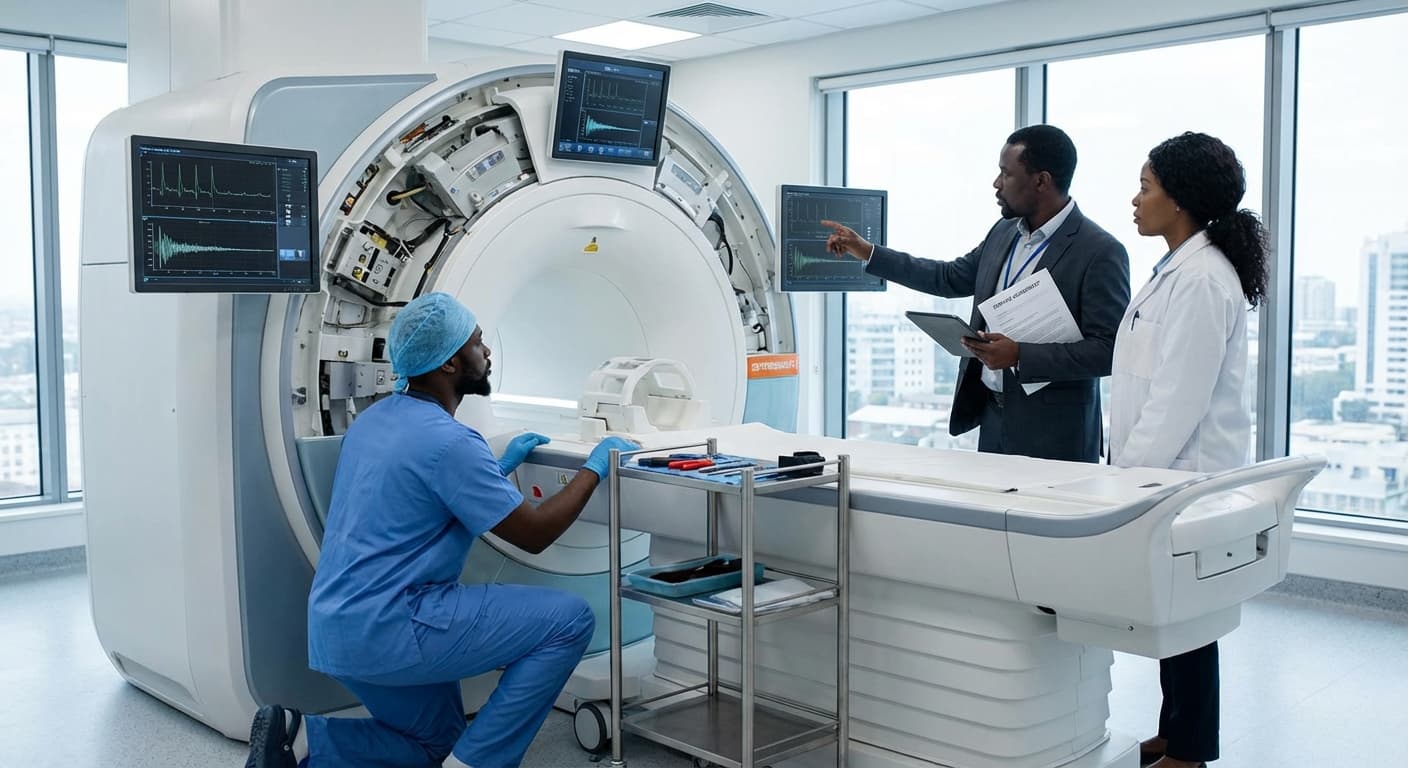
Service Contract & SLA Drafting Support (AMC/CMC/Uptime) in South Sudan
Engineering Excellence & Technical Support
Service Contract & SLA Drafting Support (AMC/CMC/Uptime) High-standard technical execution following OEM protocols and local regulatory frameworks.
Expert AMC/CMC Drafting
Leveraging deep understanding of local operational realities and international best practices, we craft robust Annual Maintenance Contracts (AMCs) and Comprehensive Maintenance Contracts (CMCs) tailored to South Sudan's unique infrastructure and business environment. Our drafts ensure clear scopes of work, optimized service level agreements, and predictable maintenance costs for critical assets.
Uptime SLA Optimization
We specialize in defining and negotiating aggressive yet achievable Uptime Service Level Agreements (SLAs) for critical services in South Sudan. Our expertise includes setting precise uptime percentages, defining clear remedies for breaches, and implementing monitoring frameworks to ensure maximum operational continuity and minimize disruption for businesses.
Risk Mitigation & Compliance
Our service contract drafting goes beyond basic terms, focusing on robust risk mitigation strategies and adherence to South Sudanese legal and regulatory frameworks. We ensure contracts are clear, legally sound, and protect your interests by anticipating potential operational challenges and outlining fair dispute resolution mechanisms.
What Is Service Contract & Sla Drafting Support (Amc/cmc/uptime) In South Sudan?
Service Contract & SLA Drafting Support (AMC/CMC/Uptime) in South Sudan refers to the specialized legal and technical expertise required to develop, negotiate, and finalize comprehensive agreements governing the provision of maintenance, support, and performance guarantees for technical systems and infrastructure. These contracts are crucial for ensuring operational continuity, predictable service levels, and clear recourse mechanisms in the South Sudanese business environment. AMC (Annual Maintenance Contract), CMC (Comprehensive Maintenance Contract), and Uptime Agreements are specific types of service level agreements (SLAs) that define the scope of work, response times, resolution targets, and financial penalties or credits associated with service failures.
| Use Case | Description of Service/Contract | Key Elements of SLA |
|---|---|---|
| IT Infrastructure Management | Drafting AMCs/CMCs for servers, networking equipment, and software licenses. Uptime agreements for data centers and cloud platforms. | Defined uptime percentages (e.g., 99.9%), response times for critical incidents, resolution times based on severity, maintenance windows, disaster recovery provisions. |
| Industrial Equipment Maintenance | Developing CMCS for manufacturing plants, power generation units, or agricultural machinery. This includes preventative and corrective maintenance. | Scheduled maintenance visits, spare parts availability, on-site technician response, performance metrics for equipment uptime and output, training for client's technical staff. |
| Telecommunications Network Support | Establishing SLAs for mobile network operators and internet service providers, covering network availability, call success rates, and data throughput. | Network availability targets (e.g., % of time network is operational), fault detection and repair SLAs, capacity management clauses, quality of service (QoS) parameters. |
| Facility Management & Building Systems | Drafting AMCs for critical building systems such as HVAC, power generators, elevators, and security systems. | Preventative maintenance schedules, emergency response for system failures, energy efficiency targets, compliance with safety standards. |
| Fleet Management | Creating maintenance contracts for commercial vehicle fleets, encompassing regular servicing, repairs, and breakdown assistance. | Scheduled maintenance intervals, response times for breakdowns, vehicle availability targets, cost per kilometer/mile for maintenance. |
Who Needs Service Contract & SLA Drafting Support (AMC/CMC/Uptime) in South Sudan?
- Organizations operating critical IT infrastructure (e.g., data centers, cloud services, telecommunications networks).
- Companies relying on specialized industrial machinery, manufacturing equipment, or heavy-duty vehicles.
- Businesses in sectors with high uptime requirements (e.g., financial institutions, healthcare providers, logistics firms).
- Government agencies and parastatals responsible for public utilities and infrastructure management.
- Technology vendors and service providers seeking to formalize their service commitments to clients.
- International organizations and NGOs operating in South Sudan requiring reliable and documented support for their operational assets.
- Any entity procuring or deploying complex technical systems where performance and availability are paramount to business operations.
Who Needs Service Contract & Sla Drafting Support (Amc/cmc/uptime) In South Sudan?
Organizations and businesses operating in South Sudan often face unique challenges related to infrastructure maintenance, equipment reliability, and service delivery. To mitigate risks, ensure operational continuity, and optimize resource allocation, robust service contracts and Service Level Agreements (SLAs) are crucial. These agreements, encompassing Annual Maintenance Contracts (AMC), Comprehensive Maintenance Contracts (CMC), and Uptime Guarantees, provide a framework for predictable service, timely repairs, and clear accountability. This document outlines who in South Sudan would benefit most from expert support in drafting these essential documents.
| Customer Segment | Key Departments/Functions Benefiting | Primary Needs for AMC/CMC/Uptime SLAs |
|---|---|---|
| Government Ministries & Agencies | IT Departments, Public Works, Infrastructure Management, Health Services | Ensuring continuity of essential public services, preventing disruptions, predictable maintenance costs, vendor accountability. |
| International Non-Governmental Organizations (INGOs) | Operations Departments, Logistics, IT, Program Management | Reliability of field equipment (vehicles, generators, communication), maintaining program delivery, risk mitigation in remote areas. |
| United Nations Agencies | Logistics & Supply Chain, IT, Facilities Management, Security | Ensuring operational readiness for humanitarian aid, peacekeeping mandates, critical infrastructure uptime. |
| Energy & Utilities Companies | Operations & Maintenance, Engineering, Network Management | Minimizing downtime of power plants/distribution networks, ensuring service continuity, proactive maintenance, cost-effective repairs. |
| Telecommunications Providers | Network Operations Center (NOC), Technical Support, Infrastructure Management | Guaranteed network uptime, rapid fault resolution, performance optimization, service quality assurance. |
| Healthcare Facilities | Biomedical Engineering, Facilities Management, IT, Administration | Ensuring availability of critical medical equipment (imaging, life support), minimizing patient care interruptions, compliance with standards. |
| Financial Institutions | IT Operations, Risk Management, Branch Operations | ATM uptime, secure transaction processing, data center reliability, preventing service outages. |
| Logistics & Transportation Companies | Fleet Management, Warehouse Operations, Maintenance | Vehicle and equipment uptime, efficient supply chain operations, reduced operational costs. |
| Construction & Engineering Firms | Equipment Maintenance, Project Management, Site Operations | Maximizing uptime of heavy machinery, reducing project delays, predictable maintenance expenditure. |
| Oil & Gas Sector Companies | Operations & Maintenance, Asset Management, Safety & Compliance | Ensuring the reliability and safety of complex industrial equipment, minimizing production downtime, regulatory compliance. |
Target Customers & Departments for Service Contract & SLA Drafting Support in South Sudan
- Government Ministries & Agencies: Essential for ensuring the continuous operation of critical public services and infrastructure.
- International Non-Governmental Organizations (INGOs): Crucial for maintaining the reliability of field operations, equipment, and facilities in challenging environments.
- United Nations Agencies: Vital for supporting humanitarian efforts, peacekeeping operations, and development projects through guaranteed service levels.
- Energy & Utilities Companies: Absolutely critical for uninterrupted power generation, water supply, and distribution networks.
- Telecommunications Providers: Necessary for maintaining network uptime, ensuring connectivity, and delivering reliable communication services.
- Healthcare Facilities (Hospitals & Clinics): Paramount for the consistent functioning of medical equipment and life-saving technologies.
- Financial Institutions (Banks & Microfinance): Essential for securing and maintaining the reliability of IT systems, ATMs, and payment infrastructure.
- Logistics & Transportation Companies: Important for ensuring the operational readiness of fleets, warehousing equipment, and critical transport infrastructure.
- Construction & Engineering Firms: Beneficial for maintaining heavy machinery, equipment, and project-specific infrastructure.
- Agricultural Cooperatives & Large-Scale Farms: Valuable for the upkeep of agricultural machinery, irrigation systems, and processing equipment.
- Educational Institutions (Universities, Colleges): Important for the reliability of IT infrastructure, laboratory equipment, and campus facilities.
- Oil & Gas Sector Companies: Essential for the continuous operation and maintenance of complex industrial equipment and facilities.
- Hospitality Sector (Hotels & Resorts): Beneficial for ensuring the smooth operation of all facilities, including HVAC, electrical systems, and catering equipment.
Service Contract & Sla Drafting Support (Amc/cmc/uptime) Process In South Sudan
This document outlines the workflow for Service Contract & SLA Drafting Support (AMC/CMC/Uptime) in South Sudan, covering the process from initial inquiry to final execution. This process is designed to ensure clarity, compliance, and mutual understanding between service providers and clients regarding the terms of service, maintenance, and uptime guarantees.
| Stage | Description | Key Activities | Responsible Parties | Deliverables |
|---|---|---|---|---|
| Inquiry & Initial Consultation | The client expresses interest in securing a service contract (AMC/CMC) or SLA for uptime guarantees. | Client contacts service provider. Initial discussion to understand general needs and service scope. Provider shares preliminary information on offerings. | Client, Service Provider | Initial understanding of client requirements, potential service categories identified. |
| Needs Assessment & Requirements Gathering | Detailed understanding of the client's specific assets, infrastructure, desired service levels, and operational context. | Site visits (if applicable). Detailed interviews with client stakeholders. Documentation review (e.g., existing equipment lists, operational manuals). Clarification of service scope, response times, preventive maintenance schedules, critical uptime percentages, reporting needs. | Service Provider (Technical & Commercial Teams), Client (Technical & Procurement Teams) | Detailed requirements document, asset inventory, defined service scope, precise SLA metrics (e.g., response time, resolution time, uptime percentage). |
| Drafting Initial Service Contract & SLA | The service provider creates the first draft of the contract and accompanying SLA based on the gathered requirements. | Legal team drafts contract clauses. Technical team defines SLA parameters. Commercial team prices the services. Includes terms of payment, duration, scope of work, warranties, termination clauses, dispute resolution, and specific SLA metrics. | Service Provider (Legal, Technical, Commercial Teams) | Draft Service Contract, Draft Service Level Agreement (SLA). |
| Review & Negotiation | Both parties thoroughly review the draft contract and SLA and engage in discussions to align on terms. | Client review of draft documents. Internal discussions within client organization. Service provider review of client feedback. Joint meetings to discuss specific clauses, negotiate pricing, adjust SLA targets, and clarify ambiguities. Amendments to the draft. | Client (Legal, Procurement, Technical Teams), Service Provider (Legal, Commercial, Technical Teams) | Revised Draft Service Contract, Revised Draft SLA, Meeting Minutes documenting negotiated points. |
| Finalization & Approval | All negotiated points are incorporated, and the final versions of the contract and SLA are prepared for formal approval. | Service provider incorporates all agreed-upon amendments. Final review by legal teams of both parties. Internal approval within client organization (e.g., board, management). | Service Provider, Client (Authorized Personnel) | Final Service Contract, Final Service Level Agreement (SLA). |
| Execution & Signing | The official signing of the finalized service contract and SLA by authorized representatives of both parties. | Presentation of final documents for signing. Verification of authorized signatories. Execution of the contract and SLA. | Authorized Representatives (Client & Service Provider) | Signed Service Contract, Signed Service Level Agreement (SLA). |
| Implementation & Monitoring | The service provider begins delivering services as per the contract and SLA, with ongoing monitoring. | Mobilization of resources. Commencement of maintenance activities (preventive and corrective). Deployment of monitoring tools. Regular tracking of SLA performance against defined metrics. | Service Provider (Operations & Technical Teams), Client (Liaison/Key Users) | Service delivery commencement, Performance monitoring reports. |
| Reporting & Review | Regular reports are provided to the client, and periodic reviews ensure continued adherence and identify areas for improvement. | Generation of periodic performance reports (monthly, quarterly). Conduct of regular review meetings to discuss performance, address issues, and plan for future needs. Potential for contract amendments or service adjustments based on review outcomes. | Service Provider, Client | Performance Reports, Meeting Minutes, Recommendations for Improvement, Potential Contract Amendments. |
Key Stages in Service Contract & SLA Drafting Support
- Inquiry & Initial Consultation
- Needs Assessment & Requirements Gathering
- Drafting Initial Service Contract & SLA
- Review & Negotiation
- Finalization & Approval
- Execution & Signing
- Implementation & Monitoring
- Reporting & Review
Service Contract & Sla Drafting Support (Amc/cmc/uptime) Cost In South Sudan
Drafting service contracts and Service Level Agreements (SLAs) for Annual Maintenance Contracts (AMCs), Comprehensive Maintenance Contracts (CMCs), and uptime guarantees in South Sudan involves a range of costs influenced by several critical factors. These factors are crucial for determining fair pricing and ensuring robust agreements that protect both service providers and clients. The local economic landscape, currency fluctuations, and the complexity of the services being contracted all play a significant role. Understanding these elements is essential for businesses seeking professional legal and technical support in this area.
| Service Type/Complexity | Estimated Cost Range (SSP - South Sudanese Pounds) | Notes |
|---|---|---|
| Basic AMC/CMC (Standard Equipment/Services) | 150,000 - 400,000 SSP | Covers standard machinery, office equipment, or IT hardware with defined maintenance and response times. |
| Standard SLA (Uptime Guarantees for IT/Infrastructure) | 200,000 - 500,000 SSP | Includes specific uptime percentages, penalties, and reporting mechanisms for IT systems or critical infrastructure. |
| Comprehensive CMC (Complex Machinery/Medical Equipment) | 300,000 - 800,000+ SSP | For specialized, high-value, or critical equipment requiring in-depth technical specifications, detailed maintenance plans, and stringent performance metrics. May involve significant consultation with technical experts. |
| Highly Complex/Bespoke Contracts (e.g., large-scale infrastructure, unique technology) | 500,000 - 1,500,000+ SSP | These contracts demand extensive legal review, bespoke clause drafting, and potential involvement of multiple legal and technical disciplines. Pricing is highly variable and project-dependent. |
| Hourly Legal Consultation (for drafting advice/review) | 50,000 - 150,000+ SSP per hour | Rates can vary significantly based on the lawyer's experience, specialization, and the firm's standing. This is often a component of the overall drafting cost. |
Key Pricing Factors for Service Contract & SLA Drafting in South Sudan:
- Complexity of the Service: The more intricate the technology, machinery, or service being covered, the more time and expertise are required for drafting. For example, an SLA for critical medical equipment will be more complex than for office furniture maintenance.
- Scope of Work and Inclusions: Clearly defined responsibilities, uptime guarantees, response times, preventative maintenance schedules, and exclusion clauses all add to the drafting effort. A comprehensive CMC with extensive coverage will naturally cost more to draft than a basic AMC.
- Duration of the Contract: Longer-term contracts often require more detailed clauses and consideration for inflation, currency devaluation, and evolving operational needs.
- Legal Expertise Required: Engaging experienced legal professionals specializing in contract law and IT/technical services is a primary cost driver. The reputation and hourly rates of the lawyers or legal firms will directly impact the final price.
- Technical Expertise Consultation: In some cases, input from technical experts may be needed to ensure the SLA's technical specifications are realistic and measurable. This can add to the overall cost.
- Negotiation and Review Cycles: The number of revisions, back-and-forth negotiations between parties, and multiple review stages will increase the time spent by legal counsel, thus affecting the cost.
- Urgency of the Drafting: Rush jobs or tight deadlines may incur additional fees from legal service providers.
- Provider's Reputation and Track Record: Established and reputable legal firms or consultants often command higher fees due to their expertise and proven success rate.
- Location within South Sudan: While not a primary driver for drafting services themselves, if on-site consultations or extensive local research is required, travel and accommodation costs might be factored in, though this is less common for pure drafting.
- Currency Exchange Rates and Inflation: South Sudan Pound (SSP) can be subject to significant fluctuations. Pricing often needs to account for potential depreciation and the prevailing inflation rates, especially for longer-term contracts. Some contracts might be negotiated in USD or a stable foreign currency to mitigate this risk, with the drafting reflecting this.
Affordable Service Contract & Sla Drafting Support (Amc/cmc/uptime) Options
Securing robust Service Contracts (AMC/CMC) and Service Level Agreements (SLAs) is crucial for ensuring operational continuity and asset longevity. We offer comprehensive drafting support tailored to your specific needs, focusing on affordability and value. Our services aim to protect your investments by clearly defining responsibilities, performance metrics (like uptime guarantees), and resolution procedures. We provide flexible options to fit various budgets, empowering you to achieve optimal service levels without overspending. Explore our value bundles and cost-saving strategies to make informed decisions about your maintenance and support agreements.
| Value Bundle | Includes | Target Audience | Cost-Saving Strategy | Typical Investment Range (Illustrative) |
|---|---|---|---|---|
| Basic Uptime Assurance | Core SLA drafting focused on guaranteed operational availability (e.g., 99.5% uptime), response times for critical issues, and basic reporting. Suitable for essential equipment. | Small to medium businesses, startups, or for non-mission-critical assets. | Focuses only on essential uptime metrics, reducing drafting complexity and legal review costs. Offers flexibility for future expansion. | Low to Mid |
| Comprehensive Maintenance Package | Includes full AMC/CMC drafting, detailed preventive maintenance schedules, spare parts management clauses, proactive monitoring integration, and tiered response/resolution times. | Medium to large enterprises, businesses with critical infrastructure or complex machinery. | Bundles multiple services for efficiency. Negotiating longer-term contracts can often secure volume discounts. Clear PM schedules reduce costly emergency repairs. | Mid to High |
| Customized Performance Partnership | Tailored drafting for highly specific requirements, including unique uptime metrics, performance-based incentives/penalties, advanced reporting dashboards, and dedicated support engineer inclusions. Ideal for strategic assets. | Large enterprises with unique operational needs, high-value assets, or those seeking to optimize strategic partnerships. | Focuses on ROI by linking service performance directly to business outcomes. Proactive optimization can lead to significant long-term savings through reduced downtime and improved efficiency. | High to Premium |
| Shared Risk & Reward Model | SLA drafting where service provider compensation is partially tied to achieving predefined performance targets (e.g., exceeding uptime goals). | Organizations looking to align vendor performance with business objectives and share in the success. | Incentivizes the service provider to perform at a higher level, potentially leading to better outcomes and cost-effectiveness over time. Mitigates risk for the client. | Variable (Performance-Dependent) |
Key Service Contract & SLA Components We Draft:
- Scope of Services (Preventive Maintenance, Corrective Maintenance, Software Updates, etc.)
- Service Levels (Response Times, Resolution Times, Uptime Guarantees)
- Reporting Requirements & Performance Metrics
- Exclusions & Limitations
- Pricing Models (Fixed Fee, Usage-Based, Tiered)
- Termination Clauses & Renewal Options
- Warranty Provisions
- Dispute Resolution Mechanisms
- Escalation Procedures
- Intellectual Property & Confidentiality
Verified Providers In South Sudan
In South Sudan's challenging healthcare landscape, identifying and engaging with verified healthcare providers is paramount for ensuring quality and reliable medical services. Franance Health stands out as a premier organization, distinguished by its rigorous credentialing process and unwavering commitment to patient well-being. This commitment translates into a network of highly qualified and ethically sound medical professionals, making Franance Health the optimal choice for individuals and organizations seeking dependable healthcare solutions.
| Provider Type | Franance Health Verification Standards | Benefits for Patients |
|---|---|---|
| Doctors (General & Specialists) | Valid medical license, recognized degree, board certification (where applicable), verifiable clinical experience, background check, adherence to ethical codes. | Accurate diagnoses, effective treatment plans, access to specialized care, trusted medical advice. |
| Nurses (RNs, ENs, Auxiliaries) | Registered nurse license, accredited nursing education, practical training, background check, adherence to nursing ethics and protocols. | Competent patient care, medication administration, vital sign monitoring, post-operative support, health education. |
| Pharmacists | Licensed pharmacist, accredited pharmacy degree, understanding of drug interactions and safe dispensing practices, adherence to pharmaceutical regulations. | Safe and accurate prescription fulfillment, expert advice on medications, drug safety information. |
| Laboratory Technicians | Certification in medical laboratory technology, proficiency in diagnostic testing, adherence to quality control measures, safety training. | Accurate and timely diagnostic results, supporting effective treatment decisions. |
| Community Health Workers (CHWs) | Training in primary healthcare, public health principles, and local health challenges, communication skills, adherence to community health guidelines. | Health promotion, disease prevention, basic health screening, referral services, bridging the gap between communities and formal healthcare. |
Why Franance Health is the Best Choice for Verified Providers in South Sudan:
- Rigorous Vetting and Credentialing: Franance Health employs a comprehensive vetting process that goes beyond basic qualifications. They meticulously verify professional licenses, educational backgrounds, certifications, and work experience of all affiliated healthcare providers. This ensures that only competent and legitimate practitioners are part of their network.
- Commitment to Ethical Practices: Beyond clinical skills, Franance Health emphasizes ethical conduct and patient-centered care. Providers are assessed on their adherence to medical ethics, professionalism, and their ability to provide compassionate and respectful treatment.
- Continuous Professional Development: Franance Health actively encourages and supports the ongoing education and professional development of its providers. This commitment ensures that their network remains at the forefront of medical advancements and best practices.
- Patient Safety as a Priority: The organization places a strong emphasis on patient safety. This includes ensuring providers adhere to strict protocols, maintain high standards of hygiene, and are equipped to handle various medical emergencies effectively.
- Accessibility and Reach: Franance Health strives to make quality healthcare accessible across South Sudan, including in remote and underserved areas. Their network of verified providers aims to bridge geographical gaps and provide essential medical services where they are needed most.
- Trust and Reliability: By consistently upholding high standards, Franance Health has built a reputation for trust and reliability. Patients and partners can be confident that they are engaging with healthcare professionals who are not only qualified but also dedicated to providing excellent care.
Scope Of Work For Service Contract & Sla Drafting Support (Amc/cmc/uptime)
This document outlines the Scope of Work (SOW) for professional services to draft a comprehensive Service Contract, including Service Level Agreements (SLAs), for Annual Maintenance Contracts (AMC), Comprehensive Maintenance Contracts (CMC), and Uptime Guarantees. The objective is to ensure clear, legally sound, and technically precise documentation that protects the interests of both the service provider and the client, while establishing measurable performance benchmarks.
| Phase | Description | Key Activities | Deliverables | Technical Considerations |
|---|---|---|---|---|
| Phase 1: Discovery & Requirements Gathering | Understanding the specific services, client needs, and desired outcomes. | Conducting stakeholder interviews (technical, legal, business). Defining service scope for AMC, CMC, and Uptime. Identifying key performance indicators (KPIs) and metrics. Reviewing existing documentation (if any). | Detailed Requirements Document. Stakeholder Analysis Report. Initial KPI & Metric List. | Understanding the technology stack involved. Nature of assets/systems covered (hardware, software, network). Existing infrastructure architecture. Expected usage patterns and load. |
| Phase 2: Service Contract Drafting | Developing the core legal and contractual framework. | Drafting general terms and conditions. Defining responsibilities of both parties. Incorporating intellectual property clauses. Establishing termination clauses and exit strategies. Defining payment terms and invoicing procedures. | Draft Service Contract (General Terms). Payment Schedule Outline. | Alignment with regulatory requirements (if applicable). Industry best practices for service contracts. Risk assessment for contract terms. |
| Phase 3: SLA Development (AMC/CMC/Uptime) | Defining specific performance benchmarks and service levels. | For AMC: Defining scope of preventive maintenance, response times, repair commitments. For CMC: Defining scope of corrective maintenance, parts replacement, response times, resolution times. For Uptime: Defining guaranteed availability percentage, exclusion periods, consequences of downtime. Establishing reporting mechanisms for SLA performance. Defining escalation procedures. | Draft SLA for AMC. Draft SLA for CMC. Draft SLA for Uptime. SLA Performance Reporting Template. Escalation Matrix. | Defining clear, measurable, achievable, relevant, and time-bound (SMART) SLAs. Technical definitions of 'availability', 'downtime', 'response time', 'resolution time'. Service windows and maintenance periods. Monitoring tools and methodologies. Impact of system complexity on achievable SLAs. |
| Phase 4: Technical Specifications Integration | Ensuring technical details are precisely incorporated into the contract and SLAs. | Defining specific hardware/software covered. Specifying service levels for different components. Listing excluded items or services. Detailing warranty provisions. Describing data backup and recovery procedures (if applicable). | Technical Specifications Addendum to Contract. Detailed list of covered assets/systems. Exclusion List. | Accuracy of technical nomenclature. Compatibility considerations. Configuration management details. Security requirements. Disaster recovery and business continuity considerations. |
| Phase 5: Review, Refinement & Finalization | Ensuring all elements are cohesive, legally sound, and technically accurate. | Internal legal and technical reviews. Client review and feedback incorporation. Finalizing contract and SLA language. Formatting for clarity and readability. Legal sign-off preparation. | Final Service Contract Document. Final SLA Document. Signed Agreement (post-negotiation). | Clarity of technical terms in relation to legal clauses. Consistency across all document sections. Ensuring practical enforceability of SLAs. |
Key Objectives of the SOW
- To develop a robust and legally defensible Service Contract template.
- To define clear and measurable Service Level Agreements (SLAs) for AMC, CMC, and Uptime.
- To ensure technical specifications are accurately represented and understood.
- To provide a framework for managing service delivery, performance, and dispute resolution.
- To minimize ambiguity and potential for disputes.
Service Level Agreement For Service Contract & Sla Drafting Support (Amc/cmc/uptime)
This Service Level Agreement (SLA) outlines the response times and uptime guarantees for the drafting support provided for Annual Maintenance Contracts (AMC), Comprehensive Maintenance Contracts (CMC), and Uptime Guarantees. This SLA is an integral part of the overarching service contract and ensures clarity and accountability in the delivery of professional SLA drafting services.
| Service Level | Description | Target Response Time (during Business Hours) | Uptime Guarantee (for Drafting Support Access) |
|---|---|---|---|
| Standard Drafting Support Request | Initial drafting of AMC, CMC, or Uptime Guarantee documents. | 4 Business Hours | 99.5% during Business Hours |
| Revision Request | Incorporating client feedback and making necessary revisions to existing drafts. | 6 Business Hours | 99.5% during Business Hours |
| Clarification/Query | Answering specific questions regarding contract clauses, industry standards, or best practices related to AMCs, CMCs, or Uptime Guarantees. | 2 Business Hours | 99.5% during Business Hours |
| Rush Drafting Request (if applicable and pre-approved) | Urgent drafting or revision requiring immediate attention. Subject to availability and potential additional fees. | 1 Business Hour | 99.5% during Business Hours |
Key Definitions
- Service Contract: The primary agreement between the client and the service provider for the drafting of AMCs, CMCs, and Uptime Guarantees.
- SLA: This Service Level Agreement, which details response times and uptime guarantees for the drafting support.
- AMC (Annual Maintenance Contract): A contract for maintaining equipment or software for a specified period, typically one year.
- CMC (Comprehensive Maintenance Contract): A more extensive maintenance contract that typically includes parts, labor, and sometimes preventive maintenance.
- Uptime Guarantee: A commitment to a minimum percentage of operational time for a system or service.
- Drafting Support: The professional service provided to create, review, and finalize AMCs, CMCs, and Uptime Guarantees.
- Business Hours: Standard working hours, typically Monday to Friday, 9:00 AM to 5:00 PM in the client's local time zone, excluding public holidays.
- Incident: A request for drafting support, clarification, or revision related to the AMC/CMC/Uptime Guarantee documents.
- Response Time: The maximum time allowed for the service provider to acknowledge an incident and begin working on it.
- Resolution Time: The target time to fully resolve an incident (e.g., complete a draft, incorporate revisions). This is often influenced by the complexity of the request.
- Uptime Guarantee (for Drafting Services): Refers to the availability of the service provider's team and systems to receive and process requests for drafting support during agreed-upon hours. This does NOT refer to the uptime of the client's IT systems being drafted for.
Frequently Asked Questions

Ready when you are
Let's scope your Service Contract & SLA Drafting Support (AMC/CMC/Uptime) in South Sudan project in South Sudan.

Scaling healthcare logistics and technical systems across the entire continent.