
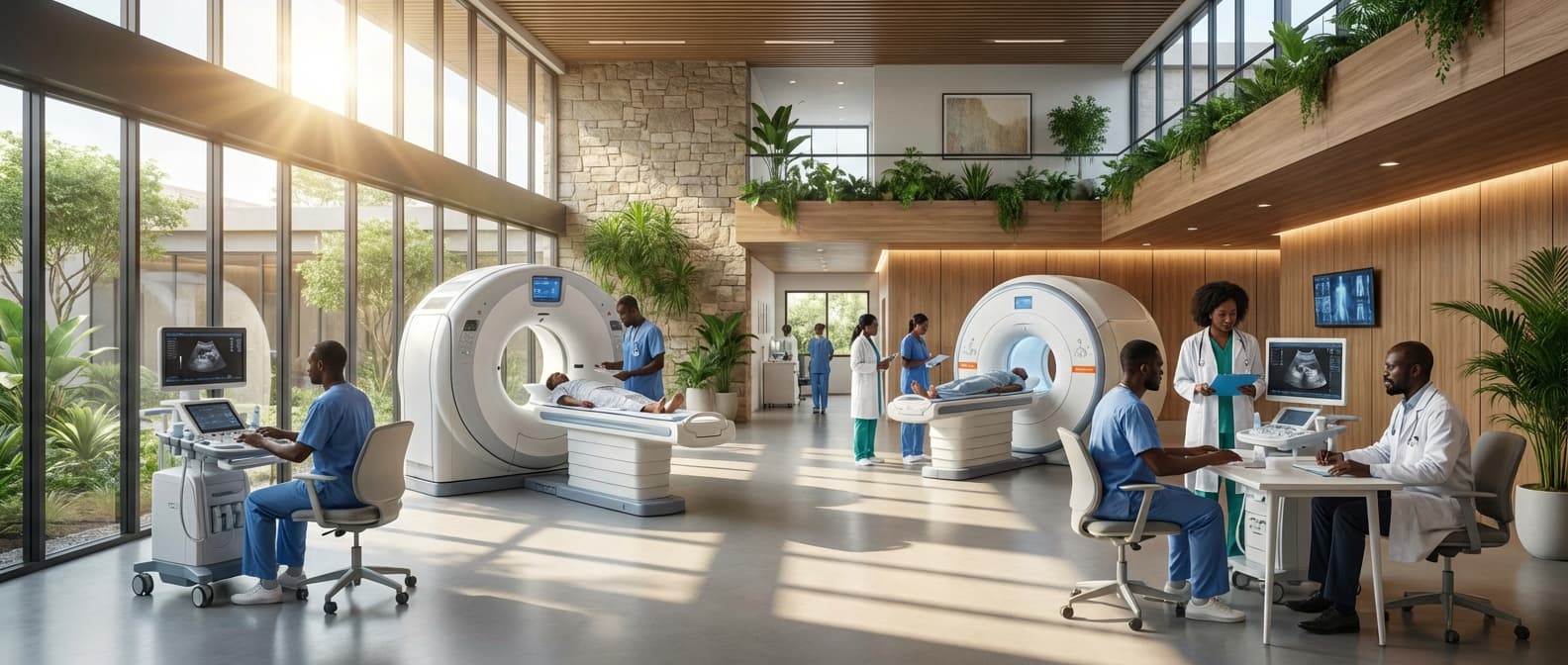
Endoscopy Solutions in South Sudan
Engineering Excellence & Technical Support
Advanced endoscopic equipment delivering superior visualization and diagnostic precision for minimally invasive procedures. High-standard technical execution following OEM protocols and local regulatory frameworks.
Advanced Diagnostic Endoscopy
Introducing state-of-the-art endoscopic equipment enabling early and accurate diagnosis of gastrointestinal conditions. Our solutions offer high-definition imaging and specialized instruments for precise visualization, crucial for improving patient outcomes in South Sudan.
Minimally Invasive Therapeutic Procedures
Empowering healthcare providers with the tools for minimally invasive therapeutic interventions. Our endoscopy solutions facilitate procedures like polyp removal and foreign body retrieval, reducing the need for open surgery and accelerating patient recovery.
Comprehensive Training & Support
We provide extensive training programs and ongoing technical support for medical professionals in South Sudan. This ensures effective utilization of our endoscopy equipment, fostering local expertise and sustainable healthcare practices for gastrointestinal care.
What Is Endoscopy Solutions In South Sudan?
Endoscopy Solutions in South Sudan refers to the provision of diagnostic and therapeutic procedures utilizing endoscopes, which are flexible or rigid tubes with a light and camera, to visualize the internal organs and lumens of the body. These solutions are critical for accurate diagnosis, minimal invasiveness, and timely intervention in a healthcare landscape often challenged by resource limitations and geographical accessibility. The service encompasses a range of endoscopic modalities, including but not limited to gastroscopy (esophagogastroduodenoscopy), colonoscopy, bronchoscopy, and cystoscopy. The implementation and accessibility of these solutions are paramount for improving patient outcomes and advancing the standard of care within South Sudan's healthcare system.
| Who Needs Endoscopy Solutions? | Typical Use Cases |
|---|---|
| Patients presenting with persistent gastrointestinal (GI) symptoms such as chronic abdominal pain, nausea, vomiting, dysphagia (difficulty swallowing), heartburn, unexplained weight loss, or changes in bowel habits (diarrhea or constipation). | Investigation of upper GI bleeding (hematemesis or melena). Diagnosis and management of peptic ulcer disease (gastric and duodenal ulcers). Screening and surveillance for esophageal cancer and precancerous lesions (e.g., Barrett's esophagus). Diagnosis of inflammatory bowel disease (Crohn's disease and ulcerative colitis). Removal of precancerous polyps in the colon to prevent colorectal cancer. Diagnosis of lower GI bleeding (hematochezia). Assessment of chronic diarrhea of unknown origin. Evaluation for lung abnormalities (cough, hemoptysis, suspected malignancy). Investigation of urinary tract symptoms (hematuria, recurrent infections, suspected bladder tumors). |
| Individuals with a family history of GI cancers or polyps. | Post-operative follow-up for GI malignancies or polyp removal. Retrieval of ingested foreign bodies from the GI tract or airways. |
| Patients requiring monitoring or treatment for conditions like achalasia, esophageal varices, or benign esophageal strictures. | Percutaneous endoscopic gastrostomy (PEG) tube placement for nutritional support. |
| Patients undergoing surveillance for dysplasia in inflammatory bowel disease. | Evaluation of suspicious lesions identified on cross-sectional imaging. |
| Individuals with risk factors for specific cancers (e.g., smoking for lung cancer). | Management of upper airway obstructions. |
Key Components of Endoscopy Solutions
- Diagnostic Endoscopy: Visual inspection of internal organs (e.g., esophagus, stomach, duodenum, colon, lungs, bladder) to identify abnormalities such as inflammation, ulcers, polyps, strictures, or malignancies.
- Therapeutic Endoscopy: Interventional procedures performed during endoscopy, including biopsy collection, polypectomy, dilation of strictures, foreign body retrieval, hemostasis (control of bleeding), and stent placement.
- Endoscopic Equipment: Provision and maintenance of advanced endoscopes, light sources, video processors, insufflators, suction pumps, and associated instruments.
- Trained Personnel: Availability of highly skilled gastroenterologists, pulmonologists, urologists, and endoscopy nurses proficient in performing and assisting with endoscopic procedures and managing associated complications.
- Sterilization and Infection Control: Robust protocols and infrastructure for the cleaning, disinfection, and sterilization of endoscopic equipment to prevent the transmission of healthcare-associated infections.
- Anesthesia and Sedation: Administration of conscious sedation or general anesthesia to ensure patient comfort and facilitate the safe execution of procedures.
- Pathology Services: Integration with laboratory services for the processing and analysis of tissue biopsies obtained during endoscopic examinations.
Who Needs Endoscopy Solutions In South Sudan?
Endoscopy solutions, encompassing a range of diagnostic and therapeutic tools, are crucial for addressing a significant and growing need in South Sudan's healthcare system. The country faces a dual burden of infectious diseases and a rising incidence of non-communicable diseases, many of which manifest with gastrointestinal or respiratory symptoms requiring endoscopic examination. Access to these advanced diagnostic capabilities can lead to earlier and more accurate diagnoses, improved patient outcomes, and a more efficient use of limited healthcare resources. Investing in endoscopy solutions is not just about acquiring technology; it's about empowering healthcare professionals to provide a higher standard of care and combatting the health challenges prevalent in South Sudan.
| Customer Type | Typical Facility | Key Needs | Departmental Focus |
|---|---|---|---|
| Public Hospitals | National Referral Hospitals, State Hospitals | Comprehensive diagnostic capabilities, training for local staff, durable and user-friendly equipment, maintenance support | Gastroenterology, Pulmonology, Surgery, Emergency Medicine, Pediatrics |
| Mission Hospitals | Rural and underserved areas | Cost-effective solutions, robust equipment for challenging environments, basic maintenance training | General Medicine, Surgery, Pediatrics |
| NGOs | Mobile clinics, specialized treatment centers | Portable and versatile endoscopy units, rapid deployment capabilities, training packages | Gastroenterology, Pulmonology, General Surgery |
| Specialty Clinics | Urban centers, private facilities | Advanced diagnostic and therapeutic endoscopy, high-resolution imaging, specialized instruments | Gastroenterology, Pulmonology, Colorectal Surgery |
| Medical Training Institutions | Universities, medical schools | Simulation equipment, training simulators, access to latest technologies for curriculum development | All departments involved in patient care and medical education |
Target Customers and Departments for Endoscopy Solutions in South Sudan
- {"items":["Public Hospitals (National, State, and County levels)","Mission Hospitals and Faith-Based Healthcare Facilities","Non-Governmental Organizations (NGOs) involved in healthcare provision","Specialty Clinics (e.g., gastroenterology, pulmonology, surgery)","Medical Training Institutions"],"title":"Target Customers"}
- {"items":["Gastroenterology/Internal Medicine: For diagnosis and treatment of upper and lower GI conditions (e.g., ulcers, gastritis, polyps, colorectal cancer, inflammatory bowel disease).","Pulmonology: For bronchoscopy to diagnose and manage lung diseases (e.g., infections, tumors, foreign body removal).","Surgery (General, GI, Thoracic): For pre-operative assessment, intra-operative guidance, and post-operative management of various conditions.","Emergency Medicine: For urgent diagnostic procedures in cases of gastrointestinal bleeding or airway obstruction.","Oncology: For diagnosis and staging of GI and lung cancers, and for palliative interventions.","Pediatrics: For diagnosing and treating pediatric gastrointestinal and respiratory issues.","Pathology: For obtaining tissue biopsies for histological examination.","Anesthesiology: For assisting in the sedation and monitoring of patients undergoing endoscopic procedures."],"title":"Key Departments Utilizing Endoscopy Solutions"}
Endoscopy Solutions Process In South Sudan
The process of accessing endoscopy solutions in South Sudan involves a series of steps, from initial inquiry by a patient or referring physician to the successful execution of the endoscopic procedure. This workflow is designed to ensure that patients receive timely and appropriate care, considering the unique healthcare landscape and resource availability in the country. The process emphasizes coordination between patients, healthcare providers, and potential referral centers for specialized equipment and expertise.
| Stage | Description | Key Actors | Considerations in South Sudan |
|---|---|---|---|
| Initial Inquiry & Needs Assessment | A patient or referring healthcare provider contacts a facility or physician to inquire about endoscopy services. | Patient, Referring Physician, Healthcare Facility Administrator | Limited availability of specialized endoscopy services, requiring potential outreach or referral. Communication channels might be challenging. |
| Referral & Information Gathering | If the initial facility cannot provide the service, the patient is referred. Necessary medical history, symptoms, and rationale for endoscopy are documented. | Referring Physician, Patient, Potential Specialist Physician/Facility | Need for clear referral pathways. Ensuring accurate and complete patient information is crucial for effective referral. Limited diagnostic capacity at primary levels can impact referral quality. |
| Logistics & Resource Confirmation | The receiving facility or physician confirms the availability of endoscopy equipment, trained personnel, and necessary consumables. This might involve checking inventory or coordinating with external partners. | Specialist Physician/Facility, Biomedical Engineers/Technicians, Procurement Officers | Significant challenges in equipment maintenance, availability of spare parts, and specialized consumables. Reliance on external aid or donor support for equipment and supplies. |
| Scheduling & Pre-Procedure Preparation | A date for the procedure is scheduled. Patients receive instructions regarding dietary restrictions, medication adjustments, and any necessary pre-procedure tests. | Patient, Specialist Physician/Facility Staff (Nurses, Administrative Staff) | Ensuring patient understanding of instructions can be difficult due to literacy levels and language barriers. Travel to the facility for preparation can be a significant hurdle. |
| Procedure Execution | The endoscopic procedure (e.g., gastroscopy, colonoscopy) is performed by a qualified physician. Biopsies may be taken for histological examination. | Specialist Physician (Gastroenterologist, Surgeon), Endoscopy Nurse, Anesthetist (if required) | Availability of trained personnel is a major constraint. Sterilization of equipment is critical and can be challenging with limited resources. Limited access to pathology services for biopsy analysis can delay diagnosis. |
| Post-Procedure Care & Follow-up | Patients are monitored for immediate complications. Results are communicated, and further management or follow-up appointments are scheduled. | Patient, Specialist Physician/Facility Staff, Referring Physician | Ensuring continuity of care after discharge can be difficult, especially for patients returning to remote areas. Follow-up may be hindered by logistical challenges and limited access to information. |
Endoscopy Solutions Workflow in South Sudan
- Initial Inquiry & Needs Assessment
- Referral & Information Gathering
- Logistics & Resource Confirmation
- Scheduling & Pre-Procedure Preparation
- Procedure Execution
- Post-Procedure Care & Follow-up
Endoscopy Solutions Cost In South Sudan
Endoscopy solutions in South Sudan encompass a range of procedures and the associated equipment and consumables. The cost of these solutions can vary significantly due to several factors, primarily driven by the current economic climate, import dependencies, and the specific type of endoscopic procedure. It's crucial to understand that obtaining precise, up-to-date pricing in South Sudan can be challenging due to the volatile market and limited public availability of detailed cost breakdowns for medical services.
| Procedure Type (Estimated) | Estimated Cost Range (SSP) | Notes |
|---|---|---|
| Upper Endoscopy (Gastroscopy/OGD) | 150,000 - 300,000 SSP | Covers examination of esophagus, stomach, and duodenum. Includes basic biopsies. Prices can increase with complex interventions. |
| Lower Endoscopy (Colonoscopy) | 200,000 - 400,000 SSP | Examines the colon and rectum. Similar pricing factors to gastroscopy, potentially higher due to scope length and complexity. |
| Flexible Sigmoidoscopy | 100,000 - 200,000 SSP | Examines the lower part of the colon. Generally less expensive than a full colonoscopy. |
| Bronchoscopy | 250,000 - 500,000 SSP | Examines airways. Requires specialized equipment and expertise. Cost can vary significantly based on if it's diagnostic or therapeutic. |
| Laparoscopy (Diagnostic/Minor Procedure) | 400,000 - 800,000+ SSP | Surgical procedure using a small camera. Costs are higher due to operating room use, anesthesia, and surgical team. Therapeutic interventions will increase the price substantially. |
| Polypectomy (during endoscopy) | Added to base procedure cost (50,000 - 150,000+ SSP) | Removal of polyps during the endoscopic procedure. Adds to the complexity and requires specialized tools. |
Key Pricing Factors for Endoscopy Solutions in South Sudan
- Type of Endoscopic Procedure: Different procedures (e.g., gastroscopy, colonoscopy, bronchoscopy, laparoscopy) utilize different equipment, have varying complexities, and require different levels of expertise, directly impacting the overall cost.
- Equipment and Consumables: The cost of the endoscope itself (purchase or rental), disposable accessories (biopsy forceps, snares, irrigation solutions), sterilization supplies, and maintenance all contribute to the final price.
- Location of Service Provider: Hospitals or clinics in major urban centers like Juba may have slightly different pricing structures compared to facilities in more remote areas, influenced by overhead costs and accessibility.
- Provider's Expertise and Reputation: The experience and specialization of the gastroenterologist or surgeon performing the procedure can influence pricing, with highly skilled professionals sometimes commanding higher fees.
- Hospital/Clinic Infrastructure and Overhead: The cost of maintaining facilities, including specialized operating rooms or procedure rooms, trained nursing staff, and supporting medical infrastructure, is factored into the overall service cost.
- Importation Costs and Taxes: South Sudan heavily relies on imported medical equipment and consumables. Import duties, transportation costs, currency exchange rates, and potential tariffs significantly inflate the price of these items.
- Currency Fluctuation and Inflation: The South Sudanese Pound (SSP) is subject to significant volatility. High inflation rates can rapidly increase the cost of imported goods and services, making precise cost estimations difficult.
- Availability of Specialized Services: In some regions, the availability of advanced endoscopic techniques or specialized equipment may be limited, leading to higher costs for those services that are available.
- Insurance Coverage (Limited): While medical insurance is not as widespread as in developed countries, any existing coverage through employers or private plans would impact the out-of-pocket expenses for patients.
Affordable Endoscopy Solutions Options
Navigating the cost of medical procedures can be a significant concern for many individuals. Endoscopy, a vital diagnostic and therapeutic tool, is no exception. Fortunately, several affordable endoscopy solutions and cost-saving strategies exist. Understanding these options can empower patients to make informed decisions and manage their healthcare expenses more effectively.
| Strategy | Description | Potential Savings |
|---|---|---|
| Value Bundles | All-inclusive pricing for the procedure, covering multiple services. | Predictable costs, often lower than à la carte billing. |
| Insurance Verification | Understanding your plan's deductibles, co-pays, and co-insurance. | Avoids unexpected bills, allows for strategic scheduling. |
| Negotiation (Cash Discount/Payment Plan) | Discussing pricing directly with providers, especially for self-pay. | Can lead to a reduced overall cost for the procedure. |
| In-Network Providers | Choosing healthcare professionals and facilities contracted with your insurer. | Significantly lower out-of-pocket expenses compared to out-of-network. |
| Telehealth Consultations | Virtual appointments for consultations and follow-ups. | Reduced travel costs and potentially lower consultation fees. |
| Generic Medications | Opting for less expensive generic versions of prescribed drugs. | Lower prescription costs. |
| HSA/FSA Utilization | Using pre-tax accounts for eligible medical expenses. | Tax savings, making procedures more affordable. |
| Preventative Screenings | Regular endoscopies for early detection and prevention. | Avoids costlier treatments for advanced diseases. |
Understanding Value Bundles and Cost-Saving Strategies for Endoscopy
- Value Bundles: Hospitals and clinics are increasingly offering 'value bundles' or 'package deals' for common procedures like endoscopies. These bundles typically include all the necessary services associated with the procedure, such as the physician's fee, facility charges, anesthesia, pre-operative consultations, and post-operative care, all for a single, predetermined price. This transparency helps patients avoid unexpected bills and can often be more cost-effective than paying for each service individually. Comparing bundled prices between different providers is a crucial first step.
- Insurance Verification and Out-of-Pocket Maximums: Thoroughly understanding your health insurance coverage is paramount. Verify what your plan covers for endoscopic procedures, including deductibles, co-pays, and co-insurance. Knowing your out-of-pocket maximum for the year can help you anticipate your financial responsibility for any medical expenses, including endoscopies. Consider scheduling procedures when you are closer to meeting your deductible or out-of-pocket maximum to minimize immediate costs.
- Negotiation with Providers: Don't hesitate to discuss costs with your healthcare provider or facility. For self-pay patients or those with high deductibles, negotiating a cash discount or a payment plan can be a viable option. Some facilities may be willing to offer a reduced rate if payment is made upfront or if a flexible payment arrangement is established.
- In-Network vs. Out-of-Network Providers: Choosing in-network providers is almost always more cost-effective than opting for out-of-network services. Your insurance company has negotiated rates with in-network providers, leading to lower out-of-pocket expenses for you. Always confirm that your chosen physician and facility are within your insurance network.
- Telehealth Consultations: For initial consultations or follow-up appointments related to your endoscopy, explore the possibility of telehealth. Many providers now offer virtual visits, which can save on travel time and associated costs, and may also be billed at a lower rate than in-person appointments.
- Generic vs. Brand-Name Medications: If any medications are prescribed before or after your endoscopy, inquire about generic alternatives. Generic medications are chemically equivalent to their brand-name counterparts but are significantly less expensive.
- Second Opinions (When Appropriate): While not always applicable for routine screenings, if you are undergoing an endoscopy for a complex condition, seeking a second opinion from another specialist can sometimes offer alternative perspectives and potentially less invasive or less expensive treatment plans.
- Health Savings Accounts (HSAs) and Flexible Spending Accounts (FSAs): If you have an HSA or FSA, these pre-tax accounts are excellent tools for covering medical expenses, including endoscopies. Contributions to these accounts reduce your taxable income, offering an immediate cost-saving benefit.
- Urgent Care vs. Emergency Room for Related Issues: For non-life-threatening issues that may arise before or after an endoscopy that require immediate attention, consider the cost difference between urgent care centers and emergency rooms. Urgent care is typically much more affordable for conditions that don't require the full resources of an emergency department.
- Preventative Care and Early Detection: For screening endoscopies (like colonoscopies), investing in regular screenings can prevent more serious and expensive health issues down the line. Early detection of conditions like polyps or early-stage cancer can lead to simpler and less costly treatments.
Verified Providers In South Sudan
In South Sudan, ensuring access to reliable and high-quality healthcare is paramount. For individuals and organizations seeking medical services, identifying verified providers is a critical step. Franance Health stands out as a leading entity, distinguished by its rigorous credentialing process and unwavering commitment to excellence. This document outlines Franance Health's credentials and articulates why they represent the best choice for healthcare in South Sudan.
| Criteria | Franance Health's Compliance | Why it Matters for Patients |
|---|---|---|
| Regulatory Compliance | Fully accredited and licensed by the South Sudanese Ministry of Health. | Ensures that services meet legal requirements and national quality benchmarks, providing a baseline of safety and effectiveness. |
| Professional Qualifications | All medical staff are board-certified and have verified credentials from reputable institutions. | Guarantees that patients are treated by skilled and experienced professionals with the necessary expertise for their medical needs. |
| Quality of Care | Utilizes advanced medical equipment and follows evidence-based treatment protocols. | Leads to more accurate diagnoses, effective treatments, and improved patient outcomes. |
| Patient Safety | Implements stringent infection control measures and patient safety protocols. | Minimizes the risk of complications and ensures a safe healing environment. |
| Ethical Standards | Upholds a strict code of conduct regarding patient rights, privacy, and equitable access. | Fosters trust and ensures that patients are treated with dignity and respect, with their personal information protected. |
| Innovation and Advancement | Actively engages in continuous professional development and adopts new healthcare technologies. | Provides patients with access to the latest medical innovations and treatments, enhancing the quality of care. |
Franance Health Credentials
- Accreditation by the South Sudanese Ministry of Health: Franance Health has successfully met and exceeded all requirements set forth by the Ministry of Health, demonstrating adherence to national healthcare standards and regulations.
- Partnerships with International Health Organizations: Collaboration with reputable global health bodies ensures that Franance Health operates with best practices and embraces international standards of care and patient safety.
- Certified Medical Professionals: All healthcare practitioners at Franance Health undergo stringent verification of their licenses, qualifications, and specialized training from recognized medical institutions.
- State-of-the-Art Facilities and Equipment: Franance Health invests in modern medical technology and maintains well-equipped facilities, ensuring accurate diagnoses and effective treatments.
- Commitment to Ethical Practices: Adherence to a strict code of ethics guarantees patient confidentiality, informed consent, and equitable access to care for all.
- Continuous Professional Development: Franance Health prioritizes ongoing training and development for its staff, keeping them abreast of the latest medical advancements and patient care techniques.
Scope Of Work For Endoscopy Solutions
This document outlines the Scope of Work for the provision of Endoscopy Solutions, detailing the technical deliverables and standard specifications required. The objective is to ensure the procurement and implementation of high-quality, reliable, and user-friendly endoscopy systems that meet the clinical needs of the healthcare facility.
| Specification Category | Key Parameters | Required Standard/Performance |
|---|---|---|
| Image Quality | Resolution | Minimum 1920x1080 (Full HD) |
| Image Quality | Color Reproduction | High fidelity, accurate representation of tissue colors |
| Image Quality | Illumination | Variable intensity, uniform brightness, consistent color temperature |
| Endoscope Design | Field of View (FOV) | Minimum 120 degrees (dependent on endoscope type) |
| Endoscope Design | Working Channel Diameter | Suitable for biopsy forceps and accessories (e.g., minimum 2.8mm for gastroscopes) |
| Endoscope Design | Angulation | Up/Down and Left/Right range as per clinical requirements (e.g., 210°/90° up/down, 100°/100° left/right for gastroscopes) |
| Endoscope Design | Articulation | Smooth and responsive control |
| Endoscope Design | Durability | High resistance to bending, repeated sterilization cycles |
| Video Processor | Frame Rate | Minimum 30 fps for smooth motion capture |
| Video Processor | Image Enhancement Features | Noise reduction, contrast enhancement, digital zoom, white balance |
| Video Processor | Connectivity | HDMI, DVI, USB, Network (LAN) ports for integration with PACS/HIS |
| Insufflator | Gas Type | CO2 preferred for faster absorption, air as alternative |
| Insufflator | Flow Rate | Adjustable range to maintain pneumoperitoneum (e.g., 1-30 L/min) |
| Insufflator | Pressure Control | Precise and stable intra-abdominal pressure monitoring and control |
| Documentation System | Storage Capacity | Sufficient for long-term storage of images and videos (e.g., minimum 1TB HDD) |
| Documentation System | Image/Video Format | Standard formats (e.g., JPEG, MPEG-4) |
| Documentation System | Search and Retrieval | Efficient search by patient ID, date, procedure type |
| Sterilization Compatibility | Method | Compatible with standard hospital sterilization methods (e.g., ethylene oxide (EtO), low-temperature plasma sterilization, high-level disinfection) |
| Ergonomics | Control Buttons | Intuitive placement and easy to operate with gloves |
| Ergonomics | Weight and Balance | Comfortable to handle during prolonged procedures |
| Safety Standards | Electrical Safety | IEC 60601-1 compliant |
| Safety Standards | Biocompatibility | Materials in contact with patients must be biocompatible (ISO 10993) |
Technical Deliverables
- Endoscope Units (flexible, rigid, or semi-rigid as specified)
- Light Source (LED or Xenon)
- Video Processor/Image Management System
- Monitor (High-definition, medical-grade)
- Insufflator (CO2 or air)
- Irrigation/Aspiration Pump
- Documentation System (including image and video capture, storage, and retrieval)
- Ancillary Equipment (e.g., cleaning brushes, biopsy forceps, snares, retrieval baskets, specific tools for intended procedures)
- Software for system operation, data management, and reporting
- User Manuals and Technical Documentation
- Training Programs for clinical and technical staff
- Installation and Configuration Services
- Post-installation Verification and Validation
- Warranty and Maintenance Services
Service Level Agreement For Endoscopy Solutions
This Service Level Agreement (SLA) outlines the agreed-upon service levels for Endoscopy Solutions, focusing on response times for support requests and uptime guarantees for our hosted platform.
| Severity Level | Description | Target Initial Response Time | Target Resolution Time | Uptime Guarantee |
|---|---|---|---|---|
| Severity 1 (Critical) | Platform is completely unavailable, or a core function is non-operational, preventing Customer from performing essential endoscopy procedures. | 1 hour (during Business Hours) | 4 business hours | 99.9% Monthly |
| Severity 2 (High) | A significant function of the Platform is impaired, impacting a substantial portion of Customer operations or multiple users. | 2 business hours | 8 business hours | 99.9% Monthly |
| Severity 3 (Medium) | A minor function of the Platform is impaired, or a non-critical feature is not working as expected, affecting a limited number of users or workflows. | 4 business hours | 2 business days | 99.95% Monthly |
| Severity 4 (Low) | General inquiries, feature requests, or minor usability issues that do not significantly impact Customer operations. | 8 business hours | 5 business days | 99.95% Monthly |
Key Definitions
- Endoscopy Solutions Platform (Platform): Refers to the cloud-hosted software and associated services provided by [Your Company Name] for managing endoscopy procedures, data, and reporting.
- Downtime: The period during which the Platform is unavailable to the Customer due to unscheduled maintenance, system failures, or other issues within [Your Company Name]'s control.
- Scheduled Maintenance: Pre-announced periods of system downtime for planned upgrades, maintenance, or enhancements. These will be communicated with advance notice.
- Support Request: A formal request for assistance submitted by the Customer through the designated support channels (e.g., support portal, email, phone).
- Business Hours: Monday to Friday, 9:00 AM to 5:00 PM [Specify Time Zone], excluding public holidays.
- Severity Levels: Categorization of Support Requests based on their impact on Customer operations.
Frequently Asked Questions

Ready when you are
Let's scope your Endoscopy Solutions in South Sudan project in South Sudan.

Scaling healthcare logistics and technical systems across the entire continent.