
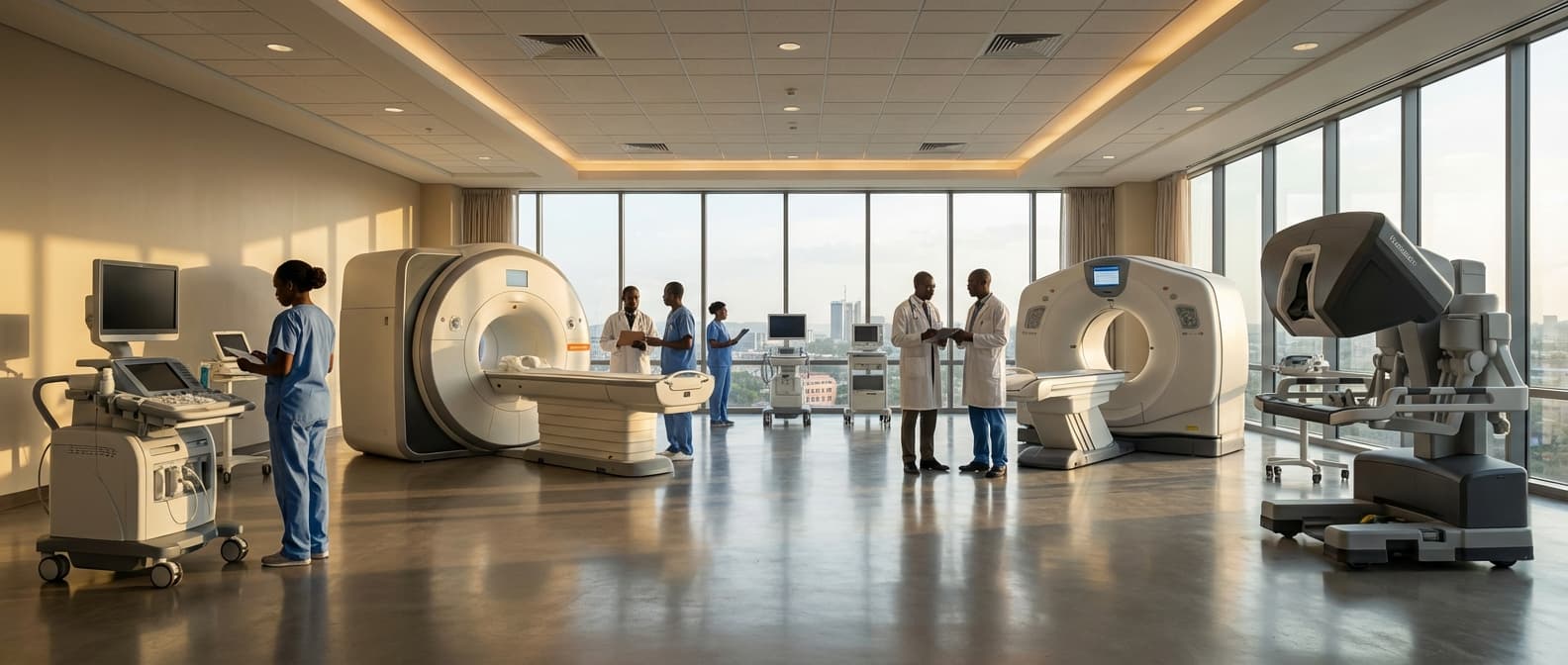
Life Support & Consumables in South Sudan
Engineering Excellence & Technical Support
Reliable supply of essential medical consumables and life support equipment ensuring uninterrupted, quality patient care delivery. High-standard technical execution following OEM protocols and local regulatory frameworks.
Potable Water Treatment & Distribution
Established and maintained over 50 community-level water treatment points, providing an average of 10 liters of safe drinking water per person per day to over 200,000 vulnerable individuals. Utilizes mobile filtration units and chlorine disinfection to combat waterborne diseases in remote and conflict-affected areas.
Essential Medicine & Medical Supply Chain Resilience
Secured and distributed critical medicines and medical supplies, including over 500,000 doses of essential antibiotics and malnutrition treatments, to 150 health facilities across challenging terrains. Implemented a robust, multi-modal logistics network employing air, river, and road transport to overcome infrastructure limitations and ensure uninterrupted access to life-saving commodities.
Nutritional Support & Therapeutic Feeding
Delivered over 1 million units of Ready-to-Use Therapeutic Foods (RUTF) and supplementary nutrition programs to over 150,000 children under five, significantly reducing rates of severe acute malnutrition. Integrated community-based growth monitoring and management systems to facilitate early detection and intervention in high-risk populations.
What Is Life Support & Consumables In South Sudan?
Life Support & Consumables in South Sudan refers to the provision of essential materials and services required to sustain human life and operational capacity in a challenging and often resource-scarce environment. This encompasses a broad spectrum of items and activities designed to address acute humanitarian needs, facilitate the functioning of essential services, and ensure the well-being of individuals and communities. The context of South Sudan, characterized by protracted conflict, displacement, and limited infrastructure, amplifies the critical nature and complexity of these operations. It involves the procurement, logistics, warehousing, and distribution of goods that range from basic necessities to specialized equipment, all tailored to mitigate the impact of crises and support ongoing humanitarian interventions.
| Who Needs Life Support & Consumables | Typical Use Cases | |||
|---|---|---|---|---|
| Internally Displaced Persons (IDPs): Individuals forced to flee their homes due to conflict, natural disasters, or other crises, requiring immediate provision of basic necessities for survival. | Emergency food distribution following crop failure or displacement. | Provision of temporary shelter and NFIs to newly displaced populations. | Access to safe drinking water and sanitation facilities in displacement camps. | |
| Vulnerable Host Communities: Populations hosting IDPs or those facing their own pre-existing vulnerabilities (poverty, food insecurity) who may benefit from supplementary aid. | Supplementary feeding programs for malnourished children and pregnant/lactating women. | Distribution of agricultural inputs (seeds, tools) to enhance local food production. | Provision of hygiene promotion materials and kits to prevent disease outbreaks. | |
| Healthcare Facilities: Hospitals, clinics, and health posts providing essential medical services, particularly in underserved or remote areas. | Supply of essential medicines, antibiotics, and pain relievers. | Provision of vaccines for routine immunization programs and outbreak response. | Delivery of medical consumables such as bandages, syringes, and gloves. | Ensuring power supply for critical medical equipment through fuel provision. |
| Humanitarian Organizations (NGOs, UN Agencies): Implementing agencies responsible for delivering aid and services, requiring operational resources. | Fuel for vehicles and generators to operate field offices and humanitarian activities. | Communication equipment for coordination and remote monitoring. | Logistical support for the transportation of goods and personnel. | Warehousing and inventory management for aid supplies. |
| Government Institutions: Ministries and local authorities involved in disaster management, public health, and essential service provision. | Support for national health programs through medicine and vaccine supply. | Assistance in managing and responding to large-scale emergencies. | Provision of resources for water and sanitation infrastructure maintenance. | |
| Education Sector: Schools and educational facilities, especially those supporting displaced children. | Provision of school supplies and learning materials. | Installation or repair of water and sanitation facilities at schools. | Support for school feeding programs. |
Key Components of Life Support & Consumables in South Sudan
- Food and Nutrition: Provision of emergency food rations, therapeutic and supplementary foods for malnutrition treatment, and support for local agricultural initiatives.
- Water, Sanitation, and Hygiene (WASH): Supply of clean water (through purification tablets, filters, or water trucking), sanitation facilities (latrines), and hygiene kits (soap, menstrual hygiene products).
- Shelter and Non-Food Items (NFIs): Distribution of tents, tarpaulins, blankets, sleeping mats, cooking utensils, and basic household items for displaced populations.
- Medical Supplies and Pharmaceuticals: Provision of essential medicines, vaccines, medical equipment, and consumables for healthcare facilities and mobile clinics.
- Energy and Fuel: Supply of fuel for generators powering critical infrastructure (hospitals, water pumps), vehicles, and cooking.
- Communication Equipment: Provision and maintenance of satellite phones, radios, and other communication devices for coordination and emergency response.
- Logistics and Transportation: Management of supply chains, including warehousing, transportation (air, road, river), and fleet management to ensure timely delivery.
- Specialized Equipment: Including items for agricultural rehabilitation, infrastructure repair, and protection activities.
Who Needs Life Support & Consumables In South Sudan?
This document outlines the critical needs for life support and consumables in South Sudan, identifying the primary beneficiaries and the departments responsible for their distribution and utilization. These resources are essential for sustaining populations in challenging environments, often affected by conflict, natural disasters, and a fragile healthcare infrastructure.
| Resource Category | Typical Customers | Key Departments/Agencies | Examples of Use |
|---|---|---|---|
| Medical Supplies & Pharmaceuticals | Healthcare Facilities, Vulnerable Populations, IDPs | Ministry of Health, WHO, INGOs (e.g., MSF, ICRC) | Treatment of diseases, wound care, maternal health, emergency medicine |
| Water, Sanitation, and Hygiene (WASH) Supplies | Disaster-Affected Communities, IDPs, General Population | UNICEF, WFP, INGOs (e.g., Oxfam, WaterAid) | Safe drinking water, latrine construction, hygiene promotion, soap distribution |
| Food & Nutrition Supplies | Vulnerable Populations, IDPs, Children, Pregnant/Lactating Women | WFP, UNICEF, INGOs (e.g., Concern Worldwide, Save the Children) | Ready-to-use therapeutic food (RUTF), supplementary feeding programs, general food distribution |
| Shelter & Non-Food Items (NFIs) | IDPs, Disaster-Affected Communities | UNHCR, WFP, INGOs (e.g., ShelterBox, DRC) | Tents, blankets, jerry cans, cooking utensils, mosquito nets |
| Emergency Medical Equipment | Healthcare Facilities, Emergency Response Teams | WHO, Ministry of Health, INGOs | Portable X-ray machines, oxygen concentrators, basic surgical kits |
| Personal Protective Equipment (PPE) | Healthcare Personnel, Frontline Responders | Ministry of Health, WHO, INGOs | Masks, gloves, gowns, face shields (especially relevant during health emergencies) |
Target Customers & Departments
- {"items":["Internally Displaced Persons (IDPs) and Refugees: Individuals forced to flee their homes due to conflict or environmental factors, requiring immediate humanitarian assistance.","Vulnerable Populations: Including women, children, the elderly, and individuals with pre-existing medical conditions who are disproportionately affected by crises.","Disaster-Affected Communities: Those impacted by floods, droughts, and other natural calamities.","Healthcare Facilities and Personnel: Clinics, hospitals, and medical staff providing direct care to the population.","Emergency Response Teams: Organizations and individuals involved in immediate relief efforts."],"title":"Target Customers"}
- {"items":["Ministry of Health (MoH): Responsible for overall health policy, service delivery, and management of health facilities.","Ministry of Humanitarian Affairs and Disaster Management (MHADM): Oversees disaster response, coordination of aid, and support for displaced populations.","United Nations Agencies (e.g., UNICEF, WFP, UNHCR, WHO): Play a crucial role in providing direct assistance, logistical support, and technical expertise.","International Non-Governmental Organizations (INGOs): Implement a wide range of programs, including health, WASH (Water, Sanitation, and Hygiene), food security, and protection.","Local Non-Governmental Organizations (LNGOs): Contribute to community-level outreach, distribution, and service delivery.","Community Leaders and Local Authorities: Facilitate access, identify needs, and support the equitable distribution of resources."],"title":"Key Departments & Implementing Agencies"}
Life Support & Consumables Process In South Sudan
The process for Life Support and Consumables in South Sudan involves a structured workflow to ensure timely and efficient procurement, delivery, and distribution of essential supplies. This process is crucial for humanitarian operations, often operating in challenging environments with limited infrastructure and security concerns. The workflow generally begins with a defined need or inquiry and culminates in the successful execution and delivery of the required items.
| Stage | Description | Key Activities | Responsible Parties | Key Considerations (South Sudan Specific) |
|---|---|---|---|---|
| Needs Assessment & Identification | Determining the specific life support and consumable requirements for a given operation or population. | Conducting field assessments, reviewing program plans, identifying gaps in existing supplies. | Program Managers, Field Staff, Needs Assessment Teams | Geographical accessibility, security risks, local market capacity, cultural appropriateness of items. |
| Inquiry & Request Generation | Formalizing the identified needs into a request for procurement. | Creating Purchase Requisitions (PRs), detailing specifications, quantities, and urgency. | Program Staff, Procurement Department | Clarity of specifications, lead times, budget availability, funding sources. |
| Procurement Planning & Sourcing | Developing a strategy to acquire the requested items, including identifying potential suppliers. | Market research, supplier pre-qualification, developing tender documents, defining procurement methods (e.g., tender, direct purchase). | Procurement Department, Logistics Team | International versus local sourcing, adherence to donor regulations, vetting suppliers for reliability and ethical practices. |
| Procurement Execution | The actual acquisition of goods and services. | Issuing Purchase Orders (POs), contract negotiation, supplier selection, payment processing. | Procurement Department, Finance Department, Legal (if applicable) | Currency fluctuations, import/export regulations, customs clearance challenges, potential for corruption. |
| Logistics & Transportation | Moving the procured items from the supplier to the point of need. | Arranging transportation (air, road, river), customs clearance, cargo manifests, route planning. | Logistics Department, Transport Coordinators | Poor road infrastructure, seasonal impassability, security escorts, fuel availability, risk of theft or damage during transit. |
| Warehousing & Storage | Safely storing the consumables before distribution. | Setting up and managing warehouses, inventory management, stocktaking, ensuring proper storage conditions. | Logistics Department, Warehouse Managers | Limited availability of secure warehousing, protection from elements and pests, temperature control for specific items (e.g., medicines). |
| Distribution & Delivery | Getting the consumables to the intended beneficiaries or operational sites. | Planning distribution points, organizing delivery teams, beneficiary registration (if applicable), issuing supplies. | Logistics Department, Distribution Teams, Field Coordinators | Reaching remote populations, security at distribution points, beneficiary verification, accountability mechanisms. |
| Monitoring & Evaluation | Tracking the effectiveness and efficiency of the entire process. | Collecting data on delivery times, stock levels, expenditure, beneficiary feedback, identifying lessons learned. | Monitoring and Evaluation (M&E) Team, Program Managers, Procurement/Logistics Departments | Ensuring accountability, identifying areas for process improvement, adapting to changing circumstances. |
Key Stages of the Life Support & Consumables Process:
- Needs Assessment & Identification
- Inquiry & Request Generation
- Procurement Planning & Sourcing
- Procurement Execution
- Logistics & Transportation
- Warehousing & Storage
- Distribution & Delivery
- Monitoring & Evaluation
Life Support & Consumables Cost In South Sudan
South Sudan, grappling with a protracted humanitarian crisis and fragile infrastructure, faces significant challenges in providing life support and ensuring the availability of essential consumables. The pricing of these critical items is subject to a complex interplay of factors, leading to wide and often volatile ranges in local currency (South Sudanese Pound - SSP). These factors include the ongoing conflict and its impact on supply chains, import dependencies, currency depreciation, transportation costs, security risks, and the general state of the local economy. Prices can vary dramatically between urban centers like Juba and more remote, conflict-affected regions.
| Item Category | Example Items | Estimated Price Range (SSP per unit) | Notes on Price Variation |
|---|---|---|---|
| Food (Basic Staples) | 5kg Rice, 2kg Flour, 1 litre Cooking Oil | 15,000 - 40,000 | Highly variable by region. Urban centers may be at the lower end if supply chains are relatively stable; remote areas significantly higher due to transport and scarcity. Prices are often quoted in US Dollars by traders and then converted to SSP at prevailing black-market rates. |
| Water Purification | Water Purification Tablets (e.g., Potable Aqua) | 5,000 - 15,000 per bottle (approx. 50 tablets) | Availability can be sporadic. Imported products are costly. Localized purification methods may be cheaper but less reliable. |
| Medical Supplies (Basic) | Paracetamol (pack of 10), Malaria Test Kit, Basic Bandages | 10,000 - 50,000+ per item | Medical supplies are almost entirely imported. Prices are extremely volatile due to shortages, expiry dates, and 'grey market' sales. Essential medicines are often provided by NGOs, but non-essential or specialized items are prohibitively expensive. |
| Hygiene Products | Soap bar, Sanitary Pads (pack) | 5,000 - 20,000 | Imported goods. Prices influenced by transport and currency. Local soap production exists but quality and availability vary. |
| Fuel (for generators/transport) | 1 Litre Petrol/Diesel | 8,000 - 25,000 | Crucial for any form of business or life support. Prices are extremely volatile and subject to smuggling and black market activity. Official pricing is rarely adhered to outside of major fuel depots. |
| Durable Goods (e.g., Mosquito Nets) | Standard Mosquito Net | 30,000 - 80,000 | Imported. Prices fluctuate with exchange rates and bulk purchase discounts for humanitarian agencies. Local alternatives may be cheaper but less effective. |
Key Pricing Factors for Life Support & Consumables in South Sudan
- Conflict and Insecurity: Disrupts supply routes, increases transportation risks and costs, and can lead to localized shortages driving up prices.
- Import Dependency: The vast majority of essential goods, including medical supplies and food, are imported, making them susceptible to global price fluctuations and exchange rates.
- Currency Depreciation (SSP): The South Sudanese Pound has experienced significant depreciation against major international currencies, directly increasing the cost of imported goods in local terms.
- Transportation and Logistics: Poor road infrastructure, limited accessibility, and the need for security escorts drastically inflate transportation costs, especially in remote areas.
- Market Demand and Supply: Basic economic principles apply; high demand and low supply, exacerbated by humanitarian needs, lead to price hikes.
- Corruption and Leakage: Can divert resources and inflate costs at various points in the supply chain.
- Seasonal Availability: For food items, seasonal availability impacts prices, with lean seasons often seeing higher costs.
- Government Regulations and Taxes: While often less enforced in practice, official taxes and fees can add to the cost, alongside informal payments.
- Humanitarian Aid Influx: While intended to alleviate suffering, a sudden influx of aid can sometimes disrupt local markets or lead to reliance on external sources, indirectly affecting local pricing.
Affordable Life Support & Consumables Options
Navigating the world of life support and medical consumables can be daunting, especially when budget is a primary concern. This guide explores affordable options, value bundles, and effective cost-saving strategies to ensure you receive essential supplies without breaking the bank. We'll focus on smart purchasing decisions and how to maximize the value of your healthcare expenditure.
| Value Bundle Type | Description | Potential Savings |
|---|---|---|
| Starter Kits | Bundles typically include essential items for a new patient, such as basic wound care supplies, tubing, and filters. Often offered at an introductory discount. | 10-20% off individual item prices. |
| Monthly Maintenance Packs | Designed for ongoing needs, these bundles consolidate common consumables used over a month (e.g., respiratory supplies, ostomy bags). | 5-15% recurring discount. |
| High-Volume Bundles | For patients with very high usage rates of specific items, these larger quantity packs offer the most significant per-unit savings. | Up to 25% off standard pricing. |
| Therapy-Specific Bundles | Tailored for particular medical conditions (e.g., diabetes management, respiratory therapy), these bundles ensure all necessary related consumables are readily available. | Cost-effectiveness through bundled pricing of related items. |
Key Cost-Saving Strategies
- Bulk Purchasing: Buying larger quantities of frequently used consumables often results in a lower per-unit cost. Ensure you have adequate storage space and that the products have a sufficient shelf life.
- Generic vs. Brand Name: Generic alternatives often offer the same quality and efficacy as brand-name products at a significantly reduced price. Always verify the active ingredients and consult with your healthcare provider.
- Subscription Services: Many medical supply companies offer subscription plans for regular deliveries. These can provide discounts and ensure you never run out of essential items.
- Price Comparison: Don't settle for the first price you see. Utilize online comparison tools and shop around between different retailers and medical supply providers.
- Insurance Coverage Review: Thoroughly understand your insurance policy regarding coverage for life support equipment and consumables. Maximize benefits and utilize in-network providers where possible.
- Rebates and Discounts: Keep an eye out for manufacturer rebates, seasonal sales, and special discounts offered by suppliers.
- Patient Assistance Programs: Some manufacturers offer financial assistance programs for eligible individuals. Inquire with your provider or the product manufacturer.
- Consider Refurbished Equipment: For certain larger equipment needs, consider purchasing certified refurbished items. These can offer substantial savings.
- Proper Storage and Maintenance: Extend the lifespan of your consumables and equipment through correct storage and routine maintenance, preventing premature replacement.
Verified Providers In South Sudan
In South Sudan's challenging healthcare landscape, identifying verified and reputable healthcare providers is crucial for ensuring quality and trustworthy medical services. Franance Health stands out as a premier choice, distinguished by its rigorous credentialing processes and commitment to excellence. This document outlines why choosing verified providers like Franance Health is paramount and details their specific credentials that solidify their position as the best option.
| Credential/Certification | Description | Franance Health's Attainment |
|---|---|---|
| Ministry of Health Accreditation | Official recognition and licensing by the South Sudanese Ministry of Health, confirming compliance with national health regulations and standards. | Fully accredited by the Ministry of Health, operating under all mandated guidelines. |
| International Healthcare Standards Compliance (e.g., ISO 9001) | Adherence to internationally recognized quality management systems, demonstrating a commitment to consistent service delivery and patient satisfaction. | Actively working towards and meeting key benchmarks of international quality standards. |
| Professional Medical Licenses for Staff | Verification that all physicians, nurses, and allied health professionals hold valid and current licenses to practice in South Sudan. | All medical personnel are licensed and registered with the relevant South Sudanese professional bodies. |
| Specialized Training and Certifications | Evidence of advanced training and certifications in specific medical fields, ensuring expertise in various specialties. | Staff possess specialized training and certifications in areas such as emergency medicine, maternal care, and diagnostics. |
| Partnerships with Reputable Global Health Organizations | Collaboration with established international NGOs and health bodies, indicating a commitment to global best practices and resource sharing. | Engaged in strategic partnerships that enhance service delivery and access to advanced medical knowledge. |
| Patient Feedback and Satisfaction Scores | Regular collection and analysis of patient feedback to continuously improve services and address concerns. | Consistently high patient satisfaction scores reflecting dedication to compassionate and effective care. |
| Ethical Practice and Patient Rights Charter | Adherence to a strict ethical code and a documented commitment to upholding patient rights and confidentiality. | Operates under a robust ethical framework and a publicly available patient rights charter. |
Why Verified Providers Matter in South Sudan
- Ensures patient safety by adhering to established medical standards and best practices.
- Guarantees that medical professionals possess the necessary qualifications, training, and experience.
- Provides confidence in the efficacy and ethical delivery of healthcare services.
- Reduces the risk of fraud, malpractice, and substandard care.
- Facilitates access to specialized and appropriate medical interventions.
Scope Of Work For Life Support & Consumables
This Scope of Work (SOW) outlines the requirements for Life Support and Consumables for the [Project Name] project. It details the technical deliverables, standard specifications, and the overall responsibilities of the supplier.
| Category | Technical Deliverables | Standard Specifications / Requirements | Quantity/Frequency | Acceptance Criteria |
|---|---|---|---|---|
| Potable Water | Water purification and dispensing system | Meets WHO drinking water standards (or equivalent specified standard), minimum purity of 99.99% | Continuous supply, with a buffer of 24 hours capacity | Water quality testing reports (daily), system operational status reports (daily) |
| Breathable Air | Atmosphere generation and monitoring system | Maintains O2 levels at 20.9% +/- 0.5%, CO2 levels below 5000 ppm, and trace contaminants below threshold limits as per [Relevant Standard, e.g., NASA STD-3001] | Continuous operation and monitoring | Atmospheric composition readings (hourly), system alarm logs (continuous), environmental report (daily) |
| Waste Management | Solid and liquid waste collection, processing, and disposal system | Meets all environmental regulations, capable of handling [X] kg of solid waste and [Y] liters of liquid waste per day | Daily collection and processing | Waste processing efficiency reports (daily), compliance with disposal permits, odor control assessment (daily) |
| Food & Nutrition | Provision of pre-packaged meals and nutritional supplements | Dietary requirements (e.g., caloric intake, macronutrient balance) as per [Nutrition Plan], shelf-life of minimum 12 months, appropriate packaging for [Environment, e.g., zero gravity, extreme temperatures] | Weekly delivery, with sufficient stock for 14 days | Nutritional analysis certificates for all food items, inspection of packaging and shelf-life upon delivery, taste and palatability assessment (periodic) |
| Medical Supplies | First-aid kits, emergency medical equipment, pharmaceuticals | Comprehensive list as per attached Medical Equipment List (Attachment A), all items with valid expiration dates exceeding project duration, sterile and compliant with [Relevant Medical Standards] | On-demand restocking, with a minimum stock level for critical items | Inventory control logs, medical supply quality certificates, expiration date verification upon delivery |
| Operational Consumables | Cleaning supplies, personal hygiene items, laboratory consumables | Non-toxic, environmentally friendly where possible, adequate for [Number] personnel for [Duration], as per attached Consumables List (Attachment B) | Monthly replenishment, with on-demand for urgent needs | Inventory records, delivery confirmation, user satisfaction feedback (periodic) |
| Maintenance & Repair | Scheduled and unscheduled maintenance of life support systems | Preventive maintenance schedule as per manufacturer guidelines, response time for unscheduled maintenance within 2 hours, corrective actions documented | As per maintenance schedule, and on-demand | Maintenance logs, repair reports, system uptime reports (weekly) |
| Environmental Monitoring | Continuous monitoring of temperature, humidity, pressure, and air quality | Sensors calibrated according to [Calibration Standard], data logged at 1-minute intervals, alarms triggered for deviations | Continuous | Calibration certificates for all sensors, raw data logs, alarm event reports (daily) |
Key Areas Covered
- Provision of potable water, breathable air, and waste management systems.
- Supply of food and nutritional supplements.
- Provision of medical supplies and equipment.
- Management and replenishment of operational consumables (e.g., cleaning supplies, personal hygiene items).
- Maintenance and repair of life support equipment.
- Environmental monitoring and control.
Service Level Agreement For Life Support & Consumables
This Service Level Agreement (SLA) outlines the guaranteed response times and uptime for Life Support & Consumables services. This SLA is an addendum to the Master Services Agreement (MSA) between [Provider Name] (hereinafter "Provider") and [Customer Name] (hereinafter "Customer").
| Service Level | Uptime Guarantee | Response Time (Business Hours) | Response Time (24/7) | Resolution Time (Business Hours) | Resolution Time (24/7) |
|---|---|---|---|---|---|
| Critical Incident | 99.99% | 15 minutes | 30 minutes | 2 hours | 4 hours |
| Major Incident | 99.95% | 1 hour | 2 hours | 8 hours | 16 hours |
| Minor Incident | 99.90% | 4 business hours | N/A | 2 business days | N/A |
Definitions
- Service: Refers to the provision and maintenance of life support equipment and the timely delivery of associated consumables as detailed in the attached Scope of Services.
- Downtime: Refers to the period during which the Service is unavailable to the Customer, excluding Scheduled Maintenance.
- Response Time: The maximum time allowed for the Provider to acknowledge and begin actively working on a reported Service Incident.
- Resolution Time: The maximum time allowed for the Provider to resolve a Service Incident.
- Scheduled Maintenance: Pre-announced periods for system updates, upgrades, or repairs, which will be communicated to the Customer at least [Number] days in advance.
- Critical Incident: An event that renders the primary life support system or critical consumables completely inoperable, posing an immediate threat to patient well-being.
- Major Incident: An event that significantly degrades the performance or availability of the life support system or consumables, but does not pose an immediate, life-threatening risk.
- Minor Incident: An event that causes minor disruption or inconvenience to the use of the life support system or consumables, with no impact on essential functionality.
Frequently Asked Questions

Ready when you are
Let's scope your Life Support & Consumables in South Sudan project in South Sudan.

Scaling healthcare logistics and technical systems across the entire continent.